Date: 20 Dec 2019
Plumeria cold protection
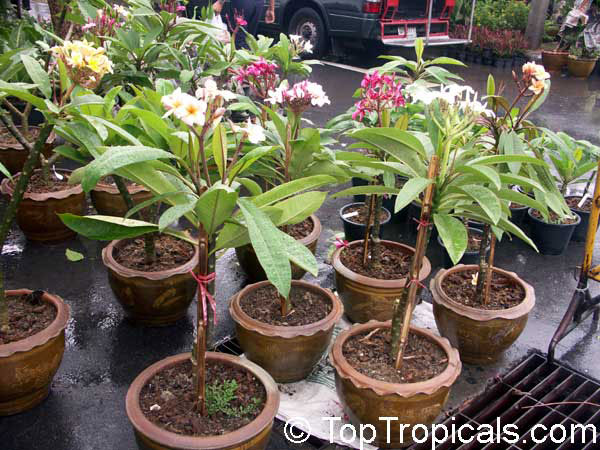
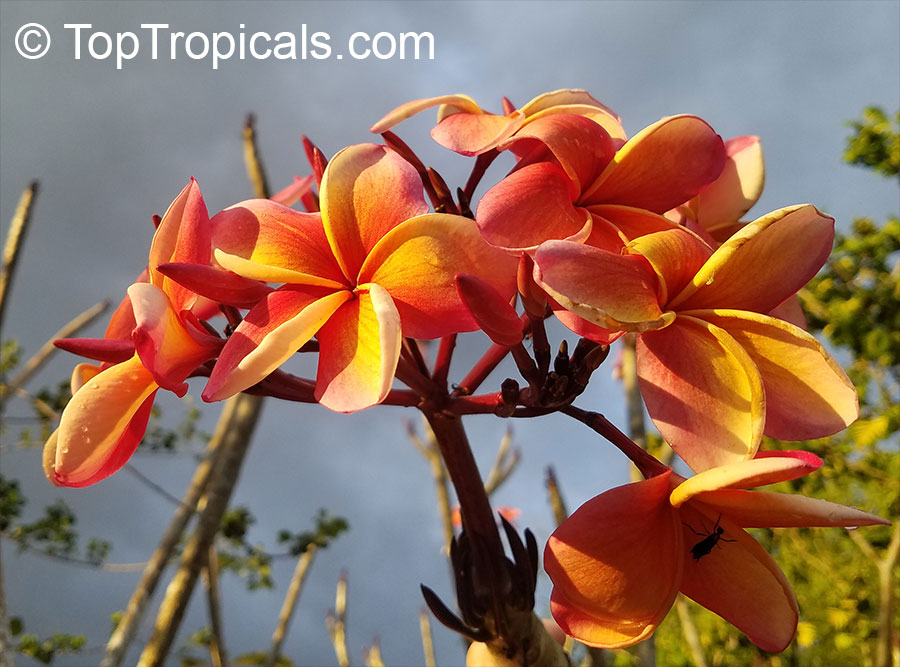
Q: We have a purple-flowering plumeria which resides on our sunny deck during the warm months and then Winter vacations on our back porch where we can close the plastic film windows and where it stays above 50 degrees (overnite) until it can get moved outside again. We live in zone 8+ in South Carolina and I would love to plant it outside. Do you think if we ghost-covered it when alerted that we would have an overnite freeze, that it would survive being planted in the ground and recover to flower when warm? I don't believe the soil in our yard has ever frozen below the top 1/2 inch or so, and never for more than a few hours at a time. What do you think?
A: Plumerias are tropical plants, which means, they need frost-free environment. Even if the ground is frozen only on "the top ½" or so"- this may be enough to kill the plant. From our experience, plumerias can withstand a few hours of windchill frost (not frozen soil), but even if they survive, they may get some branches damage, and recovery may take so long that the plant may not even bloom the next year. So I wouldn't take that risk even with a ghost-cover cold protection. We have customers who grow tropical plants in the ground in colder areas, but they have greenhouse protection: this means, the soil is warm and the air temperature is maintained above 45-50F. For example, this Greenhouse in Virginia.
We recommend to continue growing your rare plumeria in container and
move it inside when temperatures drop below 50F (recommended) and for sure when
they drop below freezing. Plumeria can take a cold night (a few hours of
upper 30's) as long as it is followed by a nice warm sunny afternoon with at
least upper 50s. Otherwise, keep it indoors. The good news is, since plumerias
are deciduous and have no leaves in winter, low light level won't affect the
plant.
Just make sure to minimize watering and keep the plant on a dry side
until it starts growing new leaves in Spring. You may continue fertilizing once
a week with half-doze of Sunshine boosters - Sunshine TotalFeed. This will maintain the plant healthy and prepare
for the blooming season in Spring.

Date: 11 Oct 2019
Fun of growing your own Pepper
By Onika Amell, tropical plant specialist
Q: Can you grow your own black pepper plants in the USA?
A: Who does not love the smell of freshly ground pepper, especially that lovely combination of white, green, black and red peppercorns, which are so much more interesting than just plain black corns. Yes, you can absolutely grow your own pepper! Peppercorns come from the plant Piper nigrum.
Growing Pepper Plant
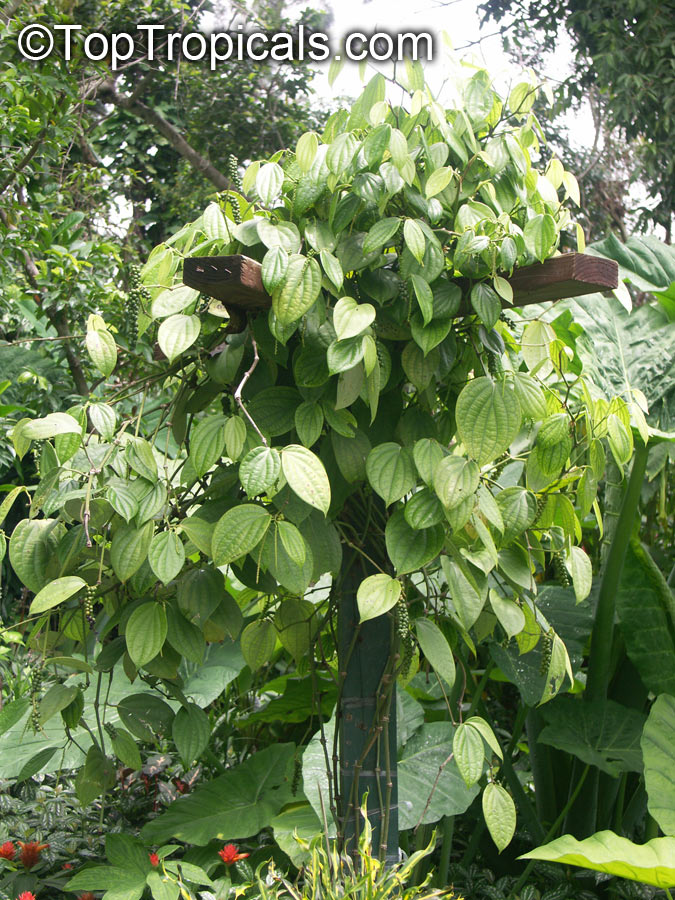
Black pepper plants are actually vigorous vines, although they are
pretty slow growing and can be kept in a pot as a compact plant. But they will
need a strong support to climb over. Indoors, you can provide this support by
installing a trellis in a large pot. Some gardeners prefer to grow them as a
hanging plant instead. In warm climates, you can plant them directly outdoors
in a protected location with partial shade. These plants need rich, moist,
well-draining soil and warm, humid conditions. Peppers do not like temperatures
below sixty degrees, although they can survive some cold spells. It is very
important to bring these plants indoors or wrap them in a blanket if colder
weather arrives.
If you live in colder parts of the country, you can certainly grow
peppercorns in large pots. Grow them outdoors during the summer and move them
indoors during the winter, or grow them year-round in your greenhouse.
Houseplants will need bright light and consistent moisture. Spray the leaves regularly
with a bottle of water to increase humidity. Do not allow room temperatures
to fall below sixty degrees.
Besides the benefit of being able to grow your own gourmet pepper
corns, the foliage, as well as the flowers on this plant, are beautiful in its own
right. Off-white flowers appear from spring through summer, followed by slow
fruit production. The berries will appear on spikes, with 50 to 60 berries
per spike.
Fertilize this vine in the spring before new vigorous growth emerges. We
recommend:
Tropical Greenhouse Plus - Plant Booster
Tropical Allure - Smart-Release Booster
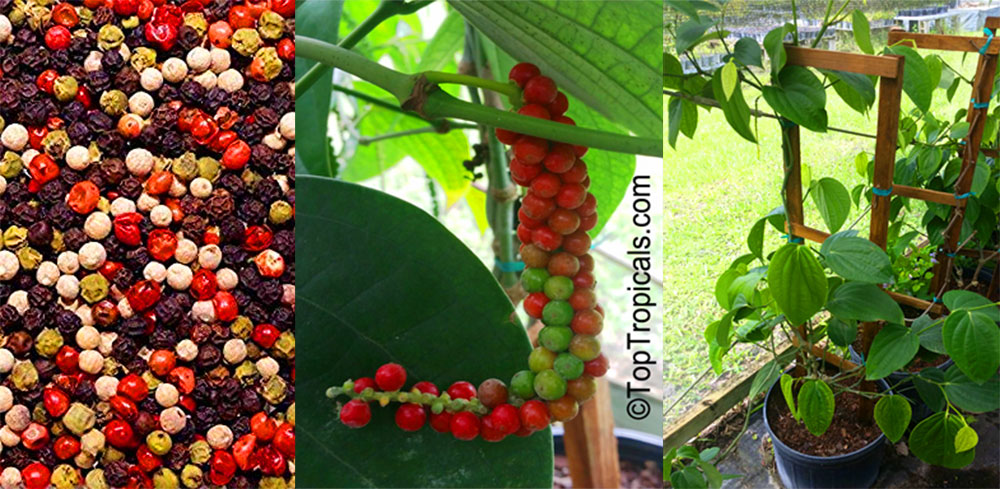
You may be surprised to learn that black, white, green and red peppercorns are all the same seed on the same plant in the various stages of development and processing.
Black peppercorns are the most familiar and come from the corns that have reached their full size but are still green and not quite ripe. They are picked and allowed to dry in the sun. Enzymes in the berries cause the skin to turn black during the drying process. They are the strongest in flavor.
White peppercorns are the mature berries that ripen to a red color before being picked. After harvesting, they are soaked and rubbed free of the outer skin down to the smooth white underlayer, then dried and bleached by the sun. They are slightly milder than black pepper.
Green peppercorns are the unripe peppercorns picked at the same stage of ripeness as black peppercorns, but not allowed to dry. They can be pickled in vinegar or brine. They are the least pungent.
Red peppercorns are the mature, but unshelled version of the peppercorn. One can usually find them in some gourmet and health food stores. They can be quite expensive.
Ground pepper will only stay fresh for about three months, but
peppercorns will last indefinitely. To make the most of your pepper harvest, store the
peppercorns in an airtight container in a cool, dark location. Grind them
immediately before use for the best flavor.
There is nothing like freshly ground black pepper simply combined with
a good quality olive oil and a splash of balsamic vinegar. This makes a
wonderful dipping sauce for fresh bread. Simple, yet elegant. All the better if
the pepper was grown in your very own garden!
Date: 21 May 2019
Perfecting a Mango Tree
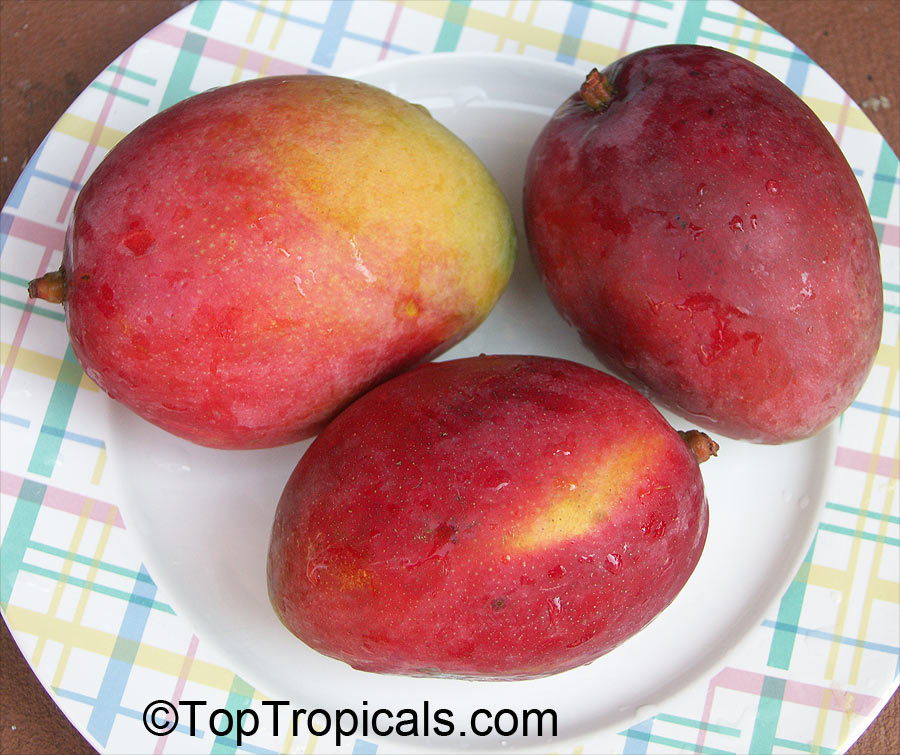
Q: I recently purchased a Mangifera indica - Coconut Cream Mango from you and would like to know if it is possible
to keep this in a large pot rather than putting it in the ground. If so, I
have a few questions:
1. How large would you expect this variety to get?
2. What are the ideal growing conditions? Full sun, partial sun,
etc...?
3. What is the ideal soil?
4. Any specific watering directions for ideal growth?
A: Coconut Cream mango tree has a moderate growth. We've planted
one in our garden 4 years ago and it is still under 10 ft tall. This variety
should be well suitable for container culture.
1. Keep the branches trimmed after fruiting is over. Mango trees can be
grown in 15 to 25 gal containers and can be trimmed under 7-8 ft high.
2. All mango trees need full sun, the more sun the better.
3. Mango needs very well draining soil, ideally with lots of bark and
perlite. We recommend our professional soilless mix or a similar formula.
4. Mango trees hate wet feet, and prefer to stay on a dry side: make
sure soil in a pot doesn't stay wet; allow it to dry a little between the
waterings.
Remember to apply Mango Food fertilizer during warm season for vigorous growth and heavy
crop!

Date: 2 Feb 2025
Valentines Day Best Gift Plant Ideas
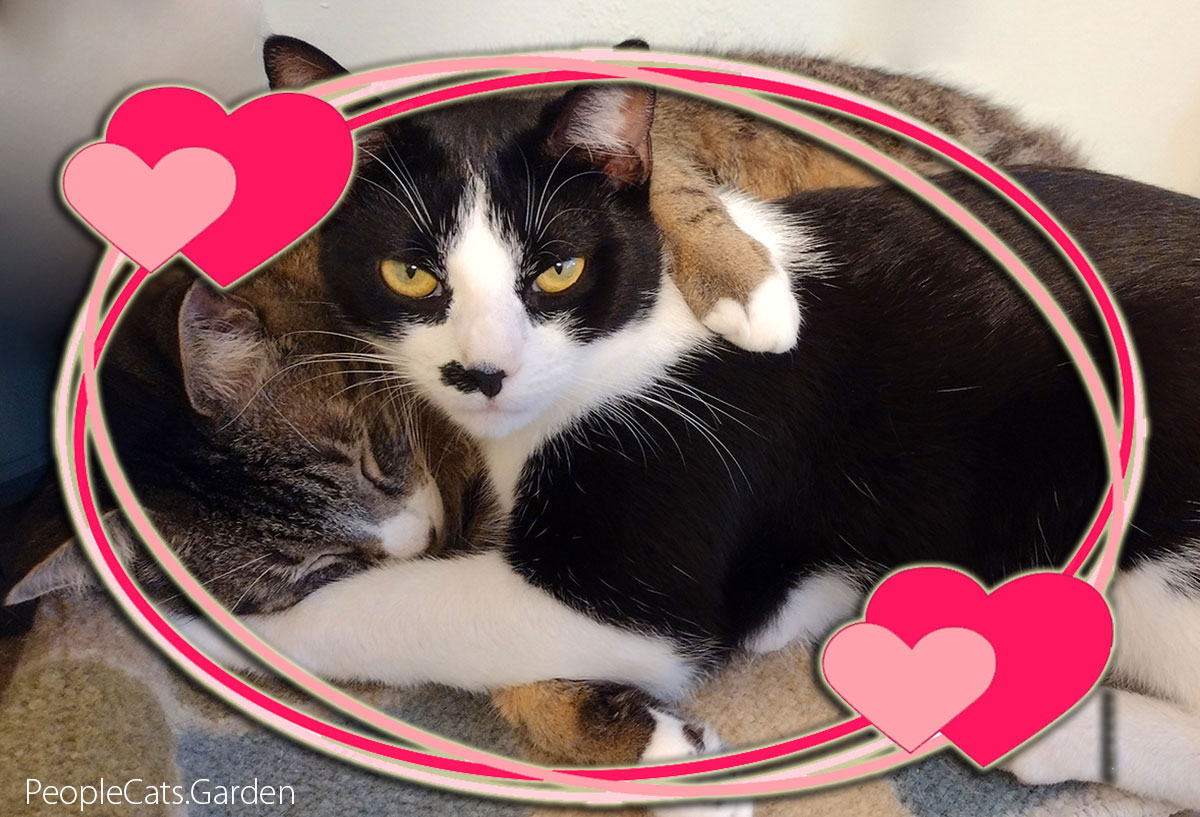
Q: What are the most popular gift plants for the Valentines day?
A: Valentines Day is the perfect occasion to show your love with a gift that lasts beyond just one day. While traditional flowers are lovely, a live plant offers a meaningful, long-lasting way to express your affection. Whether it's the vibrant blooms, fragrant leaves, or the joy of watching a plant grow, gift plants bring a touch of nature and beauty into the home. Below are a few wonderful plant ideas to help you pick the perfect gift for your loved ones this Valentines Day. Check out a short video: Sweetheart Hoya varieties
Valentines Sweetheart Hoya
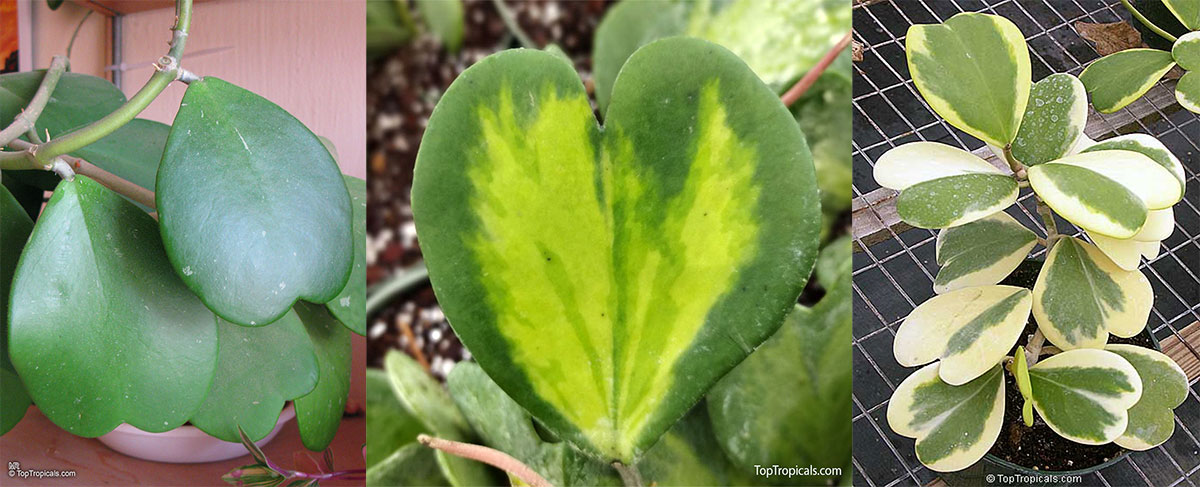
Wax Hearts, also known as Sweetheart Hoya or Valentine Hoya, comes in 3 kinds - Green leaf, variegated Sunshine and Variegated Moonlight - collect them all! These plants are the perfect way to show someone you care. Hoya kerrii, often called the Sweetheart Plant, has become a favorite houseplant in recent years due to its unique heart-shaped leaves. This quirky and unusual plant is ideal for those looking for a novelty gift for their plant enthusiast friends. Its easy care requirements and distinctive appearance make it a charming addition to any home, spreading love and beauty in a simple, yet meaningful way. It's the perfect plant to celebrate Valentines Day or any special occasion!
Fragrant Jasmine
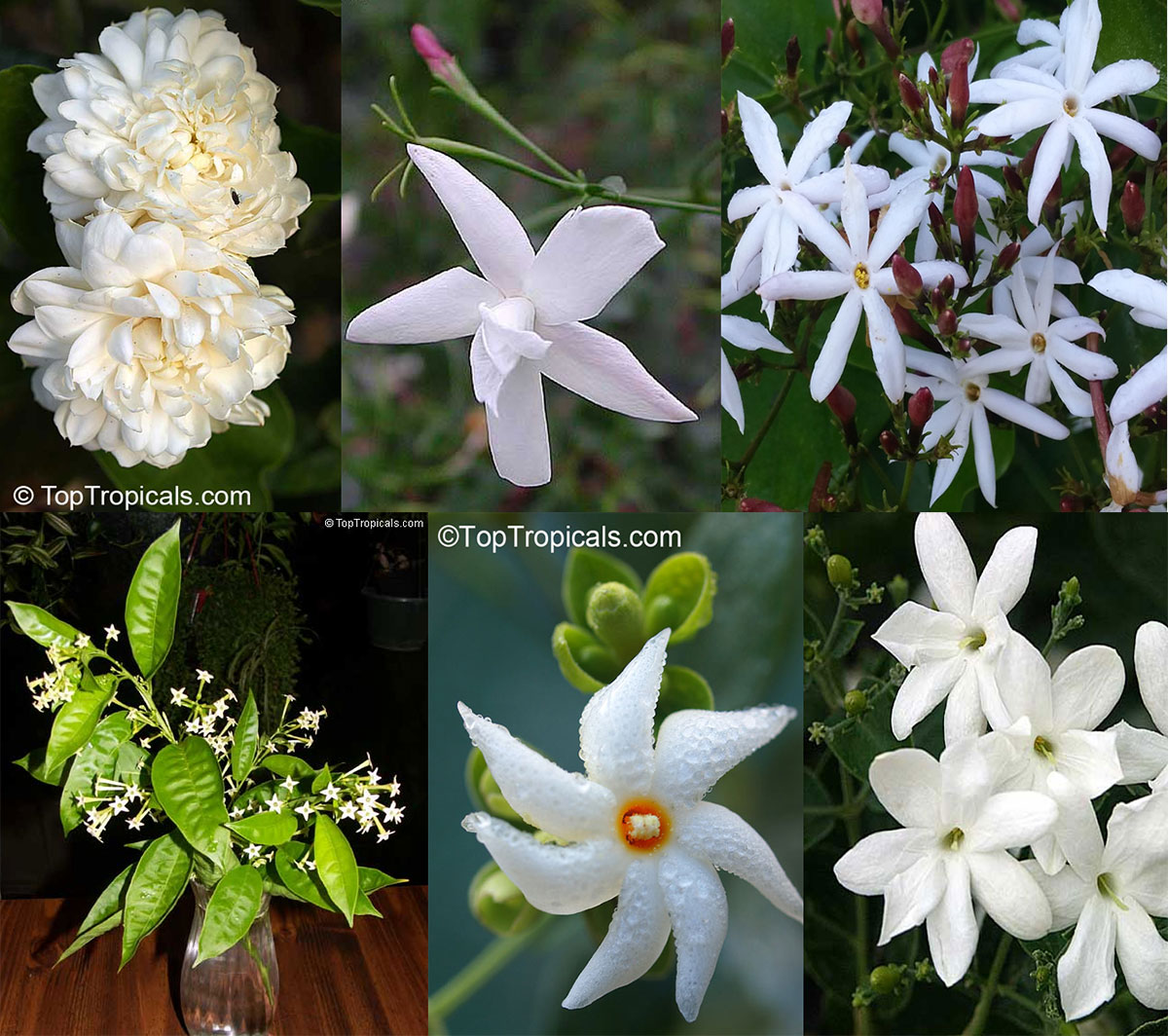
Jasmines are about to bloom, making now the perfect time to get them before their flowers open in spring! Some of the top picks include the timeless Jasmine Sambac, French Perfume Jasmine, Rose Bud Jasmine, Night Blooming Jasmine, Parijat Jasmine Tree, and Jasmine Molle (Indian Jui). These varieties are not only beautiful but also fill your home or garden with their unforgettable, fragrant blossoms. Whether you're looking to add a touch of elegance to your space or sear! ching for a fragrant gift, these jasmines are a must-have for any plant lover. Get them now and enjoy their aromatic beauty as they begin to bloom!
Compact Rhododendron Azalea - Red Cherry Miniature
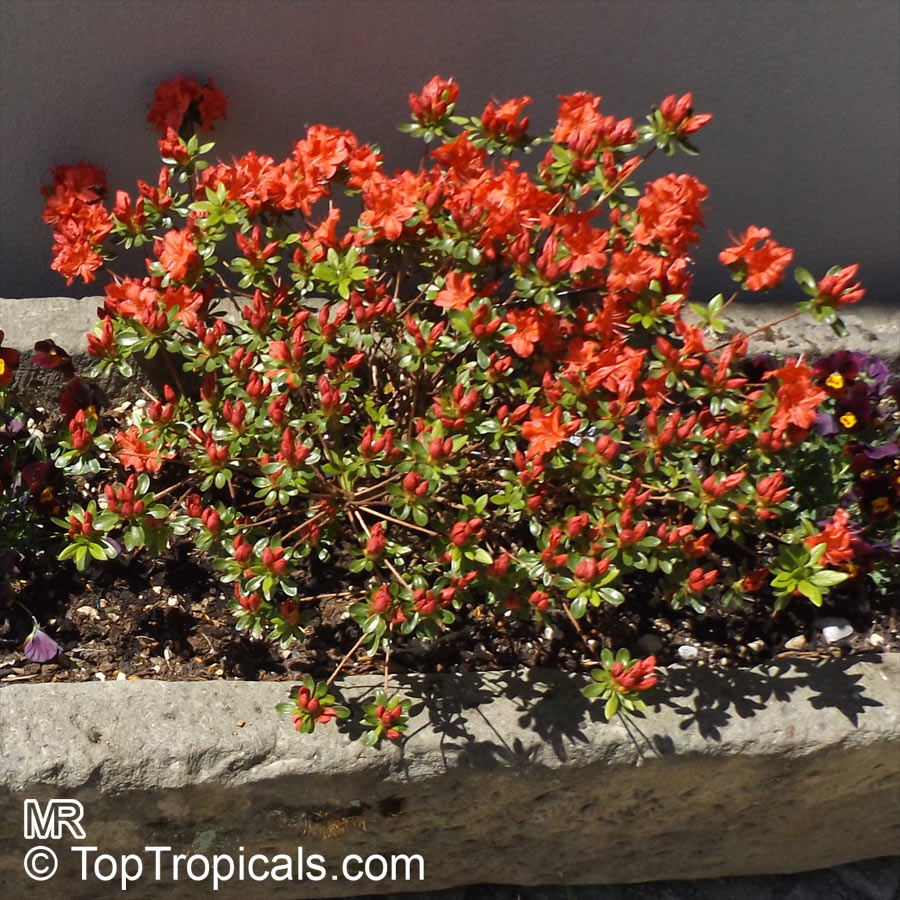
The Vivid Red Cherry Miniature Azalea is a stunning, cold-hardy evergreen that blooms with vibrant cherry-red flowers in spring and fall. Very compact and easy to care for, it thrives in shady spots and offers year-round beauty with its glossy, dark green leaves. Whether used as a hedge, accent, or screen, this semi-dwarf variety adds a pop of color to any garden or home. A perfect way to share lasting beauty and joy with someone special!
Condo Mango
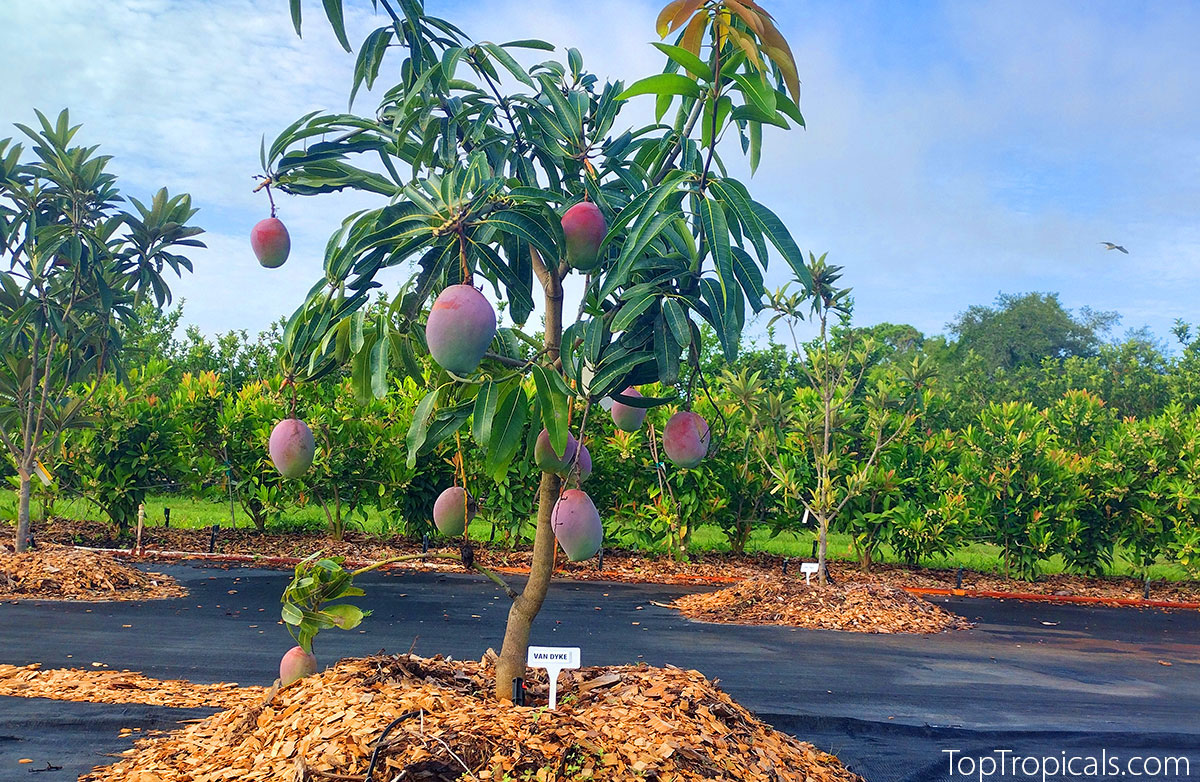
Looking for a unique Valentines gift? The Condo Mango is the perfect choice! This compact, dwarf mango tree
thrives in containers, making it ideal for small spaces like balconies or even indoors. With its manageable size and vibrant fruit, it's a thoughtful and practical gift that brings a tropical touch to any home. Plus, with a little
pruning, it can stay small while still producing delicious mangoes. Share the joy of gardening and fruit-growing with someone special this Valentines Day!
Learn more about Condo Mango from our Telegram Chanel: What are the Condo Mangos? A Practical Guide and Top 10 Dwarf Condo Mango - great for container culture
Date: 31 Jul 2025
Shady spots aren't a problem - they're an opportunity
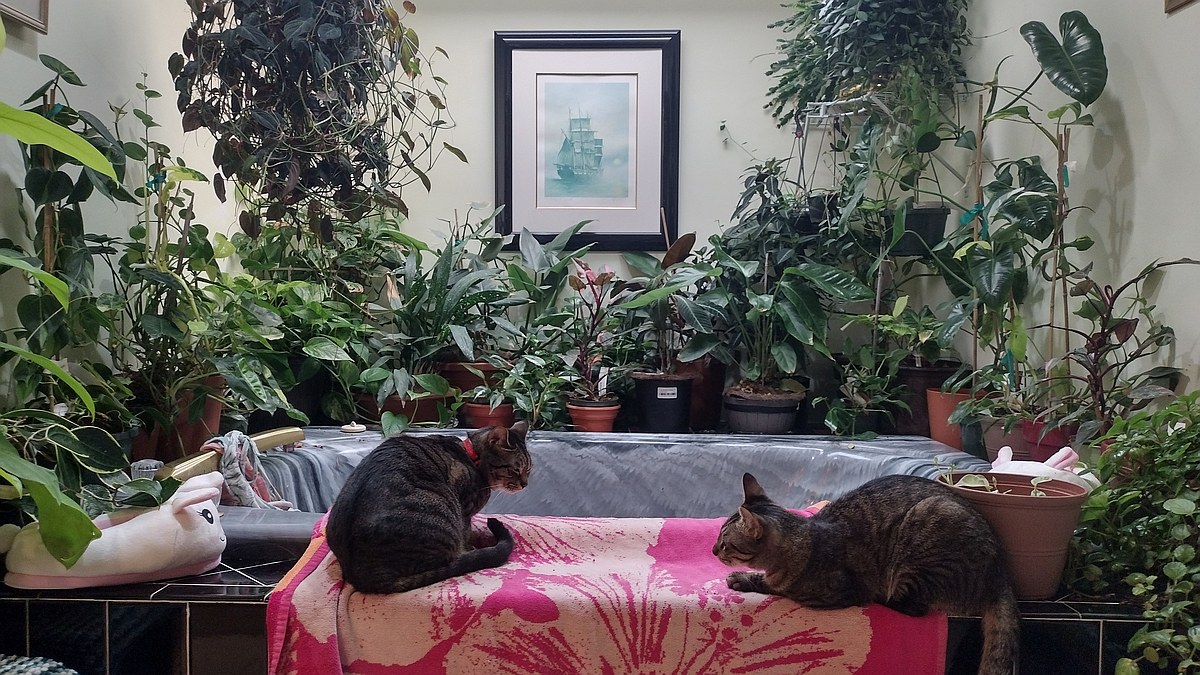
Photo above: Niki and Cash, the Top Tropicals PeopleCats-in-residence, lounging in a lush indoor jungle
Most tropical gardens have at least one corner that gets morning light, filtered sun, or just bright shade - and that's exactly where Anthuriums thrive, along with many other shade-loving plants. That makes them ideal for spaces where other tropicals struggle.
Don't have a greenhouse? You don't need one. Anthuriums do beautifully on a shaded porch, in a screened lanai, or even indoors near a north or east-facing window. They're perfect for:
- Bathrooms with natural light
- Bright kitchens with indirect sun
- Shaded entryways or under eaves
- Hanging baskets under tree cover
- Mounting on cork or wood in humid areas
Even a small space can feel like a tropical conservatory with the right plant - and Anthuriums bring that look without being demanding. They grow slowly, stay manageable, and don't need constant pruning or repotting.
Best of all, they reward consistency. Keep them warm, give them some humidity, water when the top inch feels dry, and they'll stay healthy for years. No drama - just quiet, lasting beauty. If you've never grown tropicals in the shade, this is where to start.