Cassia vs Bauhinia: which is better as an everblooming container tree?
Cassia vs Bauhinia: which is better as an everblooming container tree?
🌈 Cassia vs Bauhinia: which is better as an everblooming container tree?
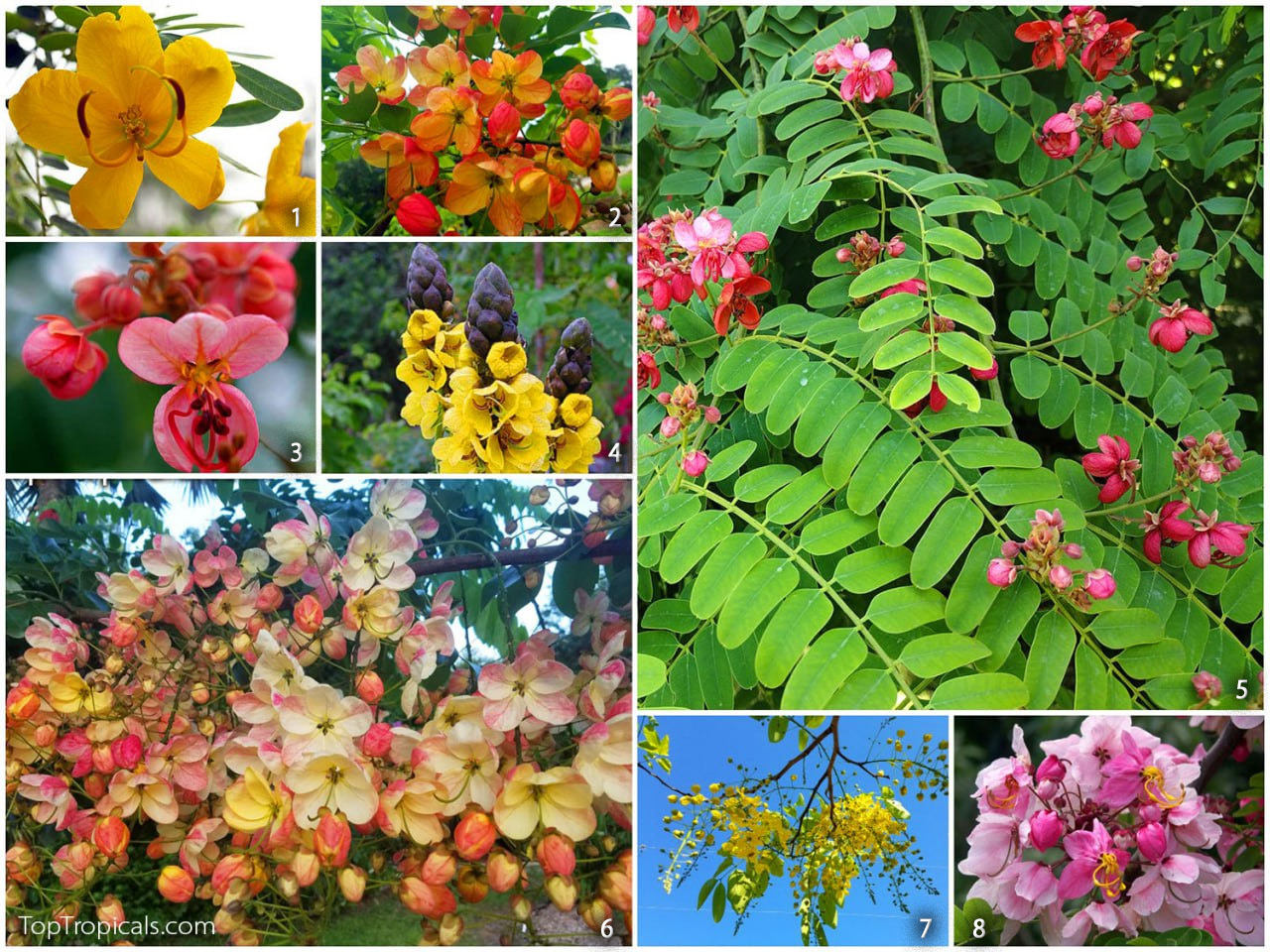
🌸 Cassia (Senna) trees are very popular flowering trees - fast growing, free-flowering, relatively cold hardy, and they love the summer heat. Cassias come in several colors: yellow, orange, pink, red, and rainbow. Rainbow varieties (which are hybrids between yellow and pink cassias) are the most popular thanks to their multicolor blooms with swirls of yellow, pink, red, and orange. But while Rainbow Cassia is a spectacular flowering tree for southern gardens, is it a good choice for a container when you want color on your patio or pool deck?
🌸 Some yellow-flowering cassias make attractive bushes that bloom most of the year and stay compact, so they can be grown as container specimens:
🌸 When it comes to Rainbow or pink cassias such as Cassia javanica - Apple Blossom Tree or Cassia grandis- Red Cassia and other species and hybrids (Cassia marginata - Rainbow Shower Tree, Cassia roxburghii - Ceylon Senna, Cassia x nodosa - Pink Shower), these are usually more vigorous trees that may take several years to bloom. Their flowering season lasts from a few weeks to a couple of months. These trees grow moderately fast but typically need to reach about 10 feet before they start flowering.
🌸 So, the answer is: if you want rich, deep color year-round from a container tree, go with Bauhinias - Orchid Trees. Most varieties grow well in pots, stay compact, and reach blooming maturity within just one season. The following varieties are everblooming and can produce flowers for up to 10 months of the year:
Bauhinia madagascariensis - Red Dwarf Orchid Tree. Blooms from winter through fall, up to 10 months a year. The most cold-hardy of all.
Bauhinia blakeana - Hong Kong Orchid Tree. A large tree in the ground, but compact in pots if trimmed. Grafted trees flower right away. Winter bloomer, cold hardy to light frost.
Bauhinia tomentosa - Yellow Orchid Tree. Flowers from Winter through Summer, cold hardy to light frost.
Bauhiniamonandra - Napoleon's Plume Orchid Tree. Almost everblooming with the longest flowering period (less cold hardy than the first three).
Bauhinia acuminata - Dwarf White Orchid Tree. Blooms from summer through winter (also less cold hardy than the first three).
🌱 💪 Green Magic + SUNSHINE Boosters: A
Complete System for Strong Plant Growth
By Tatiana Anderson, Horticulture Expert at Top
Tropicals with Smokey & Sunshine help
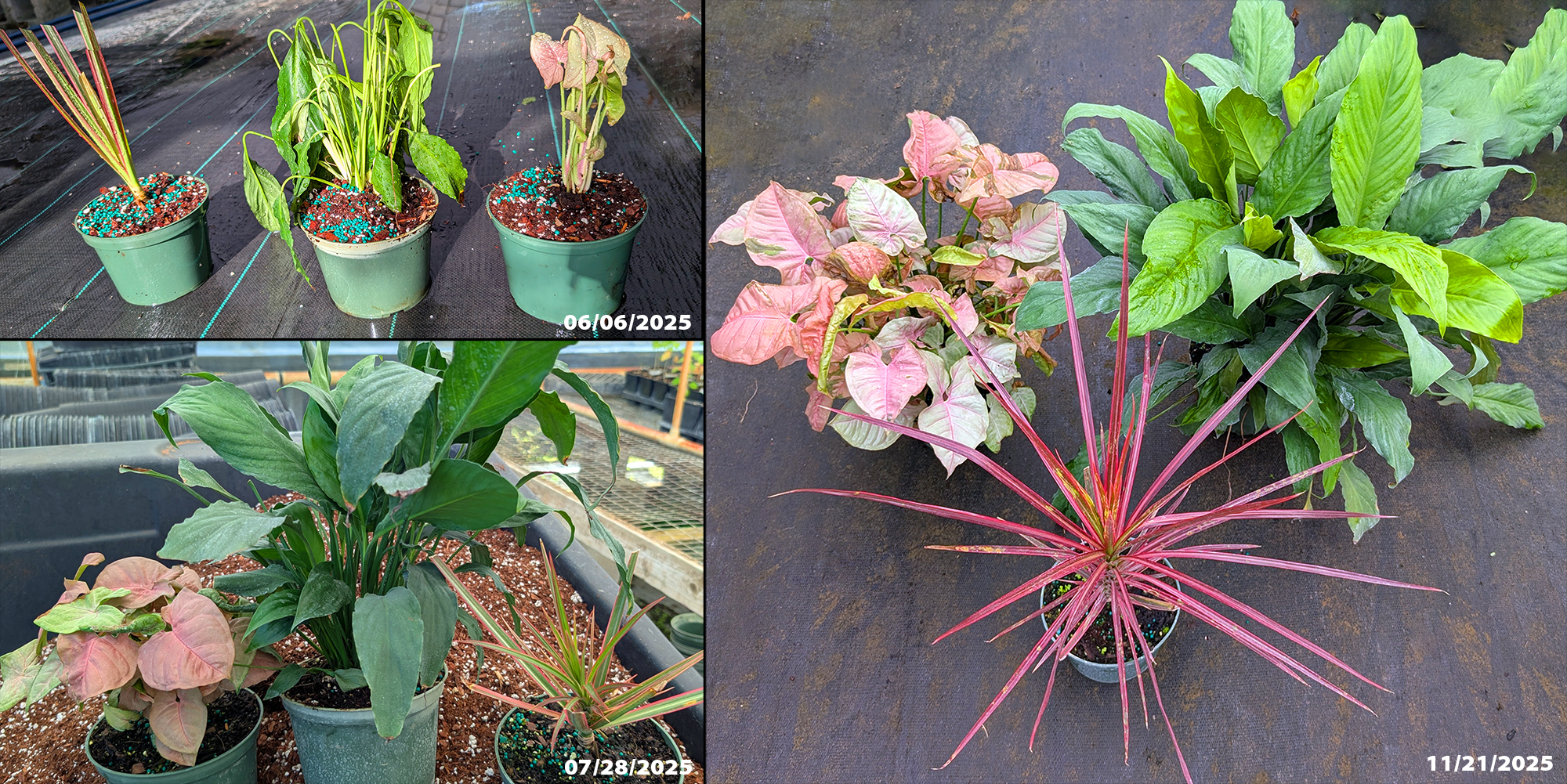
Green Magic recovery test with SUNSHINE Robusta support: Dracaena, Syngonium, and Spathiphyllum
revived from severe stress and growing vigorously.
☀️🌱 Sunshine Boosters: Complete Plant
Nutrition
Sunshine Boosters provide complete plant nutrition,
including Calcium and micronutrients that plants need for strong growth.
Because
nutrients are delivered in liquid form, plants can absorb them quickly and
respond almost immediately.
The Practical Problem
Liquid feeding works well, but it requires frequent application. In real
gardens, many growers simply do not have time to add liquid fertilizer with
every watering.
Green Magic: The Foundation
Green Magic solves this problem by providing steady
background nutrition through controlled-release fertilizer. It feeds plants
gradually, so they continue receiving nutrients even between liquid
feedings.
Why This Combination Works
Together, this system provides both complete nutrition and
steady feeding. Sunshine Boosters supply fast nutrients and
Calcium, while Green Magic maintains a stable nutrient supply between
feedings.
✍️ How to Feed Your Plants
📅 Step 1 – Start of the Growing Season
Apply Green Magic around the root zone every 6 months.
In ground:
Small Shrubs (1–3 feet): Use approximately 1/4
to 1/2 cup per plant
Established Trees: Use 1/2 lb to 1 lb of product per 1
inch of trunk diameter.
Small In-Ground Ornamentals: A common "spoon" rate is
roughly 1 teaspoon per gallon of estimated root volume (or per sq. ft. of
surface area).
Spread evenly around the dripline. Avoid piling the granules against
the base or trunk of the plant. For best results, lightly rake the granules
into the top 1–2 inches of soil.
Container plants:
Apply 1 tea spoon per 1 gal of soil (mix in with soil)
every 6 months during active growth period, or with every re-potting.
Water normally after application.
Adjustment for Temperature. Because Green Magic is
temperature-controlled, adjust your rate if your local climate is extreme:
Cooler Climates (<60°F average): Increase
the rate by 20% to ensure enough nutrients are released.
Hot Climates (> 80°F average): Decrease the rate
by 20% to prevent over-releasing as the heat speeds up the process.
☀️🌿 Step 2 – Active Growing Season
Apply Sunshine Boosters during the growing season.
Regular feeding (maintenance): Mix with tap water according to
the ratio on the label. For SUNSHINE Robusta use 25 ml (5 tsp)per
gallon
of water and spray leaves every 5-7
days during active growth.
Correction feeding ("medicine" dose): if plants show visible
nutrient deficiencies, combine SUNSHINE Robusta with SUNSHINE Superfood
and
spray every 5–7 days until new growth appears healthy. All SUNSHINE
Boosters
products are compatible and can be mixed with water in the same sprayer.
Best time to spray: early morning or evening when temperatures
are cooler and leaves can absorb nutrients efficiently.
Important: spray both the top and underside of leaves for
maximum absorption.
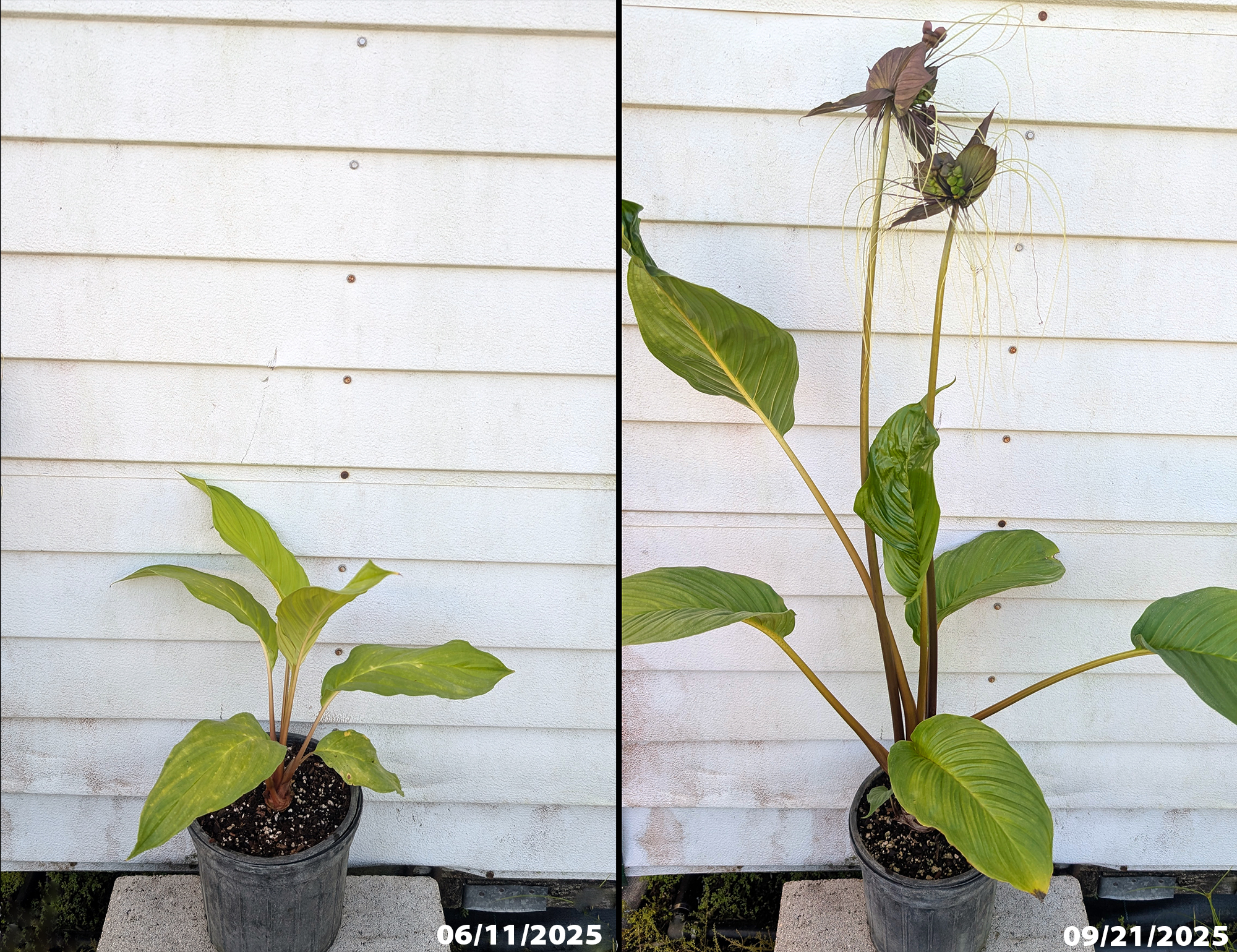
Tacca (bat flower) showing vigorous growth and producing flower buds in
the
same season after feeding with Green Magic.
Swipe left/right to see all data
↔️
📊 Seasonal feeding schedule with Green Magic and Sunshine Boosters.
Season
Product
Method
Goal
Spring (March)
Green Magic
Soil Surface
6-month steady nutrient base.
Growing Season
Sunshine Boosters
Foliar (Every 5-7 days)
Calcium & Bio-available growth power.
Late Summer
Green Magic
Soil Surface
Replenish foundation for Fall.
Winter
Sunshine Epi
Foliar/Drench
Cold tolerance and shipping recovery.
Quick Dose Reference
Green Magic: 1 teaspoon per 1 gallon of soil
volume.
Sunshine Boosters: 25 ml (5 tsp) per 1 gallon of
water.
Pro Tip: Always spray in the early morning or late
evening to prevent leaf scorch and ensure maximum absorption through the
stomata.
Why is the"Spring Fertilizer Rush"a problem?
Most gardeners apply a large amount of traditional fertilizer once in
March. This creates a"roller coaster"effect where plants get a sudden
spike of
nutrients followed by weeks of starvation. This leads to inconsistent growth
and potential"fertilizer burn."
What is"fertilizer burn"?
Traditional fertilizers are made of soluble salts. When too many salts
accumulate around the roots, they actually pull water out of the plant
tissues
(osmosis), dehydrating the plant and damaging sensitive root tips and leaf
edges.
Is there a difference between"Slow-Release"and
"Controlled-Release"?
Yes.
Slow-Release: Relies on natural factors like moisture
and soil microbes to break down. It is often unpredictable.
Controlled-Release: Uses engineered polymer membranes
(like Polyon) to release nutrients at a specific, predictable rate based
primarily on temperature.
Green Magic & Temperature
How does temperature affect my fertilizer?
Most fertilizers are lab-tested at 75°F. In hot climates
(90°F+), the nutrients release much faster. A"6-month"fertilizer
might only last 3
months in the summer heat.
How should I adjust Green Magic for my local weather?
Cooler Climates (<60°F): Increase the
application rate by 20%.
Hot Climates (> 80°F): Decrease the application
rate by 20% to prevent over-releasing.
The Calcium Gap
Why doesn't Green Magic contain Calcium?
Calcium salts are highly soluble and can destabilize the polymer coating
used in controlled-release granules. Therefore, most high-quality granules
leave Calcium out. You can provide Calcium by using SUNSHINE Boosters
Why is Calcium so important for new growth?
Calcium is the"bone"of the plant, building strong cell walls. Unlike
other nutrients, it is immobile—the plant cannot move it from old
leaves
to new ones. If you don't provide a constant supply, new leaves and fruit
will
emerge distorted or weak.
Advanced Science & Troubleshooting
What makes Sunshine Boosters"Bioavailable"?
Unlike most liquid fertilizers that use EDTA chelators, Sunshine Boosters
are amino-acid based. They use organic acids and glycine to escort minerals
into the plant, allowing it to incorporate nutrients into its proteins
almost
immediately.
Will these fertilizers affect the taste of my fruit?
No. Sunshine Boosters are made from pharmaceutical-grade components and
contain no urea or harmful salts, ensuring your harvest (like Mangoes or
Avocados) has a pure, natural flavor without a chemical aftertaste.
✨ Green Magic
- 15% Off This Week
Give Your Plants a Strong Start This Spring
Green Magic - 15% OFF.
Build the foundation for the entire growing season with a steady,
long-lasting nutrient base.
No coupon needed. The discount is automatically applied at
checkout.
Offer valid through 03/21/2026. Discount applies to Green
Magic products only. Not valid on previous purchases and cannot be combined
with other promotions or discounts. Offer subject to change without notice.
Sunshine: So Green Magic feeds the plant for months. Does
that mean I can forget about Sunshine Boosters?
Smokey: Not quite. Green Magic is the steady base diet.
Sunshine Boosters are the weekly power drink during active growth.
Sunshine: Ah. Like my regular meals and donuts on top.
Smokey: Exactly. Plants eat slowly from Green Magic, and
once a week they get a fresh boost.
Sunshine: Sprinkle once, then boosters every week. The
plant grows, I drink coffee, and nobody forgets anything important.
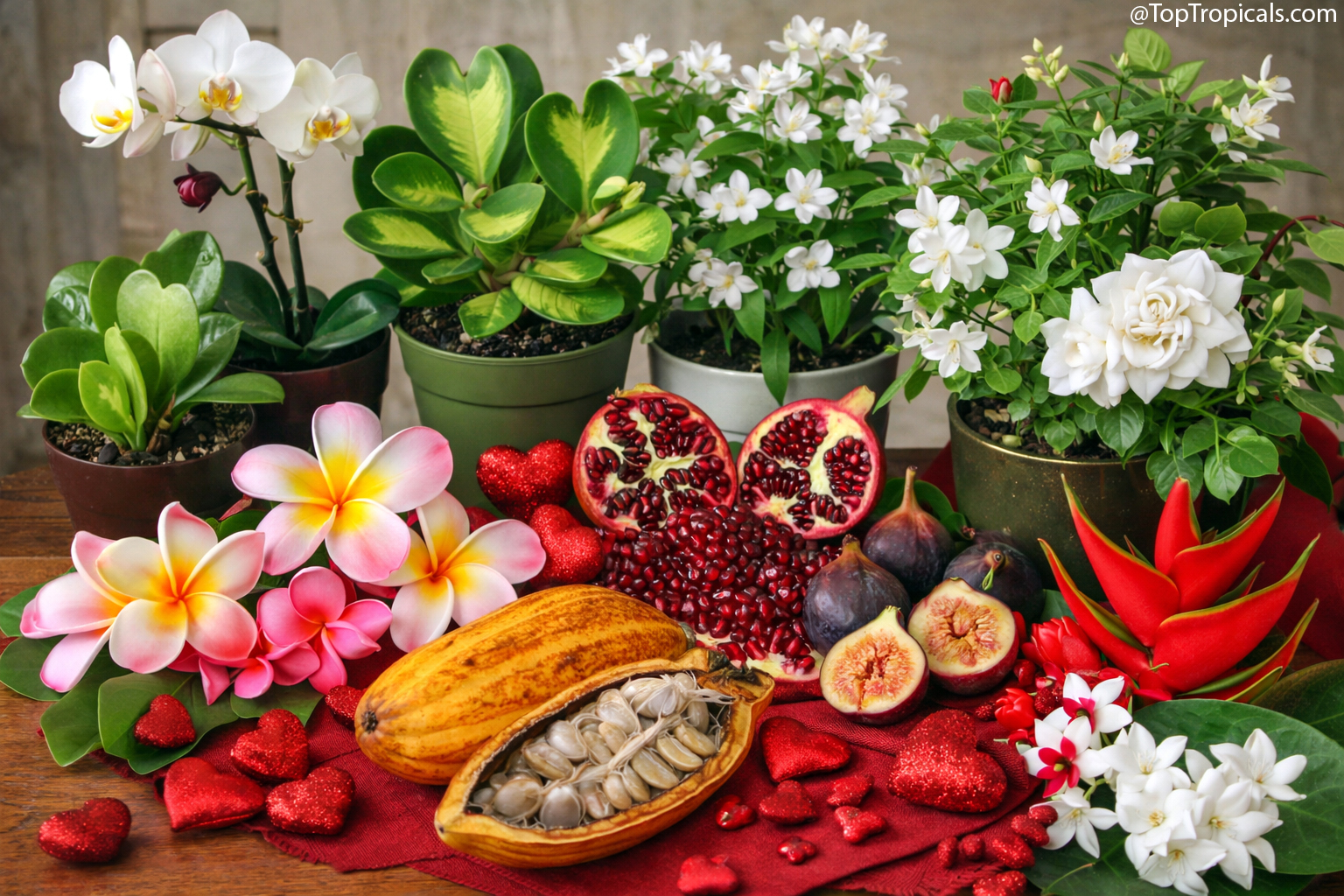
💕How would you like to give a Valentine plant gift?
Choose the plant
If you already know what feels right, choose the plant now.
Sweetheart Hoya is a favorite for a reason, and there are other Valentine
plants to explore if you want options.
A good choice when you feel confident, love plants, or are gifting something
meant to live indoors.
Let your Valentine choose
If timing, weather, or choice feels uncertain, a Gift Card keeps the moment simple. Your Valentine can choose the
perfect plant when the time is right.
Especially helpful for gardeners up north, or when you want the gift to
unfold later.
About shipping and timing
We ship live plants with care and pay close attention to weather along the
way.
If conditions are not right, we may hold a shipment briefly to keep plants
safe.
If timing or weather makes you hesitate, a Gift Card is an easy way to give a Valentine gift now and choose the
plant later, when conditions are perfect.
Valentine Day Gift Card Bonus
To make Valentines Day a little sweeter, we are offering a special gift
card bonus for a limited time.
When you purchase a gift card, we add 15% extra
value. Just add Valentine greeting in gift card message field.
For example, a $100 gift card becomes $115 to spend.
Offer valid through 02/15/2026.
The bonus value is not valid with other promotions or discounts. Gift
cards cannot be used to purchase other gift cards. Bonus value is added at
the
time of purchase.
🌿 Bring the Jungle Inside: Winter Survival
Guide. Part 3. Watering and Humidity. ❄️
💦
Water, Humidity, and the Small Things That Decide Who Makes It to
Spring
Smokey:"Still damp. No watering today."
Sunshine:"Great. I am excellent at not watering."
Smokey:"You have been practicing not doing any work your whole life."