Garden Blog - Top Tropicals

Date: 21 Jun 2019

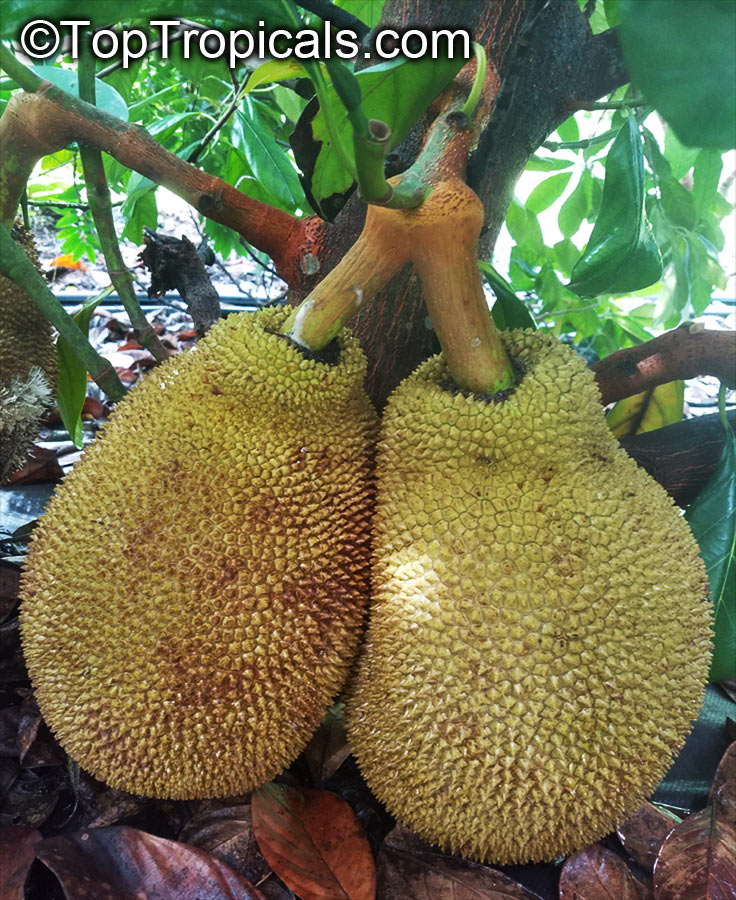
Growing Jackfruit in a pot

Q: I have a young jackfruit tree, and I wanted to know, is a 25 pot enough for an adult tree?

A: 25 to 50 gal should be eventually a good size pot for growing a Jackfruit tree. Keep in mind the following:
1. Start with a smaller container, only slightly bigger than the root system. Do not plant directly into a large container, this may create a risk for root rot.
2. Step up the tree in a bigger container every year as it grows bigger. With every repotting, trim both branches and roots to compact the plant and to encourage branching out.
3. Jackfruit trees should be kept pruned under 6-7 ft in pots and 10-12 ft in the ground. This makes healthy fruit production more efficient and keeps fruit at the base of the tree.

Date: 4 Jun 2019

Plants for South Texas and other hot states

Q: Pretty much adore last newsletter. Haven't been buying because our weather here in deep south Texas is so bad it is stunting and killing even the Tamaulipan Scrub! Do you have a cure for that? :) I have every expectation the new grafted Plumeria I purchased from you last year will bloom soon. One of my favorite plants. Thanks again and keep up the good works.

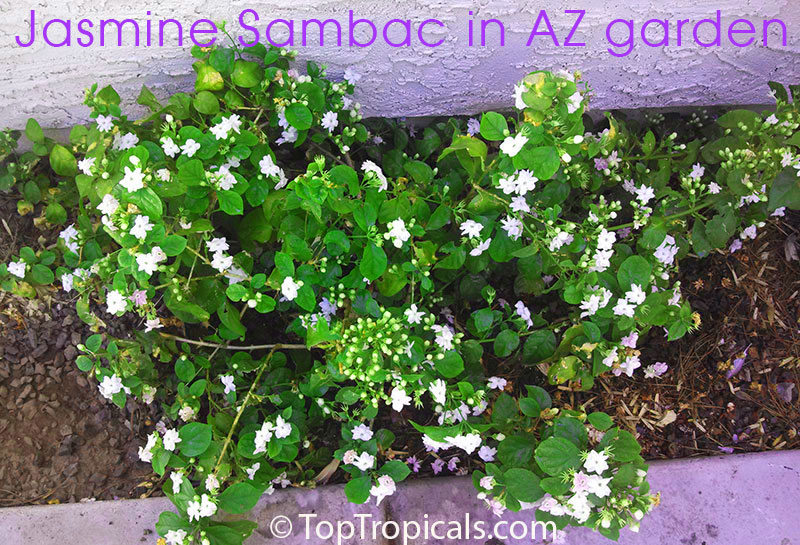
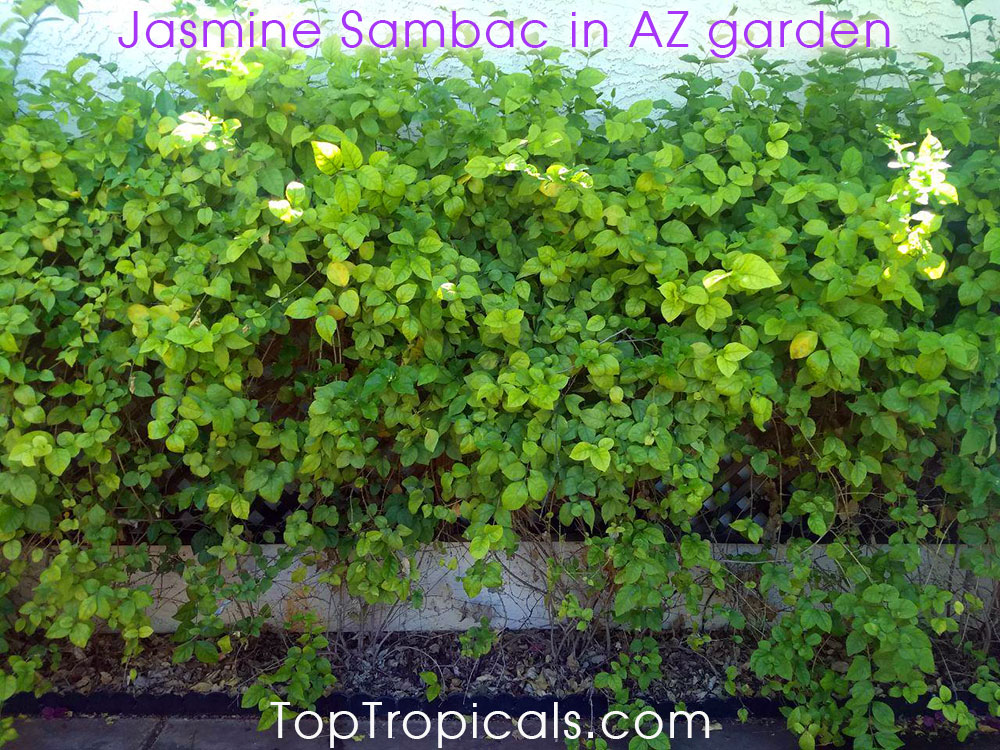
A: Yes, there is a "cure" - using biostimulants that improve drought- and heat- resistance (SUNSHINE boosters), plus the right plant selection. In fact, there is a large number of tropical rare plants that can be successfully grown in hot climates like yours. One of our partners lives in hot and dry Arizona area and has an amazing tropical garden that includes many fruit trees (Mango, Persimmons, Pomegranates, Loquats, etc). Here you can see a few pics from his garden.
Your choice is absolutely right about plumerias. Other easy plants would be Desert roses - Adeniums, and Fancy Euphorbia millii - all these come in so many varieties of colors and bloom throughout most of the year. Our special recommendations for you would be also:

Bougainvillea Dwarf Pixie
Jasmine sambac
Calliandra selloi Pink Lilian
Dracaena marginata Tricolor - Colorama, Money Tree
Hamelia patens Lime Sizzler - Variegated Fire Bush
Jatropha berlandieri - Buddah Belly
Pedilanthus tithymaloides - Devils Backbone
Trachelospermum asiaticum Mandaianum - Dwarf Confederate Jasmine

See full list of more plants that are suitable for hot and dry landscapes.

Apply fertilizers, miscroelements, and plant stimulants for improving heat tolerance

Date: 24 May 2019

Synergy of SUNSHINE, biostimulants, and macro-micro
TopTropicals.com

Q: I've heard that plants grow better and bigger with SUNSHINE boosters and when using Myco-Mix instead of regular soil mix. Do they work like fertilizers? If I use a Myco-mix, do I still need a fertilizer?

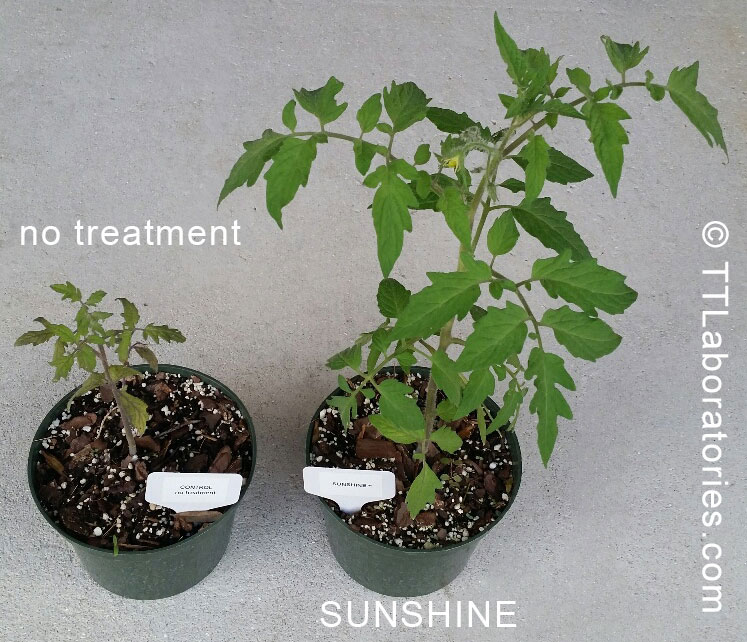
A: SUNSHINE boosters are not fertilizers, they are natural plant hormones, or biostimulants, as well as Myco-Mix which is a naturally occurring compound or microbes. Biostimulants are becoming increasingly attractive to folks interested in sustainable agriculture, and very popular for plant growth or pest resistance. A plant biostimulant is not a fertilizer because it provides no nutritional value to the plants. But, it can promote greater nutrient and water use efficiency, increase resistance to pests and diseases, reduce abiotic stresses, and in turn, lead to plant growth and health.

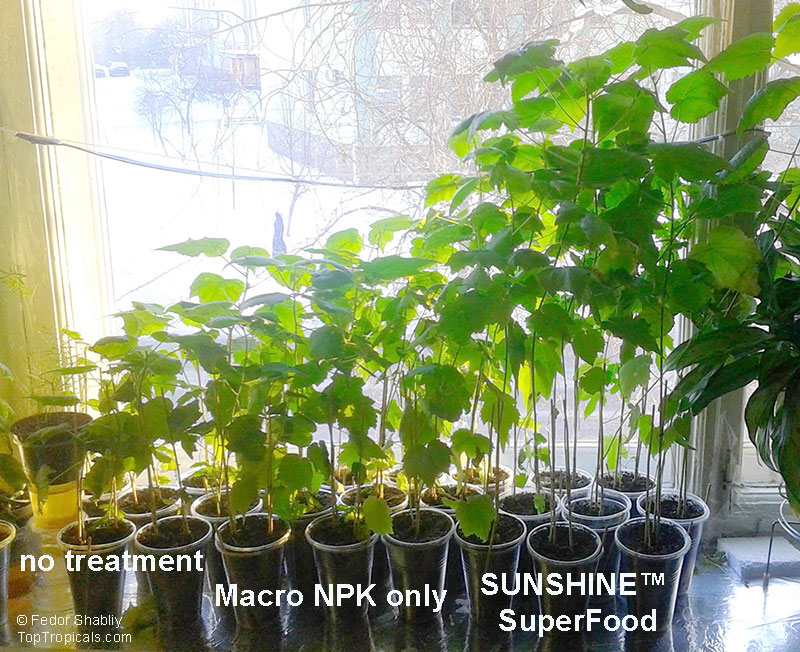
To answer your question, you can not replace regular fertilizers (NPK) and micro-elements with plant boosters and stimulants. However, fertilizers and microelements will work more efficiently when used in combination with biostimulants. Together they create a synergy, so plants use the most of fertilizer's potential, and will grow a lot better, faster, and healthier.

4 components for the best growing results

1. SUNSHINE boosters. They are a must during the juvenile stage of plant development - seedlings and cuttings. They are especially important for recovery of weak or stressed plants (boosting their immune system).
2. SuperFood microelements
3. NPK fertilizers. Select from water-soluble and smart-release types and make sure do not exceed the recommended concentration. Lower dose and more frequent use is always better for a plant.
4. Specialized soilless mixes: Myco-Mix (with biostimulant Mycorrhiza) for exclusive growing projects and special/unique plants, Professional potting mix for potted plants, and Propagation mix for seeds and cuttings.

TopTropicals.com

Date: 20 Apr 2019

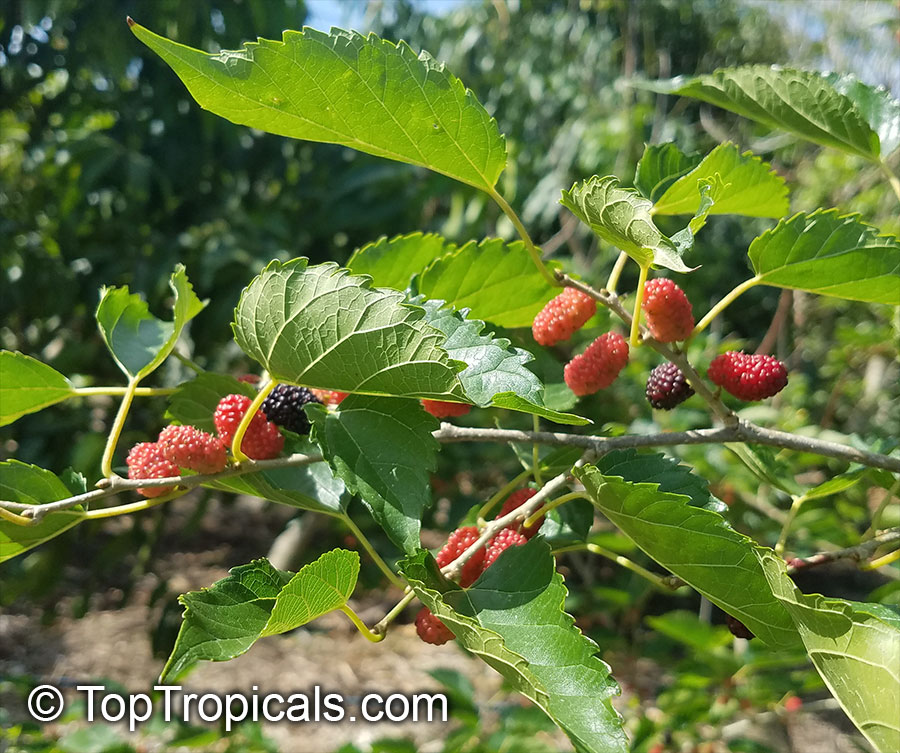
More about Mulberries

TopTropicals.com

Customer comment on our Mulberry column in the previous newsletter:

...I planted a Himalayan mulberry, Morus macroura, about six years ago. For several maddening years, it shot only very long, un-branching tentacles out there, and it resisted my efforts to force some branching by pruning. It would send another long, reaching shoot from the tip of the pruned branch, with NO laterals. Several times, it did this. Finally, two years ago, it broke buds that looked like they meant it all along those long branches, and in one season, it fluffed out. The next season it elaborated on this, acting much more like a proper tree. The fruit is fabulous, three or more inches long, very sweet, with a rich berry flavor that's more raspberry than mulberry. I guess it just needed more time. My understanding is that mulberries don't really like to be pruned, but it needed to happen in this case, along a driveway, so I reigned it in, and now it's a treasure. Be patient.
Cheers, your admirer, C

Check out our Mulberry trees.

Date: 2 Mar 2019

Surprising Violet fragrance of the Blue Lips

TopTropicals.com

By Mark Hooten, the Garden Doc

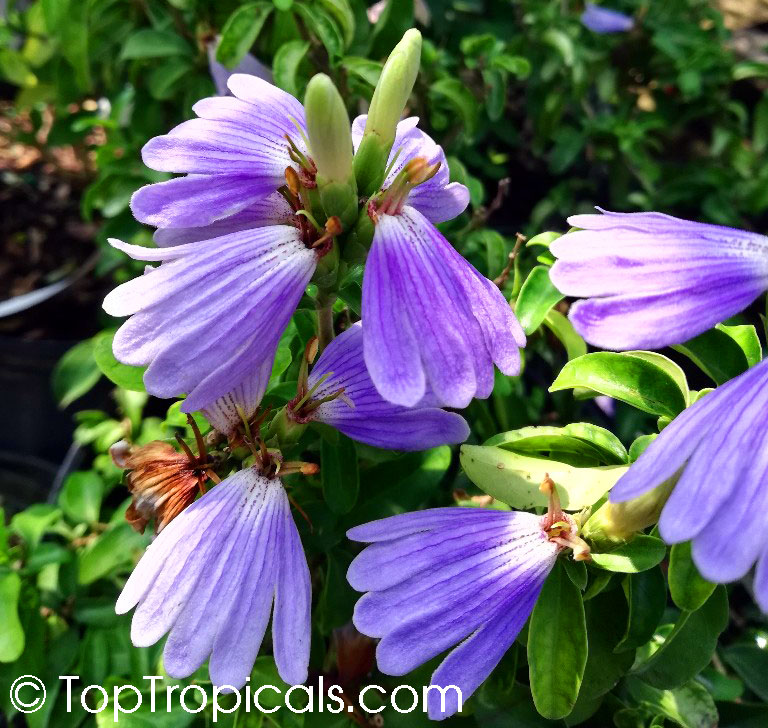
A few months ago while working among the bewildering array of great plants we grow, I began to notice wafts of a very unique fragrance. The scent seemed somehow familiar, yet for the longest time, I was unable to determine what kind of plant it was emanating from. I knew it was somewhere toward the back of the growing houses but just couldn't determine its source. The fragrance is very distinct and wonderful and could be detected over a large area... That scent is hard to describe, however, I would suggest a mixture of Lavender and old-fashioned florist violets...

Then, a few weeks later, I happened to lean over a grouping of Sclerochiton plants, and THERE IT WAS!!! This might be the first flowering plant I have encountered which I might rate a full 10...

Continue reading...