Garden Blog - Top Tropicals

Date: 22 Mar 2021

The most rewarding hardy fruit trees
Q: Recently I started working remotely and I kinda like it, no need to commute, it saves me so much time so I can have life now! My friend got me involved into growing some small houseplants but I really want to take advantage of our Florida climate and sun. I want to plant some cool fruit trees since I have a decent size yard. But I live in Florida Panhandle and we do have some occasional freeze in winter, although not for too long. But it gets very hot in summer! Are there any tropical fruit trees that will be happy here? Or should I keep everything in pots? I am excited to have my own tropical plant collection!

A: There is a perfect plant for everyone, and a perfect tree for every climate. Many tropical and especially subtropical plants can be much hardier than they are believed to be, both flowering and fruiting trees among them. You may keep the most sensitive species in pots and bring them inside for winter, while there are so many trees that will be happy in your area. Start with these that are perfect for climates with hot summers and cool winters:

1. Peaches and Plums

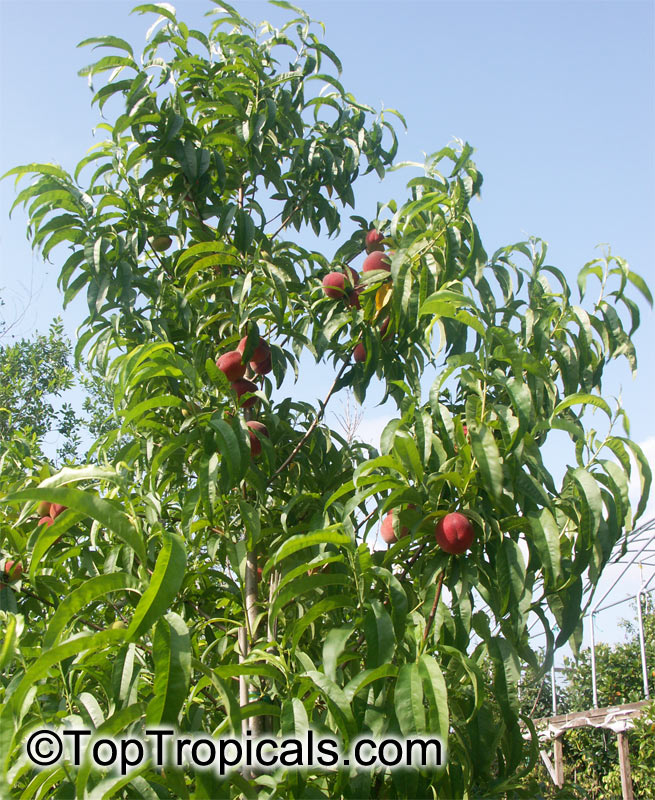
Low-chill, Heat-tolerant Peaches, Nectarines, Plums are especially selected for Florida hot summers. They produce well and do not require many "chill" hours like temperate fruit trees. They only need 150 chill hours and grow well in even in Arizona, so you know they are taking the heat.

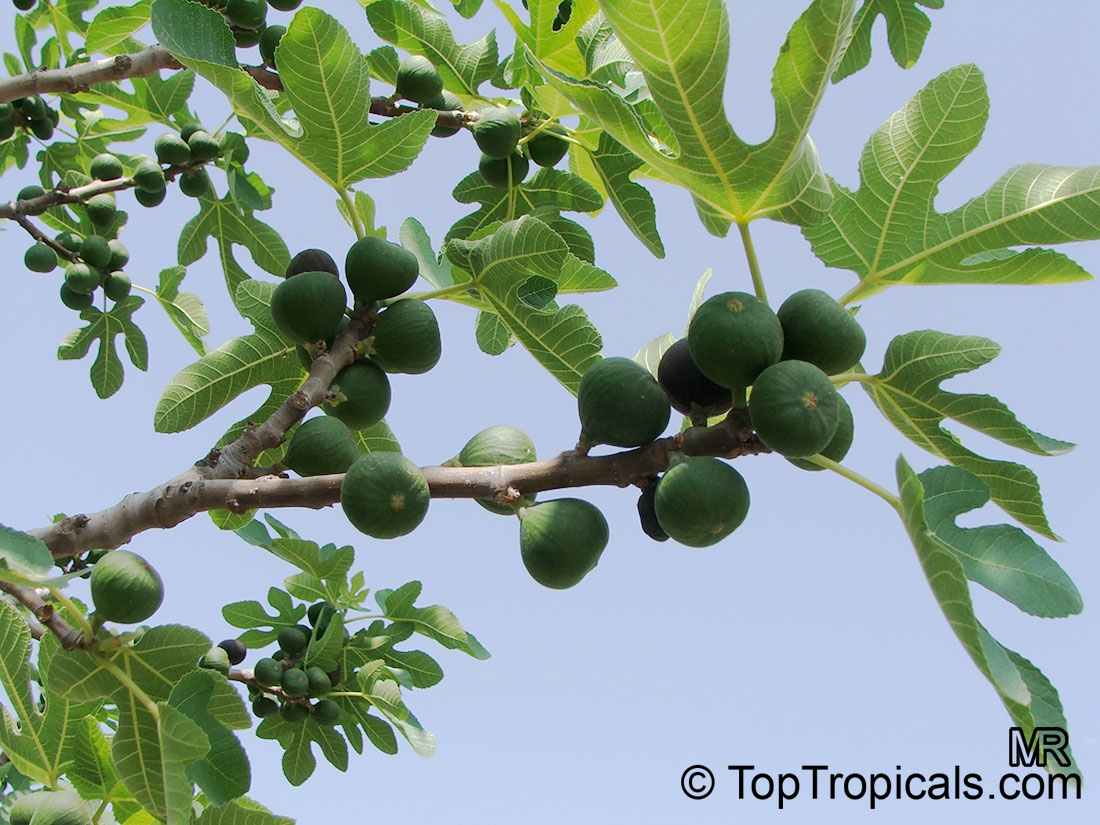
2. Figs
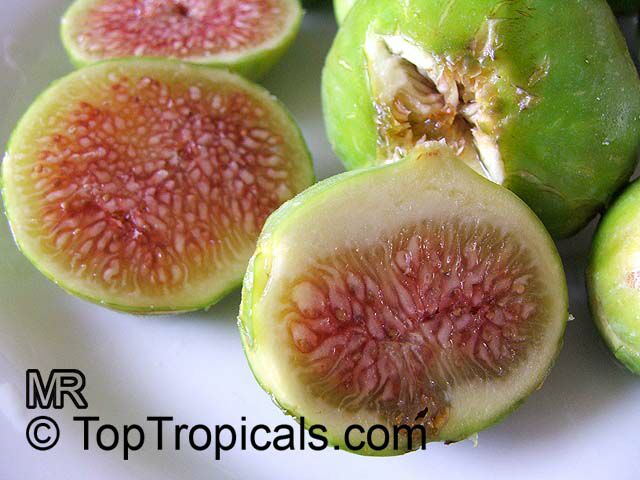
2) Fig trees - they are easy to grow, heat- and drought- resistant trees. They are prized for their delicious fruit, which can be one to three inches in length, violet, brown or black. There are even varieties with yellow fruit. Most fruits are borne from early summer to late fall on new growth, and the fruits generally mature very quickly. These trees are sensitive to frost only when actively growing, but can withstand 10F when dormant. Read more about Fig trees.
Date: 25 Jan 2021

Coastal Plants. List of plants that do well in coastal areas

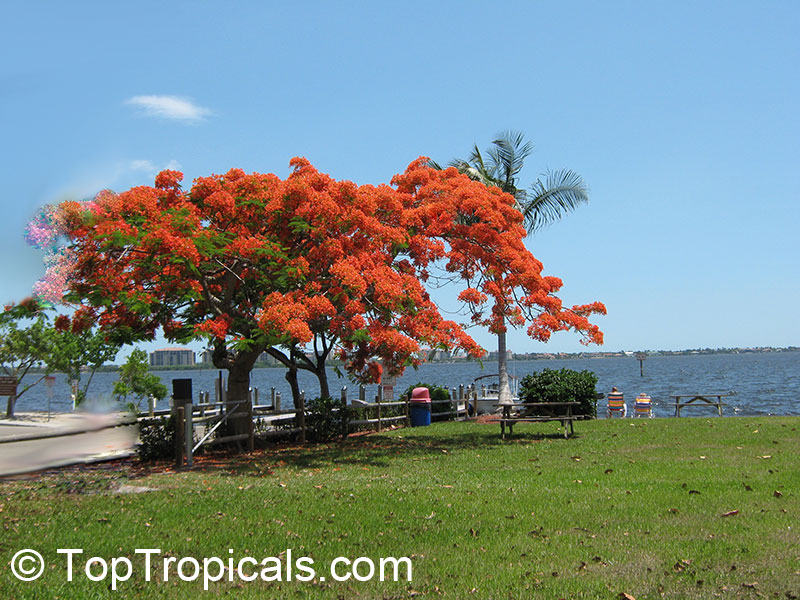
In the photo: Delonix regia - Royal poinciana, Flamboyant

Q: How can I get a list of plants that do well in coastal areas (i.e. next to sea)?

A: Many tropical plants live by the sea in natural habitat and don't mind ocean breeze. We have a large selection to pick from. The following groups of spectacular flowering trees will enjoy coastal environment:
Cordia trees
Plumerias
Orchid trees (Bauhinias)
Caesalpinias
Callistemons (Bottle brush trees)
Cassias
Many palm trees

See full list of salt-tolerant plants available at this time.

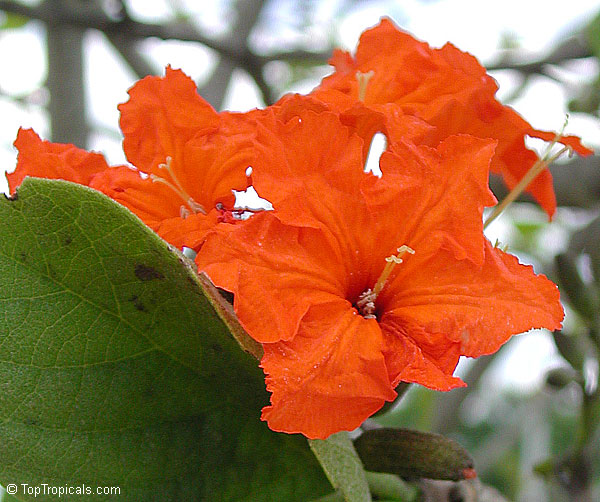
In the photo: Cordia sebestena - Scarlet Geiger tree

Date: 25 Nov 2019

Flavor of Feijoa Superfood

by Onika Amell, tropical plant specialist

Q: What exactly is Feijoa - Pineapple Guava? Does the fruit really taste like pineapple? I am curious to know if it is easy to grow.

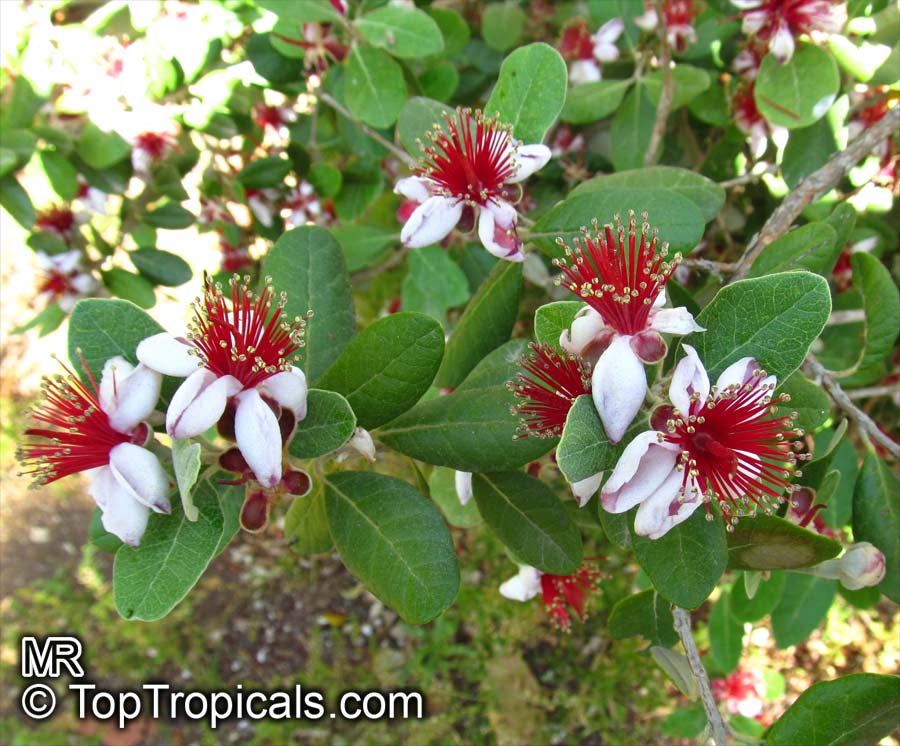
A: Feijoa is certainly one of the easiest fruit trees to grow as it does not require much care. It is an attractive, evergreen tree or large shrub with dark green, oval, leathery leaves. It has an abundance of uses in the garden and produces lovely edible flowers and fruit! The fruit is eaten fresh, added to smoothies or fruit salad and is also commonly used to make delicious jams and wicked chutneys. Feijoa fruit go a long way in flavor.
This plant is drought tolerant and will grow in almost any soil type. It loves full sun or partial shade and is wind resistant. A lot of gardeners like to grow it as a wind barrier for this reason. It can easily be shaped into a dense, informal hedge or screen that needs very little pruning. Because of this density, it provides excellent shelter for all kinds of wildlife. Butterflies, birds, and butterflies will all love you for growing Feijoa!
Space the plant five feet apart to create a wind barrier hedge. Heat does no not bother it at all and it will also withstand temperatures to 10 degrees F.
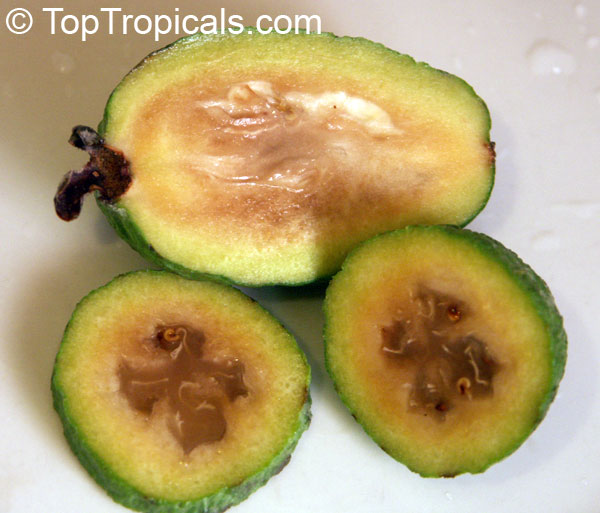
The plant gets its names from the delicious perfume it emits. Some folks seem the fruit taste like pineapple, with a slight minty undertone. Others feel the flavor reminds them of juicy fruit gum! The texture is described as smooth and slightly gritty - almost like a pear, but firmer.
If you prefer to grow this plant as a tree rather than a large shrub, simply remove the lower branches up to one-third of the tree's height over a period of time. The Pineapple Guava can grow up to 15 feet wide and tall. They also do really well as a container plant on patios where you can truly enjoy the lovely fragrance of the fruit. It prefers rich, organic, well-drained soil and will need light fertilization every other month in most soils.

We recommend:

Fruit Festival Plant Food - Super Crop Booster
Mango-Food - Smart Release Fruit Tree Booster
SUNSHINE-Honey - Sugar booster
SUNSHINE C-Cibus - Crop Nutrition Booster

Pretty, pink, edible flowers will wow you from May to June, followed in late summer or fall by the delicious and fragrant fruit. An interesting thing about this fruit is that you don't pick it. It falls to the ground when it is ripe. Or simply place something under your tree, like a tarp, and shake the tree. The ripe fruit will fall off. You can store the fruit in your refrigerator for up to a week. And remember! The fruit of the Feijoa is not only a very rich source of soluble dietary fiber, but also an excellent source of Vitamin C, and very rich in antioxidants. They are also low in calories. Each fruit only holds 55 calories.

Date: 18 May 2021

Healthy Plants: Q&A from Mr Booster

Healthy Heliconia Leaves?

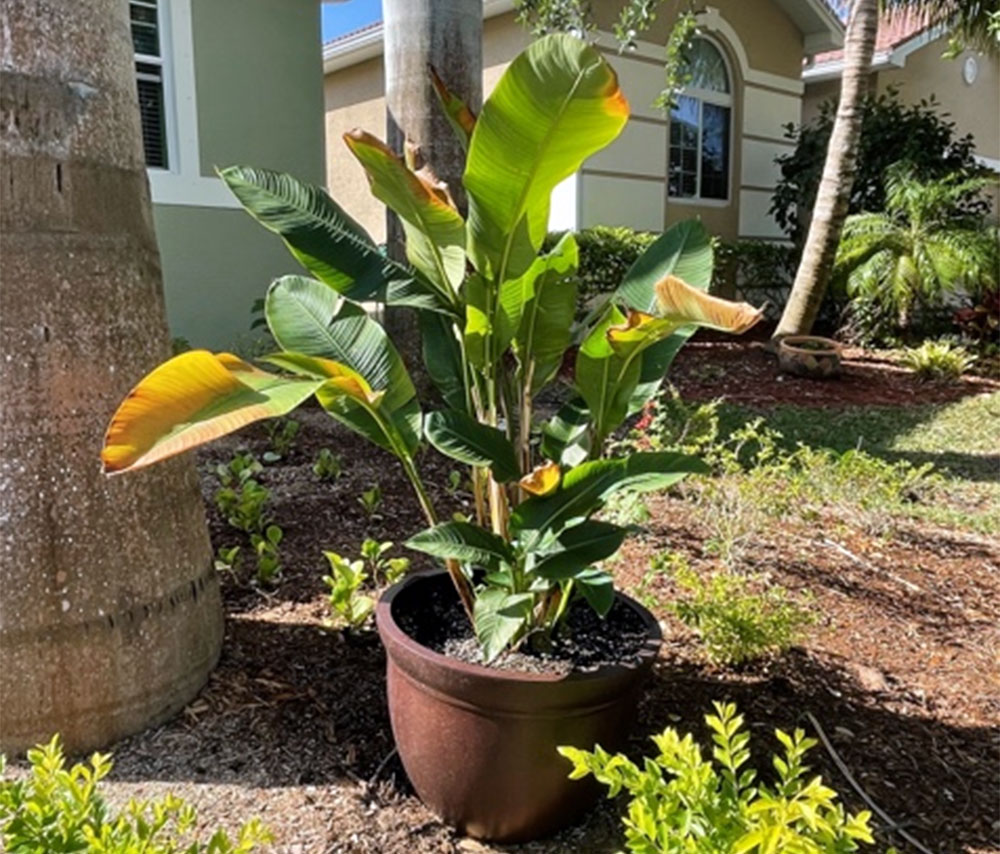
Q: I purchased a heliconia from you a couple months ago. The new growth seems to be doing fairly well, however some of the larger leaves are discoloring around the edges then drying up. It's potted in a large pot with potting soil with 3 holes in the bottom to help with drainage in partial sun under a Royal Palm facing northwest. I'm here in Ft Myers. I was previously watering it every other day with your rapid growth fertilizer 1 tbsp per gallon but I have cut that back to once or twice a week. Please let me know your thoughts.

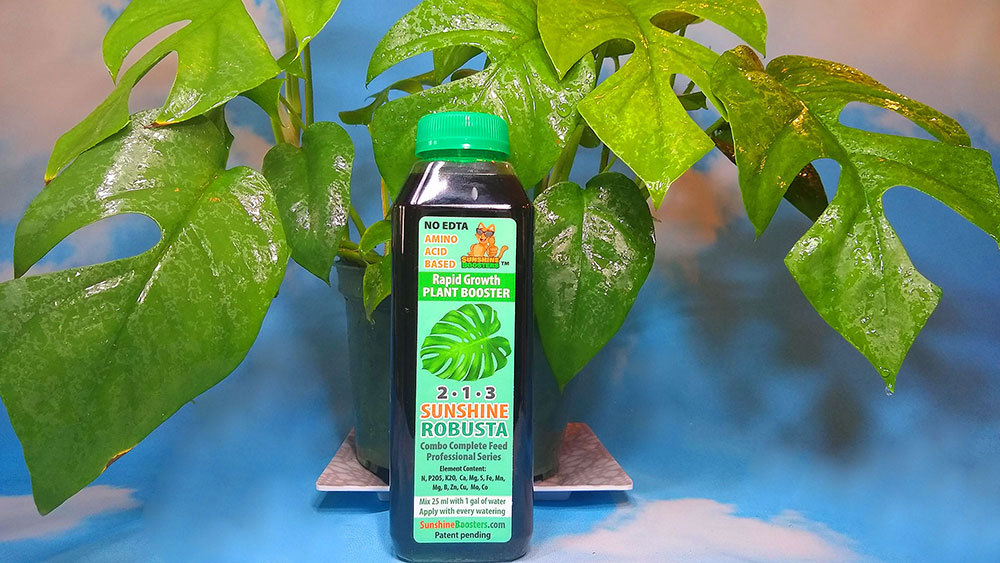
A: Heliconias and Gingers tend to develop dry leaves if grown in pots, especially ceramic or clay pots, because soil in such pots dries out too fast. These dry leaves are not caused by fertilizer, and you can see lots of new healthy green growth. The plant overall seem to be healthy. Continue fertilizing it with liquid Sunshine Robusta that is great for all wide-leaf tropical species, promotes green, lush foliage, and do not use any additional dry fertilizers!
Another suggestion, try to move the plant in more shady spot. Right now it sits in pretty bright light, this may be OK for established plants in the ground, but potted heliconias are very sensitive to hot sun. They get leaf burn easily.

Date: 17 Sep 2020

Healthy Plant Food: Q&A from Mr Booster

How to make pineapples fruit?

Q: I have purchased a Sugar Loaf Pineapple from you a few months ago, it is growing well and producing little babies around the main plant! I am so excited to have my own Pineapple plantation! How soon will they fruit and is there anything I can do to make them fruit faster? Can I give extra fertilizer just like I do for other garden plants?

A: It takes a year or two until a pineapple plant gains enough energy to be ready to fruit. However the total time depends on growing conditions and availability of all necessary nutrients.
Pineapples, like all other plants from Bromeliaceae family require very delicate fertilizer; traditional fertilizers, if overdosed, can harm Bromeliads and even kill them. At the same time, Pineapples require extra Magnesium for good production, and not every fertilizer has it, or contains it in well-accessible compounds / proper proportions.
Sunshine Ananas Booster is a scientifically formulated, mild fertilizer, designed especially for tender Bromeliads, containing Magnesium just in perfect concentration. Its amino-acid based ingredients are natural and work perfectly for edibles and organic gardens. Just follow the label instructions and speed up the fruit production 3-4 times!

In the photo: Mr B checking his Sunshine Boosters inventory before shipping to his Good Customers.