Garden Blog - Top Tropicals

Date: 11 Oct 2022

Fertilizing in Fall:
Plants need food too!
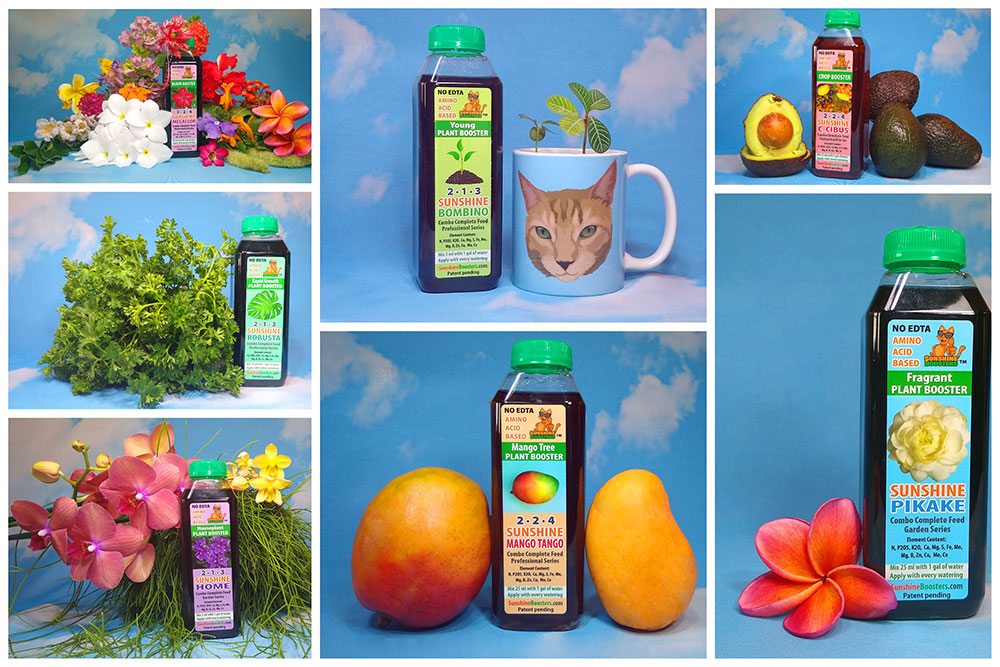
Sunshine  boosters  products  collage

Q: I know that I am not supposed to fertilize plants in winter. But I just bought several ground orchids from you, they are blooming now and I wonder if I can give them some food to support their bloom energy? When should I do the last application of fertilizer? I will keep them in a sun room during Winter until Spring.

A: Traditionally, end of October to November is the time when we give the last dose of fertilizer to our tropical plants. Liquid fertilizers, and especially amino-acid based Sunshine Boosters, are safe to apply year around. This means, you can continue feeding your plants with Sunshine Boosters through the Winter without risk of over-feeding or burning roots. Why?
The answer is very simple: even with their metabolism slowed down in Winter, plants will use all that food.
Sunshine Boosters have special mild formulas that are scientifically designed and based on Amino Acids. Plants will use all essential elements from the solution as needed.
Liquid fertilizer is diluted in water, and will be applied only when you water the plant. During Winter, water needs are lowered = watering times are less frequent, with less amount of water = the plants will get less water and less fertilizer accordingly.

Importance of micro elements
in combination with plant food during winter
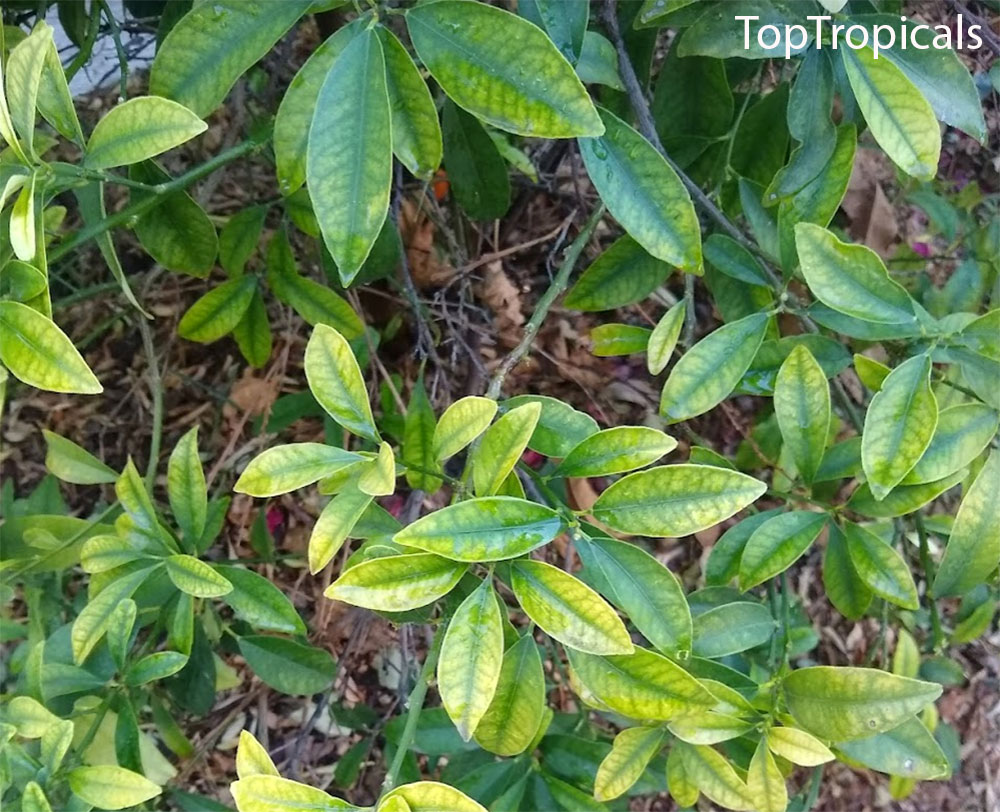
winter  chlorosis  on  Kumquat  leaves

In the photo: winter chlorosis on Kumquat leaves that is very hard to treat and should be prevented instead

Keep in mind that feeding your plants regularly during Winter will help to avoid "winter chlorosis" and other deficiency problems. So called "cool-temperature-induced chlorosis" (CTIC) is especially common in Spring on young, actively growing leaves. Unless chlorosis is prevented by micro-element applications, affected leaves may remain in this condition for the rest of the growing season.

Make sure to select proper type of fertilizer for your over-wintering plants. We have special formulas for foliage, flowering plants, fruit trees, young seedlings, even for for orchids and bromeliads. Check out our selection!

Cats  looking  for  food  in  grocery  bags

Date: 5 Jan 2022

Five Favorite Winter Bloomers

#5. Parrots Beak

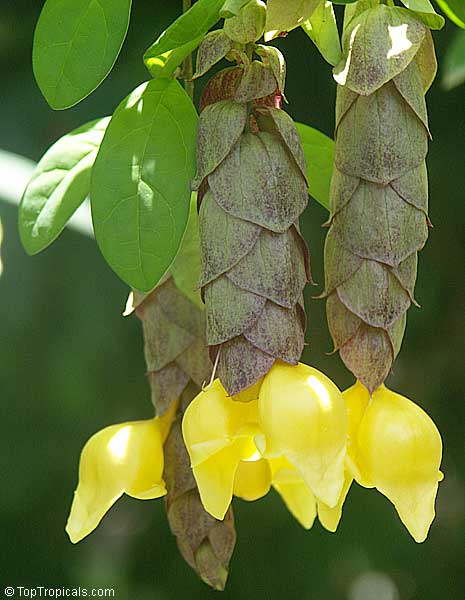
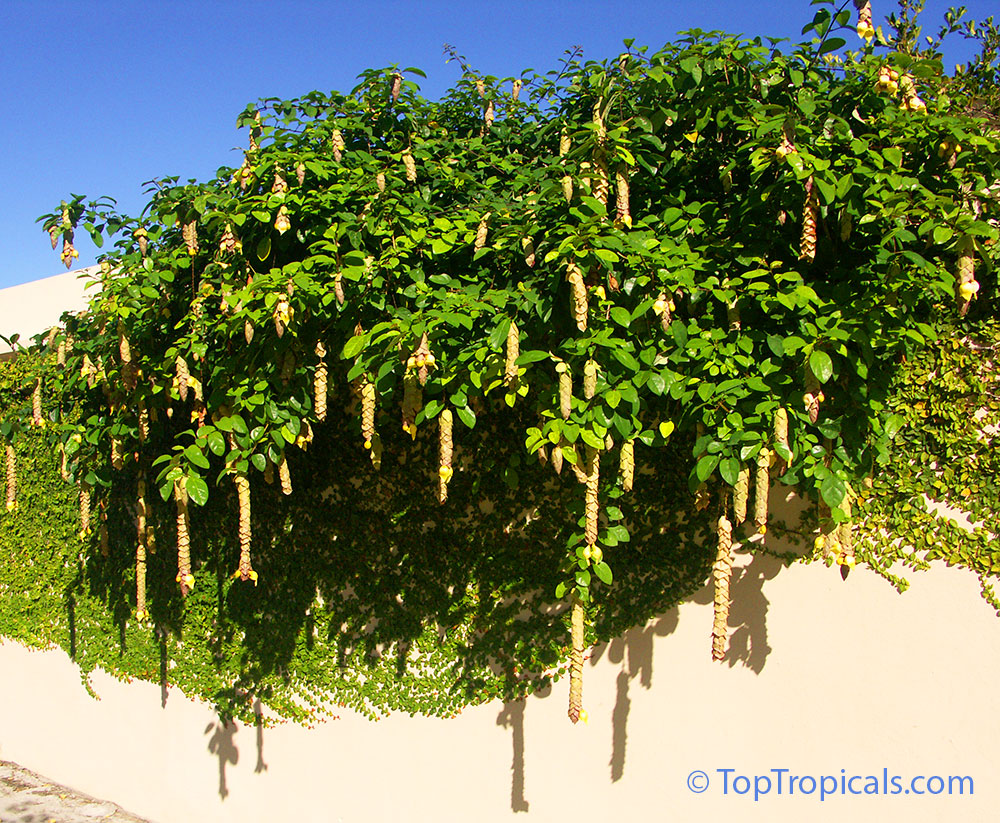
Gmelina philippensis - Parrots Beak. An extraordinary fountain-like shrub with pendant branches, large long leaves and exotic flowers comprised of yellow blossoms which emerge at the end of a tube-like structure of overlapping bracts. The flower resembles parrot's beak!

#4. Royal Queens Wreath

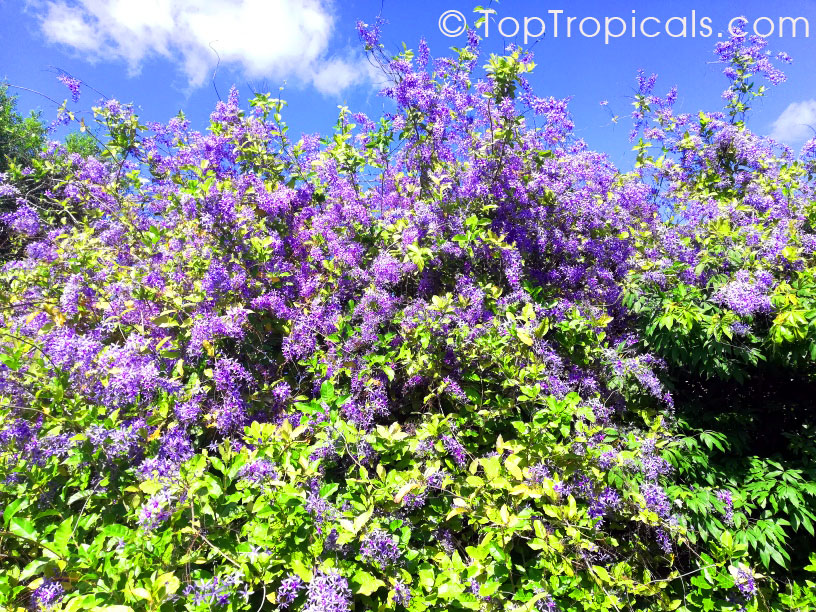
Petrea - Royal Queens Wreath, Tropical Wisteria. Spectacular tall clusters of purple flowers similar to those of Wisteria come in racemes reaching over 1 foot long!

#3. Chinese Hat

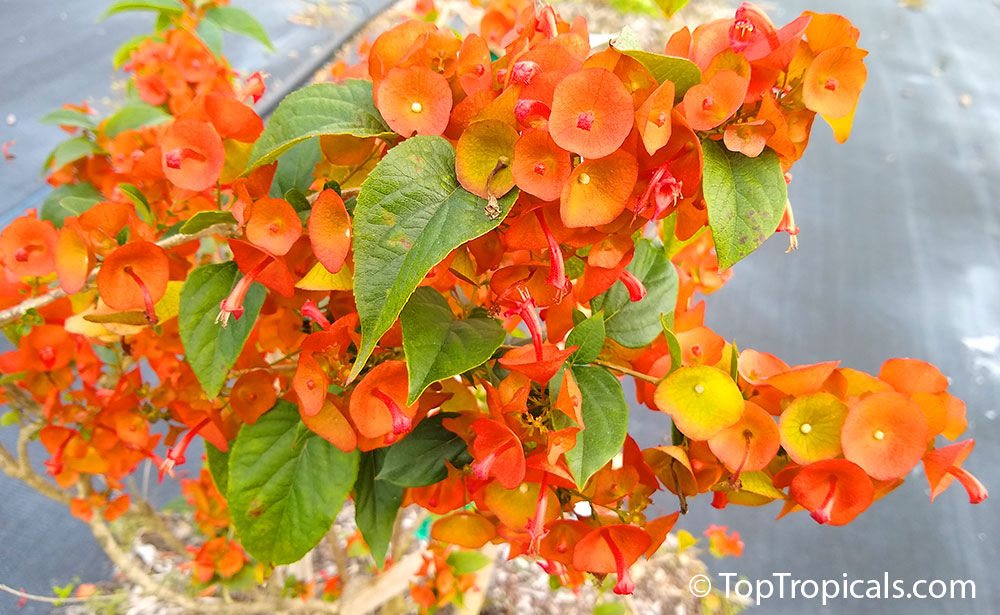
Holmskioldia sanguinea - Bronze Chinese hat. Rare variety with orange-bronze flowers. Unique flowers are the main interest: each is a narrow tube backed by a broad, circular calyx, just like an oriental hat!

#2. Jacaranda

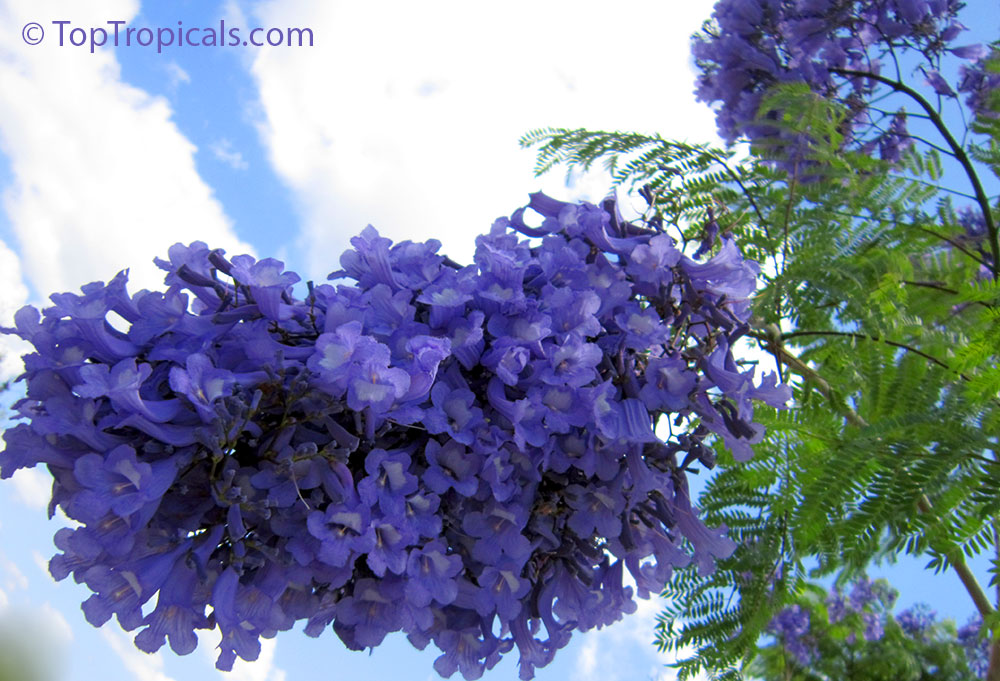
Jacaranda - all-time favorite winter flowering tree. Hypnotizing bluish-purple, trumpet-like flowers create the magical image of the tree...

#1. Royal Poinciana

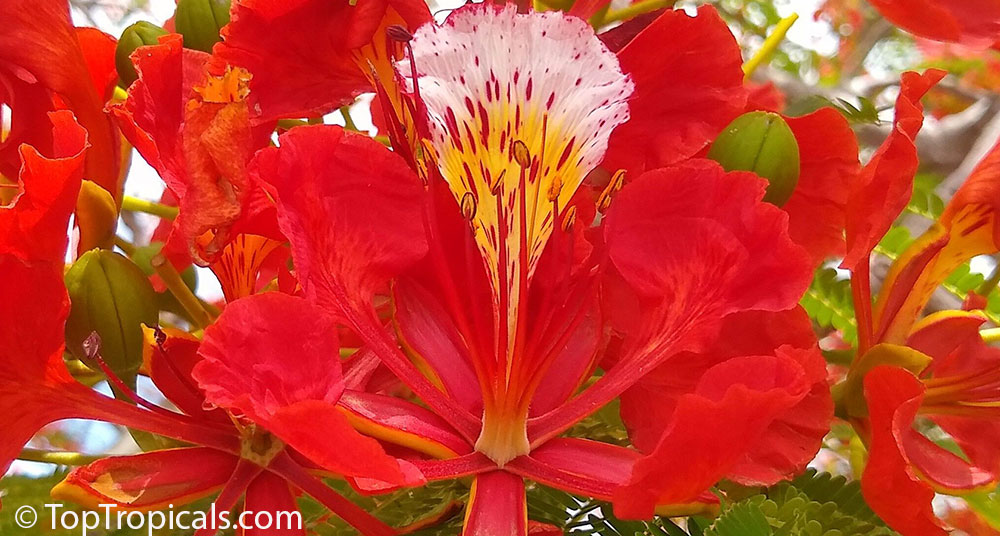
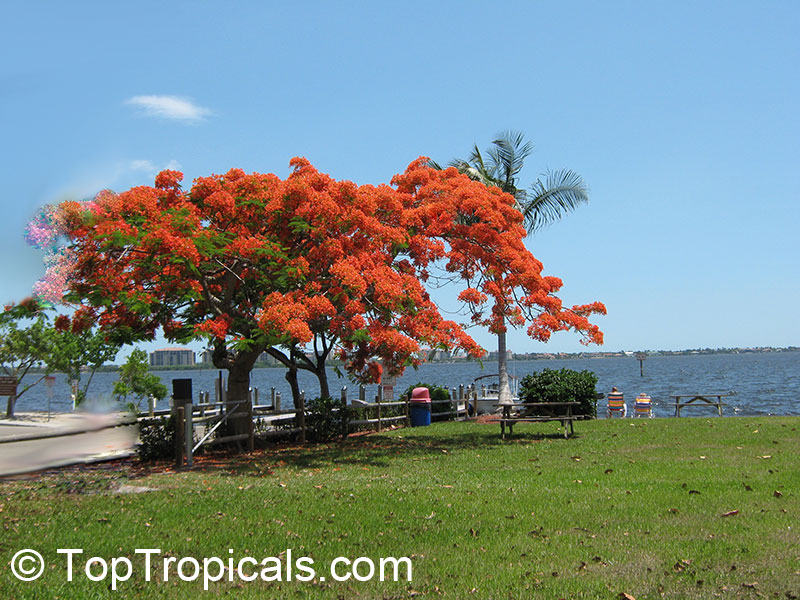
Delonix regia - Royal Poinciana, Flamboyant. one of the most popular tropical trees covered with bright red orchid-like flowers from late winter through early summer. A must for any tropical garden, this tree however requires space since it spreads its branches 30-40 ft wide or more.

Date: 25 Jan 2021

Coastal Plants. List of plants that do well in coastal areas

In the photo: Delonix regia - Royal poinciana, Flamboyant

Q: How can I get a list of plants that do well in coastal areas (i.e. next to sea)?

A: Many tropical plants live by the sea in natural habitat and don't mind ocean breeze. We have a large selection to pick from. The following groups of spectacular flowering trees will enjoy coastal environment:
Cordia trees
Plumerias
Orchid trees (Bauhinias)
Caesalpinias
Callistemons (Bottle brush trees)
Cassias
Many palm trees

See full list of salt-tolerant plants available at this time.

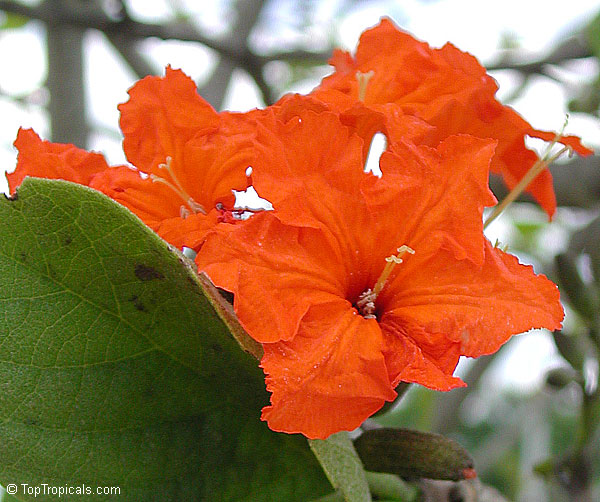
In the photo: Cordia sebestena - Scarlet Geiger tree

Date: 4 Oct 2020

New video: Ground orchids.
All-summer colors for shady gardens

WATCH NEW VIDEO

Did you know orchids can be grown in the ground?
Orchids have a mystique that seems to set them apart from most other flowers... they are elegant and almost unreal in their perfection... The symmetry of the flowers has led to the orchid being a symbol of a perfect beauty.
But not every gardener has luck growing traditional orchids. Some complain about their special maintenance: "Mount them on a tree, do not overwater... and all that hassle just for once-a-year flower?" Sounds familiar?
Terrestrial orchids (a.k.a. ground orchids) grow in regular garden soil instead of in the air on tree branches. And they bloom almost year round!...

Ground orchids are available from our store.

Stay updated with TopTropicals Videos by subscribing to our channel at YouTube.com/TopTropicals and get our latest video news of what is fruiting and blooming!

Remember to get plant food for your orchids and Ground orchids!
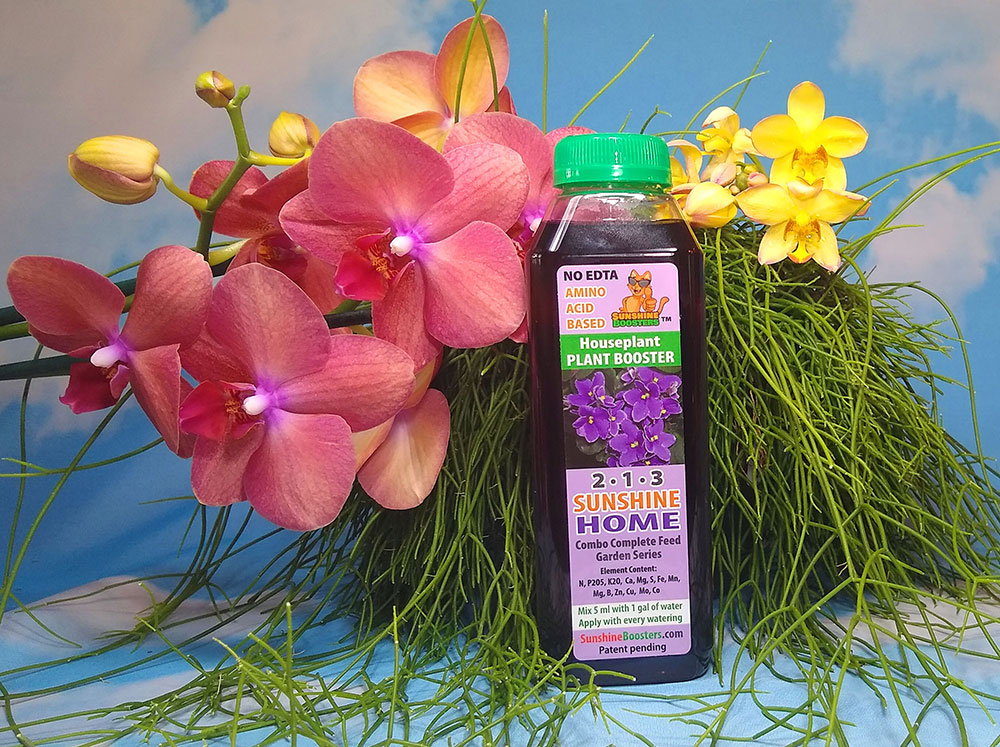
In the photo: Sunshine-Home, plant booster for tender house plants and orchids.

Date: 16 Sep 2019

What pot is good for Medinilla?

Q: I just acquired a Medinilla plant. I have a cylindrical tall clay pot that I would like to repot this beauty into. Would like to know if a deep pot is good for this type of tropical plants even if the medium is lightweight with bark and perlite allowing adequate drainage. Would appreciate your advice.

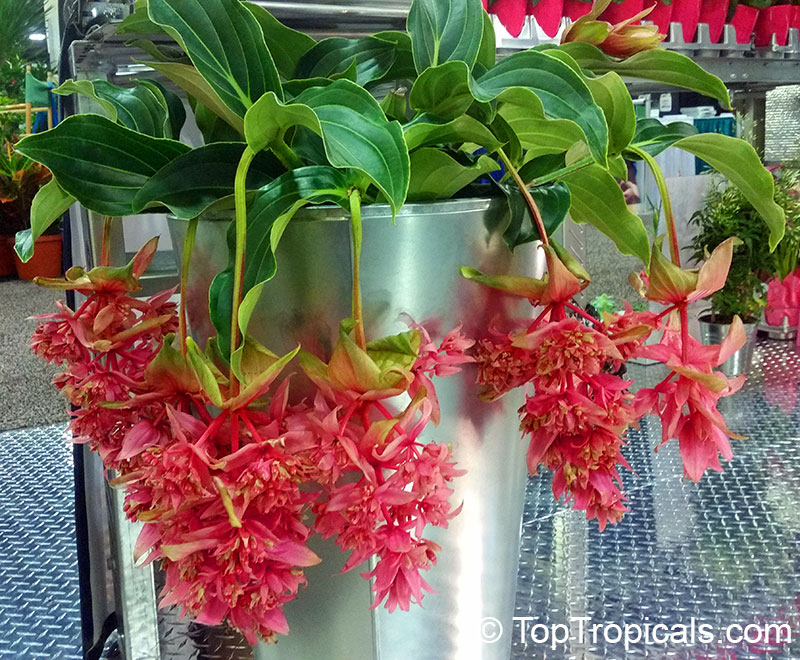
A: Medinillas are very close to epiphytes, meaning they like high air humidity and very good soil drainage characteristics. Clay pots usually provide good air circulation, as long as they are not glazed. If you add a lot of soil conditioner into your mix, like orchid mix and perlite, the tall pot will provide a good drainage. Tall pot is also great for displaying the beautiful pendulous blooms!

Plastic pots work well too, as long as you provide a well-drained soil for the plant. If a nursery plastic pot is not pretty enough, you may place it in a fancy planter; however, make sure never let the pot sit in water, Medinillas do not like wet feet.