Garden Blog - Top Tropicals

Date: 4 Feb 2017

Groundhog Day Feb 2

On Groundhog Day Feb 2: Groundhog Punxsutawney Phil saw his shadow on Thursday morning, predicting six more weeks of winter during Groundhog Day festivities at Gobbler's Knob, a small hill just outside Phil's hometown.
According to folklore, if it is cloudy when a groundhog emerges from its burrow on this day, then the spring season will come soon; if it is sunny, the groundhog will supposedly see its shadow and retreat back into its den, and winter weather will persist for six more weeks.
Phil promised long winter, however, we should not cry in despair but starting to get ready for Spring!

Spring Check List:
- Make sure min temperatures are above 45F before you start bringing potted plants outside.
- When active new growth appears from buds, after-winter pruning can be done.
- You may start weekly fertilizing as soon as night temperatures raise above 55F.
- Start planting in the ground as soon as there are no more chances of frost, until then keep newly arrived plants in pots so they get better established.
- Low chill cold hardy fruit trees including Peaches, Nectarines, Plums, Apples, Mulberry, Loquats go in the ground first, so you can enjoy their blooms and early fruit set. Plant Pomegranates, blueberries and cranberries, raspberries and blackberries, grapes.
- Water as needed, still keeping on dry side until afternoons get hot and plants start using more water.
- Start seeds indoors. The sooner the better, to give seedlings more time to establish before planting out in the ground.

Overwintering Magnolia (Michelia)

Michelia alba Question: I have a question about Michelia alba. My Michelia alba leaves turning yellow and losing leaves. When I brought it inside for the winter, after the leaves falling off new one grow back not all of them grow back and now the new the branches start to die. I water once a week.

A: Whenever moving a plant in or out of the home it is always best to do it gradually. Moving a plant all in one day will cause stress to the plant due to environmental changes such as, new humidity levels, new light levels and new watering requirements. Michelias usually loose their leaves once in the spring and once before winter but grow them back right away. Now that your plant is inside with less humidity, light and leaves, you only need to water once the soil as almost dried out. You will need to stick your finger in the soil to see if it is still wet as the top layer dries before the under layer. If the branches are starting to die at the tips this usually means too much water. Move the plant to a bright light window, decrease water and you may want to also use a humidifier.

Date: 24 Jul 2021

Healthy Plants: Q&A from Mr Booster

How to fertilize Caladiums and other Aroids

By Ed Jones, the Booster Guy

Q: I have a large collection of Aroid plants, different Monsteras, Philodendrons, and several unique varieties of Caladiums. I've been always told that Caladiums should not be fertilized, they don't like it. Is it so?

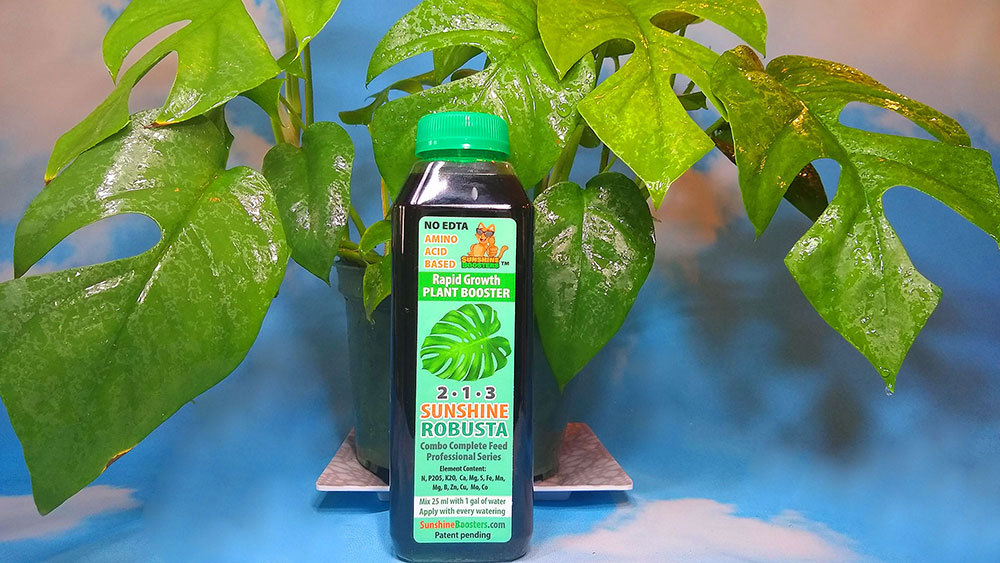
A: Caladium farmers often say that these plants don't need any additional fertilizer and that they really don't like it... The thing is, caladiums do not like DRY fertilizers, and this is why. Most Aroid plants do not like being watered too often, so dry fertilizers in combination with infrequent watering create excessive salinity for the root system. We have run some tests on the proper fertilizers for caladiums and the best results were performed after using SUNSHINE Robusta. It is amino acid based, so the delicate, large-leaved Aroid plants will not have to work quite so hard to take up the nutrients, and there will be no nutrient lock up in soil. The nutrients are readily available to these plants.
In this article, you will see some test results of caladiums fertilized with SUNSHINE Robusta vs. other brands of fertilizer, with more vigorous growth and larger leaf size occurring after use of Sunshine Robusta...

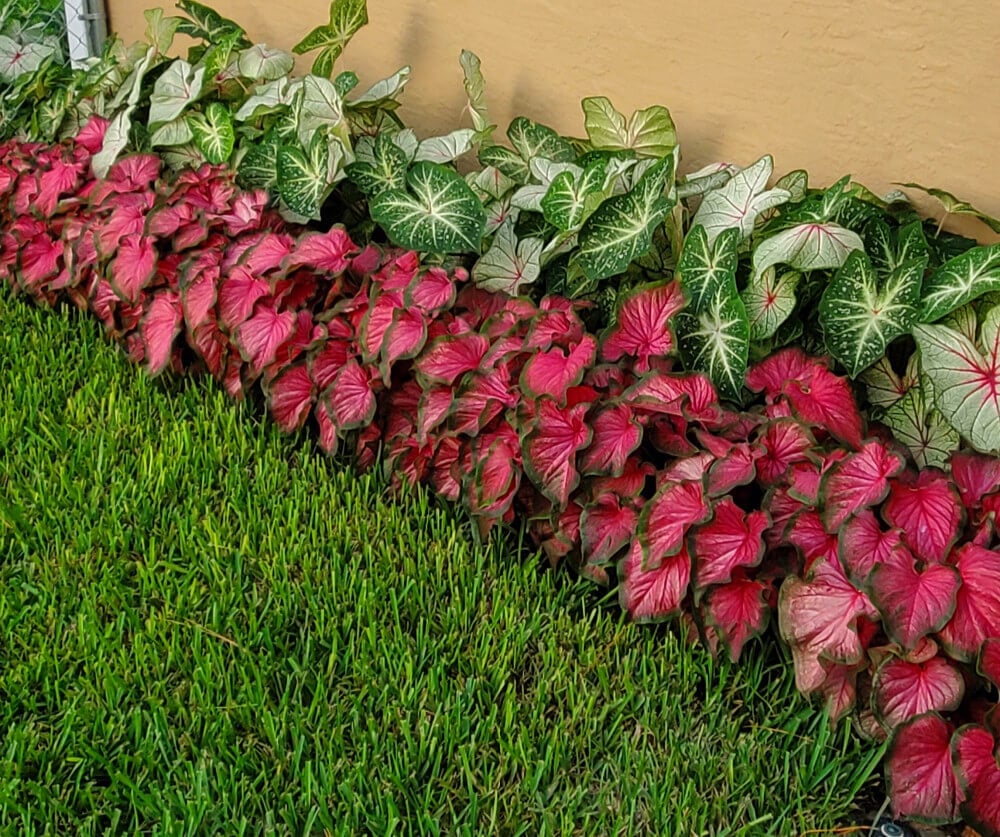
Caladiums do not have to be just an accent plant. They can also be the focus point of a garden area. It is said that as many as 98% of the world's caladium tubers come from right here in Highlands County, Florida, also home to the Sunshine Boosters manufacturing facility. It is such a big deal that they have a Caladium Festival here each summer. The fields are absolutely stunning in all of their colors. This year the festival runs this weekend, July 23 - July 25.

CONTINUE READING >>

Date: 10 Jul 2021

Healthy Plants: Q&A from Mr Booster

Pineapple Season is Here!

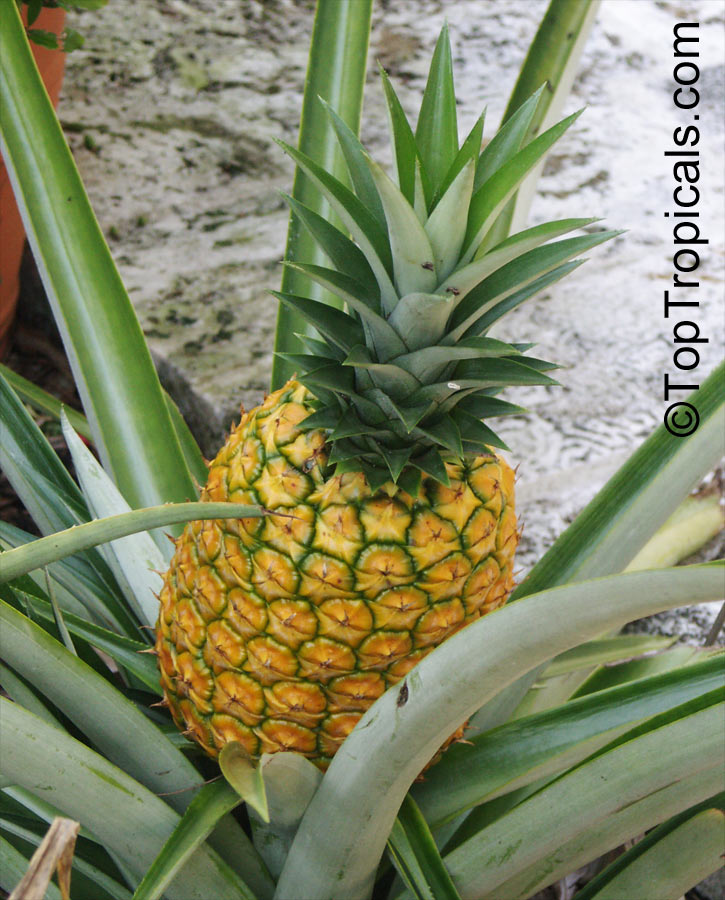
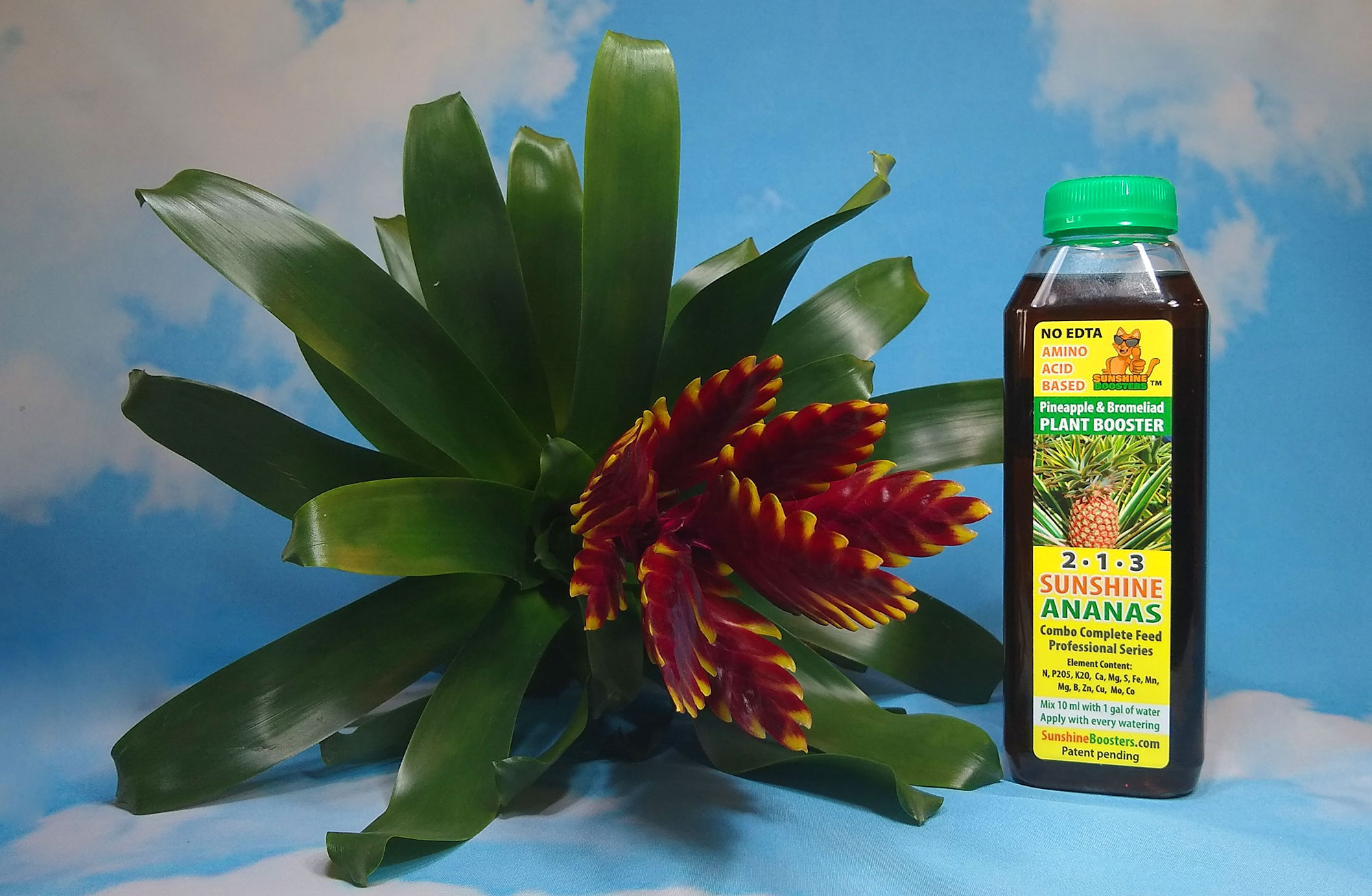
Pineapple season is here and people often ask, "how do you get them to grow?" Well, the answer is simple really. One method involves cutting the top off a pineapple, prepping it and then planting it. You can find several different ways to do this with a short Google search. Of course the easiest way is to purchase plants that have already been started. You can do that here...

CONTINUE READING >>

Date: 18 May 2021

Healthy Plants: Q&A from Mr Booster

Healthy Heliconia Leaves?

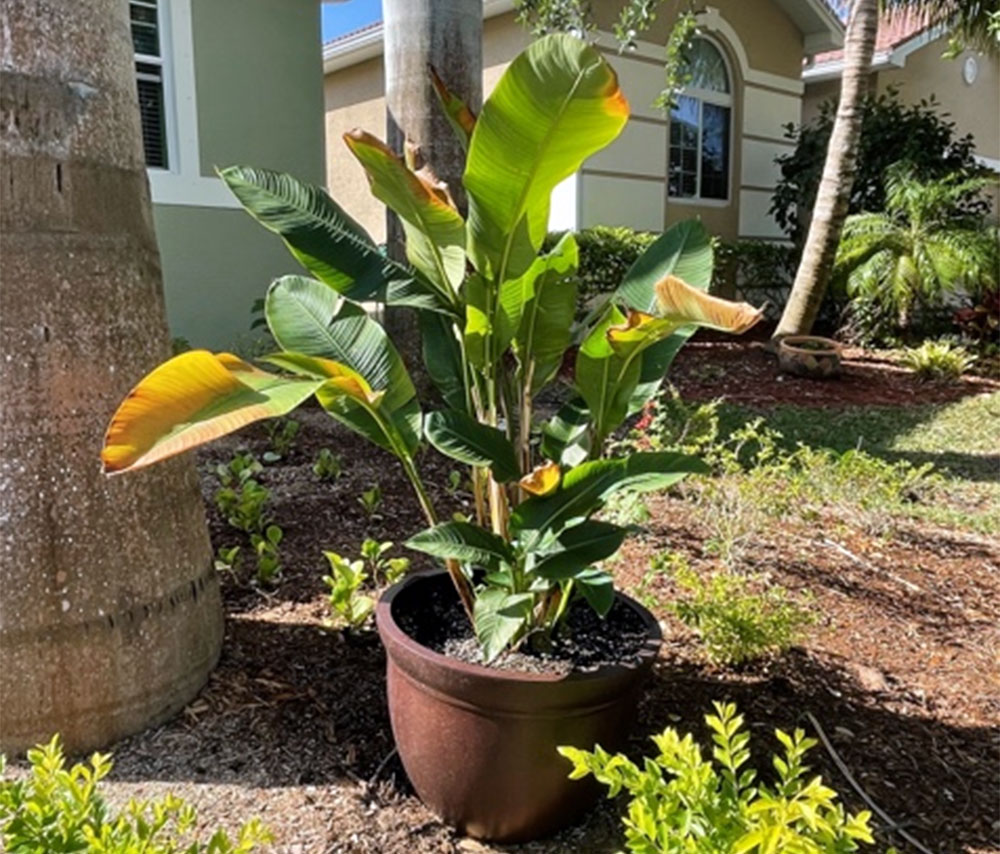
Q: I purchased a heliconia from you a couple months ago. The new growth seems to be doing fairly well, however some of the larger leaves are discoloring around the edges then drying up. It's potted in a large pot with potting soil with 3 holes in the bottom to help with drainage in partial sun under a Royal Palm facing northwest. I'm here in Ft Myers. I was previously watering it every other day with your rapid growth fertilizer 1 tbsp per gallon but I have cut that back to once or twice a week. Please let me know your thoughts.

A: Heliconias and Gingers tend to develop dry leaves if grown in pots, especially ceramic or clay pots, because soil in such pots dries out too fast. These dry leaves are not caused by fertilizer, and you can see lots of new healthy green growth. The plant overall seem to be healthy. Continue fertilizing it with liquid Sunshine Robusta that is great for all wide-leaf tropical species, promotes green, lush foliage, and do not use any additional dry fertilizers!
Another suggestion, try to move the plant in more shady spot. Right now it sits in pretty bright light, this may be OK for established plants in the ground, but potted heliconias are very sensitive to hot sun. They get leaf burn easily.

Date: 21 Apr 2021

Healthy Plants: Q&A from Mr Booster

Mango leaves and fertilizing

Q: I received a mango tree we ordered last week (I am in California) and am trying to make sure we take care of it properly. I noticed the corners of some leaves have began drying out. I wanted to see if there was anything else we should be doing or if it is something normal. Overall the tree looks good and the leaves have perked up, but I noticed the dry tips on a handful of leaves. Any help is appreciated! I have not fertilized in the pot yet or applied the mango sunshine booster.

A:Your mango tree looks pretty healthy, and these dry leaf tips may be caused by overall shipping stress. You have dry air in California, and temperatures may be getting up, this may cause additional drying effect. You may start fertilizing with a liquid fertilizer, it will help the plant to get stronger and grow faster - then heat and dry air won't be a problem as soon as the plant becomes better established and hopefully go into a bigger pot soon, or in the ground. Make sure to provide regular water if you have hot dry summers.