Date: 10 Jun 2021
Champaka - a true Joy of your life
by Alex Butova, the Witch of Herbs and Cats
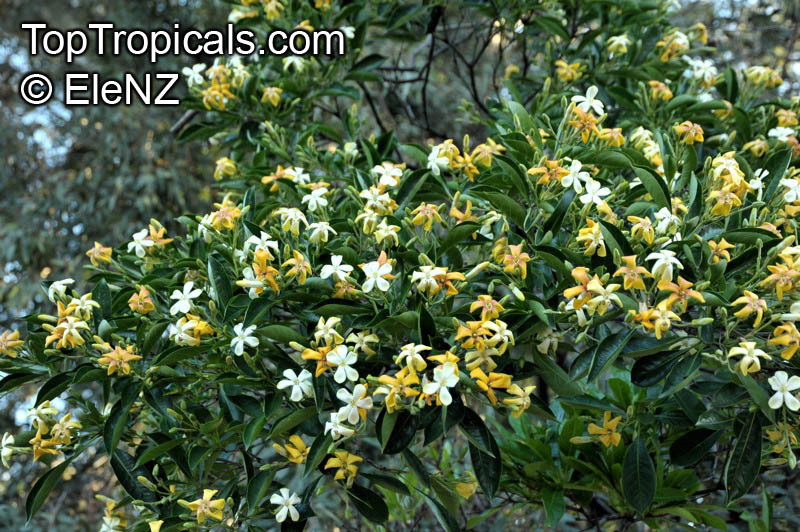
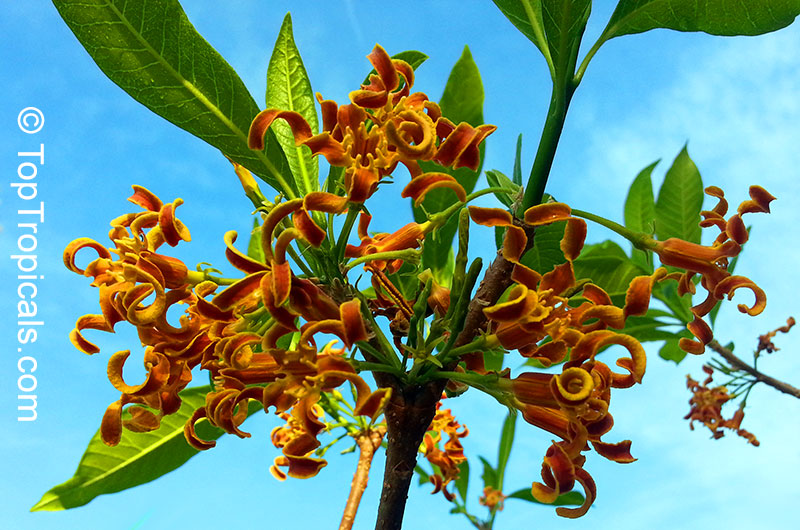
...Champaka, or Joy Perfume Tree, is regarded as one of the most sacred
trees of India and tropical Asia. Its flowers exude a divine fragrance that
is exceedingly pleasing to the Gods... and women!..
...The tree was traditionally used to make fragrant hair and massage oils.
Jean Patou's famous perfume, 'Joy', the second bestselling perfume in the world after Chanel No. 5, (but definitely the most expensive number one!) is derived from the essential oils of champaka flowers. The plant common name "Joy Perfume Tree" comes from this perfume. Many niche perfumers are now once again using Champaka Absolute as single note fragrances...
Planting a Golden Champaka really makes your home a sweet home. Also you
can take the flower into your car, office, restroom, and anywhere you want to
create fragrant atmosphere. It emits a unique warm fragrance which promotes a
peaceful state of mind, reduces stress and helps you to relax and breathe
easily. Looks like it is specially designed for moments of tranquil
contemplation. It's the nature of Champaka - to remind us of the Divine in all
things...
CONTINUE READING >>
Date: 20 Mar 2020
Back to Earth Check List
1. Stay calm. Remember, it's not the problem that creates the biggest
problem; it is our reaction to it.
2. Focus on positive. Do not dwell on things you can't change. The Universe
will unfold as it should, and your happy thoughts will provide the guidance.
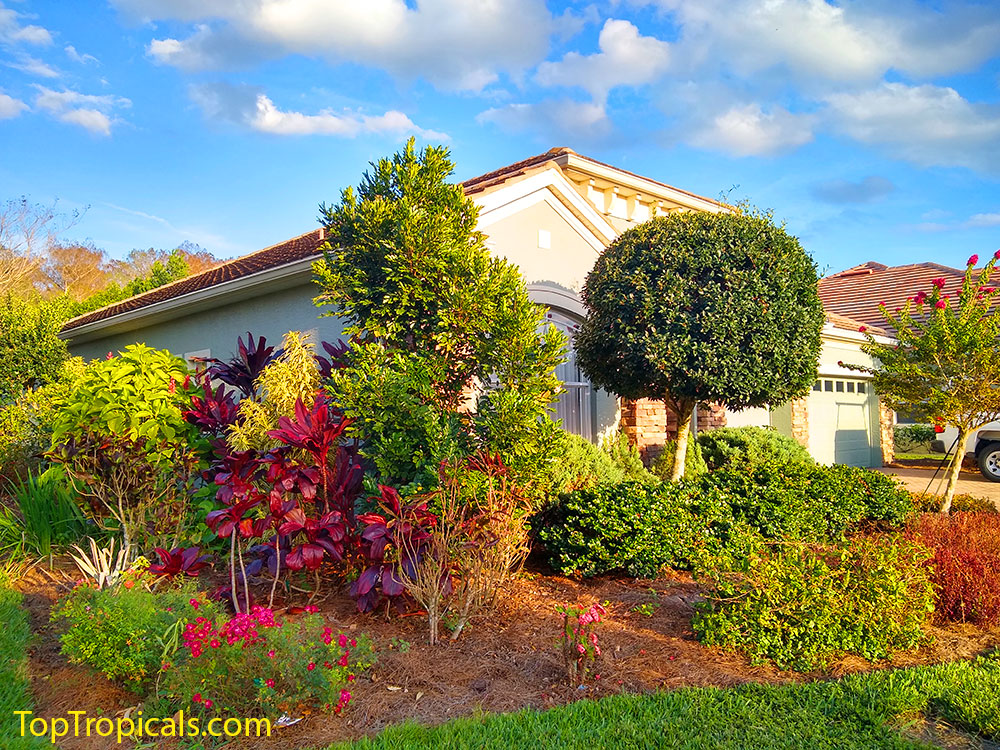
3. Get connected with the Nature. It has all the answers. Go outside and
see the Sun, the Sky. Now it is finally the time to smell the flowers.
4. Bring simple good things in your every day life. Like a simple food
recipe, or a good movie with a happy end.
5. Connect with friends and talk only about nice things (remember 2)
6. Start a vegetable and fruit garden. Begin your sustainability with herbs at
the end of this email. We will help you step by step in our next letter.
7. Go to bed with happy thoughts. Together, we will make it.
Date: 3 Mar 2020
Tu BiShvat - New Year for Trees
By Alex Butova
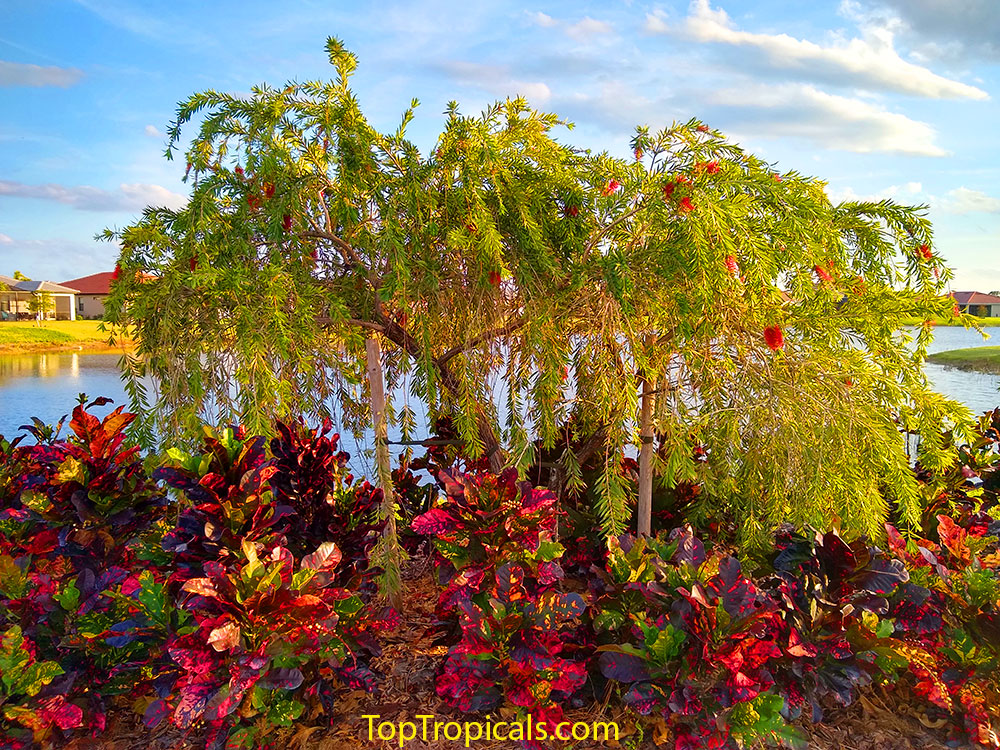
Tu BiShvat is the Israeli Arbor Day, and it is often referred to by that name in international media. Ecological organizations have adopted the holiday to further environmental-awareness programs. The modern practices and interpretations of Tu BiShvat often revolve around the earth and environment. This holiday is a celebration of nature and appreciation for creating the natural world. In Israel, Tu BiShvat is celebrated as an agricultural holiday. The 15th of Tu BiShvat was celebrated this year on February 10, 2020. This day marked the beginning of a new year for trees. This day marks the season in which the earliest-blooming trees emerge from their winter sleep and begin a new fruit-bearing cycle. Often the date of Tu BiShvat is used for determining the age of fruit baring trees and therefore establishes their birth dates. Therefore, Tu BiShvat is the "birthday" of trees!
The traditions and customs of Tu BiShvat vary, however, the most common include planting trees and gathering with family and friends for a meal. It is celebrated by eating fruit, particularly the kinds that praise the bounty of the Holy Land: grapes, figs, pomegranates, almonds, dates, olives and others. It reminds people that "a man is a tree of the field", and reflects on the lessons we can derive from the botanical analogue.
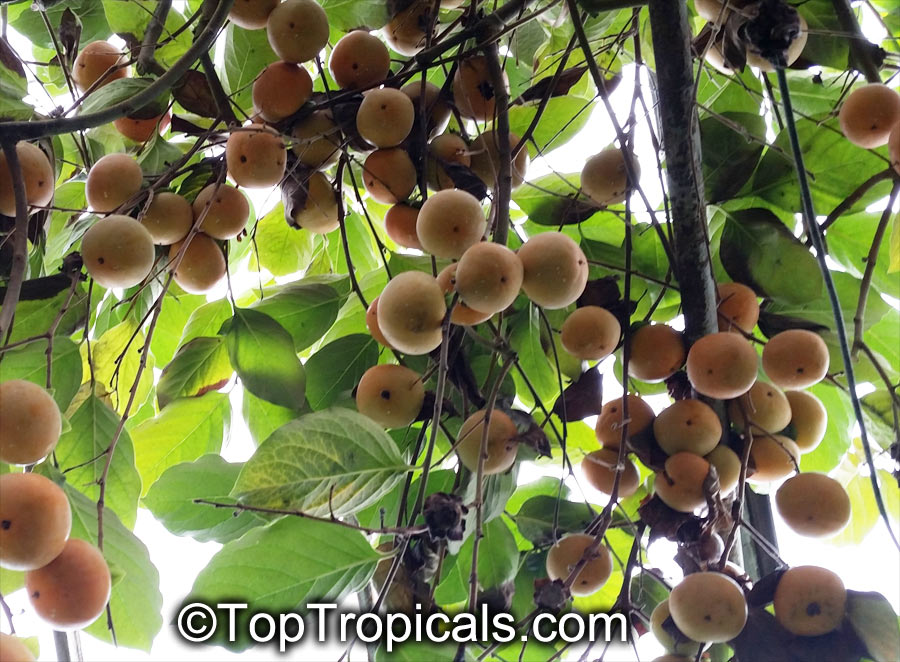
Check out fruit trees and nuts:
Persimmon tree
Date: 24 Jul 2019
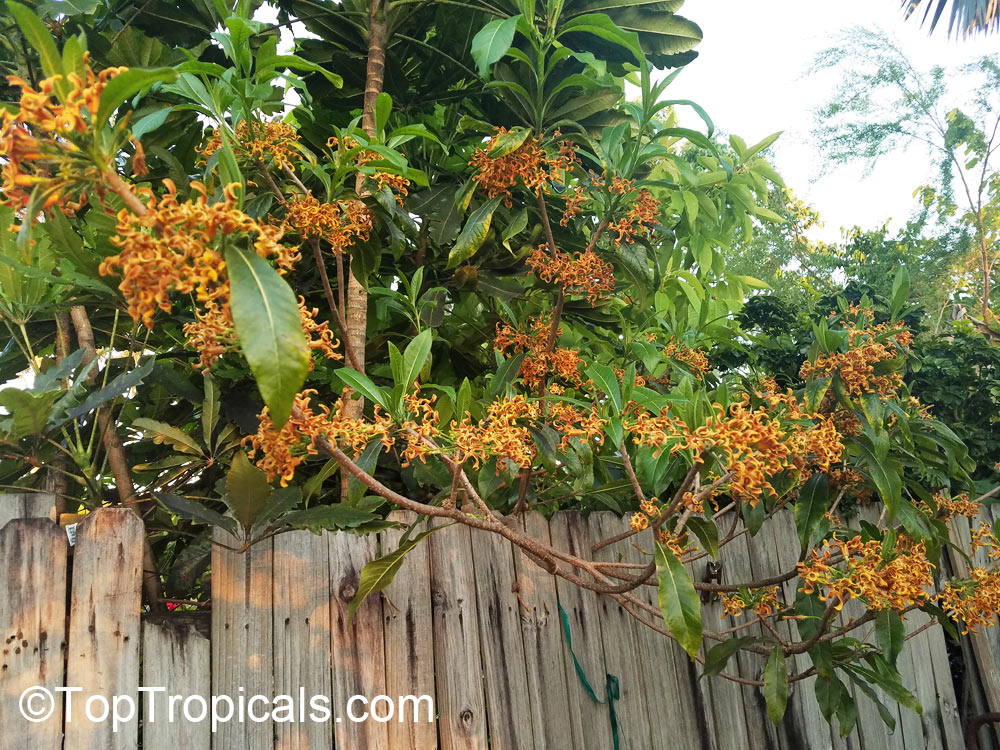
Plants that are not for eating
Q: On the website, it says that the pua keni keni tree is toxic. Do you know how toxic? Is it mild irritation or can someone die from ingesting any part of the plant?
A: Pua Keni Keni, Fagraea - seeds (and especially flesh of the fruit) are toxic, so we recommend to always wash your hands after handling them. Obviously, nobody in our team ever tried to eat them to check how toxic they are and if they are deadly.
In general, one must be careful when using plants for purposes other than ornamental growing, especially for consumption. While some obvious edibles (cultivated fruit, vegetables, herbs) are generally safe, but some individuals may have severe reactions - for example, many people are allergic to mangoes; other people may be sensitive to only mango leaves.
A number of plants that have parts commonly consumed for food, have other parts toxic or poisonous. Example: Potato - Solanum tuberosum - has edible tubers feeding the whole planet population, but this plant's fruit is highly toxic and even deadly if eaten. Fruit from a Potato plant look like tiny little green tomatoes since Potato belongs to the same family as Tomato - Nightshade, but it is super poisonous, while Tomato fruit is perfectly edible. So one must watch out and especially educate little children about not tasting anything directly from the garden.
As far as animals concern, in Nature they know what is poisonous and what is edible. Have you ever seen dead birds around a tree with poisonous fruit/seeds? Animals have their own sense for it. So if your concern is for pets, it is normally safe to have pets around plants with irritating or even poisonous parts. However, if your dog has a bad habit of chewing on stuff, you may use extra caution there.
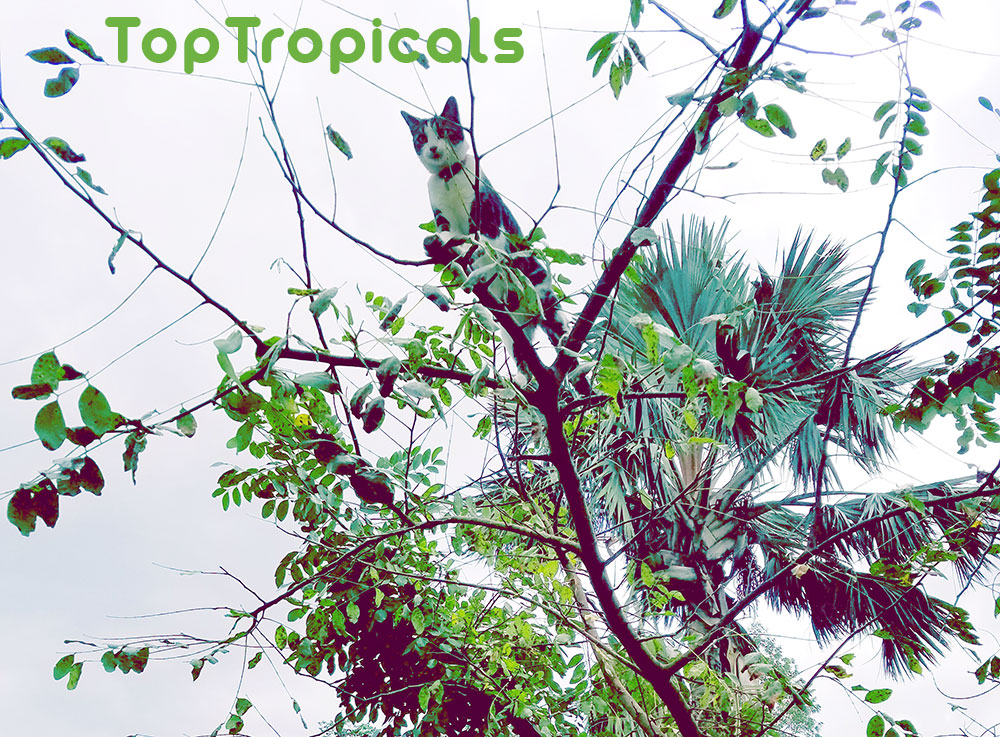
Photo below:
Riki-Tiki-Tavi exploring TopTropicals Gardens.
Date: 16 Jun 2019
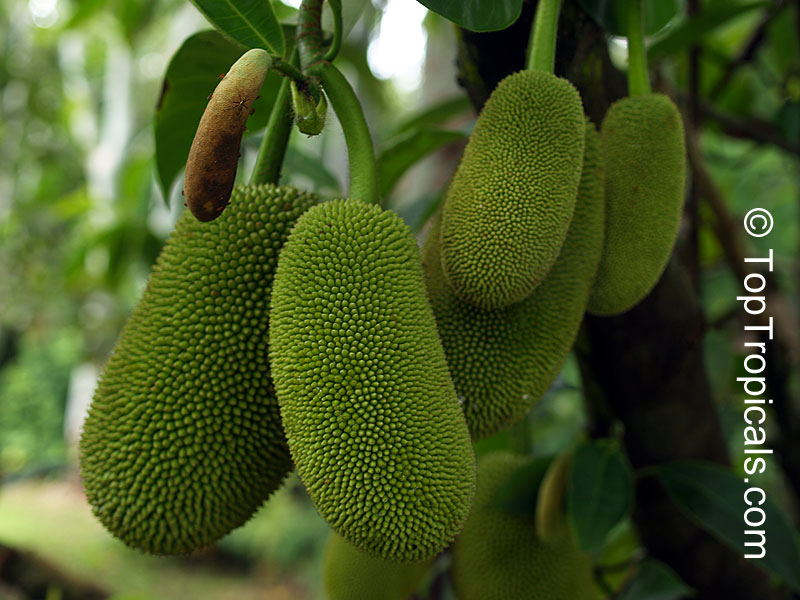
Repotting Artocarpus with a taproot in ground
Q: The Chempedak I bought from you almost 3 years ago which I had repotted twice has a thick taproot growing in the ground, which I noticed this past winter. I was going to repot into the largest size pot almost half of a 55-g rain barrel. Can I try to dig/save as much of the taproot before repotting, will it die if I had to shorten/cut what I can't dig out completely? I hate to put it in the ground for fear it may not make it when we have severe cold/long hours of frost. I live in west Cocoa, Central Florida, 9b.
A: Yes, you can repot the tree and keep it in reasonable size container after trimming the roots. Most of the tropical trees (fruit trees not an exception) can be grown in containers even if in Nature they grow into vigorous large trees. The key is, trim the roots every time you transplant it. The process is similar to trimming branches and both don't hurt the plant as long as done right and moderately. You should trim the overgrown and spreading limbs at the same time. You may trim as much as 10% off root system at the time of repotting. This will cause the root system to branch out and become fuller, similar to branches, which is a good thing. If a tree grows a taproot like in your case, it is not necessary to try "saving" and digging out the whole root that may go down for a few feet. You may cut it off without major damage to the tree since the rest of its root system will continue to support the plant metabolism. Just keep in mind that the plant will be stressed for a while - so put it in bright shade and water regularly until signs of stress go away (wilted or dropping leaves may occur). This particular type of tree - Artocarpus - is pretty strong and vigorous so the stress should be minimal.