Garden Blog - Top Tropicals

Date: 21 Sep 2019

Shaping a tree and regrowing branches
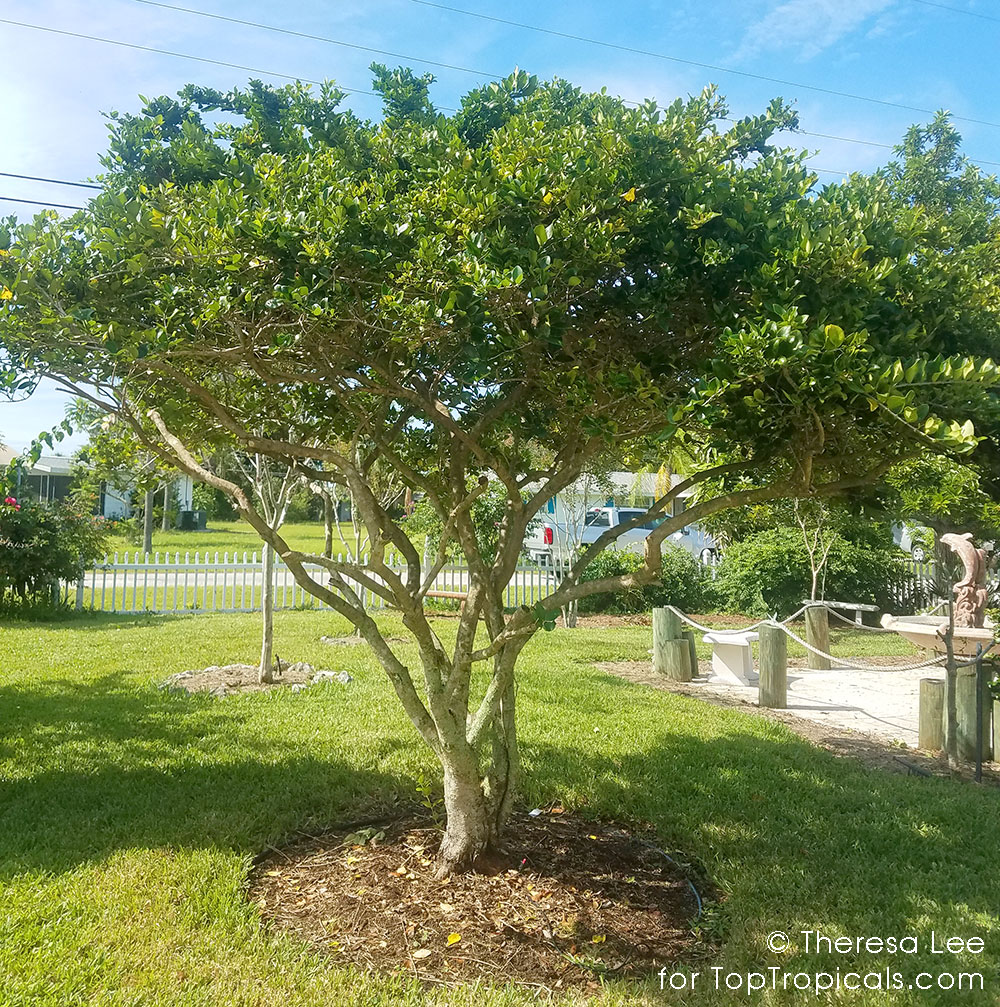
Q: I have been so worried about the beautiful ligustrum on my property since my husband decided to "prune" it 2 days ago. He removed about 20 branches from the tree and completely altered the look of the canopy which was so full and lovely 😭. Please advise me if there is anything I can do to help this tree. Will any of the branches grow back? Will the canopy return? It looks practically bare to me now.... so heartbroken. Any advice and reassuring would be greatly appreciated.

A: The good news is, the tree will regrow new leaves and will branch out. The question is, how soon. Ligustrum is pretty slow-growing species and it may take a while until it gets to the shape that is close to the original.
On the other hand, pruning is beneficial almost for every plant, it promotes new growth and bushy shape. So do not panic, your beautiful tree has good chances to become even prettier.
To speed up the process of re-leafing and promote healthy new growth, we recommend the following:

1) Provide extra watering, assuming you have a sprinkler system that covers the yard. Water additionally 1-2 times a week using a garden house, for 1-2 minutes, saturating the soil around the tree and up to a drip line.

2) Apply the following fertilizers:
Tropical Greenhouse Plus - Foliage Booster
Tropical Allure - Smart-Release Booster

3) In addition to fertilizers, we recommend these 2 supplements that will enhance effect of fertilizers and make re-grow process even faster:
SUNSHINEâ„¢ SuperFood
SUNSHINEâ„¢ HumiHum - a natural humate vitamin for plant

4) Mulch well around the tree, keeping it 2-3"away from the trunk

This should help to get your tree back in shape!

Date: 8 Aug 2019

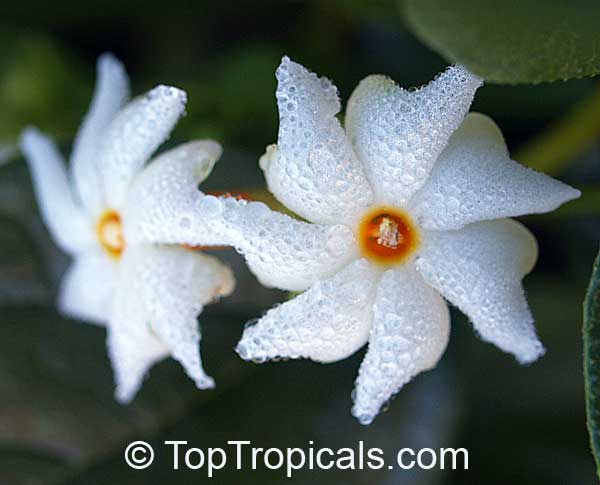
How to grow Parijat indoors in winter

Q: I purchased Parijat plant last year spring. It had good growth in Summer, after that I kept the plant inside the house in winter. A couple of weeks it was ok, after that the plant lost leaves. What is a better idea for growing Parijat plant indoors in Winter?

A: Nyctanthes arbor-tristis, Parijat - is a semi-deciduous plant, which means, it may lose its leaves during unfavorable conditions such as drought, cold, low light and/or humidity. In your case, the plant dropped leaves because of the stress of moving indoors that includes reducing light and humidity levels. When a tropical plant loses leaves during winter, this means it goes into a dormant stage. If this happens, you need to reduce watering and keep the plant on a dry side, water in only when the top level of the soil feels dry to touch. Do not fertilize.
Try to place the plant in a well-lit spot such as a windowsill. If the windowsill and the window glass feel too cold for touch during wintertime, you may place a sheet of a Styrofoam underneath the pot, and a sheet of a bubble-wrap between the plant and the window glass, to create an extra barrier from cold. The plant may re-leaf during wintertime; if not, it may wait until spring, be patient.
Bring it back into outdoor light when minimum temperatures rise above 65F and resume fertilizing.

Recommended fertilizers for fragrant plants:

Pink N Good Daily Plant Food - Flower Booster
Plumeria Top Dress - Smart-Release Booster
SUNSHINE SuperFood - microelement supplement

Date: 4 Jul 2019

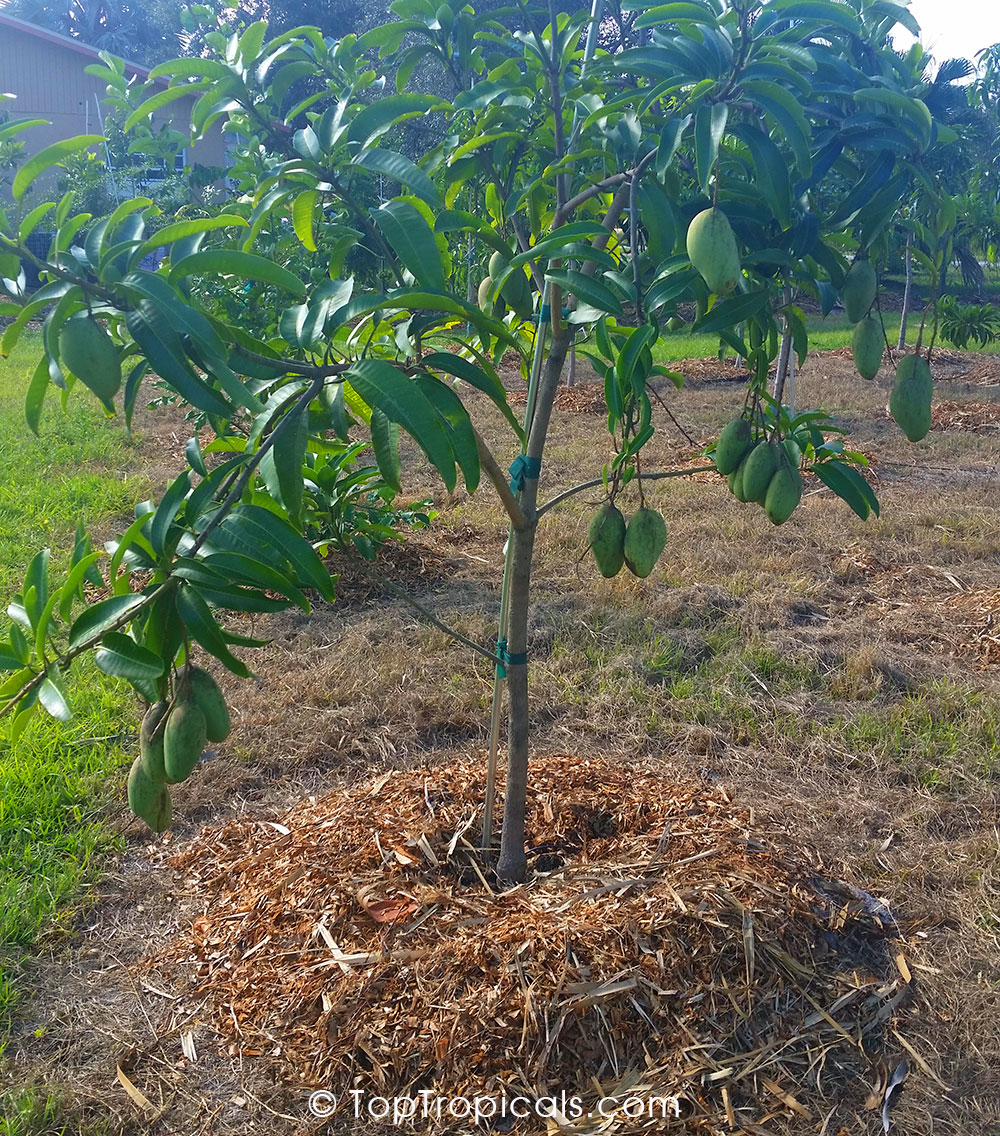
Planting and mulching during hot summer

Q: I would like to buy some trees and vines for my garden but I am not sure if it is a good time for planting. It's hot now in Florida. Should I wait till it cools off? If I plant now, can I rely on sprinklers?

A: Summer is always a good time for establishing plants because this is the time of the most vigorous growth. For the first 2-4 weeks, plants should be watered daily with a garden hose as you can not rely on sprinkler system yet. Mulch around plants generously - this will help:
- Maintain moisture
- Maintain soil temperature - protect roots from heat
- Reduce weeds and grasses
- Provide nutrients to the soil, and
- Reduce wind erosion from uncovered soils

Date: 25 Jun 2019

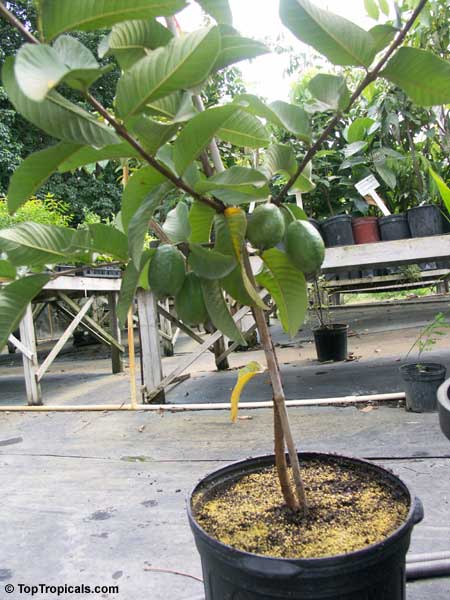
How soon will Guava tree fruit?

Q: Can you tell me how your Guava trees are propagated? Grown from seed vs. air grafted, etc.? I'm interested especially in the Barbie variety. In particular, I'd like to know how long it takes them to bear fruit - I live in Southern California zone 10b, with good sunlight.

A: Guavas can be propagated by seed, air layers, or grafting. Propagation method depends on the species.
Cattley guavas - Psidium littorale - are usually grown from seeds and start flowering and producing as early as in 2-3 years from seed. Tropical guavas, Psidium guajava - especially named varieties, are propagated usually by air layers, and the rarest varieties like Variegated Honey Moon are often grafted, although they will come true from seed (it's just takes them longer to fruit). Both air-layered and grafted plants start producing right away, usually on the same year of planting or next year, depending on growing conditions.
Barbie Pink is a superior variety, very popular among fruit lovers. It produces large aromatic fruit with a bright pink pulp and very few seeds. This variety is air-layered; in our nursery, these plants start flowering and setting fruit in 3 gal containers.
Plant this tree in full sun and provide regular watering, guavas don't like to dry out. Use fertile soil, with at least 50% of compost, and add some soil conditioning components for better drainage: bark, sand, perlite, etc. Mulch well, just make sure to keep mulch 2-3"away from the trunk. Follow our detailed planting instructions that come with every plant, and you are good to go!

Recommended fertilizers:

Fruit Festival Plant Food - Super Crop Booster
Mango-Food - Smart Release Fruit Tree Booster

Date: 31 Jul 2025

Shady spots aren't a problem - they're an opportunity

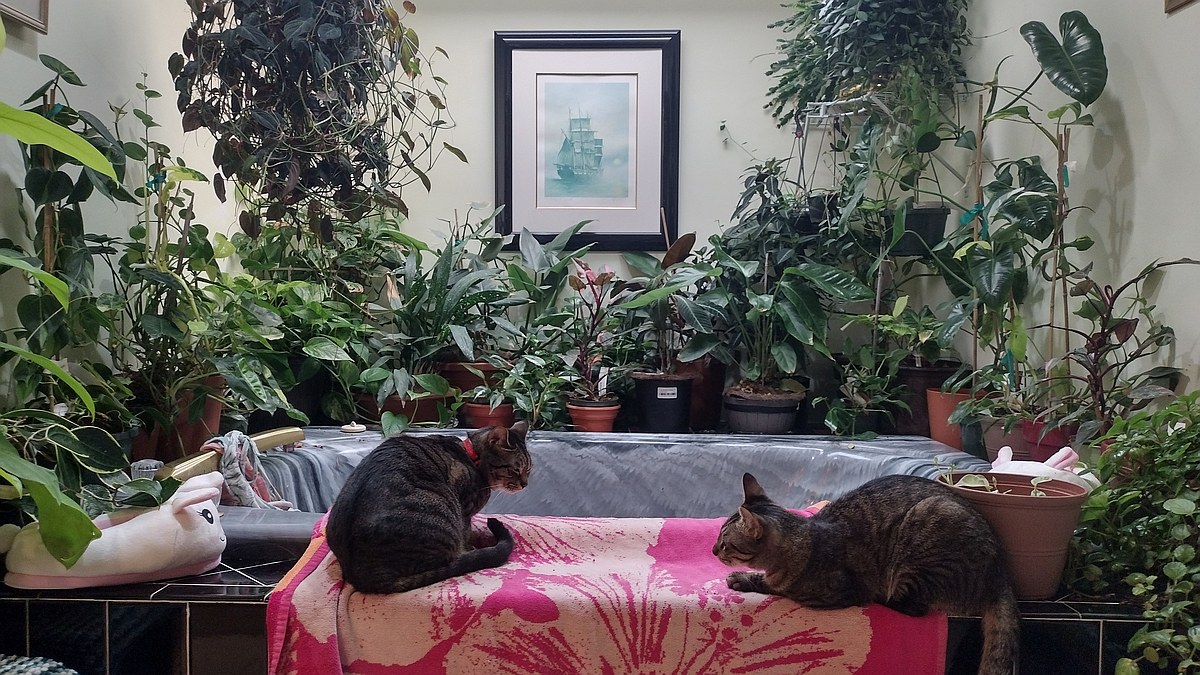
Niki  and  Cash,  the  PeopleCats.garden  rescued  cats,  lounging  on  a  pink  towel  in  front  of  a  bathtub  surrounded  by  tropical  houseplants.  The  room  is  filled  with  lush  green  foliage,  hanging  vines,  and  potted  plants,  creating  a  peaceful  indoor 
 jungle.

Photo above: Niki and Cash, the Top Tropicals PeopleCats-in-residence, lounging in a lush indoor jungle

Most tropical gardens have at least one corner that gets morning light, filtered sun, or just bright shade - and that's exactly where Anthuriums thrive, along with many other shade-loving plants. That makes them ideal for spaces where other tropicals struggle.

Don't have a greenhouse? You don't need one. Anthuriums do beautifully on a shaded porch, in a screened lanai, or even indoors near a north or east-facing window. They're perfect for:

  • Bathrooms with natural light
  • Bright kitchens with indirect sun
  • Shaded entryways or under eaves
  • Hanging baskets under tree cover
  • Mounting on cork or wood in humid areas

Even a small space can feel like a tropical conservatory with the right plant - and Anthuriums bring that look without being demanding. They grow slowly, stay manageable, and don't need constant pruning or repotting.

Best of all, they reward consistency. Keep them warm, give them some humidity, water when the top inch feels dry, and they'll stay healthy for years. No drama - just quiet, lasting beauty. If you've never grown tropicals in the shade, this is where to start.

Watch Top Tropicals videos about anthuriums

Shop Shade Garden