Date: 31 Aug 2025
🌿 The Jungle Cactus with a secret life
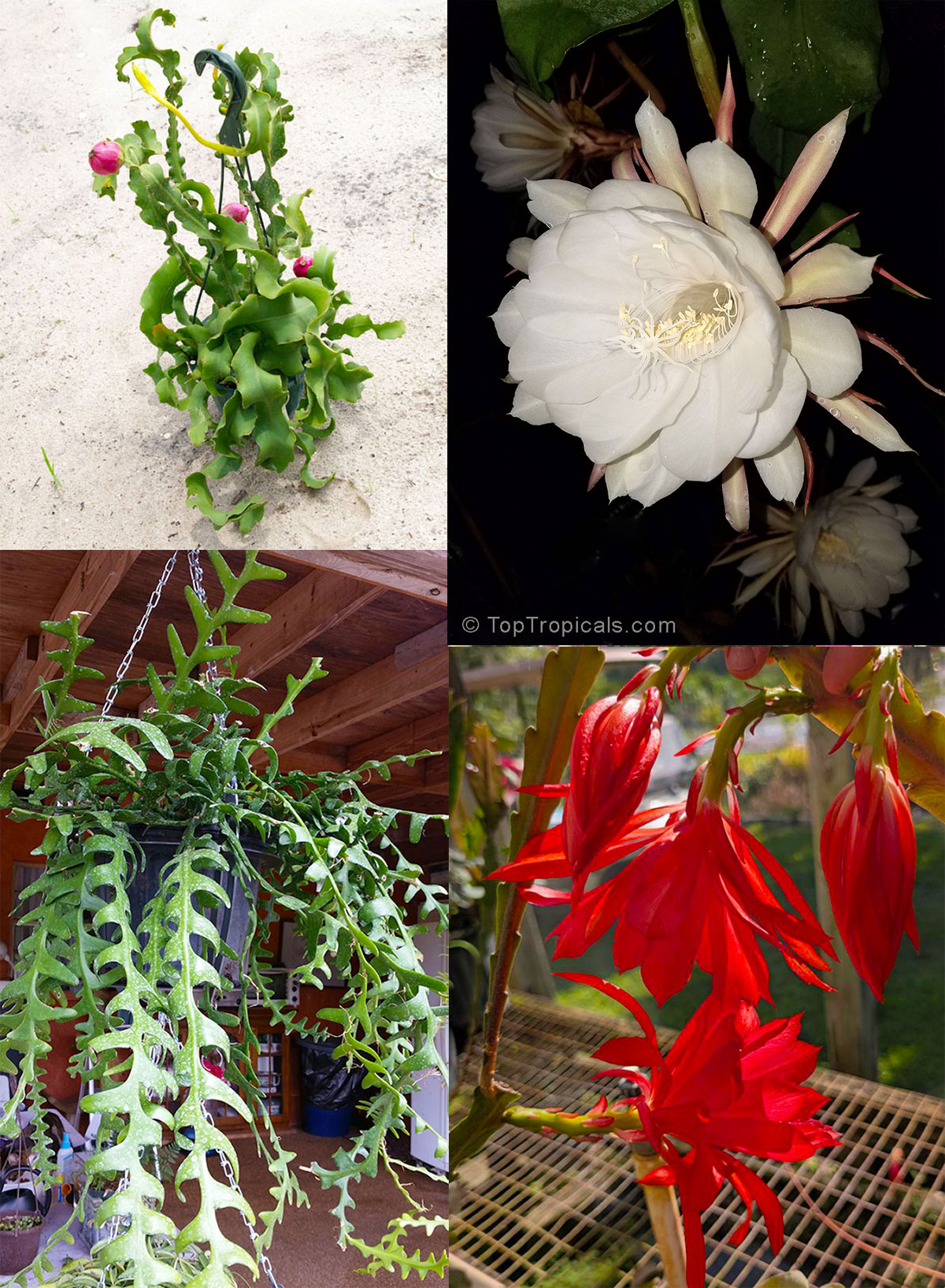
Jungle cactus collage: top left Epiphyllum guatemalense Monstrosa (Curly Locks Orchid Cactus), top right Epiphyllum oxypetalum (Queen of the Night), bottom left Cryptocereus anthonyanus (Zig-Zag Cactus), and bottom right Disocactus ackermanni (Red Orchid Cactus)
Most people picture cactus as desert plants: hot sun, sharp spines, dry sand. But that’s only half the story. There’s another branch of the family that lives in the shade of rainforests. These are the jungle cacti — epiphyte plants that climb trees, trail from branches, and throw out flowers so big and showy they look closer to orchids than to cactus blooms.
See one up close and it’s a surprise. The stems can be flat, zig-zagged, or even curly. Some trail like ferns, others pile into a shaggy basket. And when the flowers open — often at night — they’re wide, fragrant, and gone by morning. It’s no wonder gardeners like them from a first sight.
✔️ Jungle Cactus Q&A
Aren’t all cacti desert plants?
Not these. Jungle cacti are epiphytes and grow in rainforests, clinging to trees and catching rain. They never touch desert sand.
What kind of light do they need?
Outdoors, filtered sun under a tree works best. Indoors, give them bright but indirect light — east or north windows are usually safe. Direct summer sun can scorch the stems, whether inside or out.
How much water is safe?
They take more water than desert cactus but still hate wet feet. Outdoors, a rain shower is fine if the pot drains fast. Indoors, water when the top inch of soil feels dry. Always use a loose mix like Adenium mix so roots get some air.
Do they bloom indoors?
Yes. In fact, many bloom better inside where conditions are steady. They set buds when a little root-bound, and cooler nights help. Outdoors in frost-free zones, flowers come with seasonal shifts. Indoors, expect surprise buds after a cool spell by the window.
Best way to display them?
Hanging baskets show off trailing stems both inside and out. Shallow pots work well on shelves or ledges indoors. In warm climates, they can even be tied to a tree branch outside — exactly how they grow in the wild.
Extra note on indoor vs. outdoor care?
Indoors, watch for dry heated air in winter — they like a bit of humidity. A tray of pebbles and water under the pot helps. Outdoors, protect from heavy midday sun and bring them in if nights dip below the mid 30s F.
Jungle cacti are easy to keep and full of surprises. Whether trailing from a basket or blooming after dark, they prove that not every cactus belongs in the desert.
Date: 27 May 2025
Too weird to ignore, too easy not to grow!
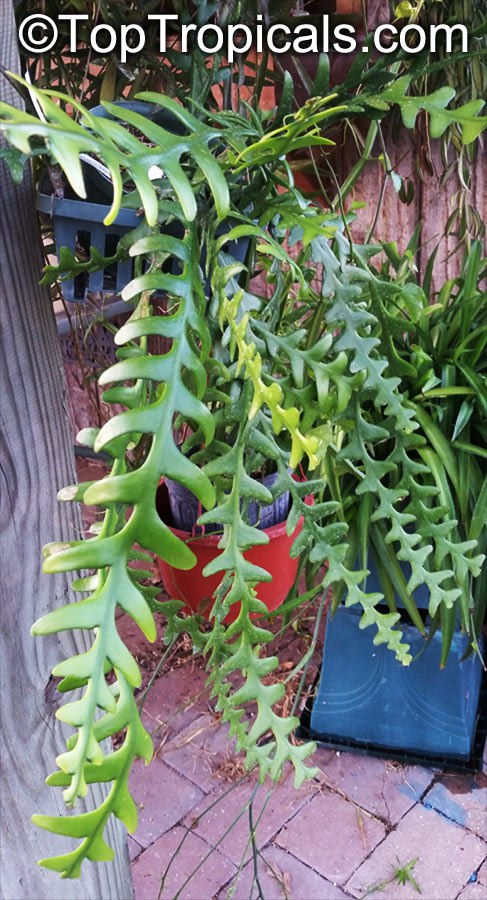
Cryptocereus (Selenicereus) anthonyanus - Zig-Zag Cactus, Anthony's Rick-Rack, Fishbone Cactus

Cryptocereus (Selenicereus) anthonyanus - Zig-Zag Cactus, Anthony's Rick-Rack, Fishbone Cactus, flower
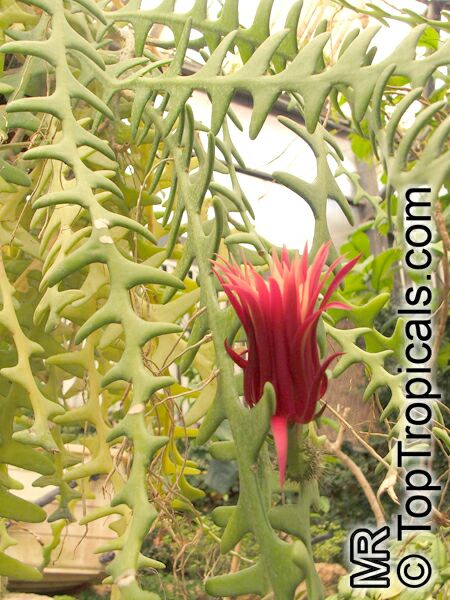
Cryptocereus (Selenicereus) anthonyanus - Zig-Zag Cactus, Anthony's Rick-Rack, Fishbone Cactus

Cryptocereus (Selenicereus) anthonyanus - Zig-Zag Cactus, Anthony's Rick-Rack, Fishbone Cactus, leaves
Too weird to ignore, too easy not to grow!
- ⚡️Cryptocereus (Selenicereus) anthonyanus - Zig-Zag Cactus. Also known as Anthony's Rick-Rack or Fishbone Cactus, this oddball epiphyte is famous for its zigzagging, succulent leaves that look like a green lightning bolt.
- ⚡️ In nature, it climbs trees using aerial roots, but it's happy in a pot too.
- ⚡️Give it bright, indirect light and let the soil dry out completely between waterings.
- ⚡️In spring, it may reward you with a rare night-blooming flower that lasts just one magical evening.
- ⚡️ Easy, sculptural, and full of character!
🛒 Add this oddball to your jungle
📚 More about exotic epiphytic cacti:
Disocactus ackermanni - Red Orchid Cactus
Epiphyllum oxypetalum - Queen of the Night
Pseudorhipsalis (Wittia) amazonica - Blue Flame
Epiphyllum guatemalense Monstrosa - Orchid Cactus, Curly Locks
#Fun_Facts #Container_Garden #Shade_Garden #Nature_Wonders
🔴 Join 👉 TopTropicals
Date: 9 Nov 2025
Edible cactus with health benefits that your tortoise will love too
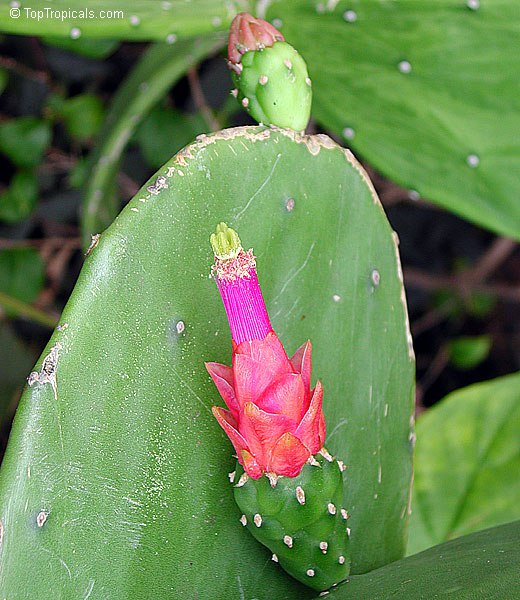
Opuntia cochenillifera - Velvet Nopal Cactus, Nopales, Prickly Pear, leaves and flower
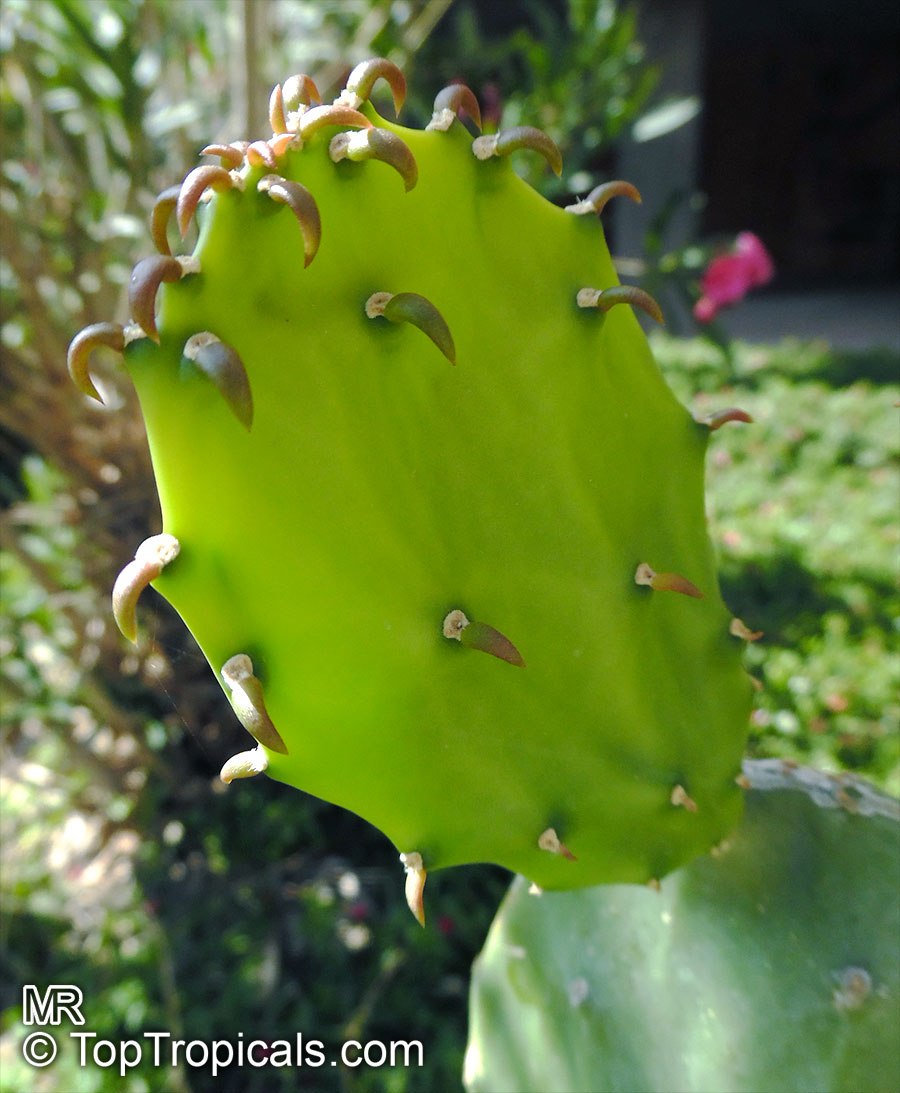
Opuntia cochenillifera - Velvet Nopal Cactus, Nopales, Prickly Pear, leaves
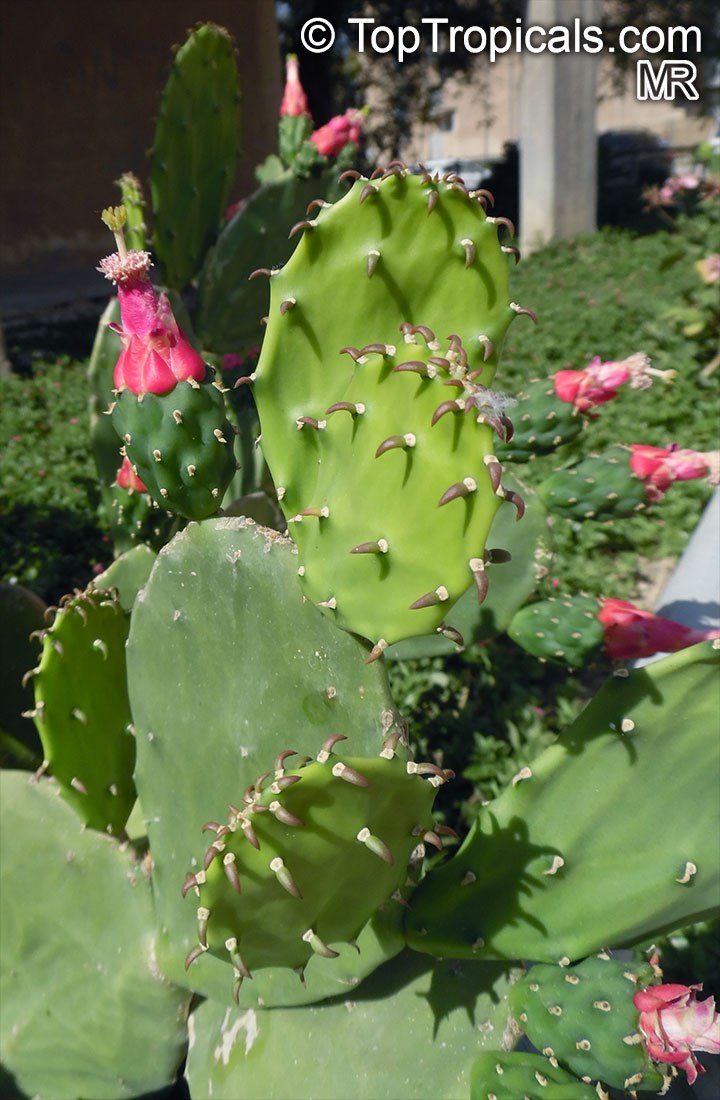
Opuntia cochenillifera - Velvet Nopal Cactus, Nopales, Prickly Pear, leaves and flowers
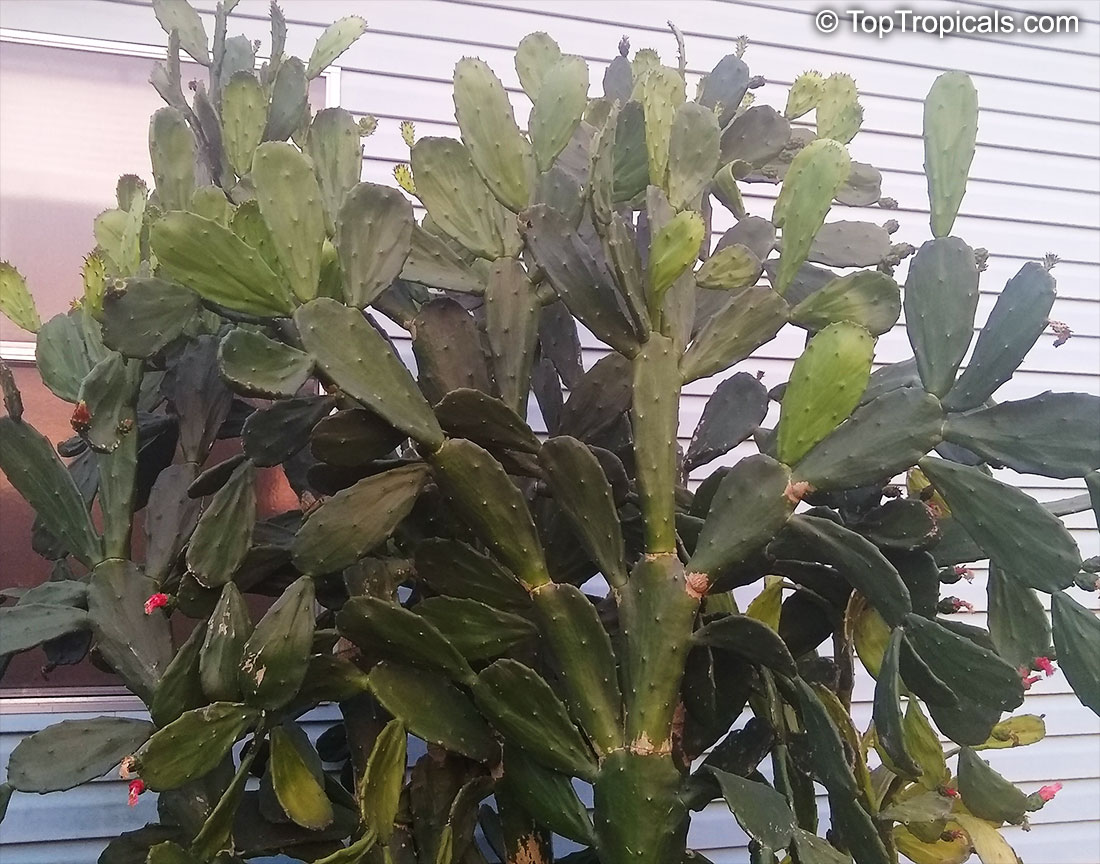
Opuntia cochenillifera - Velvet Nopal Cactus, Nopales, Prickly Pear, large plants
🐢 Edible cactus with health benefits that your tortoise will love too
- 🌵 Opuntia cochenillifera - Velvet Nopal Cactus, Nopales, Prickly Pear - is one of the most useful and forgiving cactus species you can grow. Unlike most desert cacti, this one thrives even in humid tropical climates like Florida, making it one of the few rain-tolerant cacti that actually loves moisture. Fast-growing and ornamental, it produces bright red flowers and makes a beautiful, low-maintenance landscape plant that thrives in heat, drought, and even neglect.
- 🌵 Prickly Pear is a very valuable edible, used as a vegetable with impressive medicinal properties. The young pads, called nopales, can be stir-fried or sauteed with onions and garlic for a tangy, nutrient-rich side dish.
- 🌵 In Hispanic cooking, this plant is known simply as Nopal or Nopales – a traditional ingredient used in dishes like ensalada de nopales (nopal salad), nopales con huevo (eggs with cactus), and nopales asados (grilled cactus).
- 🌵 Regularly eating Nopales has been linked to improved blood sugar control, and many people who include it in their diet report significant help in managing diabetes.
- 🌵 Nopales is also a favorite treat for tortoises and other herbivorous pets. Its smooth, spineless pads are packed with hydration and nutrients, making it a safe, natural food source.
- 🌵 So, this is not just a cactus - it’s a food, medicine, and ornament all in one. Tough, beautiful, and endlessly useful!
🛒 Plant your own food and pharmacy Nopales
#Food_Forest #Remedies
🟢 Join 👉 TopTropicals
Date: 12 Jul 2024
How does Zig-Zag Cactus grow
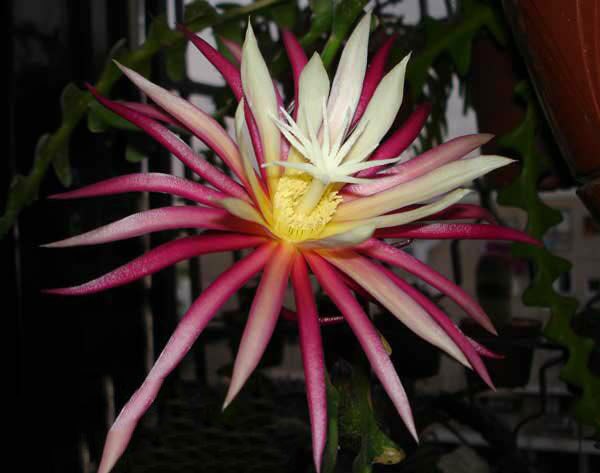
Cryptocereus anthonyanus - Zig-Zag Cactus flower
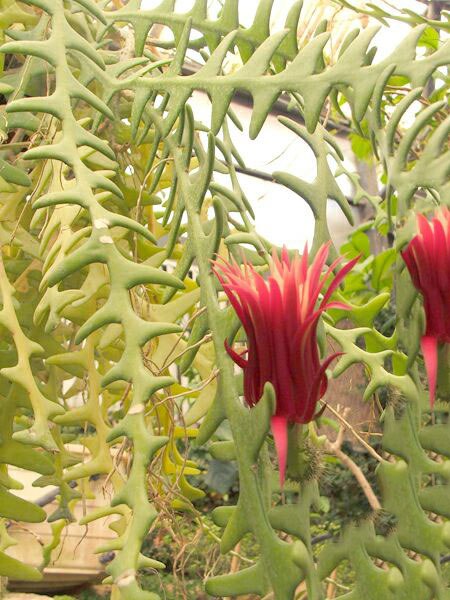
Cryptocereus anthonyanus - Zig-Zag Cactus

Cryptocereus anthonyanus - Zig-Zag Cactus
Cryptocereus anthonyanus (Zig-Zag Cactus) has zigzag-shaped stems and beautiful night-blooming flowers that make it a fascinating addition to cactus collections.
🛒 Order Zig Zag Cactus
#Container_Garden
🏵 TopTropicals
Date: 30 Nov 2024
Why this cactus is called Blue Flame

Pseudorhipsalis amazonica - Blue Flame Cactus

Pseudorhipsalis amazonica - Blue Flame Cactus

Pseudorhipsalis amazonica - Blue Flame Cactus
- 🔥 Pseudorhipsalis amazonica - Blue Flame Cactus - is a spectacular bloomer!
- 🔥This is a rare, spineless, epiphytic cactus from the rainforests of the Amazon jungle.
- 🔥 The flowers emerge along the leaf edges from late spring through early summer. They have a distinctive blue tip on the magenta flower, just like a blue flame!
🛒 Order Blue Flame Cactus
#Container_Garden #Shade_Garden #Fun_facts
🔴 Join 👉 TopTropicals