Garden Blog - Top Tropicals

Date: 22 Mar 2021

NEW INTRODUCTION:
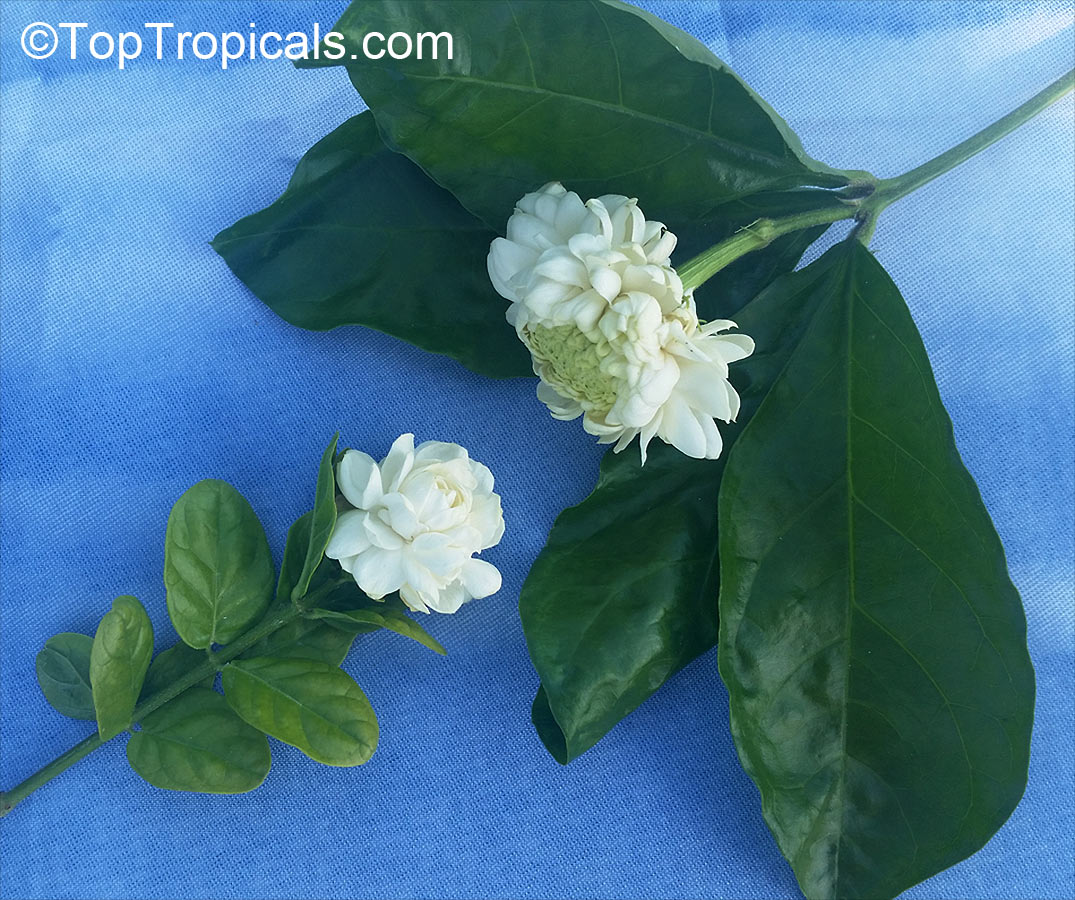
Little Duke - new variety of Jasmine Sambac
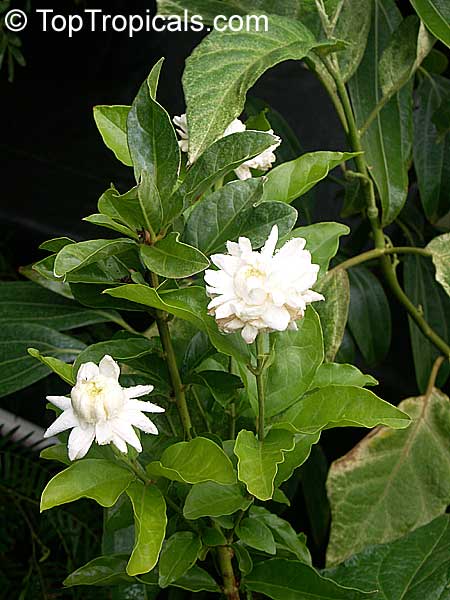
We are exited to introduce to the world of tropical plant lovers a new hybrid of Jasmine sambac Grand Duke Supreme - Little Duke!
This new variety combines benefits of 1-1.5"large, triple flowers with a compact, bushy growth habit. What an amazing gift for every jasmine lover! Unlike regular Grand Duke that tends to be leggy, this variety branches out much more and stays short with minimal pruning. Leaves are similar to Grand Duke Supreme - elongated and come in swirls of 3's and 4's. It is a fast grower, reaching mature size in no time, but the plant stays compact, producing multiple flowers on every branch.
Little Duke, or Baby Duke, is a profuse bloomer, providing lots of sun, warmth, and moderate water. It is a perfect houseplant with the strongest jasmine fragrance in the world. A must have for every jasmine collector!

The plants we currently have in stock are very large and developed, with multiple stems, some are full of buds and ready to flower for you. They are in 1 gal pots, ready to be stepped up soon. But hurry up! We have limited stock that will be sold FAST! Don't wait and get this gem today for your fragrant plant collection, before they all sold out! The next batch won't be coming until a few months later and the plants will be much smaller...

Date: 10 Mar 2021

Healthy Plants: Q&A from Mr Booster

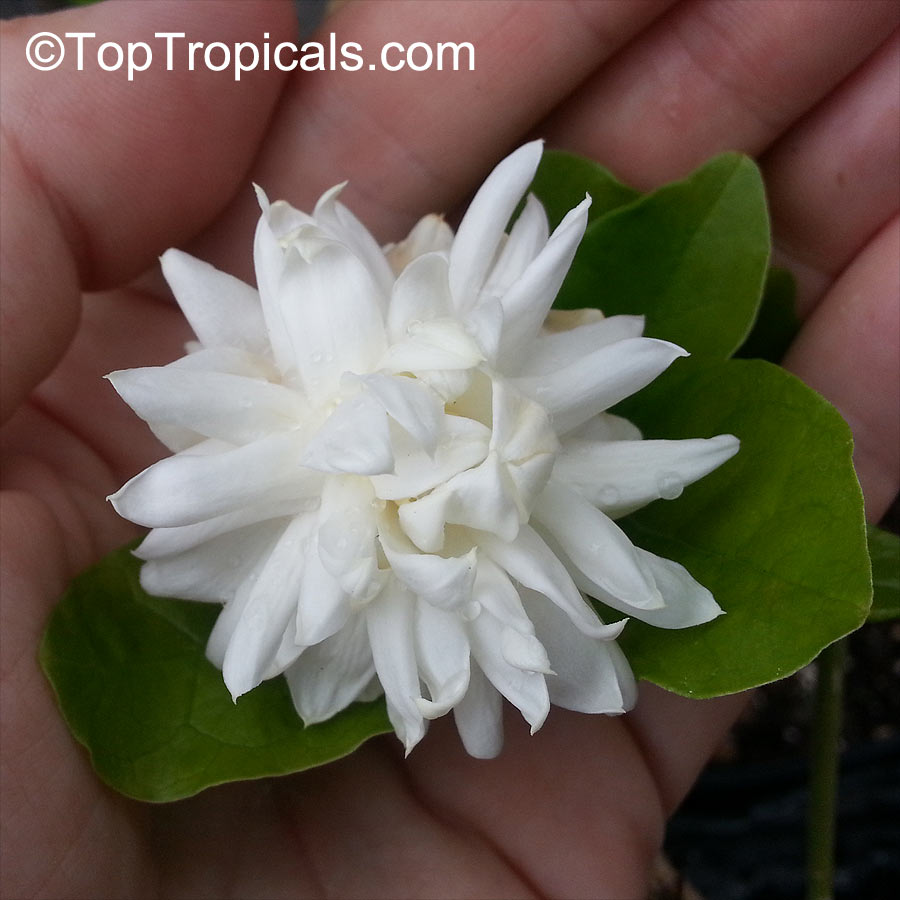
Jasmine Grand Duke flowering

Q: Hey can you help me figure out why my jasmine grand duke supreme is not flowering? Ive had it for almost a year (in NY) and only had 1 flower bloom and that immediately turned brown and died. Since then no flowers have come. The leaves are green and healthy and its growing like crazy but not flowers. Please help me figure this out.

A: For profuse flowering, Jasmine sambac needs 2 things: bright light and special plant food. We have plenty of both here in Florida. If your grow this plant indoors in colder climate, get it to flowering can be a bit tricky.
Your plant grows well overall with lots of vegetative growth, this is a good sign, it means it's healthy, and not being overwatered which is one of the most common problems with Sambacs. You're doing a great job! This jasmine just needs more sun and fertilizer.
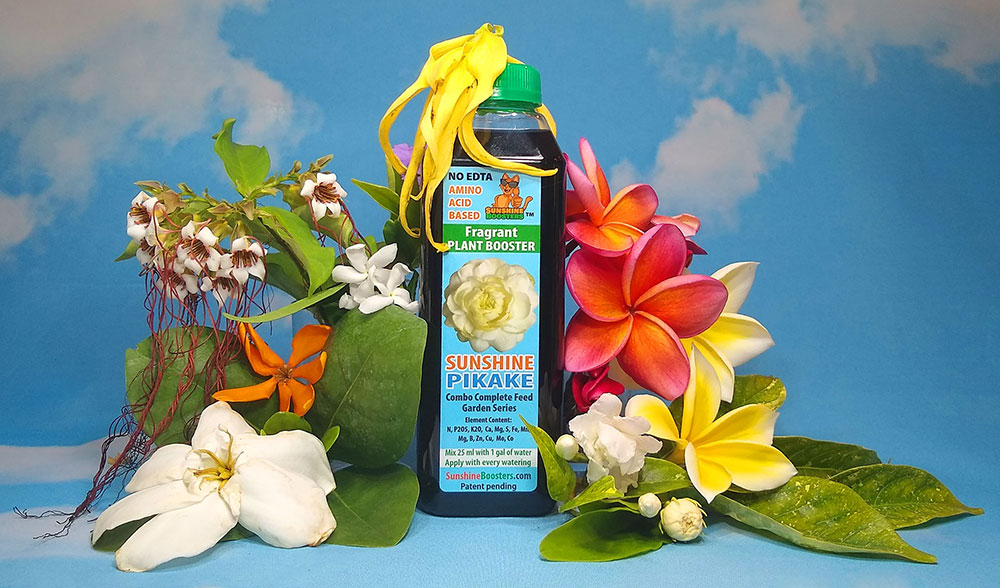
Make sure to keep it in the brightest spot of your home. The more hours of light, the better. When night temperatures stay above 65F, it is beneficial to bring the plant outside on a balcony, patio, or in a garden in full sun as a potted specimen (move to bright light gradually). You should give this Jasmine plenty of food with every watering. We recommend SUNSHINE Pikake - Fragrant Flower Booster. This is a natural fertilizer that can be applied to plants year round without risk of burning the roots or nutrient lock up in the soil. It provides all necessary elements for the flowering cycle - just add a bit into watering can, every time you water.

Date: 25 Jan 2021

Coastal Plants. List of plants that do well in coastal areas

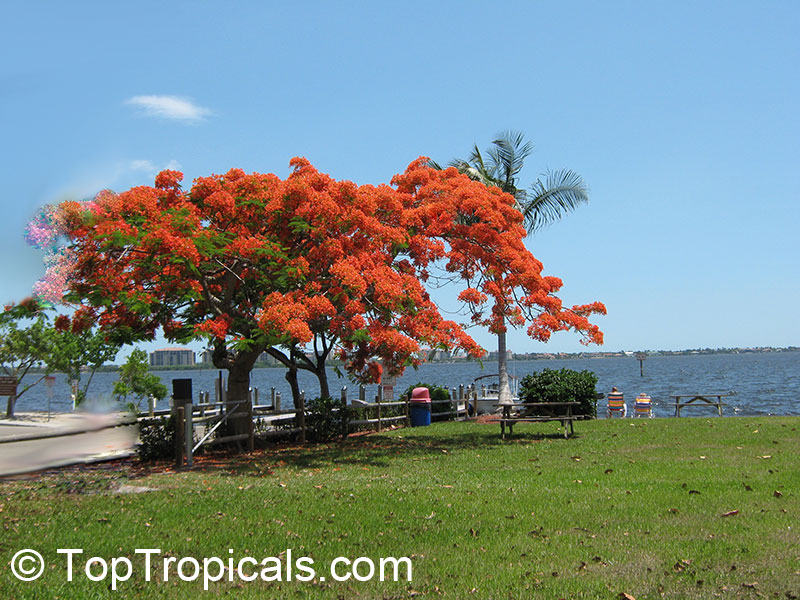
In the photo: Delonix regia - Royal poinciana, Flamboyant

Q: How can I get a list of plants that do well in coastal areas (i.e. next to sea)?

A: Many tropical plants live by the sea in natural habitat and don't mind ocean breeze. We have a large selection to pick from. The following groups of spectacular flowering trees will enjoy coastal environment:
Cordia trees
Plumerias
Orchid trees (Bauhinias)
Caesalpinias
Callistemons (Bottle brush trees)
Cassias
Many palm trees

See full list of salt-tolerant plants available at this time.

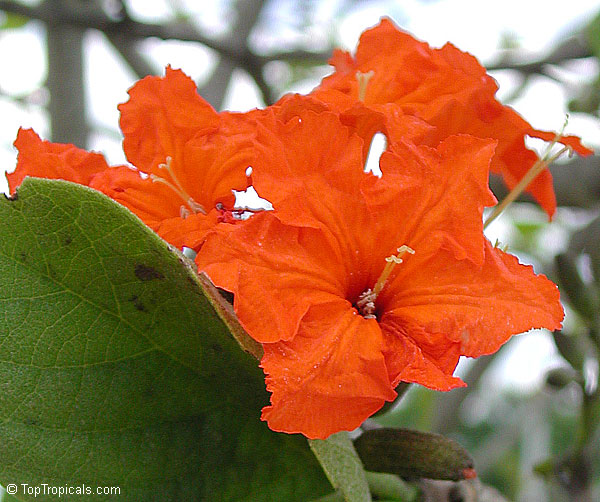
In the photo: Cordia sebestena - Scarlet Geiger tree

Date: 19 Jan 2021

Tropical Planting Breaks the Rules. WInter planting in Florida

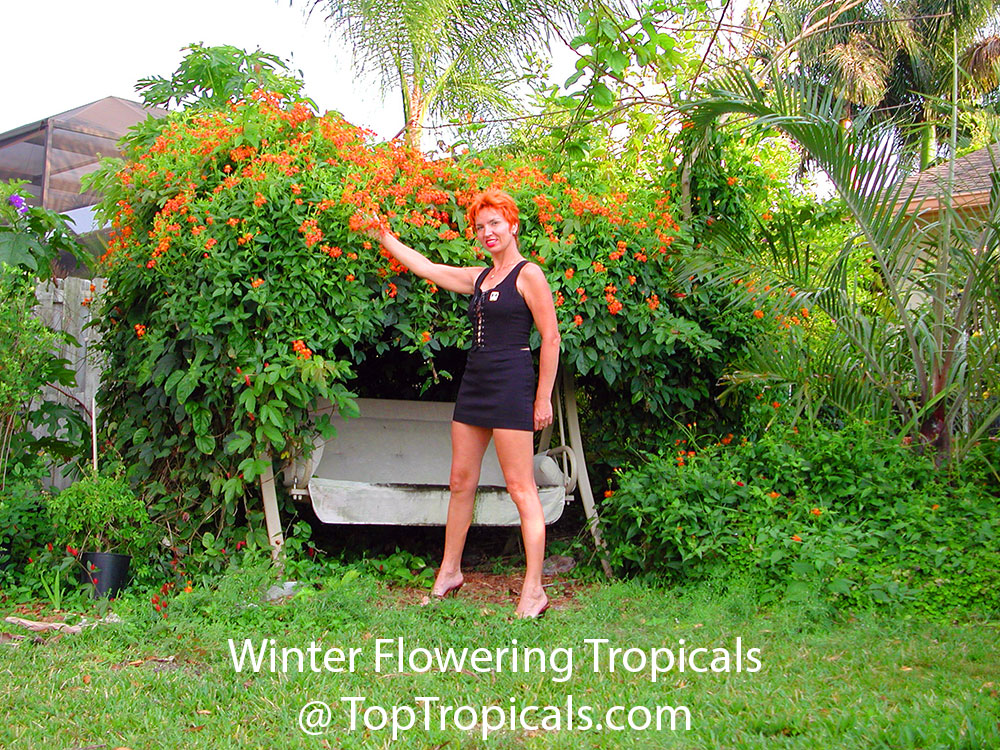
In the photo: Senecio confusus - Mexican flame vine, one of the most spectacular winter-bloomers.

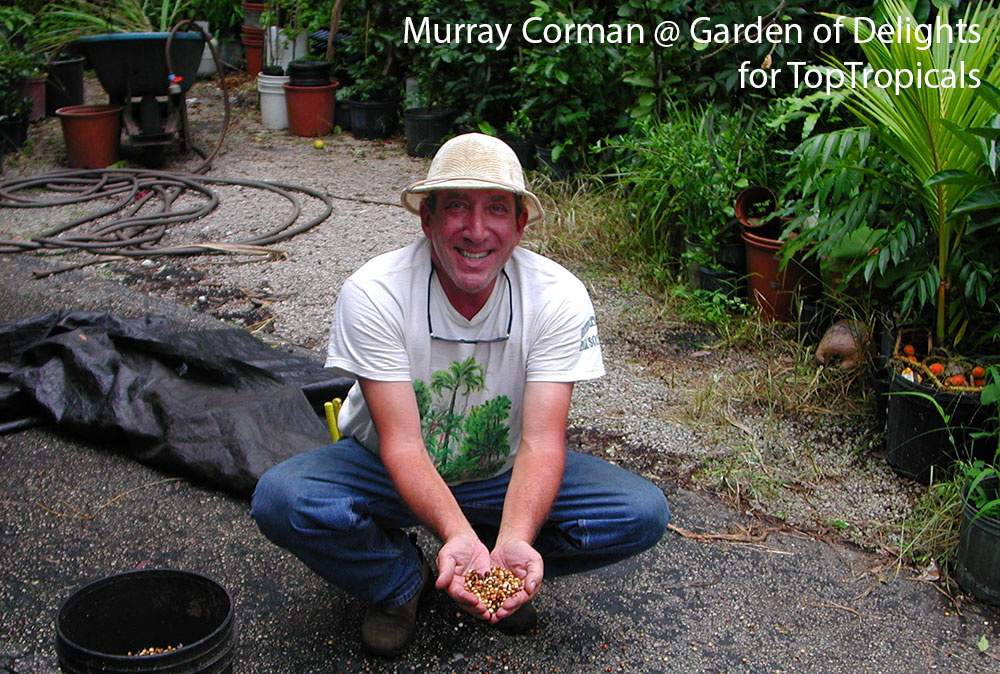
by Murray Corman (Garden of Delights)

Waiting for Arbor Day or the first day of spring to plant a tree is something of a missed opportunity for those of us who live in the virtually evergreen world of the tropics and subtropics. Wintertime does not just mean hard work for tropical gardeners. It is also a time to enjoy the fruits of our labor. Winter-blooming plants and the visitors they attract - birds, bats and butterflies - make the garden as enjoyable in winter as any other time of year.
What a welcome relief: January daytime temperatures in the 70s, dropping to the 60s at night. This is why I came to live in the subtropics of southern Florida. The balmy climate of South Florida represents one of the few places on the mainland United States where tropical plants thrive unprotected outdoors...

CONTINUE READING >>

Date: 28 Dec 2020

Spanish Lime Tree

Q: Do I need two plants of the Spanish lime to have fruits? Do you have a grafted tree that I would only need one plant?

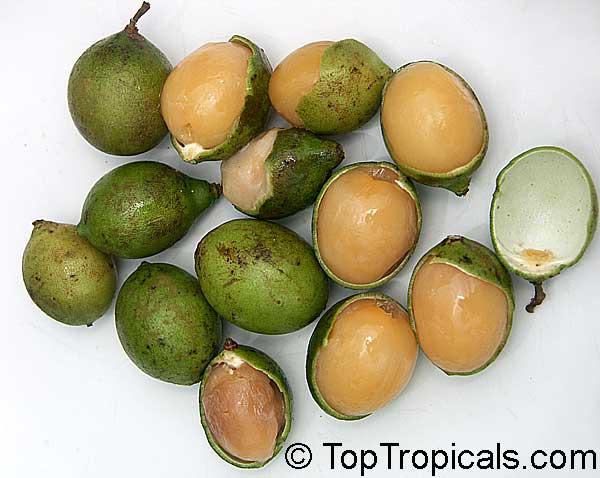
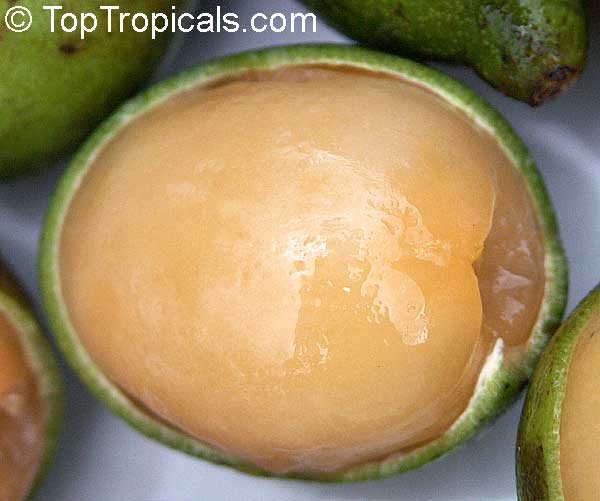
A: From our experience with Spanish Lime trees - Melicoccus bijugatus, fruiting habit really depends on variety. There are self-pollinating varieties that only require one tree. Seedling usually require cross-pollination between two trees for better production. It doesn't mean that one tree won't bloom or fruit - it will, but production may be lower than if they were cross-pollinated.
The Spanish Lime trees we currently have in stock are seedlings from a good, self-pollinating variety Key West, however, only grafted trees are precisely true to variety since they are technically clones. Seedlings normally take a few years (3-4) until they start fruiting. Spanish Limes don't have to be grafted to produce quality fruit, however, grafted trees may take less time till they fruit.
This species is really hard to obtain and we do not have any grafted trees now, and probably not for another year. So if you really want this fruit tree, you may want to try at least with a seedling. We only have a few left in stock and many people want them. Otherwise, you may sign up for the wish list and wait until we (hopefully) have grafted specimens (enter Melicoccus bijugatus in wish list).