A: Blighia sapida, commonly known as Akee, holds a special place as the
Jamaican National Fruit. The fruit of this medium size, fast growing
subtropical tree is used as a vegetable, is renowned for its delicious taste,
vibrant red pods, and creamy texture. Akee is primarily grown in Jamaica and is
an integral part of Jamaican cuisine. Its unique ripening process and the
need for careful preparation make it distinctive.
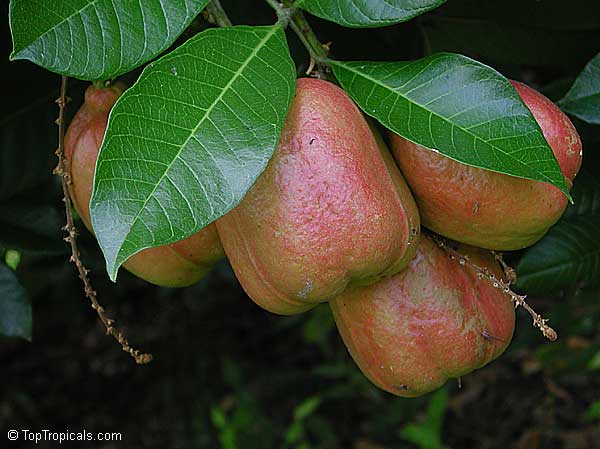
The fruit starts off green and gradually transforms into a vibrant red
hue when it matures. To enjoy Akee, the pods must be harvested when fully
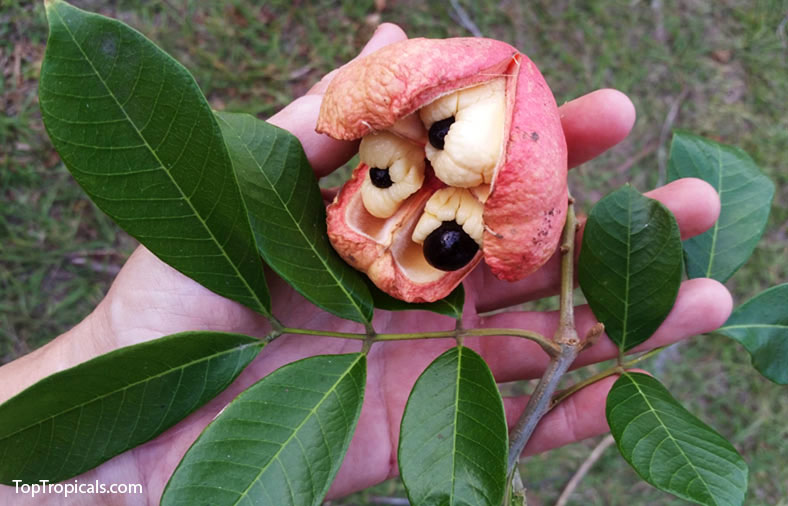
ripe, and the skin should be orange to red. They are then carefully opened,
revealing three distinct sections: the creamy white or yellow flesh, the central
seed, and a thin, dark membrane. The seed and the membrane are not edible,
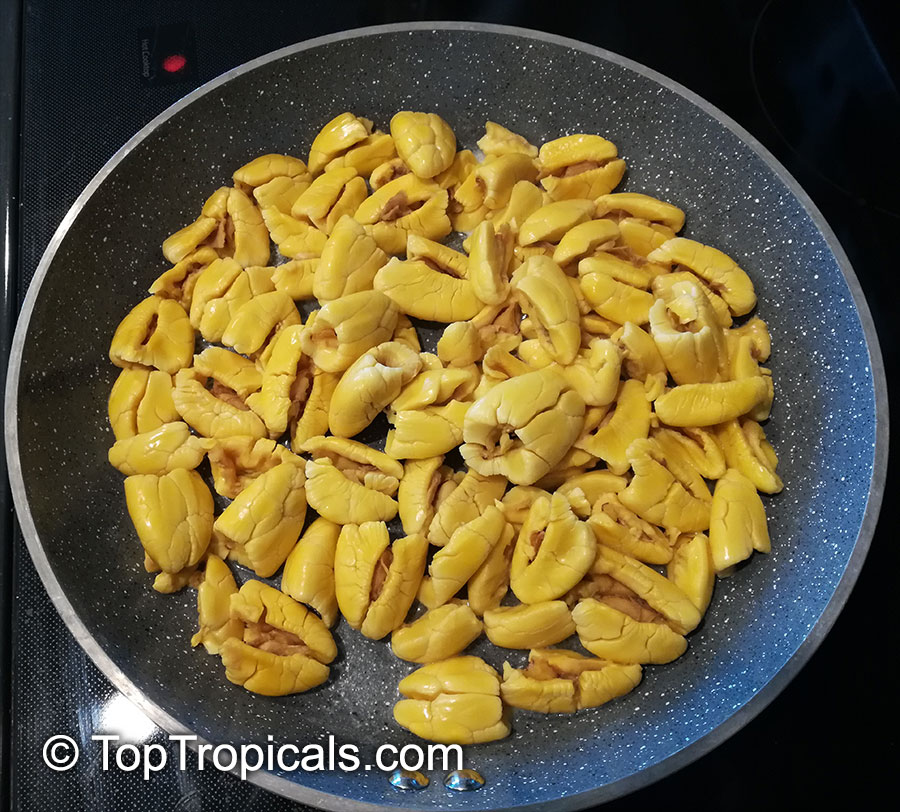
only the ripe yellow flesh is consumed, which has a soft, buttery consistency
and a mild, nutty flavor.
Akee is often cooked and served in various traditional Jamaican
dishes. It is famously paired with salted codfish, creating the popular
national dish known as "Ackee and Saltfish." This dish is a flavorful combination
of sauteed Akee with flaked salted codfish, onions, peppers, tomatoes, and
spices. Akee is also used in stews, curries, and salads, adding a rich and
distinct taste to the culinary preparations.
Beyond its culinary significance, Akee holds cultural and historical
importance in Jamaica. It is believed to have been brought to the Caribbean
region from West Africa during the transatlantic slave trade era. Today, Akee
symbolizes national pride and is a source of cultural identity for Jamaicans.
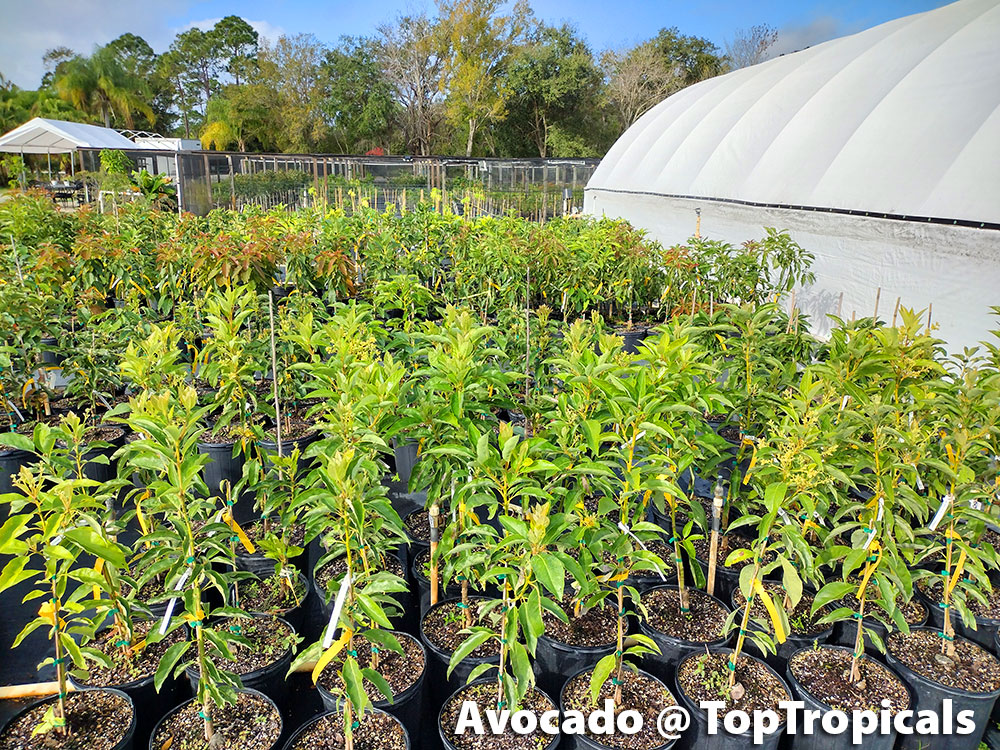
Akee tree is fast growing and easy to grow. It will start producing
within 2-3 years after planting.