Garden Blog - Top Tropicals

Date: 2 Apr 2026

Skip the Egg Hunt - Start a Plant Hunt 🐰

Smokey  the  black-and-white  cat  with  glasses  sits  on  a  patio  taking 
 notes  while  Sunshine,  a  fluffy  orange  cat  wearing  bunny  ears,  holds  a  small 
 potted  mango  tree  with  light  yellow 
 flowers.
Sunshine: I went egg hunting. Found something better. Let’s grow it on the balcony. Mango-filled donuts, here I come.

Smokey: Finally. You’re thinking.

Read more about Smokey & Sunshine

Mango Plant Facts

Botanical name: Mangifera indica
Also known as: Mango
USDA Zone: 9 - 11
Highligths Large tree taller than 20 ftSmall tree 10-20 ftFull sunWatering: Moderate. Water when top soil feels dryYellow, orange flowersPink flowersEdible plantSeaside, salt tolerant plant
Get personalized tips for your region

Groundhog said long winter… and it sure felt like it. But now it is finally over, and balconies and patios are waking up again.

Easter is here, and with it comes that fresh start feeling - time to open the doors, bring plants back out, and start growing.

We made it through the cold. For northern gardeners, that is every year; for borderline zones, it is a reminder that freezes happen. That is exactly why growing in pots makes sense - you stay flexible.

Container growing is not just about pots - it is about choosing the right plants. The best options stay manageable, produce well, and handle being moved.

Let's look at what works. Start with plants that naturally stay compact and adapt well to containers. These are the ones that won’t outgrow your space and will reward you quickly. These are proven performers in containers - compact, productive, and easy to manage:

Blackberry Jam Fruit Plant Facts

Botanical name: Randia formosa, Mussaenda formosa, Randia mussaenda, Rosenbergiodendron formosum
Also known as: Blackberry Jam Fruit, Jasmin de rosa
USDA Zone: 9 - 11
Highligths Large shrub 5-10 ft tallSmall tree 10-20 ftSemi-shadeFull sunKeep soil moistWhite, off-white flowersEdible plantPlant attracts butterflies, hummingbirdsFragrant plantSubtropical plant. Mature plant cold hardy at least to 30s F for a short time
Get personalized tips for your region

Fig Tree Plant Facts

Botanical name: Ficus carica
Also known as: Fig Tree, Brevo
USDA Zone: 7 - 10
Highligths Plant used for bonsaiSmall tree 10-20 ftFull sunWatering: Moderate. Water when top soil feels dryOrnamental foliageEdible plantDeciduous plantSubtropical plant. Mature plant cold hardy at least to 30s F for a short timeFlood tolerant plantSeaside, salt tolerant plant
Get personalized tips for your region

Simple rule: if it stays compact and handles pruning, it works in a container.

Skip the egg hunt this year - go on a plant hunt instead. Start with one or two plants this Easter - not ten. Get them established, learn how they grow, and then expand.

Container basics (keep it simple):

  • Pot size: start with 3–7 gallon, upgrade as plant grows
  • Soil: fast-draining mix (never heavy garden soil)
  • Water: soak well, then let top inch dry
  • Feeding: consistent light feeding works better than heavy doses
  • Sun: most tropicals want full sun (6+ hours)

🐣 Browse our Easter Container Collection

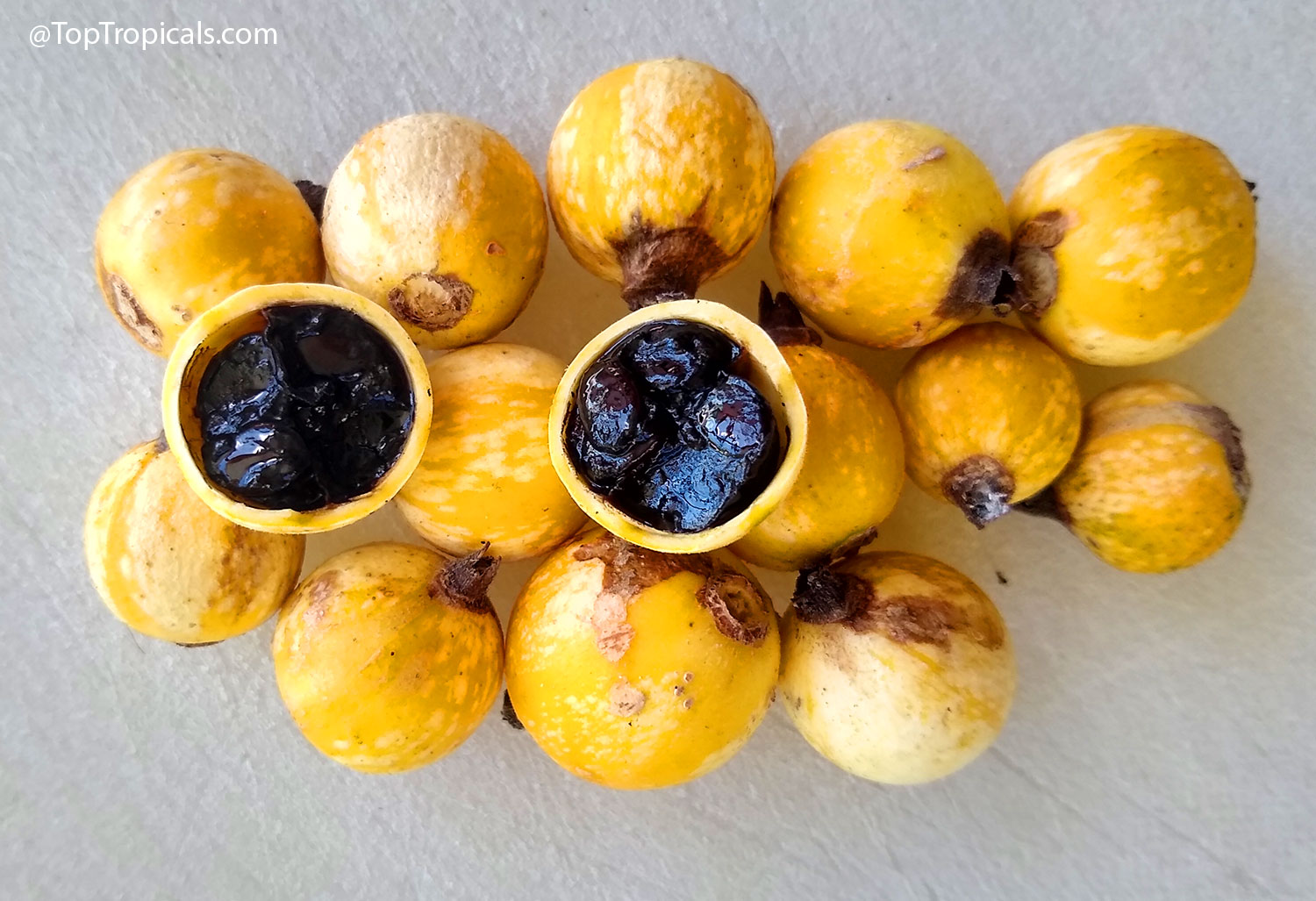
Randia  formosa  (Blackberry  Jam  Fruit)  showing  yellow  ripe  fruits,  some 
 cut  open  to  reveal  glossy  dark  pulp 
 inside.

Randia formosa - Blackberry Jam Fruit

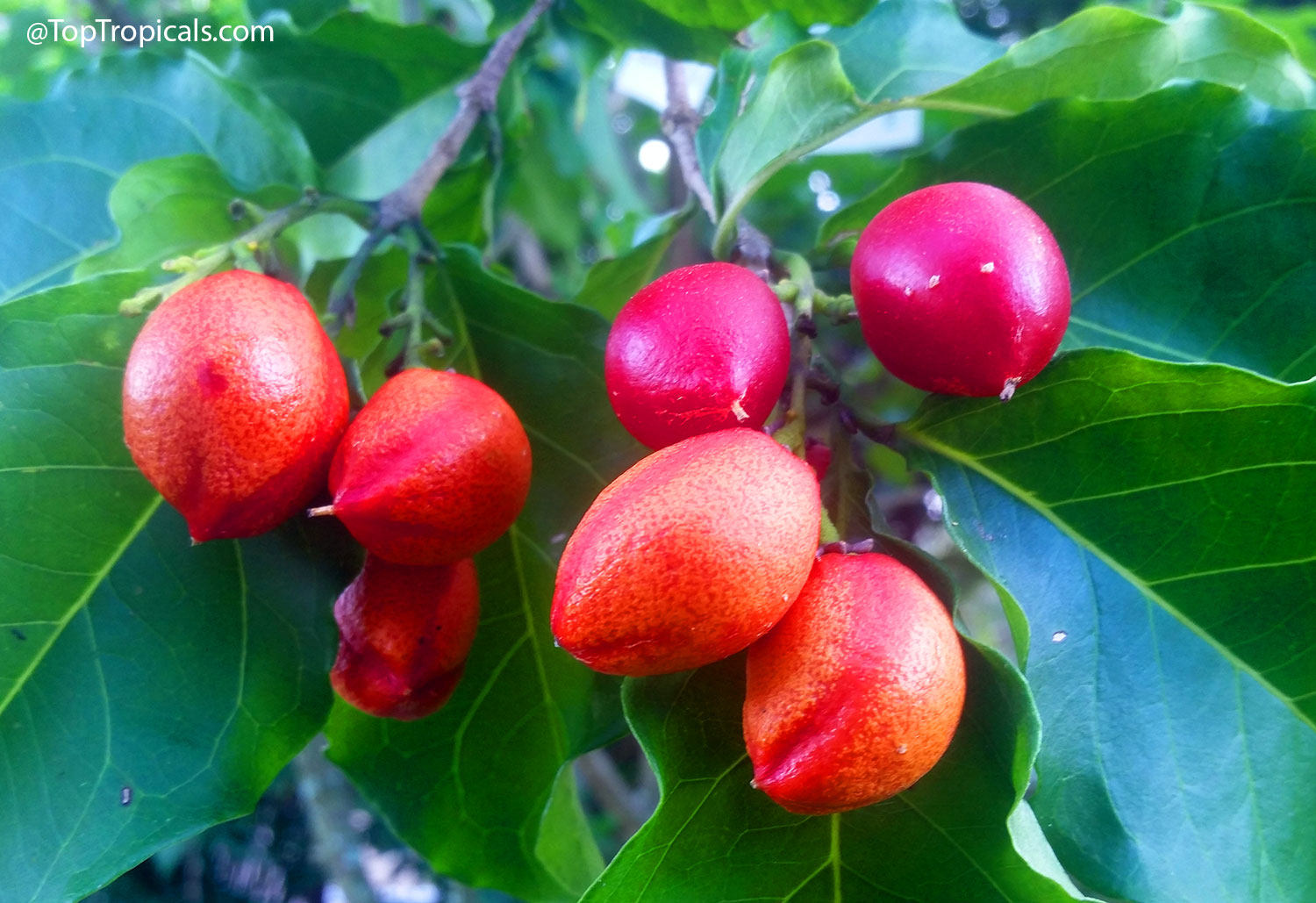
Bunchosia  argentea  (Peanut  Butter  Fruit)  showing  clusters  of  red  ripe 
 fruits  on  a  leafy 
 branch.

Bunchosia argentea - Peanut Butter Fruit

Peanut Butter Fruit Tree Plant Facts

Botanical name: Bunchosia argentea, Bunchosia armeniaca
Also known as: Peanut Butter Fruit Tree, Ciruela Del Monte
USDA Zone: 9 - 11
Highligths Large shrub 5-10 ft tallSmall tree 10-20 ftSemi-shadeFull sunWatering: Regular. Let topsoil dry slightlyYellow, orange flowersEdible plantSubtropical plant. Mature plant cold hardy at least to 30s F for a short time
Get personalized tips for your region

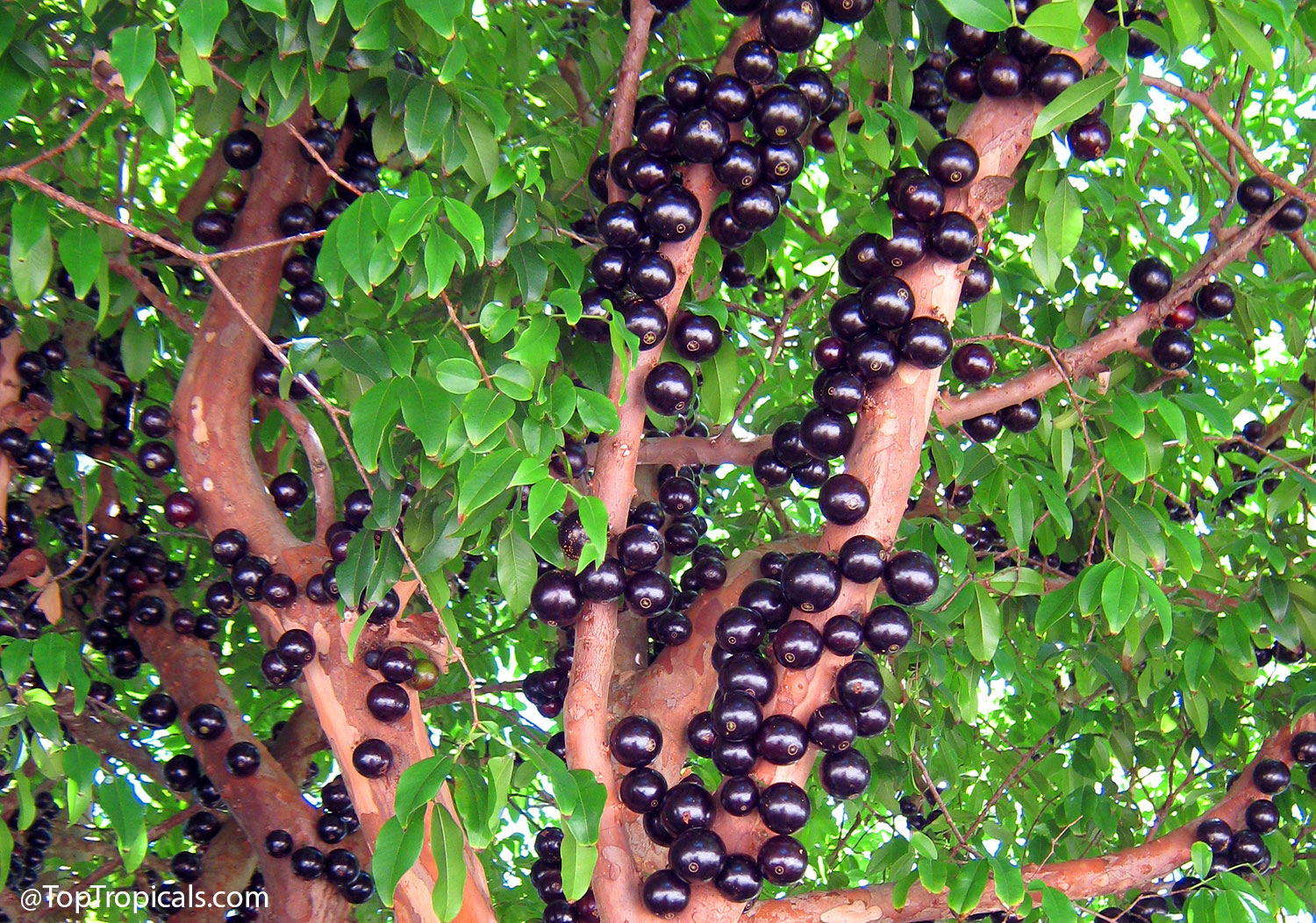
Myrciaria  cauliflora  (Jaboticaba)  tree  with  clusters  of  dark 
 purple-black  fruits  growing  directly  on  the 
 trunk.

Myrciaria cauliflora - Jaboticaba

Jaboticaba Plant Facts

Botanical name: Myrciaria cauliflora, Plinia cauliflora, Eugenia cauliflora
Also known as: Jaboticaba, Duhat
USDA Zone: 9 - 11
Highligths Plant used for bonsaiSmall tree 10-20 ftFull sunKeep soil moistEdible plantSubtropical plant. Mature plant cold hardy at least to 30s F for a short timeFlood tolerant plant
Get personalized tips for your region

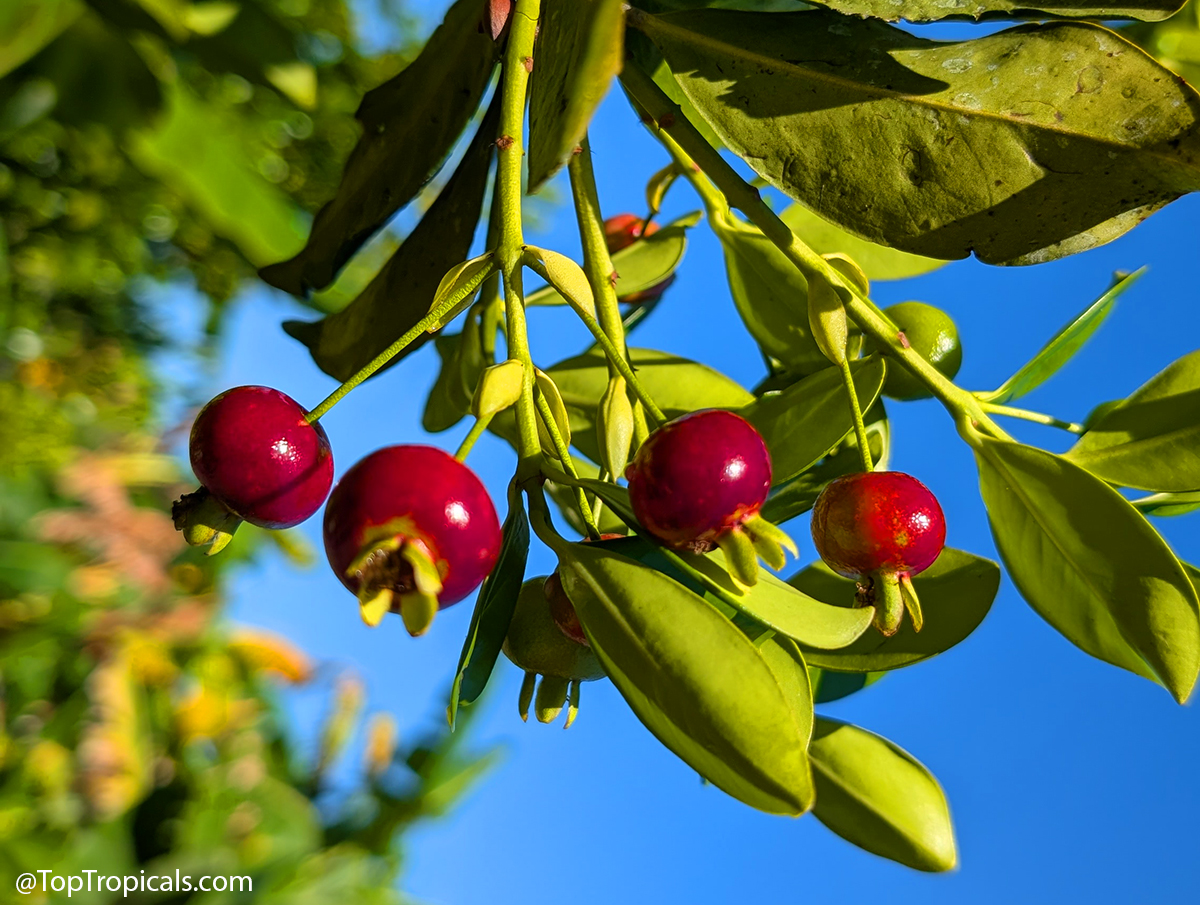
Eugenia  brasiliensis  (Grumichama)  with  red  ripe  cherries  hanging  from  a
   branch  against  blue 
 sky.

Eugenia brazilensis - Grumichama and more Eugenia Cherries

Grumichama Plant Facts

Botanical name: Eugenia brasiliensis, Eugenia dombeyi
Also known as: Grumichama, Brazilian Cherry
USDA Zone: 9 - 11
Highligths Small tree 10-20 ftSemi-shadeFull sunWatering: Moderate. Water when top soil feels dryEdible plantSubtropical plant. Mature plant cold hardy at least to 30s F for a short timeSeaside, salt tolerant plant
Get personalized tips for your region

Date: 26 Mar 2026

🌈 Adeniums: More Than Just Plants

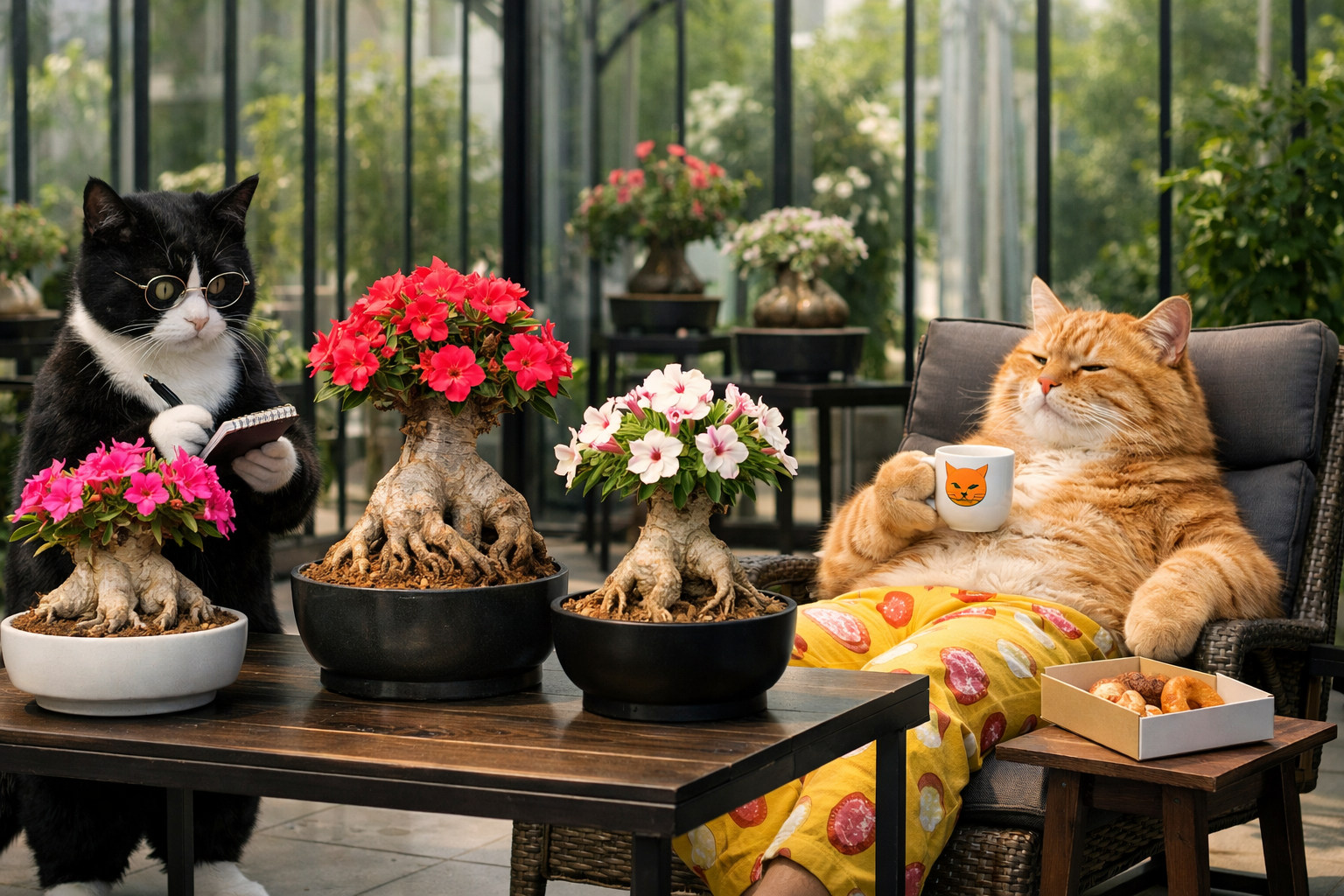
Smokey  and  Sunshine  in  a  luxury  greenhouse  admiring  sculptural  adenium 
 plants  with  thick  caudex  trunks  and  colorful  blooms.
Sunshine: What are they called? Adeniums? They’re not plants. They’re art. Look at those sculptured butts.

Smokey: Caudex. Water and nutrient storage for future use.

Sunshine: I need a caudex too. For coffee and my donuts

Smokey: You already have one. Have you looked in the mirror lately?.

Read more about Smokey & Sunshine

Adenium Plant Facts

Botanical name: Adenium sp.
Also known as: Adenium, Desert Rose, Impala Lily
USDA Zone: 9 - 10
Highligths Plant with caudexLarge shrub 5-10 ft tallSmall tree 10-20 ftFull sunWater Requirement: Low. Allow soil to dry out between wateringsWatering: Moderate. Water when top soil feels dryYellow, orange flowersRed, crimson, vinous flowersUnusual colorBlue, lavender, purple flowersWhite, off-white flowersPink flowersToxic or Poisonous
Get personalized tips for your region

🌱 Shape, Color, and Why Each Adenium Feels Unique

Adeniums can stop you in a strange way. It is not only the flowers, although they help. It is the whole plant. The swollen base, the curves, the way no two look quite the same. Some are thick and heavy, some more refined, almost like they were shaped on purpose. After a bit, you stop seeing them as regular plants and start treating them more like objects you want to keep and look at.

That is usually how a collection starts. One plant, then another that feels different, and then you want contrast. Light next to dark, soft next to bold, one with a wide base next to a taller form. It is not really about having many. It is about how they look together. And over time, each one changes a little, so the collection never stays the same.

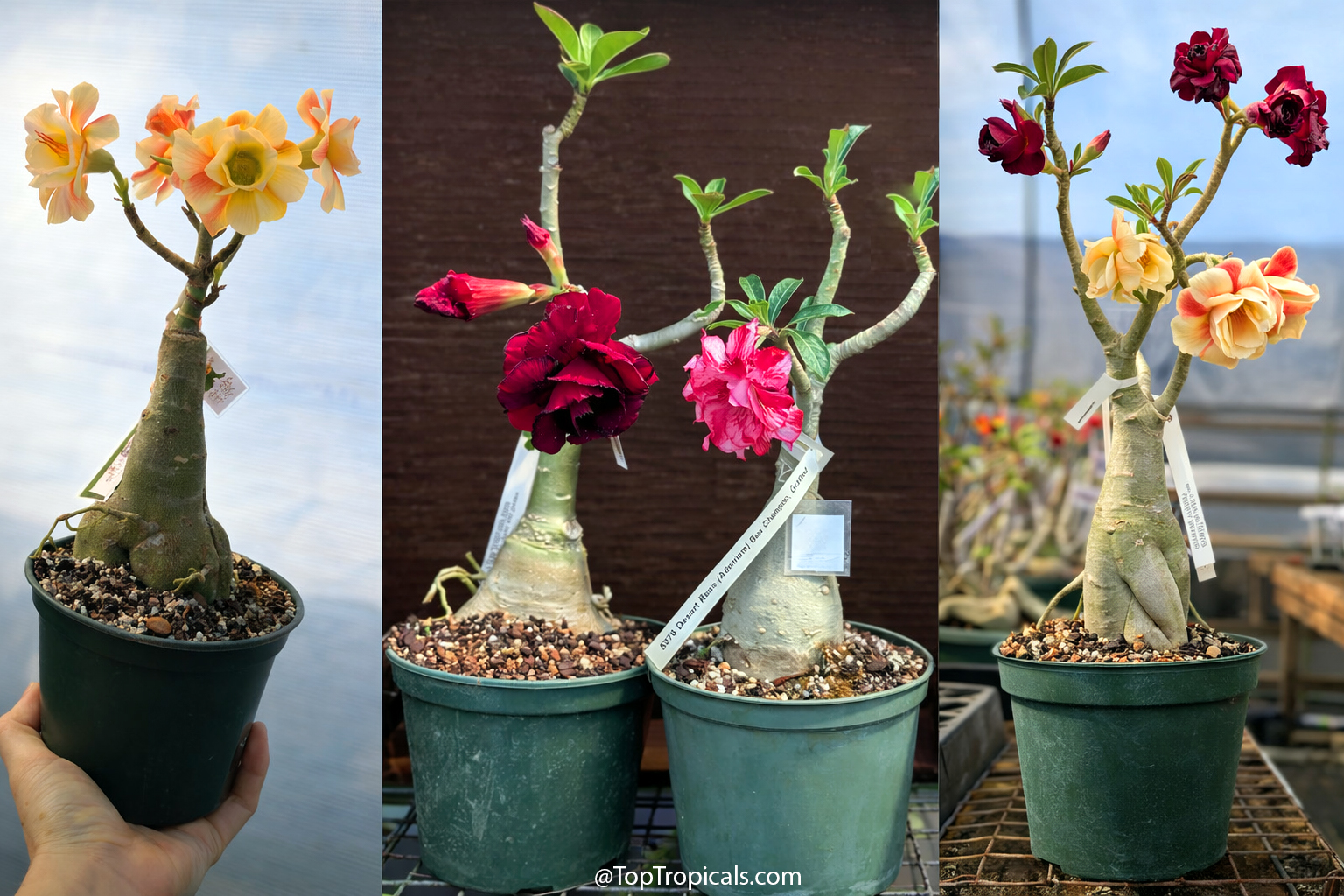
Adenium  desert  rose  plants  in  pots  with  thick  sculptural  caudex  and 
 colorful  blooms  in  yellow,  orange,  red,  and  pink

Adeniums display a wide diversity of colors and forms, from red and pink to yellow and purple. Through multi-grafting, several varieties can even grow and bloom on a single plant.

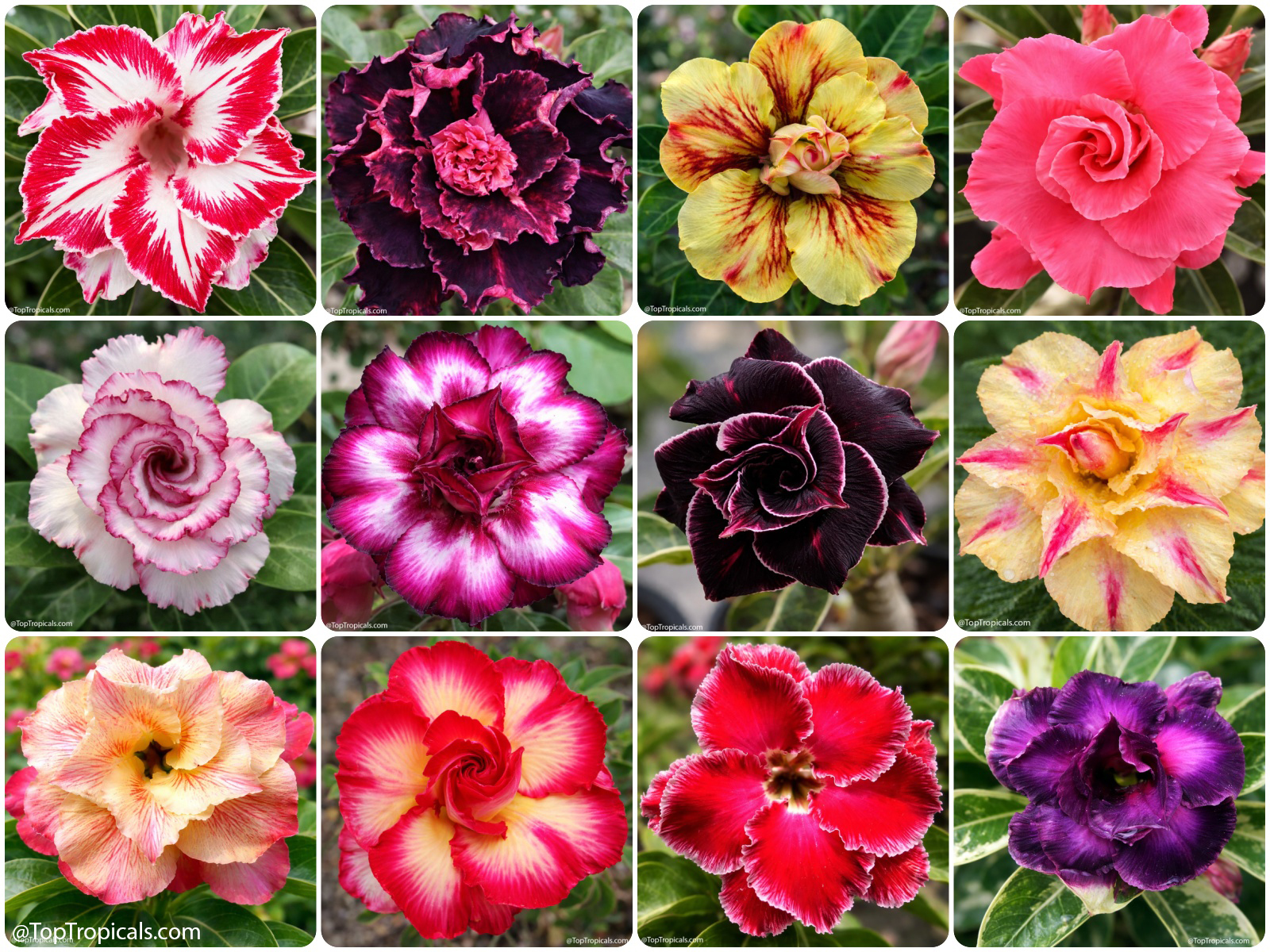
Collection  of  Adenium  desert  rose  flowers  in  many  colors  including  red,
   pink,  yellow,  white,  and  deep  burgundy  with  single  and  double 
 blooms

A world of colors in every bloom - how many can you resist? Warning: Highly collectible! No two are the same - and that’s exactly why one is never enough. Rare, unique, unforgettable - build your collection, one stunning bloom at a time.
Free Shipping on Adeniums
Add bold color and unique forms to your collection with no extra shipping cost.

🛒 Explore Exotic Adenium varieties

Date: 25 Apr 2026

♥️ Mother’s Day: More Than a Gift

Smokey  cat  with  glasses  showing  mango  tree  to  mother  cat  in  garden
Mom: You grew this… for me? You remembered my favorite…
Smokey: I did.
Mom: You never forget what matters. It’s beautiful.
Smokey: Not as much as you. Happy Mother’s Day.
Sunshine: You raised him right. It shows.

Some things stay with you from your mom.

A favorite fruit. A smell from the garden. The way she showed you how to care for something and stick with it.

At the time, it felt small. Later, you realize it wasn’t. It turns into something real - a tree, a habit, a way of doing things you still follow.

Mother’s Day is simply a reason to tell your mom you remember. To say thank you for what she taught you, and to show your love.

It does not have to be complicated. Just something that makes it clear you were paying attention.

If you are thinking what to give, start simple.

A fruit she loves. A plant she will enjoy watching grow. Something alive, not just something that sits on a shelf.

It does not have to be big. What matters is that it means something to her.

And maybe, years from now, it becomes one of those things that stays.

We put together a few plants that make good Mother’s Day gifts.

Fragrant flowers. Fruit trees she can enjoy year after year. Easy growers that do not require much effort.

If she has a favorite, start there. If not, pick something simple and reliable.

🛒 Shop Gift plants

Date: 21 Mar 2026

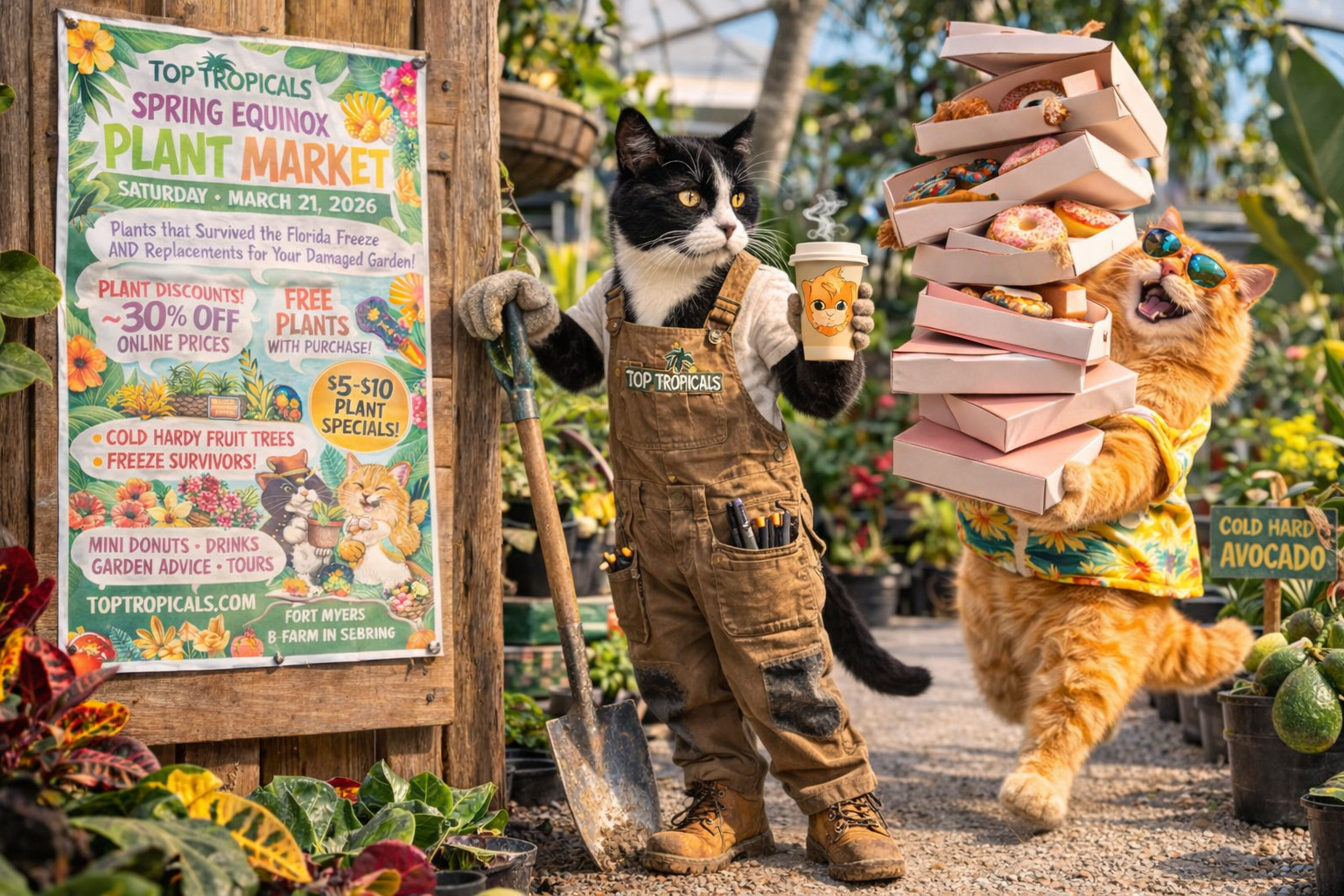
Today: Spring Equinox Plant Festival 🌿

Smokey  the  tuxedo  cat  holding  Sunshine's  coffee  while  Sunshine  carries 
 a  large  stack  of  donut  boxes  in  a  tropical  nursery  with  lush  plants  and  an 
 equinox  sale  poster
Sunshine:Smokey, hold my coffee. Donuts are coming. Big day today.

Smokey: Under control. Try not to drop half of them.

Both: Friends, come over today.

Everything is ready for today at our Spring Equinox Plant Festival. The garden is full and we would love to see you. Come over today and enjoy it with us.

SEE FULL EVENT DETAILS

Date: 23 Feb 2026

❄️ The Hardiness Report: February 2026 ❄️

🐾 Smokey & Sunshine’s real-world survival data from our Sebring, Florida Research Gardens. Smokey analyzed the data. Sunshine just stayed happy. Here is what they found.

Macadamia  tree  surviving  25F  freeze  as  Smokey  inspects  leaves  and 
 Sunshine  holds  steaming  coffee  in  frosty  garden.
Sunshine: Twenty five degrees. Wind chill fourteen. And it is still standing... like nothing happened?
Smokey: This is macadamia strength.
Sunshine: I should put a macadamia nut in my coffee and borrow some of that strength.
Smokey: Do not get too nutty yet. It still needs curing and cracking.

📊 Weather Data – February 1–6, 2026

Sebring, Florida – 132 years of recorded observations
This was not a light frost. It was a prolonged, windy, penetrating hard freeze.

  • 🌡 Minimum temperature: 25F
  • ❄️ Wind chill: 14F
  • ⏳ Duration: 3 nights of 8–10 hour hard freeze
  • ☀️ Daytime temperatures: around 50F for 7 days
  • 🌀 Wind: sustained 20 mph, gusts 40–50 mph

While all our plants in pots were protected in greenhouses, our in-ground plantings faced the freeze outdoors. We covered what we could. Even so, some plants were damaged, some died, and some surprised us by surviving.

In the next few newsletters, we will share the real survivors - the plants that proved themselves in the ground, under real conditions. Smokey and Sunshine have been out in the fields assessing the damage from the February 1–6 freeze. While many plants struggled, the Macadamia proved to be a true standout. This is how we grow them to handle the tough years.

Why does this matter? Because we have gotten used to warm winters, and this freeze was a rude awakening. Not everyone lives in Miami. If you garden in places where a real cold event can happen, you have to be prepared - and you have to plant what can take it.

🌰 Macadamia: Freeze Tested and Standing

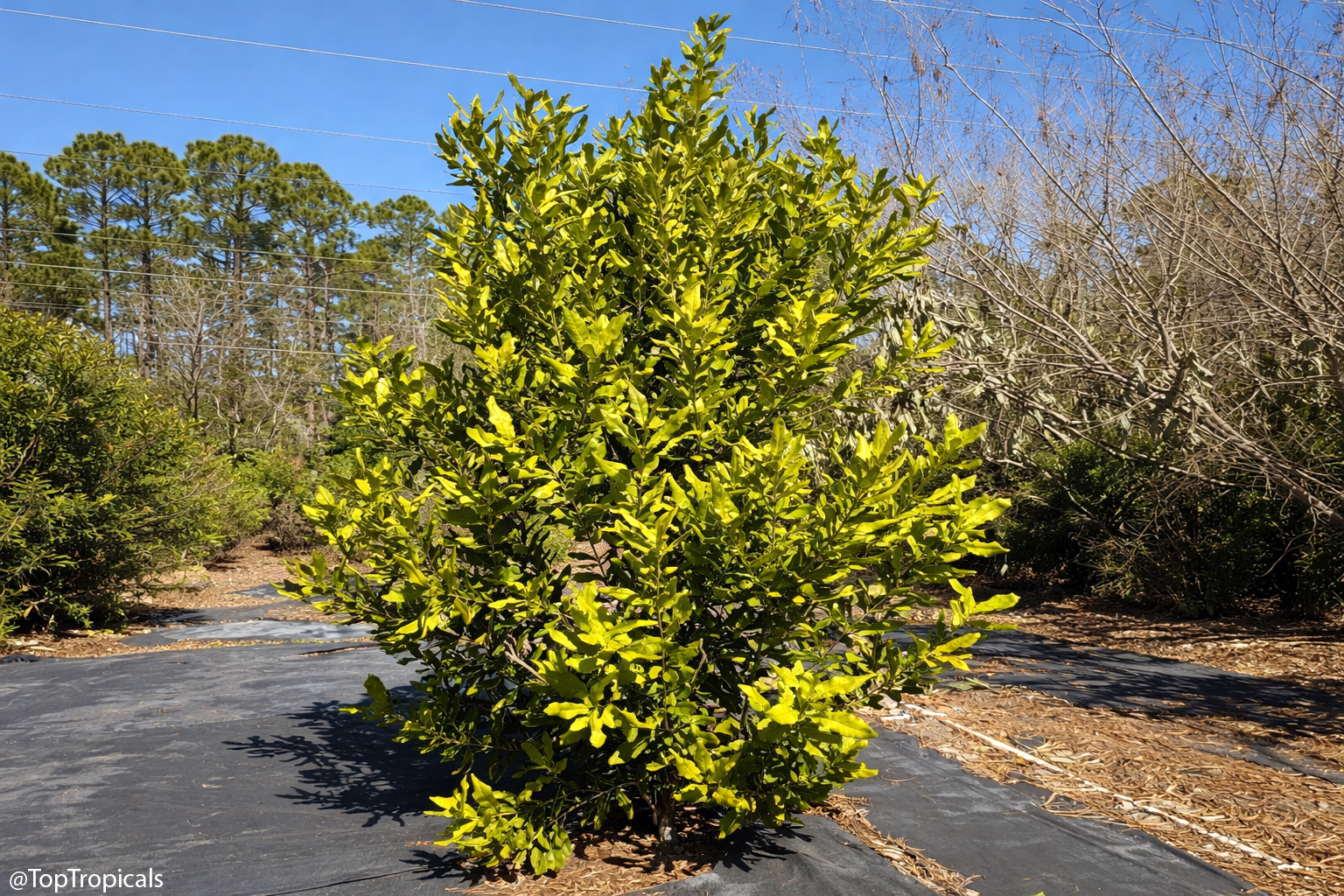
Three  year  old  macadamia  tree  after  three  nights  of  25F  hard  freeze  in 
 February  2026,  showing  healthy  foliage.

3 year old macadamia tree after 3 nights of hard freeze in February 2026 - standing strong.

When temperatures dropped to 25F with wind chill near 14F, our established macadamia trees remained upright, green, and structurally intact. Leaves held. Branches stayed firm. No collapse, no panic.

That is not luck. That is macadamia hardiness.

Often considered a "tropical luxury nut," macadamia proved it can handle more than many gardeners expect. In USDA Zones 9b-11, with proper drainage and site selection, it is not just ornamental - it is a long-term food tree with real resilience.

In a winter that reminded us not to take warmth for granted, macadamia earned its place on the survivor list.

The nut itself is famous for its strength. The shell is among the hardest in the nut world, requiring serious pressure to crack. Inside, the kernel is creamy, buttery, rich, and deeply satisfying. High in monounsaturated fats and naturally low in sugar, macadamias have long been valued both for flavor and for nutrition.

The tree is equally impressive. An evergreen with tough leaves and elegant spring flowers, it matures into a productive, manageable canopy. Nuts develop slowly over six to seven months. Production begins in a few years and increases steadily as the tree matures. Plant it once, and it can reward you for decades.

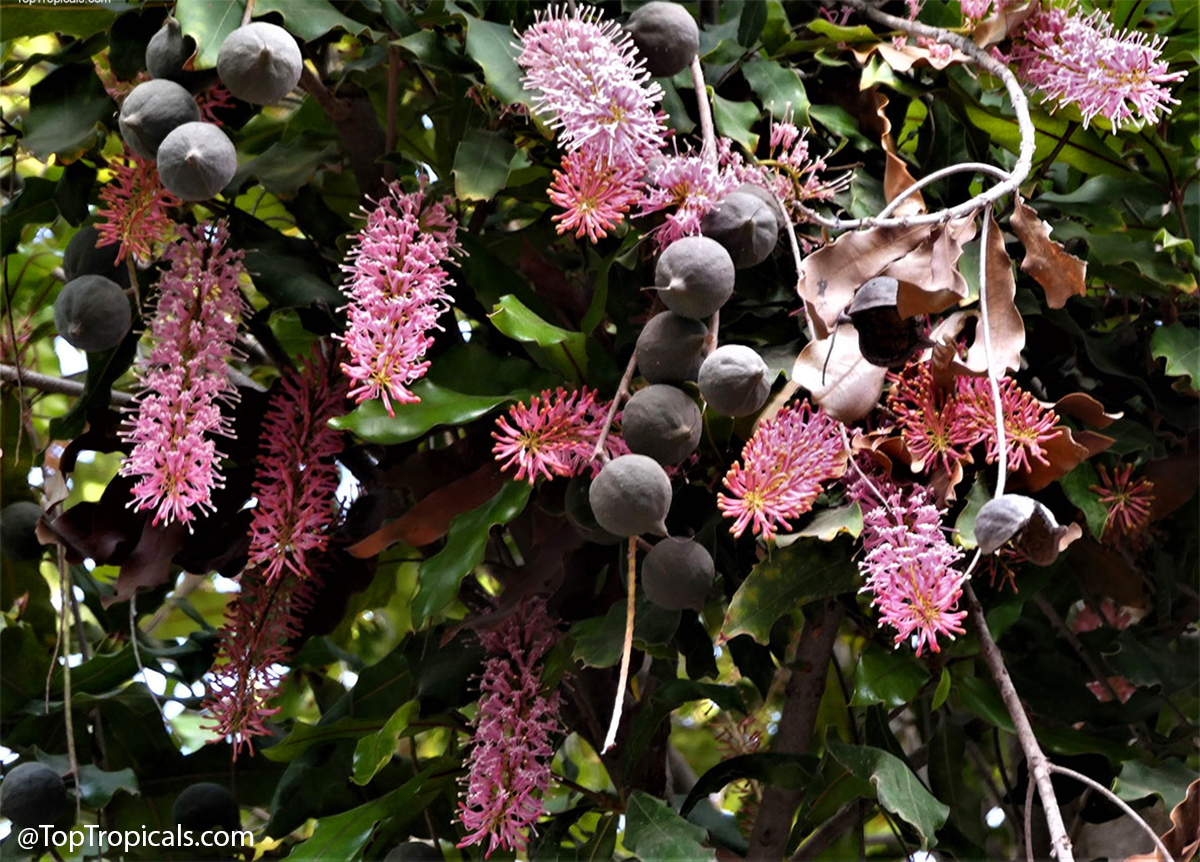
Macadamia  tree  with  pink  flower  racemes  and  developing  round  green  nuts
   on  branches.

Macadamia flowers and developing nuts on the tree.

Cold will come again. It always does. The question is not whether winter will test your garden. The question is whether your trees are ready. Macadamia proved it is. If you are building a garden that feeds you for decades, this is a tree worth planting.

🛒 Add Macadamia Tree to your garden

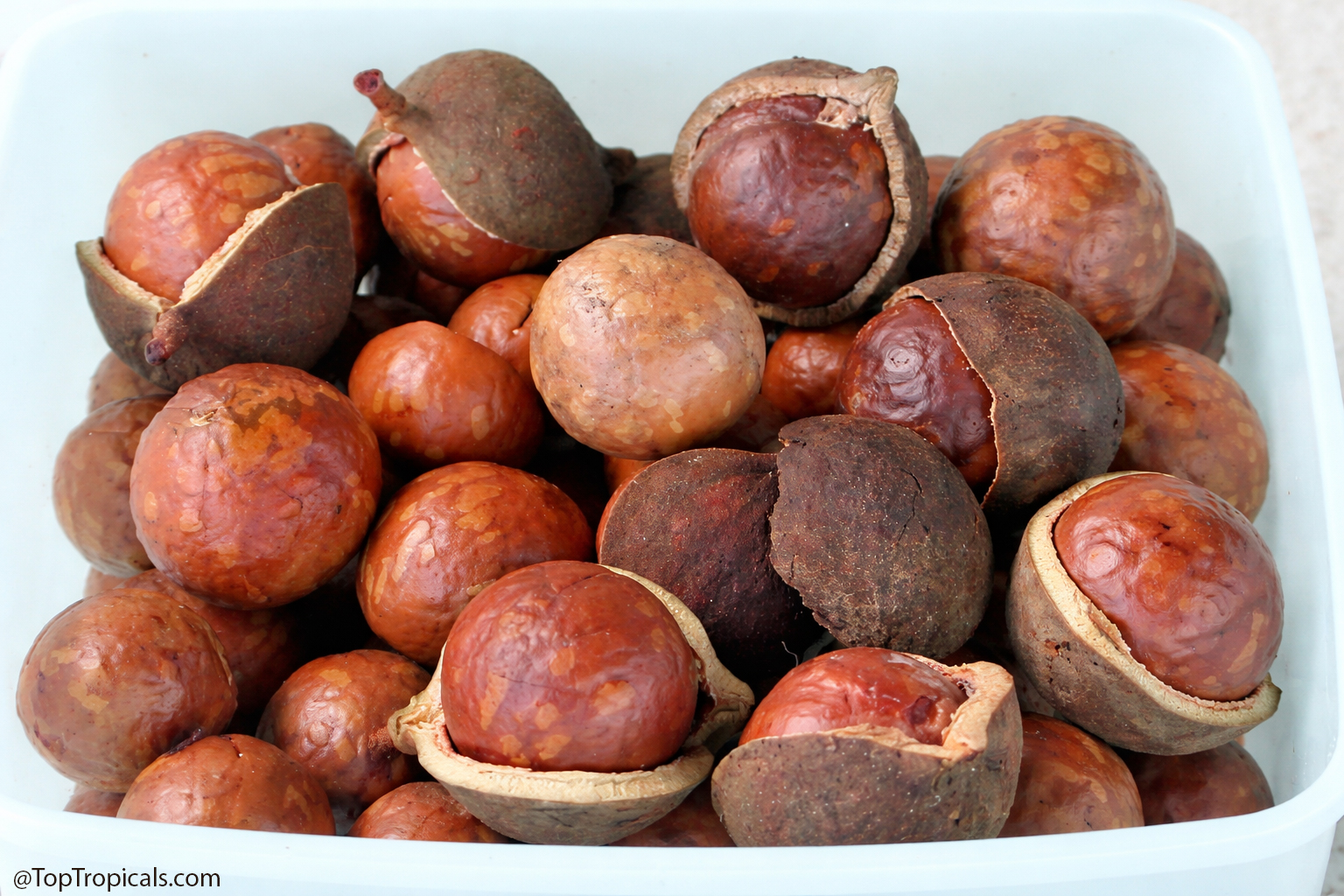
Fresh  macadamia  nuts  with  outer  husks  removed  and  hard  brown  shells 
 exposed  in  a  container.

Freshly harvested macadamia nuts with husk removed and hard shells visible.