Garden Blog - Top Tropicals

Date: 16 Jan 2025

How to grow a Lychee tree and have a reliable crop

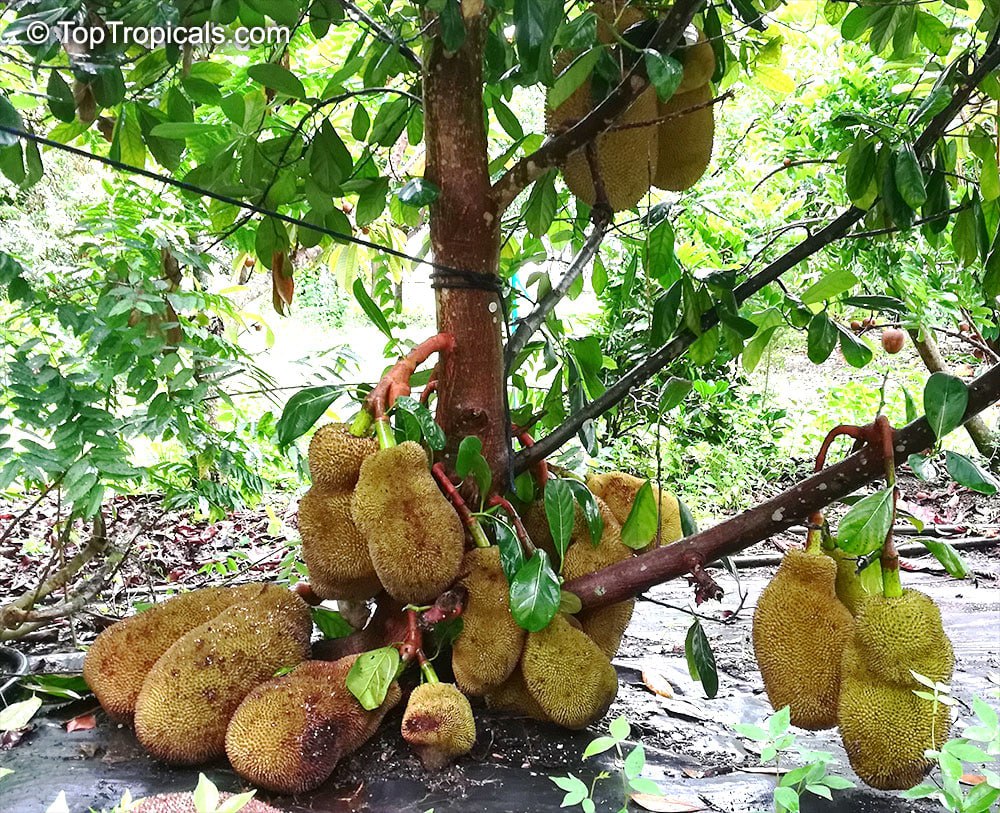
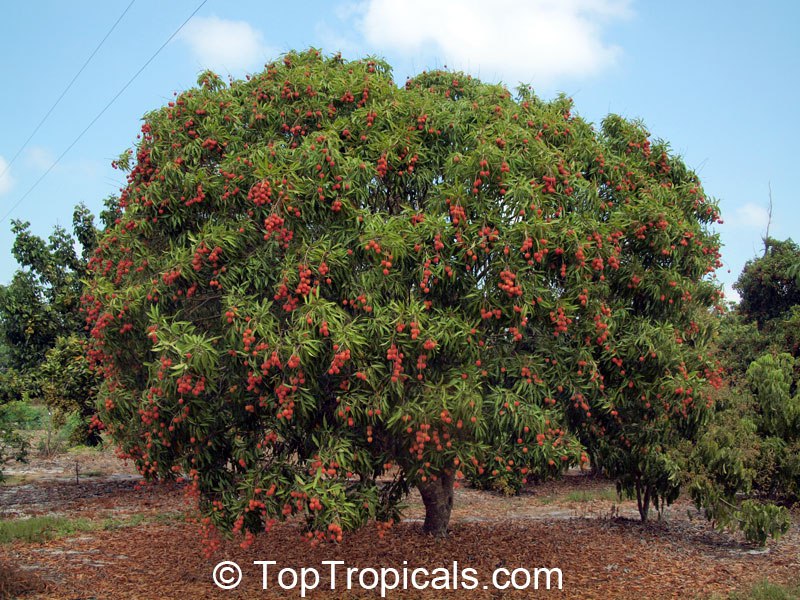
Lychee fruit on a tree, Litchi chinensis

Lychee fruit on a tree, Litchi chinensis

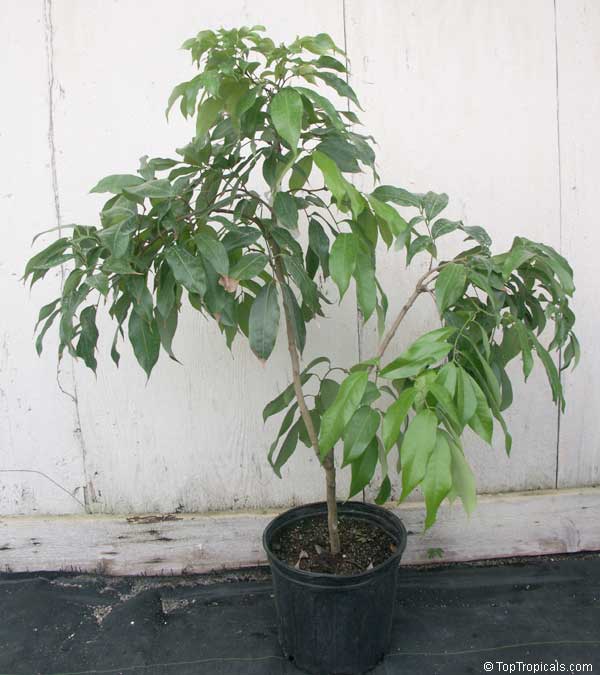
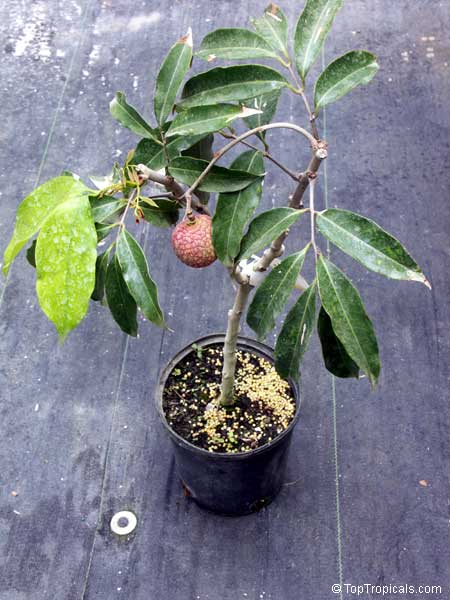
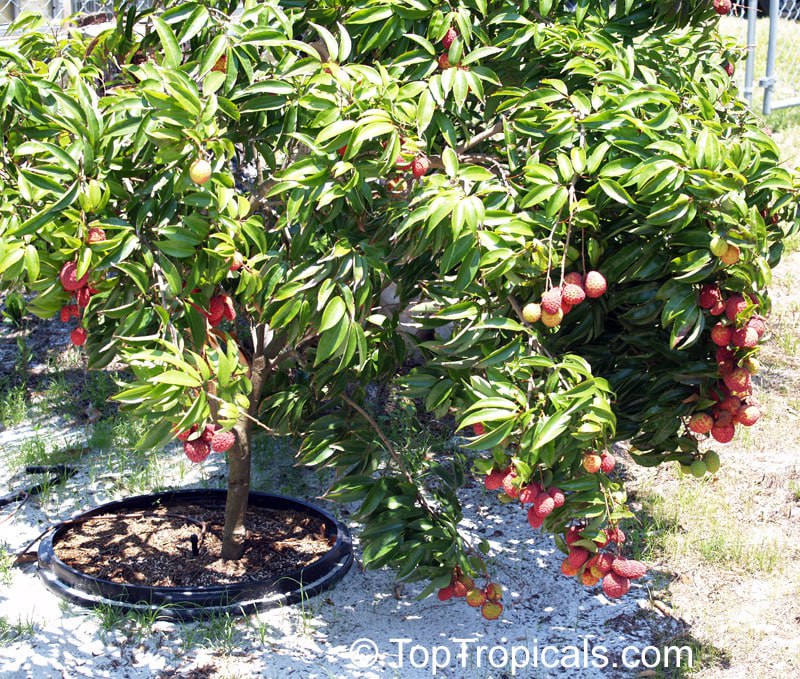
Lychee tree in a pot with fruit, Litchi chinensis

Lychee tree in a pot with fruit, Litchi chinensis

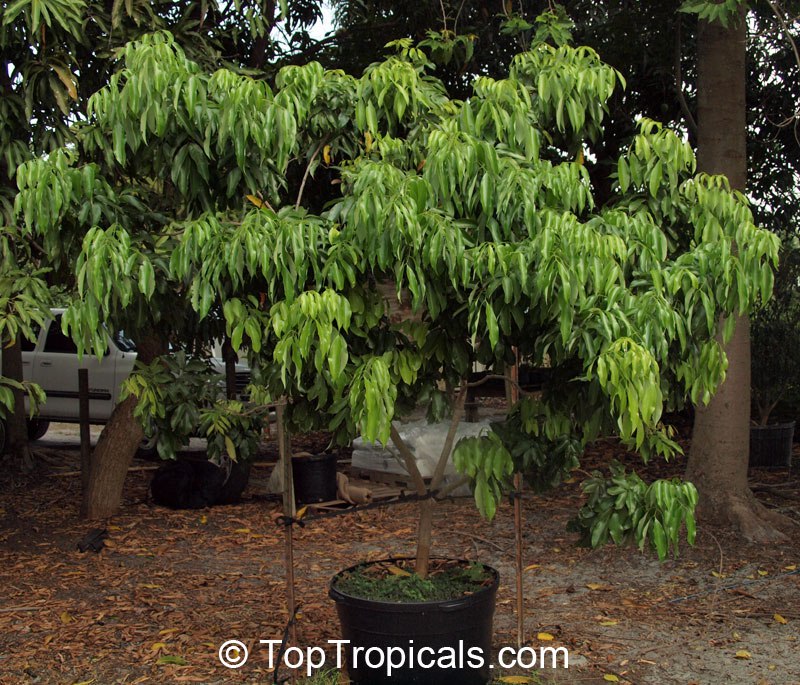
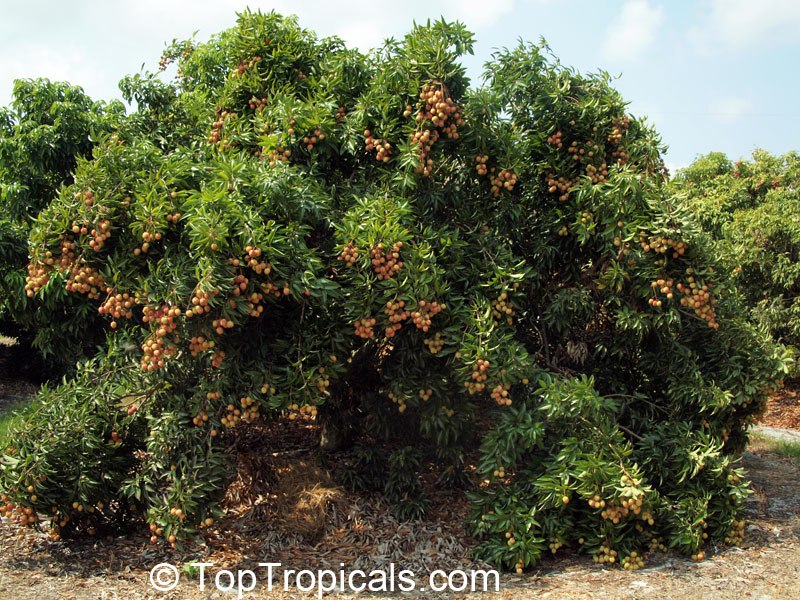
Lychee tree with fruit, Litchi chinensis

Lychee tree with fruit, Litchi chinensis

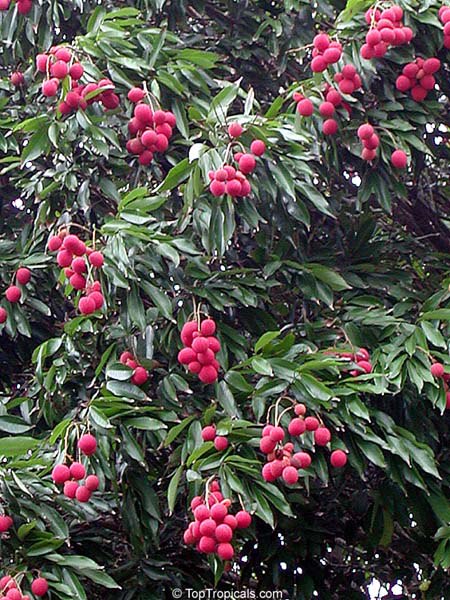
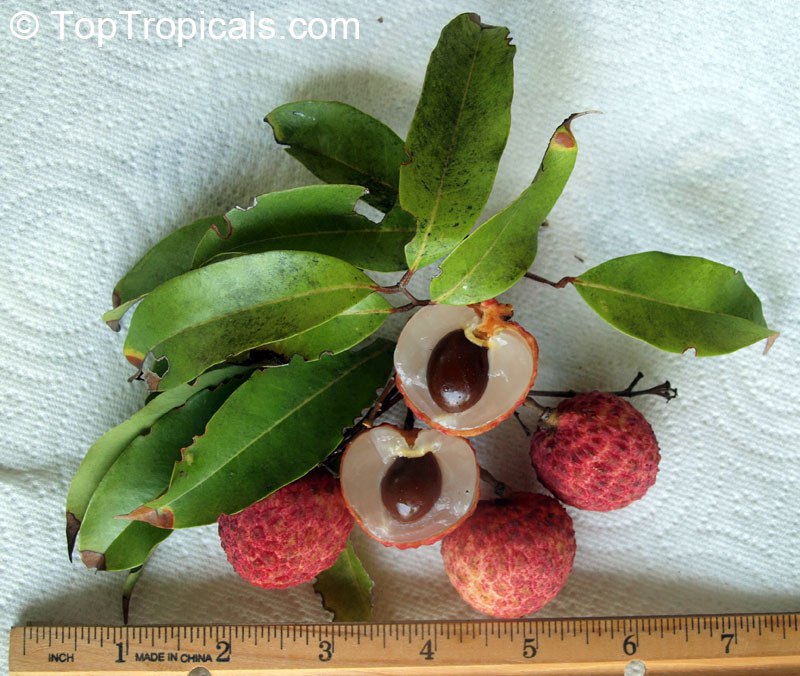
Lychee fruit, Litchi chinensis

Lychee fruit, Litchi chinensis

How to grow a Lychee tree and have a reliable crop. Practical Guide to Growing Lychee.
  • 🍑 Lychee (Litchi chinensis) is a tropical evergreen tree renowned for its delicious, aromatic fruit. Native to southern China, lychee trees can reach heights of up to 40 feet and are prized for their attractive foliage and bountiful fruit clusters.
  • 🍑 Important factors to consider when planting a Lychee tree


  • 💋Climate: Lychee trees thrive in tropical and subtropical climates with warm, humid summers and cool, dry winters. They require a period of winter chilling (100-200 hours between 32F and 45F) to induce flowering. Mature trees can tolerate temperatures as low as 25F, but young trees are susceptible to frost damage.
  • 💋Sunlight: Plant lychee trees in full sun to ensure vigorous growth and optimal fruit production. They require at least six to eight hours of direct sunlight daily.
  • 💋Soil: Well-drained, slightly acidic soils rich in organic matter are ideal. Avoid heavy clay soils or areas prone to waterlogging, as lychee trees are susceptible to root rot.
  • 💋Spacing: Ensure adequate space for the tree's mature size by planting at least 20 feet away from other trees or structures.


🍑 When and how do you harvest lychee fruit?

  • 💋Lychee trees typically begin to produce reliably after 3-5 years, with the fruit ripening in early summer.
  • 💋Timing: Wait until the fruit's skin turns bright red or pink, indicating full ripeness. Lychees do not ripen off the tree, so it's essential to harvest at the right time.
  • 💋Method: Use pruning shears to cut entire clusters, leaving a short stem attached to each fruit to prolong freshness. Handle the fruit gently to avoid bruising.
  • 💋Post-Harvest: Consume fresh lychees within a few days or store them in the refrigerator to extend shelf life. The skin may darken when refrigerated, but the fruit's quality remains unaffected.


🍑 How to grow a Lychee tree?

  • 💋Watering: Provide consistent moisture, especially during dry periods. However, avoid overwatering, as lychee trees are sensitive to waterlogged conditions. Mulching around the base helps retain moisture and regulate soil temperature.
  • 💋Fertilization: Apply a balanced fertilizer during the growing season to support healthy growth and fruit development. Avoid excessive nitrogen, which can inhibit flowering. Sunshine Boosters C-Cibus - natural liquid fertilizer - is the best choice, and is safe to use with every watering year around.
  • 💋Pruning: Minimal pruning is required. Remove dead or diseased branches and shape the tree to maintain its structure. Pruning after harvest can encourage new growth.


🍑 More practical advice on propagation and harvest in next post 👇

🛒 Shop Lychee trees

#Food_Forest #How_to

🔴 Join 👉 TopTropicals

Date: 15 Jan 2025

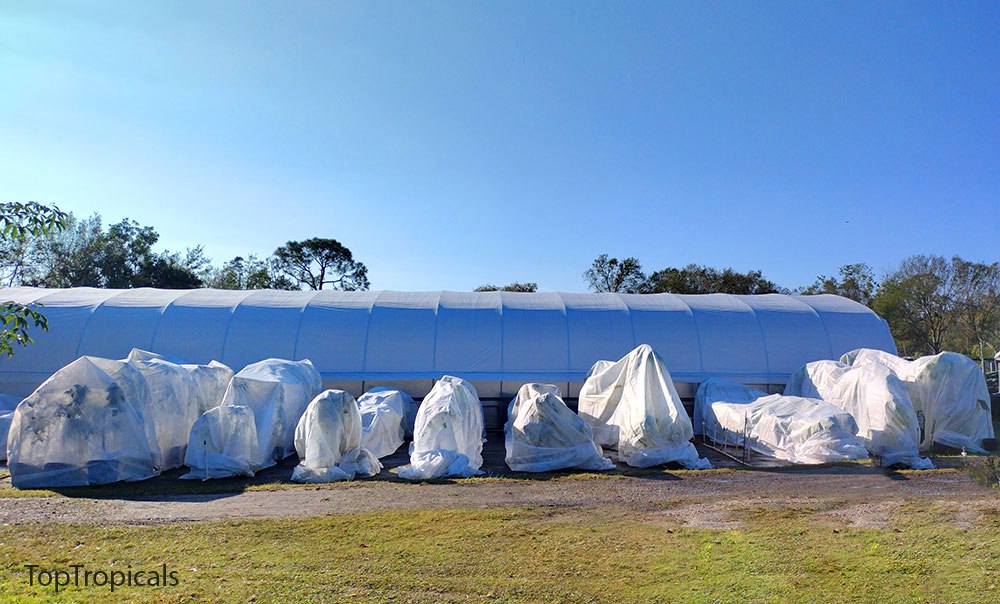
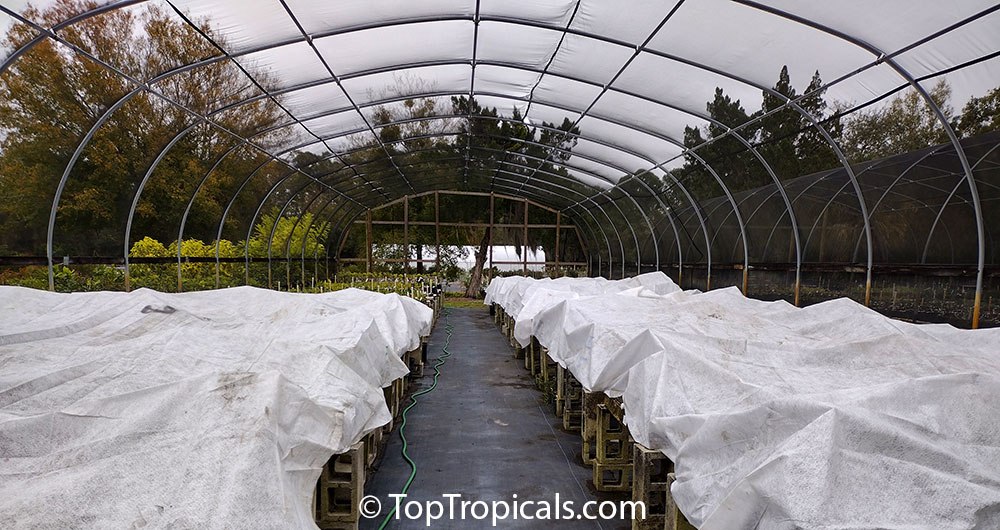
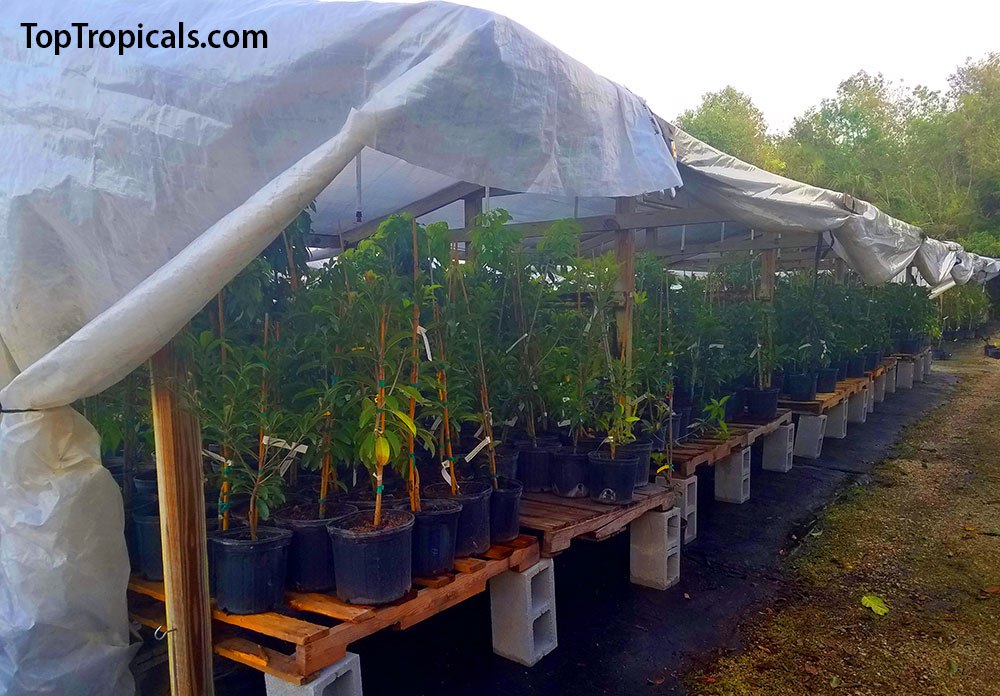
How to protect tropical plants in Winter

How to protect tropical plants in Winter How to protect tropical plants in Winter How to protect tropical plants in Winter

How to protect tropical plants in Winter

  • Winter Care Tips for Tropical Plants

  • · Cut watering: Reduce watering to prevent root rot. Cold + wet = dead roots.
  • · Water before frost: Thirsty plants are more vulnerable. Water them before a cold night to prevent damage.
  • · Wind protection: Wind is more harmful than temperature drops. Plant near structures like houses or trees for shelter.
  • · Prepare for long cold periods: If cold weather lasts for hours, use all available protection, including Christmas lights and propane heaters.
  • · Don't use dry fertilizer in winter: Heavy fertilizing encourages tender growth, which is more susceptible to cold damage. Sunshine Boosters liquid fertilizers are safe to use year around as their intake is controlled by reduced watering.
  • · Use fabric covers, not plastic: Plastic can cook plants in the sun, while fabric allows better ventilation.

  • Prepare for Cold Nights:

  • · Wrap plants: On cold nights, cover individual plants or trees with sheets or blankets to shield them from wind chill.
  • · Use Christmas lights: A simple string of lights can add extra warmth, protecting your plants during frosty nights.
  • · Use propane heaters: For added warmth in a larger area, place a propane heater near your plants. Make sure to follow safety guidelines and keep the heater at a safe distance from flammable materials. This can help maintain a few extra degrees of warmth, especially in more open garden spaces or temporary greenhouses. Always ensure proper ventilation to avoid harmful gas buildup.
  • · Affordable winter greenhouse: For large plant collections, you don't need an expensive greenhouse. A mobile carport with plastic or fabric covering, costing around $200, can house up to 100 plants!

  • Key Factors for Survival:

  • · Cold duration: Tropical plants can survive brief cold spells but long durations, even above freezing, can be deadly.
  • · Wind-chill: Wind chill can be harsher than the temperature itself.
  • · Exposure: Southern-facing slopes hold heat longer, making them ideal for your plants.
  • · Humidity: Proximity to lakes or oceans can create a milder micro-climate.
  • · Gradual temperature Drops are safer. Plants adjust better to slow temperature changes than sudden cold blasts. Gradual cooling allows plants to prepare, reducing the risk of damage.


Strengthen Plant Hardiness:

  • · Health and maturity: Well-established, healthy plants are more cold-hardy.
  • · Boost plant immunity: Use products like SUNSHINE-Epi to improve cold resistance. Apply it before and during cold snaps to protect your plants.
  • · Healthy plant is hardy. Make sure to fertilize your plants on regular basis - healthier and stronger plants are more cold hardy

#How_to

🔴 Join 👉 TopTropicals

Date: 3 Jan 2025

New Year with New Plants: how to choose from 17 Tropical Paradise Resolutions

New Year with New Plants: how to choose from 17 Tropical Paradise Resolutions

📌 New Year with New Plants: how to choose from 17 Tropical Paradise Resolutions


✍️ "A garden is never so good as it will be next year..." - Thomas Cooper.

⚡️ As we step into a fresh new year, it's the perfect time to think about what exciting, special, and life-changing plants we can add to our gardens. The days are getting longer, and spring is just around the corner, so now's the time to make a plan and prepare for the season ahead. Let's take small steps each year to create the garden of our dreams. This winter, consider these fun resolutions:

🚩🚩🚩🚩 Happy gardening in 2025!


#How_to #Quotes

🔴 Join 👉 TopTropicals

Date: 28 Dec 2024

How to eat a papaya?

🍴 How to eat a papaya?


😂 Cut it open, scoop out the seeds (they're not part of the fun), peel off the skin, and chop it up. Now enjoy the tropical sweetness – no passport required!

🎥 Or, if you are desperate and have no time for prep – do it like Cash in the video!

📚 More from previous posts:


Why do we love Papaya?
How easy to grow is Papaya tree?
Top 10 fruit you'll ever need for your health benefits: #4 Papaya
Top 10 fast-fruiting trees: #6. Papaya
How to have fresh Papaya fruit year around
Top 3 most wanted Papaya varieties
The truth about Papaya
Papayas contain a secret enzyme

🛒 Shop Papaya trees

#Food_Forest #PeopleCats #How_to #Papaya

🔴 Join 👉 TopTropicals

Date: 27 Dec 2024

Carefree Garden: How Easy Is It to Grow a Papaya Tree?

Carefree Garden: How Easy Is It to Grow a Papaya Tree?

Carefree Garden: How Easy Is It to Grow a Papaya Tree?


👆 For the previous post:


🎮 Practical Guide to Growing Papaya


  • ❤️ Papaya is one of the fastest fruiting plants to grow.

Often starting production the same year from planting a seed, papayas are ideal for gardeners seeking quick rewards. Many dwarf varieties reach only 6-8 feet tall, yet produce large crops of full-sized fruit that are easy to harvest. Papaya trees are space-efficient, making it possible to plant multiple trees in even small gardens. Plant 2-3 different cultivars to enjoy year-round harvests of healthy, delicious fruit.

  • ❤️ How Easy Are Papaya Trees to Grow?

Papaya trees are exceptionally easy to grow. Technically a large herbaceous plant rather than a true tree, they are resilient and adaptable. They can tolerate light freezes and even hurricane winds without significant damage. Additionally, many varieties are self-fertile, but planting multiple trees encourages better pollination and higher yields.

  • ❤️ What Light Levels and Soil Types Are Ideal?

Papayas thrive in full sunlight, so choose a sunny spot in your garden or balcony. They prefer well-draining, fertile soil enriched with organic matter. Add compost or manure to improve soil quality and ensure healthy growth. Avoid waterlogged areas as papayas are sensitive to standing water.

  • ❤️ How Much Watering Is Required?

Papayas need consistent watering to thrive, especially during the growing and fruiting seasons. Water deeply once or twice a week, depending on your climate, ensuring the soil remains moist but not waterlogged. Mulching around the base helps retain moisture and regulate soil temperature.

  • ❤️ Growing Papayas in Containers

Papayas can be successfully grown in large containers, making them ideal for gardeners in cooler regions or those with limited space. Choose a container at least 15 gallons in size with good drainage. Use a rich, well-draining potting mix, and place the container in a sunny location. Select dwarf varieties to keep the plant manageable and productive.

  • ❤️ Health Benefits of Papaya

  • Papaya is considered a superfood due to its high nutritional value. Rich in the enzyme papain, it aids digestion and promotes gut health. Papaya is also an excellent source of vitamins A, C, and E, as well as antioxidants that boost immunity and overall wellness. Additionally, papaya leaves can be used as wraps for cooking meats, naturally tenderizing them.

  • ❤️ Papayas are a low-maintenance, high-reward addition to a Southern garden or greenhouse collection, whether in the ground or in a container. Their fast growth, year-round fruiting potential, and health benefits make them a must-have for gardeners and fruit enthusiasts alike.


📚 More from previous posts:


Top 10 fruit you'll ever need for your health benefits: #4 Papaya
Top 10 fast-fruiting trees: #6. Papaya
How to have fresh Papaya fruit year around
Top 3 most wanted Papaya varieties
The truth about Papaya
Papayas contain a secret enzyme

🛒 Shop Papaya trees

#Food_Forest #How_to #Papaya

🔴 Join 👉 TopTropicals