Garden Blog - Top Tropicals

Date: 24 Jun 2018

TopTropicals

Winter coming tips

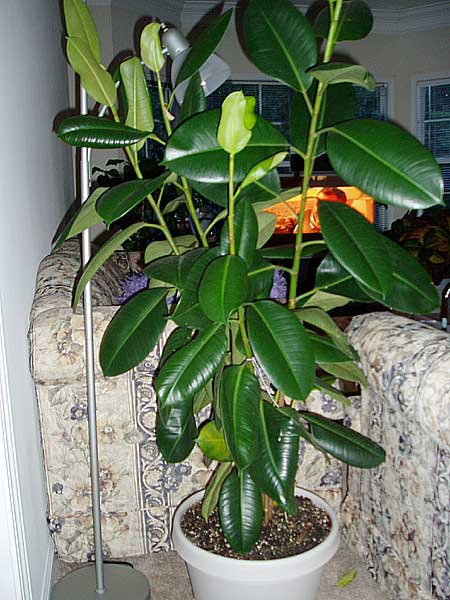
As the weather gets cooler, many of you move your potted tropical plants indoors.

Please remember:
1. Leaf drop. Lower air humidity, lower light and short day may cause some leaf drop. This is normal for seasonal environment change. Learn more about leaf drop and deciduous plants from this info sheet (PDF).
2. Reduce watering as winter coming. Under lower light and in cooler temperature, plants won't need much water; some plants go dormant and only need minimum water. Excess water may damage roots and kill a plant in winter.
3. No fertilizer in winter. Active growth stops. Let the plant go into dormancy or simply have a rest.
4. Insects. Watch for insects by inspecting leaves regularly. They may attack plants more likely in the indoor conditions.

STAY WARM!

Date: 24 Jun 2018

Tour of Top Tropicals - Part 2 - Nursery

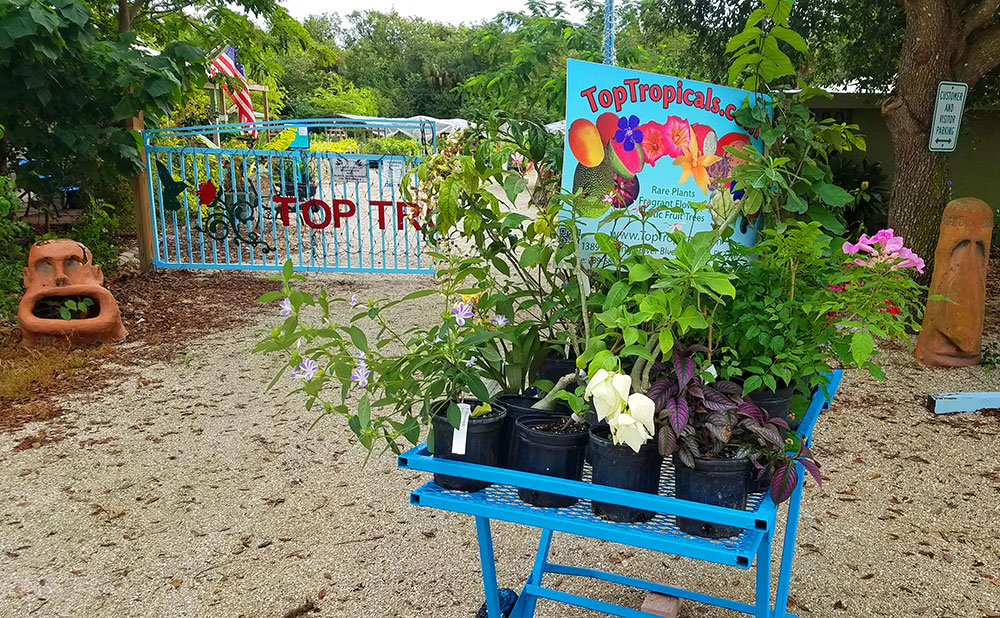
Visit Top Tropicals nursery and see spectacular flowering plants and tropical fruit trees in pots that we ship to you.
This is the second video of a 3-part story about Top Tropicals. The showed some of our garden specials.

Make sure to get back soon to see -
Part 3: Meet customer service team and shipping department crew...

Stay updated with TopTropicals Videos by subscribing to our channel at YouTube.com/TopTropicals and get our latest video news of what is fruiting and blooming!

Date: 24 Jun 2018

TopTropicals

Winter Flowering Plants

Take advantage of the late season tropicals! Brighten up your winters with spectacular flowers and winter producing fruit trees!

Many Floridians move up North during hot summer months, our snow-bird season usually starts late September and ends by Mother's Day in May. Many of our local seasonal customers planting those flowering and fruiting species that they can fully enjoy while staying in Florida. Below you will find a few specials that are in bloom right now.
Check out full list of winter bloomers and late season plants, and download a PDF chart of the most interesting tropical plants that will flower and fruit for you in Fall, Winter and early Spring. Some of them are ever-blooming, others are late- or early season.
Visit our Garden Center in Ft Myers FL and see those blooming specials right now at our front office display!

Date: 24 Jun 2018

TopTropicals

How much water?

Q: I have purchased many tropical plants from you throughout the summer and now I need to think about how not to kill them overwintering in my NY apartment. I was told that overwatering can be a big problem for house plants in winter. How much should I water, and how many times per week?

A: Overwatering in the number one cause of the houseplant death. But be sure not to underwater, either.
- Don't water on the fixed schedule, get to know your plant's needs instead. Most plants only need watering when the top 1/2"of potting mix is try. gently poke your finger into the soil to test it. Some experience gardeners go by weight of the pot - a very light pot will have a dry mix.
- Aim to make the potting mix moist, but not wet. Most plants hate sitting in soggy potting mix, so always let excess water drain away.
- Potting mix in terra cotta pots dries out more quickly than that in plastic or ceramic pots, because terra cotta is a porous material.
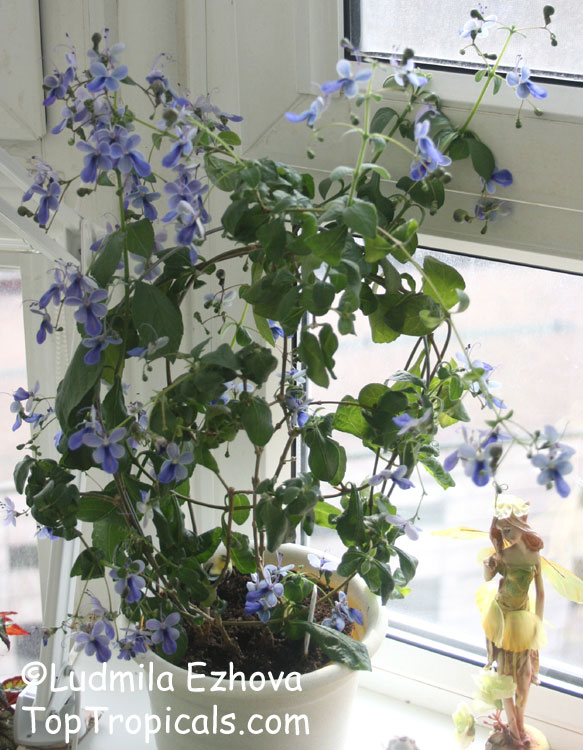
- Most plants need less water in winter because they are not actively growing and need this period of winter rest. However some plants are winter bloomers and they may need regular watering providing bright light to produce flowers, for example clerodendrums.

Date: 24 Jun 2018

Full Sun Garden vs Shade Garden

"Someone is sitting in the shade today because someone planted a tree a long time ago." (Warren Buffett)

Q: I live in California and I have a large area of my garden in full shade. Are there any plants that will be happy there? I am looking for something colorful. I also have a smaller area in front of the house that has full sun almost all day long, but I am afraid this can be too hot for flowering plants? Can you recommend something?

A: Full sun gardens have a strong, bright look while shade gardens have cooler, subdued appearance. Both types of gardens are fun to design and maintain as long as you pick the right plants.
Full Sun Garden is the easiest to grow. Depending on exposure, it may require some plants that can tolerate the hottest summer days and the dry conditions in your area. The good news is, the majority of tropical and subtropical plants prefer full sun, so you have a large selection to pick from - fruit trees, flowering trees, shrubs, vines, and small perennials. The more sun, the more flowers and fruit you will get! However, keep in mind that sun gardens require more water, but generous mulching will help to minimize watering.
Shade Garden is much more restful in appearance, but sometimes may be a little more difficult to work with. As shade trees grow bigger and thicker, it may become too dark; nothing will grow in total darkness. In this case you need to prune back some branches to let more light in. Filtered sunlight or dappled light coming through the leaves of the trees is beneficial and considered light shade, which would be the best light conditions for shade loving plants to thrive. Although shady cooler spaces attract more insects and will require more attention to control them, they also have some advantages over sun gardens. You can enjoy working in cooler conditions, and your garden will require less water. Many foliage plants look more deeply colored and healthier than in full sun; white flowers shine instead of looking washed out!
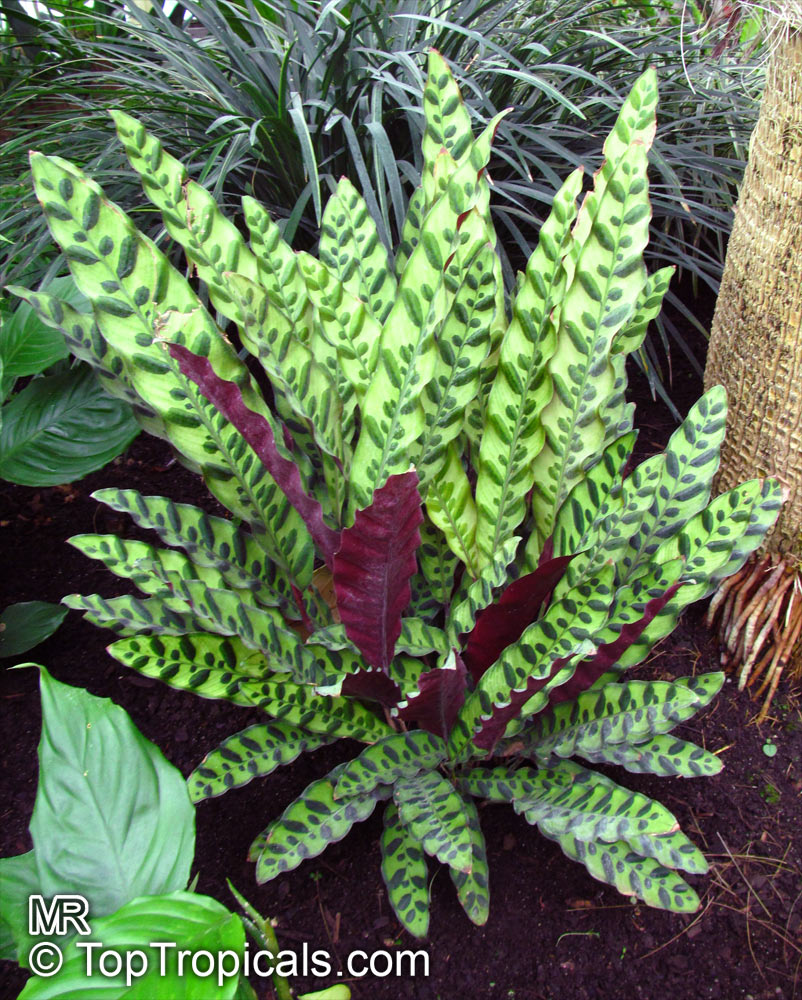
Our favorite shade plants are fragrant brunfelsias , clerodendrums, and of course colorful gingers and heliconias. You may also consider ornamental foliage of Calatheas, lush Alocasias, Colocasias, and colorful Cordylines. Check out our shade loving plant list for more colorful suggestions. These are also great for indoor gardens!

On the photo: Calathea lancifolia Rattlesnake