Garden Blog - Top Tropicals

Date: 20 Apr 2019

More about Mulberries
TopTropicals.com

Customer comment on our Mulberry column in the previous newsletter:

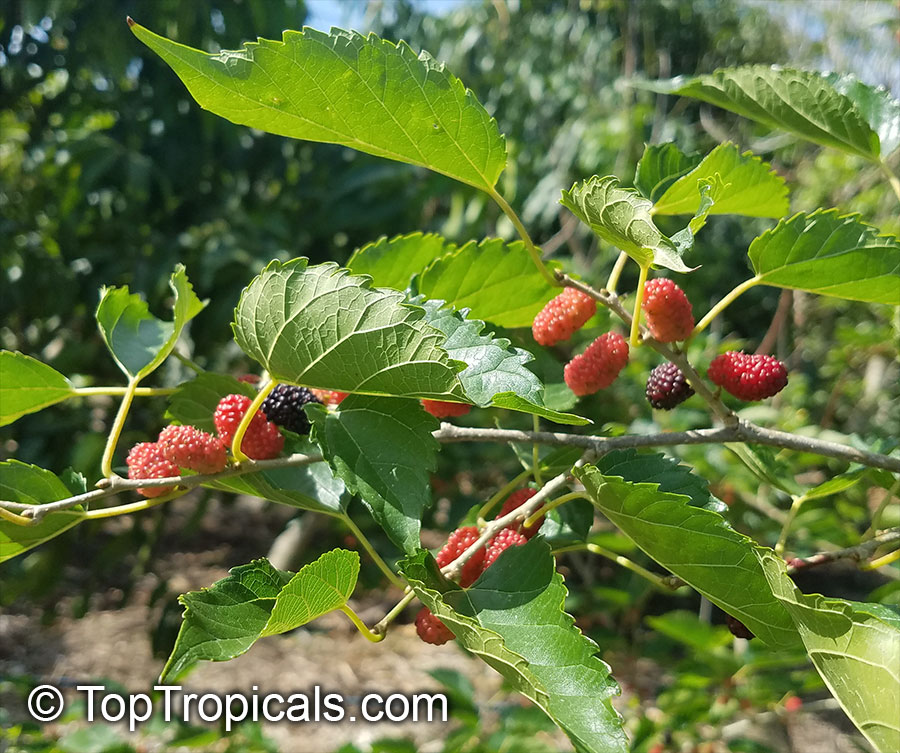
...I planted a Himalayan mulberry, Morus macroura, about six years ago. For several maddening years, it shot only very long, un-branching tentacles out there, and it resisted my efforts to force some branching by pruning. It would send another long, reaching shoot from the tip of the pruned branch, with NO laterals. Several times, it did this. Finally, two years ago, it broke buds that looked like they meant it all along those long branches, and in one season, it fluffed out. The next season it elaborated on this, acting much more like a proper tree. The fruit is fabulous, three or more inches long, very sweet, with a rich berry flavor that's more raspberry than mulberry. I guess it just needed more time. My understanding is that mulberries don't really like to be pruned, but it needed to happen in this case, along a driveway, so I reigned it in, and now it's a treasure. Be patient.
Cheers, your admirer, C

Check out our Mulberry trees.

Date: 16 Feb 2019

Deciduous plants soon sprouting

TopTropicals.com

Many people believe that living in a warm climate will dissuade a plant from its deciduous nature. However, deciduous plants react to not only temperate but also shortened hours of daylight and changes in precipitation. Additionally, some plants will drop foliage in phases between new growth, and others use abscission to aid in pollination; blooming without wind-blocking leaves and making flowers more visible for insects.

When pruning a deciduous tree or shrub, it's generally best to wait until late winter or early spring, before the plant begins to leaf out. Avoid pruning during periods of new growth; during this time, the plant is weakened by the struggle to reestablish its growth process. Before pruning your deciduous plant, first research the specific plant, as there will always be exceptions to general instruction. For example, many Rubus varieties desire to prune in late fall, as their buds are developed during the dormant winter season. Some trees may have flower or fruit during winter while having no leaves, give them a chance to flower before pruning.

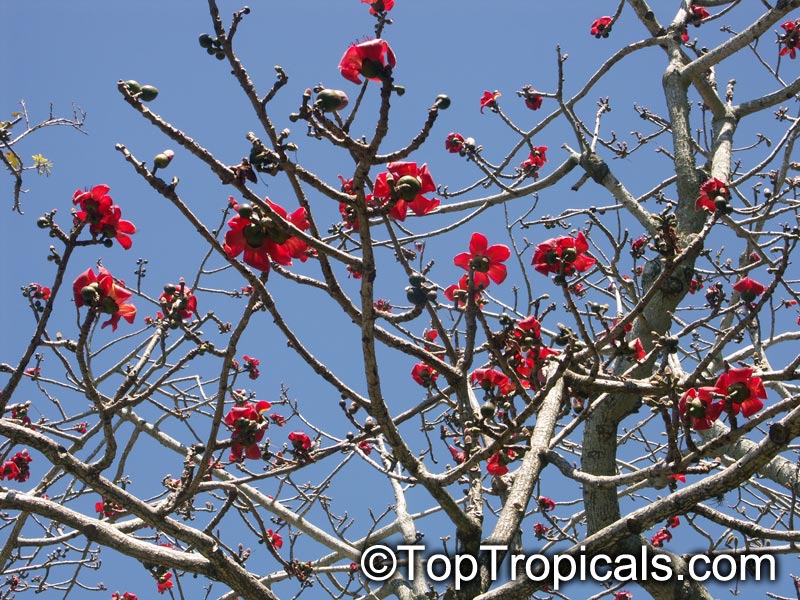
On the photo: Winter flowering Bombax ceiba in full bloom.

Date: 21 Jul 2024

How to Live Longer? Surround Yourself with Plants!

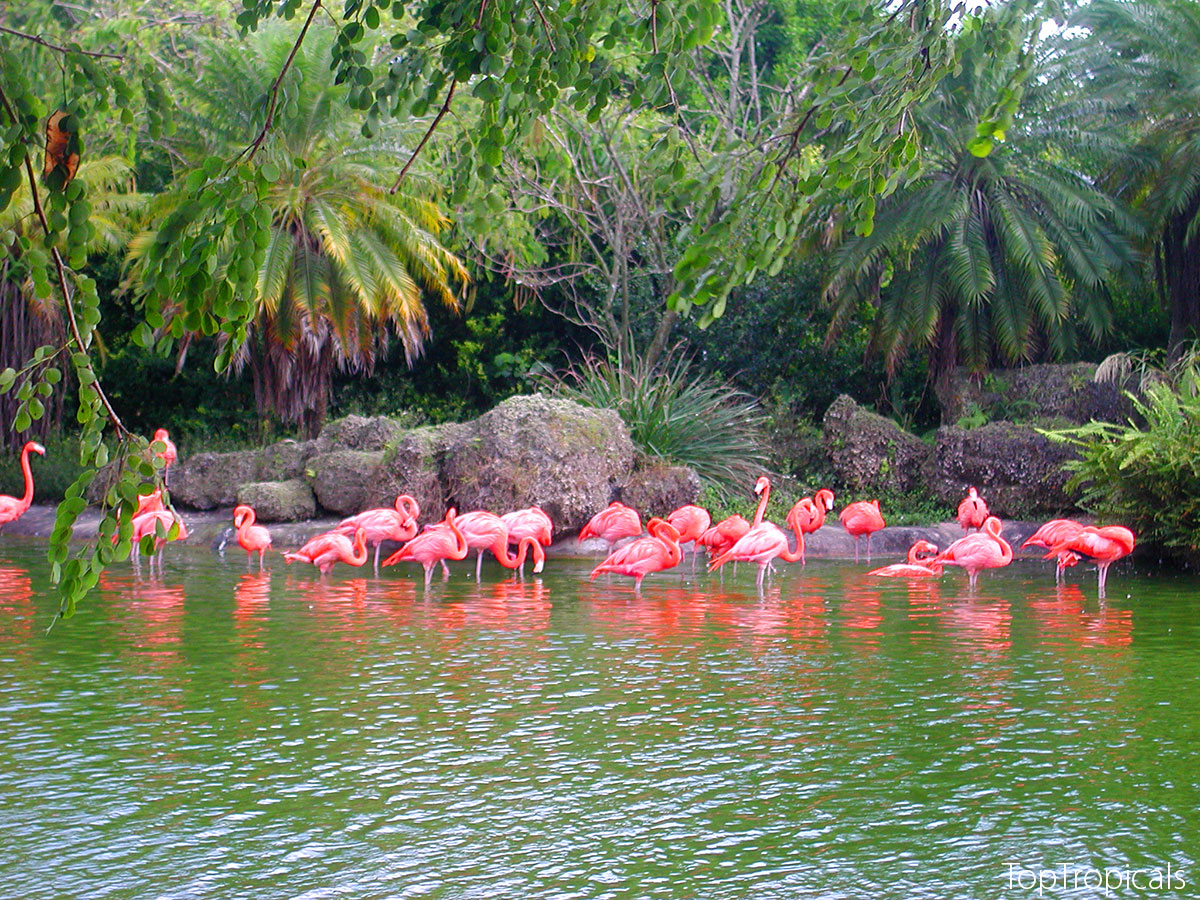
Flamingo  pond

Gardening not only helps you stay active and healthy but can also be a fun and rewarding way to extend your life. Let nature nurture you!

Living Longer with Green Spaces

A study by the Barcelona Institute for Global Health found that a 10% increase in vegetation within 1,600 feet of your home can lower your death risk by 4%.

Why Gardening Could Help You Live Longer

- Nature Exposure: Being outside boosts your mood.
- Exercise: Gardening is a great workout.
- Healthy Eating: Grow and eat your own fresh produce.
- Mind Exercise: Gardening can reduce stress and keep your mind sharp.

Gardening and Longevity

- Many centenarians (people living to 100) garden.
- In "blue zones," where people live longer, gardening is common.
- Gardening promotes daily exercise and a plant-based diet.

Natural Movement vs. Gym Workouts

- 100 years ago, 90% of jobs involved physical activity; today, only 10% do.
- Walking 2 hours a week can lower the risk of major diseases.
- Gardening offers fresh air, exercise, and fun.

Gardening vs. Gym

- Gardening can be as effective as gym workouts.
- Research shows 3 hours of gardening equals a 1-hour gym session.
- Tasks like weeding, digging, and mowing burn significant calories.

Calories Burned in 1 Hour of Gardening

- 340 cal: Chopping wood, using power tools, tilling, mowing with a hand mower, shoveling.
- 272 cal: Carrying wood, digging, clearing land, wheelbarrow work.
- 238 cal: Blower operation, planting, trimming, weeding.
- 224 cal: Raking and sacking leaves.
- 136 cal: Picking fruit, gathering tools, walking.
- 102 cal: Fertilizing or seeding a lawn.
- 34 cal: Watering plants.

Fun Facts

- Half an hour of weeding burns 150 calories.
- Gardening five hours a week burns 700 calories.
- Over a year, that's 20,000 calories, equivalent to running seven marathons.
- A lifetime of gardening can burn a million calories.

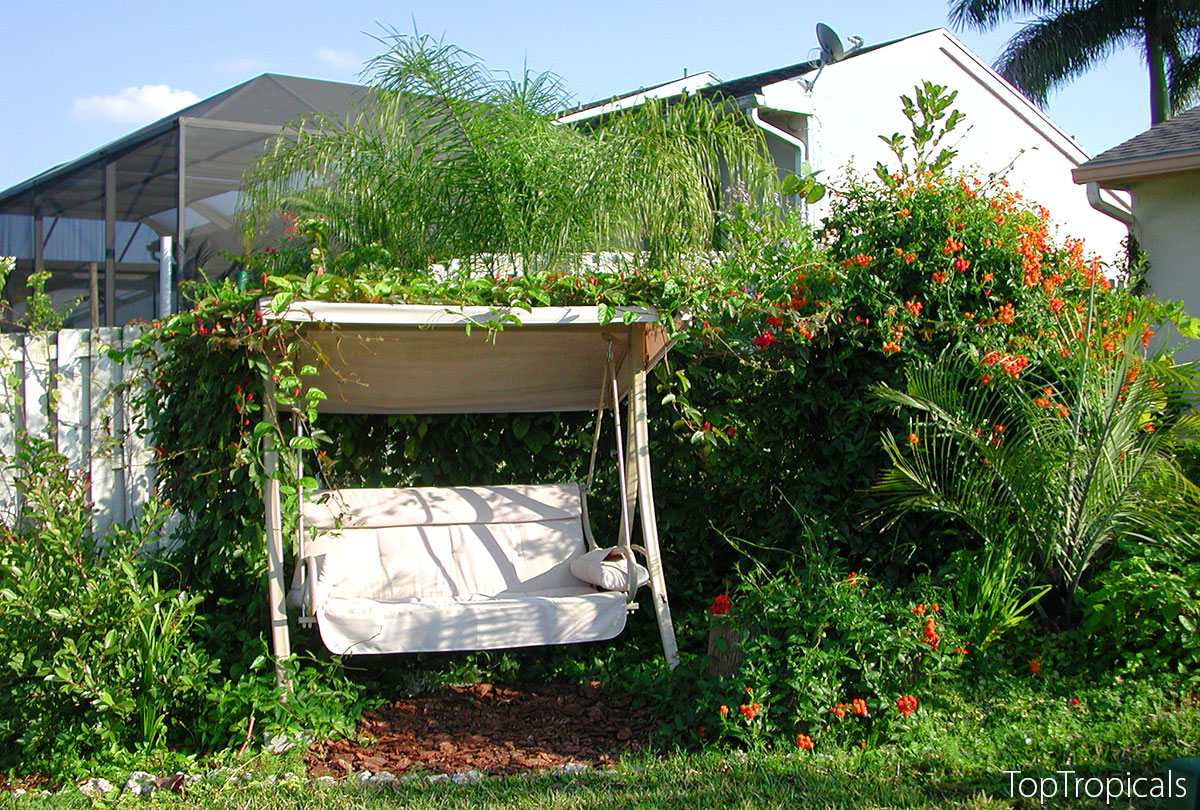
Flowering  vine  by  the  swing

Date: 31 Jul 2024

Why we want to plant a tree today

Tulip  Tree

Code red: Study reveals human degradation of tropical forests
is greater than previously estimated

This summer has been scorching hot across the globe, with every summer month breaking temperature records in recorded history.

Have you ever wondered what kind of natural world your children or grandchildren will inherit? Will they grow up surrounded by lush forests and greenery, or will they only know cities made of metal and concrete?

Tropical forests are super important for biodiversity and fighting climate change, but humans are messing them up more than we thought. Using fancy tech from the International Space Station, scientists found that human activities like logging and road-building are degrading these forests a lot. Even edges of forests are suffering, reducing canopy height and biomass significantly. This degradation is often overlooked, even though it has a huge impact on carbon emissions and biodiversity loss.

Planting trees in your yard, or even better, several trees, helps combat this problem by restoring some of the lost biodiversity and absorbing carbon dioxide. Plus, it's a fun way to make your space greener and contribute to a healthier planet!

Together, we've planted over 15,000 trees this year!

This year at TopTropicals, we have planted quite a few trees. Let's see...
- 44 mango trees planted at our BFarm...
- 49 tropical fruit trees
- 127 flowering trees and shrubs... (special thanks to Mick and Aurelio)
- 15,282 plants were ordered and, hopefully, planted by our customers this year so far...

Join us. Plant a tree today to make the difference!

"Someone is sitting in the shade today because someone planted a tree a long time ago." - Warren Buffett

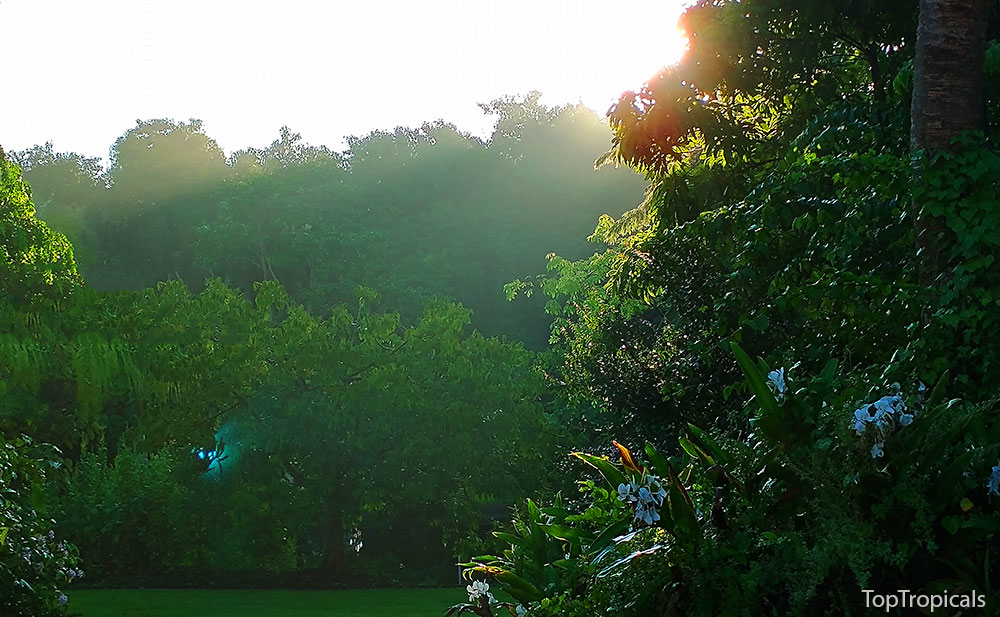
Morning  in  the  forest

Date: 5 Sep 2024

10 common mistakes to avoid
with mail order plants

Cat  sleepng  on  houseplant

Q: How to get happy and healthy plants from mail order? Will they survive the trip and grow well after transportation? What mistakes should I avoid?

A: At Top Tropicals, we have over 20 years of experience shipping plants. We know how to pack them properly and ensure the safest journey possible. We ship the biggest and healthiest plants, and our customers are often amazed at how great they look after a few days in a dark box. But receiving a healthy plant is only half the adventure. Now that the plant is in your hands, it's up to you to keep it thriving. The first couple of weeks after shipping are critical. With the right care, your new plant can reward you with beautiful flowers and fruit for years to come. Here are 10 common mistakes to avoid when buying plants by mail order.

1. Not unpacking plants immediately
Leaving plants in the box too long can cause stress or damage. Unpack them as soon as they arrive to let them breathe and adjust.

2. Ignoring acclimation
Plants need time to adjust to their new environment. Don't place them in full sun or extreme conditions (heat, wind) right away.

3. Overwatering right after arrival
Many people water their new plants too much. Plants often need time to recover from transit, and too much water can cause root rot.

4. Stepping up too soon
Repotting immediately in a large pot can cause root rot. Plant in a pot just the size of a root ball, step up only after the plant is showing new growth.

5. Ignoring the plant's needs
Research the specific needs of your plant before it arrives. Light, water, and soil requirements vary greatly, and misunderstanding them can lead to issues.

6. Placing the plant in the wrong environment
It's important to give your plant the right temperature, light, and humidity based on its natural habitat. We grow tropical plants. They won't survive in areas with freezing temperatures.

7. Not trimming damaged branches.
Transit can cause minor damage to leaves or branches. Trimming these parts can help the plant recover faster.

8. Expecting immediate growth
Plants need time to adjust after the trip. Give them a chance to settle for a few weeks before expecting new growth or blooms.

9. Fertilizing too soon
Do not fertilize your plant right after arrival. Let it get established first - usually a few weeks - before adding fertilizer to avoid stressing the plant.

10. Not checking for pests
Always inspect new plants for pests. Shipping stress can lead to infestations, so a close check is vital.

By avoiding these mistakes and following the planting instructions included with your order, you'll be on the right path to creating your tropical paradise. Take care of your new plant, and it will thrive, rewarding you with vibrant growth for years to come.

Adenium  field