Why is it called Chinese Hat Flower? Winter bloomer is here!
Holmskioldia sanguinea, or Chinese Hat Flower
💍 Why is it called Chinese Hat Flower? Winter bloomer is here!
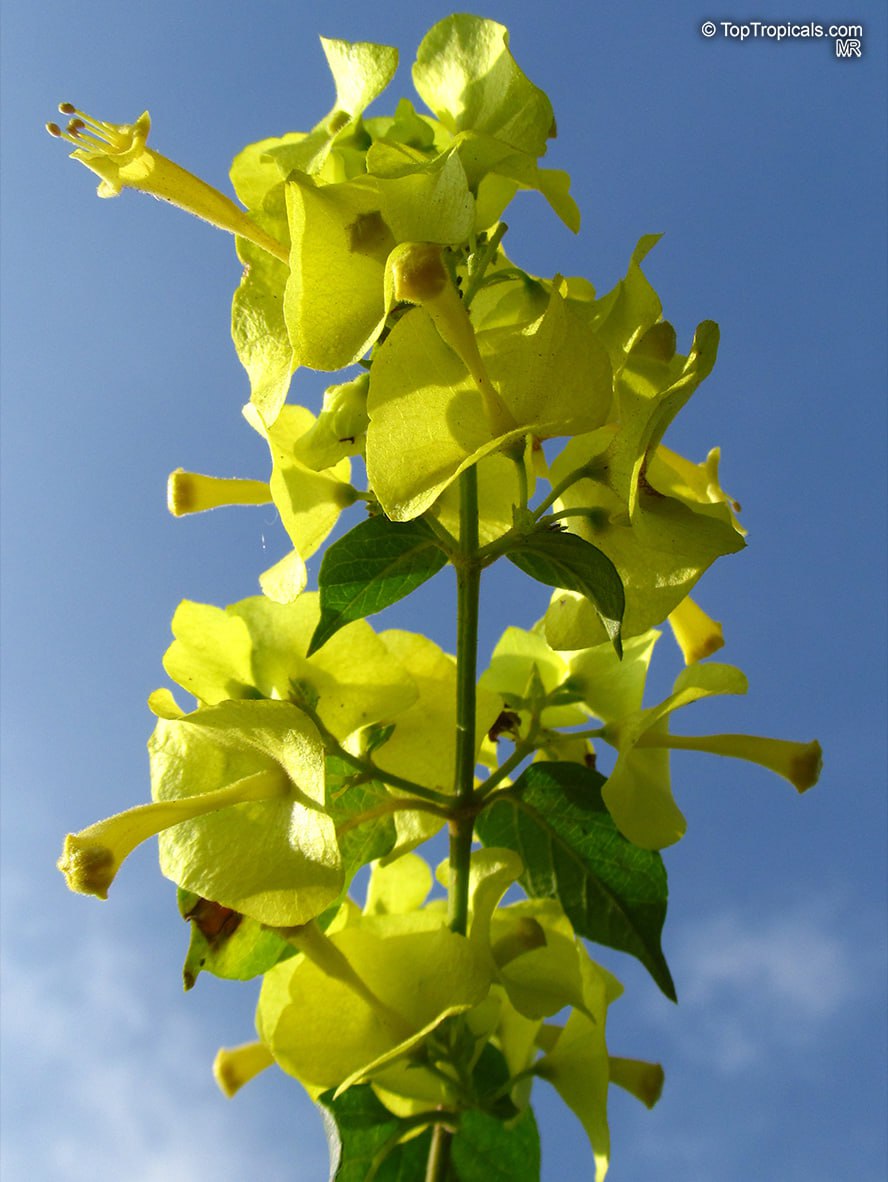
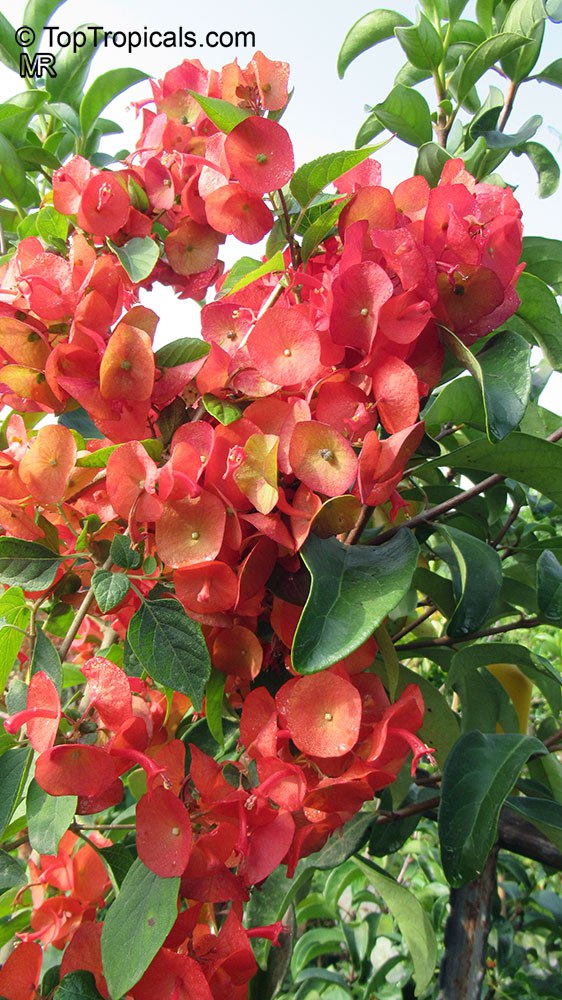
👒 The Holmskioldia sanguinea, or Chinese Hat Flower, gets its charming nickname from the shape of its blooms. Each flower resembles a tiny, colorful hat or parasol, with a narrow tubular structure backed by a broad, circular calyx, giving it a "hat-like" appearance!
👒 This unique form has also inspired other playful names like Cup and Saucer, Parasol Flower, and Mandarin's Hat.
👒 One of the most amazing features of the Chinese Hat Flower is that it's a vibrant winter bloomer. Just when many plants are dormant, it bursts into color, brightening up gardens with its eye-catching hues.
👒 The classic variety produces red blooms, but there are also rare types, including Holmskioldia citrina, which has bright yellow flowers, and a bronze variety with orange-bronze blooms. These vibrant colors make it a fantastic choice for adding a splash of color to any garden during the cooler months.
👒 This scrambling shrub is not only beautiful but also hardy and fast-growing, perfect for training along trellises, fences, or arbors, where its cascading blooms can shine.
👒 Besides being visually striking, the Chinese Hat Flower is a magnet for pollinators, drawing in butterflies and hummingbirds.
👒 For gardeners seeking a low-maintenance, colorful plant with a tropical vibe, the Chinese Hat Flower is an ideal choice!
📸 More photos of varieties in the next post ⬇️⬇️⬇️
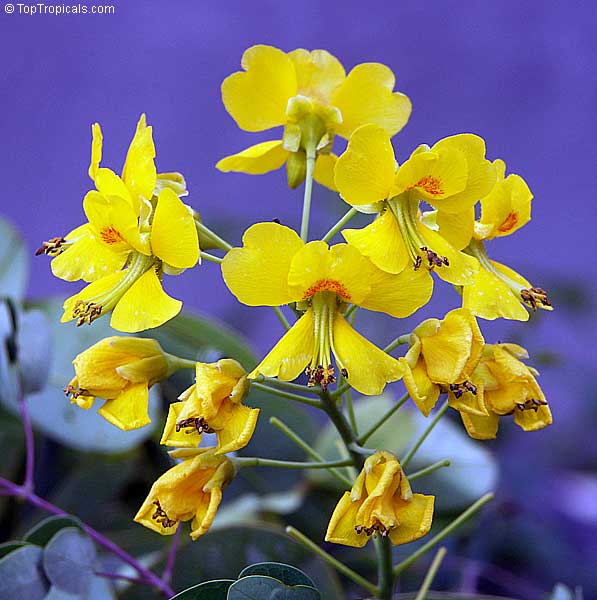
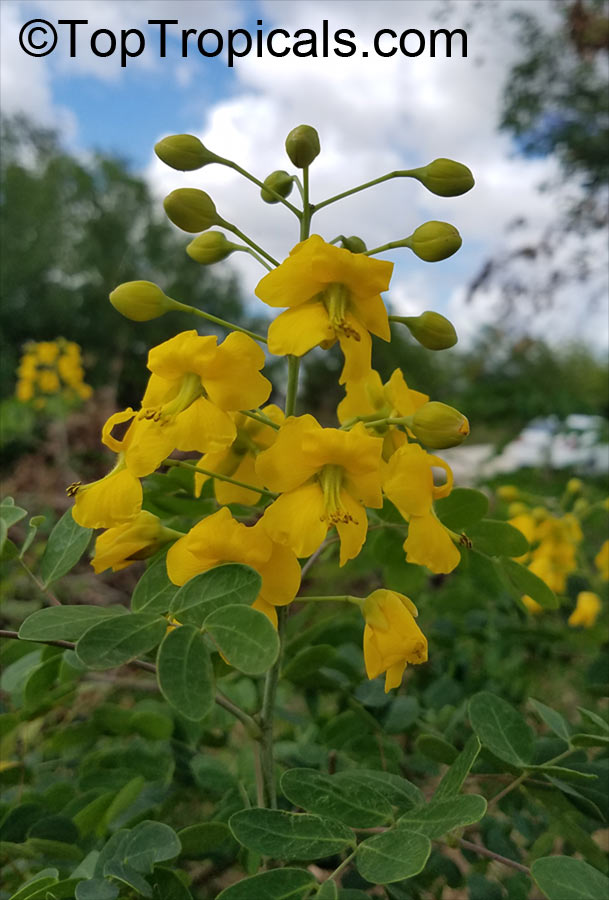
🟨 Many gardeners love and want Caesalpinia pulcherrima, the common Bird of Paradise, but Caesalpinia mexicana - Mexican Bird of Paradise - is a rare treasure with a delightful twist - fragrant flowers! This hardy, drought-tolerant shrub thrives in intense heat and is perfect for small yards or patios.
🟨 During the warm months, it bursts with butter-yellow blooms that pop against feathery green foliage, attracting hummingbirds. As the flowers fade, woody pods form and snap open dramatically. It grows quickly to 10 feet and can be shaped into a small tree or kept as a compact shrub.
🟨 Native to northern Mexico, it thrives in full sun and well-drained soil with very little water. If you're looking for a low-maintenance beauty that adds both fragrance and charm, this plant is a must-have!
How a fast-growing screen becomes a honey-fragrant wildlife attractor
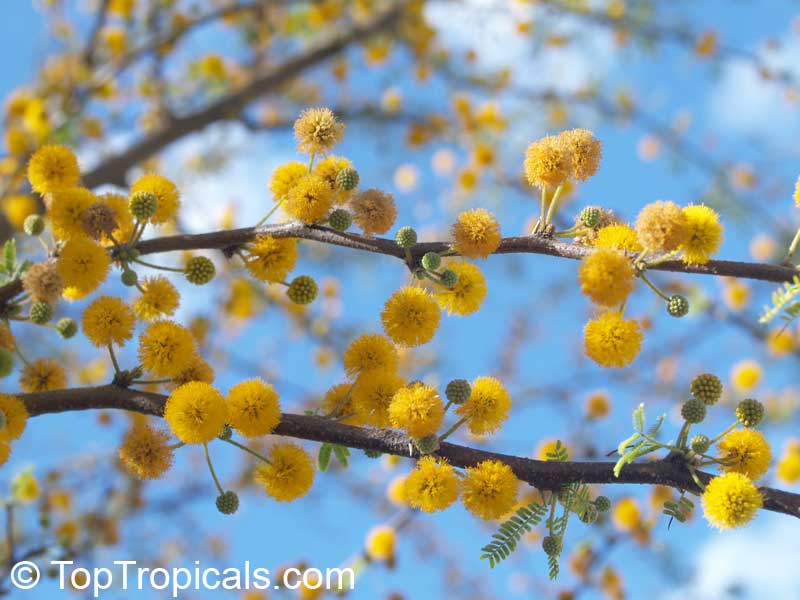
Acacia farnesiana - Sweet Mimosa
😊 How a fast-growing screen becomes a honey-fragrant wildlife attractor
🐝 Acacia farnesiana - Sweet Mimosa - is a delightful evergreen shrub that's as tough as it is charming!
🐝 This large, multi-stem shrub can reach 15 feet tall and wide and sports thorny branches - a real character with a wild streak! But don't let the thorns scare you off; it offers rewards aplenty.
🐝 Its canary-yellow, powder-puff flowers bloom all winter through spring, filling the air with a honey-like fragrance that attracts butterflies, bees, and other pollinators.
🐝 This plant doesn't just survive - it thrives in poor soils, tolerates drought and alkaline conditions, and grows incredibly fast!
🐝 Whether you're planting it as a privacy screen or just looking for a pop of cheerful color during chilly months, this hardy shrub keeps its evergreen leaves even through cold snaps when other plants throw in the towel.
🐝 Native to Mexico and Central America, Sweet Mimosa has spread its charm far and wide, becoming popular in southern U.S. landscapes like Florida, Texas, and Arizona. It even finds use in perfume production with its flowers contributing to the fragrance known as "cassie" in Europe.
🐝 Every gardener should have this resilient plant ready to brighten the garden and attract wildlife year-round!