🌞 Mango trees love warm weather. They grow best in temperatures between 70F to 100F.
📍 Cold weather can be harmful to mango trees: when the temperature drops below freezing, trees can get damaged. Frost can hurt young leaves and flowers, reducing the amount of fruit.
💬 Ways to protect mango trees from cold
🔹 Right location: Plant in sunny areas with protection from cold winds.
🔹 Cover them up: Use blankets or frost cloth to protect young trees.
🔹 Add mulch: Helps keep the roots warm during cold weather.
🔹 Move potted trees: Bring them inside when it gets too cold.
🔹 Use Sunshine Boosters to improve tree hardiness
➡ Fertilized mango trees are stronger and more resilient.
➡ They grow faster and have better root systems, making them more hardy against cold weather.
➡ Sunshine Boosters provide the essential nutrients needed for strength and vigor, helping plants recover faster from cold damage.
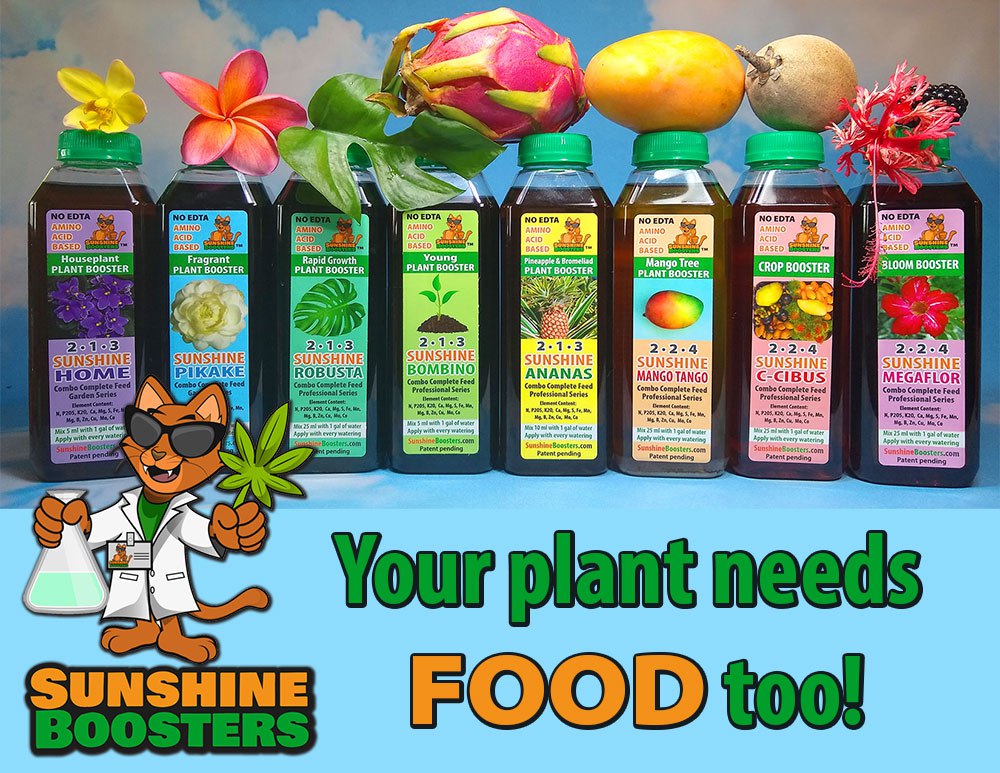
🥭 Sunshine Boosters "Mango Tango" makes mango trees stronger and more resistant to cold. A well-fed tree can survive cold better and produce more fruit. With Sunshine Boosters, you ensure your mango trees stay healthy, even in chilly weather!
Hibiscus flowers are beautiful but the plants are also... tasty! So they can face a variety of pests, including:
· Aphids: small insects cluster on new growth, sucking sap from the plant and causing distortion or yellowing of leaves.
· Whiteflies: look like tiny moths and can be found on the undersides of leaves, sucking plant juices.
· Spider Mites: can form webs on the undersides of leaves and cause discoloration and stippling.
· Thrips: slender insects that feed on flower buds and young leaves, causing them to become distorted and discolored.
· Scales: small, immobile bumps on stems and leaves, sucking sap and weakening the plant.
Treatment methods:
Pruning: Remove heavily infested parts of the plant and dispose of them properly to prevent the spread of pests.
Exotic fancy hibiscus flower
2 Natural Predators: Introduce beneficial insects like ladybugs, lacewings, or wasps, which prey on common garden pests.
3 Horticultural Oils: Neem oil or insecticidal soap can be effective against soft-bodied pests like aphids, mealybugs, and spider mites. Sunshine Nobug is a perfect organic solution that contains oil and soap. 4 Water Spray: Regularly spraying your hibiscus with a strong stream of water can help dislodge pests like aphids and whiteflies from the plant. 5 Systemic Insecticides: These are chemicals absorbed by the plant, making it toxic to insects feeding on it. However, use them cautiously and follow the instructions to minimize harm to beneficial insects and the environment.
❗️Always monitor your hibiscus plants closely for signs of pest infestation, and take prompt action to prevent damage. Regular maintenance, such as proper watering and fertilizing, can also help keep plants healthy and more resistant to pests 🕷🐛
Winter can be tough on plants, especially on tropical varieties. But with a little preparation, you can protect your garden and keep your plants safe from the cold. Here's how:
Winter Care Tips for Tropical Plants
Cut watering: Reduce watering to prevent root rot. Cold + wet = dead roots.
Water before frost: Thirsty plants are more vulnerable. Water them before a cold night to prevent damage.
Wind protection: Wind is more harmful than temperature drops. Plant near structures like houses or trees for shelter.
Prepare for long cold periods: If cold weather lasts for hours, use all available protection, including Christmas lights and propane heaters.
Don't use dry fertilizer in winter: Heavy fertilizing encourages tender growth, which is more susceptible to cold damage. Sunshine Boosters liquid fertilizers are safe to use year around as their intake is controlled by reduced watering. Use fabric covers, not plastic: Plastic can cook plants in the sun, while fabric allows better ventilation.
Photo above: we cover our plants in the nursery with a thin synthetic fabric (sintepon) called "frost cloth" or "strawberry cloth". It is light, breathable and allows light and water to go through unlike plastic that creates heavy water pockets.
Prepare for Cold Nights
Wrap plants: On cold nights, cover individual plants or trees with sheets or blankets to shield them from wind chill.
Use Christmas lights: A simple string of lights can add extra warmth, protecting your plants during frosty nights.
Use propane heaters: For added warmth in a larger area, place a propane heater near your plants. Make sure to follow safety guidelines and keep the heater at a safe distance from flammable materials. This can help maintain a few extra degrees of warmth, especially in more open garden spaces or temporary greenhouses. Always ensure proper ventilation to avoid harmful gas buildup.
Photo above: we use both propane and kerosene heaters at the nursery
Large Collections? Build a Temporary Greenhouse
Affordable winter greenhouse: For large plant collections, you don't need an expensive greenhouse. A mobile carport with plastic or fabric covering, costing around $200, can house up to 100 plants!
Photo above: Temporary wrapping around plant collection with a plastic or frost cloth protects from a windchill. It may also win you a few degrees even without a heater. In this particular case, according to our temp sensors, with 30F outside, it was 41F inside this "dome", no heaters used.
Southern Exposure and Garage Storage
Southern windowsills: Compact tropicals can thrive on southern-facing windowsills, getting plenty of sunlight during the day.
Move plants inside: If you have larger collections, move them into a well-lit garage for the colder nights or longer periods.
Photo above: using Christmas lights around plants while wrapping with frost cloth.
Key Factors for Survival
Cold duration: Tropical plants can survive brief cold spells but long durations, even above freezing, can be deadly.
Wind-chill: Wind chill can be harsher than the temperature itself.
Exposure: Southern-facing slopes hold heat longer, making them ideal for your plants.
Humidity: Proximity to lakes or oceans can create a milder micro-climate.
Gradual temperature Drops are safer. Plants adjust better to slow temperature changes than sudden cold blasts. Gradual cooling allows plants to prepare, reducing the risk of damage.
Strengthen Plant Hardiness
Health and maturity: Well-established, healthy plants are more cold-hardy. Boost plant immunity: Use products like SUNSHINE-Epi to improve cold resistance. Apply it before and during cold snaps to protect your plants. Healthy plant is hardy. Make sure to fertilize your plants on regular basis - healthier and stronger plants are more cold hardy.
With these steps, you can protect your plants and help them survive the winter months. Stay
warm and keep your garden thriving!
Podcast with Horticulturist Mark Hooten:
How to Protect Tropical Plants in Winter
During winter, mango trees need minimal watering. Overwatering can cause root rot, especially when temperatures are low. Water the tree only when the soil feels dry about 2 inches deep.
❄️ Fertilizing
Avoid feeding in the winter with dry fertilizer. It may cause root burn, plus encourages new growth that is more susceptible to cold damage. Wait until spring when the weather warms up to resume heavy feeding your tree. You can continue using Sunshine Boosters natural liquid fertilizers - Sunshine Mango Tango: it is safe to apply year around since its intake is regulated by reduced water, and only the necessary amount of essential elements will be delivered.
❄️ Temperature Protection
Mango trees are sensitive to cold. If you live in a region with freezing temperatures, move your mango tree indoors or to a sheltered location like a garage with a bright light source. If it's in a small container, consider bringing it inside for the winter.
❄️ Sunlight
Ensure the tree gets as much sunlight as possible. If indoors, place it near a South-facing window where it can soak up the sun during the day.
❄️ Check for Pests
Winter can bring pests indoors. Regularly inspect the tree for any signs of insect problems around the leaves and stems.
By following these guidelines, your mango tree will be healthier and better prepared for the next growing season.