Garden Blog - Top Tropicals

Date: 28 Dec 2023

Blue Sage: Winter Wonder
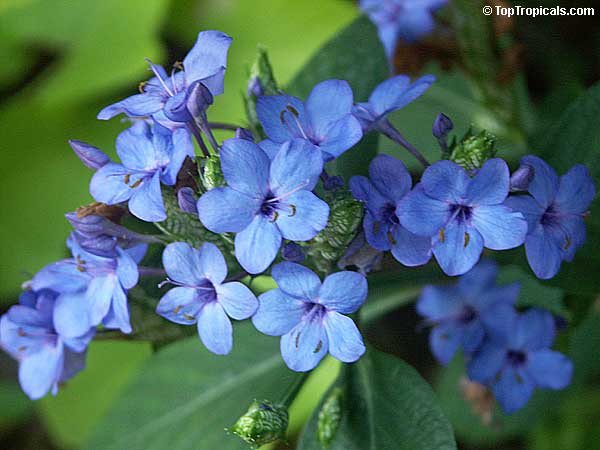
Eranthemum  pulchellum  -  Blue  Sage,  Lead  Flower

Q: I am looking for some interesting shrub that will flower in shade and doesn't grow too big. I am a snow bird, living in Florida during winter and will appreciate a winter bloomer.

A: In the shady corners of the tropical garden, the Eranthemum pulchellum, affectionately known as Blue Sage or Lead Flower, emerges as a vibrant winter surprise. Its petals boast a bright gentian blue hue, a hue so unusual in the tropics that it's as if the plant got a memo about standing out in a sea of green.

This botanical maverick flaunts its blossoms when the rest of the garden is caught napping, making it the prima donna of the winter bloomers. With a penchant for the shadows, the Blue Sage is the introvert of the garden, thriving in the cool embrace of shade. So, if your garden needs a touch of cool and a dash of mystery, invite the Blue Sage - the shade-loving sensation that's always fashionably late to the blooming party.

Blue Sage is an easygoing champ in your garden. You can trim it how you like, and guess what? The more you trim it, the bushier it becomes. This plant doesn't mind shade, and when winter hits, it shows off its bright flowers, making your garden extra pretty without any fuss. So, if you're all about simple gardening joy, the Blue Sage is your go-to pal that turns your garden into a happy, colorful spot.
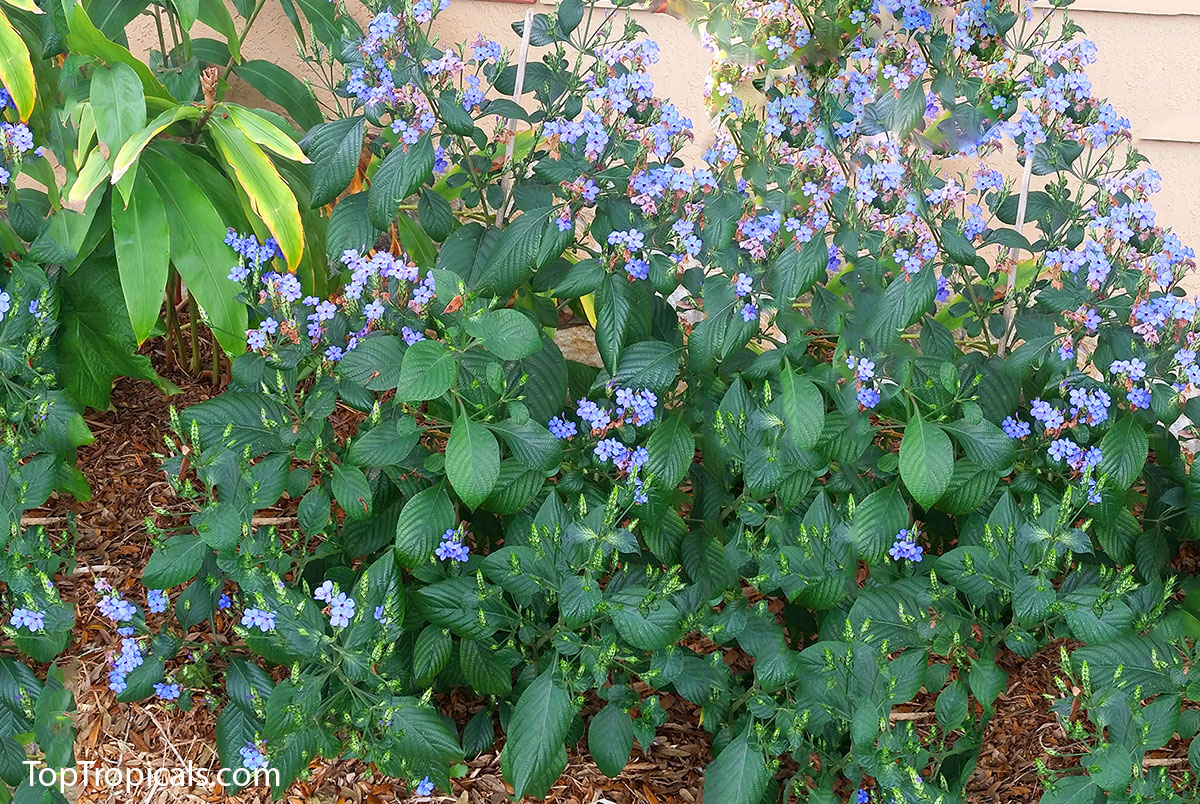

Eranthemum  pulchellum  -  Blue  Sage,  Lead  Flower,  bush  size

Date: 12 Dec 2023

This Saturday, 12/16:
Holiday Plant Market

Plant  Market  at  Top  Tropicals

December 16, 9 am - 4 pm

Escape the ordinary and join us at Top Tropicals for the most anticipated event and the biggest plant sale of the year - the Holiday Plant Market! Immerse yourself in a kaleidoscope of colors as you stroll through a garden bursting with life. Uncover incredible one-day-only deals on tropical treasures...

Highlights of the event include:

30% OFF online price
Special discounts and offers on selected plants
Fruit tree specials: selected varieties as low as $45 Avocado and $60 Mango
Secret Garden: Super savings area 50-70% off
$5 and $10 plants, raffle
Free plant with any purchase as a token of our appreciation

Event discounts valid at both locations:

Ft Myers Garden Center: 13890 Orange River, Ft Myers, FL
Sebring B-Farm: 9100 McRoy Rd, Sebring, FL

Facebook event page - Download invitation

NOTE: CLOSED ON 12/14

Our Garden Center and Farm both will be closed on Thursday Dec 14 for maintenance and preparation for the event.

closed  for  maintenance

Date: 9 Nov 2023

Veterans Day: November 11
Special Deals

Veterans  Day  Cat

Our special Veterans Day sale on tropical plants is a salute to those who served! Enjoy this discount code - a small token of gratitude for our heroes:

VETERANS23

Your savings with this code:
5% off orders $100+
10% off orders $150+
15% off orders $200+

Excluding S/H. Exp. 11-12-23

Mango & Avocado Super Sale!

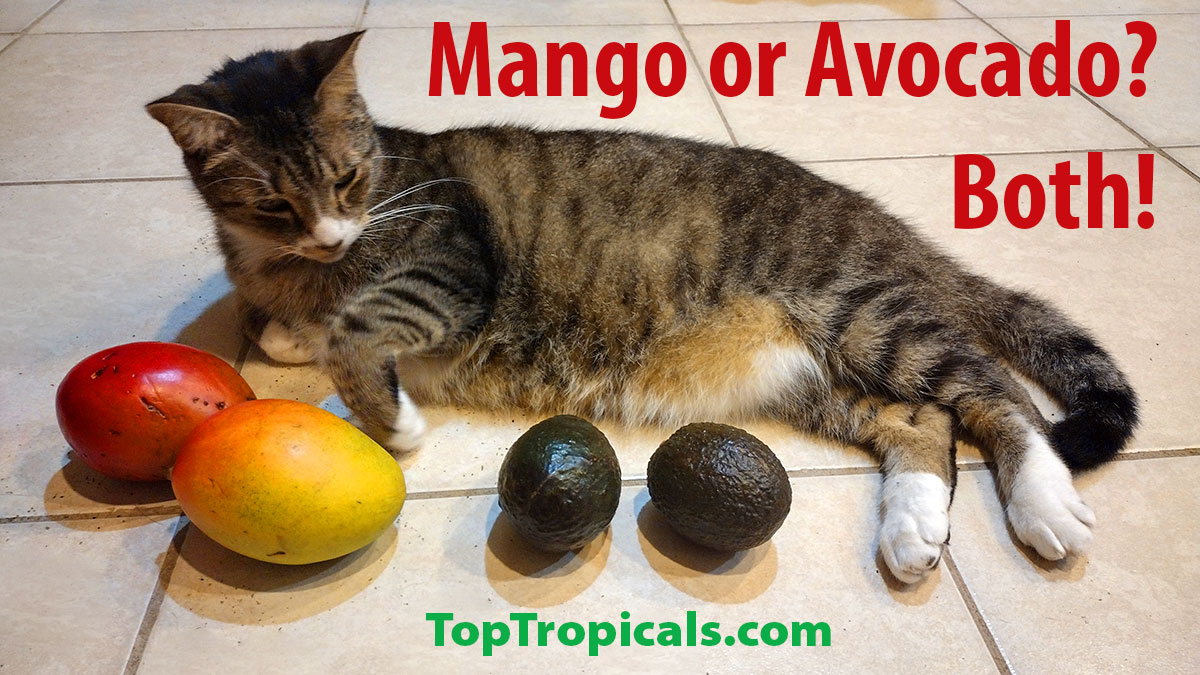
Cat  with  mango  and  avocado

Instant 20% off Mango and Avocado trees

Celebrate Veterans Day with the taste of the tropics! Indulge in our exclusive offer on Mango and Avocado trees, available now at unbeatable prices. With the discount code above, your qualified purchase of these trees can be as low as:

$64 for Mango trees
$61 for Avocado trees

Hurry up! Limited time quantities - while supply lasts!

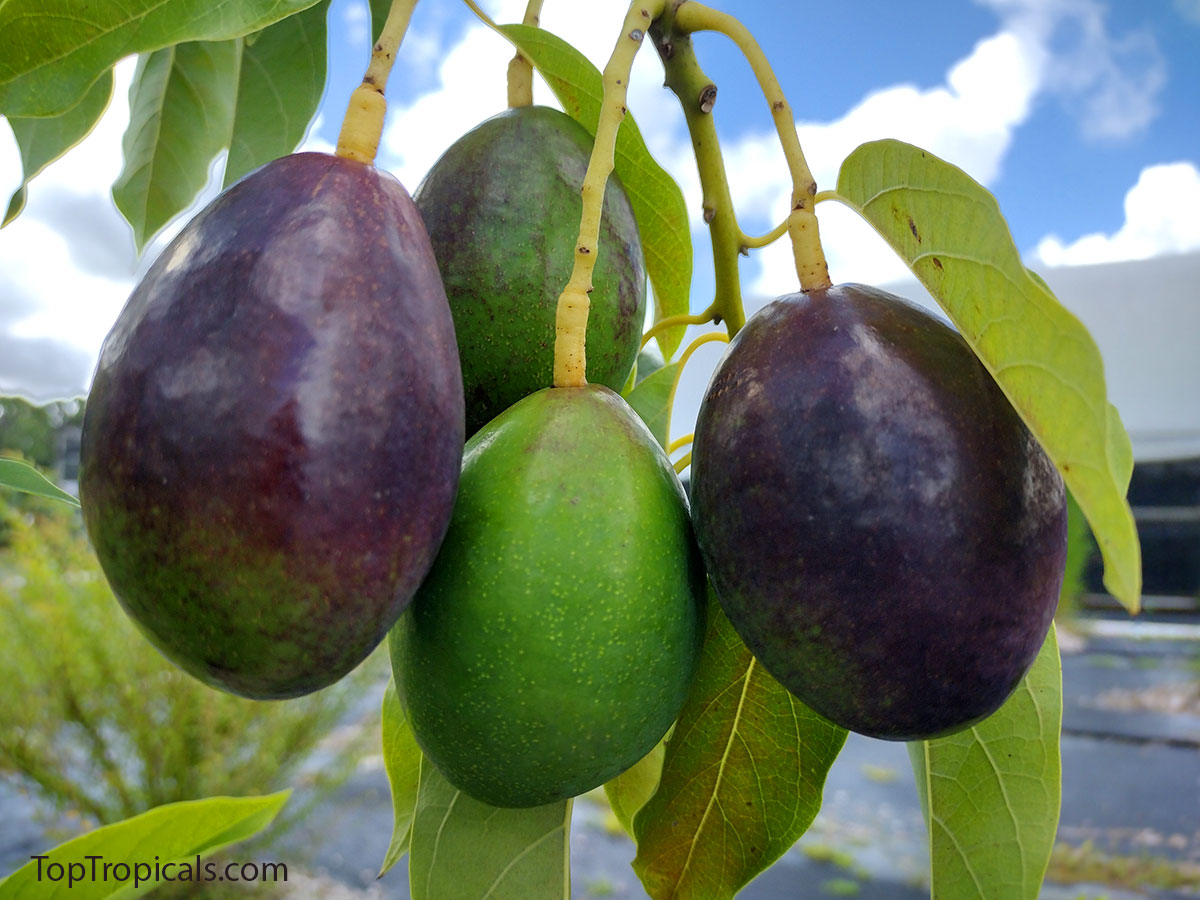
Avocado  fruit  on  a  branch

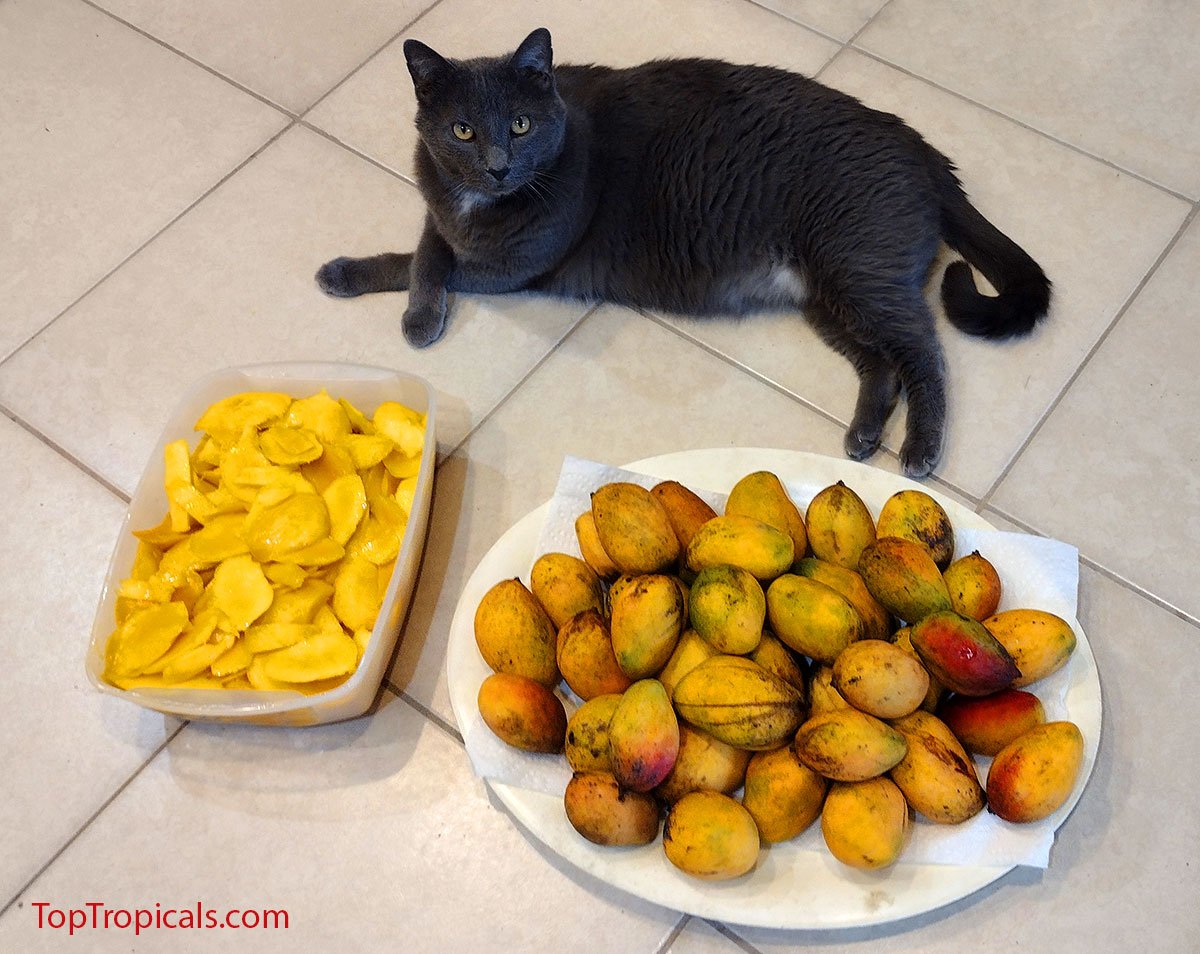
Cat  with 
 mango

Date: 6 Nov 2023

How to grow a happy Moringa Tree

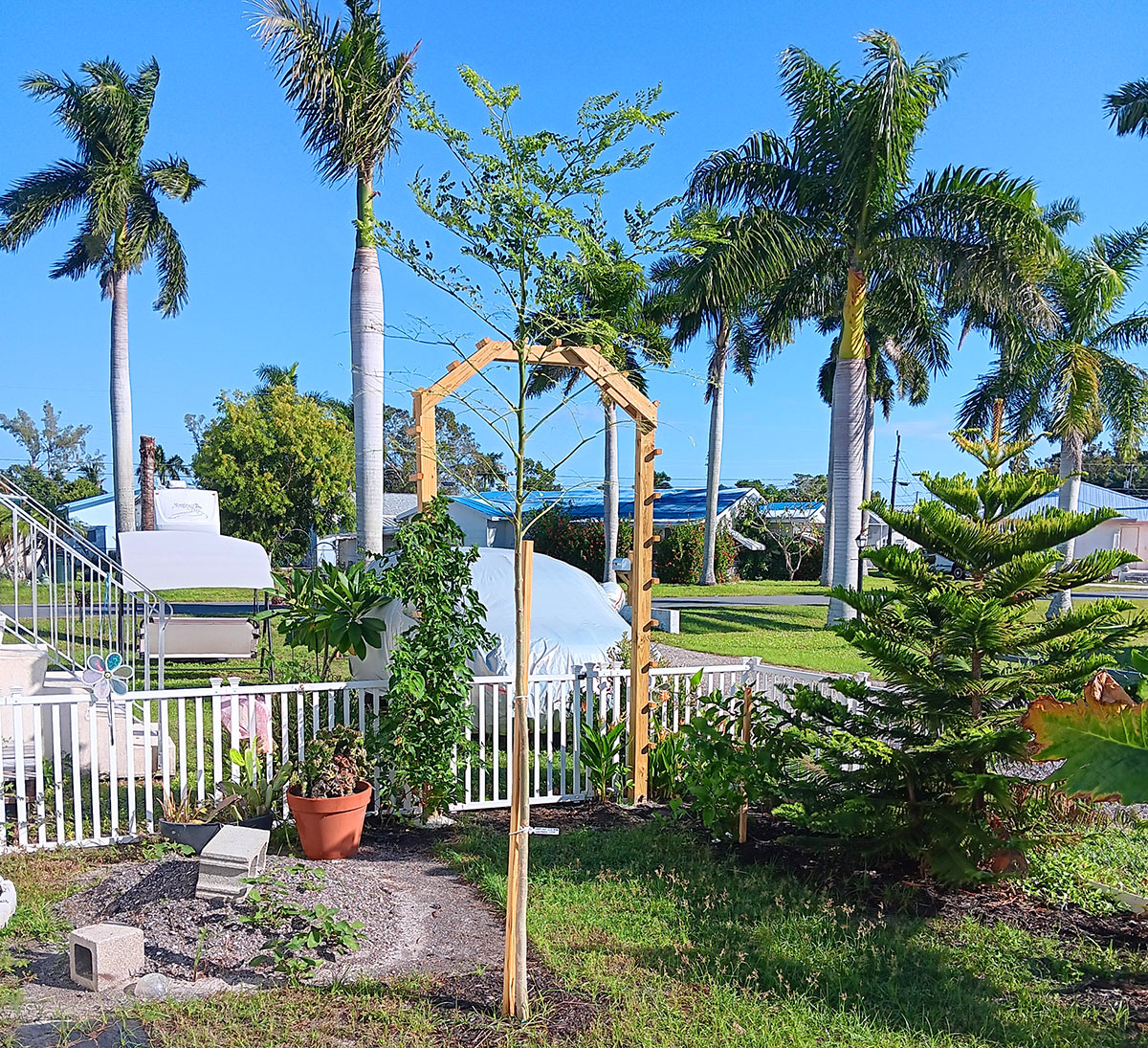
Moringa  tree  in  the  garden

Q: We purchased some tropical edible and medicinal plants from you in August this year. I have a question pertaining to our Moringa tree. When we purchased it, it was about two foot tall. It has put on tremendous growth and is now a little under ten foot tall. My question is, should a Moringa be losing lower leaves at this point? The bare limbs are still green and the top looks to have healthy green leaves.

A: Thank you for choosing our Moringa tree, and sharing the picture. It's great to see that your tree appears healthy and happy - it's a resilient plant. Given the relatively dry Fall we've experienced this year, a little extra water can make a significant difference.

Here are some suggestions to ensure your Moringa thrives:

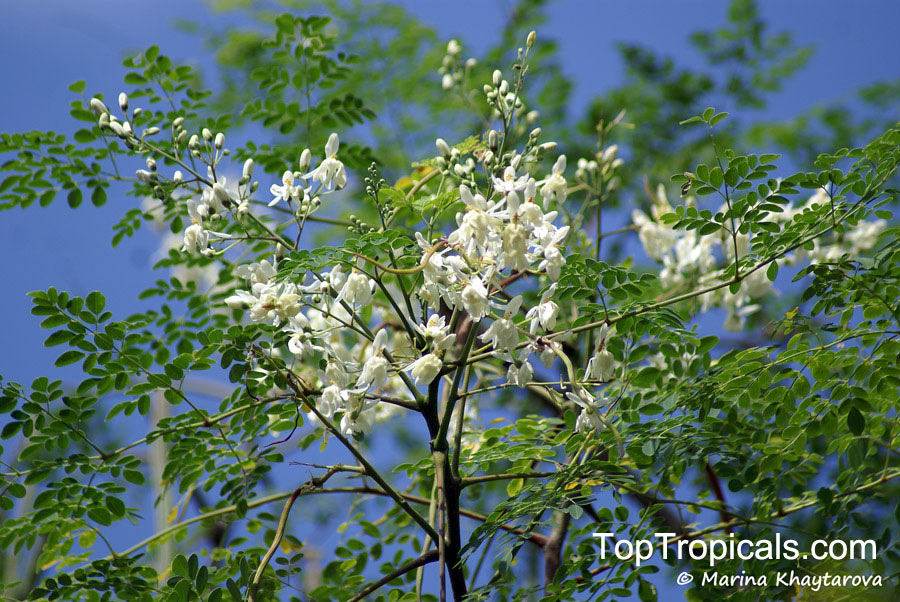
Moringa  branch  with  flowers

Watering: While Moringa is generally drought-tolerant, during dry periods, in addition to relying on your lawn sprinkler system, add some extra water with a hose. Adequate moisture is crucial for maintaining healthy foliage.

Pest Control: Moringa is not only a nutritious plant for humans but also attracts pests that appreciate its medicinal properties :) If you notice insect damage on the leaves, consider spraying with Neem oil or using an over-the-counter systemic insecticide containing imidacloprid or a similar ingredient.

Seasonal Behavior: Moringa trees are semi-deciduous to deciduous, and their leaf-shedding behavior can vary depending on the climate. In Florida, for instance, it's common for Moringa trees to shed leaves in the Fall. However, this is a natural process, and you can expect new growth in the Spring.

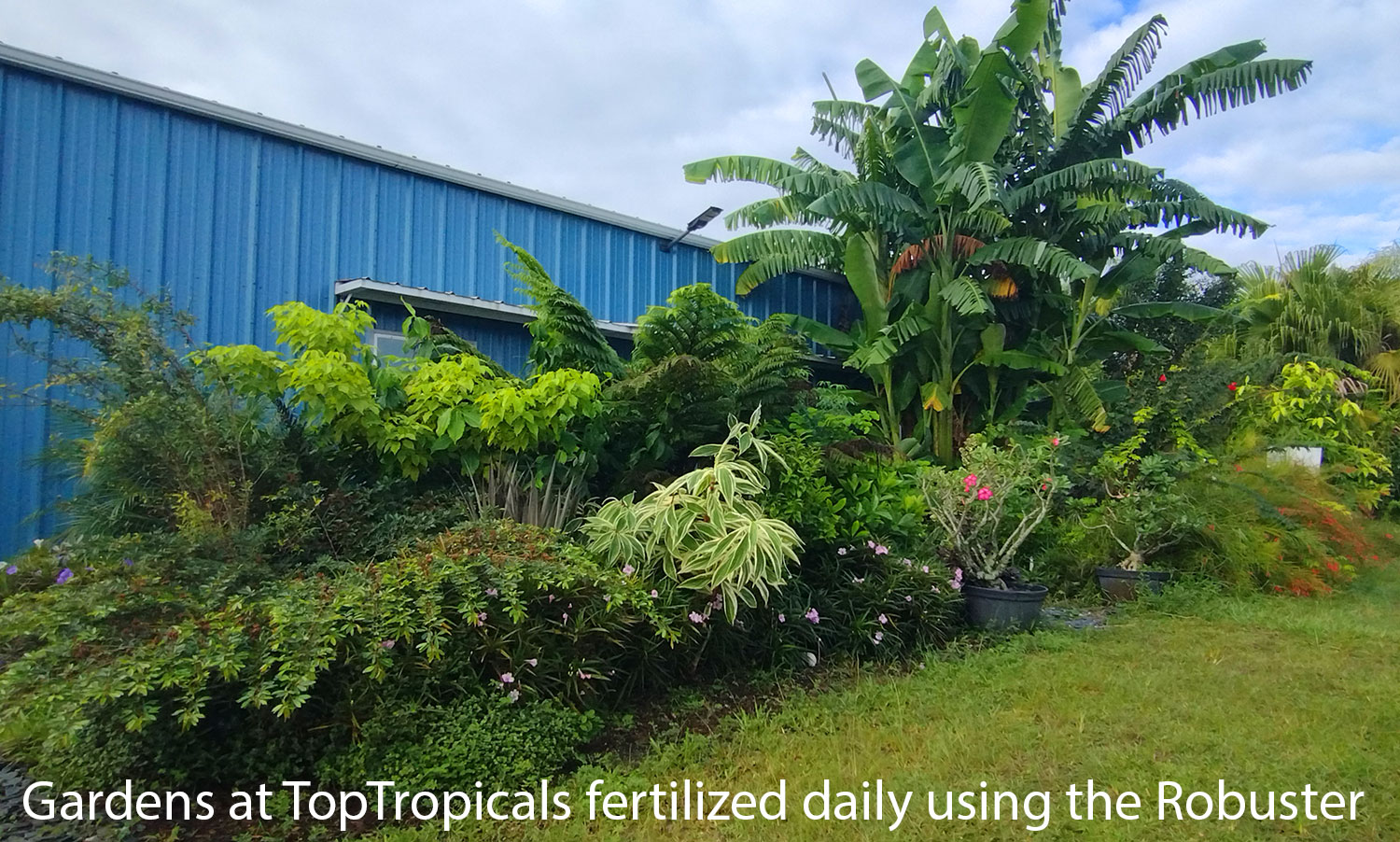
Fertilizing for Vigorous Growth: To promote the most vigorous growth of your Moringa tree and other plants in your garden, consider implementing a fertilizing program. If using dry, slow-release fertilizers, apply them only during the active growth season: from March through November. If you're looking for a year-round solution, liquid amino acid-based formulas like Sunshine Boosters can be a great option. You can easily add them to your watering routine or use injectors like The Robuster for convenient and consistent feeding. If you're planning to expand your garden with other medicinal plants or an edible forest, The Robuster smart fertilizing system is an excellent choice, offering the most efficient, care-free way to nourish your plants with natural nutrients throughout the year.

The  Robuster

This garden doubled the size during just one season under the Robuster care.

Date: 17 Sep 2023

NEW VIDEO:
How to properly cook Akee - quick recipe

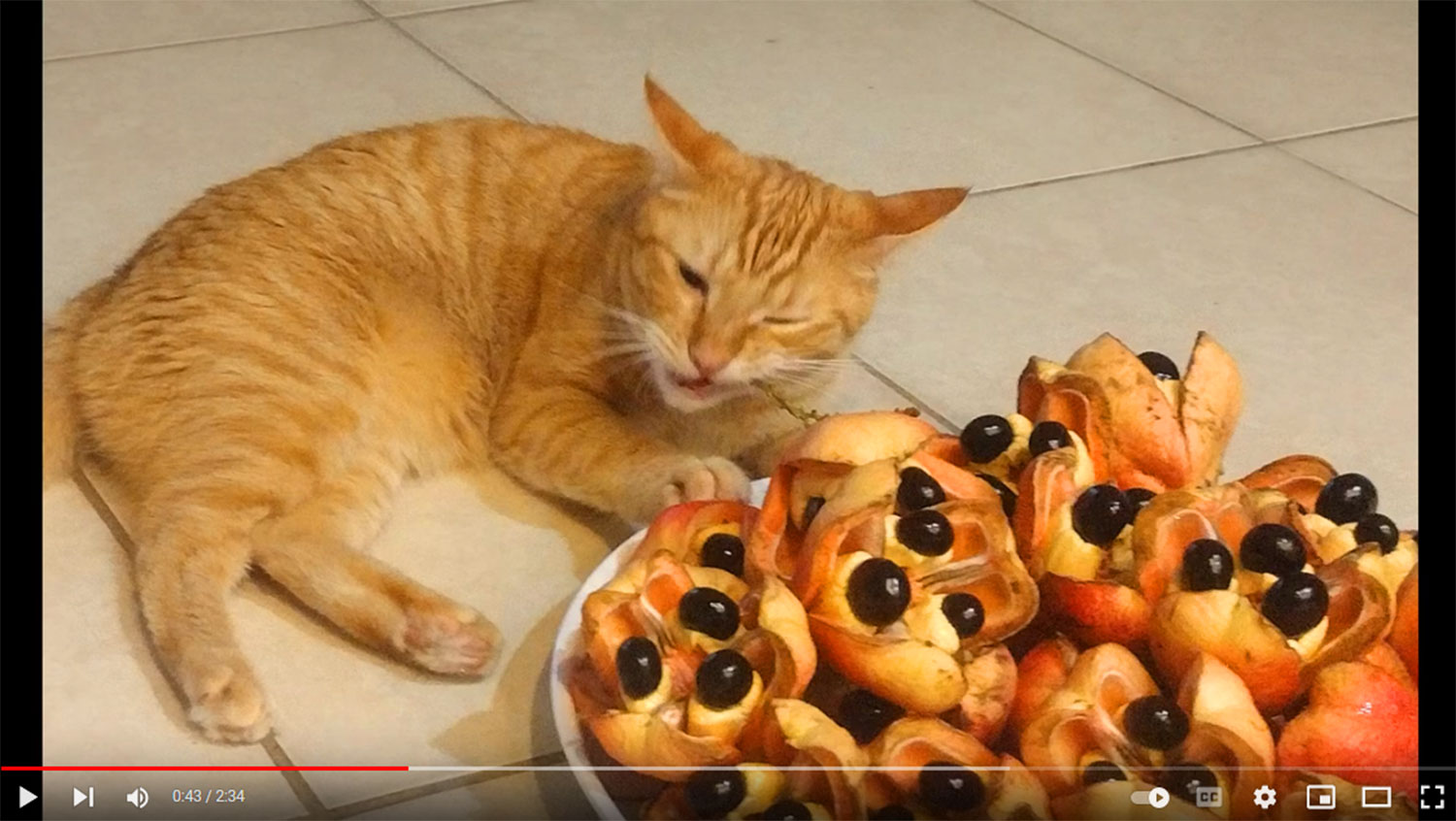
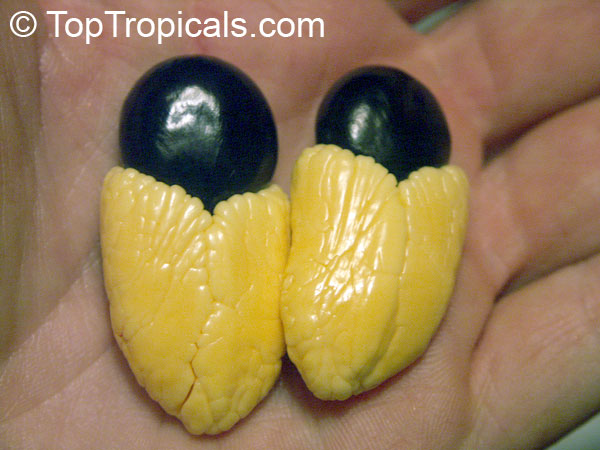
Akee is a close relative of Lychee, Longan, and Rambutan. You can find delicious akee meals only in Jamaican restaurants! But no need to search for it - grow your own tree, it can't be easier. It will start fruiting for you the next season, you don't have to wait long. Sometimes it fruits twice a year! However, the fruit is used as a vegetable, and is not eaten raw. It must be picked after the fruit has opened naturally. After the fruit has "yawned", the arils are parboiled and lightly fried in butter. Then they are really delicious! Watch the QUICK RECIPE provided by our PeopleCats!

The Akee tree - scientific name Blighia sapida - is easy in cultivation, fast growing and can be maintained compact. It is not bugsy or picky about soil/water conditions, and is relatively cold tolerant for being a tropical tree. Now it's the perfect time to plant it!

Ackee,  Akee  fruit  -  Blighia  sapida,  and  a  cat

Subscribe to our Channel:

Stay updated with TopTropicals Videos by subscribing to our channel at YouTube.com/TopTropicals and get our latest video news of what is fruiting and blooming!

Ackee,  Akee 
 fruit