Garden Blog - Top Tropicals

Date: 19 Sep 2025

Truth about which fruit helps you lose weight faster: Mango or Papaya?

Truth about which fruit helps you lose weight faster: Mango or Papaya?

🥭 Truth about which fruit helps you lose weight faster: Mango or Papaya?


❓ Mango vs. Papaya: what's best for you?


  • ✔️ Nutritional comparison

Mango is rich in vitamins A and C, boosting immune health and skin.
Papaya brings more folate and contains papain, an enzyme that aids digestion.

  • ✔️ Health perks

Mango may help lower inflammation and support blood sugar balance.
Papaya is known to ease digestion, reduce bloating, and support gut health.

  • ✔️ Calories and sugars

Both are low in calories, but mango has slightly more natural sugar.
If you’re sugar-sensitive, papaya might be the better option.

  • ✔️ Weight loss support

Mango and papaya both contain fiber and natural compounds that slow digestion.
This helps you feel fuller longer, which can reduce snacking and support weight management.

✔️ Which to pick when


Choose mango for a skin and immune boost.
Go with papaya if you want a gentler fruit that supports digestion and gut comfort.

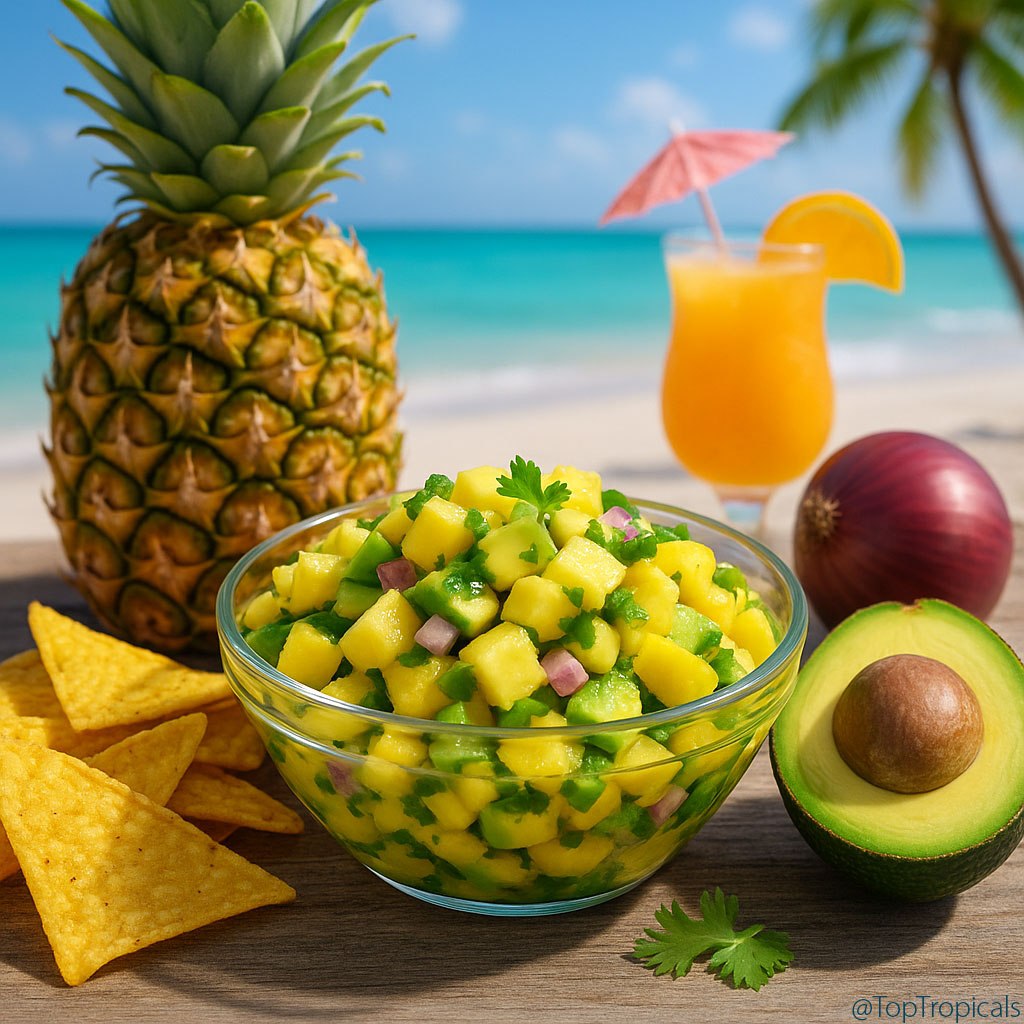
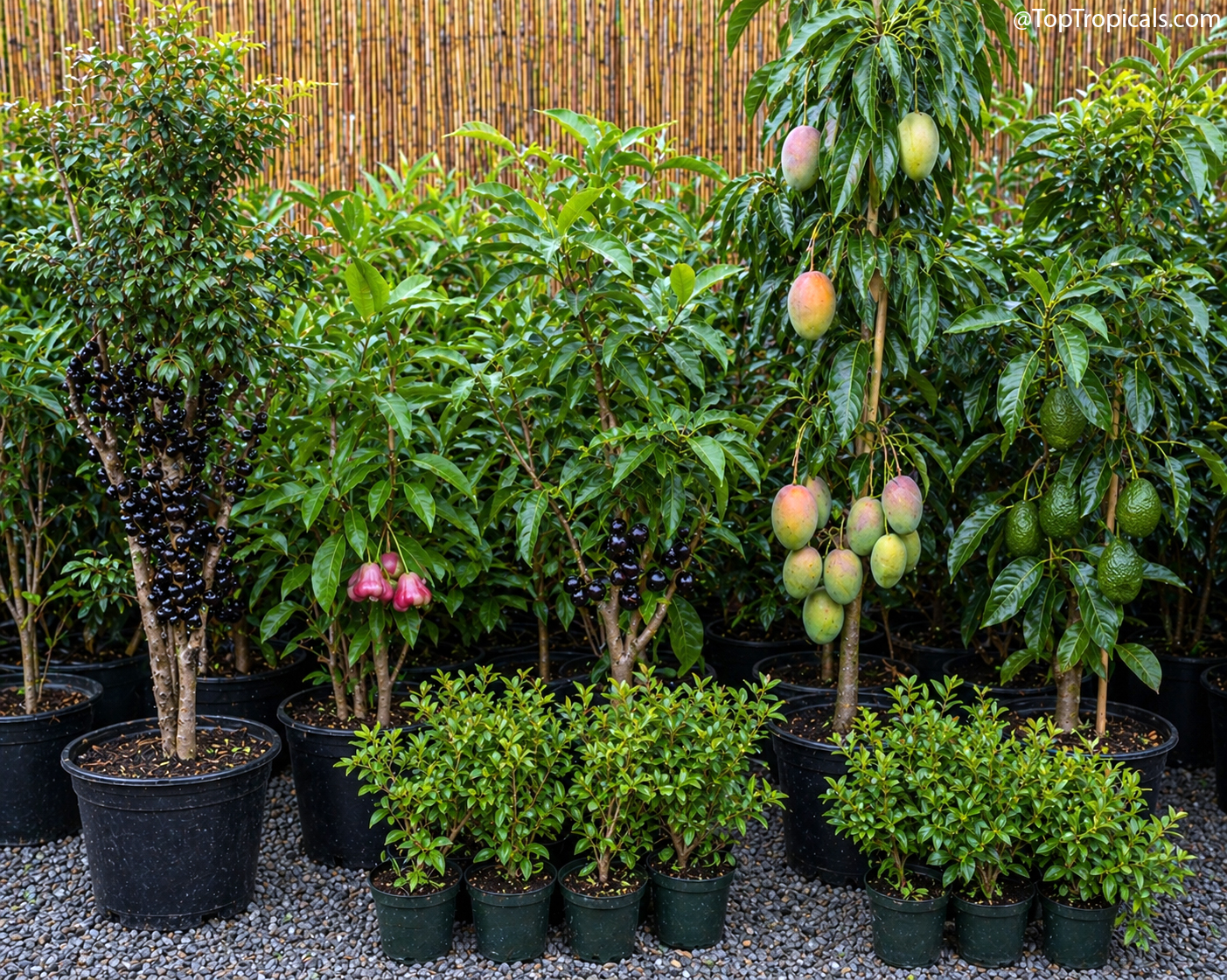
Don't forget about Avocado when planting your fruit garden!
Avocado deserves a spot at the table too. While not sweet like mango or papaya, it's packed with heart-healthy monounsaturated fats, fiber, potassium, and B vitamins. Avocado supports brain and heart health, keeps you full longer, and provides a creamy balance to any tropical fruit plate.

All three fruits are also great for weight management. They're high in fiber and water content, which slows digestion, helps you feel fuller longer, and may reduce overall calorie intake naturally.

🛒Explore Mango, Papaya, and Avocado varieties

#Food_Forest #Mango #Papaya #Remedies #Discover

🟢 Join 👉 TopTropicals

Date: 21 Oct 2025

Cassia vs Bauhinia: which is better as an everblooming container tree?

Cassia vs Bauhinia: which is better as an everblooming container tree?

🌈 Cassia vs Bauhinia: which is better as an everblooming container tree?
  • 🌸 Cassia (Senna) trees are very popular flowering trees - fast growing, free-flowering, relatively cold hardy, and they love the summer heat. Cassias come in several colors: yellow, orange, pink, red, and rainbow. Rainbow varieties (which are hybrids between yellow and pink cassias) are the most popular thanks to their multicolor blooms with swirls of yellow, pink, red, and orange. But while Rainbow Cassia is a spectacular flowering tree for southern gardens, is it a good choice for a container when you want color on your patio or pool deck?
  • 🌸 Some yellow-flowering cassias make attractive bushes that bloom most of the year and stay compact, so they can be grown as container specimens:
  • Cassia didymobotrya- Popcorn Cassia
    Senna alata - Empress Candles
    Cassia fistula - Golden Shower (a compact size winter blooming tree)
  • 🌸 When it comes to Rainbow or pink cassias such as Cassia javanica - Apple Blossom Tree or Cassia grandis- Red Cassia and other species and hybrids (Cassia marginata - Rainbow Shower Tree, Cassia roxburghii - Ceylon Senna, Cassia x nodosa - Pink Shower), these are usually more vigorous trees that may take several years to bloom. Their flowering season lasts from a few weeks to a couple of months. These trees grow moderately fast but typically need to reach about 10 feet before they start flowering.
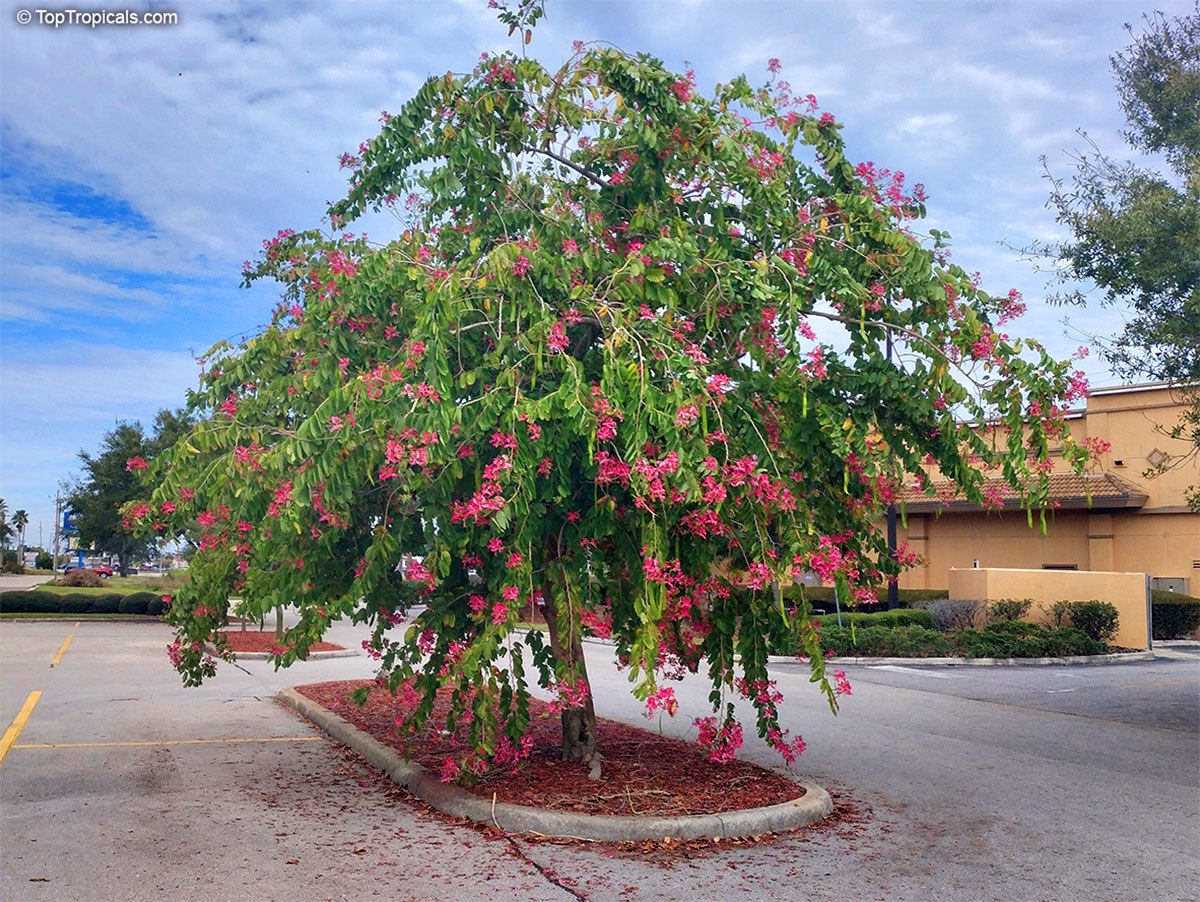
  • 🌸 So, the answer is: if you want rich, deep color year-round from a container tree, go with Bauhinias - Orchid Trees. Most varieties grow well in pots, stay compact, and reach blooming maturity within just one season. The following varieties are everblooming and can produce flowers for up to 10 months of the year:

  • Bauhinia madagascariensis - Red Dwarf Orchid Tree. Blooms from winter through fall, up to 10 months a year. The most cold-hardy of all.
  • Bauhinia blakeana - Hong Kong Orchid Tree. A large tree in the ground, but compact in pots if trimmed. Grafted trees flower right away. Winter bloomer, cold hardy to light frost.
  • Bauhinia tomentosa - Yellow Orchid Tree. Flowers from Winter through Summer, cold hardy to light frost.
  • Bauhiniamonandra - Napoleon's Plume Orchid Tree. Almost everblooming with the longest flowering period (less cold hardy than the first three).
  • Bauhinia acuminata - Dwarf White Orchid Tree. Blooms from summer through winter (also less cold hardy than the first three).


🛒 Explore Cassia trees and Bauhinias (Orchid Trees)

📚 Learn more:


#Container_Garden #Trees #How_to

🟢 Join 👉 TopTropicals

Date: 22 Oct 2025

💞 Cassia or Bauhinia?

Collage  of  Cassia  and  Senna  flowering  trees:
1  –  Cassia  bicapsularis  (Butterfly  Bush),
2  –  Cassia  x  natalensis  (Rainbow  Cassia),
3  –  Cassia  grandis  (Red  Cassia),
4  –  Cassia  didymobotrya  (Popcorn  Cassia),  similar  to  Senna  alata 
 (Empress  Candles),
5  –  Cassia  javanica  (Apple  Blossom  Tree),
6  –  Cassia  roxburghii  (Ceylon  Senna),
7  –  Cassia  fistula  (Golden  Shower  Tree),
8  –  Cassia  x  nodosa  (Pink  Shower).

Looking for a small tree that blooms like fireworks but still fits on your patio? We hear this question all the time at Top Tropicals: Cassia or Bauhinia? Both are tropical showstoppers, but they shine in very different ways.

🌞 Cassias: Sunshine Fireworks

Cassia trees are some of the most rewarding tropical bloomers you can grow. Fast-growing, free-flowering, and surprisingly cold-tolerant, they thrive in full sun and summer heat. Their bright clusters come in shades of yellow, orange, pink, red, and even multicolor blends. The famous Rainbow Cassias show swirls of coral, gold, and rose on the same tree, creating a living fireworks display.

For gardeners in warm regions, these trees become spectacular focal points in the landscape. In containers, compact yellow forms like Cassia didymobotrya (Popcorn Cassia) and Senna alata (Empress Candles) stay manageable and bloom freely through summer.

Cassias can also be grown in pots with pruning and patience. Once mature, they reward you with breathtaking color that turns any patio or pool deck into a tropical show. Most showy cassias (numbers correspond to the photos in the collage above):

  1. Cassia bicapsularis (Butterfly Bush) - is a fast-growing, low-maintenance shrub covered in bright yellow, butterfly-like blooms from fall through winter.
  2. Cassia x natalensis (Rainbow Cassia)
  3. Cassia grandis (Red cassia) - a medium size tree having profuse blooms of dark pink to crimson flowers throughout the Spring.
  4. Cassia didymobotrya (Popcorn Cassia), small tree producing golden-yellow flowers with a distinct scent of peanut butter that open from brown buds in late summer and autumn. Similar to Senna alata (Empress Candles)
  5. Cassia roxburghii (Ceylon Senna) - graceful tree with spreading, drooping branches appearing to be overweighed by its wealth of clustering red blossoms.
  6. Cassia x nodosa (Pink Shower) - is a spectacular medium-sized, fast-growing tree with cascading clusters of fragrant pink-and-white appleblossom blooms in spring and summer.
  7. Cassia fistula (Golden Shower) - to many tropical gardeners, the most beautiful of cassias with masses of bright gold flower clusters appear on almost every branch.
  8. Cassia javanica (Apple Blossom) - dazzles with dense clusters of pink-to-white blossoms that change shades as they bloom, creating a spectacular display that lasts for months.
"Cassias love the heat and sunshine," says Tatiana Anderson, Top Tropicals Plant Expert. "They are perfect for anyone who wants big bursts of color and doesn’t mind giving them space and light to grow."

👉 Explore Cassia Trees

Bauhinia Magic: Orchid-Like Blooms in a Compact Size

Collage  of  Bauhinia  orchid  trees:  top  left  –  Bauhinia  acuminata 
 (Dwarf  White  Orchid  Tree),  middle  left  –  Bauhinia  blakeana  (Hong  Kong 
 Orchid  Tree),  bottom  left  –  Bauhinia  monandra  (Napoleon’s  Plume 
 Orchid  Tree),  top  right  –  Bauhinia  madagascariensis  (Red  Dwarf  Orchid 
 Tree),  and  bottom  right  –  Bauhinia  tomentosa  (Yellow  Orchid 
 Tree)

Bauhinia orchid trees: top left – Bauhinia acuminata (Dwarf White Orchid Tree), middle left – Bauhinia blakeana (Hong Kong Orchid Tree), bottom left – Bauhinia monandra (Napoleon’s Plume Orchid Tree), top right – Bauhinia madagascariensis (Red Dwarf Orchid Tree), and bottom right – Bauhinia tomentosa (Yellow Orchid Tree)

Bauhinia trees known as Orchid Trees, bring a touch of tropical luxury to any space. Their butterfly-shaped leaves and orchid-like blossoms appear in shades of red, pink, purple, white, and yellow, often lasting up to ten months a year. Bauhinias are ideal for gardeners who want nonstop color in a manageable size. Most species grow well in large pots and bloom young, often within the first season.

The following compact varieties stay neat and flower almost continuously in warm weather:

The Hong Kong Orchid Tree is especially prized because it is sterile and produces no messy seed pods, keeping patios clean. Grafted Buhinia blakeana trees begin blooming while still small, making them perfect for containers or tight spaces.

"Bauhinias are generous bloomers," Tatiana explains. "They respond beautifully to regular feeding and full sun. If nights turn too cold, just move the pot to a sunny porch - they’ll keep their tropical charm most of the year."

Give them full sun, regular fertilizer, and a well-drained mix such as Sunshine Abundance, and they will reward you with months of vivid blooms. When nights turn too cold, simply move the pot to a sunny porch or bright window. Bauhinias adjust beautifully and keep their tropical grace year after year.

🎥 Watch Short Videos:

💲 Special Offer – 20% off Cassias and Bauhinias!

Get 20% OFF Cassias and Bauhinias with code

RAINBOW2025

Min order $100. Excluding S/H, valid online only, cannot be combined with other offers.

Hurry, offer expires October 30, 2025!

👉 Explore Bauhinias - Orchid Trees

Date: 13 Apr 2021

Healthy Plants: Q&A from Mr Booster

Why my Avocado is not flowering?

Q: I have 5 avocados. Three of your cold hardy varieties and two others that have all flowered and set fruit in the past. The last two years including this year, not a single one of them has put out any flowers. I am getting lots of new growth like one would expect on a tree too young to flower. The last two years have been very mild with out any damaging frost where in previous years they lost all their leaves due to frost yet started putting out flowers once winter was over. I am confused because they have all flowered and set fruit previous years. Any ideas would be appreciated.

A: From information you provided, and considering the trees get lots of full sun and cold was not an issue, the only explanation is - lack of nutrients. Here is an example.
Very common situation: you get a small 2-3 ft Avocado or Mango tree in 3 gal pot (or even smaller) from a nursery, full of flowers, and sometimes even a small fruit. You bring it home, plant it in the ground or a bigger pot, it looks happy and grows like crazy. Then next year - oops, no fruit, sometimes not even flowers. What happened?
When the tree lived in a nursery, it was provided with all necessary nutrients through the injector systems (continuous feed); or some nurseries may use top dress smart release on regular schedule. Regardless of fertilizer type, professional grower's set up delivers plant food non-stop, on regular basis, with balanced formulas. Plants are not only growing fast but also ready to produce, since nutrients are always available for a full growth cycle.
When you plant a tree in the ground (or larger pot), conditions change. They may be beneficial for the plant: lots of room for roots to establish, hence lots of vegetative growth. Even if you planted it using good quality fertile soil, this soil may contain mostly nutrients responsible for vegetative growth (branches and leaves). Chances are, your soil may be rich in Nitrogen (good for green growth), but poor in other elements responsible for flowering and fruiting (Phosphorous, Potassium, and many important micro-elements such as Molybdenum, Boron, Iron, etc.). Besides, existing soil gets exhausted quickly, and within a year a two, if you don't add fertilizer, flowering and fruiting may be reduced or even stopped. This is why fertilizing program is very important for fruit trees that are expected to bring a crop soon.

We recommend:

- SUNSHINE C-Cibus - Crop Nutrition Booster - balanced food for fruit trees
- SUNSHINE-Honey - sugar booster - promotes more efficient blossoming and pollination, makes flowers bigger and reduces bud drop
- SUNSHINE SuperFood - for improving fruit trees production

Also keep in mind that some fruit trees have a habit of "skipping" a year and may either produce less or not produce at all every other year. In any case, balanced nutrition program can help to fix this "bad habit".

Date: 26 Aug 2024

Top ten fast-fruiting trees

Cat  fruit  in  a  box

Q: I would like to plant several fruit trees... I am 85 years old and hope to see them fruiting soon. What fruit trees can you recommend that will fruit quickly?

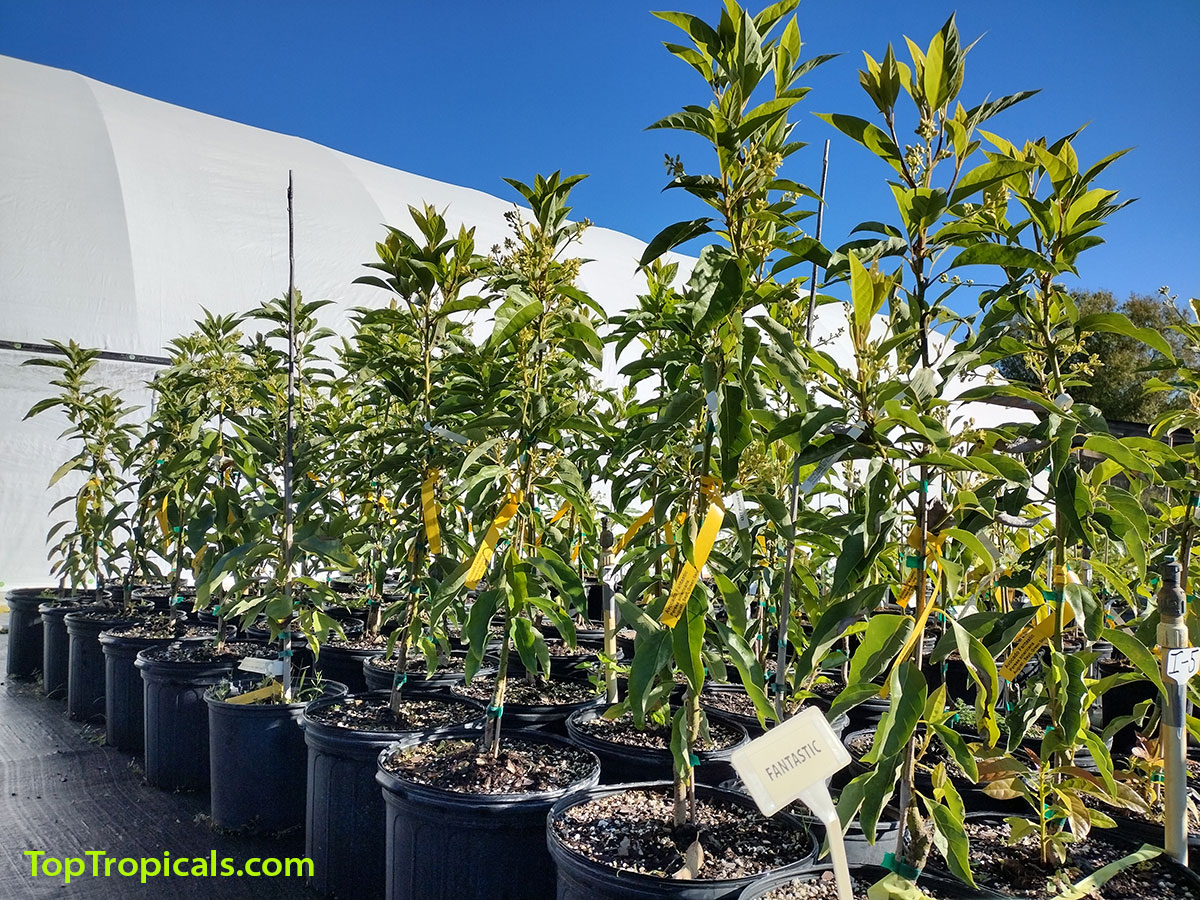
A: Most grafted fruit trees, such as Mango, Avocado, and Peaches, will fruit quickly - often within the same year or the next. There are also many wonderful tropical fruits that will produce for you within a year or two, even without the need for grafting. Below are the top 10 of most popular, most rewarding and easy to grow fast fruiting tropical trees:

1. Annona - Sugar Apple, Custard Apple.

Annona  -  Sugar  Apple,  Custard  Apple

Annonas are the fastest fruiting trees: 2-3-4 years from seed to fruit, depending on species. They are the best tropical fruit trees suited for container growing, due to their small height and can be maintained within 6-8 ft tall.

2. Guava (Psidium sp.): Cattley and Tropical guava

Guava  fruit  -  Psidium

Guava is a reliable producer, starts fruiting in a pot at small size. Some varieties, especially Cattley guavas - Psidium littorale - are relatively cold hardy and can take some frost without damage. Guavas are fast growing small trees or large bushes.

3. Eugenia - Tropical Cherries

Eugenias  -  Tropical  Cherries

Eugenias are favorites of Southern gardens. They are relatively cold hardy and start producing right away. Black Surinam Cherry Lolita and Grumichama are our favorites!

4. Barbados Cherry (Malpighia glabra)

Barbados  Cherry  -  Malpighia  glabra

Another exceptional tropical cherry is Barbados Cherry. It is super popular as a heavy producer. The plant can start fruiting when it's only a few inches tall! If you are looking for a compact, but fast growing tree with colorful fruit that starts fruiting right away - plant Barbados Cherry. It will also happily fruit in containers.

5. Eriobotrya (Eriobotrya japonica)

Loquat  -  Eriobotrya  japonica

Loquat tree is fast-growing, drought-tolerant, cold-tolerant, compact tropical fruit tree. It is a heavy producer. Fruits are juicy, aromatic, and resemble apricots. Ripen from early Spring to early Summer. Ideal for small gardens, beginner fruit tree growers.

6. Papaya (Carica papaya)

Papaya

Papaya is probably the fastest fruiting tree that can start production the same year from planting a seed. Many dwarf varieties available in selection, reaching only 6-8 ft tall, but producing large crops of full size fruit - they are easy to harvest. Plant 2-3 Papaya trees of different cultivars that fruit at different times of the year and enjoy heavy crops of healthy fruit year around! Another benefit - this tree doesn't take much space in the garden, you can plant as many as you want.

7. Mulberry (Morus hybrids)

Mulberry

Mulberry is very cold hardy and can grow in wide range of climate zones, from USDA 5 to 10. Everyone knows this sweet, tasty, juicy fruit. The tree will produce right away, you will see fruit the next season after planting, and the tree grows fast.

8. Carambola - Starfruit (Averrhoa carambola)

Carambola  -  Starfruit,  Averrhoa  carambola

Growing Carambola tree is a fun and rewarding way to enjoy this unique star-shaped delicious fruit right at home. It fruits on the 3d year from seed. The tree is easy to grow and reliable producer, providing wind protection.

9. Blackberry Jam Fruit (Randia formosa)

Blackberry  Jam  Fruit  -  Randia  formosa

Blackberry Jam Fruit, Jasmin de Rosa is a curious small evergreen tree or bush that combines features of a fragrant flower and delicious dessert fruit which tastes like fresh Blackberry jam. Fragrant white flowers are similar to Gardenia.

10. Peanut Butter Tree (Bunchosia argentea)

Peanut  Butter  Tree  -  Bunchosia  argentea

Peanut Butter Tree, earns its name from its fleshy fruits that boast a delightful peanut butter flavor. Compact in size, small tree reaching only 10-15 ft or kept as a bush, it's a perfect choice for limited spaces. Can thrive indoors, starting to fruit within just 2-3 years from seed.