Garden Blog - Top Tropicals

Date: 7 Aug 2025

Blackberry Jam Fruit - the sweetest surprise

A  tuxedo  cat  making  jam  from  Blackberry  Jam  Fruit  (Randia  formosa)  while  an  orange  cat  smiles  in  a  chair,  sipping  tea  beside  a  large  flowering  Randia  plant  in  a  cozy,  sunlit  room.

Tea and Jam with the PeopleCats – A Tropical Afternoon Beneath the Randia

Meet the cats behind the jam! The tuxedo cat is none other than Google-the-cat - our beloved elder and one of the original cat-fathers of Top Tropicals PeopleCats.garden. At 18 years old, he’s still sharp, curious, and very much in charge. The orange fluffball? He represents the universal image of cat joy - and we’ve got a few real-life orange sunshine residents just like him.

Why do you include cats in a plant newsletter?

Because they’re part of the garden. Our rescued PeopleCats live among the plants, nap under the mango trees, inspect new arrivals, and occasionally steal a sunspot meant for seedlings. They’re not mascots — they’re part of our team. Sharing their presence is like showing a part of the soul of our space.🐈

Are the cat images real or AI-generated?

All our cats are real! We take lots of pictures and videos. And a few images are AI-generated illustrations inspired by our real PeopleCats.garden residents. While not literal photographs, they are creative interpretations that capture the spirit of our tropical home and its furry citizens.🐾

Are the stories about the cats true?

Mostly! The jam-making, tea-drinking, and greenhouse meetings are creative interpretations - but inspired by real personalities. We use AI scenes to bring their spirit to life. Real cats. Real plants. Imagined adventures.🐱

Watch Top Tropicals videos about PeopleCats

Shop Blackberry Jam Plants

Date: 17 Nov 2025

Pram Kai Mai: a sweeter twist on Nam Doc Mai with a story - Mango Rainbow

Pram Kai Mai Mango crop in a basket

Pram Kai Mai Mango crop in a basket

Pram Kai Mai Mango

Pram Kai Mai Mango

🥭 Pram Kai Mai: a sweeter twist on Nam Doc Mai with a story - Mango Rainbow🌈
  • 🟡Why mango collectors chase after Pram Kai Mai?
  • Pram Kai Mai is like Nam Doc Mai’s cooler cousin - with even better flavor. This Thai mango can be eaten green when it’s sweet and crispy, or fully ripe when it turns golden and silky. No fiber, just smooth, juicy flesh and a tropical aroma that hits you as soon as you slice it. It’s semi-dwarf, great for pots, and some trees even fruit more than once a year. Rare, compact, and loaded with flavor - this one’s a collector’s dream.
  • 🟡Pram Kai Mai is a Thai dessert mango known for its gentle sweetness and smooth, almost fiberless flesh. The name appears in several spellings - Pram Kai Mai, Pram Kai Mea, Pram Kai Mia, Prom Ki Mia, and even Brahm Kai Meu - all referring to the same variety.
  • 🟡If we break down the original Thai name พร้ามกายเมีย (Brahm/Pram/Prom Kai Mea/Mai/Mia) literally: Brahm / Pram / Prom relates to "noble, elevated, precious".

กาย - Kai means body
เมีย - Mia means wife
But no one in Thailand interprets this name word-for-word.
In mango names, this construction works as a cultural compliment, a gentle metaphor. The meaning is closer to:
"A mango so good you would save it for the one you love most."
or "A fruit worthy of a beloved wife".
Similar to how in other languages we may call something "royal", "special", or "meant for someone dear", this name is simply expressing admiration.

And the fruit truly matches that feeling. It is fragrant and sweet, with soft tender flesh. It can be enjoyed while still crisp and green, when its flavor is clean and refreshing, or fully ripe, when it becomes rich and smooth, almost melting on the tongue.

🛒 Shop Mango varieties

📚 Learn more: #Mango_Rainbow - varieties you should try

#Food_Forest #Mango #Mango_Rainbow

🟢 Join 👉 TopTropicals

Date: 18 Nov 2025

This giant red stared right back at me

Disocactus ackermanni, Red Orchid Cactus, Jungle Cactus

👹 This giant red stared right back at me

  • 🌺 Disocactus ackermanni, also called the Red Orchid Cactus, or Jungle Cactus - is one of those plants that surprises you even when you already know it well. It grows like a tropical fern, with flat, leaflike stems that hang and drape from a basket. Most of the year it looks calm and green. Then, without much warning, it opens a single huge, bright red flower that can reach up to 6 inches wide. The color is intense, almost glowing, and the bloom only lasts a short time, which makes it even more special.
  • 🌺 Despite being a cactus, it behaves nothing like a desert plant. This species is native to the tropical forests of Mexico, where it grows as an epiphyte in trees. It prefers shade or filtered light, and it enjoys regular watering. No spines, no trouble, just a very unusual growth habit and a spectacular bloom.
  • 🌺 The plant usually flowers from spring through summer, sometimes offering more than one flush. When it does, it always steals attention, and it is one of those plants visitors immediately point at and ask about. This makes it a favorite among collectors of epiphytic cacti and unusual hanging plants.
  • 🌺 If you grow it in a hanging basket and give it bright shade, humidity, and consistent moisture, it rewards you with one of the most striking red flowers you will ever see!


🛒 Add Red Orchid Cactus to your collection

📚 Learn more:


Red Orchid Cactus puts out the biggest bloom show
More epiphytic jungle cacti:
Epiphyllum oxypetalum - Queen of the Night
Pseudorhipsalis (Wittia) amazonica - Blue Flame
Epiphyllum guatemalense Monstrosa - Orchid Cactus, Curly Locks

#Container_Garden #Shade_Garden #Nature_Wonders

🟢 Join 👉 TopTropicals

Date: 21 Nov 2025

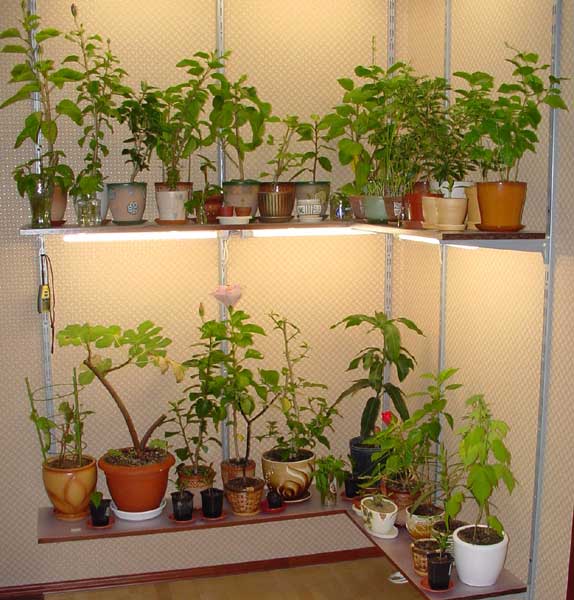
How to keep your house plants beautiful all year by feeding them right

Indoor garden

Indoor garden

🍀 How to keep your house plants beautiful all year by feeding them right

  • 🌱 Healthy house plants are not just about light and water. They need food, just like we do. A good fertilizer routine keeps them green, strong, and blooming through every season. Here is a simple guide to feeding indoor plants the right way.
  • 🌱 General rules for fertilizing house plants


  • ▪️Feed lightly but regularly. Indoor plants grow in limited soil, so nutrients run out faster. Small, frequent feedings work better than one heavy dose.
  • ▪️Never fertilize dry soil. Water first, then feed.
  • ▪️Reduce feeding in winter when growth slows.
  • ▪️Watch your leaves. Pale, yellow, or slow-growing plants are asking for nutrients.
  • ▪️Use a complete formula. House plants need both macro-elements (N-P-K) and micro-elements, not just nitrogen.


🌱 What fertilizer to use


Sunshine Boosters - the everyday diet.
Sunshine Boosters are simple, balanced liquid fertilizers you mix with water. They give your plants everything they need for steady, healthy growth. They contain the right blend of nitrogen, phosphorus, potassium, and trace minerals. They do not contain harsh chemicals, so they are safe for homes with pets and kids. Regular use keeps plants growing faster, stronger, and more resilient to stress.

Sunshine Superfood - the vitamin supplement.
If a plant turns yellow or looks weak, it often needs micronutrients. These are the plant version of vitamins, including iron, zinc, copper, and manganese. Sunshine Superfood delivers these quickly and in the right proportions. Mix it with water and apply when you notice yellowing or slow growth. It corrects deficiencies fast and keeps leaves lush and green.

Green Magic - the long-term slow feeder.
Green Magic is a controlled-release fertilizer that works for six months. It uses poly-on coating technology to release nutrients slowly, without burning roots. It is perfect for repotting or for plant owners who want a set-it-and-forget-it option. Mix one teaspoon per gallon of soil during repotting or every six months. Excellent for container fruit trees and ornamentals that need steady feeding.

🌱 The simple routine

  • ▪️For regular watering: use Sunshine Boosters.
  • ▪️Once a month: add Sunshine Superfood to prevent yellowing.
  • ▪️Every six months: mix Green Magic into the soil for long-term support.

With the right diet, your house plants stay green, strong, and beautiful year-round. Feed them well, and they reward you every day.

📸 In the photo: Indoor garden of Marina Rybka, Israel, the Editor of TopTropicals.

🛒 Get your plants some food

📚 Learn more:
📱 What are Sunshine Boosters

#Fertilizers #How_to
🟢 Join 👉 TopTropicals

Date: 30 Nov 2025

Sugar apple spoon mash: quick-n-fun exotic recipes

Sugar apple spoon mash recipe

Sugar apple spoon mash recipe

Annona squamosa - Sugar Apple, fruit

Annona squamosa - Sugar Apple, fruit

🍴 Sugar apple spoon mash: quick-n-fun exotic recipes

  • 🟢Scoop out ripe Sugar Apple flesh and mash lightly with a fork, removing seeds as you go.
  • 🟢Stir in a splash of chilled coconut milk.
  • 🟢Serve it half-frozen like a tropical slush, eaten straight from the bowl.

Sugar Apple Spoon Mash

Ingredients

  • 1 ripe Sugar Apple (Annona squamosa)
  • 2 to 3 tbsp chilled coconut milk

Instructions

  1. Scoop out the ripe Sugar Apple flesh and remove all seeds.
  2. Mash the pulp lightly with a fork.
  3. Stir in the chilled coconut milk.
  4. Serve immediately or half-freeze for a tropical slush.

🛒 Grow Sugar Apples - in containers or in the ground

📚 Learn more:

Plant Facts

Annona squamosa
Sugar Apple, Custard Apple, Sweetsop-Anon, Sweetsop, Atis, Sitafal, Seetha Payam, Araticum, Sharifa
USDA Zone: 9-11
Small tree 10-20 ftSemi-shadeFull sunModerate waterEdible plantDeciduous plantFragrant plant

#Food_Forest #Recipes

🟢 Join 👉 TopTropicals