Garden Blog - Top Tropicals

Date: 11 Jun 2025

Why every collector wants the Gothic Black Dragon Anthurium

Black Dragon Anthurium

🐉 Why every collector wants the Gothic Black Dragon Anthurium


🌑
A living shadow
Anthurium Black Dragon is one of the most prized centerpieces of the Top Tropicals plant collection. This rare and exotic hybrid is celebrated for its deep, dark foliage that looks as if it were painted with charcoal or ink. It belongs to the coveted "dark foliage" group of anthuriums - a favorite among collectors for its dramatic, gothic elegance.

🌑 It changes color with light
This plant changes color like magic! What sets Black Dragon apart is its ability to transform. In bright filtered light, the leaves darken dramatically - almost jet black. But in lower light, they fade to a mysterious greenish-maroon. It's like having two plants in one, depending on how you position it.

🌑 Its spadix and spathe are weapons of style
Unlike many anthuriums that flaunt bright reds or whites, Black Dragon keeps it sleek and sinister with a brown spadix and dark-brown spathe - adding a sense of surreal drama when it flowers. But wait to see the real show when is sets fruit - cascades of bright red berries!

🌑 Tropical but tough
Though exotic-looking, it's surprisingly resilient. With the right humidity and warmth (typical of most anthuriums), it's a slow but steady grower - ideal for collectors who want something dramatic yet manageable indoors.

🌑 A collector's hybrid, not found in the wild
Black Dragon is likely a man-made hybrid created by crossbreeding dark-leaved species like Anthurium watermaliense or Anthurium forgetii. It doesn’t grow in the wild, which makes it even more of a sought-after trophy in aroids circles.

🛒 Get your own Black Dragon

📚 Learn more:


The most unique plant in your collection

#Container_Garden #Shade_Garden #Nature_Wonders

🟢 Join 👉 TopTropicals
Date: 10 Jun 2025

Bleeding Heart Vine surprised everyone this year!

Bleeding Heart Vine - Clerodendrum thomsoniae

💞 Bleeding Heart Vine surprised everyone this year!


❣️ Bleeding Heart Vine (Clerodendrum thomsoniae) is not just a winter bloomer! Despite the common belief that it blooms only in winter, this beauty actually flowers year-round in warm climates, putting on a continuous display of red and white "hearts". It bloomed in winter, then in spring, and now - it's a summertime - it is still full of flowers!

❣️ The "bleeding heart" look comes from the striking contrast between the white calyx and the deep red flower inside - like a heart bursting with color.

❣️ It's a vigorous vine, perfect for trellises, arbors, or containers. It can even be trained as a shrub!

❣️ Grows best in bright filtered light or partial sun, and appreciates regular watering - but it's not fussy.

❣️ Pollinator magnet! The blooms attract hummingbirds and butterflies, adding motion and life to your garden.

❣️ Tough and tropical - i'’s hardy, low maintenance, and stays evergreen in frost-free areas.

❣️ It's not shy, not seasonal, and definitely not boring!

📚 Learn more from previous posts:


💋When is the season for the Bleeding Hearts
💋Bleeding Heart Vine

🛒Get your own Bleeding Heart

#Butterfly_Plants #Shade_Garden #Fun_Facts #Hedges_with_benefits #Container_Garden

🔴 Join 👉 TopTropicals

Date: 16 Jun 2025

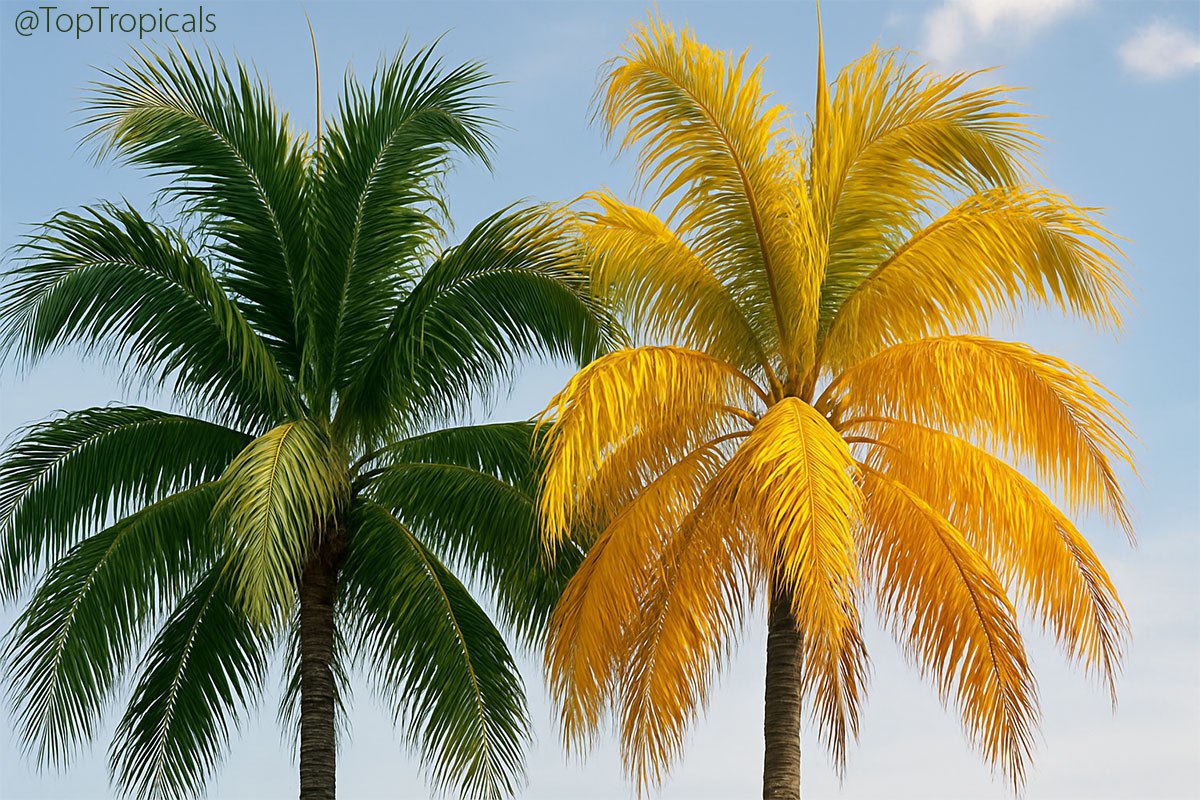
Why is my palm tree turning yellow?

Green and yellow palm

Green and yellow palm

🌴 Why is my palm tree turning yellow?


Yellowing leaves are a common concern with palms and can be a sign of several issues, most commonly: nutrient deficiency and pests or disease. Additionally, leaf yellowing may be a sign off overwatering or poor drainage, underwatering, or cold damage.

✔️ Nutrient deficiency


Nutrient deficiency is the most frequent cause of palm issues. Palms are heavy feeders, and even a slight imbalance can lead to yellowing. Lack of nitrogen, magnesium, iron, or potassium is the leading cause.

✔️ Signs of nutrient deficiencies:


Magnesium and Iron deficiency is one of the top culprits, especially in sandy soils. It causes older fronds to turn yellow with green veins.
Potassium deficiency causes yellow or orange spots on older fronds.
Nitrogen deficiency leads to overall pale yellowing, especially in new growth.

✔️ How to fix?


Use a slow-release fertilizer with high Nitrogen content, like Green Magic, that includes all these elements; with 16-6-11 grade and 6 months release, it turns plants green very quickly! You can also use a balanced liquid fertilizer like Sunshine Robusta. Additionally, a supplement of magnesium sulfate (Epsom salt) and micro-element supplement containing chelated Iron can help, like Sunshine Superfood (amino-acid based natural product).

✔️ Pests and Diseases


Pests and fungal diseases can lead to yellowing. Check for signs of scale, mites, or fungal and bacterial problems, especially if yellowing is uneven or spotted.

✔️ Signs of pests:


Thrips cause silvery-yellow streaks or mottling
Spider mites, especially in dry conditions, cause yellow speckling
Scale insects can suck sap and weaken fronds
Mealybugs often found in leaf bases and crowns

✔️ How to fix?


Inspect your palm regularly and treat pests early with neem oil, insecticidal soap, or horticultural oil.

✔️ Lethal yellowing


Lethal yellowing is a serious disease caused by a phytoplasma, a type of bacteria-like organism. It affecting mostly Coconut palms and some other species like Phoenix (Date) palms. It causes premature fruit drop, yellowing of fronds starting from the lower ones, and eventual death of the tree.

✔️ How to fix?


Unfortunately, there's no cure, but early removal of infected trees can slow the spread. Disease-resistant coconut varieties are available.

✔️ Other causes


Overwatering or Poor Drainage: Too much water can suffocate roots and lead to yellowing. Make sure the soil drains well and let it dry slightly between waterings.
Underwatering: Dry soil for too long will stress the palm. Water deeply but infrequently.
Cold Damage: Exposure to cold temperatures can turn fronds yellow or brown, especially in tropical varieties.

✔️In most cases, leaf yellowing isn't fatal, but it's a sign your palm needs attention. Focus on balanced feeding, proper watering, and pest checks to keep your palm healthy and green. Trim only fully dead fronds - yellow ones still provide nutrients to the palm. With proper care, your palm should green up again.

🛒 Shop garden supplies

#How_to #Fertilizers

🟢 Join 👉 TopTropicals

Date: 19 Jun 2025

One look and youre hooked: Macaranga!

Macaranga grandifolia - Elephant Ear Tree

One look and you're hooked: Macaranga!

🐸


🐘 These leaves are bigger than your head!
Macaranga grandifolia – the Elephant Ear Tree - came from Hawaii. It has leaves so huge, they look like elephant ears or jungle umbrellas! Each one can grow over a foot wide, with a glossy, rounded shape that's pure eye candy.

🐘 Macaranga is easy to grow - perfect for a frost-free garden or in a big pot.

🐘 Macaranga is a real conversation starter. It looks like something straight out of a rainforest dream. Big, bold, and totally tropical! Fast-growing, it brings that lush, exotic vibe instantly to your garden.

🐘 Hard to find, super cool, and ridiculously showy - you’ll want this beauty front and center. Once you see it, you have to have it!

🛒 Get your giant leaves - Elephant Ear from Hawaii

#Nature_Wonders #Trees

🟢 Join 👉 TopTropicals

Date: 20 Jun 2025

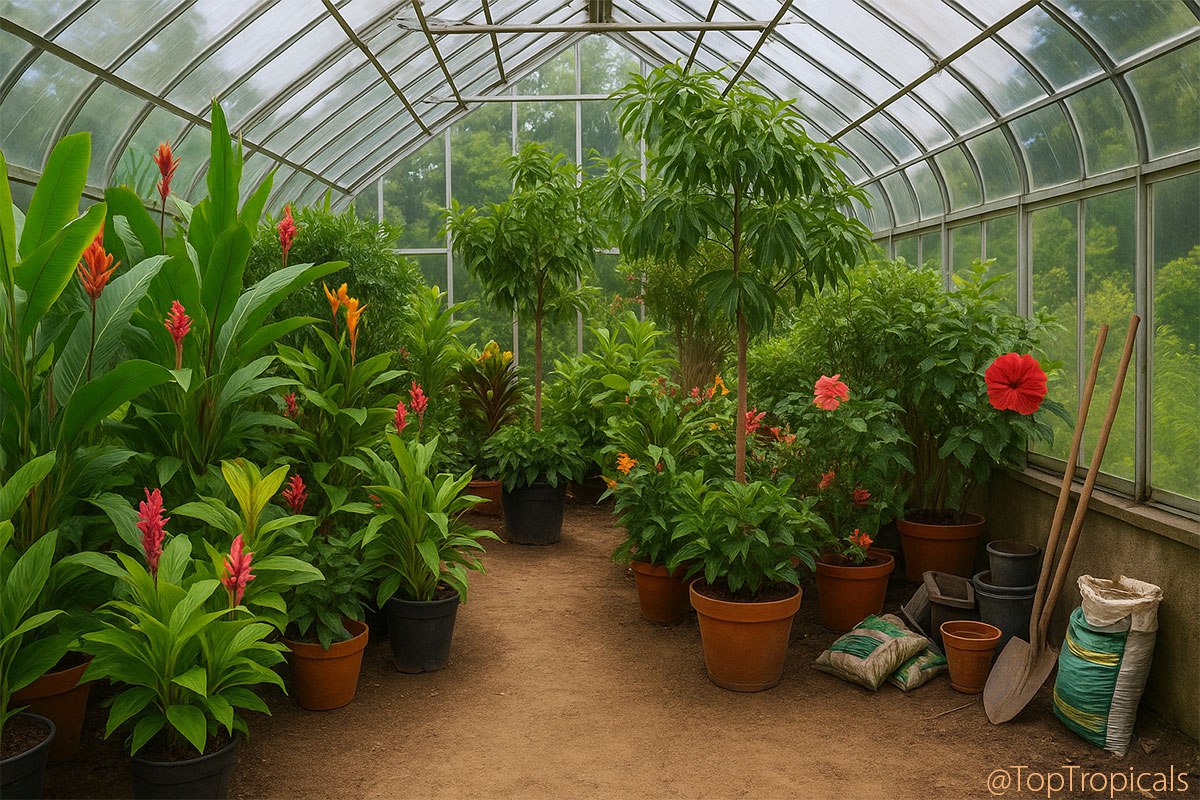
Ten common greenhouse mistakes and how to avoid them

Greenhouse with tropical plants

Greenhouse with tropical plants

🏠 Ten common greenhouse mistakes and how to avoid them


1. Overwatering


It's easy to overwater in a controlled environment. Many greenhouse plants need less water than you think. Overwatering can lead to root rot, yellowing leaves, and fungal issues. Monitor soil moisture regularly and adjust watering based on the plant type, season, and current weather conditions.

2. Not enough light


Don’t block too much light - plants need full-spectrum light to thrive. Most greenhouse plants require as much light as possible to ensure healthy, vigorous growth. Lack of light causes leggy, weak plants and increases the risk of disease, pests, and fungal problems.

3. Too much of sun and heat


Greenhouses with plastic covers can trap intense heat, and during sunny afternoons, plants may get “cooked”. Direct sunlight can quickly overheat and damage foliage. Use shade cloth during the hottest months or to protect light-sensitive plants and prevent heat stress.

4. Overcrowding plants


Packing in too many plants reduces airflow, creating ideal conditions for disease and pest outbreaks. Give each plant enough space to breathe, grow, and receive light. Proper spacing also makes pest control and maintenance easier.

5. Poor ventilation


Lack of airflow leads to overheating, humidity buildup, fungal disease, and weak growth. Use fans, roof vents, or roll-up sides to improve circulation and maintain healthy growing conditions.

6. Skipping pest inspections


Greenhouses can trap pests in an ideal environment. Check plants regularly for aphids, spider mites, whiteflies, and fungus. Use systemic insecticides or organic treatments like neem oil at the first sign of trouble.

7. No consistent schedule


Inconsistent watering, feeding, and lighting can stress your plants and reduce productivity. Set a simple routine, and monitor conditions daily - even a quick walkthrough helps catch problems early.

8. Neglecting temperature and humidity control


Temperature and humidity can fluctuate dramatically between day and night. Use a thermometer (preferably with max/min memory) and a hygrometer to track conditions. Install heaters, shade cloth, misting systems, or dehumidifiers as needed.
Modern WiFi-based sensors that monitor temperature and humidity 24/7 are convenient tools - you can keep tabs on your greenhouse right from your smartphone.

9. Recycling old soil


Avoid reusing soil from plants that died, as it may harbor root diseases or pests. Always use fresh, high-quality soil for new plantings. Don't cut corners - healthy soil is key to healthy plants.

10. Dirty tools, containers, and covers


Reusing dirty pots or tools spreads disease. Clean and disinfect containers, trays, and tools regularly. Use a diluted bleach solution to clean clear plastic or ground covers if they show mold or algae buildup.

#How_to

🟢 Join 👉 TopTropicals