Cat Christmas Fairy Tale: how to collapse a Christmas Tree
Cat Christmas Fairy Tale: how to collapse a Christmas Tree
🎄 Merry Christmas, everyone!
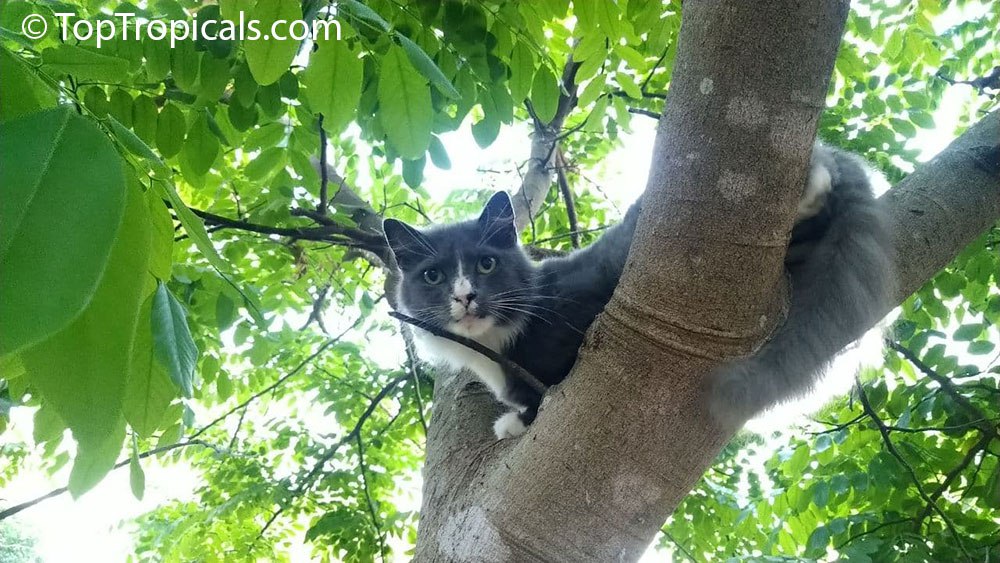
May your pets be as helpful and productive this season as our #PeopleCats at TopTropicals!
🔴 Whether it's "redecorating" the tree, "reorganizing" the ornaments, or "stress testing" the branches, they're always full of holiday cheer... and a little chaos! 🐾
Carefree
Garden:
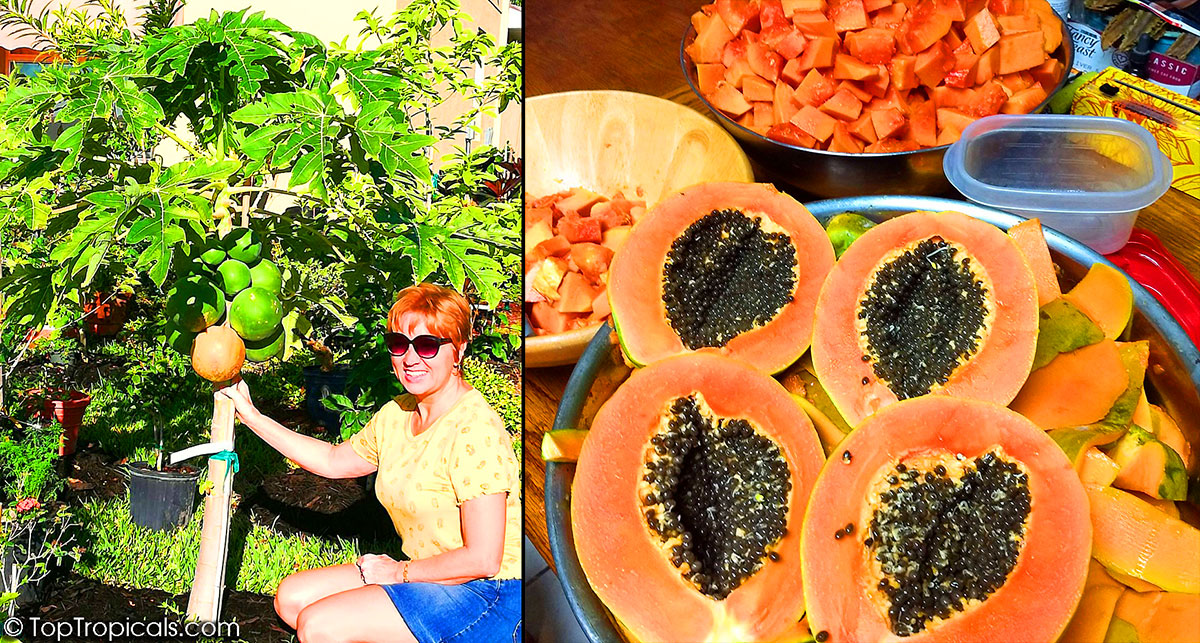
How easy is it to grow a Papaya tree?
Q: What is the easiest to grow fruit tree? It
must tolerate, heat, rains, and hurricanes! I live in Florida.
A:Papaya is the easiest to grow fruit tree. In our garden in Florida,
newly planted Papaya trees survived several hurricanes, frosts, drought and
heat, and keep producing year around!
We all enjoy eating Papaya fruit every day. It is great for digestion
and is a perfect naturally sweet, healthy snack. Even our PeopleCats love
Papaya. Check out this short video
how our cat Cash is begging for his daily Papaya treat!
Not a tree: Papaya is technically a giant herb with a single,
straight trunk that can grow up to 30 feet tall.
Gender flexible: Papaya plants can change their gender based on
environmental conditions. This complex mechanism ensures better
adaptability.
Cold and wind resistant: Papayas can withstand light freezes and
strong winds, making them surprisingly hardy for a tropical plant.
Solo cultivars: These smaller, round or oval papayas are
incredibly sweet and less susceptible to fruit flies.
How to grow a Papaya Tree: Practical Guide
Papaya is one of the fastest fruiting plants to grow. Often starting
production the same year from planting a seed, papayas are ideal for gardeners
seeking quick rewards. Many dwarf varieties reach only 6-8 feet tall, yet produce
large crops of full-sized fruit that are easy to harvest. Papaya trees are
space-efficient, making it possible to plant multiple trees in even small
gardens. Plant 2-3 different cultivars to enjoy year-round harvests of healthy,
delicious fruit.
How Easy Are Papaya Trees to Grow?
Papaya trees are exceptionally easy to grow. Technically a large herbaceous
plant rather than a true tree, they are resilient and adaptable. They can
tolerate light freezes and even hurricane winds without significant damage.
Additionally, many varieties are self-fertile, but planting multiple trees
encourages better pollination and higher yields.
What Light Levels and Soil Types Are Ideal?
Papayas thrive in full sunlight, so choose a sunny spot in your garden or
balcony. They prefer well-draining, fertile soil enriched with organic matter.
Add compost or manure to improve soil quality and ensure healthy growth.
Avoid waterlogged areas as papayas are sensitive to standing water.
How Much Watering Is Required?
Papayas need some watering to thrive, especially during the growing and
fruiting seasons. Water deeply once or twice a week, depending on your climate,
ensuring the soil remains moist but not waterlogged. Mulching around the base
helps retain moisture and regulate soil temperature.
Growing Papayas in Containers
Papayas can be successfully grown in large containers, making them ideal
for gardeners in cooler regions or those with limited space. Choose a container
at least 7 gallons in size with good drainage. Use a rich, well-draining
potting mix, and place the container in a sunny location. Select dwarf varieties
to keep the plant manageable and productive.
Health Benefits of Papaya
Papaya is considered a superfood due to its high nutritional value. Rich in
the enzyme papain, it aids digestion and promotes gut health. Papaya is also
an excellent source of vitamins A, C, and E, as well as antioxidants that
boost immunity and overall wellness. Additionally, papaya leaves can be used as
wraps for cooking meats, naturally tenderizing them.
Papayas are a low-maintenance, high-reward addition to a Southern garden
or greenhouse collection, whether in the ground or in a container. Their
fast growth, year-round fruiting potential, and health benefits make them a
must-have for gardeners and fruit enthusiasts alike.
😂 Cut it open, scoop out the seeds (they're not part of the fun), peel off the skin, and chop it up. Now enjoy the tropical sweetness – no passport required!
🎥 Or, if you are desperate and have no time for prep – do it like Cash in the video!
♒️ 😵 What is your cat's Zodiac sign?
Cat Horoscope - Aquarius Cats 1/20 - 2/18
❓ How to know the astrological sign of your cat? It can be determined by either their date of birth or adoption, as adoption is often considered a second birth for cats.
✨ You can discover the astrological traits that describe the cat, such as their independence, diva-like tendencies, sense of humor, intelligence, and more.
✨ It's also important to consider the astrological relationship between cats and plants...
♒️ Aquarius Zodiac Cats are:
▪️most popular, central figure in their community
▪️friendly, social networkers among various species
▪️intelligent, creative, and playful
▪️loyal but sometimes aloof for emotional self-care
▪️finds peace in secluded, grassy, fragrant spots
▪️forgivable mischief and crumpled flowers
▪️prefers herbaceous perennials, mild-scented shrubs, and soft-leaved plants
♑️ 😵 What is your cat's Zodiac sign?
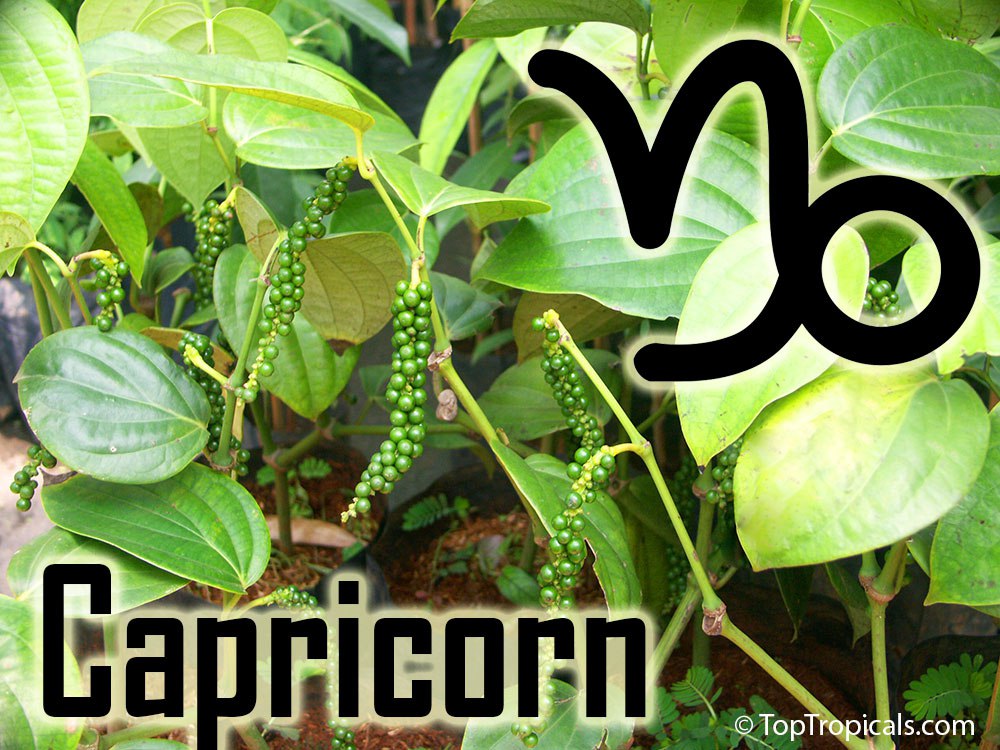
Cat Horoscope - Capricorn Cats 12/22-1/19
❓ How to know the astrological sign of your cat? It can be determined by either their date of birth or adoption, as adoption is often considered a second birth for cats.
✨ You can discover the astrological traits that describe the cat, such as their independence, diva-like tendencies, sense of humor, intelligence, and more.
✨ It's also important to consider the astrological relationship between cats and plants...
♑️ Capricorn Zodiac Cats are:
▪️busy, adventurous climbers
▪️mature into wise and practical felines
▪️serious about grooming and etiquette
▪️skilled hunters, protectors, and helpers
▪️loves garden trees and woody vines for scratching and napping