Garden Blog - Top Tropicals

Date: 1 Jan 2026

Happy New Year, fellow gardeners!

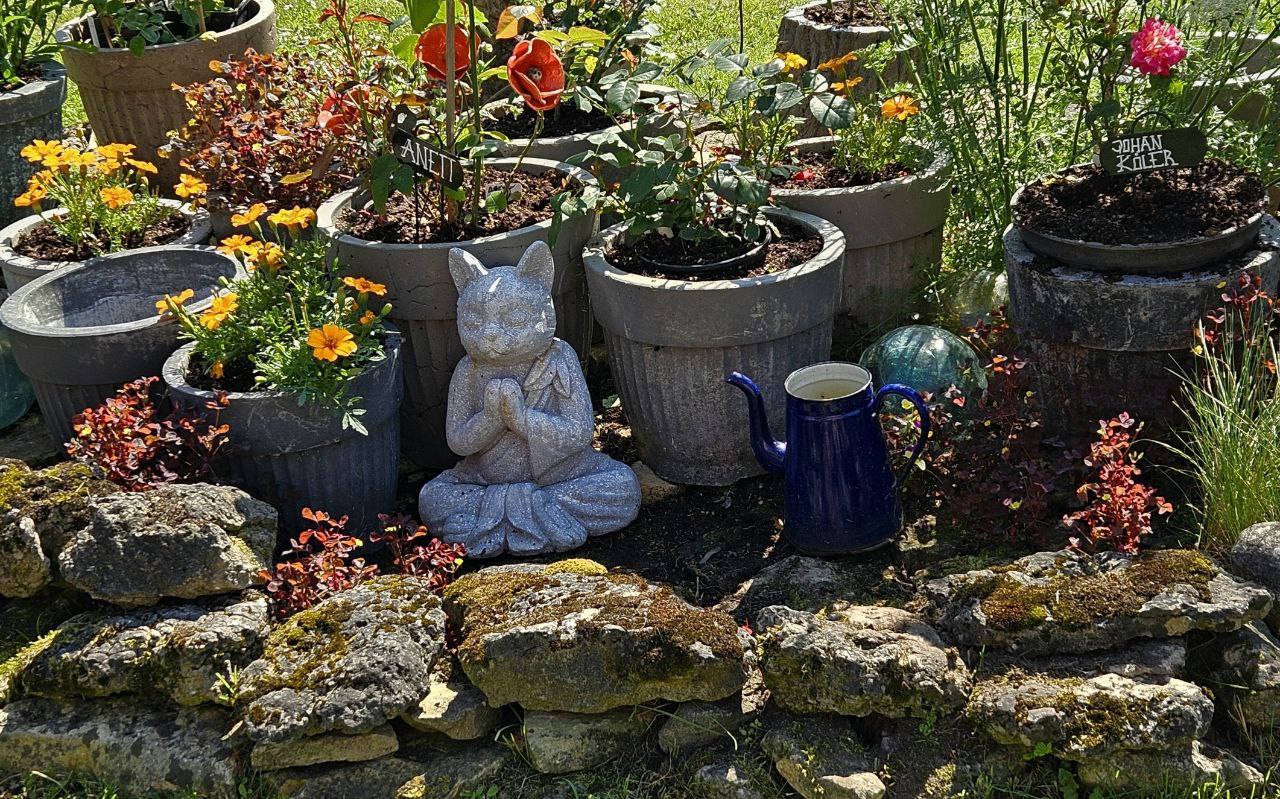
New year garden pots and meditating Buddha cat

New year garden pots and meditating Buddha cat

🎊 Happy New Year, fellow gardeners!


As we step into a fresh year, we want to thank you for being part of our little tropical corner of the world.

May your garden be full of new leaves, surprise blooms, and plants that thrive beyond expectations.

May your hands get a little dirty, your heart stay light, and your days be brightened by greenery, flowers, and a few curious cats supervising every step.

Here is to another year of growing, learning, and enjoying the simple joy of life in the garden.


🟢 Join 👉 TopTropicals

Date: 31 Dec 2025

How to create privacy in your yard fast

Tropical Hydrangea - Dombeya x wallichii

🌸 How to create privacy in your yard fast


🌸 Tropical Hydrangea - Dombeya x wallichii - really shines, if you need privacy in your garden fast!

🌸 Dombeya is the fastest-growing flowering shrub you can plant. In just one season, it can turn an open space into a thick, leafy privacy screen. Large, heart-shaped tropical leaves fill in quickly, creating solid coverage long before slower hedges even get started.

🌸 The bonus comes in winter, when the plant is covered in big, soft pink, hydrangea-like flower clusters that also attract bees and pollinators. It loves water and handles wet spots with ease, making it a great choice for Florida gardens and rainy summers.

🌸 If you are looking for a fast, flowering solution for privacy in your garden, Dombeya is your hedge with benefits!

🛒 Plant Dombeya today and get pricacy right away

📚 Learn more:

Pink Ball Tree Plant Facts

Botanical name: Dombeya wallichii, Dombeya x cayeuxii
Also known as: Pink Ball Tree, Tropical Hydrangea
USDA Zone: 9 - 11
Highligths Large shrub 5-10 ft tallSmall tree 10-20 ftFull sunWatering: Moderate. Water when top soil feels dryPink flowersPlant attracts butterflies, hummingbirdsFragrant plant
Get personalized tips for your region

Dombeya x wallichii in Plant Encyclopedia
What is the most popular Winter-flowering shrub?
13 festive shrubs with bright flowers that bring color to your Winter Garden when everything else is dormant

#Hedges_with_benefits #Butterfly_Plants

🟢 Join 👉 TopTropicals

Date: 9 Jan 2026

Expended effort

Cat Persephone

Cat Persephone

🌳 Expended effort


"A garden requires patient labor and attention. Plants do not grow merely to satisfy ambitions or to fulfill good intentions. They thrive because someone expended effort on them." - Liberty Hyde Bailey

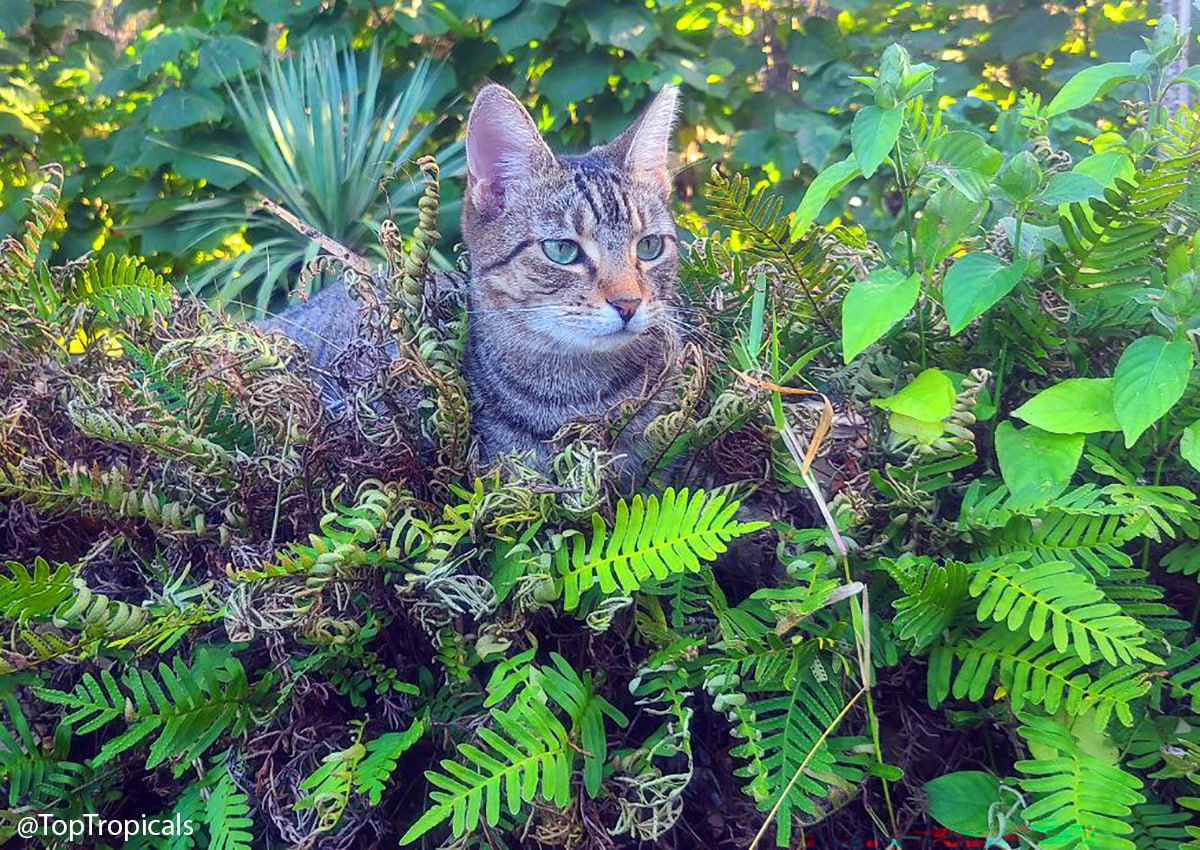
🐈📸 Cat Persephone, one of the garden watchers at PeopleCats.Garden 

#PeopleCats #Quotes

🟢 Join 👉 TopTropicals

Date: 24 Jun 2018

Cold hardy tropical fruit trees for Luisiana

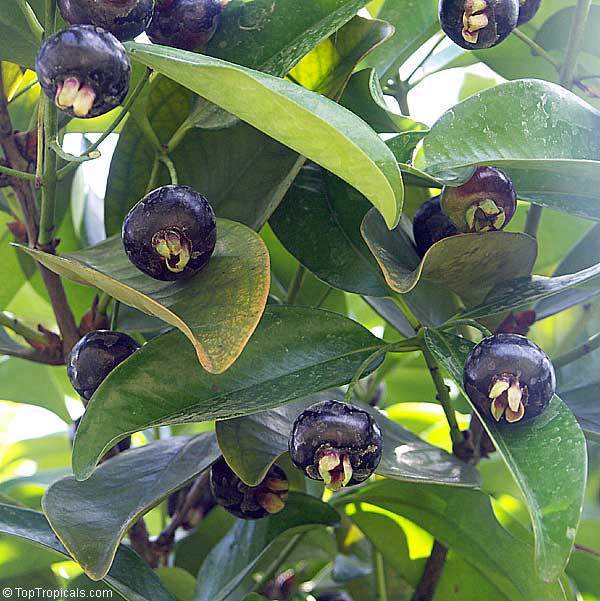
Q: I've just moved to Louisiana and have been wondering whether it would make sense to plant some tropical fruit trees in our garden. Average lows in New Orleans are 41 deg F in January and February, although we did hit 25 once with the Arctic vortex. I'm interested in litchi, longan, rambutans, and persimmons. Do you have varieties that can tolerate Louisiana's temperature range? I'd love mangosteen but I don't suppose they will survive. Do you have any suggestions on tropical fruit trees that I could try?

A: Average temperatures are for statistics only; it is actual temperatures that may hurt your cold sensitive plant. This is what you should keep in mind when starting your tropical fruit collection:
1) Ultra-tropical plants like Rambutan can not survive winters below 45-50F. However, they can be successfully grown in containers in a greenhouse or moved indoors into a sun room during cold periods.
2) Tropical plants like Litchi and Longan may take some light frost once established. Still, for areas with freeze our advice is - keep them in pots and move inside in case of cold.
3) There is a number of subtropical fruit trees that are hardy enough to take some freeze. Persimmon, Feijoa, Fig, Cattley Guava, Jujube, Kiwi, some Eugenias and others. Please refer to our Tropical Fruit Sensitivity Chart.
4) Remember that plant's ability to survive winter depends on several factors, not only temperature itself. Important factors are: wind protection (chill wind kills rather than low temperature itself), exposure, how close the tree is planted to the house, plant maturity and its overall strength and health. If a plant had received good nutrients during summer, has well established root system, planted in enclosed area protected from winds and has plenty of bright sunlight - it has better chances to survive than a weak plant in warmer conditions.
5) Use SUNSHINE plant boosters for improving cold tolerance of your tropical plant. It only takes a few drops, and only costs $5!
Date: 21 Jan 2017

Growing a coconut palm

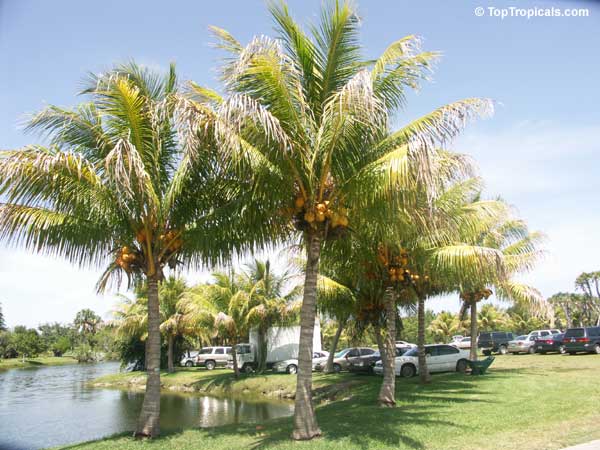
Q: I love your Facebook section "ask the Gardener"! I received a coconut palm from a neighbor four years ago. It sprouted naturally from seed. We moved it to a location where it gets morning/ early afternoon sun in my yard. It hasn't grown. No, really. I've fertilized it, water it, what gives?! It puts out new green leaves every so often to replace old brown ones, but never gets any vertical height changes. I'm stumped!

A: It could be a few things and it could also be the type of coconut you are growing. Cocos nucifera is the only type of palm tree that produces coconuts. Within this species, however, there are dozens of different varieties of coconuts. The different varieties are usually divided into two main types: tall and dwarf. If it is only getting water when it rains, it does need more water. There could also be a problem with the PH in your soil. Most garden centers will be able to test your soil and let you know what it is missing. It could also be a micro-elements deficiency. We do have a micro-elements mix you can find at Toptropicals.com. Micro-elements are not always found in regular fertilizer.