🥭 Transform your living space into a tropical paradise with our stunning selection of tropical plants and fruit trees (#Food_Forest) at TopTropicals. Each plant is a gateway to vibrant colors and fresh scents, bringing life and joy to your home.
🌻 But that’s not all! Join our channel for exclusive tips on #How_to nurture your new green companions.
From watering schedules to sunlight needs, we provide everything you need to become a tropical plant whisperer! 🔴 Subscribe now for expert advice: 👉 TopTropicals
Date: 19 Jun 2024
Breaking news: flower smells of freshly baked bread! It smells so good, you want to eat it!
Vallaris glabra - Bread Flower
🍞 Breaking news: flower smells of freshly baked bread! It smells so good, you want to eat it!
🍔 Vallaris glabra - Bread Flower - is one of the most impressive tropical vines that is very popular in Thailand and other South-East Asia countries.
🍔 Moderate growth woody climber with clusters of freshly-baked-bread fragrant white flowers.
🍔 Easy to care and tolerates wide range of conditions. It can be trained as a compact bush and is good for container culture.
🍔 Attracts butterflies and hummingbirds.
🍔 Relatively cold hardy, mild frost doesn't do any damage to it, even large tropical leaves stay glossy, green and healthy.
🍔 It is very vigorous grower that can create nice privacy hedge or cover a large fence.
❓ Have you smelled the Bread Flower? Did you like the fragrance? Share in comments👇
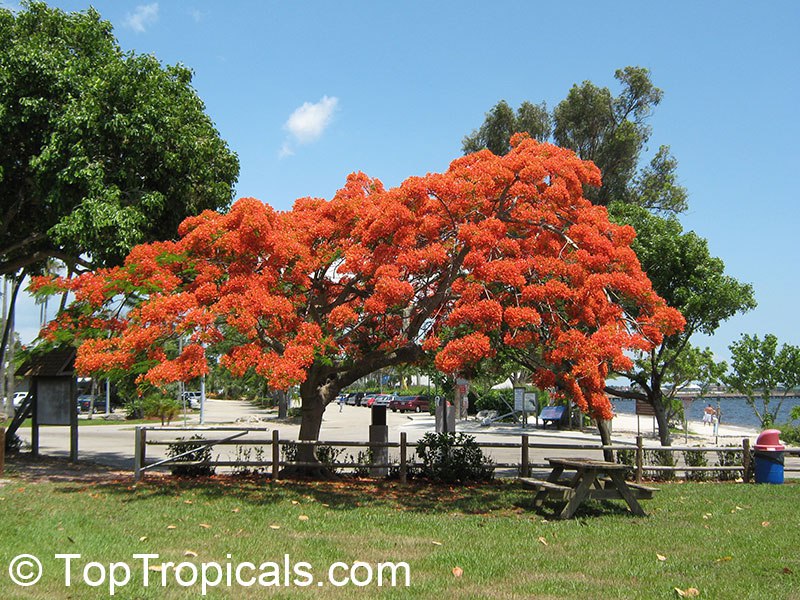
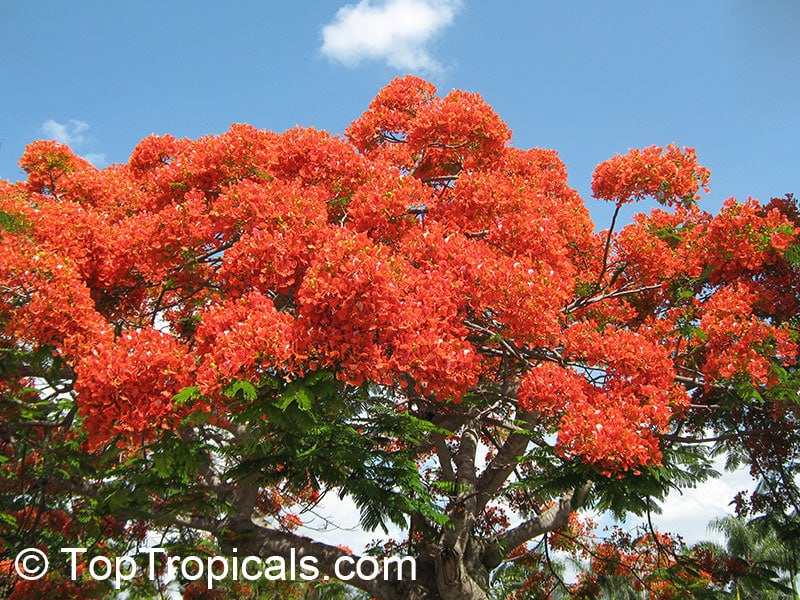
🔥 Royal Poinciana (Delonix regia), also known as the Flamboyant Tree, is one of the most popular tropical trees.
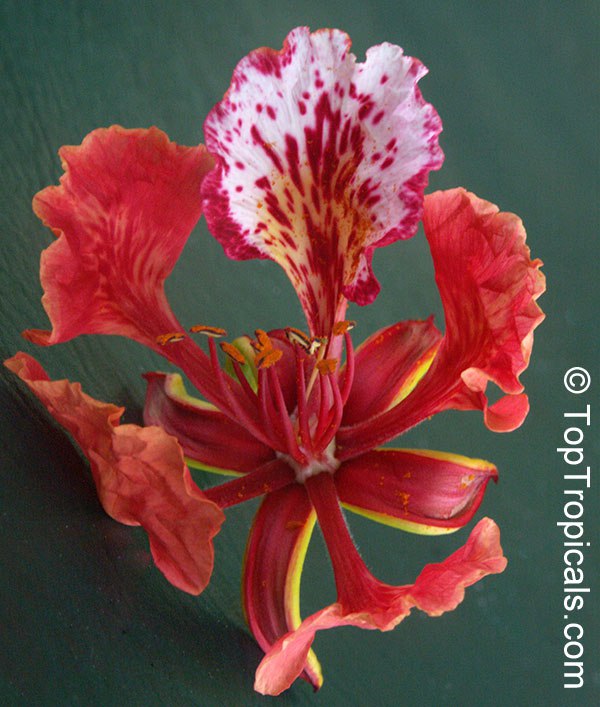
🔥 Stunning Blooms: Covered in bright red, orchid-like flowers, it dazzles from late winter to early summer.
🔥 Showstopper: Considered one of the most spectacular flowering trees in the USA and globally admired, often ranked among the top 10 most beautiful trees.
🔥 Garden Majesty: With its branches spreading 30-40 ft wide, it requires plenty of space to show off its full grandeur.
🔥 A Must-Have for any tropical garden looking for a centerpiece of unmatched beauty.
"Always over-water your plants: just improve their
soil drainage!" - Murray Corman, horticulturist, rare tropical fruit tree expert.
Q: I always tend to overwater my plants. How
often should I water container plants and how to determine if it's too much
water?
A: One of the most common challenges in tropical
plant care, including houseplants, is overwatering, particularly in container
gardening. So, how much water is too much?
The rule of thumb: let the soil dry out a bit before watering
again, and never water if the soil feels wet to the touch. For indoor plants
with saucers underneath, ensure they don't sit in standing water by removing any
excess from the saucer after watering. However, remember that the watering
schedule alone isn't the only key to success!
Improve drainage. Surprisingly, water itself isn't harmful to
plants, no matter how generous your watering is. The real issue is poor
drainage, which leads to stagnation and bacterial buildup, ultimately causing root
rot.
In the nature. If you've traveled to places like Hawaii or
explored tropical jungles, you might have noticed plants thriving between rocks
with minimal soil, receiving a near-constant fine mist of rain. Conversely,
swamps support very few trees - only bog or water plants adapted to wet
conditions can survive there. The lesson? It's not the water, it's the growing
medium!
The Soil Solution: for potted plants, always use a high-quality
potting mix with excellent drainage properties. This should include ample
"soil conditioners" such as perlite, vermiculite, and pine bark. At our nursery,
we use a professional soil mix called Abundance. Learn
more about potting soil.
Pot size matters. And the last but not least: if you tend to
overwater your potted plants, consider using the smallest container size that
comfortably fits the root system. A pot that's too large can mean excess wet
soil, increasing the risk of root rot. With proper fertilizer program, container plants don't need to much soil to
thrive.