· 2 slices of bread, toasted
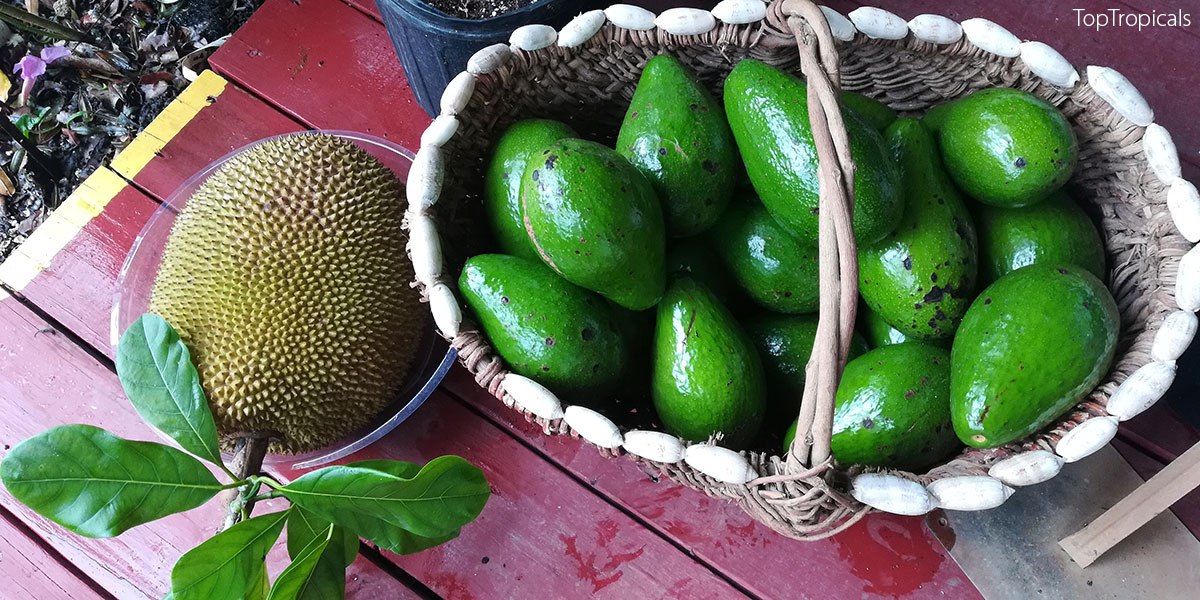
· 1 ripe avocado, mashed
· 1 cup jackfruit, shredded
· Salt, pepper, and optional chili flakes
👍 Instructions:
· Saute shredded jackfruit in a little oil with salt and pepper until warmed.
· Mash avocado with a pinch of salt and pepper (add chili flakes if you like spice).
· Spread avocado on toasted bread.
· Top with warm jackfruit.
· Enjoy immediately!
Why
Adeniums are the most popular container plants
What is the easiest and most showy plant for your patio
or poolside?
Q: Can you recommend a compact, showy plant for a
container by the pool that will bloom with minimal care and survive if I
forget to water it? I need 4-5 of them... Does such a plant even exist, or is
that too much to ask?
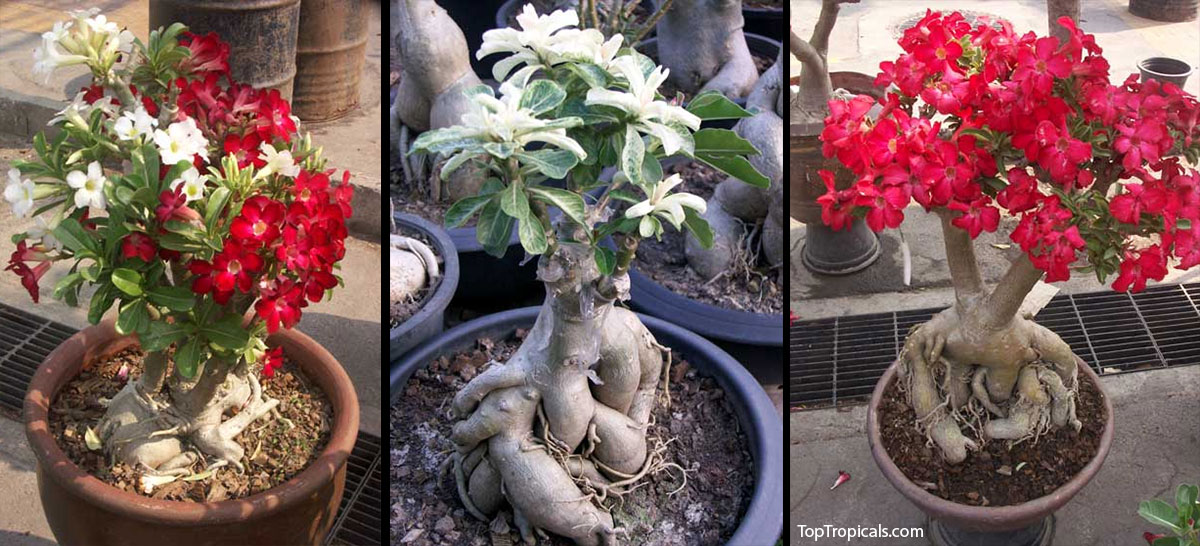
A: Surprisingly, such a plant does exist! Meet
the Desert Rose -
Adenium - the perfect flowering plant for low-maintenance beauty. Just
look at those colors!
Why choose Adenium for your container garden?
Desert roses - Adeniums - are among the most popular container plants for both indoor
and outdoor settings. Here's why:
- Easy to grow - Thrives in sun or shade, indoors, and in low
humidity.
- Drought-tolerant - Requires minimal water and can go long periods
without it.
- Not picky about soil and pH.
- Spectacular blooms - Produces vibrant, showy flowers.
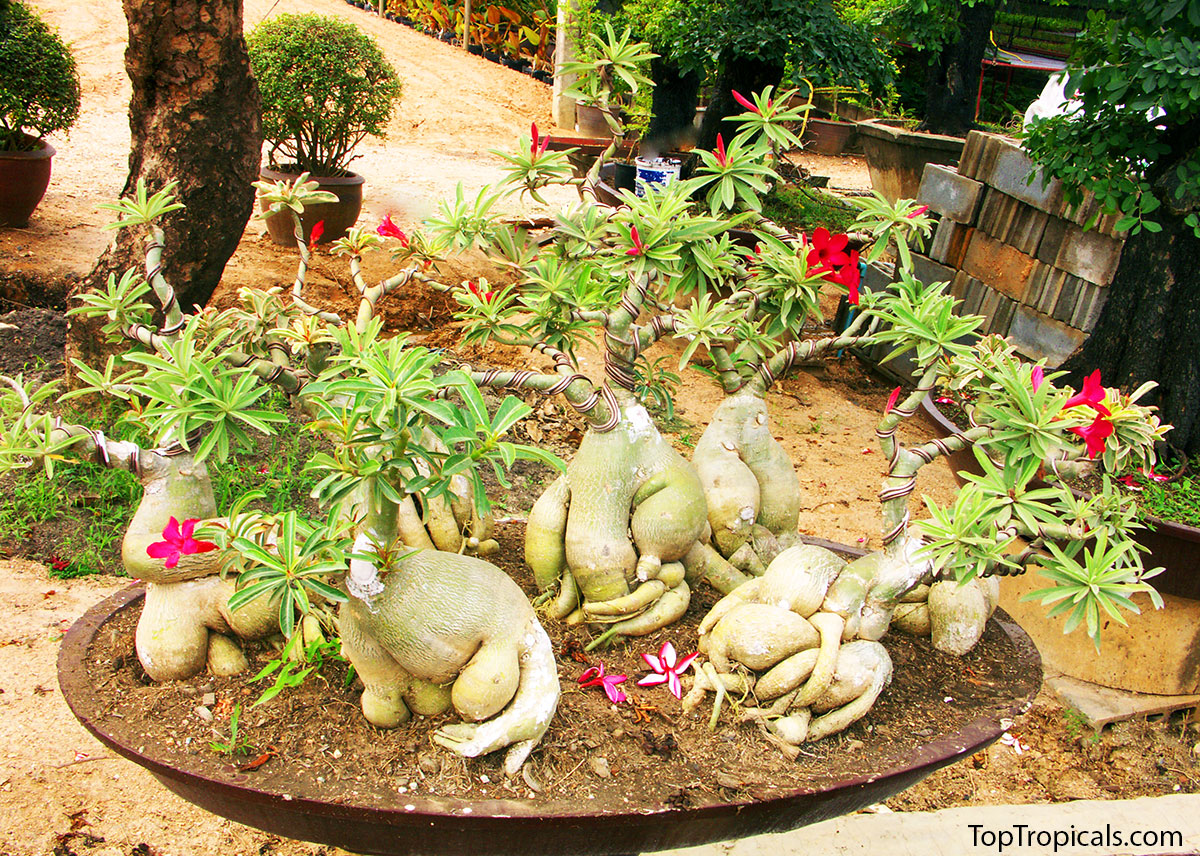
- Unique and eye-catching - Forms a curious, swollen caudex with
unusual shapes.
How many varieties and colors are out there?
- At Top Tropicals, we offer over 200 varieties of Adeniums, with more
than 100 in stock at any time.
- With so many stunning hybrid colors, you'll want to collect them all!
- Enjoy double flowers, red, purple, yellow, striped, dotted, rainbow, and
even black flowers!
The secret to a large, swollen caudex:
- Raise the plant slightly each time you repot it, exposing the upper
part of the roots - this encourages the plant to form more roots that grow
downward.
- Unlike most tropical and houseplants, Adeniums prefer neutral to hard
water, have very low water needs, and can thrive in full sun or shade.
Adeniums truly check all the boxes for a carefree, long-blooming, and
striking poolside or patio plant!
🍲 What Fertilizer to Use Now and How?
Part 1. What are important keys to healthy plants
❓ Q: It's early Spring this year. Should I start fertilizing my plants sooner than usual?
✔️ A: Most fertilizer instructions recommend fertilizing tropical plants from March to November. This is because plants don't need as much food during the cooler months when many go dormant, and excess nutrients can burn the roots if not absorbed. However, for the most effective fertilizer program and healthy plants, consider these points:
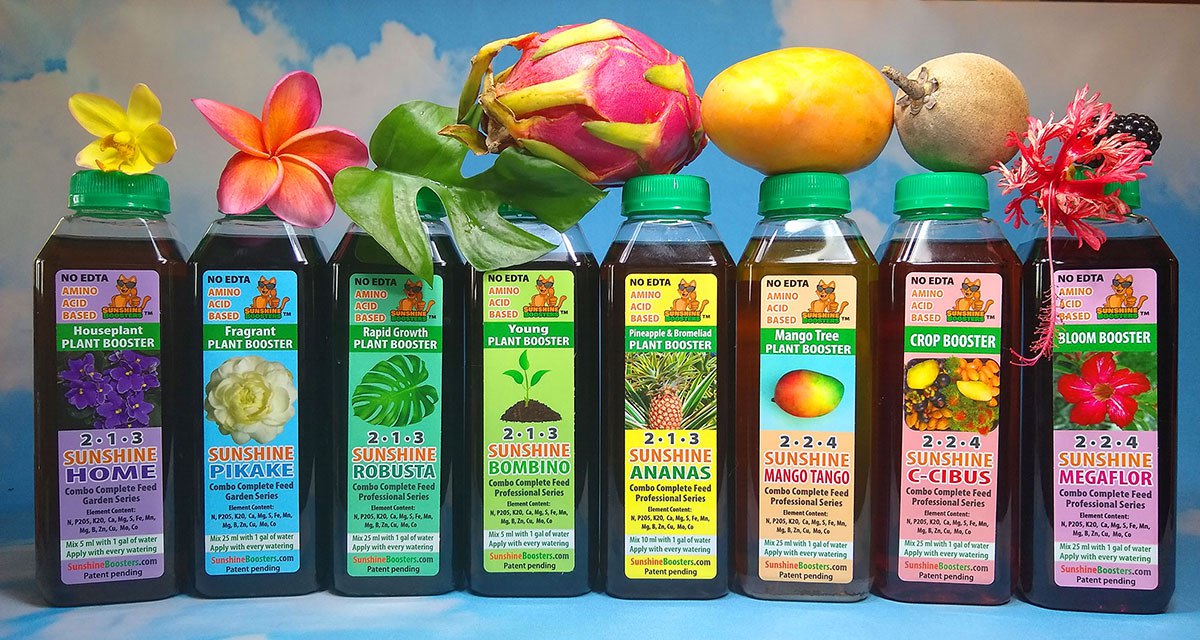
✔️ Sunshine Boosters Year-Round
Liquid amino-acid-based fertilizers like Sunshine Boosters are safe to use year-round. Since watering is reduced in cooler weather, the intake of water-soluble fertilizer is also lower, providing plants with just the essential nutrients for their minimal needs.
✔️ Dry Fertilizer Schedule
Be cautious with dry fertilizers. Apply them only during active growth in the hot season.
✔️ Temperature Is Key
If March is still cold, delay dry fertilizer use. However, if nighttime temperatures in February stay above 65F, you can start a dry fertilizer program using slow-release, granulated plant food.
✔️ What Fertilizers to Use and How
Check out our Sunshine Boosters selection for different types of plants and choose the right type for your needs. These can be applied as often as with every watering. We will explain in details about every type of fertilizer in our next post🔽
🌸 What is the most beautiful winter flowering tree for Florida snowbirds?
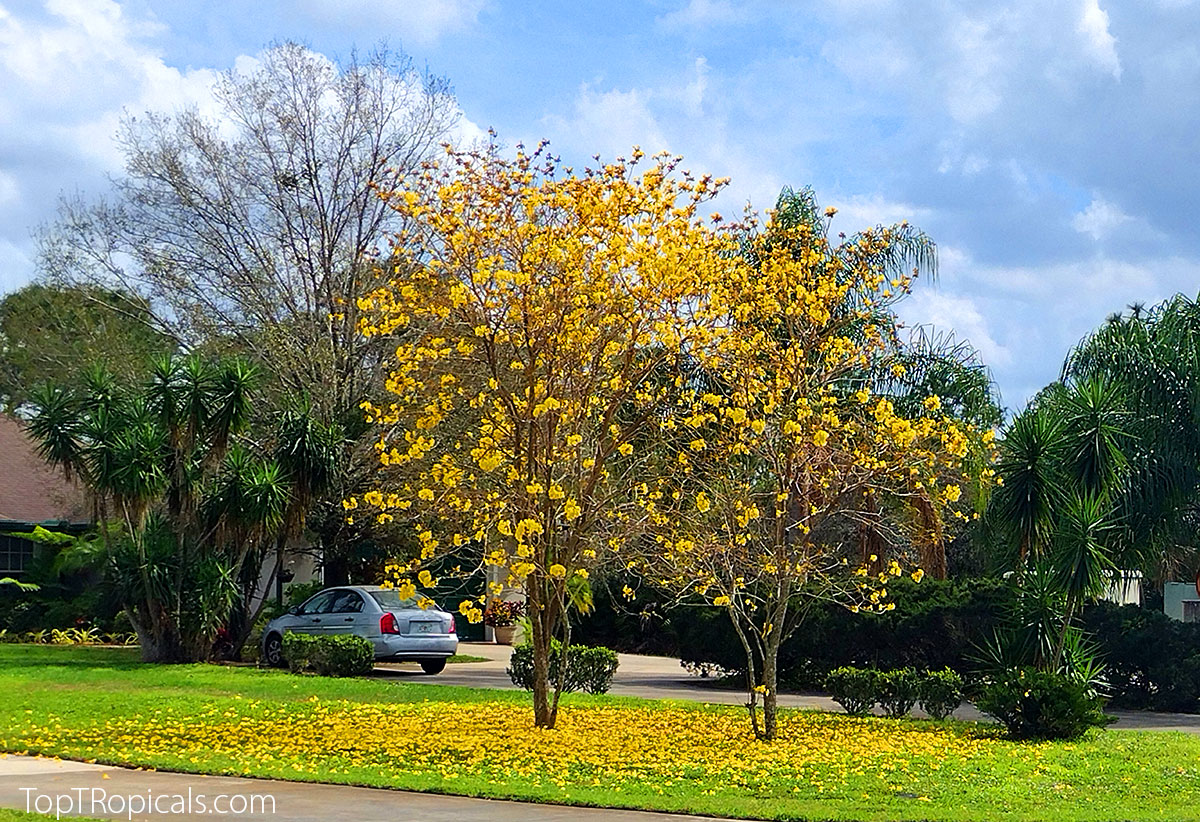
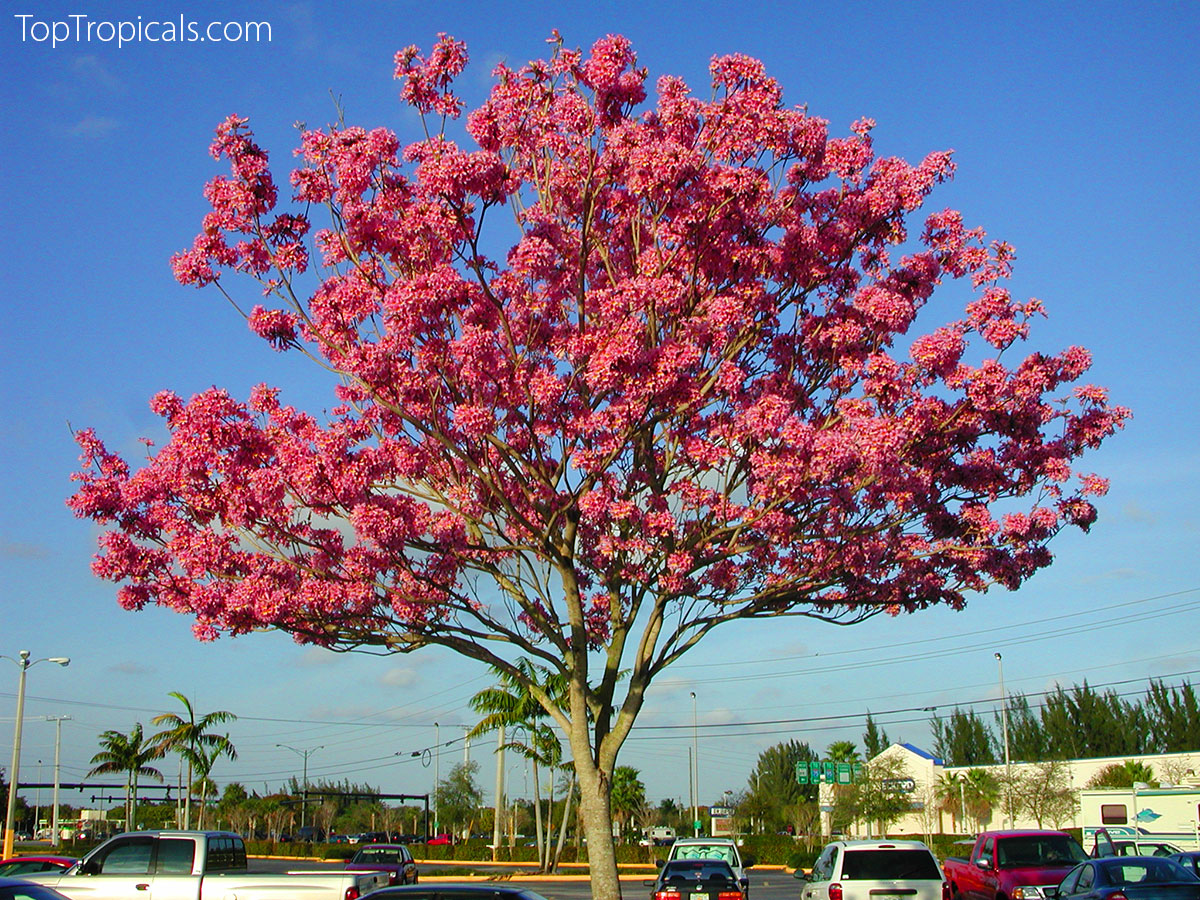
🌸 It's not a cherry blossom! It's one of the most beautiful Florida trees - Tabebuia impetiginosa - Dwarf Pink Tabebuia, Pau DArco, Taheebo. It is in full bloom now, and it's a spectacular view!
🌸 This tree is a Florida favorite that's sure to make your garden stand out. This beauty is a winter-spring bloomer that'll have your landscape looking fabulous with bright pink flowers and a splash of yellow in the throats.
🌸 These gorgeous blooms pop up before the tree even puts out new leaves.
🌸 Perfect for smaller yards, this compact tree brings a burst of color without taking up too much space. Plus, it's the ideal choice for snowbirds visiting Florida in winter - when you're craving some color!
🌸 But this Tabebuia isn't just pretty - it's also practical! This tropical beauty is cold-hardy down to the upper 20’s, making it a great fit for Central Florida.
🌸 It's been a prized medicinal tree for centuries! Pau DArco (Taheebo) bark is brewed to make a smooth, earthy, and subtly sweet tea that contains compounds like lapachol and quercetin, used for centuries by indigenous South American tribes. A tree that's not only lovely to look at but also useful? That’s a win-win!
🌸 Starts flowering in very small size - see next post ⬇️
Q: What tropical trees are fruiting and flowering
in March?
A: There's always something blooming and
fruiting, especially with spring on the way! Our garden is buzzing with bees and
butterflies, and in the nursery, you'll always find plants in bloom or bearing
fruit. Here are a few standout winners of the season.
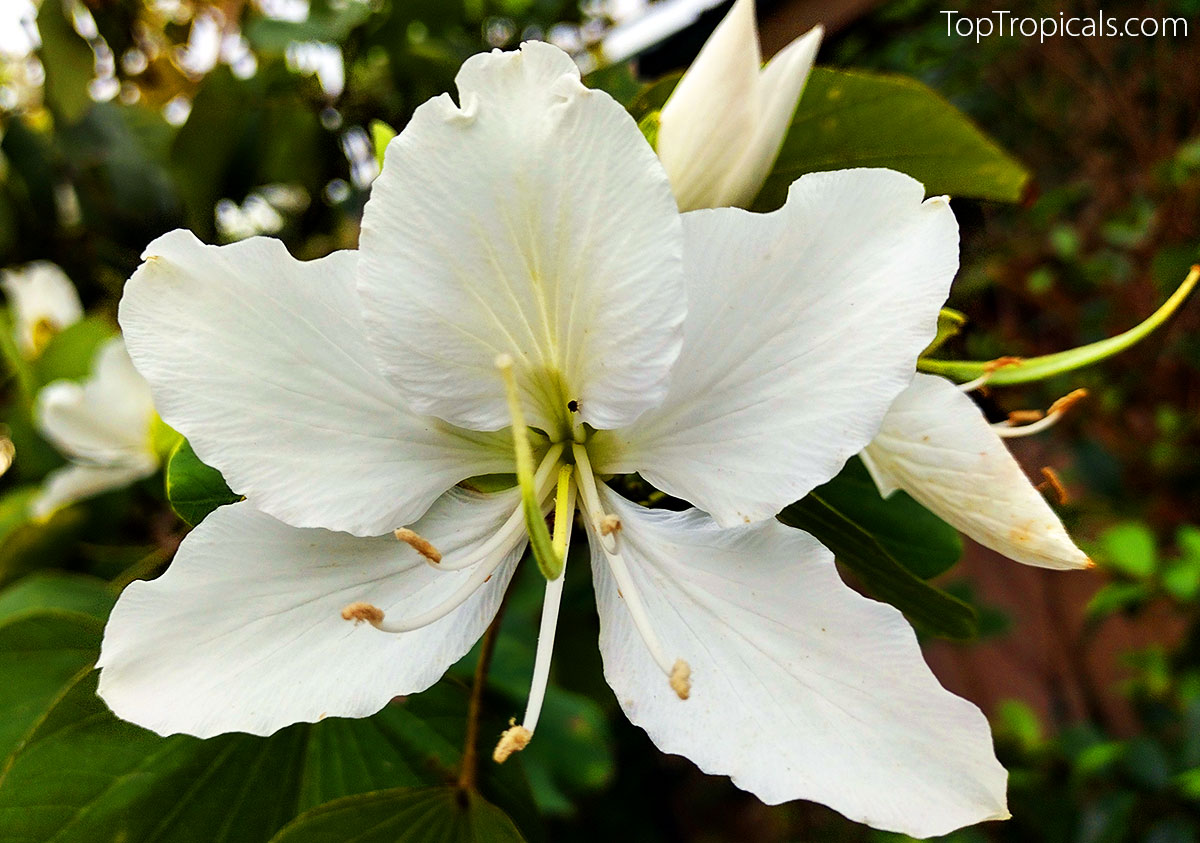
Orchid Trees
Orchid
trees are among the most spectacular trees in Florida, flowering from late
winter through spring. They are fast-growing, not fussy about soil or water,
and bloom for several weeks in a stunning display of white, purple, pink, or
red flowers. In the photo: Bauhinia alba (candida) - White Orchid Tree - the most cold-hardy of
all Bauhinias, tolerating temperatures as low as 26F. You can see them in full
bloom across Florida right now!
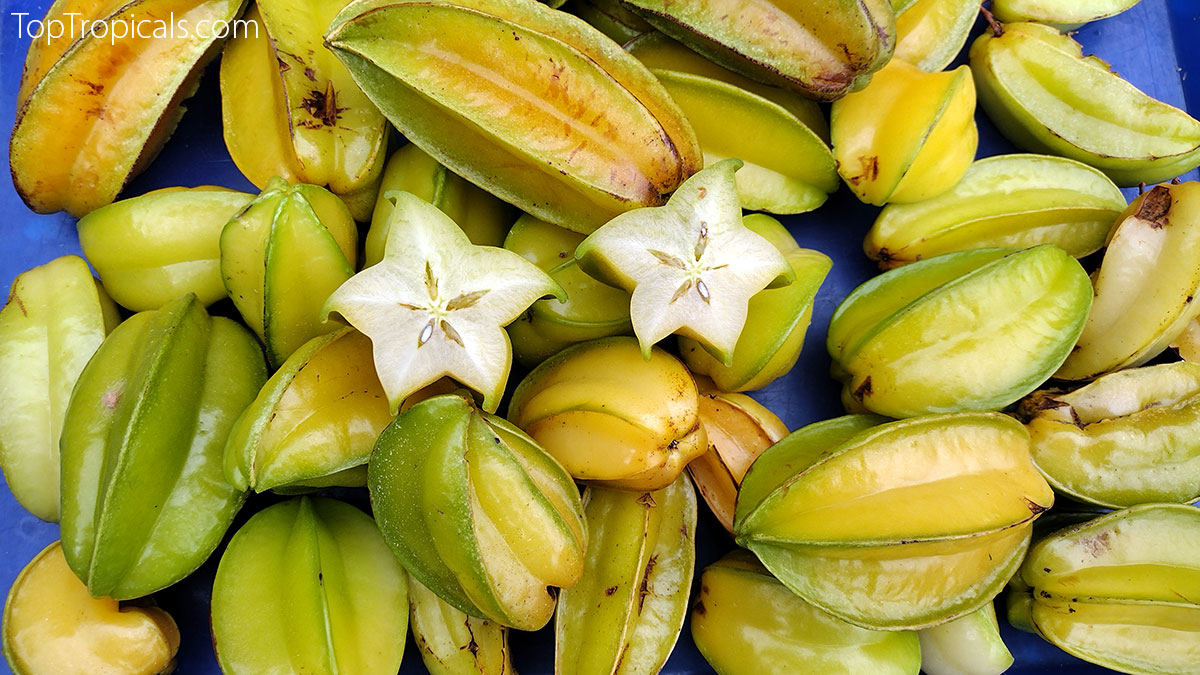
Starfruit trees (Averrhoa carambola) have been fruiting in our garden since fall,
and they just keep producing! We've had so many starfruits that we ended up
making lots of jam.
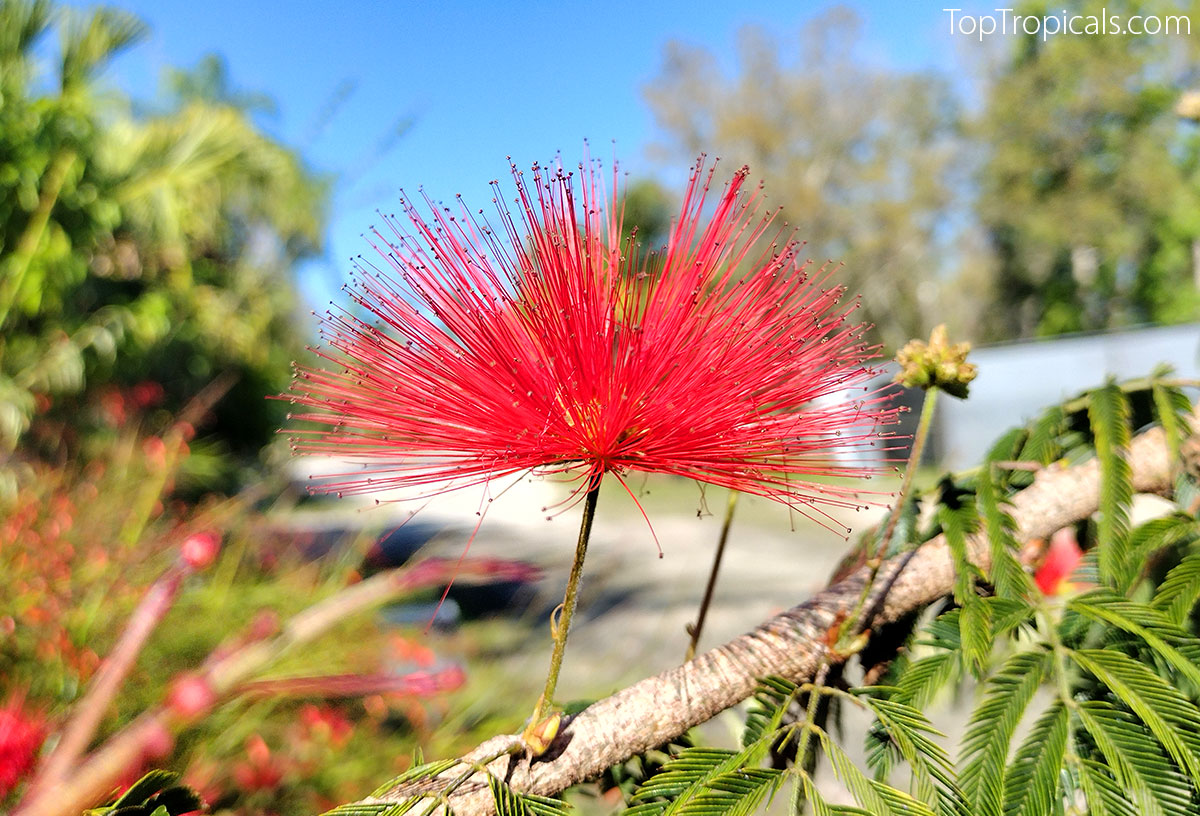
Calliandras are known to be spectacular winter bloomers, but in our garden, they
seem to flower year-round. They make fantastic ever-blooming hedges or
striking small specimen trees.
In the photo: red-flowering Calliandra tweedii "With Love" - Red Tassel Flower, yright now, this
beautiful bush is covered in red blooms in front of our office at Sebring
Farm.
Yes, it's
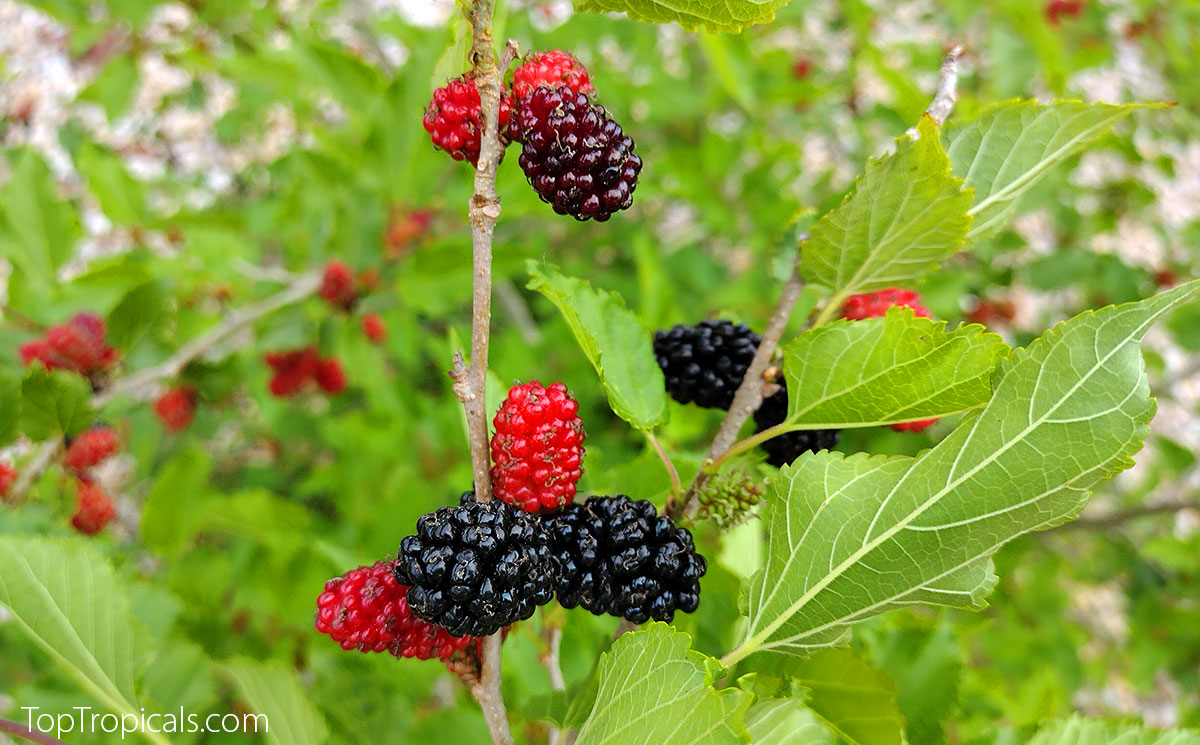
Mulberry season! Some varieties have already ripened, while others are just
about to. We're competing with the birds to see who gets the first fruit,
but honestly, there's plenty for everyone! These trees are very cold hardy and
highly productive.
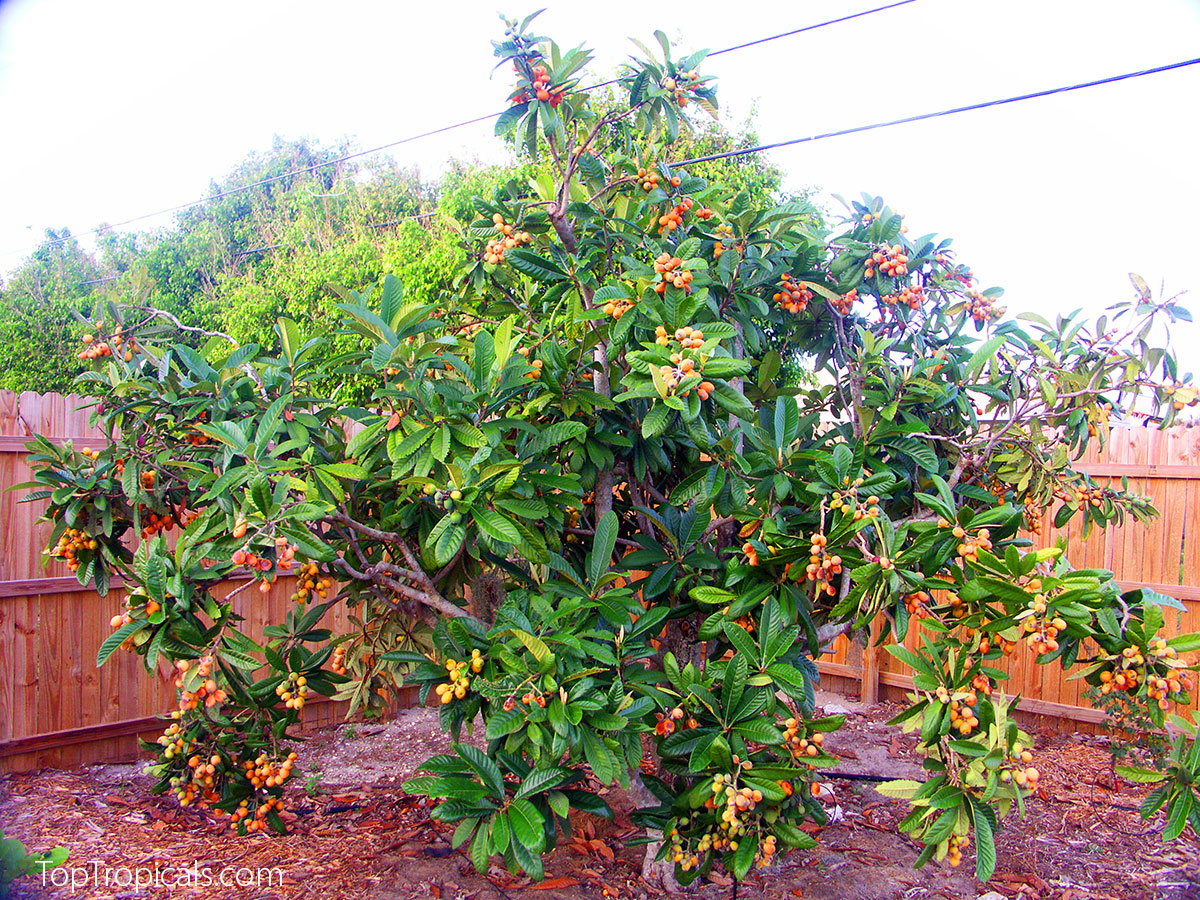
Loquat
trees (Eriobotrya japonica) are loaded with fruit right now! We've started
picking them and have already made some delicious preserves - you can only eat
so many fresh. Loquats continue fruiting through April and May, making them
one of the most rewarding, easy-to-grow, and productive fruit trees.