Garden Blog - Top Tropicals

Date: 5 Jan 2021

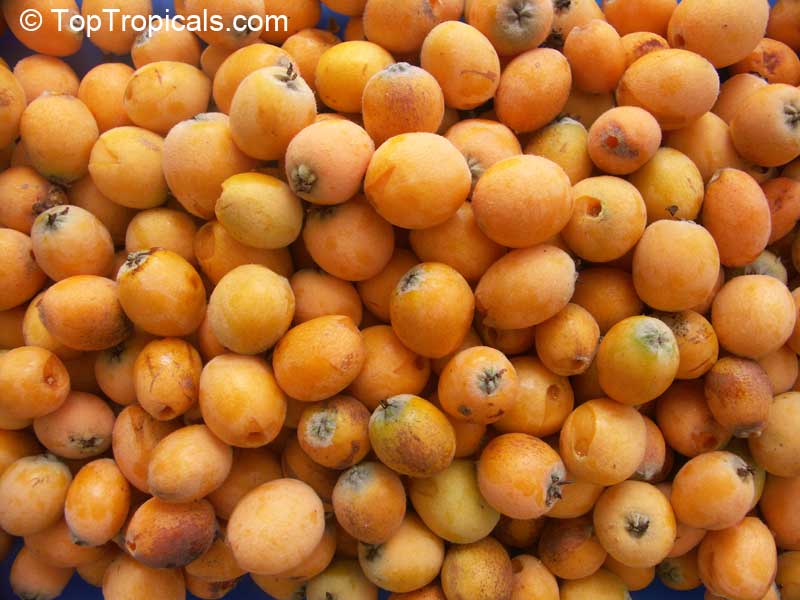
Growing Loquat in container
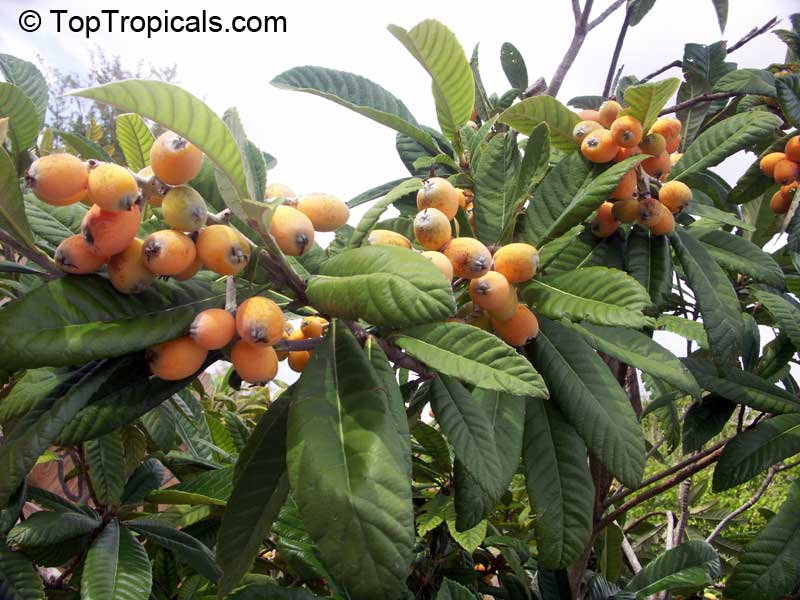
Q: I purchased a Sherry Loquat tree from you in April of 2020. It got off to a slow start initially, but now is five feet tall with healthy leaf growth! It is in a 15-gallon pot and was brought into the house by October 15th. I live in Zone 6 and kept the plant outside from end of May to October 15th. I have given the tree artificial lights in addition to slow release fertilizer. Can you please advise me on what steps I need to take to get the Sherry Loquat tree to fruit? E.g., lighting requirements, soil pH, soil type, etc.

A: Loquat is normally winter flowering and spring fruiting tree, here in Florida it is usually heavily covered with fruit by April. With a proper care, you may see flowers throughout the winter and they may set some fruit for you. Considering that during this time you have to keep the plant indoors, here are some recommendations:

1. Soil. Well-drained, porous potting mix. Do not use any heavy garden soils. For our plants we use the following mix which is excellent for containers: Abundance

2. Light. The brighter the better. Sunroom would be great, or at least put the tree next to a large window. Extra lighting with grow lights is beneficial. Any type of light will work, you can even use a simple clip-on light, the brighter the better. 8-10 hours a day.

3. Water. Loquat is drought tolerant but for fruiting it will need regular watering; just don't keep soil soggy, let is slightly dry before waterings.

4. Fertilizer program. Use liquid fertilizer. We recommend Sunshine Boosters that are safe to use with every watering and year around - SUNSHINE C-Cibus - Crop Nutrition Booster.
We recommend to switch plants from traditional "slow-release" fertilizer to the liquid one because it makes a huge difference in plant growth and flower/fruit quality and quantity. Sunshine Boosters are scientifically balanced fertilizers that supply all necessary elements for daily plant needs. They are natural and eco-safe, great for any edibles.

5. Micro-elements. These are essential for potted plants, because in containers roots can't reach out to elements that are usually present in soil when trees grown in the ground.

Apply micro-element remedies that are very effective for improving fruit production, especially when flower or fruit drop occurs:
SUNSHINE Honey - promotes more efficient blossoming and pollination, makes flowers bigger and reduces bud drop.
SUNSHINE SuperFood - improves plant vigor and quality and size of flowers
These are all natural, eco-friendly supplements that work great for fruit trees and other edibles.

Read more about Loquat trees: The best grafted Loquat varieties.

Date: 20 Aug 2020

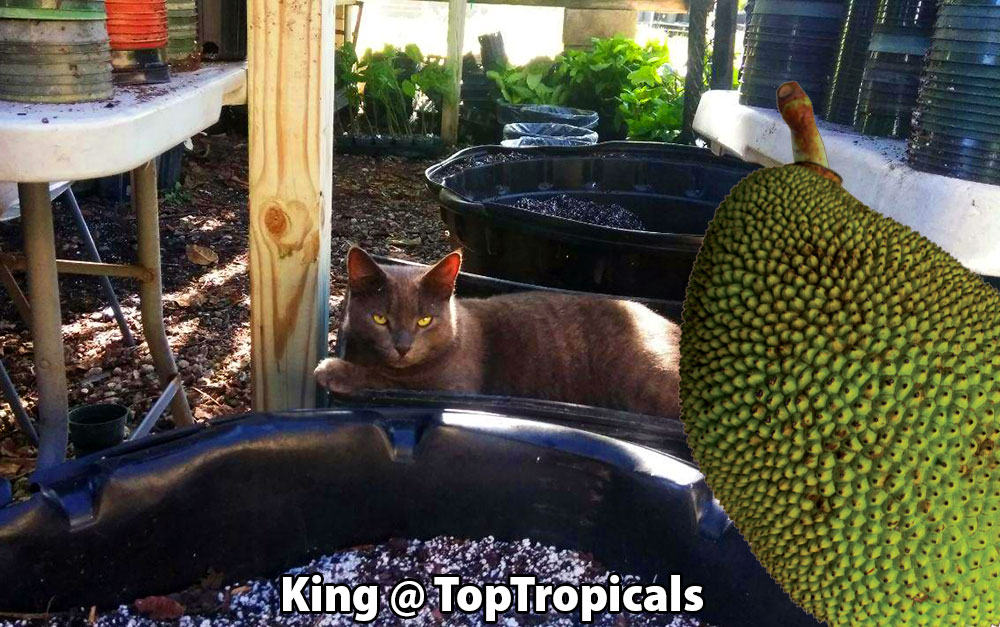
PeopleCats of TopTropicals. Cat of The Month: Greenhouse King

King continues being on top of the poll... thanks to his adventurous nature. This Purrrson just loves to travel! He likes driving and biking. How many times we pulled him out of customer's car or delivery truck!
Sure thing, he just did it again, joining contractor's team. Luckily he was noticed hiding in the back of the truck before the driver hit the highway!

ATTENTION VISITORS!

We are reminding you, please check your vehicles for cats before you leave!

On a bright side, King has been very helpful, helping to plant newly arrived plant shipment from Thailand.
For those of you who has been waiting for rare plants, after a long delay due to airlines lockdown, we finally got lots of rare stuff and it will be ready for shipping soon.
Please make sure to add to your wish-list these coming-soon rare plants, this is the only way we can ensure you will get notified when they are available for sale, on first come first serve basis.
These are limited quantities, high demand plants!
Don't miss your dream plant! Just click on "Notify me when available" and add your email to waiting list.

Limited quantities - will be ready soon
(planted with King's help)

- Amherstia nobilis - Pride of Burma
- Artabotrys siamensis - Climbing Ylang-Ylang
- Barringtonia acutangula - Indian Putat
- Barringtonia asiatica - Fish Poison Tree
- Bauhinia aureifolia - Fragrant Gold Leaf Orchid Vine
- Brownea ariza - Rose of Venezuela
- Brownea grandiceps - Scarlet Flame Bean
- Cananga fruticosa - Dwarf Ylang-Ylang
- Couroupita guianensis - Cannonball Tree
- Cyrtostachys lakka - Lipstick Palm, Red Sealing Wax
- Desmos chinensis - Ylang Ylang Shrub
- Dillenia philippinensis - Katmon, Philippines Elephant Apple
- Garcinia mangostana - Mangosteen
- Ixora congesta Thai Flame
- Melodorum fruticosum - Hot Lips Ylang-Ylang
- Monstera variegata Thai Constellation (available now for pick up only)
- Gustavia augusta - Heaven Lotus
- Posoqueria longiflora - Needle Flower Tree
- Rauwenhoffia, Melodorum siamensis
- Saraca declinata - Red Saraca
- Terminalia catappa - Tropical Almond
- Vallaris glabra - Bread Flower
- Wrightia vietnamensis - Dwarf

TopTropicals PeopleCat Club and Zoo

Thank you for supporting us in helping PeopleCat Community!
Make your kind donation today and receive a surprise gift from us! Every little bit helps. Thank you and God bless you and your pets!

Date: 6 Dec 2018

Why starting tropicals from seed indoors is better than outside?

TopTropicals.com

Q: I am in Texas, it is getting cold, but I bought these seeds the last two packs, as I didn't want to miss them, was looking for a long time and found you had them. Should I wait until spring to plant them?

A: You can grow tropical plants from seed year round and don't have to wait until warm weather outside. It is, in fact, beneficial to start tropicals indoors in a controlled temperature, moisture and humidity. Seeds of some species are very sensitive to excess water and/or require a certain range of temperature for germination... Besides, it's so much fun!
First, read the basics: Happy Hobby: growing tropicals from seeds

Advantages of indoor growing from seed

It is easier to keep under control indoors:

1) Temperature and Light. Although many tropical seeds require higher temperature and bright light for germination (hot sun may help), it may be hard to avoid overheating and drying out when you put trays in full sun. Using heat pads and additional lighting indoors makes germination smooth, even may take a little longer than in hot sun.
2) Soil moisture. If you ever lost your seeds or tiny seedlings to a heavy summer rain, you sure will appreciate your own moisture-controlled environment! Just make sure to use the right soil mix.
3) Air humidity. Indoor air is drier than outside. It may not be best for some tropical plants, but definitely perfect for seed health - they will never get moldy considering you keep your eye on the plantings.
4) Pre-treatment. Some seeds require scarification (sanding down hard shell), others stratification (cold treatment), but all seeds will benefit from SUNSHINE-S soak before planting. It is easier to do in your home lab. Based on our experience, using Sunshine pre-treatment reduces the risk of fungal damage and improves germination from 30 to 65%.
5) After germination culture. Watching seedlings closely in your home environment and giving them all that is needed for healthy, fast growth - miscroelements and first fertilizer - will help to establish young plants just in time before planting them out in Spring-Summer.

Read more: From Kristi - how to grow tropicals from seed.

Check out our seeds selection...

Date: 6 Jan 2017

6 easiest fruit trees and 5 spices to grow in containers indoors

Q: This is why I want to move so that I can grow absolutely anything I want from your catalogue. Prefered Puerto Rico. Right now I live in New York and there is absolutely nothing I can grow there.

A: Of course living in Puerto Rico brings more opportunities to grow tropical species. However, you can create your unique tropical paradise even living in New York. We have many customers from up North who successfully grow tropical species (and get them to flower and fruit) in greenhouses, and even indoors.
Here are a few suggestions of tropical fruit trees that adapt well for container/indoor culture - for both beginners and advanced gardeners.

Top 6 fruit trees great for indoors / container culture / beginners
1. Mango (Mangifera indica). Select from one of smaller mango varieties
2. Sugar Apple (Annona squamosa)
3. Guanabana, Soursop (Annona muricata)
4. Miracle Fruit (Synsepalum dulcificum)
5. June Plum (Spondias cytherea)
6. Guava (Psidium guajava)

5 top spice plants (the spice will be with you right away, you don't have to wait for it to grow)
1. Allspice (Pimenta dioica)
2. Cinnamomon or Campor tree
3. Bay Leaf (Laurus nobilis)
4. Mint Tree (Satureja vimenea)
5. Vanilla orchid (Vanilla planifolia)

See a brief article of growing tropicals outside of tropics.

Don't forget to get some SUNSHINE boosters for your plant collection - for both successful indoor culture and cold protection!

See also our magazine Tropical Treasures) - Pushing the Limits of Tropical Gardening, with list of issues.

Date: 19 May 2016

Care of mail-order plants during hot summer

Q: I live in California and about a month ago ordered several plants from you, including fruit trees (Carambola, Mango, Avocado) and flowering trees (Xanthostemon, Adeniums, Champaca, Ylang Ylang). They were all doing well until I tried to move them into full sun, when they got leaf burn immediately. Ylang Ylang was doing great in a shade, but I repotted it from 1 gal into 3 gal and it is drooping leaves now. It has been very hot (over 100F) and dry (humidity is less than 25%). Any suggestions?

A: Hot summer can be pretty challenging time for establishing new plants. These are some guidelines to make your summer gardening more successful and rewarding.

1. You can order plants at any time, but keep your eye on your local weather forecast and try to chose cooler periods to schedule your plant shipments. Here at TopTropcals we monitor weather at destinations, and we can also delay shipment per your request until more favorable conditions.

2. During hot Summer months, many plants are still OK to ship, and to be planted, many species are heat tolerant. It's usually safe to ship most succulents, including Desert roses and Euphorbias. Some fruit trees are pretty easy too, like Loquats, Mango, Eugenias. Many flowering trees can take heat: Acacias, Clusias, Jatropha, Sausage Tree, Plumerias and many others. Check our full list of plants suitable for hot and dry conditions. Most jasmines, including Jasmine Sambac and Trachelospermum make also a safe choice for hot weather planting.

3. Use shade cloth or simply white sheets to protect young plants and new plantings from hot sun.

4. When establishing mail ordered plants during hot weather, keep them in shade for longer period of time than average recommended 1-2 weeks. Give them a chance to establish really well. In areas with low air humidity, try to create a simple mist system. It can be purchased in your local Home Depot for only $20 and set up takes only 10 minutes! It makes a big difference and can help you save many plants from hot weather stress.

5. Although it may seem that during hot weather plants need more water due to high evaporation, be careful with watering, and check soil with your finger before watering - don't water if it is still wet. Combination of "hot and wet" can be as harmful for the root system as "cold and wet" during winter. Protect root systems from overheating: covering black pots with white cloth will work. Remember when temperature is above 90F, most of plants slow down their metabolism, which means roots slow down or even stop pumping water and become more vulnerable to overwatering. For the same reason, do not hurry to step up into bigger container if roots haven't filled yet the existing pot.