Date: 24 Aug 2025
🌸 Exotic Adeniums Hot Deal
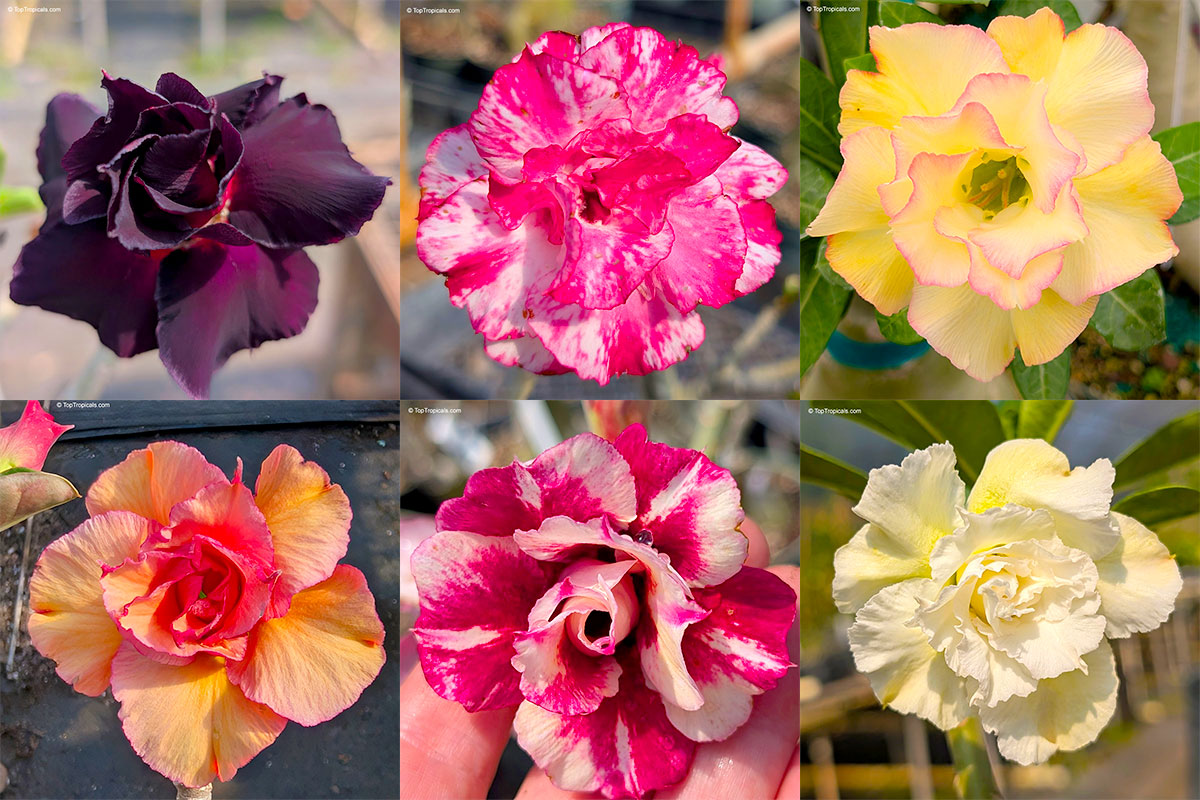
Colorful adenium hybrids in bloom at Top Tropicals
Desert roses (Adeniums) are not really roses at all. They are cousins of the plumeria, but gardeners prize them for that swollen base more than for the leaves. Want a little trick? Each time you repot, lift the plant slightly so the crown roots peek above the soil. Over time the base swells into odd shapes. Some look like bottles, others like bonsai elephants. That is half the fun of growing them.
At Top Tropicals we only sell grafted plants. Why? Because seed-grown plants do not keep flower color true, but they are the only ones that form the swollen caudex. With grafting you get the best of both worlds: reliable flower colors from named hybrids and the sculptural trunk from seedling rootstock. You can make hundreds of exotic colors. Tempting, isn’t it? Take advantage of this hot sale offer and and collect them all!
Use the code below to save 15% on any adenium:
ADENIUM15
No min order. Exp. 8-31-25
Read Garden Blog about Adeniums
Date: 21 Aug 2025
💖 Featured Variety: Lolita Surinam Cherry
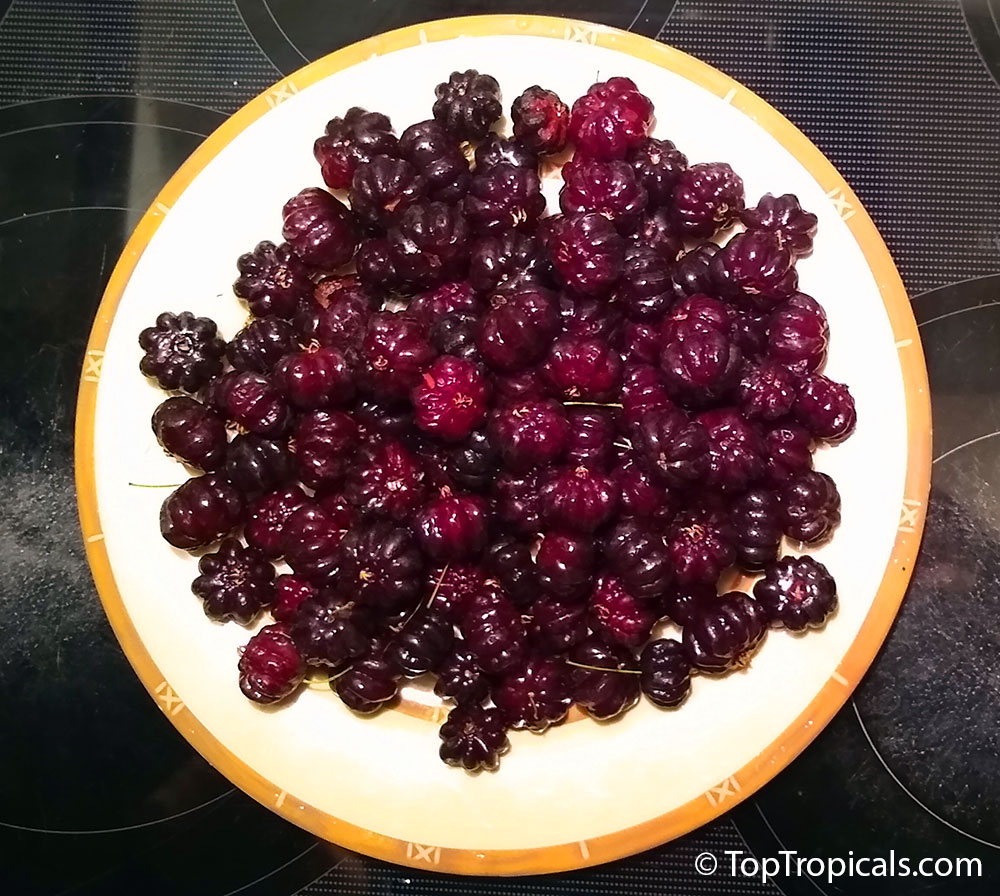
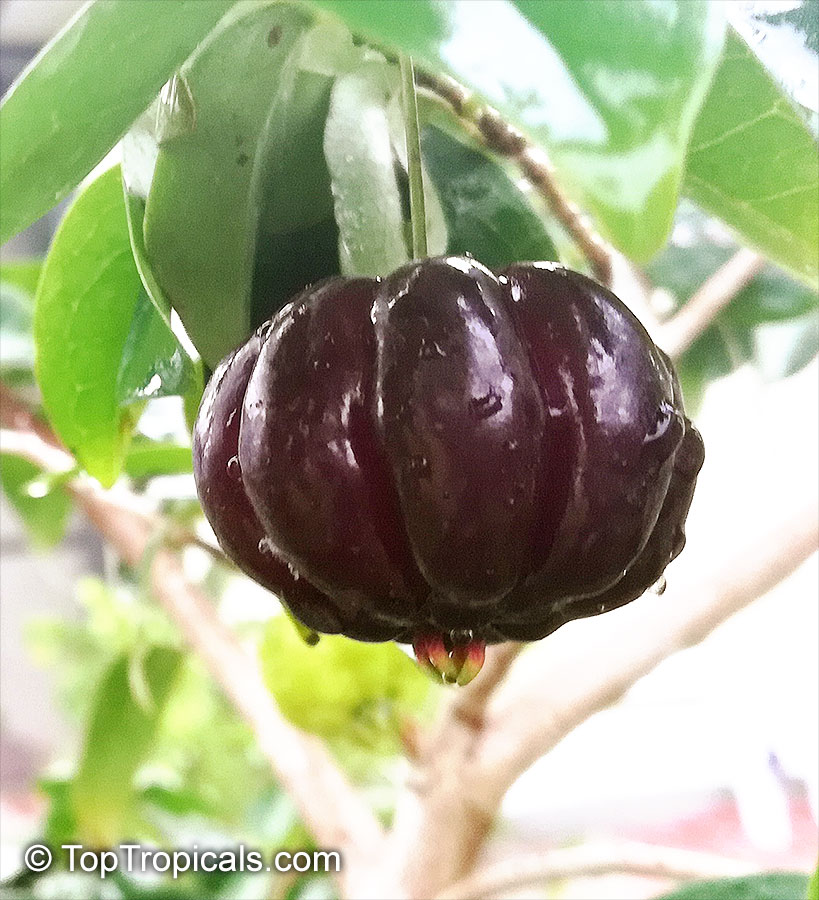
The Lolita is a special form of Surinam cherry. Fruits ripen nearly black, turning sweet and rich without the resinous bite of the common red type. The taste is often compared to a mix of grape and cherry with a tropical twist.
- Fruit Season: Mainly spring into early summer, often with a smaller second crop in fall
- Plant Size: Usually 6–8 ft in the ground, 4–5 ft in containers
- Container Friendly: Thrives in larger pots, stays compact with pruning
- Pollination: Self-fruiting — no partner tree needed
Health Benefits
- High vitamin C content for immunity and skin health
- Antioxidants that help reduce inflammation
- Fiber to support digestion
- A versatile kitchen fruit — eaten fresh, made into jams, sauces, or desserts
Date: 21 Aug 2025
🍒 Tropical Cherries – Eugenias
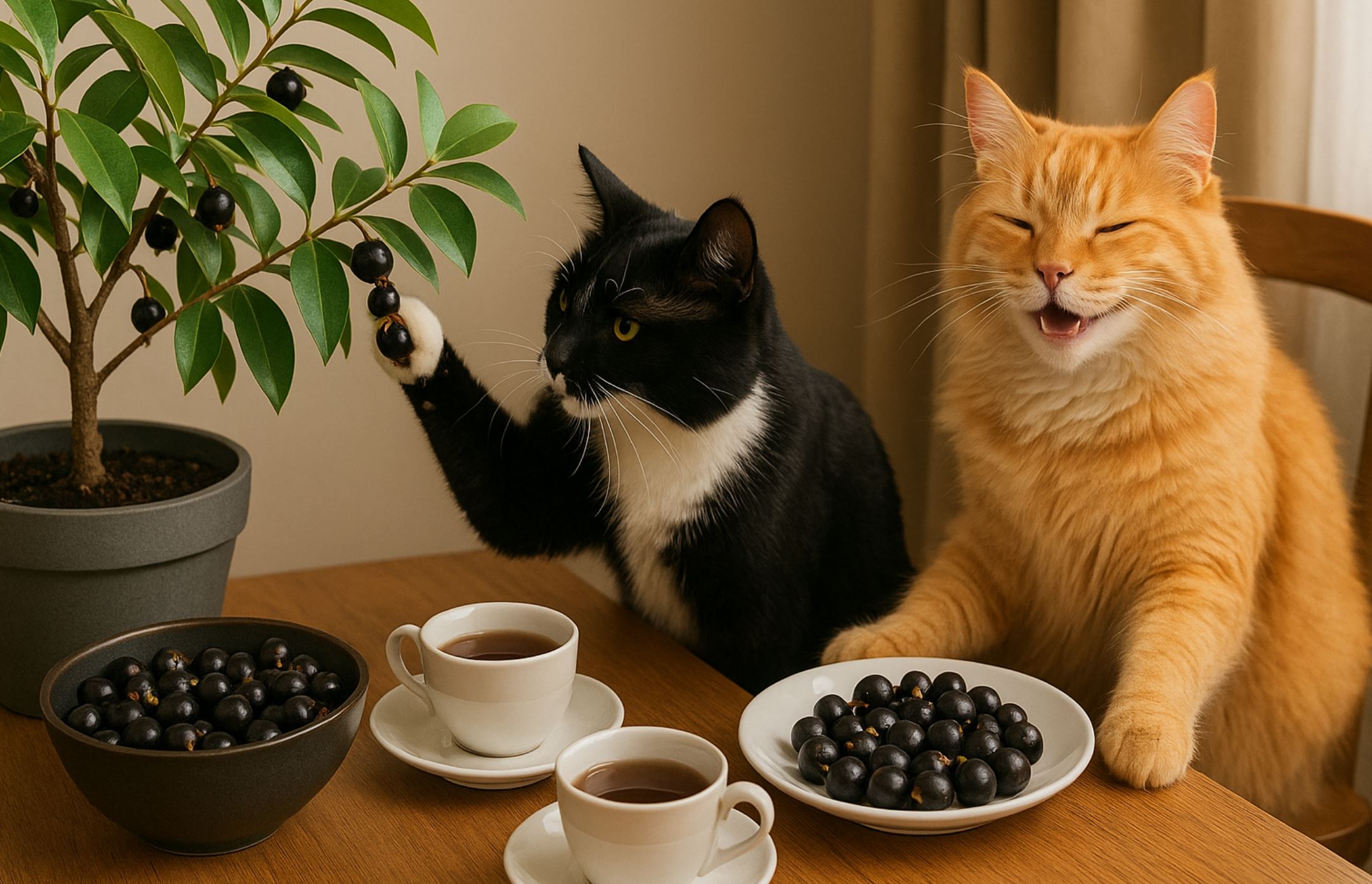
Tropical Tea Time with Grumichama
Eugenias have earned a spot in many Southern gardens because they’re easy, dependable, and surprisingly versatile. These small trees and shrubs grow well in the ground or in containers, and they don’t waste time before setting fruit.
15% Off Eugenias – Limited Time
Use code EUGENIA15 at checkout.
Excluding S/H. Offer expires 08/28/2025
👍 Popular Choices:
 |
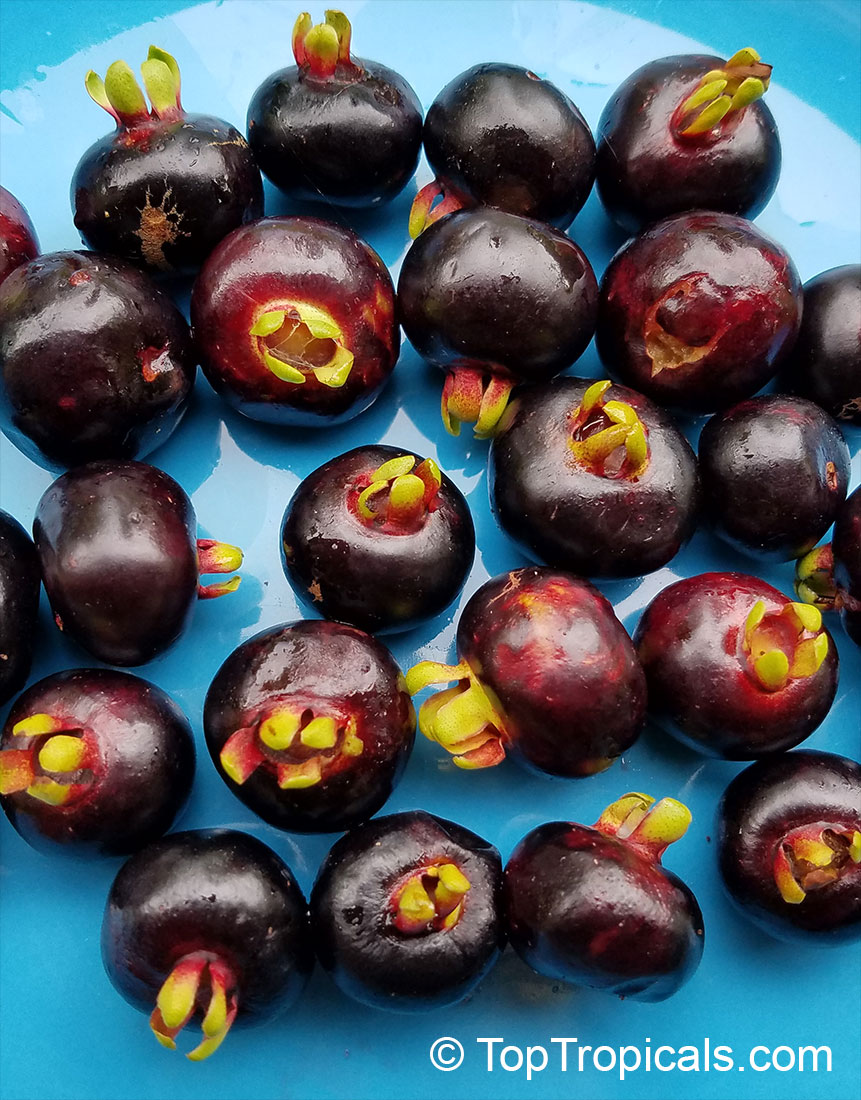
| 4148 Eugenia aggregata Fruit plant, Cherry of the Rio Grande |
Grown in 6"/1 gal pot
$49.95 Sale $39.95  |
 |
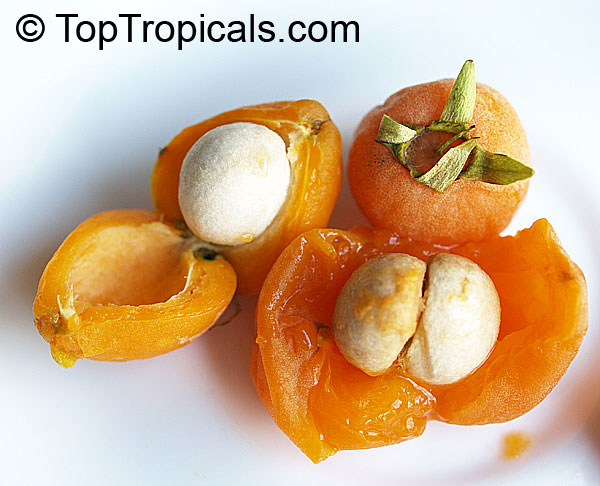
| 1079 Eugenia brasiliensis fruit tree - Grumichama |
Grown in
6"/1 gal or larger pot $39.95 |
 |
| 1080 Eugenia luschnathiana Fruit plant, Pitomba |
Grown in 10"/3 gal pot $49.95 |
|
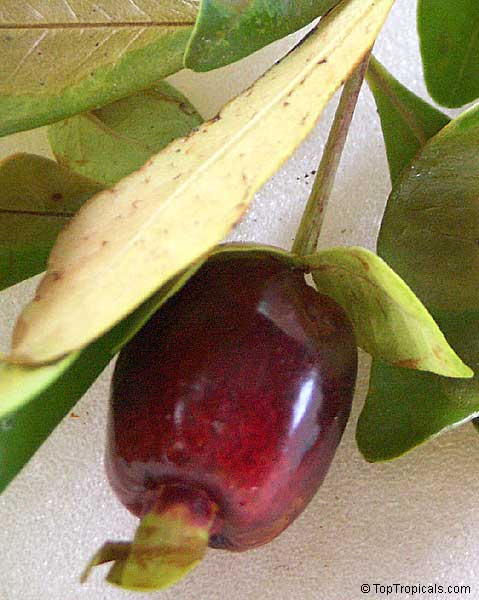
| 6063 Eugenia uniflora Fruit plant, Black Surinam Cherry Lolita |
Grown in 10"/3 gal pot $39.95 |
What Makes Eugenia Cherries Stand Out
- Start producing fruit in just a couple of years
- Compact size — easy to keep 6–12 ft tall, smaller in pots
- Low-care — tolerant of most soils and resistant to common pests
- Strong in hot weather, yet can handle a light frost down to the mid-20s °F
- Plenty of fruit for people and birds alike
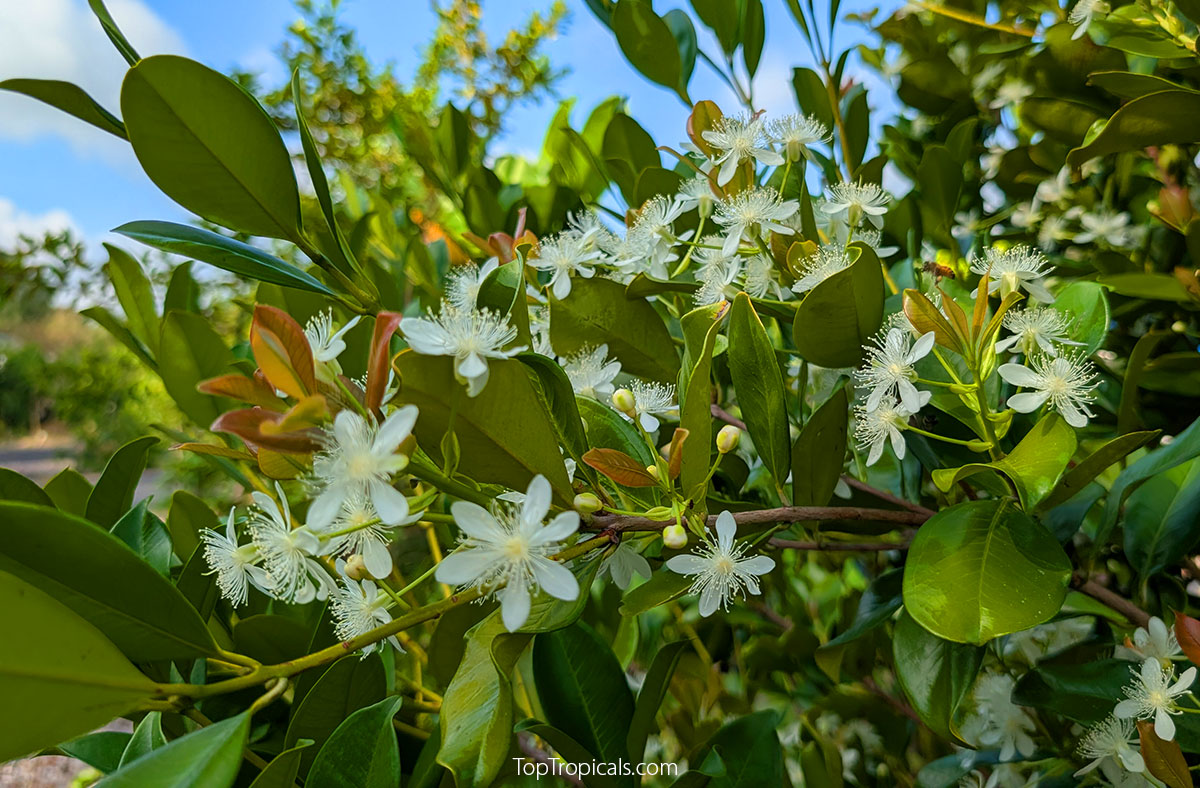 Grumichama Tree in Bloom – Eugenia brasiliensis
 Growing & Care
Outdoors
- Best in USDA Zones 9–11
- Sun or partial shade; more sun usually means sweeter fruit
- Plant in well-drained soil; avoid heavy, wet spots
- Withstands summer heat and humidity, and can take a light freeze
Container / Indoor
- Do well in 5–10 gallon pots on patios or balconies
- Need bright light indoors — a sunny window or grow lights
- Can flower and fruit in containers if kept warm and well lit
- In cooler zones, bring plants indoors for winter and back out in spring
General Care
- Water: Keep soil evenly moist; drought-tolerant once established but best yields with regular watering
- Soil: Use good potting mix - LINK TO SOIL
- Fertilizer: Balanced slow-release LINKL TO FERTILIZER Sunshine Boosters
- Pruning: Light trimming keeps plants bushy and productive
- Pollination: Self-fertile; one plant will fruit on its own
Read Garden Blog about Tropical Cherries
Date: 18 Aug 2025
🌟Repotting FAQ
Q: How big should the new pot be?
A: Only a few inches larger than the old one. Oversized pots hold too much moisture and may cause root rot.
Q: Why are plastic pots better than ceramic?
A: Plastic pots are lighter, easier to handle, and you can cut them if a root-bound plant is stuck. Ceramic pots are heavy, breakable, and often lack drainage.
Q: How do I safely remove a plant from its pot?
A: Turn the pot upside down and let gravity help. Never pull by the stems or leaves. If stuck, lay the pot on its side and squeeze or tap it. Cut the pot if needed.
Q: Should I remove old soil from the roots?
A: No. Roots have tiny hairs that absorb water and nutrients. Shaking off soil damages them and sets the plant back.
Q: Why must the plant sit at the same soil level?
A: Planting too deep suffocates the stem, and planting too high exposes roots. Keeping the same level protects the root crown.
Q: How soon should I water again after repotting?
A: Water thoroughly right after repotting, then wait until the top inch of soil dries before watering again.
🌱 Done! Your plant now has room to grow stronger before fall.
Date: 18 Aug 2025
Step Up Your Plants Before Fall
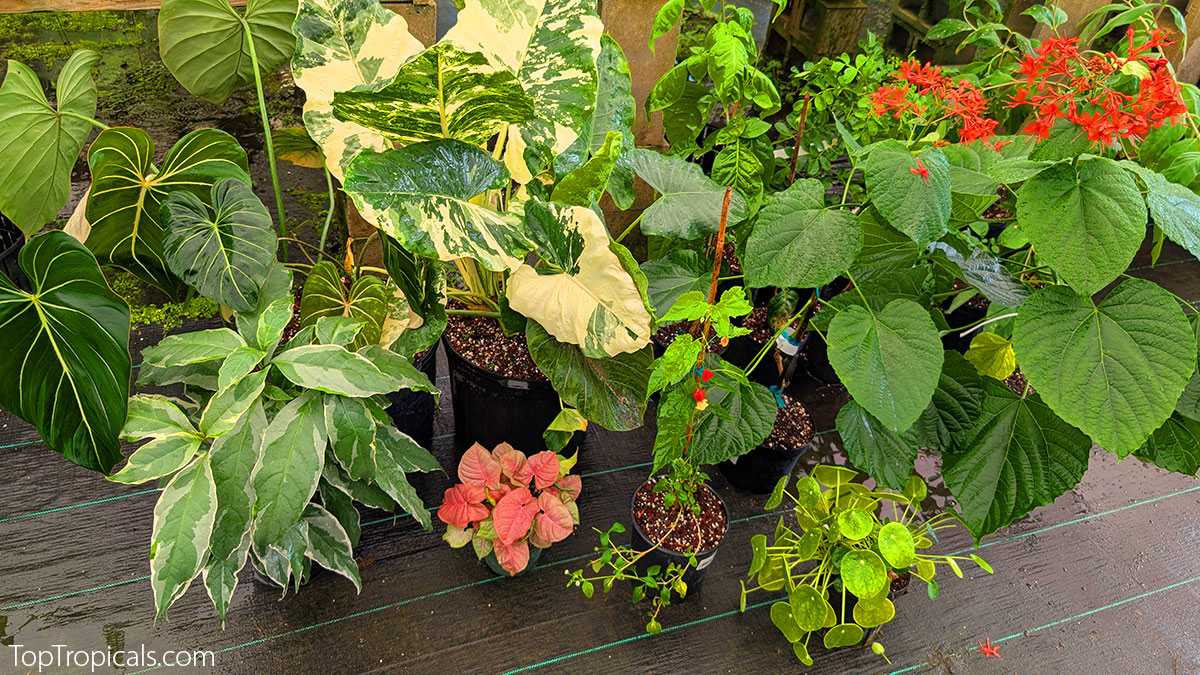
After a busy summer of growth, many potted plants are bursting out of their containers. Now is the perfect time to step them up into a slightly larger pot.
🌱 Why now in August?
Repotting before fall gives roots room to expand, while there’s still warmth for active growth. Plants have time to sprout new shoots, fill out, and build strength before cooler weather slows them down.
✂️ Trim and Shape
This is also your last chance to give plants a light trim. Pinching or cutting back helps them branch, bush out, and get denser — exactly what you want going into fall.
💚 Add Green Magic
When repotting, mix in Sunshine controlled-release Green Magic fertilizer to reduce transplant stress and boost new root growth. It helps plants settle in quickly and keep thriving.
👉 Watch our on how to step up your plant the right way, then check your pots — some of your summer growers are ready to move up!
⚠️ Important Note on Timing
This advice is for gardeners in warm climates or for anyone who still has at least a month of warm weather left. Tropical plants go dormant when temperatures drop below 75F, so planting in a larger pot at that time may cause root rot — roots stop growing in dormancy, and extra moisture in the soil can lead to rotting.
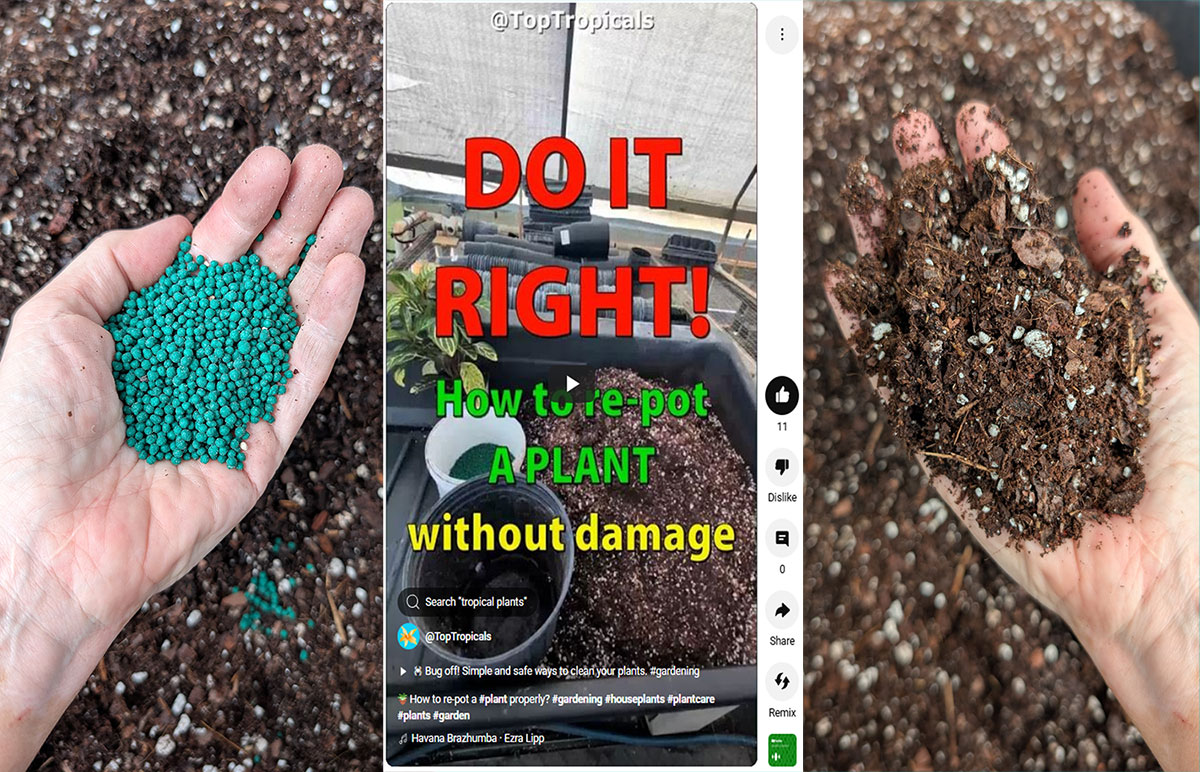
How to Repot a Plant Properly
Choose the Right Pot
Pick a pot just a few inches larger than the old one.
✅ Make sure it has good drainage — tropical plants hate sitting in water. A pot without drainage holes can cause waterlogging and root rot.
Why plastic pots are better than fancy ceramic
Ceramic pots may look pretty, but they are heavy, breakable, and often lack proper drainage. Plastic pots are lightweight, easier to handle, and — most importantly — if a plant is root-bound and stuck, you can simply cut the plastic pot to free it without harming the roots. For looks, slip the plastic pot inside a decorative cover pot.
Add Soil and Fertilizer
Place fresh potting soil at the bottom. Mix in a good fertilizer — we use Sunshine Green Magic.
Remove the Plant
Why turn it upside down? Gravity helps loosen the plant, and it slides out more easily without tugging.
Never pull a plant by its head (stems or leaves). That can damage the crown and tear roots.
If it doesn’t come out easily: lay the pot on its side and gently squeeze or tap the pot to dislodge the soil. If it is really stuck, cut the old pot instead of forcing the plant.
Check the Root System
If roots are circling tightly (pot-bound), gently untangle or loosen the outside layer so they will grow outward into the new soil.
Do not shake off or remove old soil from the root ball. Roots have tiny hairs that absorb water and nutrients, and damaging them will set the plant back. Keep the root mass intact and disturb as little as possible.
Set at the Same Level
Place the plant in the new pot so it sits at the same soil level as before.
👉 This is important: burying the stem too deep can suffocate it, while setting the plant higher than before may expose roots and cause drying. Keeping the level the same protects the root crown.Fill and Firm
Add more soil and fertilizer around the sides. Press lightly around the edges to remove air pockets.
Water Thoroughly
Give it a deep watering to help roots settle.
Aftercare
Don’t water again until the top inch of soil feels dry. Freshly repotted plants are vulnerable to soggy soil and root rot if kept too wet.