Garden Blog - Top Tropicals

Date: 29 Sep 2024

How to get a quick shade from Elephant Ear and crafts from Monkey Ear?
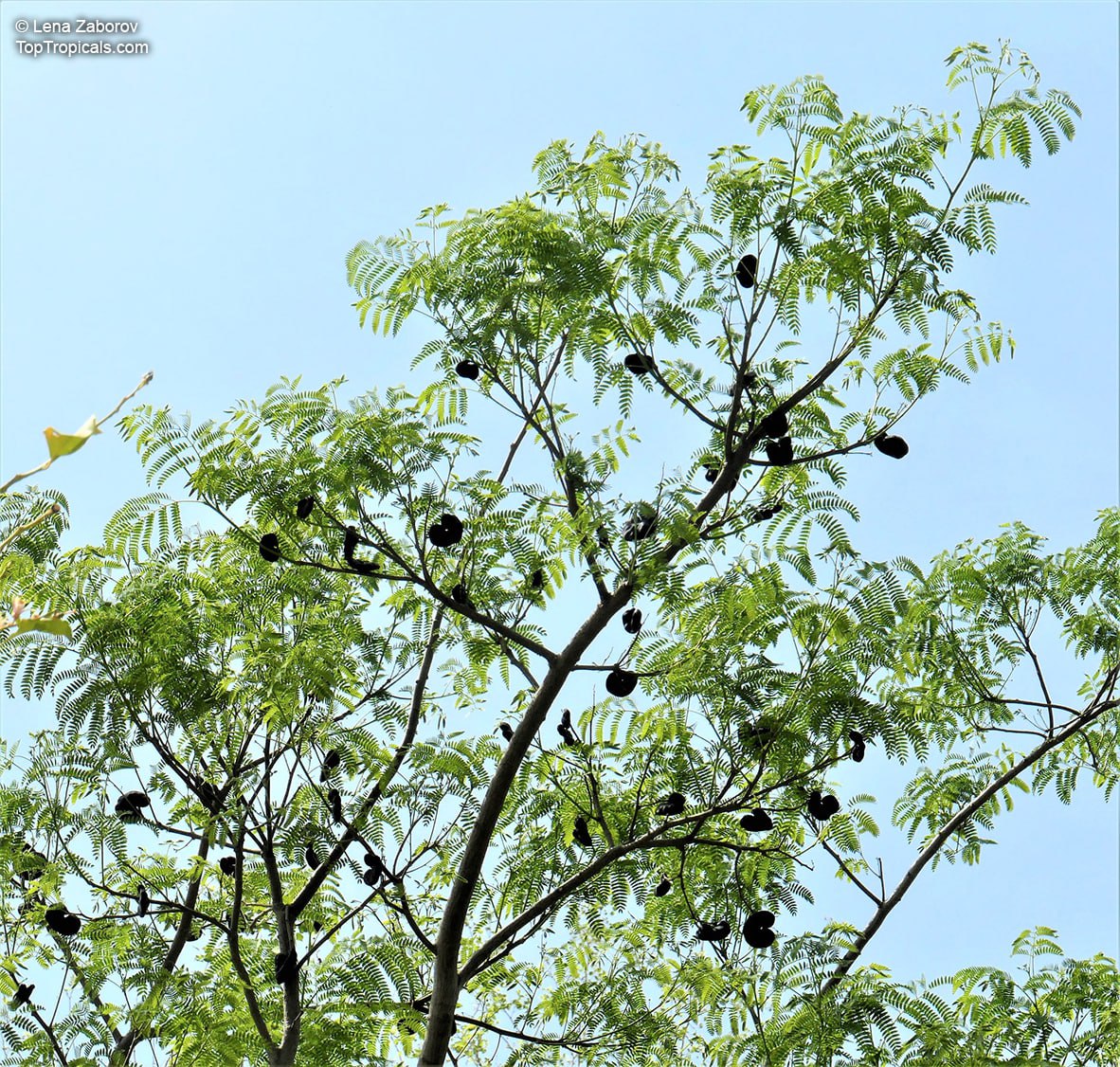
Enterolobium cyclocarpum - Monkey Ear Tree, Elephant Ear Tree
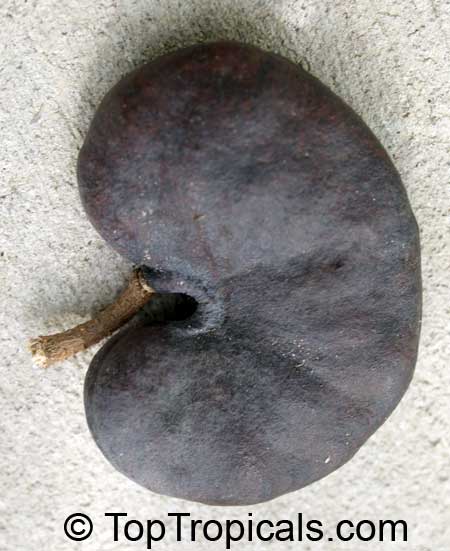
Enterolobium cyclocarpum - Monkey Ear Tree, Elephant Ear Tree

Enterolobium cyclocarpum - Monkey Ear Tree, Elephant Ear Tree, seed pod
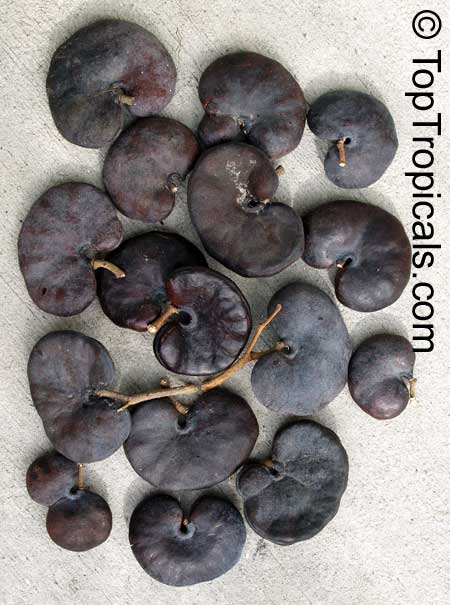
Enterolobium cyclocarpum - Monkey Ear Tree, Elephant Ear Tree, seed pod

Enterolobium cyclocarpum - Monkey Ear Tree, Elephant Ear Tree, seed pods
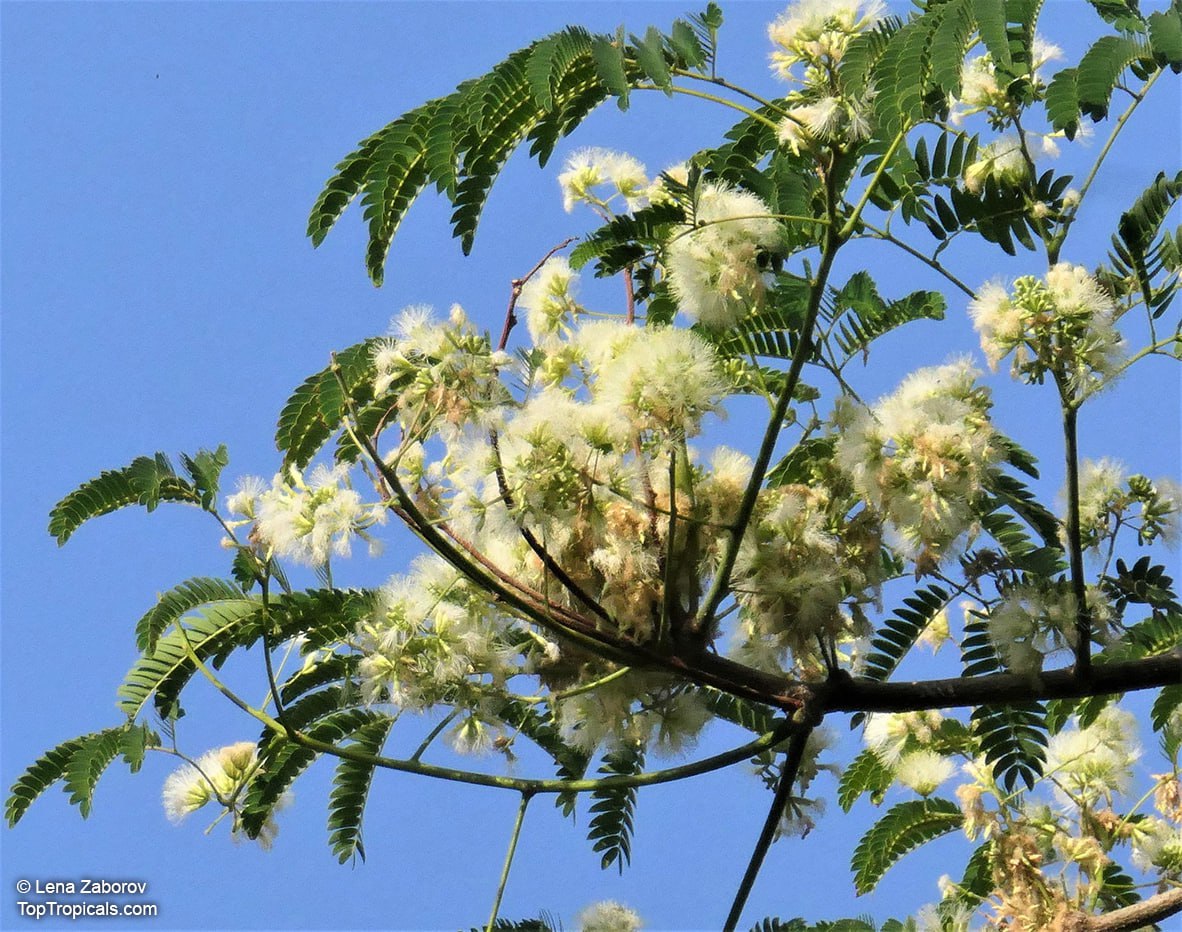
Enterolobium cyclocarpum - Monkey Ear Tree, Elephant Ear Tree, seed pods

Enterolobium cyclocarpum - Monkey Ear Tree, Elephant Ear Tree, flowers
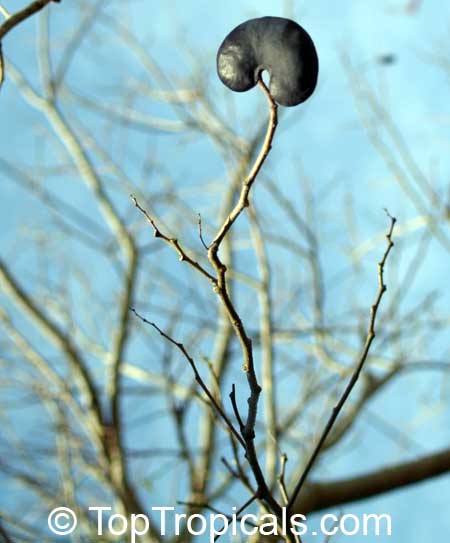
Enterolobium cyclocarpum - Monkey Ear Tree, Elephant Ear Tree, flowers

Enterolobium cyclocarpum - Monkey Ear Tree, Elephant Ear Tree, fruit

Enterolobium cyclocarpum - Monkey Ear Tree, Elephant Ear Tree, fruit

🐘 How to get a quick shade from Elephant Ear and crafts from Monkey Ear?

  • 🙉 Looking for a cool looking tree that grows faster than your to-do list? Meet Enterolobium cyclocarpum - Monkey Ear Tree, or Elephant Ear Tree. This large, feathery beauty is one of the quirkiest members of the subtropics.
  • 🙉 This fast-growing, cold-hardy giant provides ample shade in no time, making it perfect for anyone seeking instant relaxation under a canopy.
  • 🙉 But here's the real kicker - the tree's pods curl up to resemble ears! These unique legume pods aren't just fun to look at, they're also great for crafts and decorations. Nature's art project, anyone?
  • 🙉 So, if you're looking for a curious tree with personality (and maybe a bit of ear charm), the Monkey Ear Tree is ready to impress. Grow it, shade it, and get crafty with its ear-shaped pods!


📱 See video how to make Monkey Ear bonsai in next post👇


🛒 Get your own Monkey Ear Tree

#Nature_Wonders #Trees

🔴 Join 👉 TopTropicals
Date: 28 Sep 2024

What is Barbados Gooseberry?

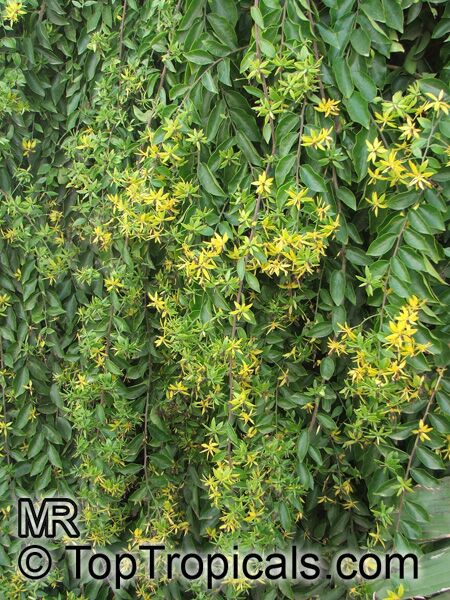
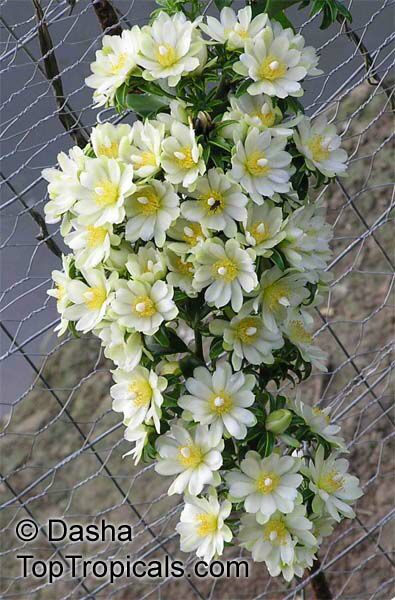
Perescia aculeata - Barbados Gooseberry, flowers

Perescia aculeata - Barbados Gooseberry, flowers

Perescia aculeata - Barbados Gooseberry

Perescia aculeata - Barbados Gooseberry

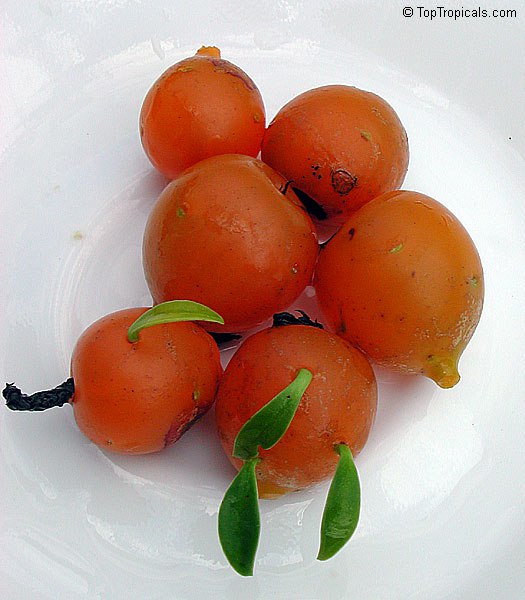
Perescia aculeata - Barbados Gooseberry, fruit

Perescia aculeata - Barbados Gooseberry, fruit

What is Barbados Gooseberry?


Perescia aculeata - Barbados Gooseberry, is a very interesting, unusual addition for any self-sustaining landscape due to its fast-growing nature and unique combination of cactus and leafy vine, with beautiful flowers and showy edible fruit.

Low-maintenance plant, it is perfect for covering walls or fences, adds greenery and a productive food source, making it both practical and visually appealing.
  • A unique cactus with real leaves, unlike most cacti. Needs very little water.
  • Fast-growing vine that can cover fences or walls quickly.
  • When in bloom, the vine is covered with beautiful white flowers, followed by bright orange, edible, tangy fruits.
  • Great for adding greenery and a food source to your garden.


🛒 Plant Barbados Gooseberry

#Food_Forest #Hedges_with_benefits

🔴 Join 👉 TopTropicals

Date: 21 Oct 2024

What is camphor made of?

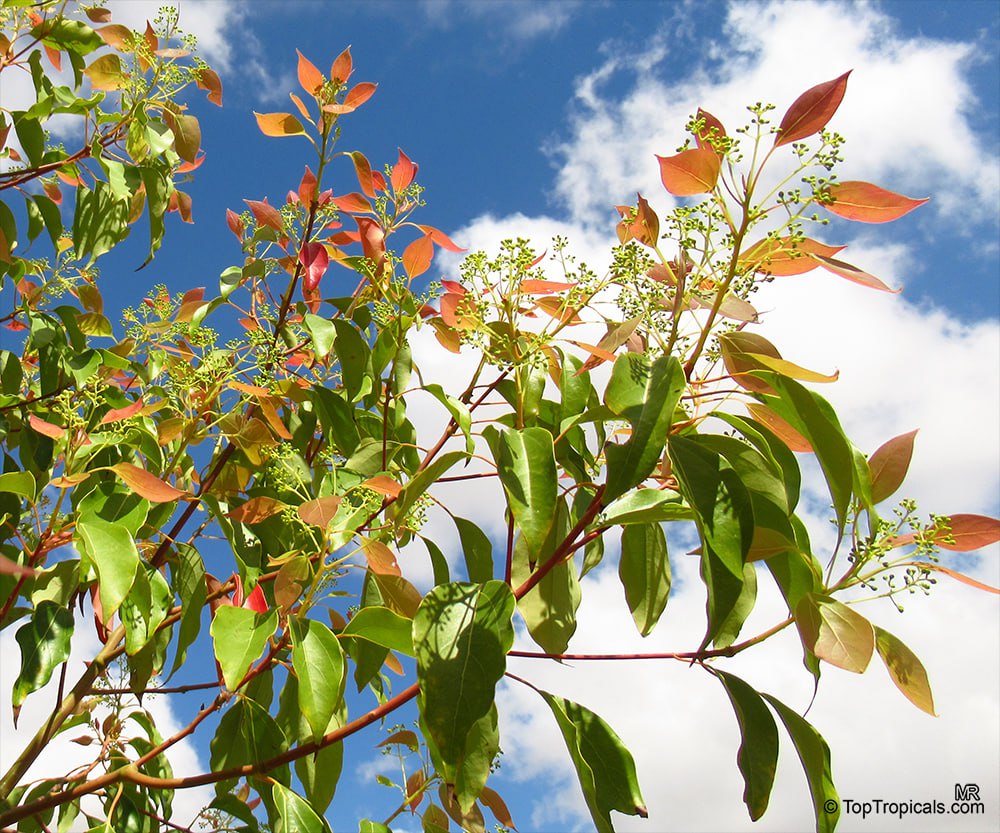
Camphor tree (Cinnamomum camphora)

Camphor tree (Cinnamomum camphora)

🟢 What is camphor made of?

  • 🌱 Camphor tree (Cinnamomum camphora) - is your aromatic ally in the garden!
  • 🌱 This charming relative of the cinnamon tree is known for its glossy oval leaves that can grow up to 5 inches long.
  • 🌱 Not only does it boast a lovely canopy, but it’s also the source of camphor, a fragrant compound used in medicines and mothballs.
  • 🌱 The leaves and branches can be used to create aromatic saunas and medicinal baths, filling your space with a soothing scent.
  • 🌱 This cold-hardy, slow-growing tree is tough enough to withstand various conditions while developing a dense canopy that provides excellent shade.
  • 🌱 Camphor Tree is a delightful addition that brings a touch of nature's fragrance to your home. While it's little known among gardeners, this underappreciated gem deserves a spot in every landscape for its unique qualities and benefits!


🛒 Plant your own Camphor tree

#Nature_Wonders #Perfume_Plants #Trees

🔴 Join 👉 TopTropicals

Date: 5 Nov 2024

How much water is too much?

Cat  in  the  pool  with  umbrella

"Always over-water your plants: just improve their soil drainage!" - Murray Corman, horticulturist, rare tropical fruit tree expert.

Q: I always tend to overwater my plants. How often should I water container plants and how to determine if it's too much water?

A: One of the most common challenges in tropical plant care, including houseplants, is overwatering, particularly in container gardening. So, how much water is too much?

The rule of thumb: let the soil dry out a bit before watering again, and never water if the soil feels wet to the touch. For indoor plants with saucers underneath, ensure they don't sit in standing water by removing any excess from the saucer after watering. However, remember that the watering schedule alone isn't the only key to success!

Improve drainage. Surprisingly, water itself isn't harmful to plants, no matter how generous your watering is. The real issue is poor drainage, which leads to stagnation and bacterial buildup, ultimately causing root rot.

In the nature. If you've traveled to places like Hawaii or explored tropical jungles, you might have noticed plants thriving between rocks with minimal soil, receiving a near-constant fine mist of rain. Conversely, swamps support very few trees - only bog or water plants adapted to wet conditions can survive there. The lesson? It's not the water, it's the growing medium!

The Soil Solution: for potted plants, always use a high-quality potting mix with excellent drainage properties. This should include ample "soil conditioners" such as perlite, vermiculite, and pine bark. At our nursery, we use a professional soil mix called Abundance. Learn more about potting soil.

Pot size matters. And the last but not least: if you tend to overwater your potted plants, consider using the smallest container size that comfortably fits the root system. A pot that's too large can mean excess wet soil, increasing the risk of root rot. With proper fertilizer program, container plants don't need to much soil to thrive.

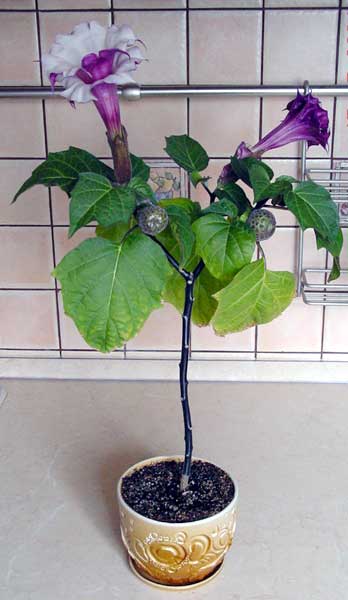
Datura  Metel  -  Horn-of-Plenty

Photo above: Datura Metel - Horn-of-Plenty - doesn't need a large container for happy blooming indoors!

Date: 11 Nov 2024

What makes Canistel Fruit so special?

Canistel, Egg Fruit (Pouteria campechiana)

Canistel, Egg Fruit (Pouteria campechiana)

💛 What makes Canistel Fruit so special?


You will be surprised how many health benefits this fruit can offer! Canistel or Egg Fruit (Pouteria campechiana) is a beautiful, curiously shaped piece of Nature's Art, and the tree is super easy to grow. Native to South America, it is relatively cold hardy and fast growing, providing with the first crop within a year or two.
  • 📍 Variety of Shapes: Can be round, oval, spindle, or heart-shaped with a smooth, glossy skin.
  • 📍 Ripening Color: Turns yellow or pale orange when ready to harvest.
  • 📍 Unique Texture: Firm and mealy flesh, becoming softer and pasty at the center - similar to a hard-boiled egg yolk.
  • 📍 Sweet Flavor: Musky, with hints of baked sweet potato.
  • 📍 Culinary Uses: Enjoy fresh with salt, lime, or mayonnaise; or use in custards, milkshakes, pancakes, jams, and ice cream.
  • 📍 Versatile Ingredient: Popular in Thailand for cakes, jelly, and other desserts.


📚 Learn more from previous posts
10 Health Benefits of Canistel Fruit
How to make exotic Canistel Egg Fruit Custard - Recipe

🛒 Order Canistel Egg Fruit Tree

#Food_Forest

🔴 Join 👉 TopTropicals