Garden Blog - Top Tropicals

Date: 9 Apr 2026

*️⃣ Stop Babysitting Your Trees - Grow Cold Hardy Avocados Instead
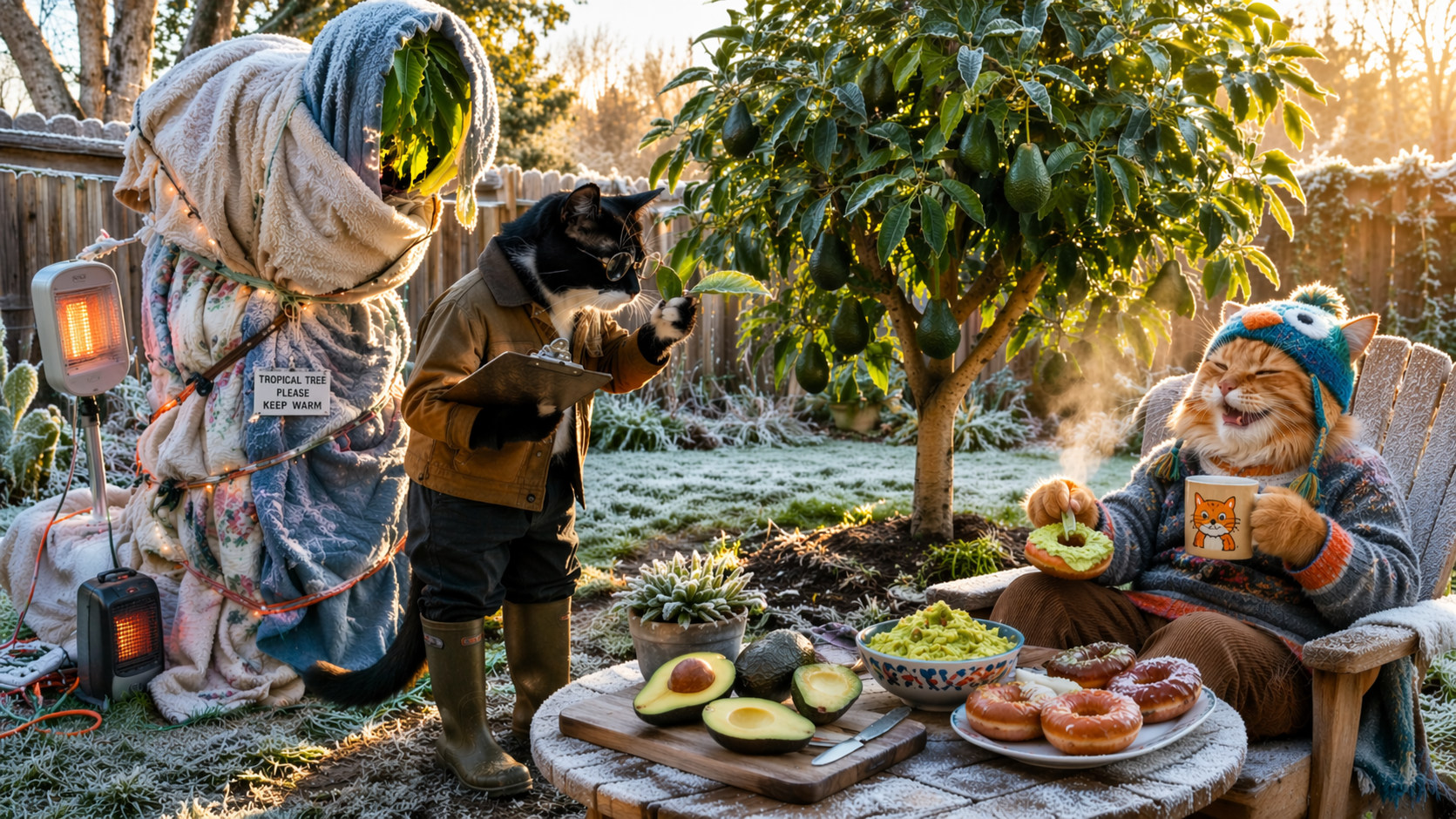
Smokey  the  black-and-white  cat  with  glasses  sits  on  a  patio  taking 
 notes  while  Sunshine,  a  fluffy  orange  cat  wearing  bunny  ears,  holds  a  small 
 potted  mango  tree  with  light  yellow  flowers.
Sunshine: I love these crazy guacamole donuts… but I’m tired babysitting trees during cold.

Smokey: Then stop planting trees that need babysitting. Plant cold hardy avocado.

Read more about Smokey & Sunshine

You always wanted an avocado tree. Not in Miami - right there in Central Florida, in your own yard. You planted one, it grew well for a few years, and it felt like you finally figured it out. Then 2026 hit. A few cold nights, temperatures dropped below what your area usually sees, and the tree was gone.

Here is the part most people miss: USDA zones are based on average minimums, not the worst freezes. One bad night can erase years of growth.

That does not mean avocado will not work. It means you planted the wrong variety. Cold hardy avocados are built for exactly this kind of surprise.
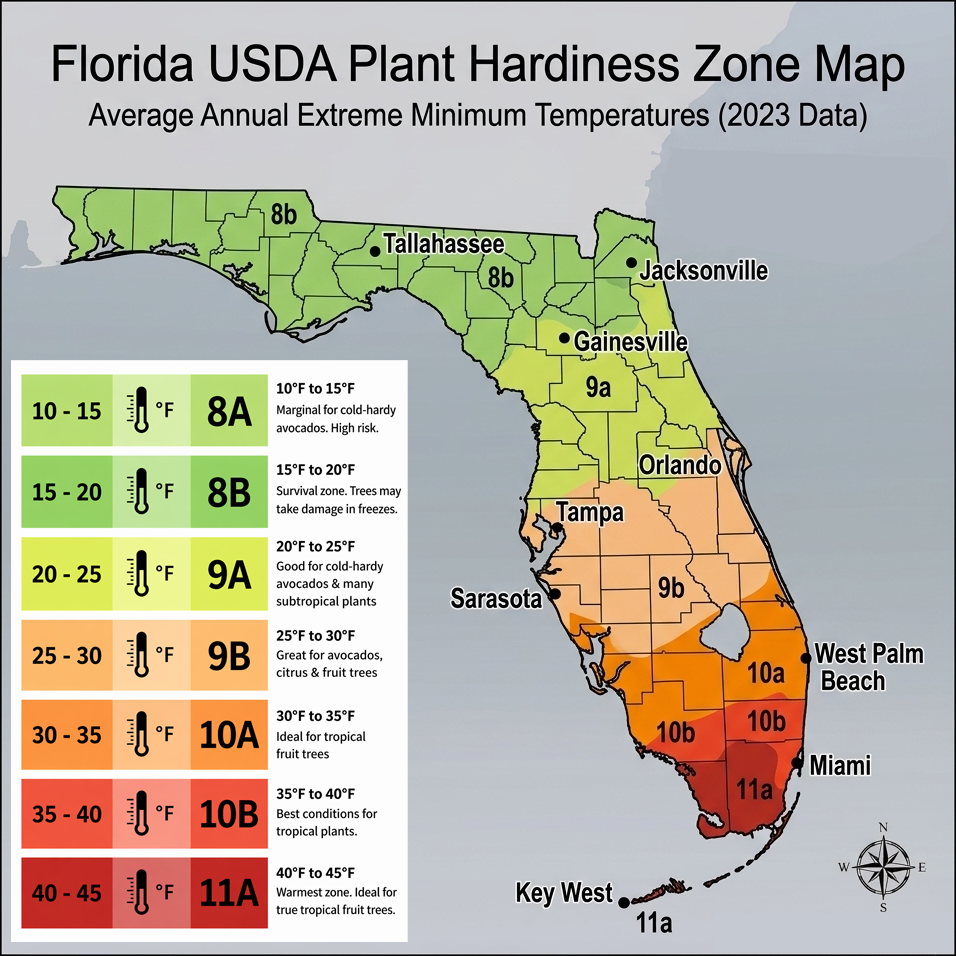
Florida  USDA  plant  hardiness  zone  map  showing  zones  8a  through  11a  with
    temperature  ranges

USDA zone map

This USDA Zone map makes one thing clear: all of Florida can grow avocado. The question is not if - it is which variety. From North Florida (8b) to South Florida (11a), there is always an option that fits your conditions.

If you are outside Florida - in Texas, Louisiana, California, or anywhere else - the same rule applies. Start with your USDA zone, then choose the right type of avocado for it. You can check your local zone here

So what does this mean for your yard? It is not about trying again and hoping for a warmer winter. It is about choosing a tree that actually matches your zone.

Cold Hardy Avocado Varieties for Reliable Harvests

Swipe left/right to see all data <->
🌡️ Threshold 🛡️ Resistance Profile Primary Varieties & Type Culinary Profile 📍 Geographic Best Fit
15°F+ High Resistance: Mexican-type selections. Short freezes near 15°F are survivable with minor leaf burn. Fantastic (A), Joey (B), Lila (A), Poncho (B) High Oil / Nutty USDA Zone 8b / 9a transition regions. Central/North Florida, Texas, Arizona
20°F+ Moderate: Brief freezes usually survivable. Full recovery may take an entire growing season. Bacon (B), Brogdon (B), Day (A), Fuerte (B), Mexicola Grande (A), Ulala "Super Hass" (A), Winter Mexican (B) Medium Oil / Creamy Coastal 9a. Inland Florida and colder microclimates.
25°F+ Light: Visible canopy damage and branch dieback are common. Survival depends on wind protection. Choquette (A), Oro Negro (B), Lula (A) Rich / "Black Gold" Zone 9b/10a. Coastal Central Florida and protected microclimates.
30°F+ Frost Tolerant Only: Even brief freezes cause rapid damage. Best for South Florida. Simmonds (A), Black Prince (A) Mild / Large Slicing USDA Zone 10a / 10b. S. Florida, Miami, Keys, Coast.
  Compact: Move inside during cold Dwarf Wurtz (A&B) and Fuerte (B) Rich / High Oil Patio Growers & Containers

See more varieties in our Master Avocado Varieties table

Microclimate matters more than your zone. The same yard can have warm and cold pockets. Plant near a south-facing wall, under light canopy, or in a spot protected from wind, and you gain a few critical degrees on cold nights.

Young avocado trees need protection during their first winters. They have not built enough wood or root strength yet, so even a short cold snap can damage them. Simple steps like frost cloth, wind protection, or temporary covers can make the difference between a setback and a loss.

You may see avocados labeled as Type A or Type B. This refers to how the flowers open, not cold hardiness. Some people mix both types to improve pollination, and while a single tree can still produce fruit, having two different types is beneficial and can increase your harvest.

Practical Planting Advice

  • Plant on a mound
    Raise the root zone 4-8 inches for fast drainage.
  • Avoid low spots
    Standing water is worse than drought for avocados.
  • Full sun
    Maximum light = stronger growth and better recovery.
  • Use microclimate
    South-facing wall, light canopy, or wind protection adds critical warmth.
  • Do not overwater
    Let the top layer dry slightly between watering.
  • Protect first winter
    Cover young trees during cold nights.

✅ Stop Guessing. Plant What Works.

Cold hardy avocados are not theory - they are proven to handle real conditions. Choose the right variety for your zone, plant it correctly, and you stop replacing trees after every cold snap.

🎥 Watch cold hardy avocado videos

✨ Grow More. Save More.

Get 10% off when you buy 2 or more 3 gal avocado trees. Mix varieties, combine Type A and Type B, and set yourself up for better pollination and bigger harvests.
Offer valid through 04/15/2026. No code needed - discount applied automatically at checkout.
Discount applies to 3 gal avocado plants only. Not valid on previous purchases and cannot be combined with other promotions or discounts. Offer subject to change without notice.
🛒 Shop cold hardy avocado

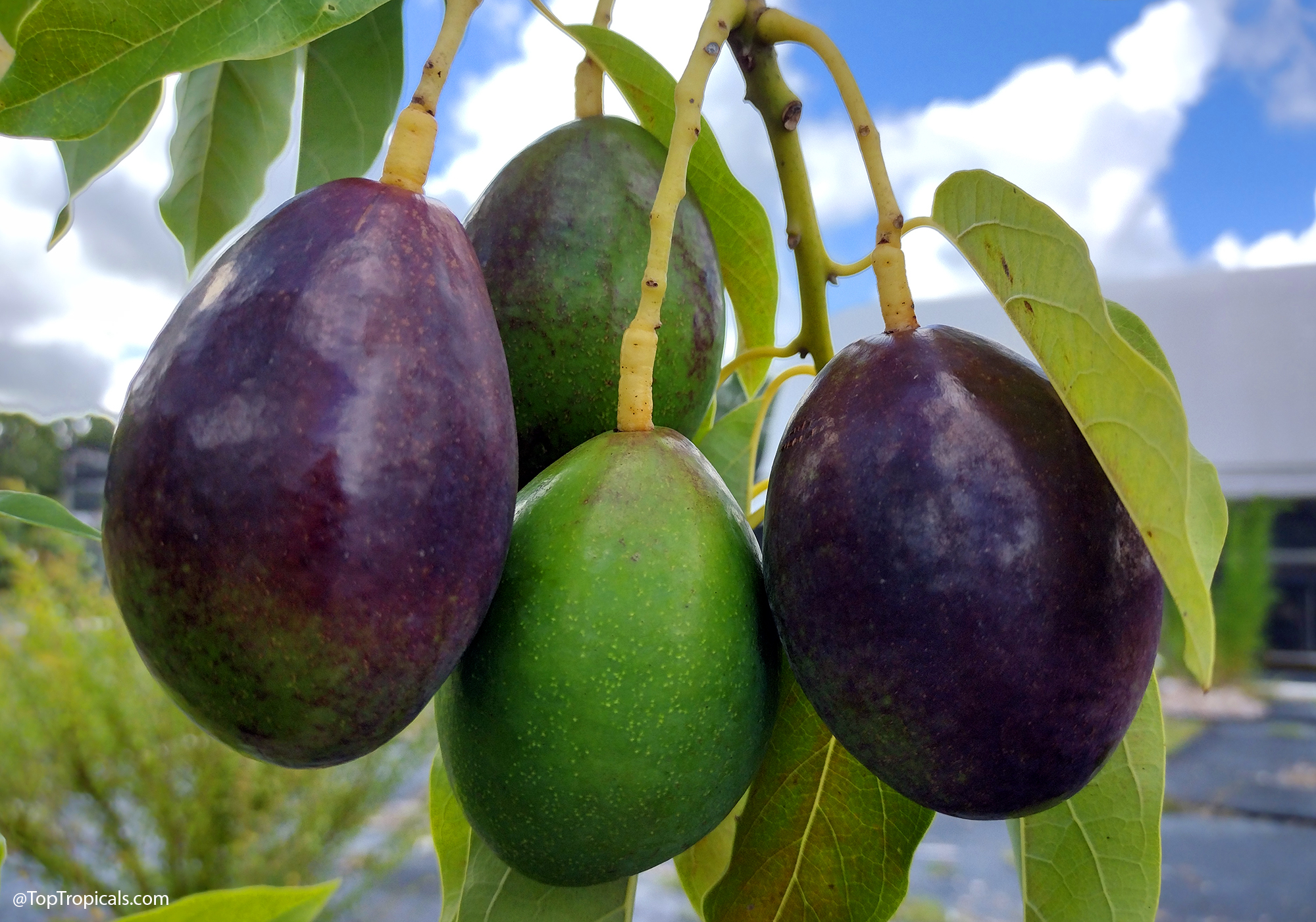
Avocado  tree  Joey,  Semi-Dwarf,  Cold  Hardy  (Persea  americana)  -  purple 
 and  green  fruit  on  a  branch

Joey is one of the most cold hardy Avocado trees with a compact habit and very pretty fruit. The flesh is nutty, smooth, and mildly sweet.

📚 Learn from our Blog:
Avocado for cold areas
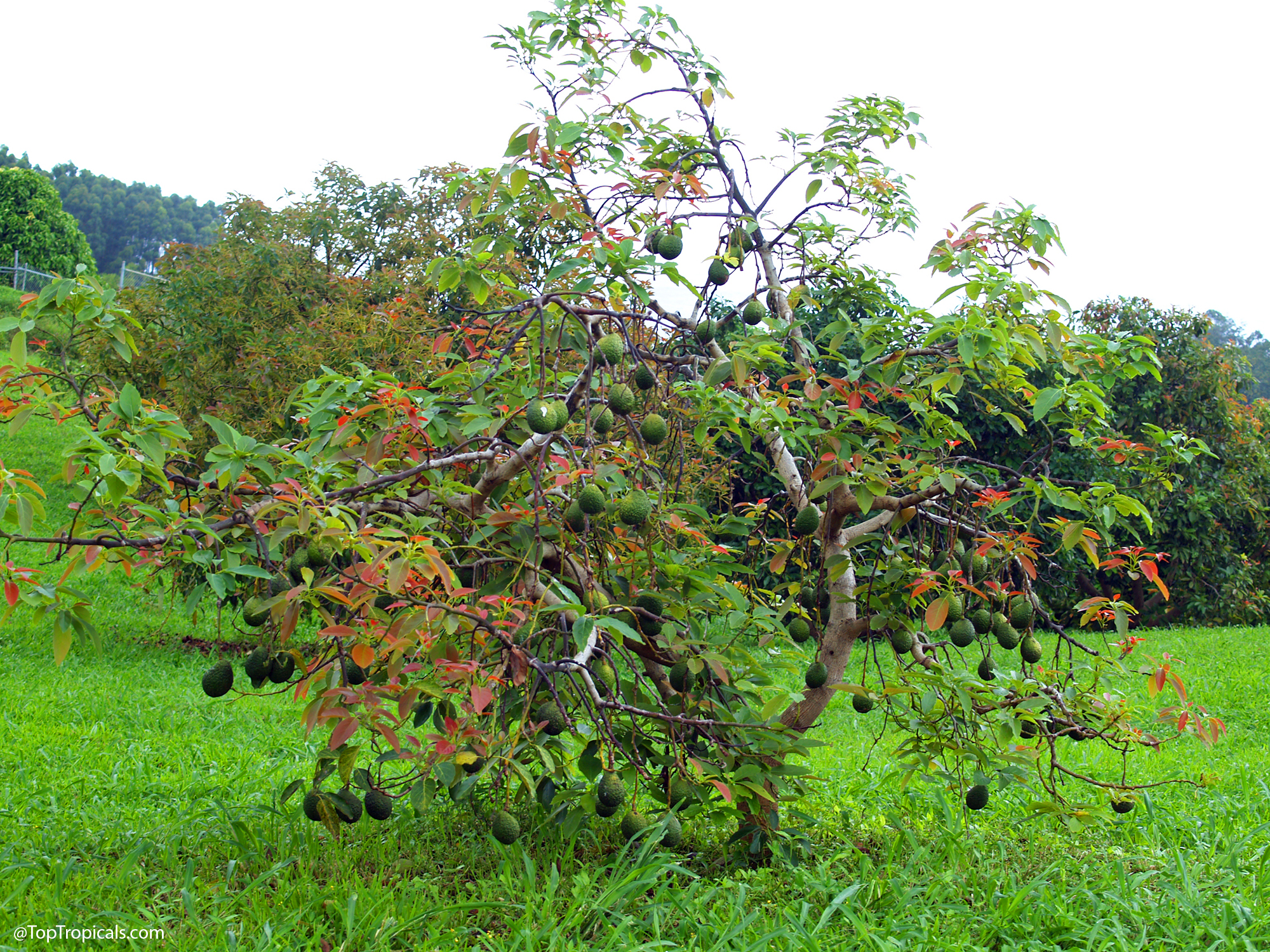
Fuerte  avocado  tree  compact  dwarf  growth  with  green  fruit  in  garden 
 setting

Fuerte is very productive, cold hardy, and is one of very few dwarf avocado varieties that stay compact in the garden and easy to grow in container.

Date: 30 Apr 2026

The One Peach Tree Every Florida Gardener Should Know About: Tropic Beauty

The One Peach Tree Every Florida Gardener Should Know About: Tropic Beauty The One Peach Tree Every Florida Gardener Should Know About: Tropic Beauty

🍑 The One Peach Tree Every Florida Gardener Should Know About: Tropic Beauty


Most Florida gardeners assume peaches are off the table. Wrong climate, not enough cold, too much heat. Tropic Beauty exists specifically to prove that wrong - and it ripens in late April while the rest of the country is still waiting on summer.
  • 🍑 I Didn't Think You Could Grow Peaches Here


I'll be honest - when I first started growing fruit trees in Florida, I assumed peaches were just off the table. Too much heat, not enough cold winters, wrong climate entirely. Then someone at my local nursery pointed me toward Tropic Beauty, and that assumption went right out the window.

This variety has been around since 1989, developed jointly by the University of Florida and Texas A

&M. That's over three decades of Florida gardeners growing it, eating it, and planting more of them. When a cultivar sticks around that long, it's just a good tree.

🍑 Why Low Chill Actually Matters Here


Most peaches need 700 to 1,000 chill hours - the number of hours below 45°F the tree needs during winter to break dormancy and set fruit. In central and south Florida, we're lucky to scrape together 150 to 300 hours in a mild year. That rules out most varieties before you even get started.

Tropic Beauty only needs 150. It was built for exactly the winters we have here - cool but not cold, brief but not brutal. Most years, it gets what it needs without you thinking about it at all.

  • 🍑 What the Fruit Is Actually Like

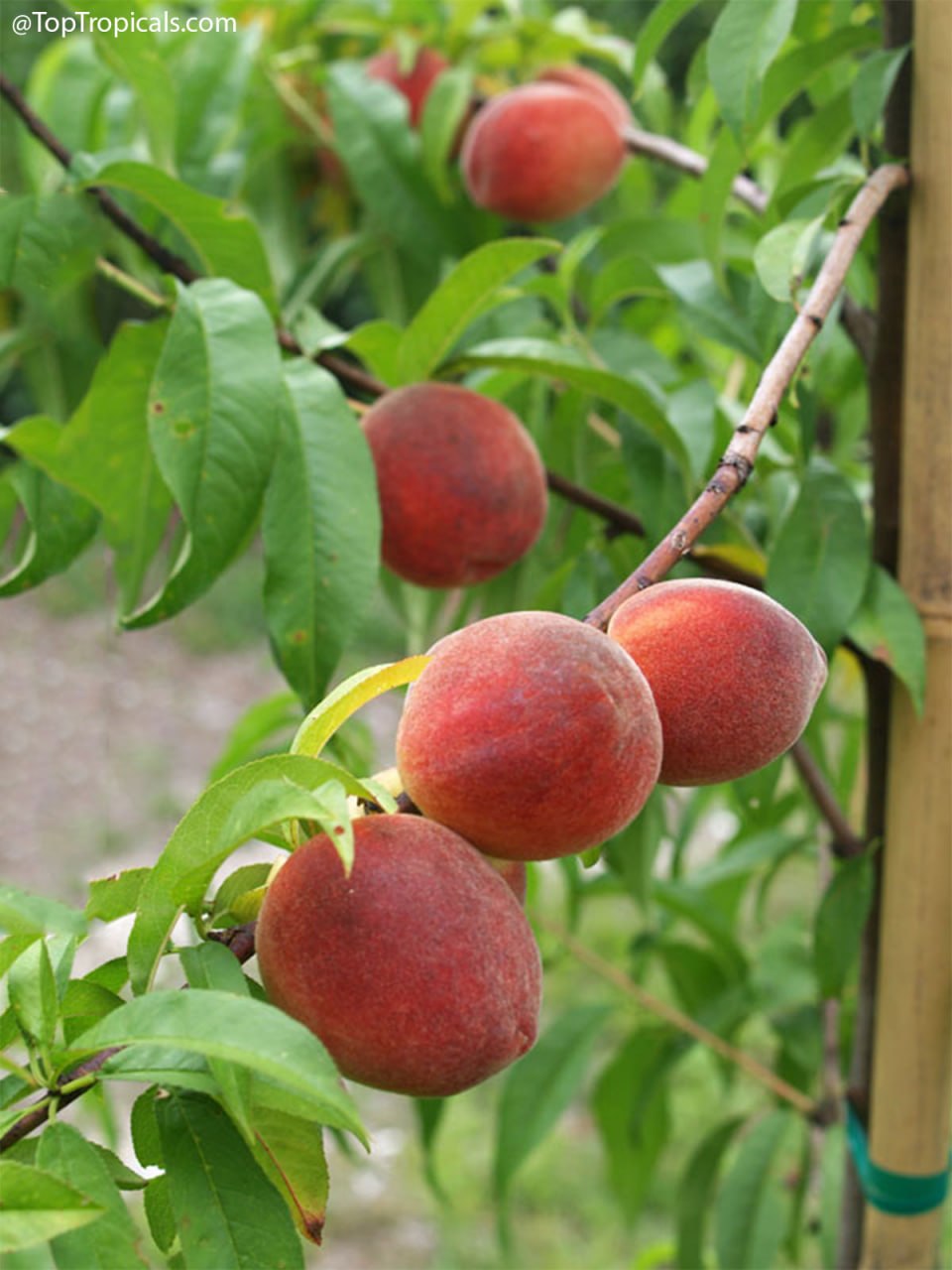
  • Medium-sized peaches, deep red blush covering about 70% of the skin over a bright yellow background. They look genuinely good on the tree - the kind of fruit that makes you grab your phone before you even pick one.

    Cut one open and you get soft, melting yellow flesh with classic sweet peach flavor, plus a little acidity to keep it interesting. The pit is semi-freestone, easy enough that you're not wrestling with it.

    If you've ever bitten into a grocery store peach and been let down - mealy texture, no real flavor - this is the opposite of that. Warm from the tree on a late April morning, it tastes like what peaches are supposed to taste like.

  • 🍑 April Harvest: Earlier Than You'd Think

  • Ripening in late April, Tropic Beauty is one of the earliest peaches you can grow anywhere. Most of the country is still waiting on peach season while you're already making cobbler.

    The fruit also holds well on the tree - no need to pick everything at once. You can let them hang and harvest over a couple of weeks, which is a real convenience if you're planning to can and want to spread the work out.

  • 🍑 One Tree Is Enough (But Two Doesn't Hurt)

  • Tropic Beauty is self-fertile, so it doesn't need a second tree to produce fruit. Plant one, get peaches. That matters if you're working with a smaller yard or just testing the waters.

    If you have space for two, yields do go up with cross-pollination - worth keeping in mind for a small home orchard.

  • 🍑 It Fits More Spaces Than You'd Expect

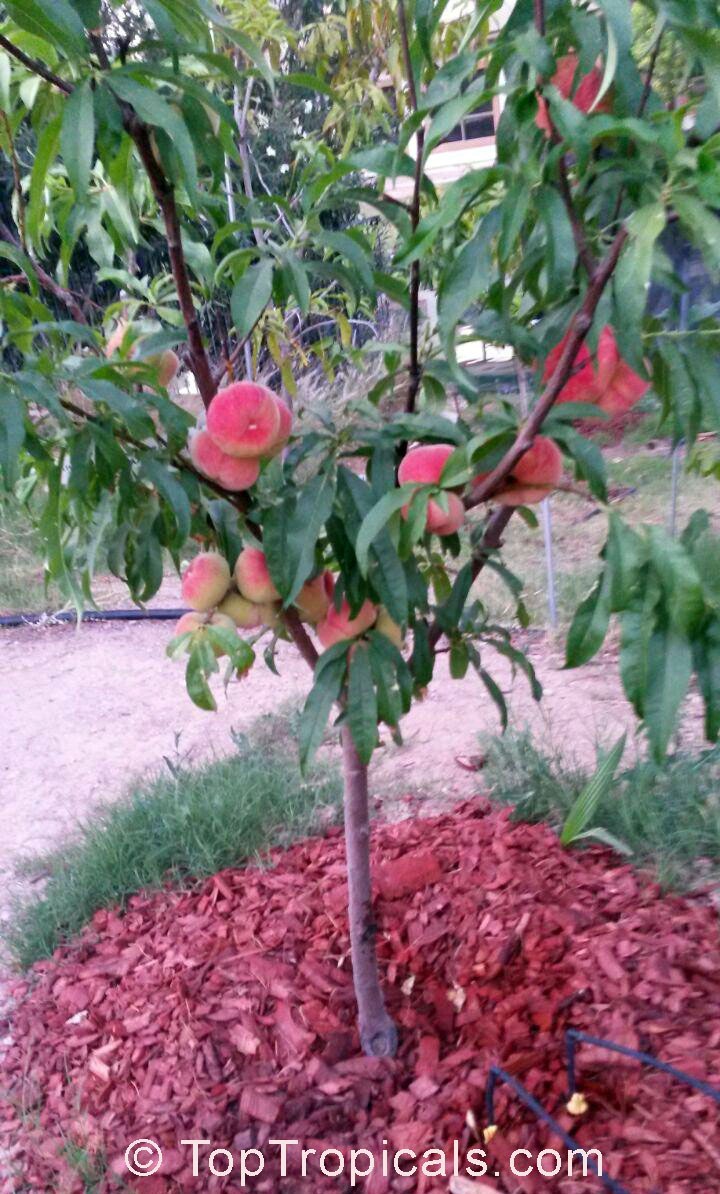
  • The tree can grow 15 to 20 feet, but with regular pruning it's easy to keep around 10 feet. It also works well in containers, which makes it more accessible than most fruit trees.

    Plant it in full sun, well-drained soil. Peaches don't love wet feet, so if drainage is questionable in your yard, mounding the soil before planting is a smart move.

  • 🍑 Worth Planting?

If you're in central or south Florida and you've been wanting to grow peaches but weren't sure it was realistic - Tropic Beauty is your answer. Proven over decades, adapted to the climate, and when it produces, it produces well.

Some trees you plant and hope for the best. This one, you just wait for April.

🎥 Before the peaches, there's this. Tropic Beauty in full bloom - proof that a fruit tree can be just as beautiful as anything you'd plant purely for looks.

📚 Learn more:

🛒 Shop Low Chill Peaches

#Food_Forest #Discover Join 👉

Plant Facts

Prunus armeniaca, Amygdalus armeniaca
Apricot
USDA Zone: 9-11
Small tree 10-20 ftFull sunModerate waterWhite, off-white flowersPink flowersEdible plantPlant attracts butterflies, hummingbirdsDeciduous plantEthnomedical plant.
Plants marked as ethnomedical and/or described as medicinal, are not offered as medicine but rather as ornamentals or plant collectibles.
Ethnomedical statements / products have not been evaluated by the FDA and are not intended to diagnose, treat, cure, or prevent any disease. We urge all customers to consult a physician before using any supplements, herbals or medicines advertised here or elsewhere.Subtropical plant. Mature plant cold hardy at least to 30s F for a short time