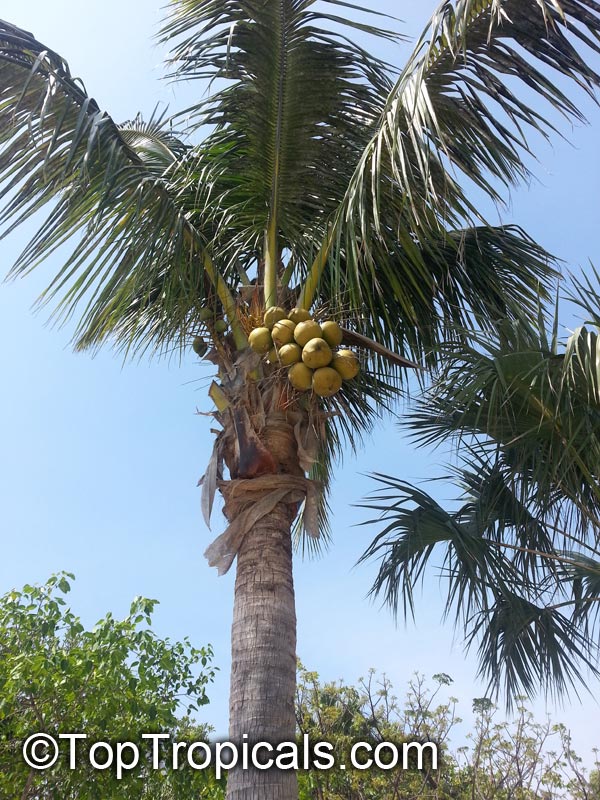
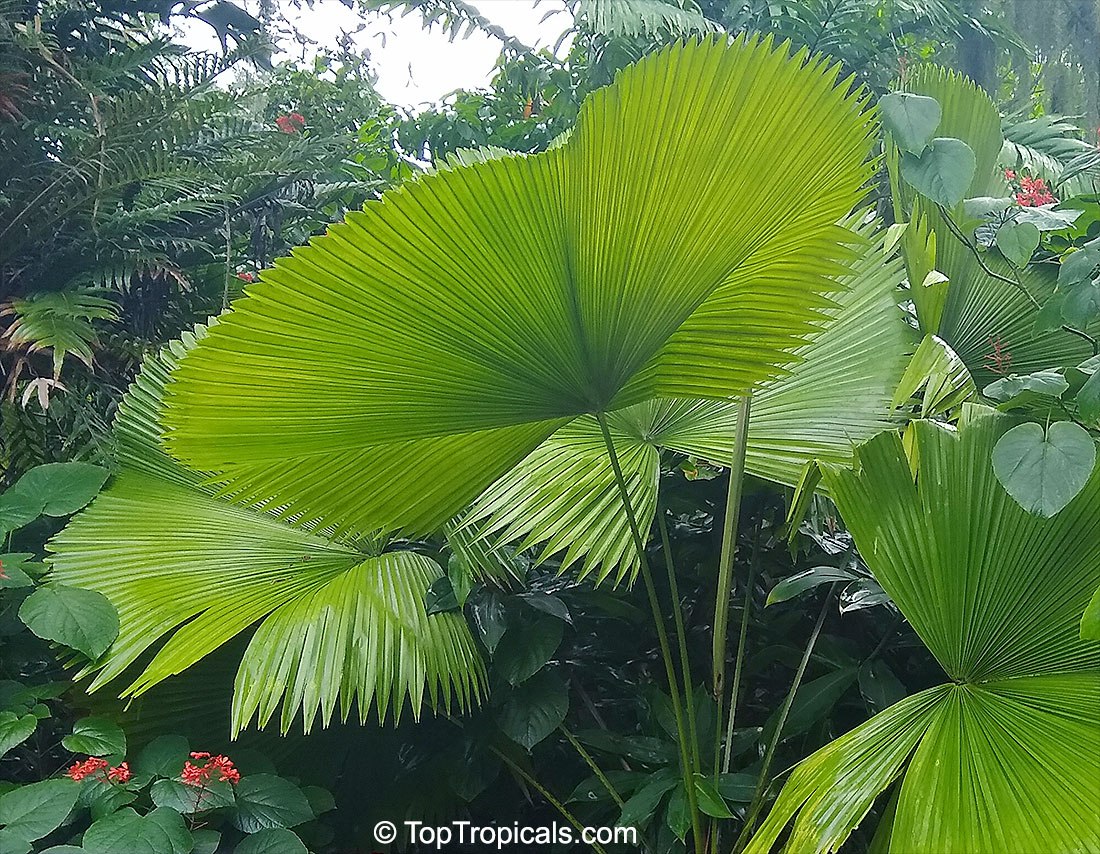
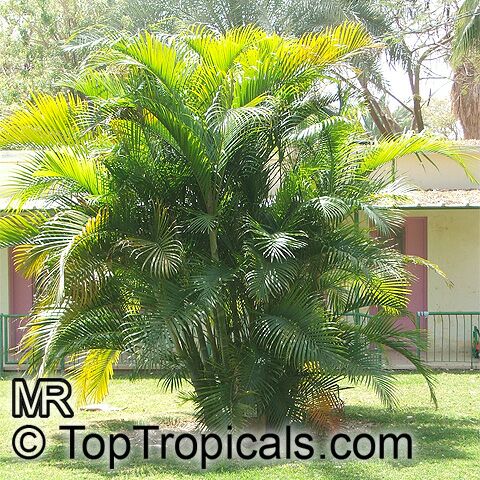
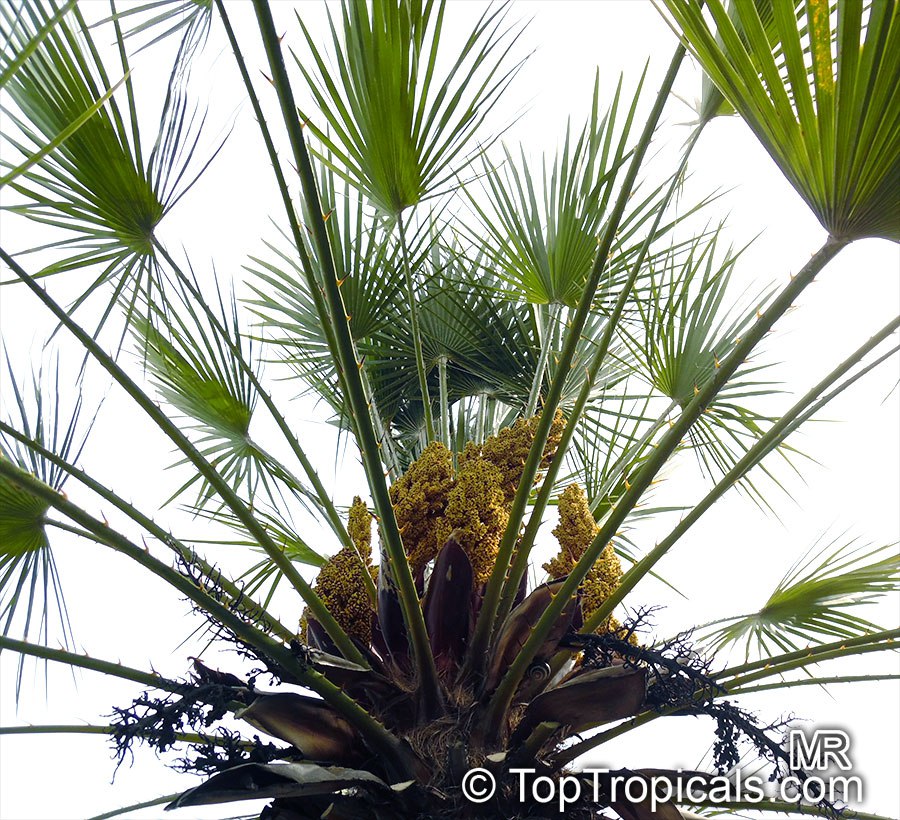
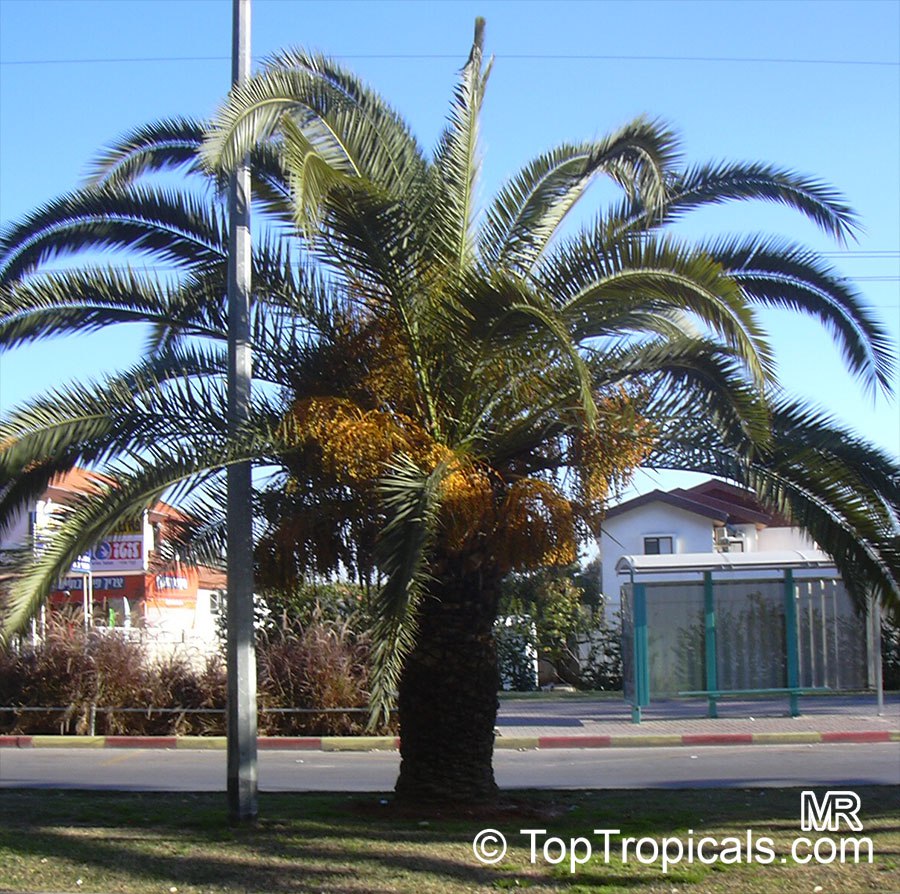
🌴 How cold hardy are palm trees and how to protect them in winter
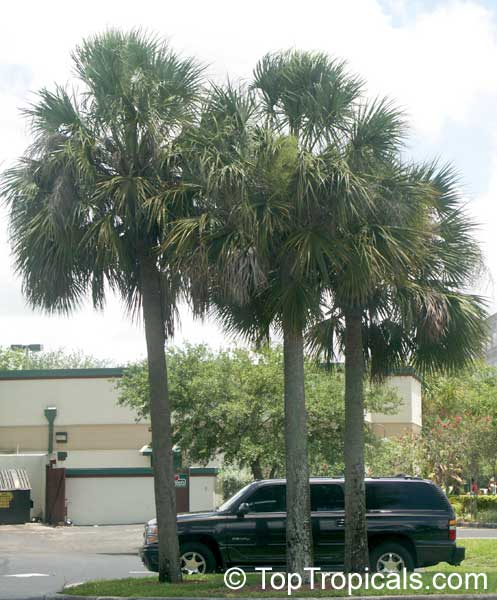
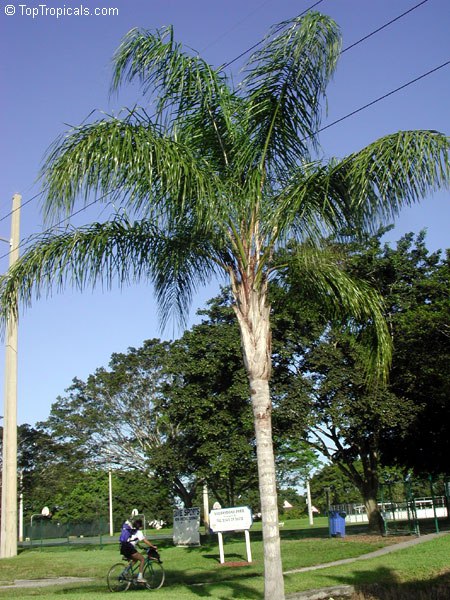
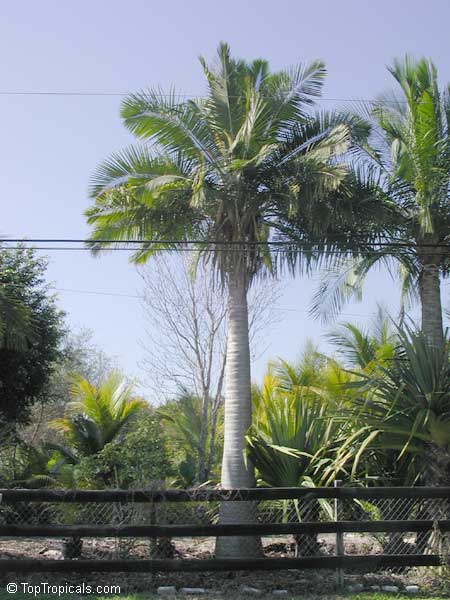
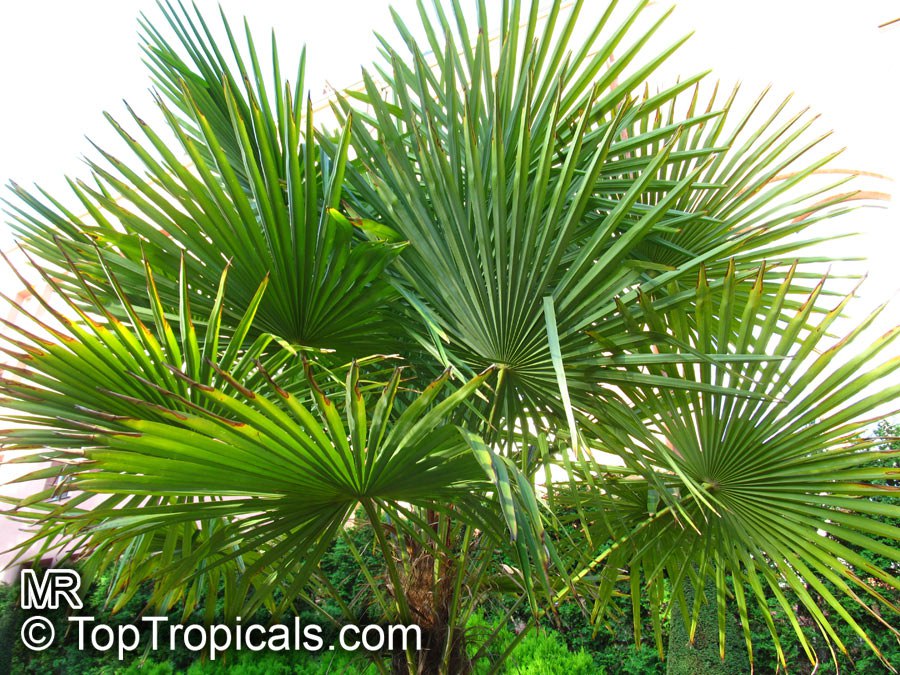
🌴 Most palms are tropical plants and require a frost-free climate to grow outdoors. However, there are a few exceptions. Adjust care depending on your zone and palm species.
🌴 Some cold-hardy species can handle harsher conditions, with proper protection, making them great options for gardeners in zones that experience occasional freezes.
🌴 Mulch generously: Apply a thick layer of mulch around the base to insulate roots. Keep mulch a few inches away from the trunk to prevent rot.
🌴 Water before frost: Water deeply before a freeze to stabilize soil temperature and prevent dehydration.
🌴 Cover young palms: Wrap smaller or sensitive species in burlap, frost cloth, or blankets. Avoid plastic, as it can trap moisture and cause damage.
🌴 Protect the crown: For cold-sensitive palms, bundle fronds upwards and wrap the crown with cloth or burlap to shield the growing point.
🌴 Use heat sources: Place Christmas lights (non-LED) or a heat lamp near the tree, ensuring they’re safe and don't touch the foliage.
🌴 Avoid pruning: Keep fronds intact during winter—they provide natural insulation.
🌴 Species-specific care: Cold-hardy palms need less protection. Delicate types require more attention, including covering and relocating potted ones indoors.
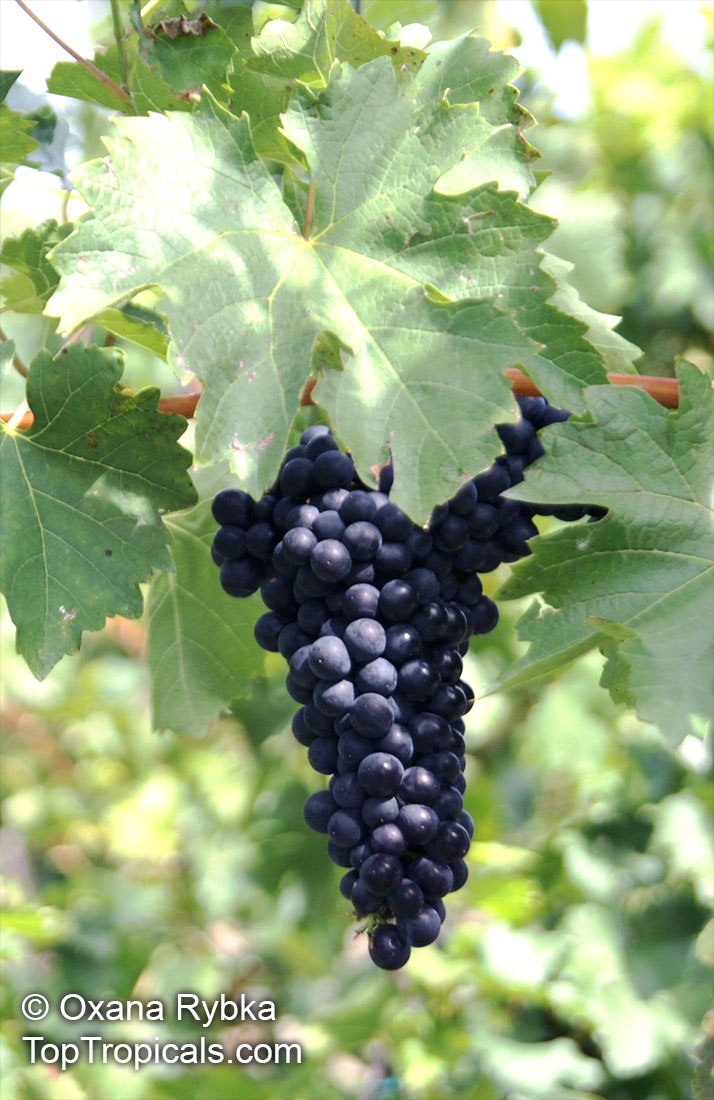
Vitis x rotundifolia - Southern Home Seedless Grape
🍾 How to start your own vineyard
🍷 Can grapes grow in the tropics?
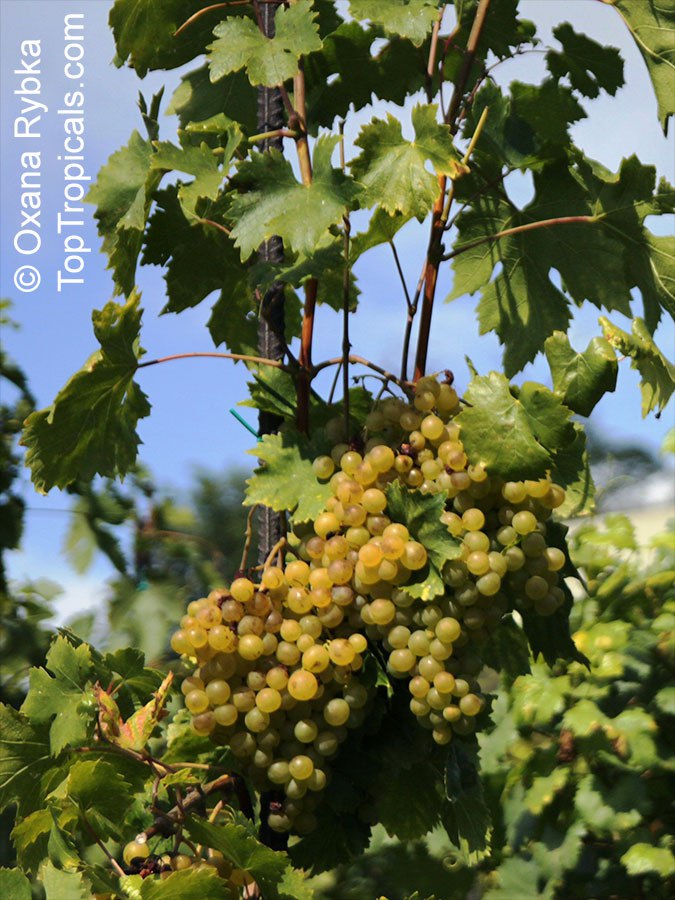
🍇 Yes! With the right varieties, like muscadines and low-chill, heat-tolerant hybrids, grapes can thrive in tropical climates. For example:
🍇 Vitis labrusca x vinifera - Blanc du Bois Grape: A hybrid prized for winemaking, combining European and native Florida grapes. It's heat-tolerant, disease-resistant, and thrives in the southern U.S., even in alkaline or salty soils.
🍇 Vitis x rotundifolia - Southern Home Seedless Grape: A gorgeous vine with delicate leaves and clusters of deep purple, sweet-tart grapes. It was developed at the University of Florida to handle heat and humidity. Self-pollinating and perfect for fresh eating.
⭐️ The Bamboo Orchid (Arundina graminifolia), or Bird Ground Orchid, is a showstopper with its elegant, pinkish-purple flowers perched on tall, cane-like stems that look strikingly like bamboo.
⭐️ These towering plants can grow to hip height or even taller, bringing a bold, exotic vibe to your garden. Their resemblance to bamboo isn't just in the stems – the long, alternating leaves add to the illusion.
⭐️ At the top of the canes, delicate flowers bloom one at a time, keeping the show going for weeks. Each flower, about 2-3 inches wide, features soft white petals and a vibrant purple-pink lip, reminiscent of the beautiful Cattleya orchids.
⭐️ These blooms can appear almost year-round, with a peak in summer, adding a touch of tropical elegance to your landscape.
⭐️ This stunning plant is perfect for those who want a unique and low-maintenance addition to their shade garden that always reaches for the sky!
*Wax Plants: Hoyas are often called wax plants because of their thick, glossy leaves and waxy flowers.
*Sweet Scented Blooms: Their star-shaped flowers not only look like candy but also emit sweet, often vanilla-like or chocolatey scents, especially in the evening.
*Epiphytic Nature: Many Hoyas grow as epiphytes in their natural habitats, meaning they live on other plants or trees, getting nutrients from the air and rain.
*Longevity: Hoyas can live for decades and may even be passed down as heirlooms. Some specimens are over 100 years old!
*Nectar Drops: Their blooms produce tiny drops of nectar, a treat for pollinators (and sometimes houseplant owners).
*Hundreds of Species: There are over 500 species of Hoyas, ranging from tiny-leafed varieties to ones with massive leaves or even fuzzy foliage.
*Sun-Loving Flowers: While the plants tolerate lower light, Hoyas flower best with bright, indirect light or even some direct sun.
*Low-Maintenance: They’re perfect for forgetful gardeners since they prefer to dry out between waterings.
*Climbing or Trailing: Hoyas can either climb with the help of trellises or cascade beautifully as trailing plants.
*Flowering Age: Hoyas are patient! Some won’t bloom until they’re a few years old, but the wait is worth it.
*Resilient Peduncles: Never cut off the “flower stems” (peduncles) - Hoyas rebloom from the same spot year after year.
*Exotic Origins: Native to Asia, Australia, and the Pacific Islands, they thrive in tropical and subtropical climates.
*Lucky Charm: In some cultures, Hoyas are considered symbols of love and are gifted as housewarming or wedding presents.
🎥 Hoya calycina - Papua Sweet Scent was discovered in Papua New Guinea in 1913. The flower is very fragrant and can infuse your entire house in a beautiful lilac scent.
😍 Do you have a favorite Hoya species in mind? Share in comments!