Garden Blog - Top Tropicals

Date: 11 Sep 2025

American  flag  blended  into  sky  with  clouds,  young  Acacia  farnesiana 
 tree  with  yellow  flowers  growing  upward,  and  text

September 11th remains one of the darkest days in our nation’s memory, a tragedy that touched every life in some way. More than two decades later, we may come from different places, hold different views, and see the world through different lenses — but on this day, we stand together in remembrance.

Like a young tree reaching toward the sky, we find strength in renewal. Nature reminds us that healing takes root quietly and grows over time. A branch in bloom, a sunrise after storm clouds, the steady rhythm of the seasons — all speak of life’s resilience. As we honor the lives lost, may we also honor the life that continues around us.

And we will keep remembering, together.

For us, trees and gardens are daily reminders of resilience. That’s why we grow them, and share them with others who find hope in nature. Explore our plants.

Date: 22 Oct 2025

Detailed Cassia and Bauhinia Care Guide

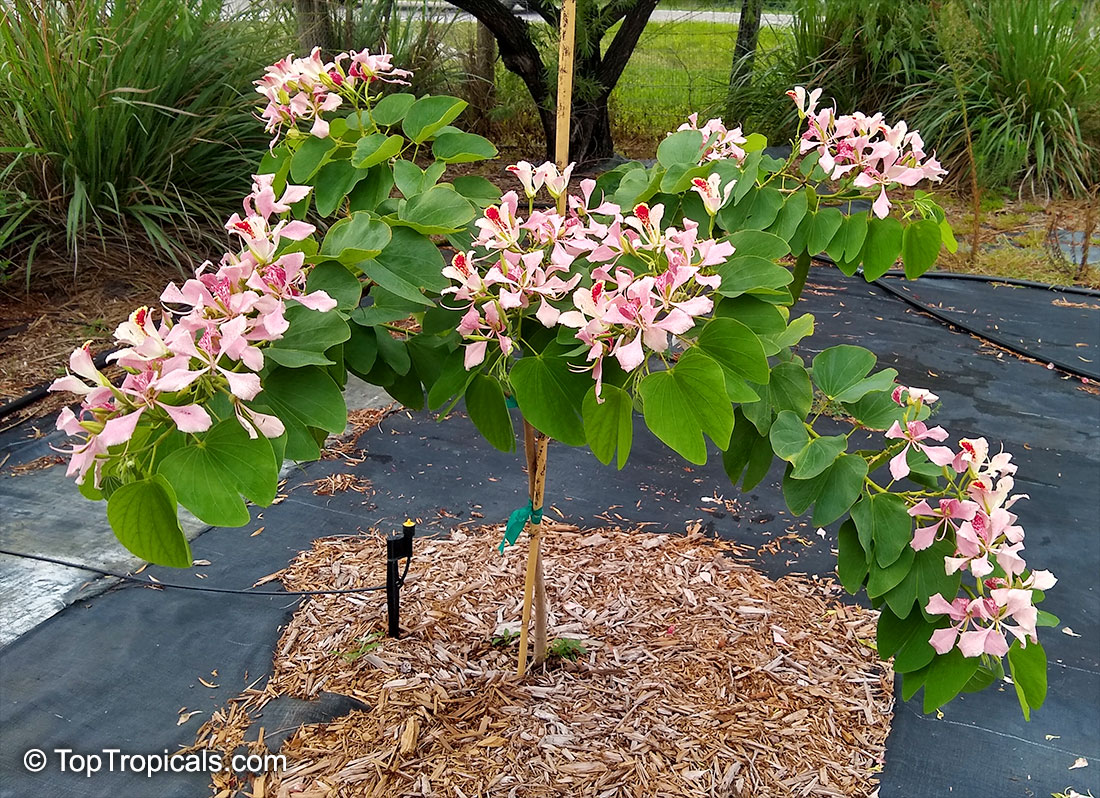
Young  Bauhinia  monandra  tree  blooming  with  clusters  of  pink  and  white 
 orchid-like  flowers,  growing  at  Top  Tropicals  nursery  with  fresh  mulch  and 
 drip  irrigation 
 setup

Outdoor Cassia and Bauhinia Care

  • Light: Both Cassia and Bauhinia need at least 6 hours of direct sunlight daily. Cassias handle intense heat; Bauhinias can take light afternoon shade.
  • Soil: Use loose, fast-draining soil. Mix equal parts garden soil, coarse sand, and compost.
  • Watering: Keep evenly moist but never soggy. Cassias tolerate dry spells once established; Bauhinias prefer steady moisture. Water when the top inch feels dry.
  • Feeding: For profuse flowering, feed with liquid Sunshine Boosters Megaflor that is safe to use with every watering, year around. You may also apply Green Magic controlled release fertilizer every 6 months. Bauhinias and Cassias respond quickly to feeding.
  • Pruning: After flowering, prune lightly to shape and remove dead tips. Cassias can be trimmed to shrub form; Bauhinias stay bushy with pinching.
  • Mulch: Add a 2-inch mulch layer around the base to conserve moisture and prevent weeds, but keep mulch off the trunk.
  • Cold protection: Most Cassias handle brief frost; some Bauhinias like B. acuminata and B. monandra must be sheltered below freezing. For cold nights, cover with frost cloth or move containers into shelter.
  • Dormancy: Outside of tropics, most Bauhinias drop leaves in winter for a short period of time, right before flowering and are called "semi-deciduous". Cassias stay evergreen.

Indoor or Porch Care (cool-climate growers)

  • Container: Choose a sturdy pot with several drainage holes, one size larger than the root ball. Unglazed clay or thick plastic pots work best for heat regulation. Use a light, well-drained mix such as professional soilless mix Abundance. Both Cassias and Bauhinias dislike soggy roots. Add a thin layer of coarse gravel at the bottom to improve drainage. Repot every 1–2 years in spring
  • Light: Brightest spot possible - south-facing window or heated sunroom. Supplement with a grow light if sunlight is weak.
  • Temperature: Keep potted trees in warm environment for best results. The optimum temperature for Cassias and Bauhinias is between 60–85 F, although many species can tolerate cooler temperatures. Avoid cold drafts and sudden drops.
  • Humidity: Average indoor humidity is fine; occasional misting keeps foliage glossy.
  • Watering: Water sparingly in winter when growth slows; allow the top inch to dry between waterings. Do not let roots sit in water.
  • Fertilizing: Feed with Sunshine Boosters Megaflor that is safe to use with every watering, year around, to maintain flowering indoors. You may also apply Green Magic controlled release fertilizer every 6 months.
  • Pest watch: Check undersides of leaves for aphids or whitefly. A light spray of neem oil or insecticidal soap clears them fast.

"Whether you crave golden summer fireworks or soft orchid blooms that last nearly all year, both Cassia and Bauhinia bring pure joy to the garden. 💖 Bring color that never quits."

Did you know: Fall is the best planting season — roots grow faster and you’ll have flowers by spring!

✔️ Fall Planting Guide

🛒 Shop Tropical Flowering trees

Date: 15 Jan 2026

When the Black Bat Lily decides to bloom
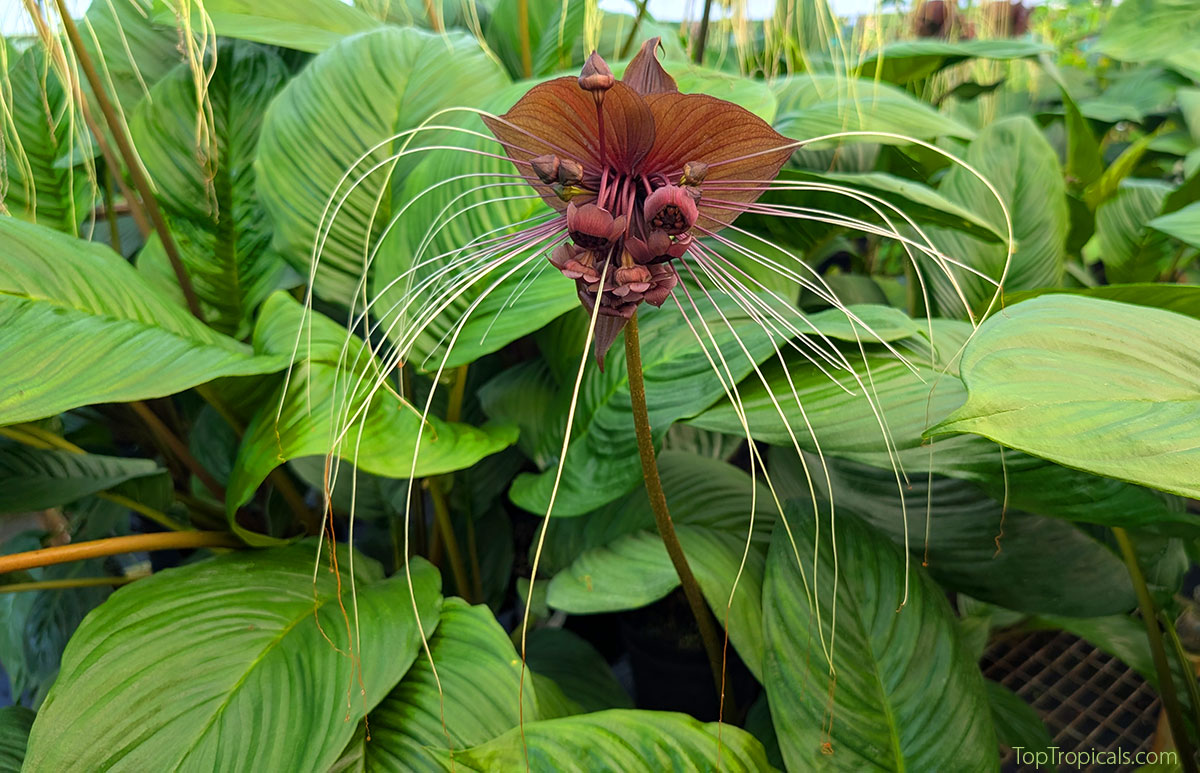
Blooming  Black  Bat  Lily  (Tacca  chantrieri)  with  dark  bat-shaped  flower 
 and  long  whisker-like  filaments  surrounded  by  green  leaves

Every so often a plant blooms and the whole greenhouse seems to slow down.

That is what happened this week with the Black Bat Lily, Tacca chantrieri. We have grown Taccas for years, but when the black ones open properly, it still feels special. The flowers are dark and quiet, almost unreal up close. They do not shout for attention. They make you lean in.

Right now, we have a lot of them blooming at the same time. If you have never seen one in person, photos only get you part of the way there. The wings are darker than you expect, and the whiskers seem to go on forever. People walk into the greenhouse, stop, stare, and usually ask the same question: "Is that real?" - Yes. It is.
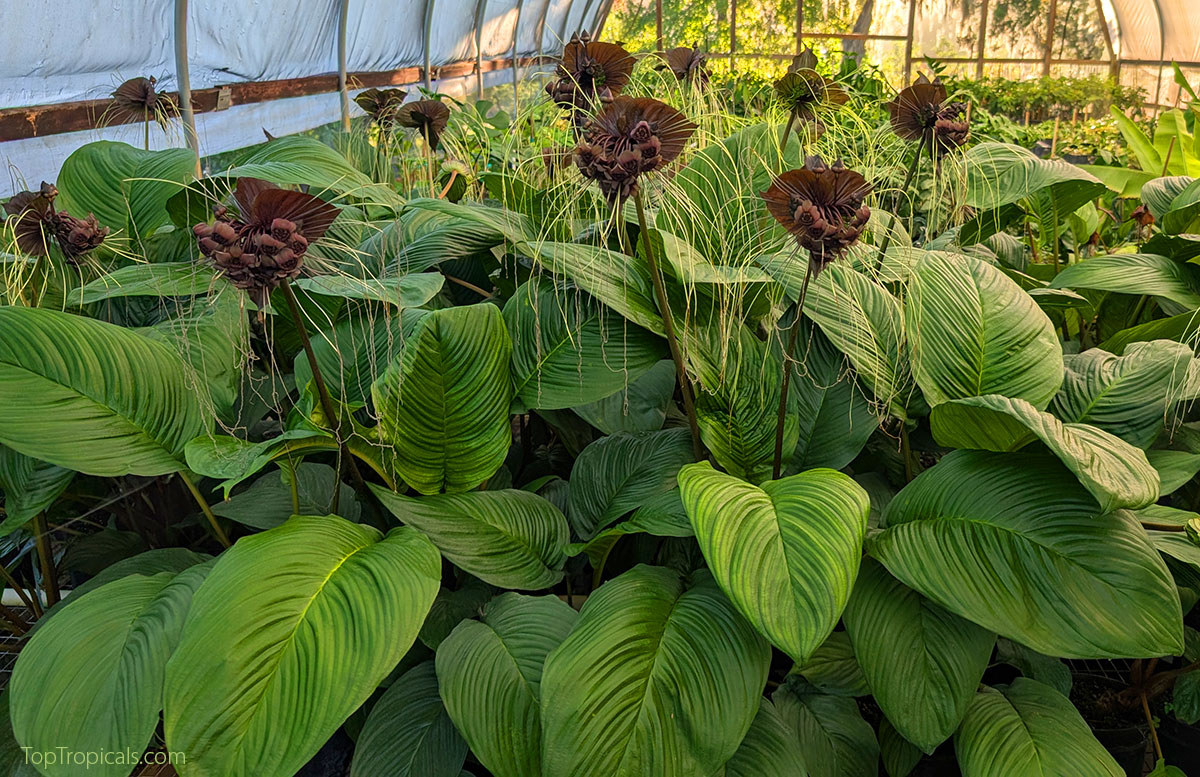
Group  of  blooming  Black  Bat  Lily  plants  (Tacca  chantrieri)  with  dark 
 bat-shaped  flowers  and  long  whisker-like  filaments  in  a  greenhouse

A quick honest note, because this matters. The blooms themselves are delicate and may not travel well. That is just the nature of this plant. The plants, however, are strong, well established. With the right conditions, they bloom again. This is not a one-time trick.

Black Tacca is not a beginner houseplant, but it is also not impossible. It likes filtered light, steady warmth, and humidity. It does especially well in a greenhouse or a bright indoor spot where you already keep plants that enjoy moisture. It is the kind of plant you keep close, not one you forget in the corner.

We are offering them now simply because they are ready and looking their best. If you have been waiting for one, this is a good moment.

You can see the Black Bat Lily here: https://toptropicals.com/store/item/2345.htm

Just wanted to share something we are enjoying in the greenhouse right now. Some plants come and go. Some stay with you.

Tacca (Bat Lily) FAQ

What is Tacca?

Tacca, also known as Bat Lily or Devil Flower, is a tropical plant grown for its unusual bat-shaped flowers with long whisker-like filaments. The most popular species is Tacca chantrieri, the Black Bat Lily.

Is Tacca hard to grow?

Tacca is not a beginner plant, but it is not impossible. It does best with warmth, humidity, and filtered light. Gardeners who already grow orchids, calatheas, or other humidity-loving plants usually do well with Tacca.

Does Tacca need a greenhouse?

A greenhouse is ideal, but not required. Tacca can be grown indoors in a bright spot with indirect light and good humidity, such as near a humidifier or in a bright bathroom with a window or skylight.

Will my Tacca arrive in bloom?

Plants may be blooming in the greenhouse, but flowers are often removed before shipping because they are delicate and do not travel well. The plants are well established and capable of blooming again with proper care.

How often does Tacca bloom?

Tacca does not bloom constantly. It may take time to establish before flowering, but once settled, it can bloom seasonally and may produce multiple flowers in warm, humid conditions.

Does Tacca grow from a bulb?

Tacca grows from a rhizome, not a bulb. The rhizome stores energy and allows the plant to regrow and bloom again.

Why does Tacca have long whiskers?

The long filaments are thought to help attract pollinators such as flies by mimicking the look of decaying organic matter. While unusual, this is part of the plant's natural pollination strategy.

✍️ More about growing Tacca
🛒 Get your own Tacca plant
🎥Watch our videos about Tacca

Date: 14 Feb 2026

🍭 From Vine to Bean: A Practical Guide

Vanilla  planifolia  vine  climbing  a  support,  close-up  of  vanilla  flower,
    and  cured  vanilla  beans

Vanilla planifolia Vine, Flower, and Cured Vanilla Beans

How to Grow Vanilla: quick how-to

Vanilla is not complicated, but it does have preferences. Start with a pot and regular, well-draining mix. It does not need anything exotic. Give it:

  • Bright, indirect light
  • Warm temperatures
  • Good humidity
  • Air movement

Most importantly, give it something solid to climb. A wooden trellis, a log, or a burlap-covered board works well. The surface should be porous so the aerial roots can grip.

As it grows, guide the vine gently. You can prune it to control size. Vanilla is slow to mature. That is normal.

The Bloom Secret

Vanilla does not bloom just because it looks healthy. It blooms when it feels secure.

This is a climbing orchid. It must attach firmly to a solid, porous support such as a wood log, trellis, or burlap-covered board. When the aerial roots grip and the plant reaches maturity, flowering becomes possible.

Once the flowers appear, they usually need to be hand pollinated to produce pods. Each flower stays open for only a short time, so timing matters.

How to pollinate vanilla: In this video, we show you exactly how to pollinate vanilla step by step

❓Vanilla care: quick FAQ

  • Does Vanilla planifolia really produce vanilla beans?
    Yes. Vanilla planifolia is the commercial source of vanilla. After flowering, it can form long green pods (vanilla beans). The aroma develops later during curing.
  • What is the secret to getting vanilla to bloom?
    Let it climb. Vanilla is a climbing orchid and usually will not bloom until its aerial roots attach firmly to a solid, porous support like a wood log, trellis, or burlap-covered board.
  • Do I need to pollinate vanilla flowers?
    Yes. In most home growing conditions, vanilla flowers must be hand pollinated to produce pods. Each flower is open for only a short time, so timing matters.
  • Can I grow vanilla indoors?
    Yes, if you can provide bright, indirect light, warmth, humidity, and a support to climb. A sunny room with filtered light and a trellis or log can work well.
  • What should I use for support?
    Use a sturdy trellis, a wood log, or a burlap-covered board. The key is a porous surface that aerial roots can grip. Avoid chemically treated wood. Check out this very unusual way to grow Vanilla Orchid over a wall.
  • What potting mix should I use for Vanilla plant?
    Start in a pot with a regular, well-draining potting mix such as Sunshine Abundance. As the plant matures, it relies more on its support and aerial roots than the soil.
  • What fertilizer should I use?
    Sunshine Boosters Orchidasm is formulated specifically for orchids and will work perfecty for Vanilla orchid as well.
  • How big will it get?
    As big as you let it. Train it and prune it. Vanilla grows according to the structure and space you provide.
  • How long until it flowers?
    Typically a few years. Vanilla is a long-term project, but it is very rewarding once established.

For Collectors and Enthusiasts:

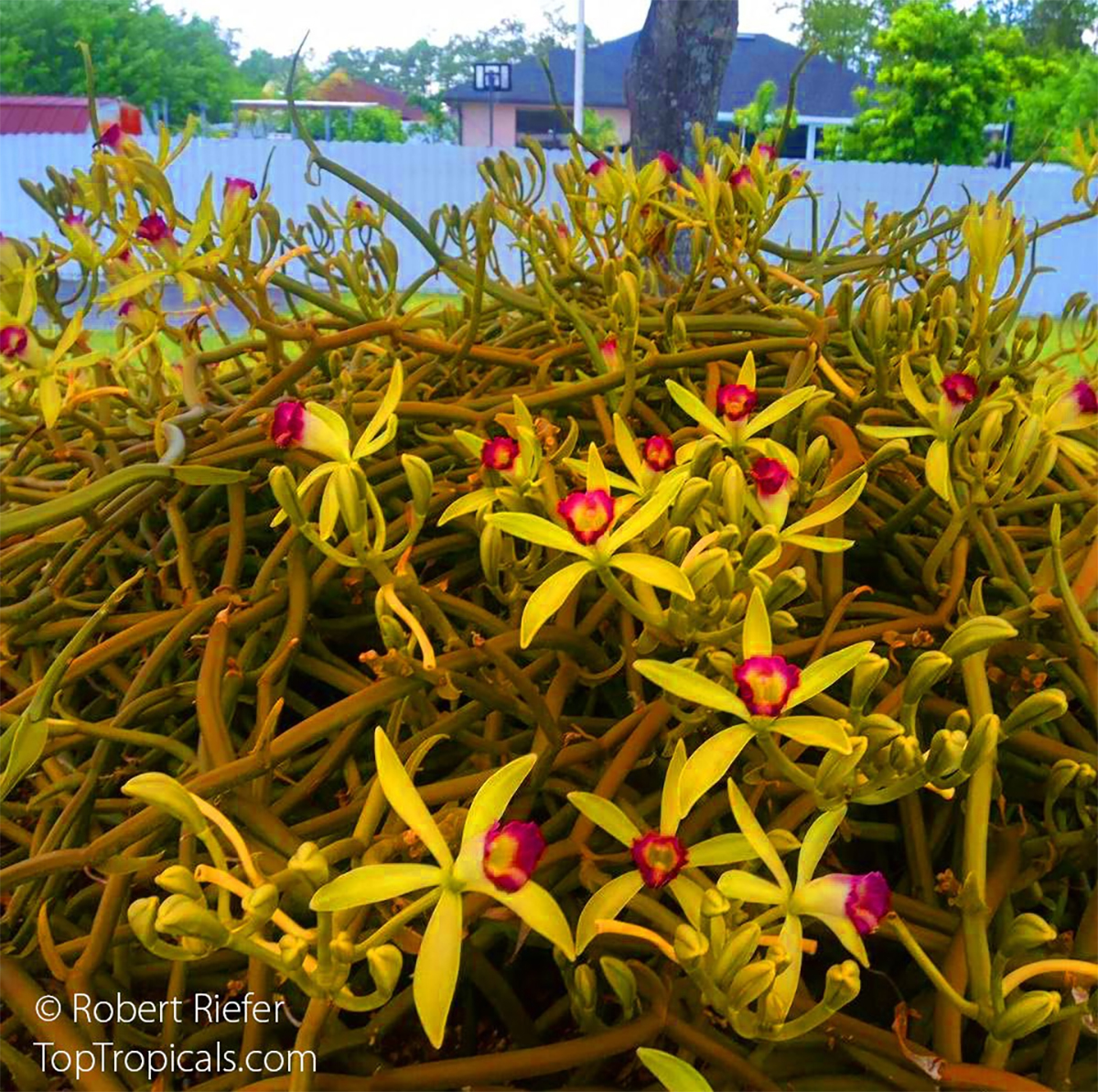
Vanilla  dilloniana  vine  covered  in  yellow-green  flowers  with  red 
 centers  growing  outdoors  in  100  gal  pot

Vanilla dilloniana in Bloom - Rare Florida Native Orchid

We also offer Vanilla dilloniana, a rare Florida native species with distinctive flowers.

One remarkable specimen of this species, grown by our friend Robert Riefer, became so vigorous over many years that it outgrew a 100 gallon container and was eventually moved into a 250 gallon pool on wheels.

The plants we offer are propagated from that very specimen:

That kind of growth reflects deliberate cultivation and ideal conditions - not something that happens unintentionally.

Vanilla grows according to the space and structure you provide.

For gardeners focused on producing real vanilla beans for the kitchen, Vanilla planifolia remains the right place to start.

✍️ More About Vanilla Orchids from Blog

🎁 Shop Vanilla Orchids

Date: 7 Mar 2026

SUNSHINE Boosters: The Professional Advantage

By Tatiana Anderson, Horticulture Expert at Top Tropicals with Smokey & Sunshine help

Sunshine  Boosters  plant  fertilizers  lineup  including  Bloom,  Pikake, 
 Robusta,  Omnibus,  Ananas,  Mango  Tango,  Citrus,  and  MegaFlor

Sunshine Boosters for different types of plants

Here is why SUNSHINE Boosters are the smart choice for your garden this spring:

  • Amino Acid Stability: Unlike traditional fertilizers that use synthetic EDTA chelators, our formulas are amino-acid based. This means 100% of the nutrients are bioavailable and consumed by the plant, leaving zero toxic residues or salt build-up in your soil.
  • Safe for Every Watering: Because our concentrations are scientifically balanced and mild, they are safe for daily use. This eliminates the "feast or famine" cycle of dry fertilizers and prevents accidental root burn.
  • Pure Taste for Edibles: Our delicate formulas do not contain excess salts, urea, or ammonium salts that can ruin the flavor of your harvest. Your fruit and vegetables will retain their pure, natural taste.
  • Pollinator Friendly: Our boosters are designed to be safe for honeybees and other beneficial insects, making them the responsible choice for an organic-style garden.

🌿For Potted Plants: Breaking the "Foodless" Cycle

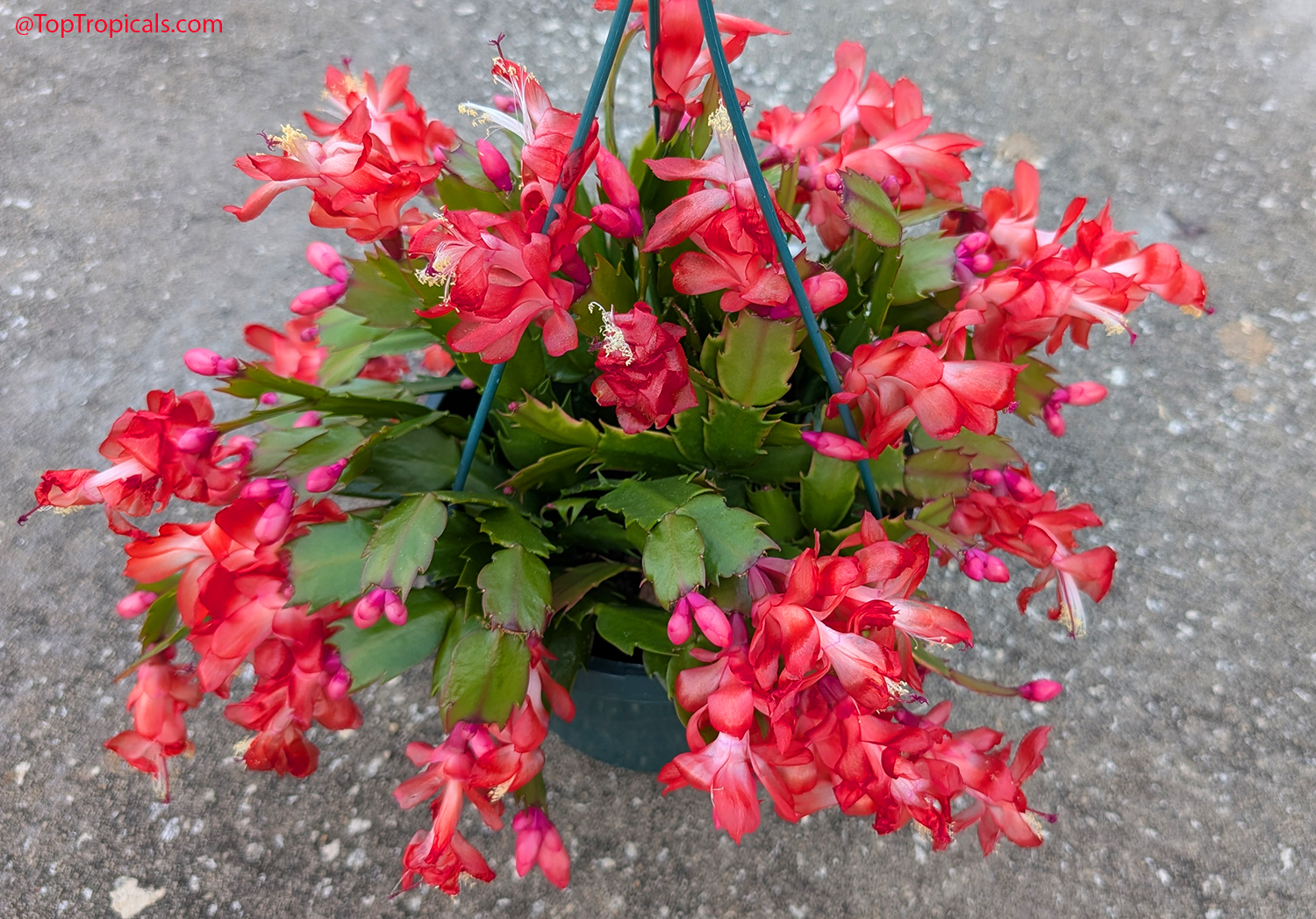
Schlumbergera  Christmas  cactus  with  abundant  red  blooms  after  feeding 
 with  Sunshine  Megaflor  fertilizer

Schlumbergera - Christmas cactus - after boosting flowers with Sunshine Megaflor

Container-grown plants are trapped in soilless mixes (peat, bark, perlite) that are structurally great but naturally nutrient-deficient.

  • Total Nutrition: Since pots lack the natural "buffet" of the ground, SUNSHINE Boosters™ provide every essential mineral the plant cannot find on its own.
  • No Salt Build-up: Our amino-acid based formulas are consumed entirely by the plant, leaving zero toxic residue or root-burning salts behind.
  • Daily Safety: Our mild concentrations eliminate the "feast or famine" cycle of dry fertilizers, making them safe for use with every single watering.

For In-Ground Plants: Unlocking the Soil

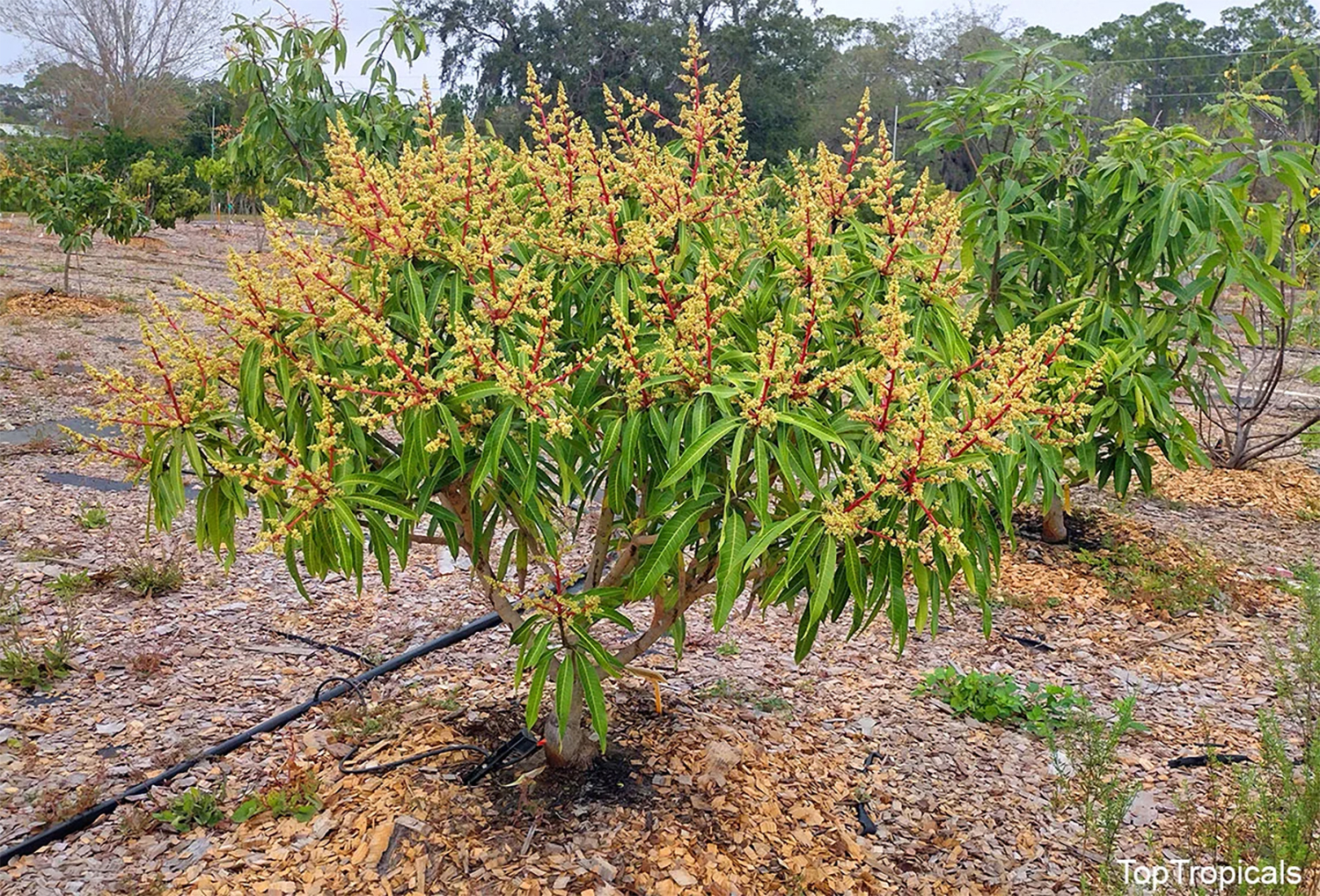
Mango  tree  blooming  produsely  after  applying  Sunshine  Mango  Tango 
 Booster

Mango tree blooming produsely after applying Sunshine Mango Tango Booster

Even in the ground, plants often struggle to absorb what they need because soil compounds can "lock up" nutrients.

  • Enhanced Solubility: SUNSHINE Boosters create a slightly acidic environment that helps dissolve stubborn salts in the soil, making them accessible to roots again.
  • Precision Delivery: We provide mobile elements like Nitrogen precisely when the plant needs to push new spring growth.

🌿The Foliar Advantage: Direct-to-Leaf Delivery

Did you know a plant leaf can absorb nutrients even more efficiently than the roots? Foliar feeding is your "emergency button" for instant results.

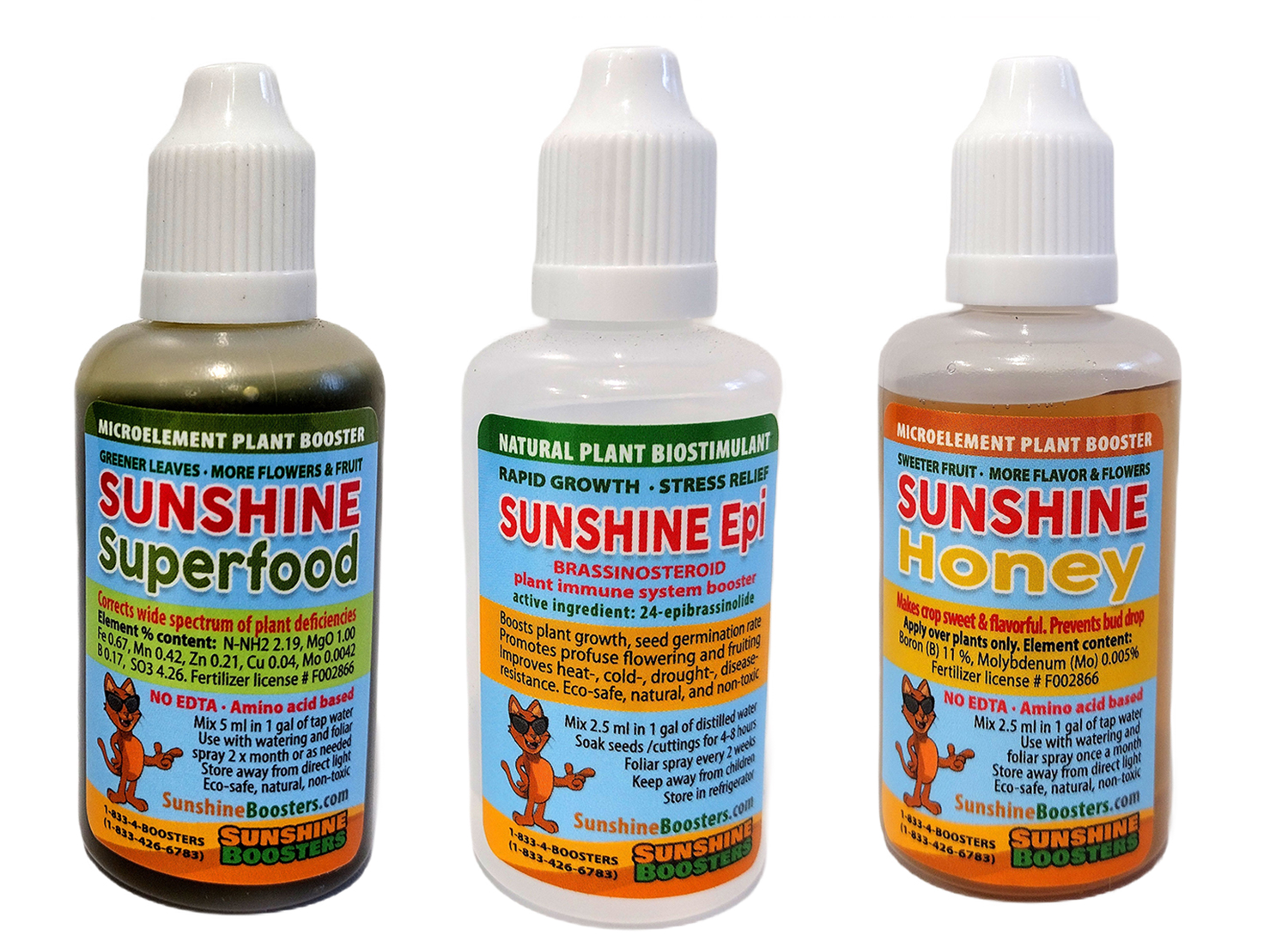
  • Quick Fix: Foliar applications with Sunshine Superfood are the fastest way to correct yellowing leaves or visible deficiencies.
  • Metabolism Boost: Sprays like SUNSHINE-Epi act as a bio-regulator, helping plants recover from the stress of spring temperature swings.
  • Better Fruit: SUNSHINE Honey is applied to leaves to naturally move sugars to the fruit, increasing sweetness and flavor.

🌿The Calcium Problem: Solved

As your plants wake up this Spring, they need structural strength. Think of Calcium as the "cement" that holds plant cells together. Without it, new spring growth is doomed to fail.

Signs Your Plant is Starving for Calcium:

  • Deformed Leaves: New growth looks twisted, hooked, or curled.
  • Blackened Tips: The very edges of young leaves turn white, then quickly blacken and die.

The Industry Secret: The "Missing" Mineral

Most fertilizers, both dry and liquid, completely skip Calcium. Why? Because it’s a chemical nightmare to keep stable in a concentrated solution. Most manufacturers rely on your irrigation water to deliver Calcium, but tap water is inconsistent and often fails to provide what a hungry, growing plant needs.

The SUNSHINE Boosters: Stable Calcium in Every Bottle

We have successfully stabilized Calcium directly into every single Sunshine Booster formula. Whether you are using Bombino, Robusta, or Megaflor, you are delivering a precise, stable dose of Calcium with every watering. No lockout, no sediment, and no relying on the "luck" of your tap water. Just strong, healthy cell walls and perfect spring growth.

🌿SUNSHINE-Epi: The Year-Round Bio-Regulator

Whether it’s the transition of spring, the extreme heat of summer, or the dry air of indoor wintering, SUNSHINE-Epi is your plant’s primary defense. This natural Brassinosteroid acts as a powerful immune booster, helping plants navigate stress wherever it comes from.

  • Universal Stress Shield: Protects against temperature swings (both heat and cold), drought, and transplant shock.
  • Vigorous Development: Dramatically improves root growth and speeds up the metabolism of young seedlings and cuttings.
  • Eco-Safe: 100% non-toxic to humans, pets, and pollinators.

Note: While Epi is highly effective, it is a performance booster, not a substitute for proper care. It works best when paired with the right light, water, and a consistent feeding program. It won't bring a dead plant back to life, but it will help a struggling one find its footing.

🛒 Feed your plants

Don't let your garden wake up to an empty nutrition plate.
Smokey: Save your gas money for donuts. We're shipping the boosters for free.
Sunshine: Agreed. My charm covers the delivery cost.

No coupon code required: The free shipping is automatically applied at checkout.

Complete Nutrition: Stock up on Robusta, Superfood, and Epi for the Spring growth push.
Offer valid through 03/14/2026. Free shipping offer is valid on SUNSHINE Boosters liquid products only. Not valid on previous purchases and cannot be combined with any other offers, coupons, or discounts. Offer subject to change or cancellation without notice.

Sunshine  Boosters  plant  supplements  including  Superfood  micro  element 
 complex,  Epi  biostimulant,  and  Honey  fruit  enhancer

Sunshine Boosters micro elements and supplements - Superfood micro-element complex, Sunshine Epi biostimulant and Sunshine Honey supplement for better fruit

❓Frequently Asked Questions: SUNSHINE Boosters™

  • What water should I use for foliar spraying?
    Tap water works perfectly for most. However, if your water is very "hard" (leaving white mineral spots on leaves), switch to distilled water for a cleaner finish and better absorption.
  • How long does a diluted solution last?
    For maximum potency and to avoid nutrient degradation, try to use your diluted mixture within a few hours of preparation. Keep away from direct sun. Fresh is always best!
  • Can I use SUNSHINE Boosters as a daily foliar spray?
    Yes! You can mist your plants daily to maintain high vigor, but you must reduce the dosage (use half the recommended strength) to avoid over-feeding.
  • Can I mix boosters with pesticides or fungicides?
    It is best to apply them separately. Mixing fertilizers with chemical pesticides in one tank can trigger reactions that "lock out" nutrients or reduce the efficacy of the treatment.
  • Will the liquid stain my patio or hands?
    No. Unlike traditional fertilizers with heavy blue or pink dyes, our solutions are clear or very light-colored. If you spill it, simply rinse with water—no stains, no mess.
  • Can I mix different SUNSHINE Boosters together in one sprayer?
    Yes. All SUNSHINE Boosters are chemically compatible. You can combine a "growth" booster like Robusta with a "micro-element" complex like Superfood in the same water to save time.
  • Are these products safe to use around my pets?
    Absolutely. Our formulas are 100% non-toxic and amino-acid based. Just ask Smokey and Sunshine—they are perfectly safe for households with curious cats, dogs, and children.
  • Can I use these boosters on indoor plants?
    Yes. They are ideal for indoor use because they don't produce a "fertilizer smell" and won't cause salt crusting on your decorative pots or furniture.
  • Is it safe to use on fruit and vegetables I plan to eat?
    Yes. Because our formulas contain no urea, nitrates, or harsh salts, they don't leave a "chemical" aftertaste. They actually help improve the natural sugars and flavor profile of your harvest.
  • What is the best temperature for foliar spraying?
    Apply when temperatures are below 85°F. Early morning or late evening is best; this allows the leaves to remain wet longer, giving the plant more time to absorb the nutrients.

What Fertilizer to Use and How?

Green Magic controlled release fertilizer keeps plants green during active growth season - apply only once in 6 months.
Sunshine: Smokey, you saved my coffee tree. But what do I do now so it stays happy?

Smokey: Simple. Spray Sunshine Robusta every five days during active growth.

Sunshine: Five days? Smokey, I barely remember where I left my coffee mug five minutes ago.

Smokey: That is exactly why we use Green Magic.

Sunshine: Fertilizer for forgetful gardeners?

Smokey: Controlled release. Sprinkle once and it feeds the plant for six months.

Sunshine: Six months? I can have a very good nap in that time.

Smokey: Exactly. The plant keeps eating slowly while you keep napping.

Sunshine: Perfect. Remember, I will bring the coffee. You bring the donuts.

Smokey: And next week we will show you exactly how Green Magic works and why plants love it. Stay tuned.

🛒 Feed your plants

✍️ Learn more about fertilizers