Garden Blog - Top Tropicals

Date: 4 Jul 2025

Happy Independence Day!
4th of July Sale

Independent  cat  on  Independence  Day  opening  a  can

"Independence is happiness." - Susan B. Anthony

Happy 4th of July from the tropics! Whether you're staying local or escaping for the long weekend, it's the perfect time to enjoy your garden, start something new, or grab that plant you've been eyeing. Red Desert Roses, white fragrant Gardenias and Jasmines, rare Blue Ginger - tropical blooms are showing off right now, and we are celebrating with a hot summer sale: 20% off everything with code HAPPY4TH25, plus extra savings on combined DEALS and BOGO! Add some color to your summer and let your garden do the fireworks!

Use the code below to save 20% on your entire order:

HAPPY4TH25

Min order $200. Excluding S/H. Exp. 7-7-25

Reminder: use our FREE and DISCOUNTED SHIPPING for qualified orders

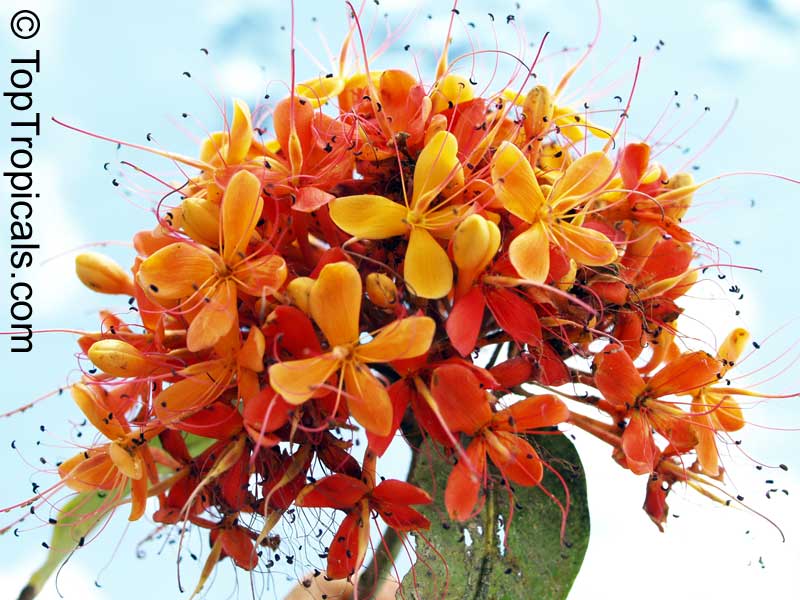
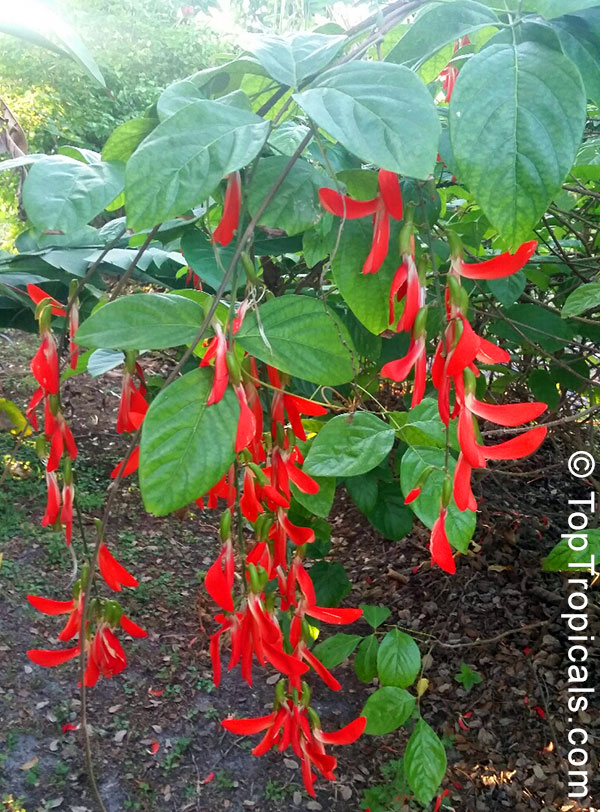
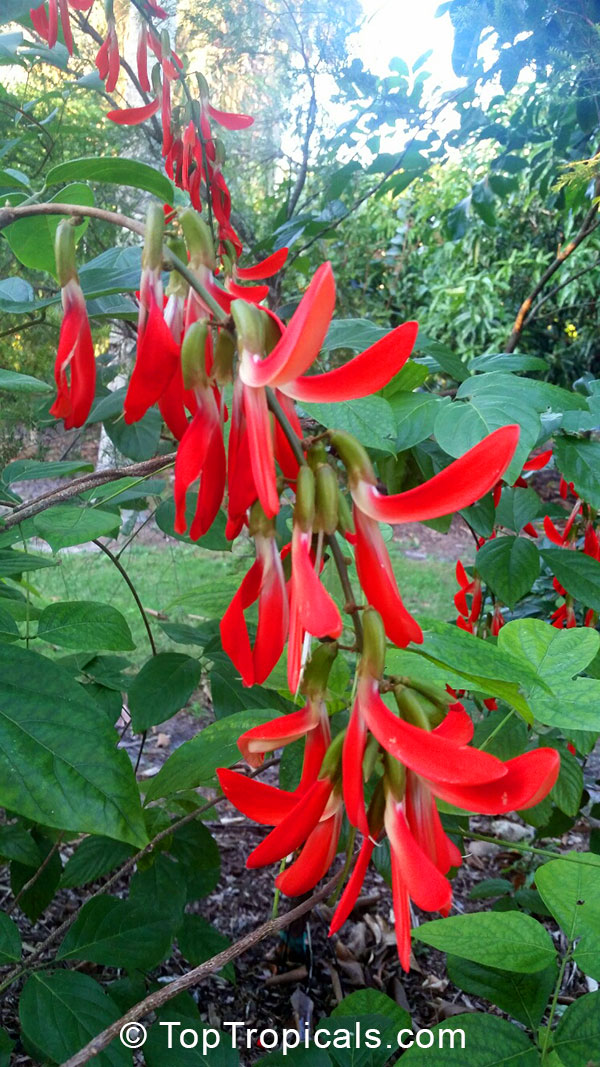
Shop Now Bauhinia  madagascariensis,  Red  Butterfly  Orchid  Tree

In the photo above: Bauhinia madagascariensis, Red Butterfly Orchid Tree - dazzles with bright red flowers striped in gold. A rare, fast-growing tropical that brings serious color to your garden, it is one of the most striking Orchid trees you can grow. It thrives in sun and rewards with nonstop color.

Date: 2 Nov 2018

Happy Hobby: growing tropicals from seeds

TopTropicals.com

Q: What is the best time to start tropical plants from seeds? Should I wait till spring?

A: If you want to feel happier, get into gardening. If you want to feel God, start plants from seeds and watch New Life grow from a tiny grain. Fall is a perfect time to start tropicals from seed.
Traditionally, people prefer sowing seeds in Spring, especially temperate species for a vegetable garden: tomatoes, peppers, cucumbers... My grandmother up North started them in early Spring in paper cups on a windowsill, then once the temperatures went just above freezing, she planted them out in the garden beds, and that early start always helped her to have the best early crop in the neighborhood.
When we deal with tropical plants, "just above freezing" is not warm enough. Which means you have to grow small babies indoors for quite a while, providing additional heating when needed. Heating pads always work best. If you keep your living space around 75F (ideal for many species), this is a perfect temperature to get your seeds started. Tropical plants are not like annual tomatoes that try to grow through the season as fast as possible. They take time. So the sooner you start, the more chances to get small seedlings just in time when Spring air outside is "warm enough" for those tropicals - at least in 70's.
A great advantage of starting tropical seeds indoors is controlled temperature and moisture. In the plant world, environment extremes are not good for the germination process. Mild conditions of your home or a greenhouse create better chances for successful growth. Seeds won't get overheated in the hot Summer sun, and won't rot because of a sudden heavy rain. Just keep in mind that some species require light for good germination.
For the best seed germination:
- Use only well-drained mix - we recommend special Seed Germination Mix #3, professional grade. Put seeds not too deep (1/2 inch deep or less) to allow air circulation
- Soak large seeds for a few hours with Sunshine-S solution
- Keep warm (75-85F) and in bright light
- Keep soil slightly moist but not soggy
- Apply micro-element booster SuperFood to baby seedlings for vigorous growth

Date: 24 Jun 2018

TopTropicals

Winter mulching in Southern landscapes

"My rule of green thumb for mulch is to double my initial estimate of bags needed, and add three. Then I'll only be two bags short." (Author unknown)

Q: What is the best time for mulching in Florida? What type of mulch do you recommend and how much should I use?

A: Every gardener knows that spreading mulch in the garden helps to protect the soil in general, prevents weeds from growing, plus it has specific benefits during harsh winter conditions. A layer of mulch will keep the soil insulated, roots protected from possible freezing, so you'll also end up with better results in spring by laying down mulch in the cold months.
When? We lay mulch in our Florida garden right now. It is cool so we work twice more efficient. After rainy summer-fall season, most of mulch around plants had broken down and in many areas soil is exposed: easy target for weeds.
In general, in warm climates Fall and Winter mulching is the most effective. Mulch creates an insulating barrier between the soil and air, thereby protects plant roots from rapid fluctuations in soil temperature.
How much? There is never too much mulch. Just make sure to put it 2-3 inches away from the trunk to prevent rotting and mold.
What kind? Different types of mulch can be used, including wood chips, shredded leaves, straw and hay. Yes, leaves and hay too! Remember all green parts of a plant (= your leaves and grass) are full of Nitrogen so important for plant vigor, it eventually will go back into the soil as extra benefit. Unless you want to spend a fortune on a fancy red or cypress mulch, you may use these natural materials that are handy in every garden. After raking leaves, pile them up and in couple weeks of drying and breaking down leaves will become a perfect, soft mulch that is best to use around fragile and herbaceous plants. After mowing your lawn, save the cut grass and use the hay as mulch. It always works the best in our garden, keeps weeds away better than wood chips, and in spite of a common belief that cut grass is full of weed seeds, we never seen grass or weeds sprouting from that hay.
Happy mulching and stay warm!

Date: 22 Jul 2022

Callisia fragrans, Golden Tendril:
Holistic Medicinal Plant

Callisia  fragrans

by Alex Butova, the Witch of Herbs and Cats

...This beautiful, low-maintenance plant has been living in our homes for over two hundred years. The name of Callisia speaks for itself - Callisia from the Greek is kallos meaning beauty and fragans means fragrant. It is not only an easy ornamental plant for both garden and indoor collection, it has wide medicinal use in Europe. Its active biological substances that can fight infections, stimulate metabolism, strengthen immunity and circulatory system...
...Moreover, the leaves and flowers of Callisia fragrans are edible, the plant has been used as a food source in tropical countries. The rhizomes are also edible and can be boiled or roasted... Every garden or indoor plant collection should have this easy and useful plant!..
CONTINUE READING >>

Callisia  fragrans

Date: 18 Aug 2025

🌟Repotting FAQ

Tabernaemontana  variegated  in  container

Q: How big should the new pot be?

A: Only a few inches larger than the old one. Oversized pots hold too much moisture and may cause root rot.

Q: Why are plastic pots better than ceramic?

A: Plastic pots are lighter, easier to handle, and you can cut them if a root-bound plant is stuck. Ceramic pots are heavy, breakable, and often lack drainage.

Q: How do I safely remove a plant from its pot?

A: Turn the pot upside down and let gravity help. Never pull by the stems or leaves. If stuck, lay the pot on its side and squeeze or tap it. Cut the pot if needed.

Q: Should I remove old soil from the roots?

A: No. Roots have tiny hairs that absorb water and nutrients. Shaking off soil damages them and sets the plant back.

Q: Why must the plant sit at the same soil level?

A: Planting too deep suffocates the stem, and planting too high exposes roots. Keeping the same level protects the root crown.

Q: How soon should I water again after repotting?

A: Water thoroughly right after repotting, then wait until the top inch of soil dries before watering again.

🌱 Done! Your plant now has room to grow stronger before fall.

Shop Garden Supplies