Garden Blog - Top Tropicals

Date: 4 Feb 2017

Groundhog Day Feb 2

On Groundhog Day Feb 2: Groundhog Punxsutawney Phil saw his shadow on Thursday morning, predicting six more weeks of winter during Groundhog Day festivities at Gobbler's Knob, a small hill just outside Phil's hometown.
According to folklore, if it is cloudy when a groundhog emerges from its burrow on this day, then the spring season will come soon; if it is sunny, the groundhog will supposedly see its shadow and retreat back into its den, and winter weather will persist for six more weeks.
Phil promised long winter, however, we should not cry in despair but starting to get ready for Spring!

Spring Check List:
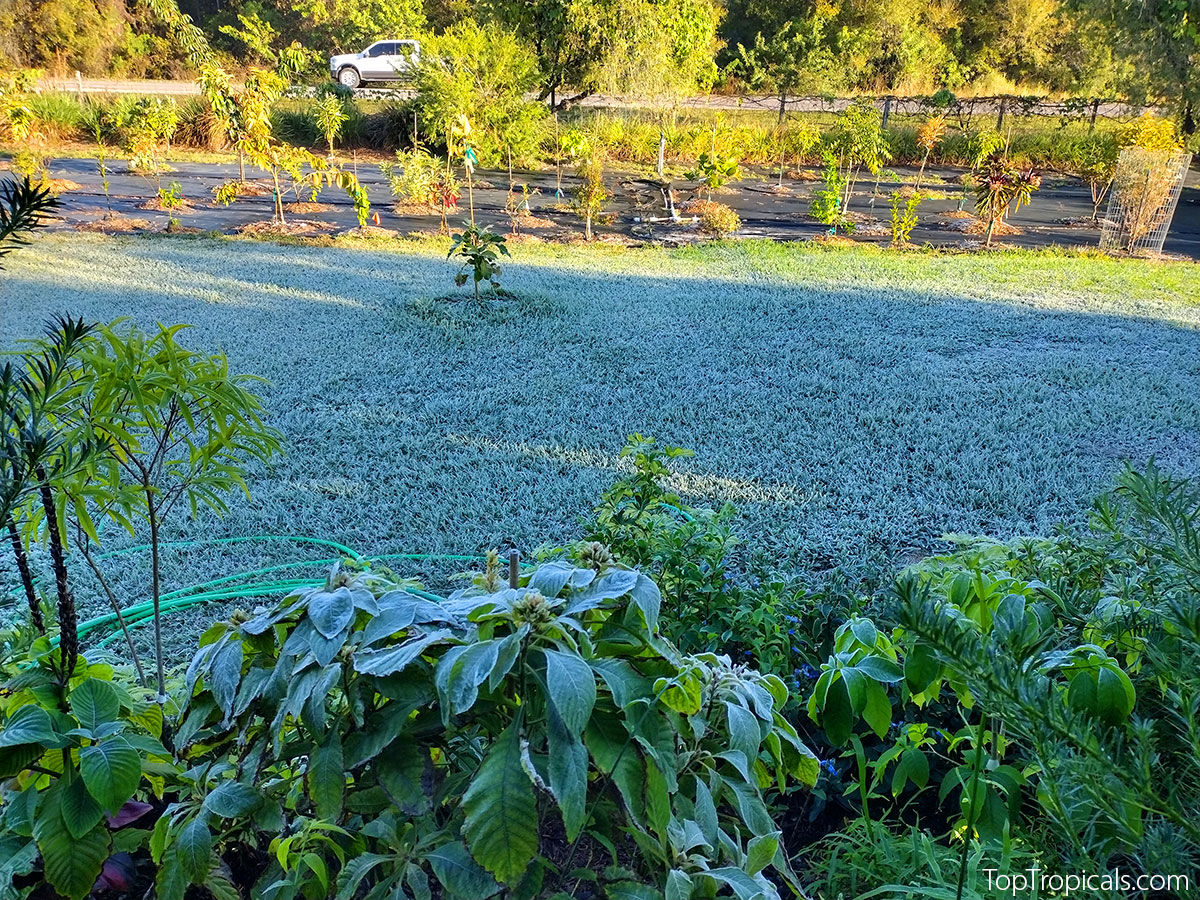
- Make sure min temperatures are above 45F before you start bringing potted plants outside.
- When active new growth appears from buds, after-winter pruning can be done.
- You may start weekly fertilizing as soon as night temperatures raise above 55F.
- Start planting in the ground as soon as there are no more chances of frost, until then keep newly arrived plants in pots so they get better established.
- Low chill cold hardy fruit trees including Peaches, Nectarines, Plums, Apples, Mulberry, Loquats go in the ground first, so you can enjoy their blooms and early fruit set. Plant Pomegranates, blueberries and cranberries, raspberries and blackberries, grapes.
- Water as needed, still keeping on dry side until afternoons get hot and plants start using more water.
- Start seeds indoors. The sooner the better, to give seedlings more time to establish before planting out in the ground.

Overwintering Magnolia (Michelia)

Michelia alba Question: I have a question about Michelia alba. My Michelia alba leaves turning yellow and losing leaves. When I brought it inside for the winter, after the leaves falling off new one grow back not all of them grow back and now the new the branches start to die. I water once a week.

A: Whenever moving a plant in or out of the home it is always best to do it gradually. Moving a plant all in one day will cause stress to the plant due to environmental changes such as, new humidity levels, new light levels and new watering requirements. Michelias usually loose their leaves once in the spring and once before winter but grow them back right away. Now that your plant is inside with less humidity, light and leaves, you only need to water once the soil as almost dried out. You will need to stick your finger in the soil to see if it is still wet as the top layer dries before the under layer. If the branches are starting to die at the tips this usually means too much water. Move the plant to a bright light window, decrease water and you may want to also use a humidifier.

Date: 26 Jan 2017

Aquarius Zodiac lucky plants

Aquarius - 1/22 - 2/18. Aquarius is an AIR sign ruled by odd-ball Uranus.
The water-bearer's plants will often grow in unusual places and may vary in appearance. They often have purple or blue flowers, or may have unusual colors.
The most healing and beneficial plants for Aquarius are the ones that help circulation, relax the nervous system, or promote inspiration. When Uranus was discovered, it replaced Mercury as ruler of Aquarius. Physiologically, Uranus rules the bioelectrical impulses that power the body's nervous system (nervous tension and nervous exhaustion brought on by powerful changes in the environment are related to both Mercury and Uranus). Physically, Aquarius rules the lower legs, the calves, and the ankles, and the electrical impulses that travel through the body's nervous system. The nervous system itself is ruled by Mercury, and Uranus is said to be a "higher octave" of Mercury. Since Uranus was discovered after the correspondences with plants had been established, the herbs used in Aquarius are Mercury herbs. Always difficult to pinpoint, quirky Aquarius appreciates the unusual and complex flavor of star anise. Use this star-shaped spice when you wish to bring happy surprises into your life.

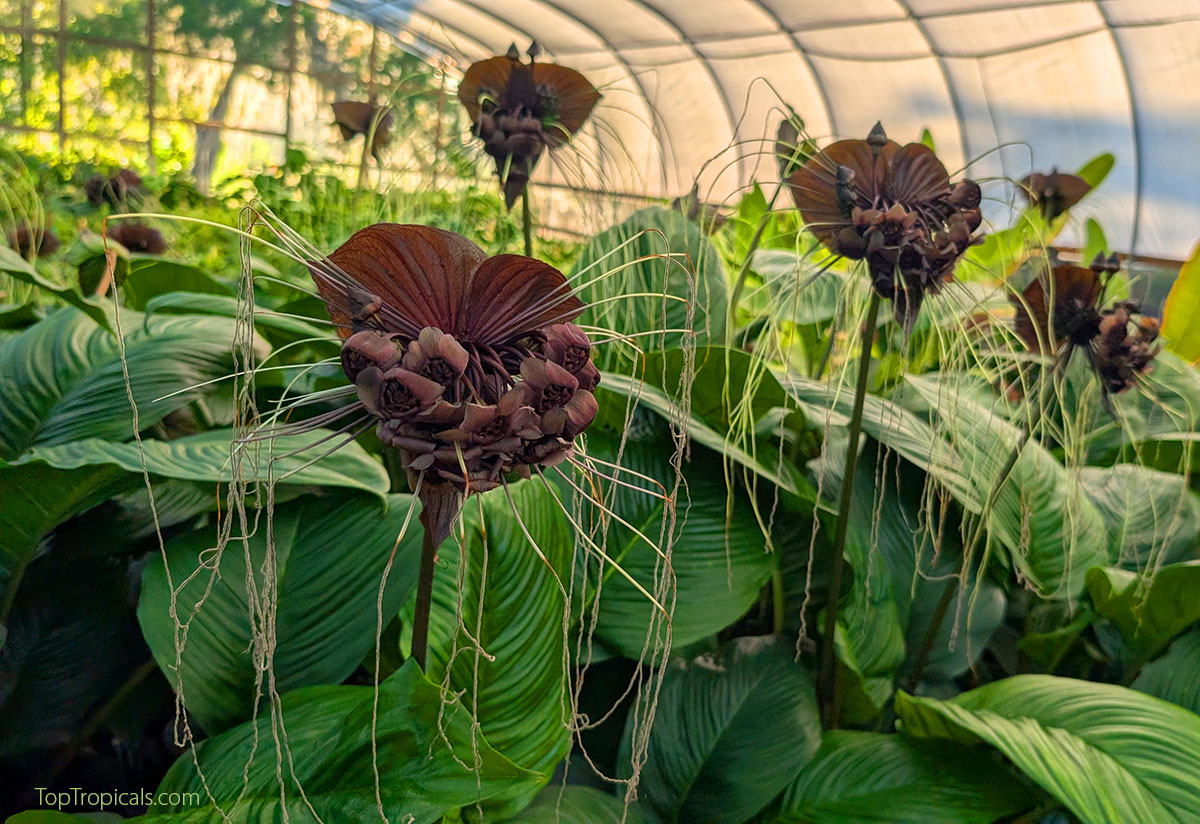
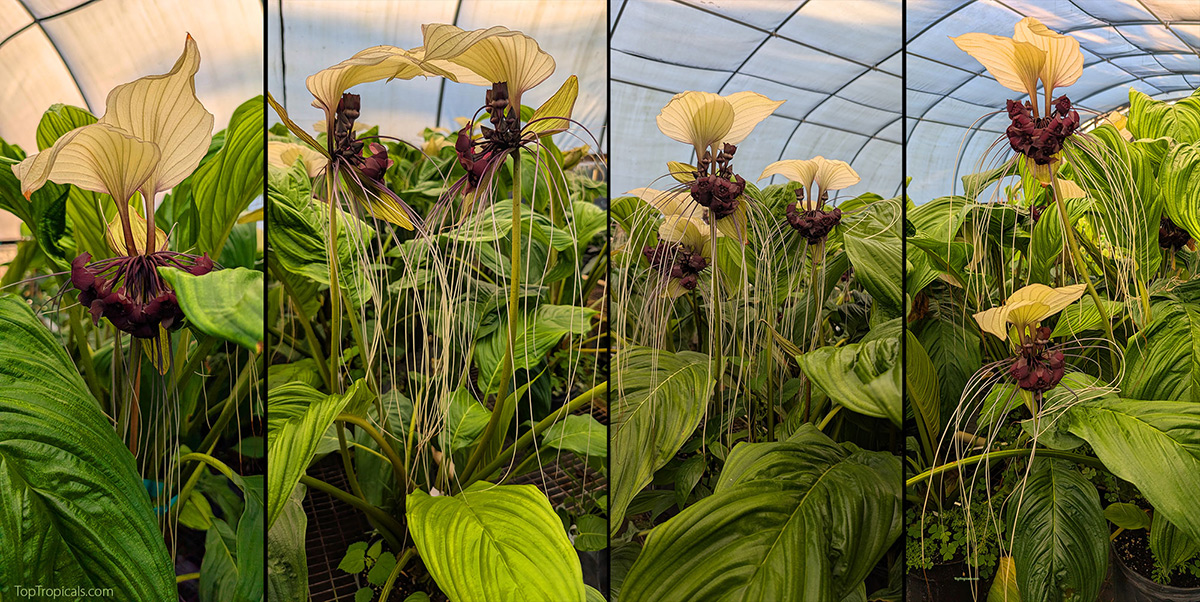
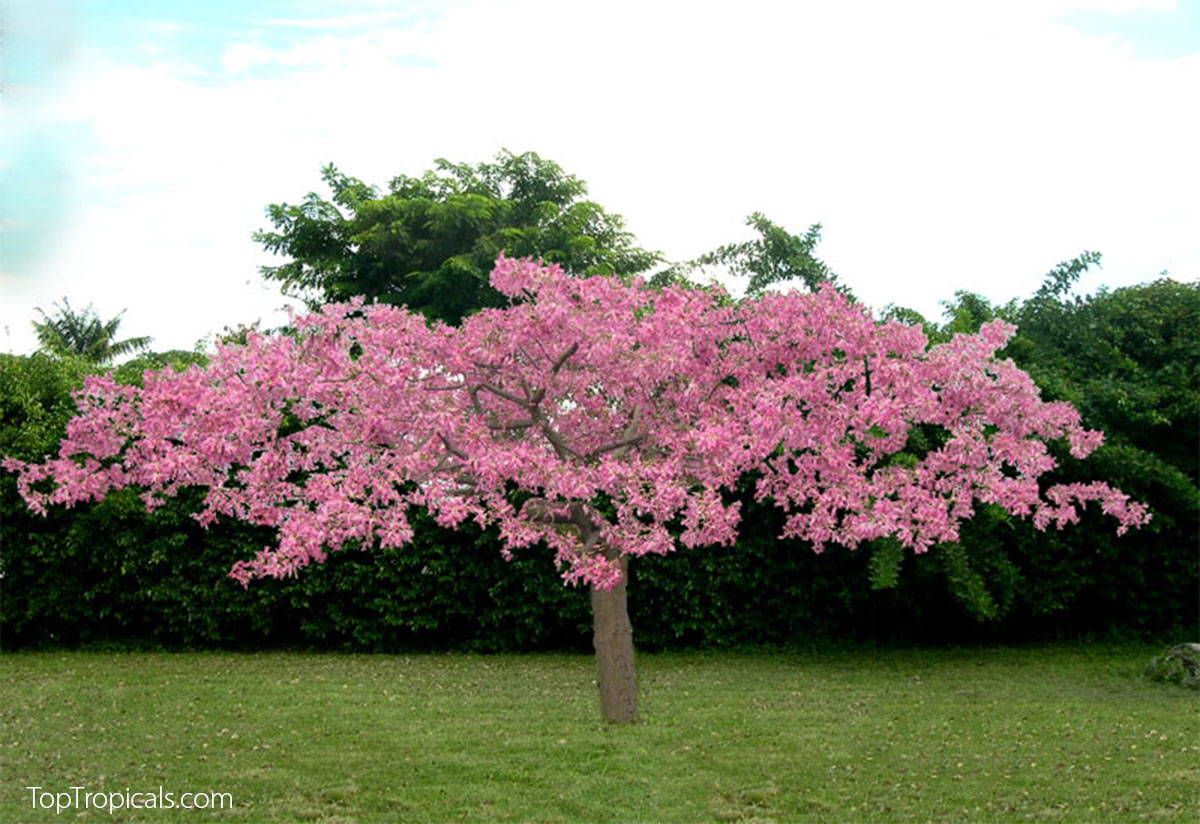
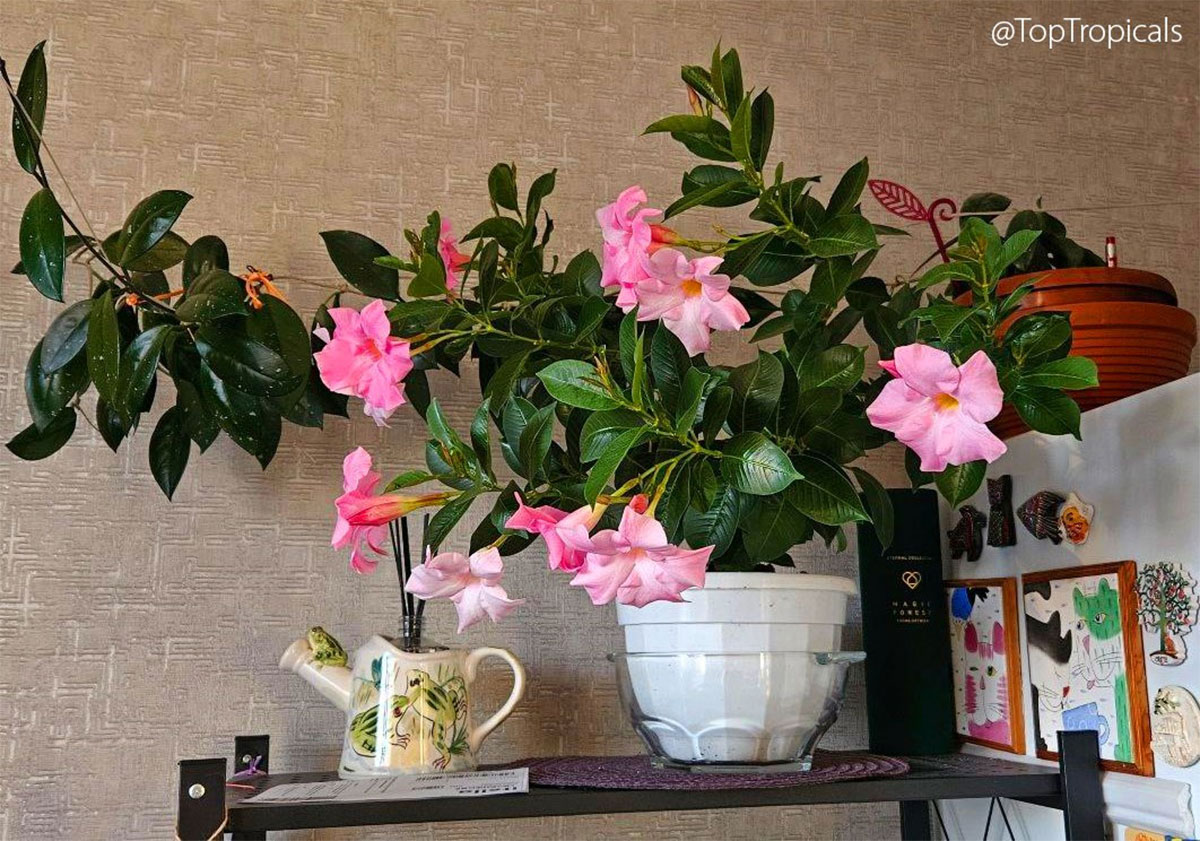
Aquarius Zodiac lucky plants: Anise, Orchid, Golden rain - Koelreuteria paniculata, Bird of Paradise, Heliconia, Petrea, Mandevilla, Jasminum, Kiwi, Persimmon, Loquat, Olive, Alocasia, Colocasia, Citrus, Apple, Peppers, Gingers, Carambola, herbs spicy with an unusual flavor, White Pothos, Ivy, Shami - Prosopis cineraria, Neem, Medinilla, Sheesham Tree, Catnip, Passion fruit, Valerian, Aloe, Myrrh, Kava-kava, Cinnamon, Clove, Eucalyptus, Coffee, Cola nut, Nepenthes, Vanilla Orchid, Strongylodon - Jade vine, Tacca - Bat Lily, Eranthemums, Agapanthus, Orchid trees, Bolusanthus, Chamaedorea metallica, Clerodendrum ugandense, Clitoria, Duranta, Guaiacum, Jacaranda, Lavanda.

For other signs information, see full Plant Horoscope.

New Video: TopTropicals at TPIE show in Ft Lauderdale. Last week, your friends at Top Tropicals attended the 2017 Tropical Plant International Expo in sunny Ft. Lauderdale Florida. The Expo was an opportunity for Top Tropicals to introduce our SUNSHINE in a Bottle plant boosters as well as to bring a very rare plant Enchanted Incense to the tropical plant market!

Check out this video: TopTropicals at TPIE.

Stay updated with TopTropicals Videos by subscribing to our channel at YouTube.com/TopTropicals and get our latest video news of what's fruiting and blooming!

Date: 21 Jan 2017

Growing a coconut palm

Q: I love your Facebook section "ask the Gardener"! I received a coconut palm from a neighbor four years ago. It sprouted naturally from seed. We moved it to a location where it gets morning/ early afternoon sun in my yard. It hasn't grown. No, really. I've fertilized it, water it, what gives?! It puts out new green leaves every so often to replace old brown ones, but never gets any vertical height changes. I'm stumped!

A: It could be a few things and it could also be the type of coconut you are growing. Cocos nucifera is the only type of palm tree that produces coconuts. Within this species, however, there are dozens of different varieties of coconuts. The different varieties are usually divided into two main types: tall and dwarf. If it is only getting water when it rains, it does need more water. There could also be a problem with the PH in your soil. Most garden centers will be able to test your soil and let you know what it is missing. It could also be a micro-elements deficiency. We do have a micro-elements mix you can find at Toptropicals.com. Micro-elements are not always found in regular fertilizer.

Date: 10 Jan 2017

New Video: Coffee plant

Top Tropicals Showcase: Coffee plant.

Check out this video: Top Tropicals Showcase: Coffee plant

Most people drink coffee every day but not all of them realize where this delicious drink comes from. It comes from a Coffee tree!
Coffee is the best gift plant and perfect container fruit tree. It grows into a beautiful dark green shrub or small tree. Coffee tree prefers filtered light which makes this plant a perfect house plant.
The white, fragrant, star-shaped flowers are clustered and resemble gardenias to which they are related. The whole fruit is edible, it is a small fleshy berry changing in color from green to yellow to red. The seeds are the actual "coffee beans" as they called, and can easily be dried, roasted and ground at home. The most common coffee is Coffea arabica; related species are Coffea robusta (Robusta Coffee) and Coffea liberica (Liberian Coffee).

Get a Coffee tree and it will keep you happy with the favorite beverage at all times!
Enjoy this video and your morning coffee.


Stay updated with TopTropicals Videos by subscribing to our channel at YouTube.com/TopTropicals and get our latest video news of what's fruiting and blooming!

Date: 23 Nov 2016

Growing tropical fruit trees in containers in winter

Q: Please give me your advice. The winter is here. I bought mango tree, jackfruit tree, sugar apple tree and planned them for spring. What can I do to keep them no frost bite? My home in Bonifay FL.

A: In subtropical areas with occasional hard freeze in winter, we recommend you to keep tropical plants in pots. The plants you purchase are tender to frost. For cold protection, container growing has several advantages:
1) easy to move into wind-protected and sun-exposed locations as needed: for example, on a different side of the house. In many areas, seasonal prevailing winds have opposite directions in Summer and Winter.
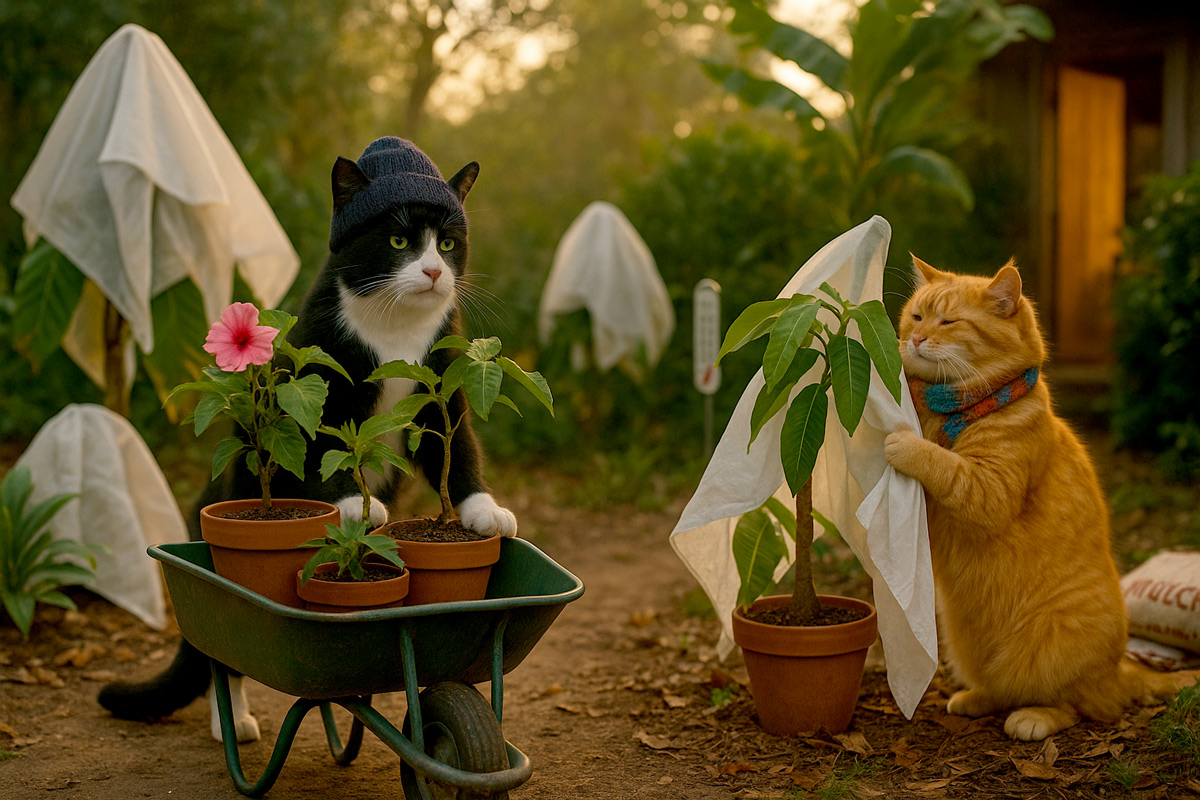
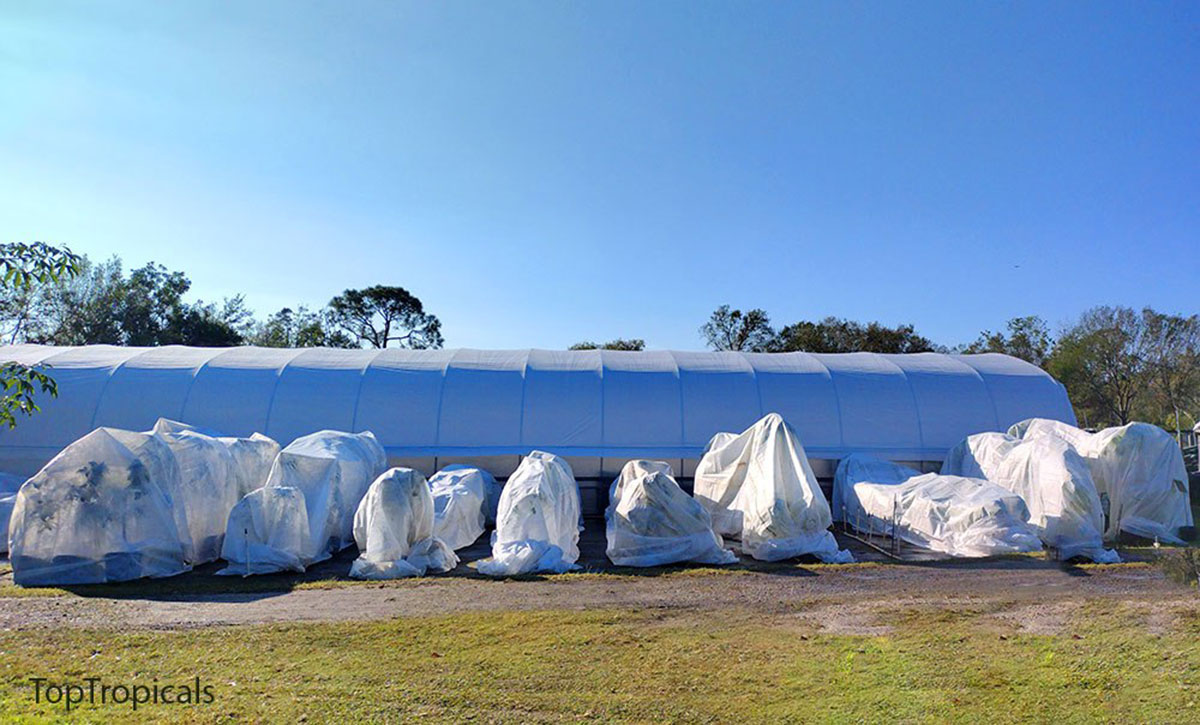
2) easy to cover with frost cloth, sheets, or blankets in case of immediate cold spells. Container plants' growth is easier to control and trim, and those plants naturally stay more compact.
3) easy to move indoors, inside garage, or in covered lanai/patio.
We also recommend to keep these trees in their original pots until Spring, in containers size of the rootball. Step them up in Spring, when plants start active growth of root system. This will help you to avoid root rot due to possible overwatering in Winter. Reduce watering in any case, and keep your plants in bright, wind-protected spot. Do not fertilize until Spring. Protect from cold when night temperature drops below 35-40F.

Use SUNSHINE plant boosters to provide additional cold tolerance.

Cold protection is a lengthy subject. You may also use propane heaters during cold nights. Here is some more information on cold protection.

Black Friday starts Wednesday! Use this discount code in your shopping cart from Wednesday through end of Friday. Enter THANKS2016 in your shopping cart for 20% off on all plants and seeds from our store - no minimum order! Offer is not valid for previous purchases