Garden Blog - Top Tropicals

Date: 20 Mar 2016

Easter Lily Vine creates a fragrant privacy fence of virtually unlimited size

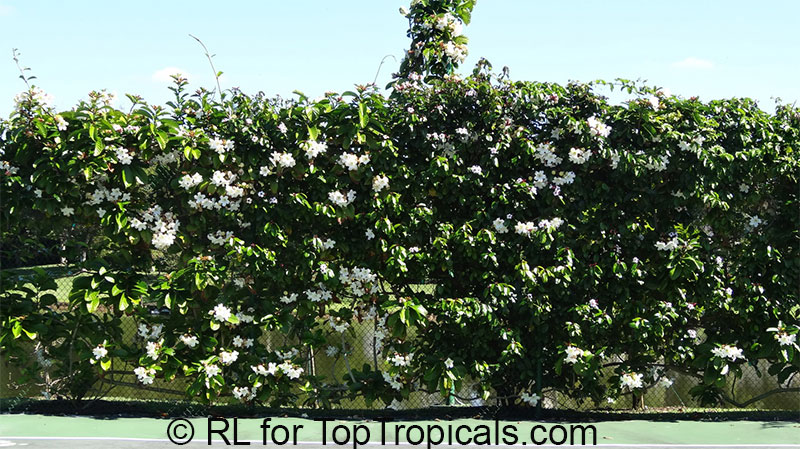
By Ron, South Florida. Easter Lily Vine (Beaumontia grandiflora) is a magnificent woody evergreen climber of unlimited growth potential. A branch of this vine will grow simply until you cut it. I have branches of up to 30 ft. and longer.

I've used two plants to turn a chain-link fence into a privacy screen that is 40 ft. wide by 10 ft. tall, but even a single plant can cover a much wider space if trained properly.

Easter Lily Vine's growth rate is moderate, so it doesn't require constant pruning to keep under control like other vigorous vines. I bought mine in 7 gallon pots, and planted them in the ground immediately. It took about 2 years to completely cover the fence. Since then, I prune it 3-4 times a year.

Keep in mind that these plants are heavy and require a solid structure as support. They twine by nature, but only around items with 3” diameter or more. Mine twined around a near-by lighting pole!

The absolute key in training Easter Lily Vine is to force it to grow horizontally. I recommend planting a young 3 gallon size vine in the ground diagonally, so it grows horizontally. Tie it no more than a foot above ground and let it grow a single branch until the end of the space you want to cover. Then force it to make a U-turn and let it grow the other way. See the following diagram for illustration..

.

See step-by-step full size pictures and the rest of the article...
Date: 10 Mar 2016

Do-It-Yourself Support Structure for Dragon Fruit

This interesting do-it yourself project was sent to us by our customer from South Florida. Many tropical gardeners want to grow fascinating Dragon Fruit, and their most common question is - what kind of support I should use for this amazing fruiting cactus? We hope you find this information very useful. Happy Gardening!

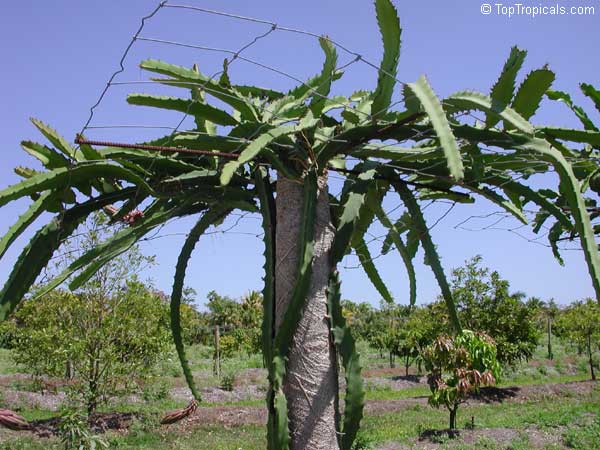
Dragon fruit is a terrestrial/epiphytic fruit baring cactus, which may grow fleshy stems up to 30 ft high, given sturdy support. However, downward hanging or horizontal branches stimulate production of flowers at the tips of the branches. Commercial groves in different parts of the world use different method to achieve this. The traditional Vietnamese way is to train the plant into a “fountain”, which consists of a vertical central trunk about 8ft tall and a horizontal structure, such as a wagon wheel on top of it to support the horizontal branches (see picture on the right).

This picture served as my inspiration to build my own structure. I used five 4”x4” 10ft wood beams as the trunk, shaped as a cross. I attached the beams to each other with 10” long screws.

I dug a 2 ft deep 12”x12” hole in the ground and positioned the trunk inside, such that about 8ft are above ground. I covered it with several layers of burlap top to bottom.

The horizontal structure on top is made of four 4ft long 2”x2” wood beams and two 12”x12” wood plates to hold them together. I attached this structure to the top of the trunk.

I used old watering pipe to form two rings around the trunk to support the branches. Here is the result!... See step-by-step full size pictures and the rest of the article...
Date: 22 Mar 2021

The most rewarding hardy fruit trees

Q: Recently I started working remotely and I kinda like it, no need to commute, it saves me so much time so I can have life now! My friend got me involved into growing some small houseplants but I really want to take advantage of our Florida climate and sun. I want to plant some cool fruit trees since I have a decent size yard. But I live in Florida Panhandle and we do have some occasional freeze in winter, although not for too long. But it gets very hot in summer! Are there any tropical fruit trees that will be happy here? Or should I keep everything in pots? I am excited to have my own tropical plant collection!

A: There is a perfect plant for everyone, and a perfect tree for every climate. Many tropical and especially subtropical plants can be much hardier than they are believed to be, both flowering and fruiting trees among them. You may keep the most sensitive species in pots and bring them inside for winter, while there are so many trees that will be happy in your area. Start with these that are perfect for climates with hot summers and cool winters:

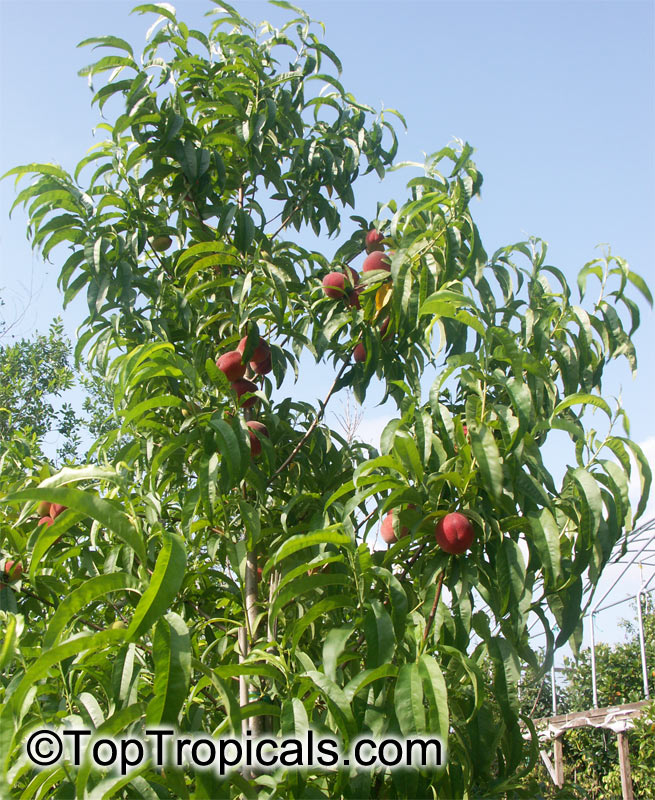
1. Peaches and Plums

Low-chill, Heat-tolerant Peaches, Nectarines, Plums are especially selected for Florida hot summers. They produce well and do not require many "chill" hours like temperate fruit trees. They only need 150 chill hours and grow well in even in Arizona, so you know they are taking the heat.

2. Figs

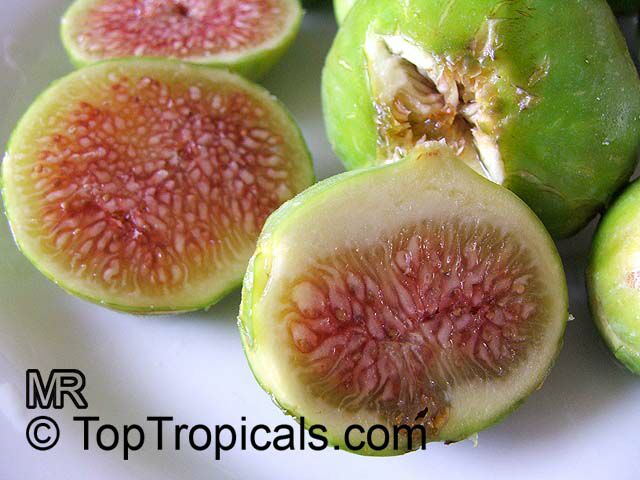
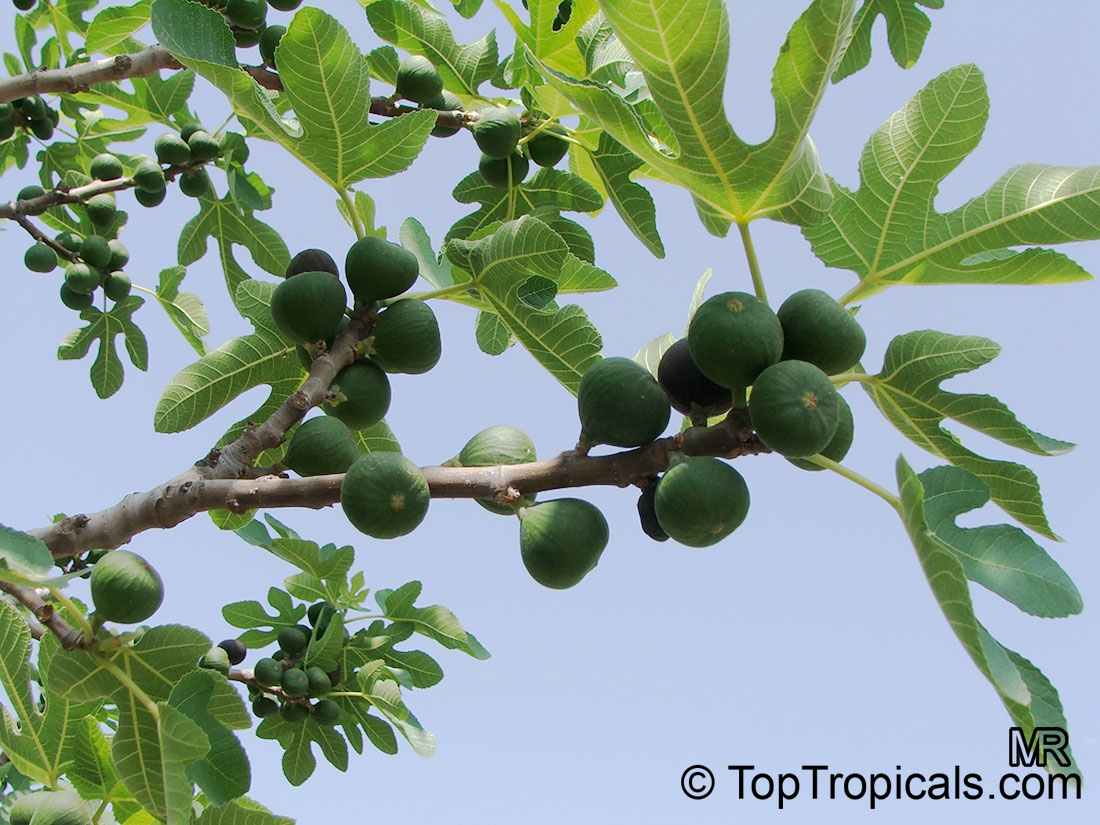
2) Fig trees - they are easy to grow, heat- and drought- resistant trees. They are prized for their delicious fruit, which can be one to three inches in length, violet, brown or black. There are even varieties with yellow fruit. Most fruits are borne from early summer to late fall on new growth, and the fruits generally mature very quickly. These trees are sensitive to frost only when actively growing, but can withstand 10F when dormant. Read more about Fig trees.

Date: 11 Sep 2025

American  flag  blended  into  sky  with  clouds,  young  Acacia  farnesiana 
 tree  with  yellow  flowers  growing  upward,  and  text

September 11th remains one of the darkest days in our nation’s memory, a tragedy that touched every life in some way. More than two decades later, we may come from different places, hold different views, and see the world through different lenses — but on this day, we stand together in remembrance.

Like a young tree reaching toward the sky, we find strength in renewal. Nature reminds us that healing takes root quietly and grows over time. A branch in bloom, a sunrise after storm clouds, the steady rhythm of the seasons — all speak of life’s resilience. As we honor the lives lost, may we also honor the life that continues around us.

And we will keep remembering, together.

For us, trees and gardens are daily reminders of resilience. That’s why we grow them, and share them with others who find hope in nature. Explore our plants.

Date: 22 Oct 2025

Detailed Cassia and Bauhinia Care Guide
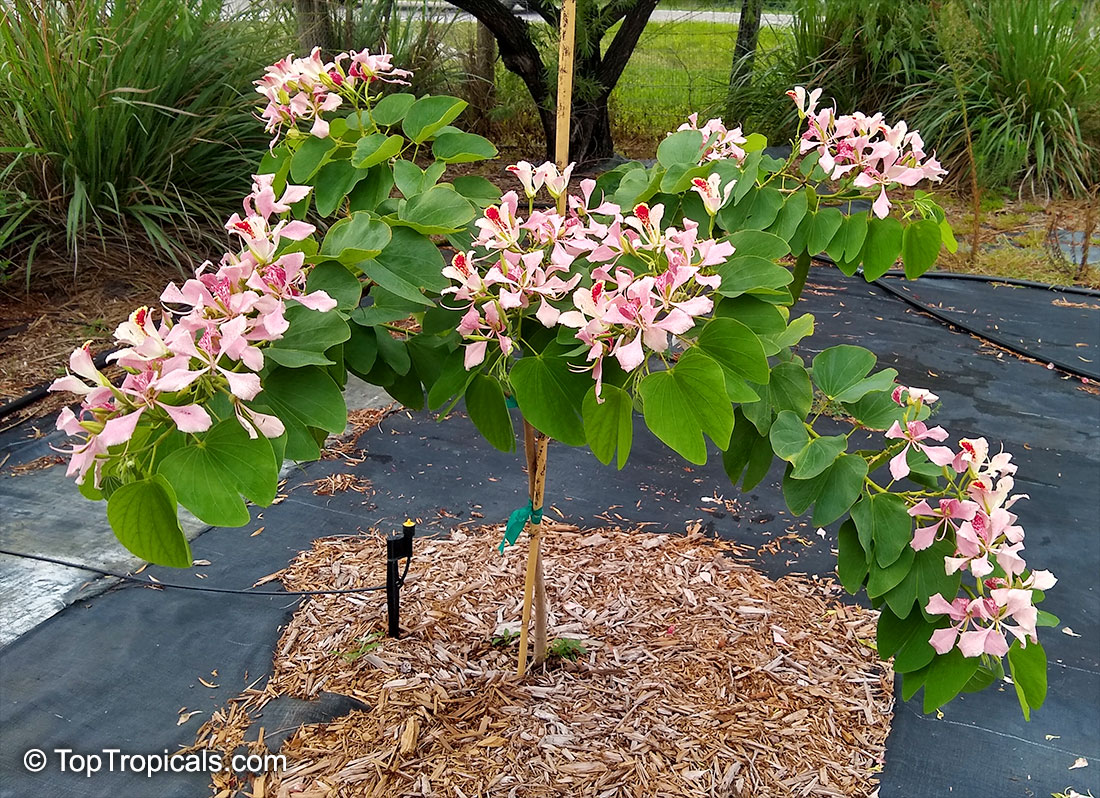
Young  Bauhinia  monandra  tree  blooming  with  clusters  of  pink  and  white 
 orchid-like  flowers,  growing  at  Top  Tropicals  nursery  with  fresh  mulch  and 
 drip  irrigation 
 setup

Outdoor Cassia and Bauhinia Care

  • Light: Both Cassia and Bauhinia need at least 6 hours of direct sunlight daily. Cassias handle intense heat; Bauhinias can take light afternoon shade.
  • Soil: Use loose, fast-draining soil. Mix equal parts garden soil, coarse sand, and compost.
  • Watering: Keep evenly moist but never soggy. Cassias tolerate dry spells once established; Bauhinias prefer steady moisture. Water when the top inch feels dry.
  • Feeding: For profuse flowering, feed with liquid Sunshine Boosters Megaflor that is safe to use with every watering, year around. You may also apply Green Magic controlled release fertilizer every 6 months. Bauhinias and Cassias respond quickly to feeding.
  • Pruning: After flowering, prune lightly to shape and remove dead tips. Cassias can be trimmed to shrub form; Bauhinias stay bushy with pinching.
  • Mulch: Add a 2-inch mulch layer around the base to conserve moisture and prevent weeds, but keep mulch off the trunk.
  • Cold protection: Most Cassias handle brief frost; some Bauhinias like B. acuminata and B. monandra must be sheltered below freezing. For cold nights, cover with frost cloth or move containers into shelter.
  • Dormancy: Outside of tropics, most Bauhinias drop leaves in winter for a short period of time, right before flowering and are called "semi-deciduous". Cassias stay evergreen.

Indoor or Porch Care (cool-climate growers)

  • Container: Choose a sturdy pot with several drainage holes, one size larger than the root ball. Unglazed clay or thick plastic pots work best for heat regulation. Use a light, well-drained mix such as professional soilless mix Abundance. Both Cassias and Bauhinias dislike soggy roots. Add a thin layer of coarse gravel at the bottom to improve drainage. Repot every 1–2 years in spring
  • Light: Brightest spot possible - south-facing window or heated sunroom. Supplement with a grow light if sunlight is weak.
  • Temperature: Keep potted trees in warm environment for best results. The optimum temperature for Cassias and Bauhinias is between 60–85 F, although many species can tolerate cooler temperatures. Avoid cold drafts and sudden drops.
  • Humidity: Average indoor humidity is fine; occasional misting keeps foliage glossy.
  • Watering: Water sparingly in winter when growth slows; allow the top inch to dry between waterings. Do not let roots sit in water.
  • Fertilizing: Feed with Sunshine Boosters Megaflor that is safe to use with every watering, year around, to maintain flowering indoors. You may also apply Green Magic controlled release fertilizer every 6 months.
  • Pest watch: Check undersides of leaves for aphids or whitefly. A light spray of neem oil or insecticidal soap clears them fast.

"Whether you crave golden summer fireworks or soft orchid blooms that last nearly all year, both Cassia and Bauhinia bring pure joy to the garden. 💖 Bring color that never quits."

Did you know: Fall is the best planting season — roots grow faster and you’ll have flowers by spring!

✔️ Fall Planting Guide

🛒 Shop Tropical Flowering trees