Garden Blog - Top Tropicals

Date: 15 Jul 2024

Five most useful edibles for your Food Forest
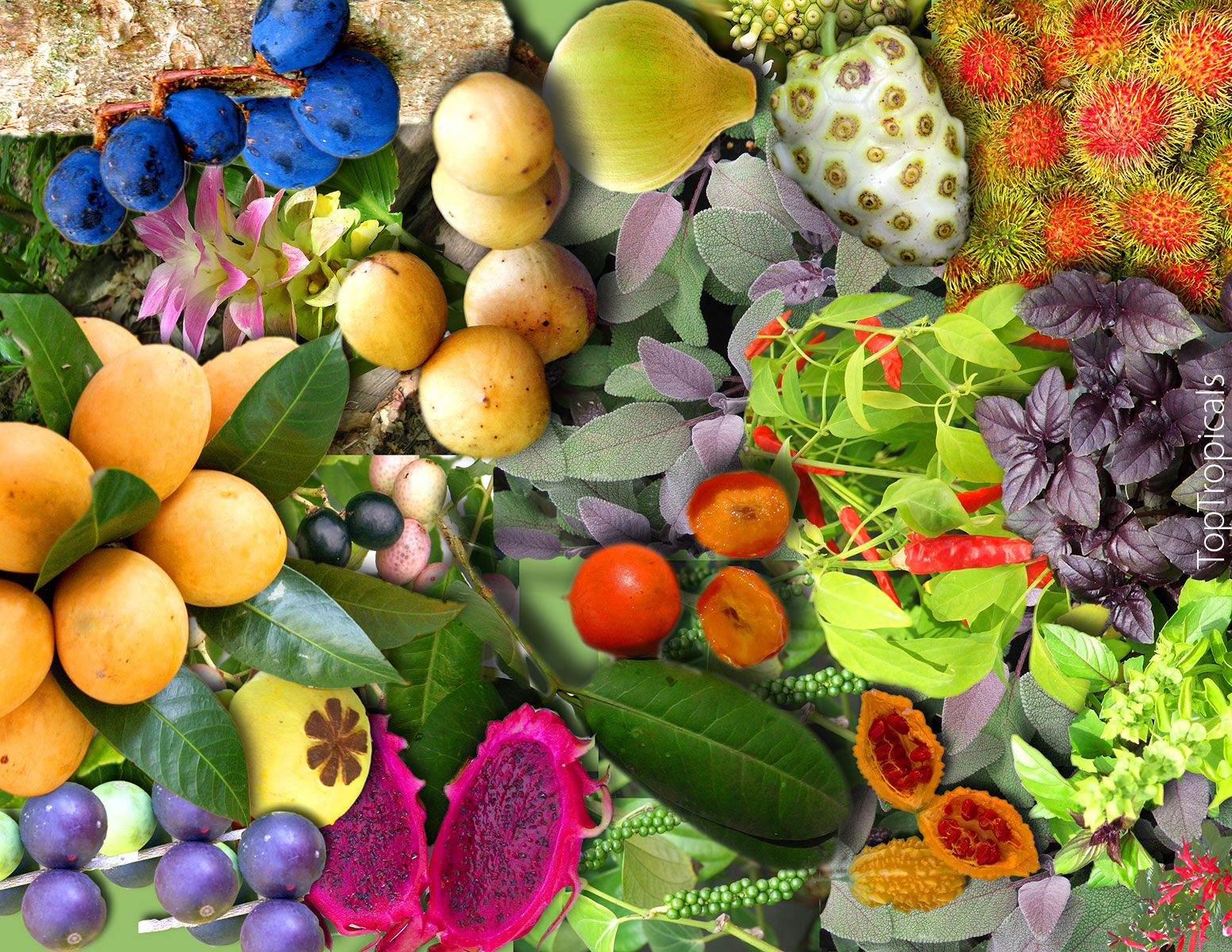
Tropical  Food  Forest  collage

Tired of mowing a boring lawn? Use your yard instead of being used by your yard - grow edible landscape! Below are several plants that made our life happier and meals healthier. Besides, these are fun to grow! Try them out:
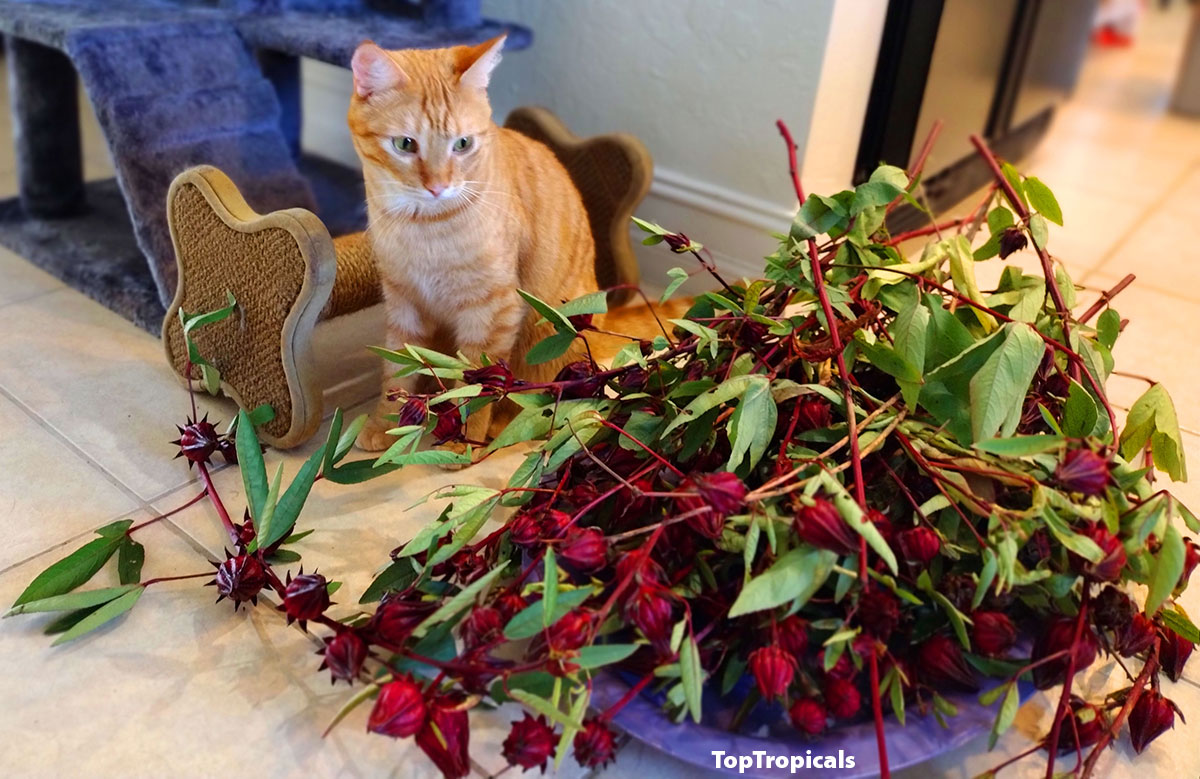
Hibiscus  sabdariffa  -  Flor  de  Jamaica,  Karkade  Sorrel

1. Hibiscus sabdariffa - Flor de Jamaica, Karkade Sorrel - Flowers are used to make a tea "Agua de Flor de Jamaica". Medical studies show that it lowers blood pressure and has diuretic effects. The pleasant flavor is on the tart side similar to a cranberry juice. We make this cold tea every day - perfect for hot summer. Full sun.
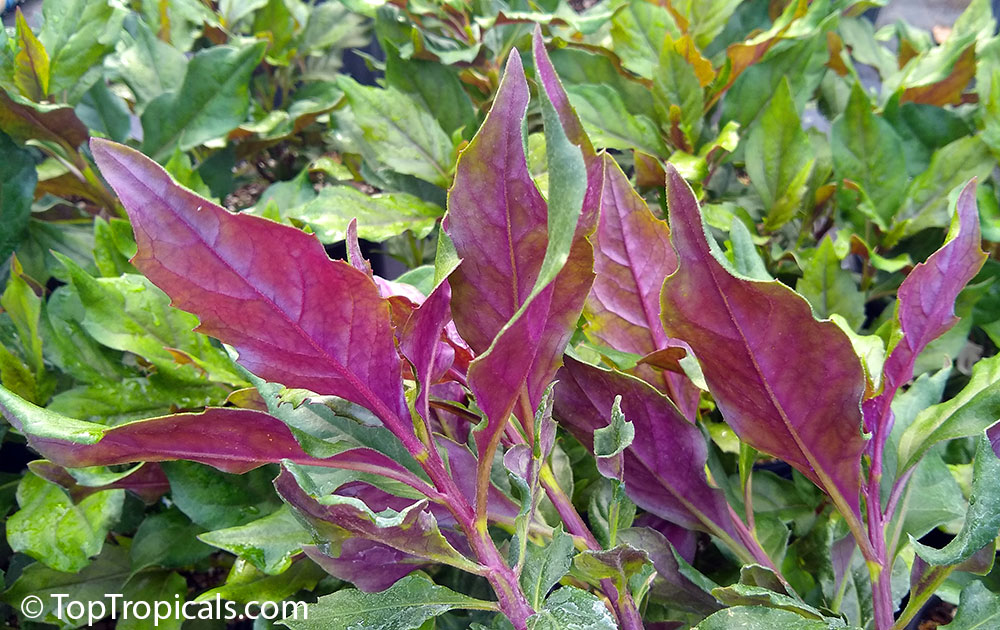
Gynura  procubens  -  Longevity  Spinach,  Cholesterol  spinach

2. Gynura procubens - Longevity Spinach, Cholesterol spinach - one of the Superfoods, and there are many claims that it lowers cholesterol. We use it in our cooking all the time and so far we are all alive! Full sun.
See recipe >>
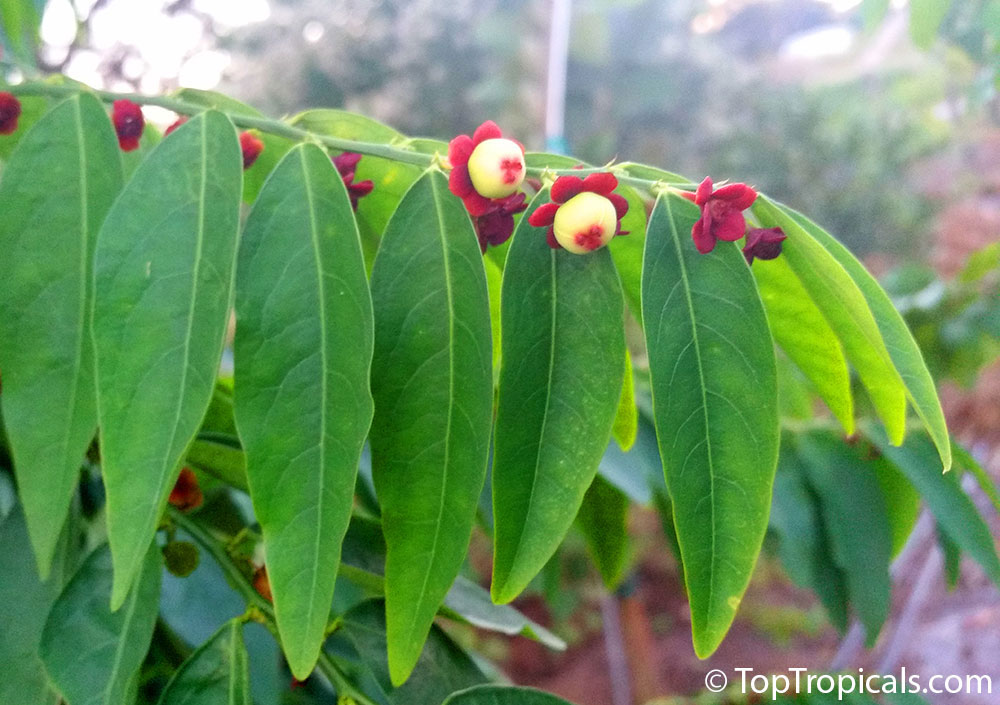
Cymbopogon  citratus  -  Lemon  grass

3. Sauropus androgynus - Katuk, Tropical Asparagus. Delicious young shoots, one of the most popular leaf vegetables in Southeast Asia. In Vietnam, people cook it in stews and soups. It is among only a few flora containing vitamin K. Full sun or semi-shade.
Learn more >>
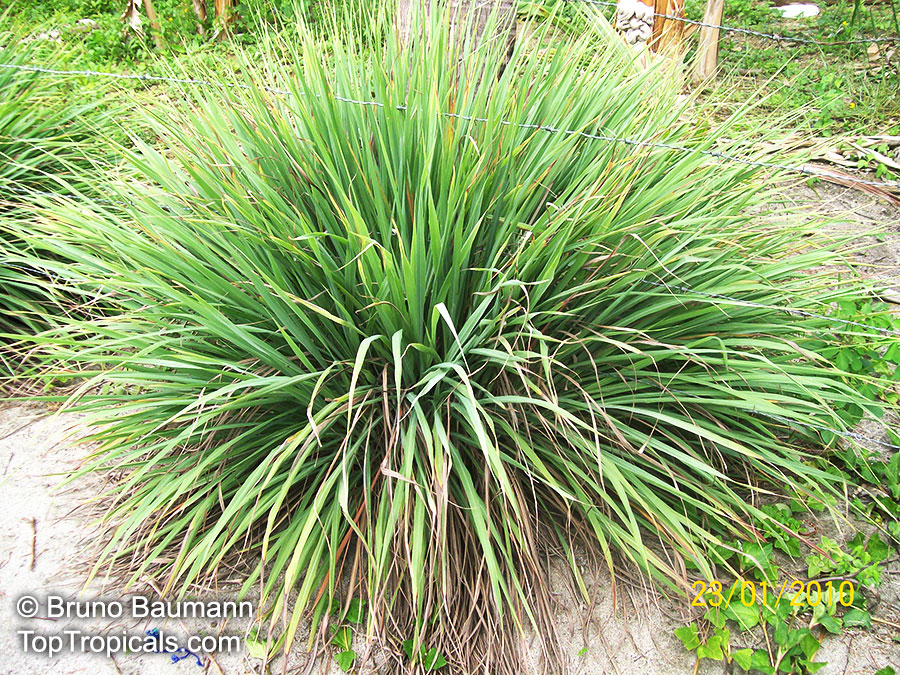
Cymbopogon  citratus  -  Lemon  grass

4. Cymbopogon citratus - Lemon grass: Versatile performer in the kitchen where it can be used in teas, beverages, herbal medicines, Eastern inspired soups and other dishes. Full sun or semi-shade.
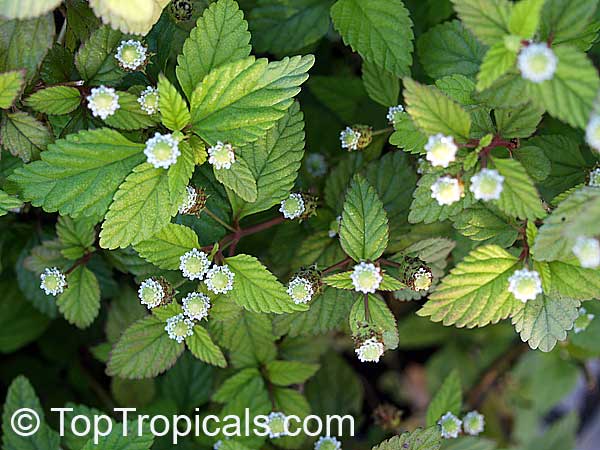
Lippia  dulcis  -  Aztec  Sweet  Herb,  Sweetleaf

5. Lippia dulcis - Aztec Sweet Herb, Sweetleaf: Mexican herb with incredibly sweet leaves that can be eaten from the plant like candy or tossed into fruit salads for an unusual addition. It has been used since the time of the Aztecs for coughs and colds. Tastes great, can be used by diabetic patients. We add this herb to Karkade or Mint tea as a sweetener. Shade or semi-shade.
Date: 26 Aug 2024

Gardening for the Soul:
why your garden is healing...

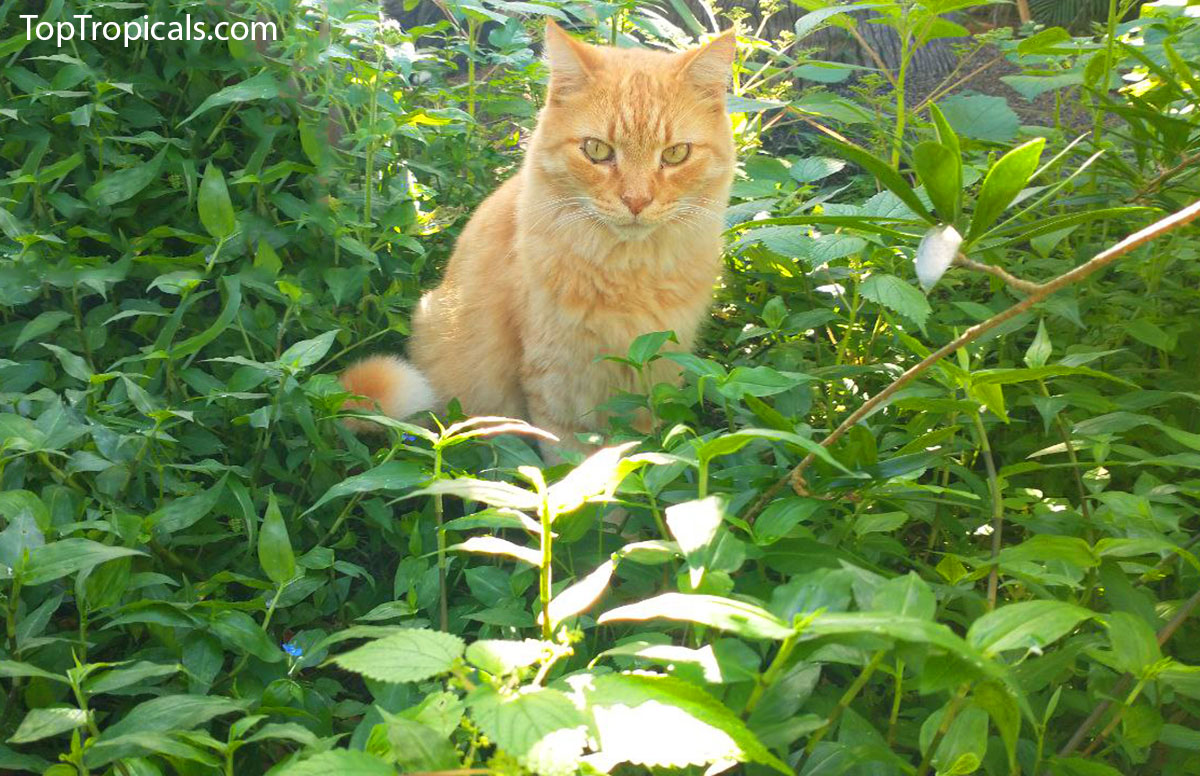
cat  in  the  garden

"The glory of gardening: hands in the dirt, head in the sun, heart with nature. To nurture a garden is to feed not just the body, but the soul." - Alfred Austin

...Healing gardens are good for your soul and morale. They can improve your mood and help with depression, and they have even been proven to increase our physical wellbeing.

...Gardening offers therapeutic benefits by providing a calming connection to nature, which reduces stress and anxiety.

...The physical activity involved improves overall health, promoting better cardiovascular function and increased strength.

...And last but not least, the act of nurturing plants fosters a sense of purpose and accomplishment, which can alleviate symptoms of depression. Spending time outdoors and in sunlight also boosts mood by increasing serotonin levels.

Date: 29 Sep 2024

Discover three must-have fruit
for every tropical garden

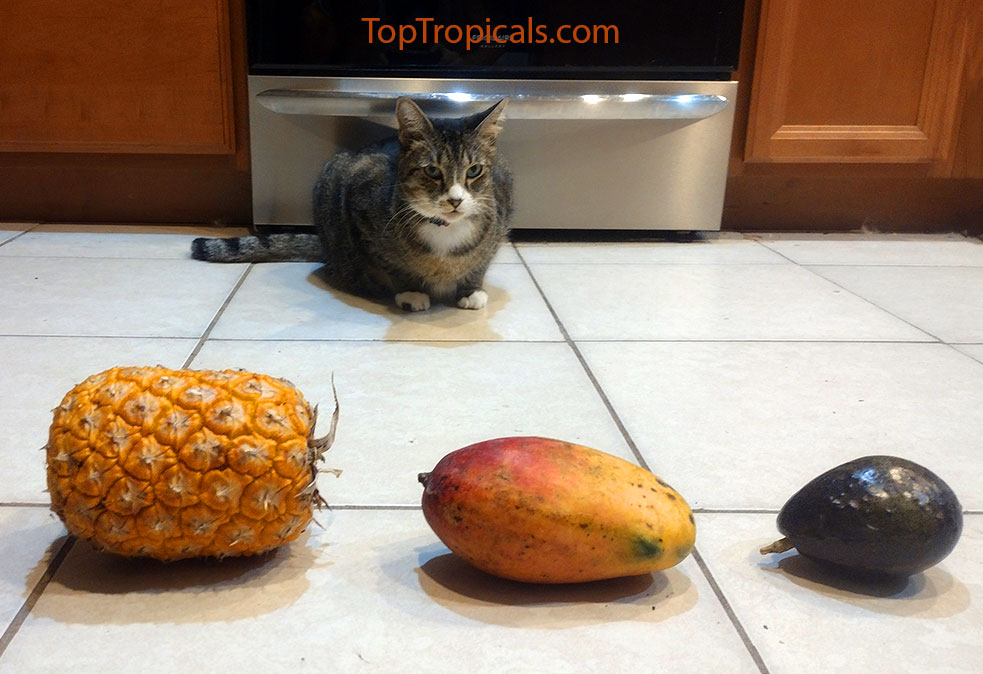
Cat  with  tropical  fruit

Q: I love tropical fruit and want to plant all of them but I have room for only a couple of trees. Help me make the best selection.

A: Here is your perfect list for 2+ fruiting plants: every tropical garden must have a Mango Tree, an Avocado Tree, and - you can plant as many as you want - Pineapples! And here is why...

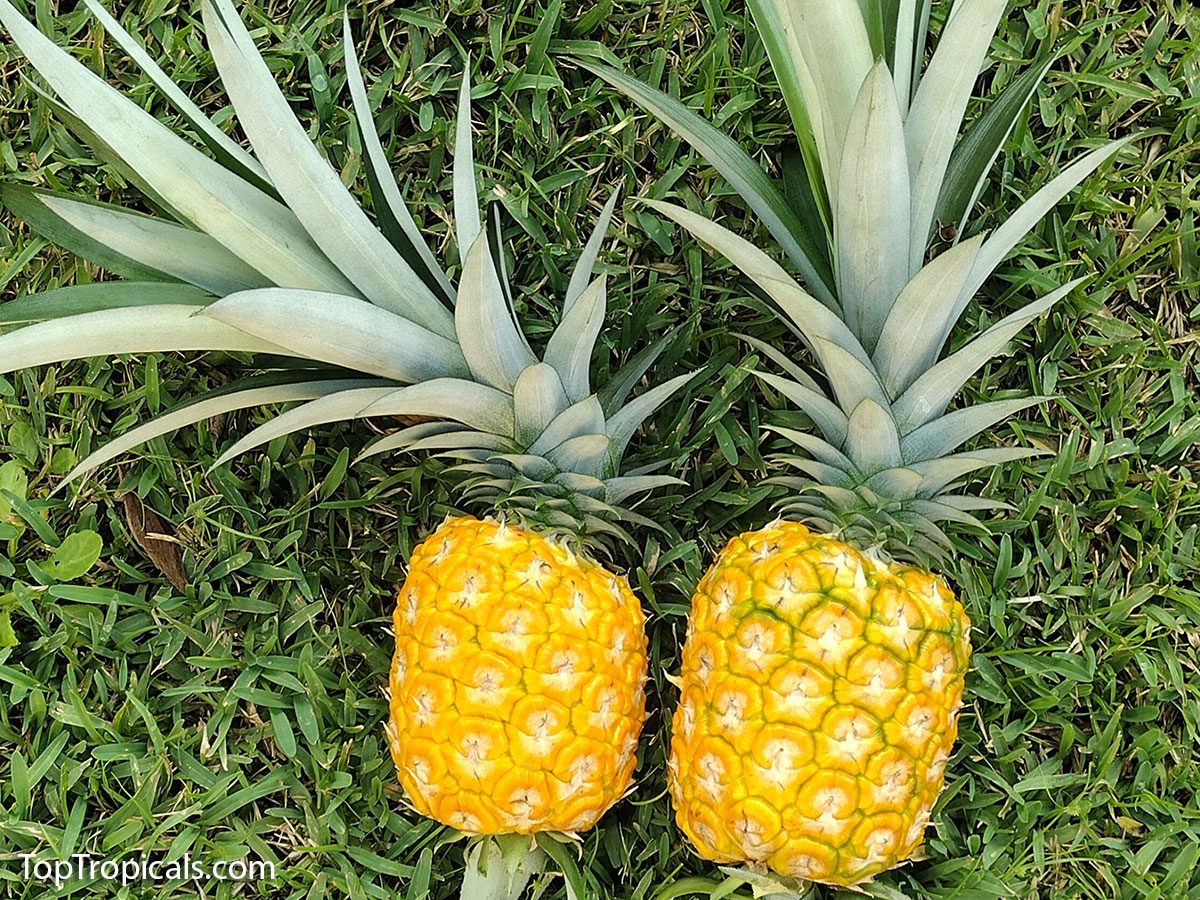
1. Pineapple

Pineapple is a tropical favorite that's incredibly easy to grow, making it a perfect choice for beginners. With minimal care, Pineapples don't take mush space, you can grown them underneath other fruit trees. Plant good varieties, and when you get your crop, plant the tops and you will have your little Pineapple plantation in no time: you'll enjoy sweet, juicy fruit from those little babies in about 18-24 months. Freshly harvested pineapples are delightful in smoothies, salads, or grilled, adding a tropical flair to your garden.

Pineapple

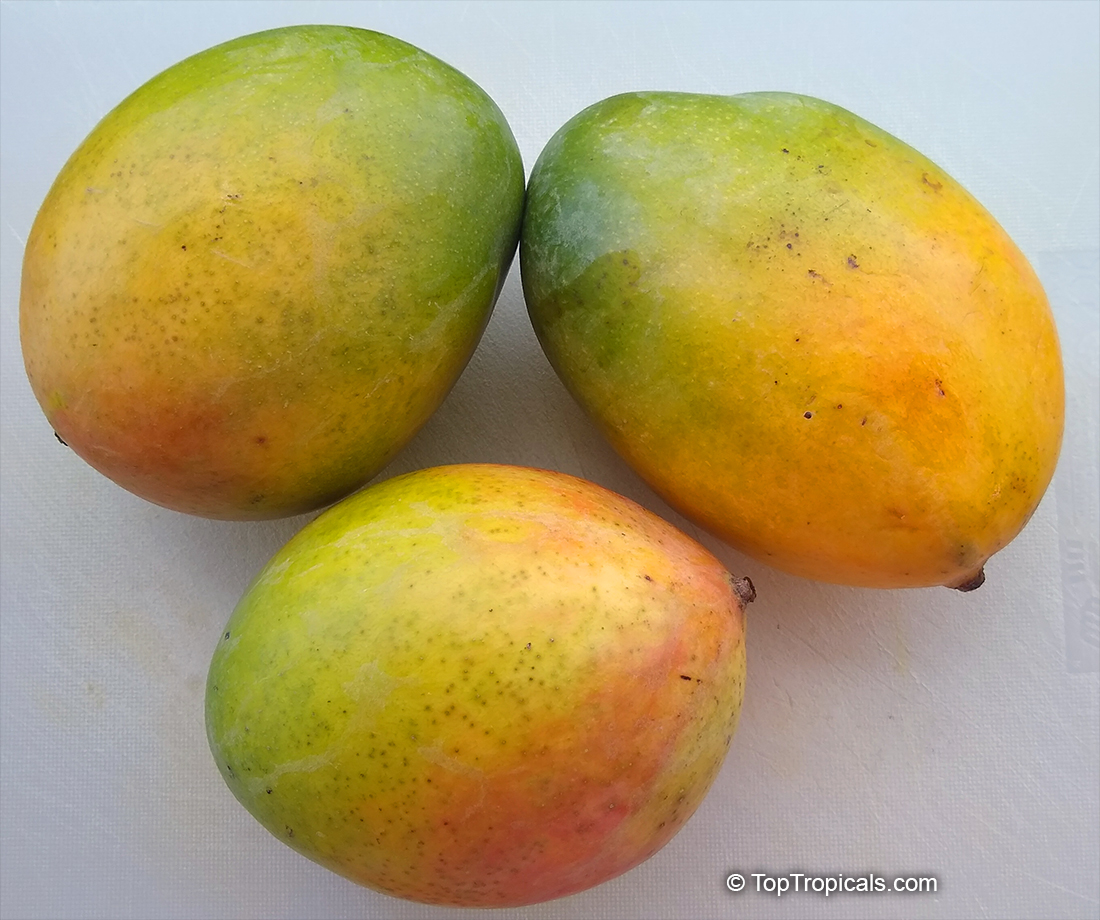
2. Mango

Mango trees are not only a staple in tropical gardens but are also easy to cultivate. They flourish in sunny spots and well-drained soil, requiring little maintenance once established. These vigorous trees can yield an abundance of juicy, flavorful fruit in just a few years. They are perfect for fresh eating or adding to salsas and chutneys. Condo varieties are dwarf trees and can be grown in containers.

Mango  fruit

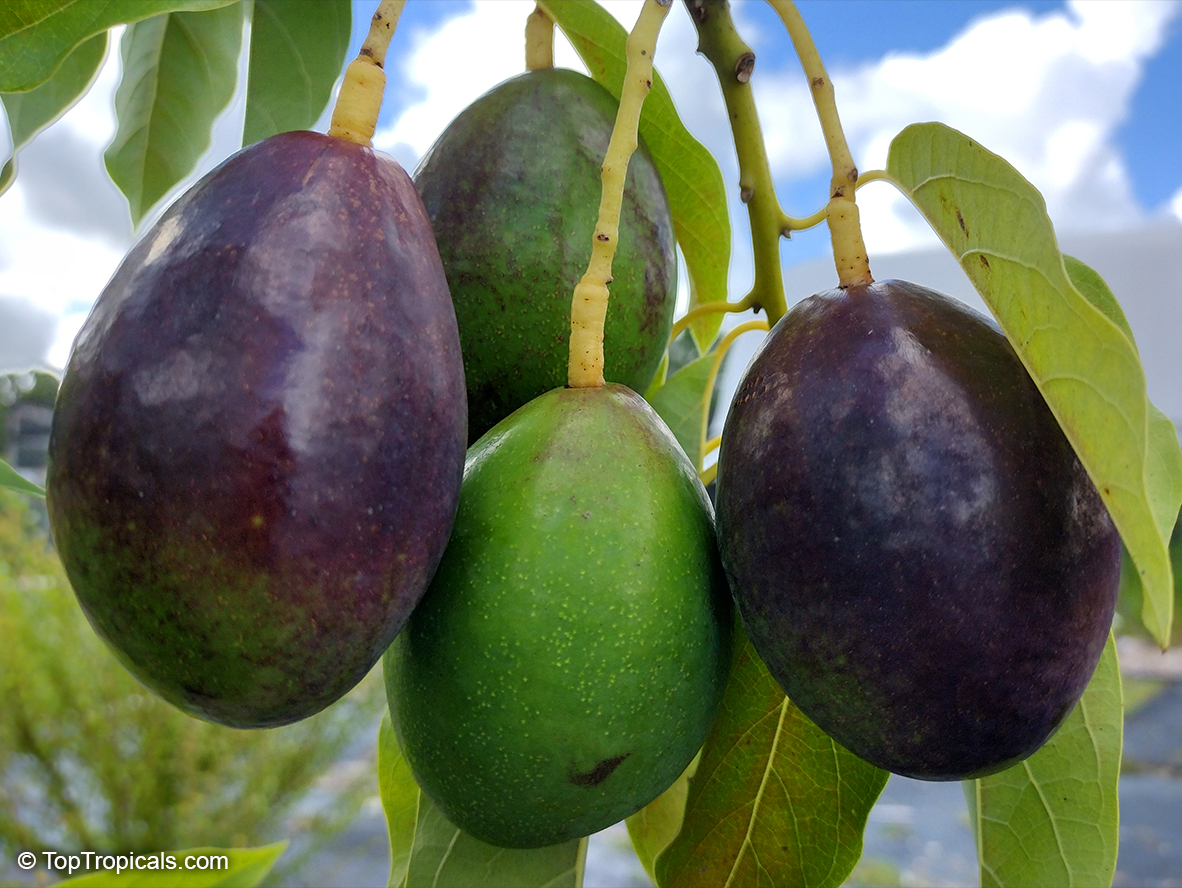
3. Avocado

Avocado trees are fun to grow and add both beauty and nutrition to tropical gardens. Grafted cultivars start yielding fruit within a few months with proper care. The rich, creamy avocados are a culinary favorite, perfect for salads, spreads, and smoothies. With their lush foliage and bountiful harvests, avocado trees are a fantastic choice for gardeners looking for ease and abundance.

Avocado  fruit

Date: 5 Nov 2024

Plant of the month:
Lipstick Tree, Annatto

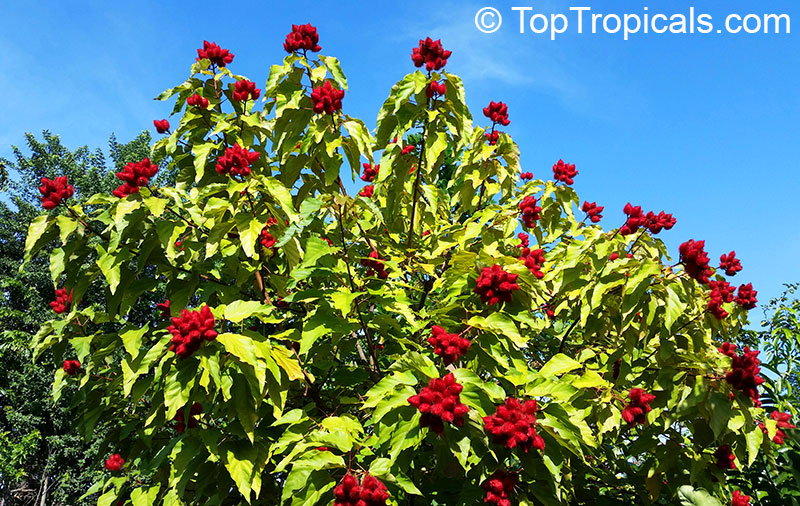
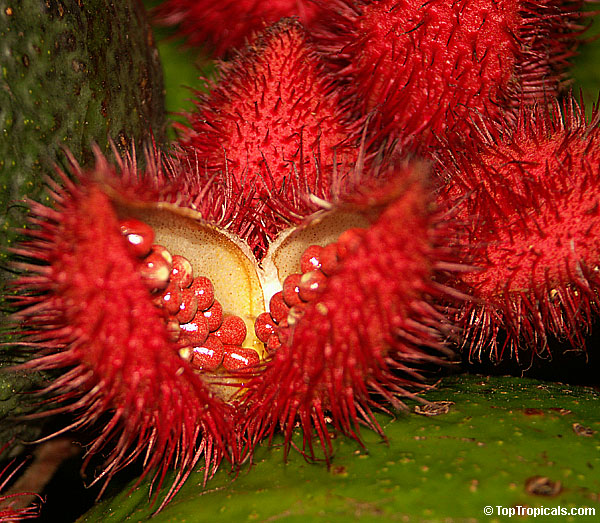
Bixa  orellana  -  Lipstick  Tree,  Annatto,  Achiote

Bixa orellana - Lipstick Tree, Annatto, Achiote... Meet the plant that lipstick is made of!

The enchanting Lipstick Tree brings a splash of South American magic to your garden with its bold, heart-shaped leaves and charming pink blooms. But the real showstopper? Its vibrant seed pods brimming with annatto - a natural pigment famed for painting dishes with rich golden hues and spicing up kitchens worldwide.

Annatto isn't just a culinary delight; it's a beauty secret too, adding natural, radiant color to lipsticks and cosmetics. Beyond its practical uses, Bixa makes a striking hedge or screen, adding both beauty and function. This tree is your garden's ticket to tropical flair and everyday usefulness!

Bixa  orellana  -  Lipstick  Tree,  Annatto,  Achiote,  fruit,  seeds

Date: 2 Nov 2018

Happy Hobby: growing tropicals from seeds

TopTropicals.com

Q: What is the best time to start tropical plants from seeds? Should I wait till spring?

A: If you want to feel happier, get into gardening. If you want to feel God, start plants from seeds and watch New Life grow from a tiny grain. Fall is a perfect time to start tropicals from seed.
Traditionally, people prefer sowing seeds in Spring, especially temperate species for a vegetable garden: tomatoes, peppers, cucumbers... My grandmother up North started them in early Spring in paper cups on a windowsill, then once the temperatures went just above freezing, she planted them out in the garden beds, and that early start always helped her to have the best early crop in the neighborhood.
When we deal with tropical plants, "just above freezing" is not warm enough. Which means you have to grow small babies indoors for quite a while, providing additional heating when needed. Heating pads always work best. If you keep your living space around 75F (ideal for many species), this is a perfect temperature to get your seeds started. Tropical plants are not like annual tomatoes that try to grow through the season as fast as possible. They take time. So the sooner you start, the more chances to get small seedlings just in time when Spring air outside is "warm enough" for those tropicals - at least in 70's.
A great advantage of starting tropical seeds indoors is controlled temperature and moisture. In the plant world, environment extremes are not good for the germination process. Mild conditions of your home or a greenhouse create better chances for successful growth. Seeds won't get overheated in the hot Summer sun, and won't rot because of a sudden heavy rain. Just keep in mind that some species require light for good germination.
For the best seed germination:
- Use only well-drained mix - we recommend special Seed Germination Mix #3, professional grade. Put seeds not too deep (1/2 inch deep or less) to allow air circulation
- Soak large seeds for a few hours with Sunshine-S solution
- Keep warm (75-85F) and in bright light
- Keep soil slightly moist but not soggy
- Apply micro-element booster SuperFood to baby seedlings for vigorous growth