Garden Blog - Top Tropicals

Date: 29 Aug 2021

Those mouthwatering Blackberries...
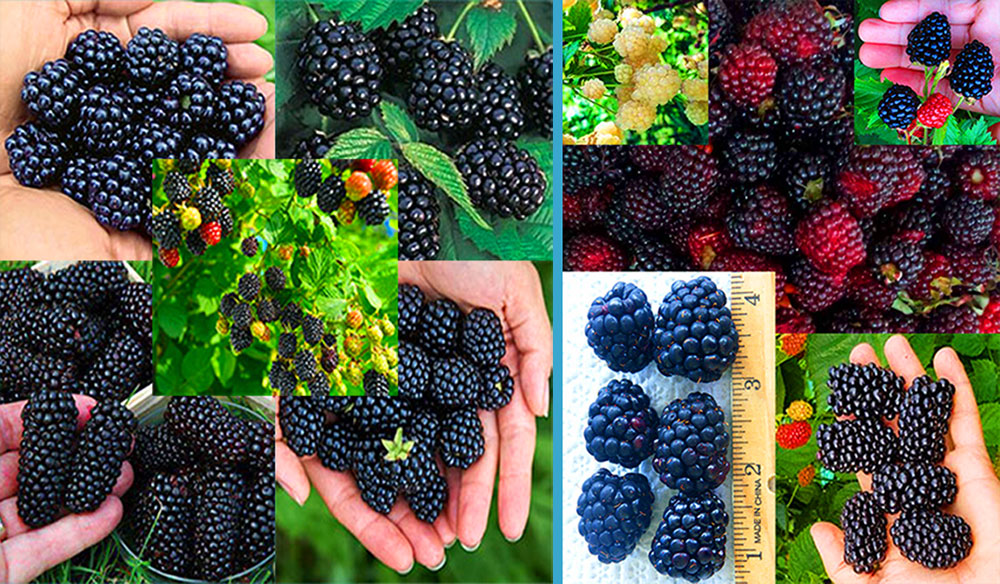
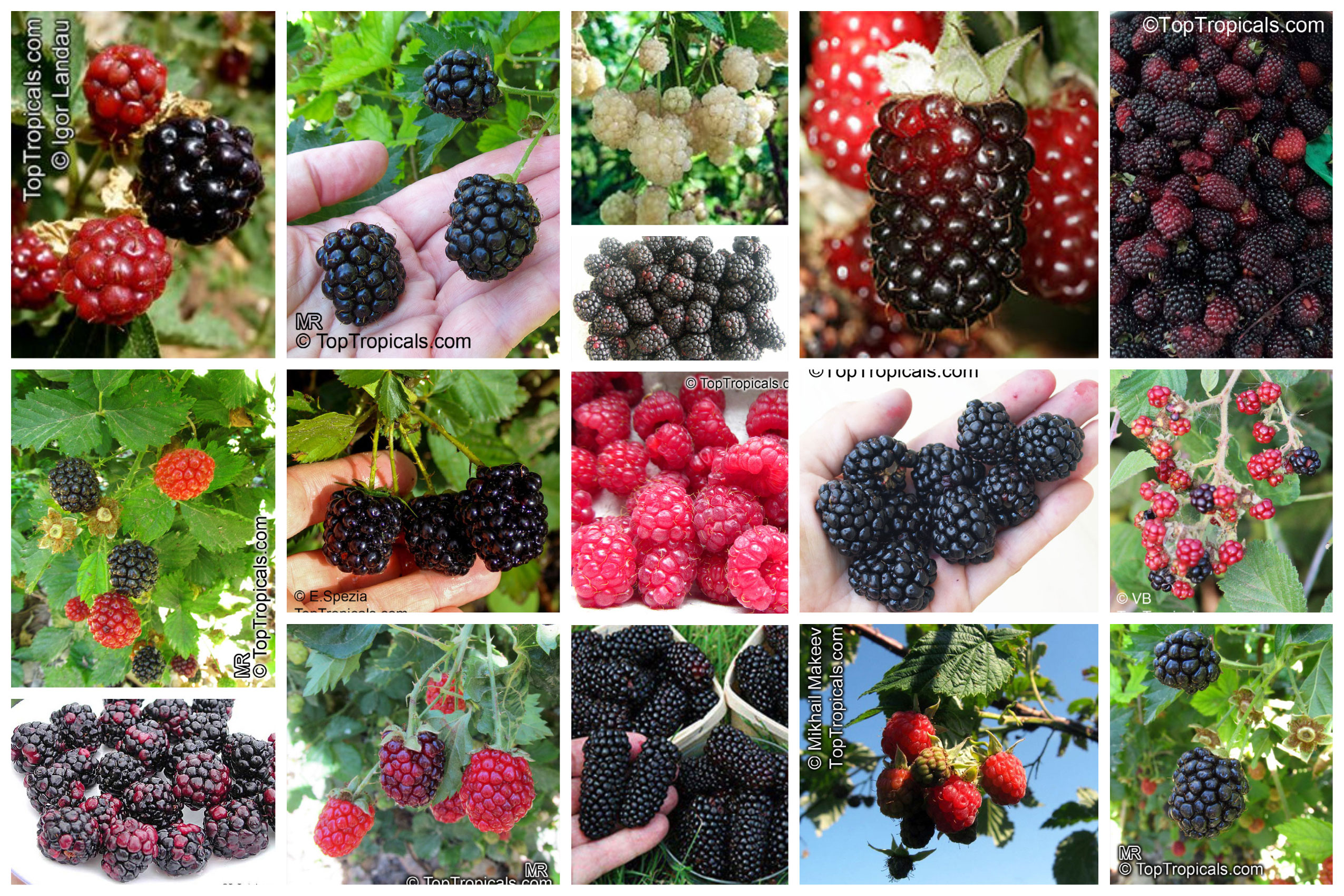
Blackberry Patch Bundle Exclusive Collection

Two Collections of Superior Blackberry Varieties, well adopted to tropical and subtropical climates. Mouth watering, all time favorite fruit will be always with you - these plants are so easy to grow!

Blackberry Patch Bundle Exclusive Collection - buy 3 get 2 free.
The Collection includes 5 blackberry varieties: Navaho, Osage, Ouachita, Triple Crown Thornless, Iceberg White Blackberry.

Blackberry Patch Bundle Premier Collection - buy 3 get 2 free.
The Collection includes 5 blackberry varieties: Arapaho, Caddo, Kiowa, Natchez, and Prime-Ark Freedom.

Mouth Watering High Protein Blackberry Cobbler

Ingredients

25g light butter
45g self-rising flour
33g vanilla whey
20g egg whites
50g almond or cashew milk
75g blackberries
Stevia/Splenda to taste

Instructions

Preheat oven to 350 degrees F. Melt butter half-way so it's just warm, not hot. In a mixing bowl, combine all ingredients except for blackberries. Pour into a 4-5"ramekin sprayed with Pam. Sprinkle blackberries on top of batter and bake for 15-20 minutes. It's best slightly gooey on the inside (not completely cooked). Enjoy!

Date: 10 Jun 2021

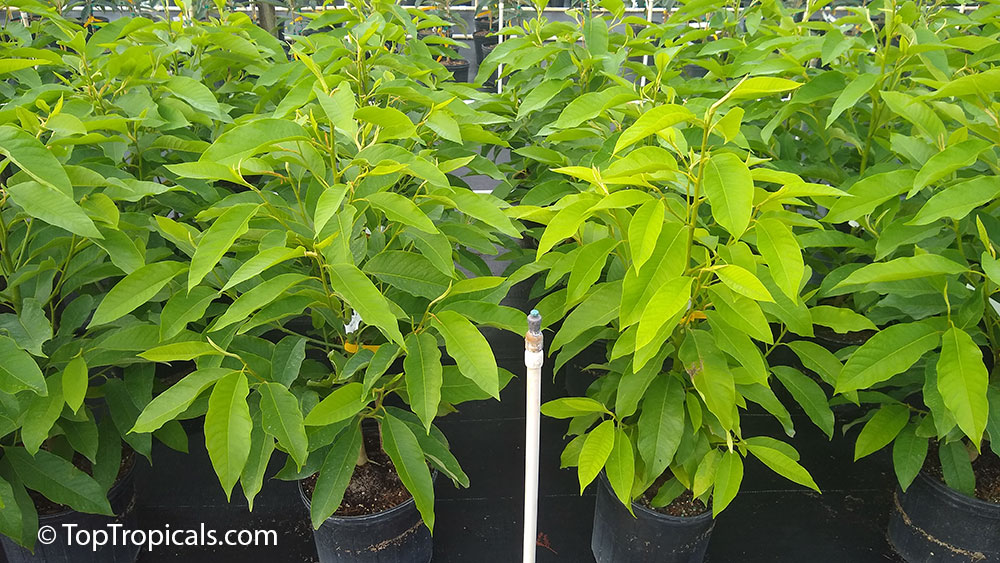
Growing Champaka in Virginia

Q: I purchased a Magnolia champaca 1 gallon a few years ago. It is still growing as I bring it into my greenhouse in the winter. I live in VA. This spring I planted it in the ground hoping it might bloom which it did not. Will it survive our fairly mild winters with several freezing days with some special attention? What would you do?

A: Magnolia champaca is a tropical tree and won't survive winter in VA. It can not take hard freeze. Your only option is, to keep it in a pot and bring inside. If the temperature inside your greenhouse is too low, this may affect the plant's ability to flower. For example, if it stays 35-40F for a whole month - although it is not a hard freeze and the plant may survive, but the duration of the cold period is more critical than the low temperature itself. Champaka can survive a few hours even at upper 20's, but not many days with cool temperatures. The temperature in winter should be maintained at least above 55F during day time (the higher the better) and at least above 45F at night.
If the tree has grown too big, you may trim it. If the root ball is too large, roots can be trimmed too (similar way like they do with bonsai) before repotting. However, trimming must be done either during warm season and active growth, or in Spring, when the tree starts waking up and promotes new growth.
To encourage flowering, start fertilizing your Champaka with a liquid bloom booster - SUNSHINE Pikake - Fragrant Flower Booster. It can be used year round including winter months, and it is safe to apply with every watering. This way you will provide to the tree enough energy for the next flowering season, so flowers can be expected in late Spring - Summer.

Read more about greenhouse growing: Greenhouse in Virginia.

Date: 18 May 2021

Healthy Plants: Q&A from Mr Booster

Healthy Heliconia Leaves?

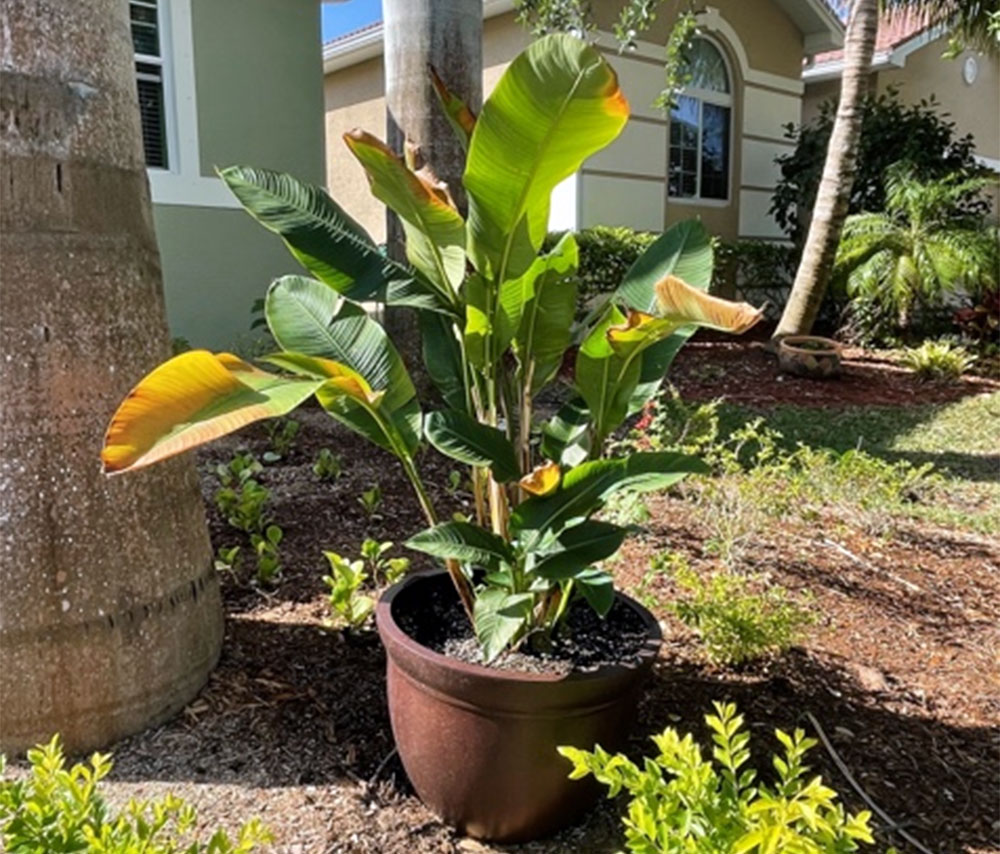
Q: I purchased a heliconia from you a couple months ago. The new growth seems to be doing fairly well, however some of the larger leaves are discoloring around the edges then drying up. It's potted in a large pot with potting soil with 3 holes in the bottom to help with drainage in partial sun under a Royal Palm facing northwest. I'm here in Ft Myers. I was previously watering it every other day with your rapid growth fertilizer 1 tbsp per gallon but I have cut that back to once or twice a week. Please let me know your thoughts.

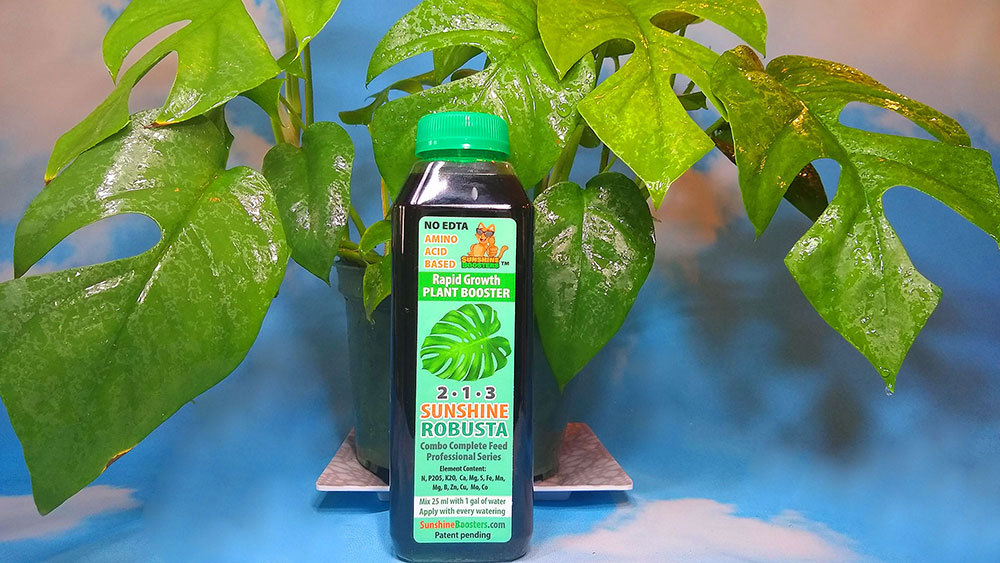
A: Heliconias and Gingers tend to develop dry leaves if grown in pots, especially ceramic or clay pots, because soil in such pots dries out too fast. These dry leaves are not caused by fertilizer, and you can see lots of new healthy green growth. The plant overall seem to be healthy. Continue fertilizing it with liquid Sunshine Robusta that is great for all wide-leaf tropical species, promotes green, lush foliage, and do not use any additional dry fertilizers!
Another suggestion, try to move the plant in more shady spot. Right now it sits in pretty bright light, this may be OK for established plants in the ground, but potted heliconias are very sensitive to hot sun. They get leaf burn easily.

Date: 25 Feb 2021

Healthy Plants: Q&A from Mr Booster

Dragon Fruit Magic Tricks

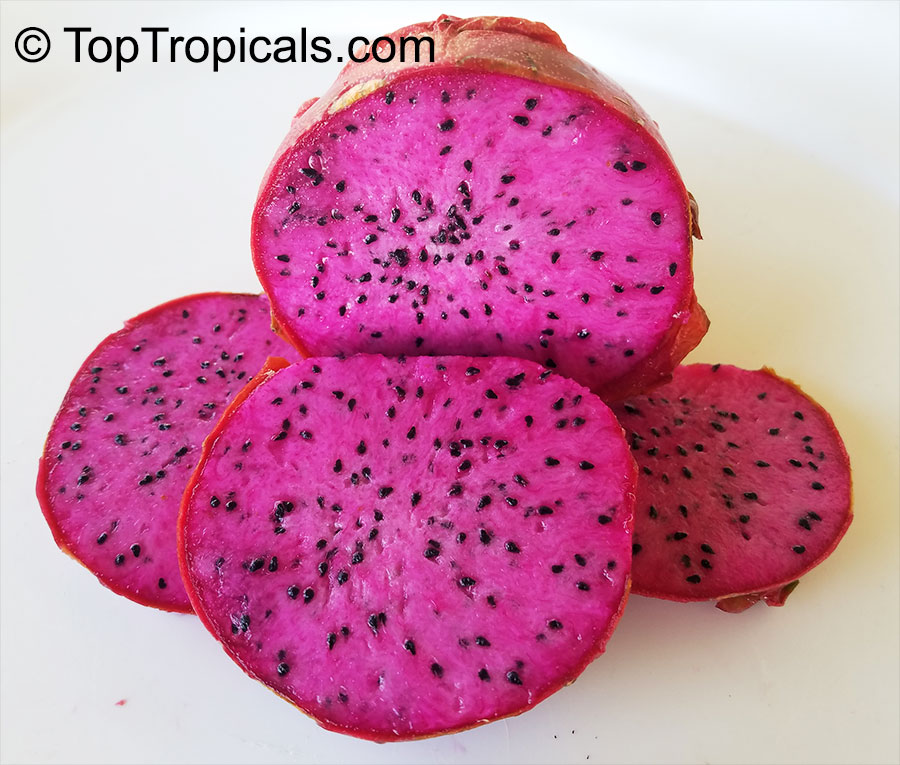
Q: I purchased two sweet red pitayas, that arrived and were planted on May 28, 2020, they were damaged but not serious. my question is this one pitaya is a beautiful green, and has grown 6or 8 "already, the other is bigger and is a grayish green and has not shown any sign of growth at all in six weeks, how long do I wait before I throw it out and buy another?

A: Being a cactus, sometimes Pitaya slows down its growth waiting for more favorable conditions. If one of your plants doesn't show any new growth, just give a it some more time and make sure the plant stays happy. To make pitaya happy, provide the following:
- Water. Unlike most cacti, Pitaya prefers regular watering (but not a wet soil). Make sure it is planted in well-drained media. Do not water again if soil remains moist, wait until it dries out on the surface. During hot weather, Pitaya enjoys light daily watering.
- Light. Unlike most cacti, Pitaya benefits from a filtered light especially while establishing. Try to create a temporary shade over the plant until it starts active growth (if grown in the ground), or move the pot in filtered light. Dull color or dry spots are signs of sun burn. Once the plant shows new growth, you may remove sun protection, or move the pot gradually into the full sun.
- Food. Pitayas are heavy feeders. Use the following fertilizer:
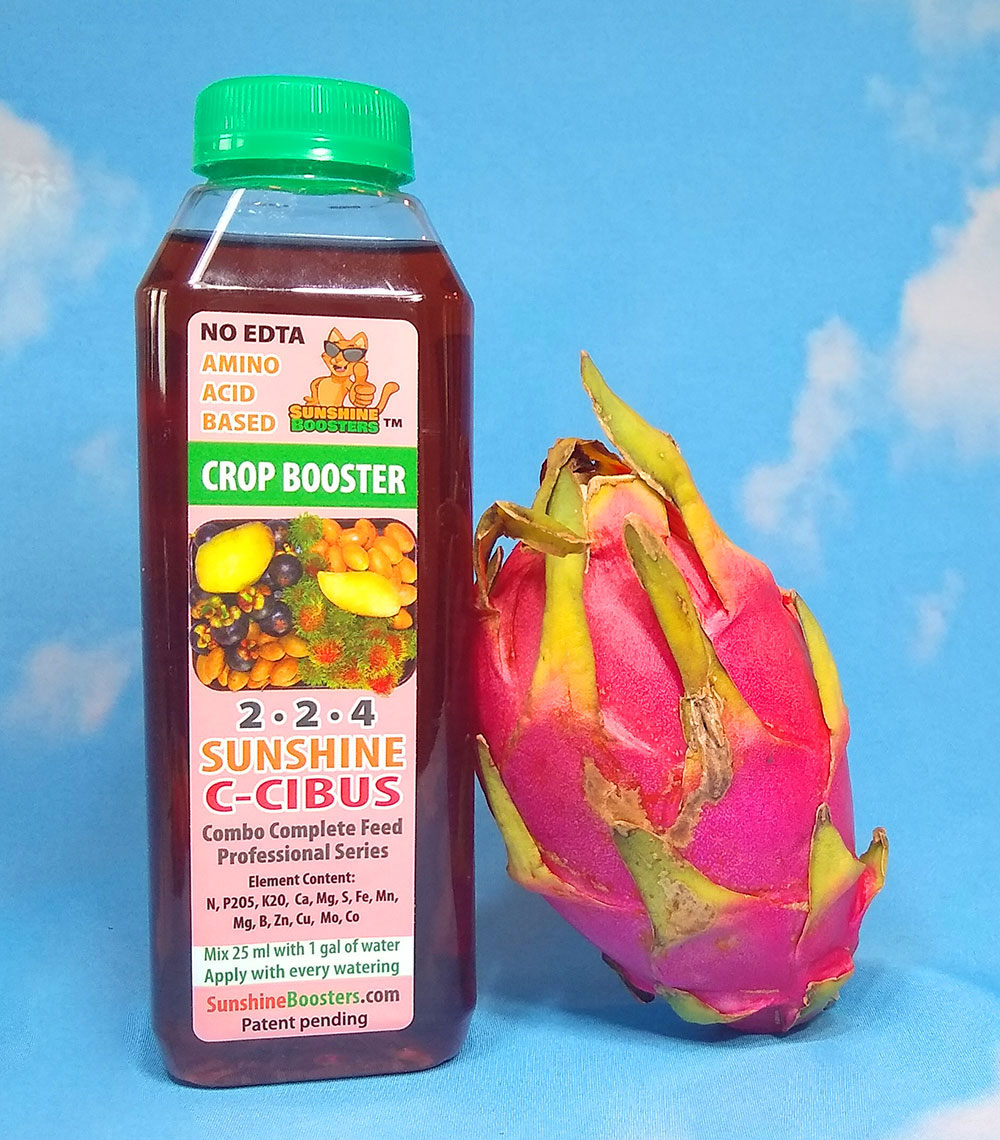
SUNSHINE C-Cibus - Crop Nutrition Booster

Q: I've been growing dragon fruit cuttings from Okinawa, Thailand and Vietnam for several years in pots and cannot get them to fruit. Any fertilizer suggestions? I live in Northern Virginia so I bring the massive pots in the garage under lights and a heater for the winter but back outside once the temperature warms up.

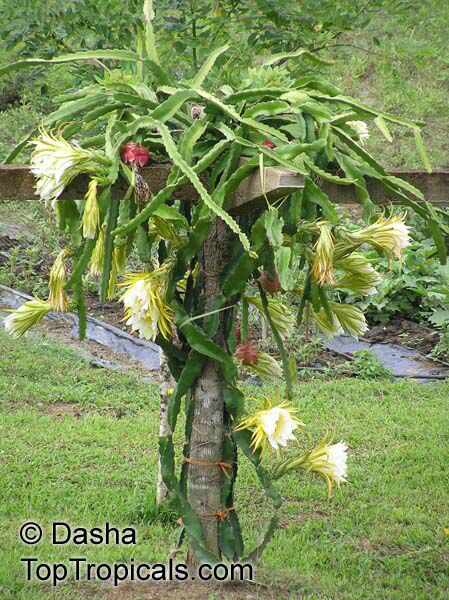
A: There is a little trick to get Dragon fruit to flowering and fruiting. This plant likes flowering when it is attached to a strong support. In commercial plantations, they use special trellises/frames made out of logs, but you can make one yourself using simple materials.
See article: Do-It-Yourself Support Structure for Dragon Fruit.
And of course, don't forget a special plant food for tropical fruit - Sunshine C-Cibus.
You can successfully get your Dragon fruits to fruit in pots, providing bright light in Summer. In Winter, keep the plants on a dry side to give them some rest and a chance to hibernate before the next fruiting season.

Date: 8 Feb 2021

I love growing for the planet!

A word from a happy gardener

"...Wow is all I can say, you all sent the most beautiful plants, I never knew the Hawaiian Bell could have so many blooms. It arrived in Excellent shape and I am so very thrilled to have this beautiful plant again. I am keeping inside for a few days until a front goes thru, then it is going to be back in mid 70s.
I give aged worm castings to my plants and recently discovered the plant food that the plant can uptake right away... And lastly, I discovered a potting soil... Some of my plants went wild when I planted them in it. Everything in it is tailored to not burn your plants. So nothing but the very best for Top Tropical plants. Thank you all so much for this wonderful plant, I will treasure and take good care of it. I have over 500 plants in pots, because of gophers and nematodes. I love nature so do not want to kill the gophers because the owls we have here depend on them and poisoning is a horrible death. Much love, happiness and gratitude.
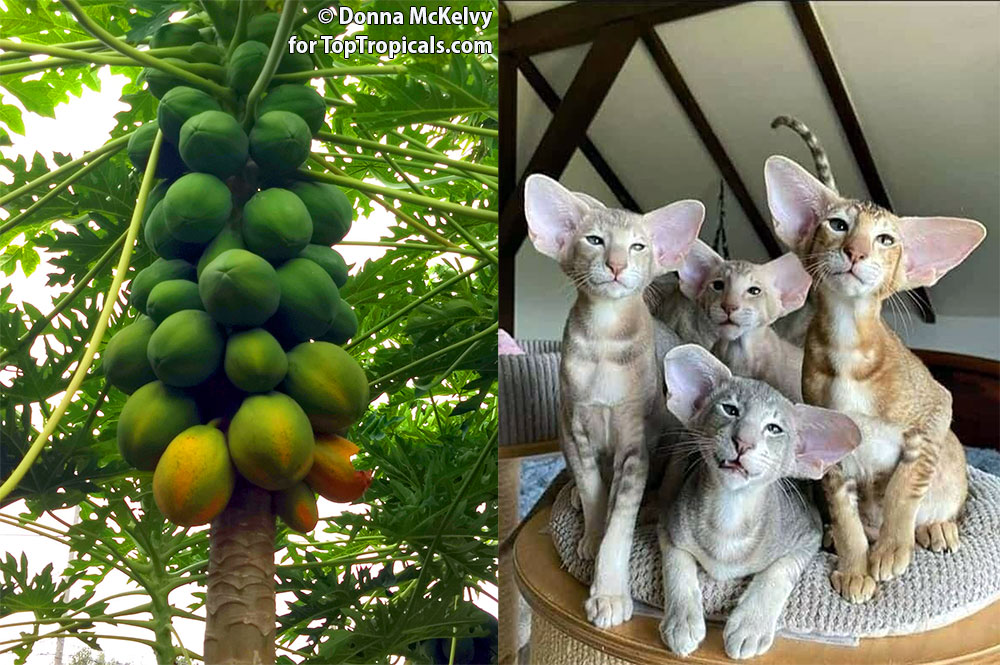
You can use pics - I love growing for the planet. I so love cats too, I have 5 most of them Siamese. I found this pic of cats online, wow how did they breed for a cat to have such big ears?
Much love and happiness, Donna..."