Ficus pumila:
you won't believe these leaves and fruit!..
by Alex Butova, the Witch of Herbs and Cats
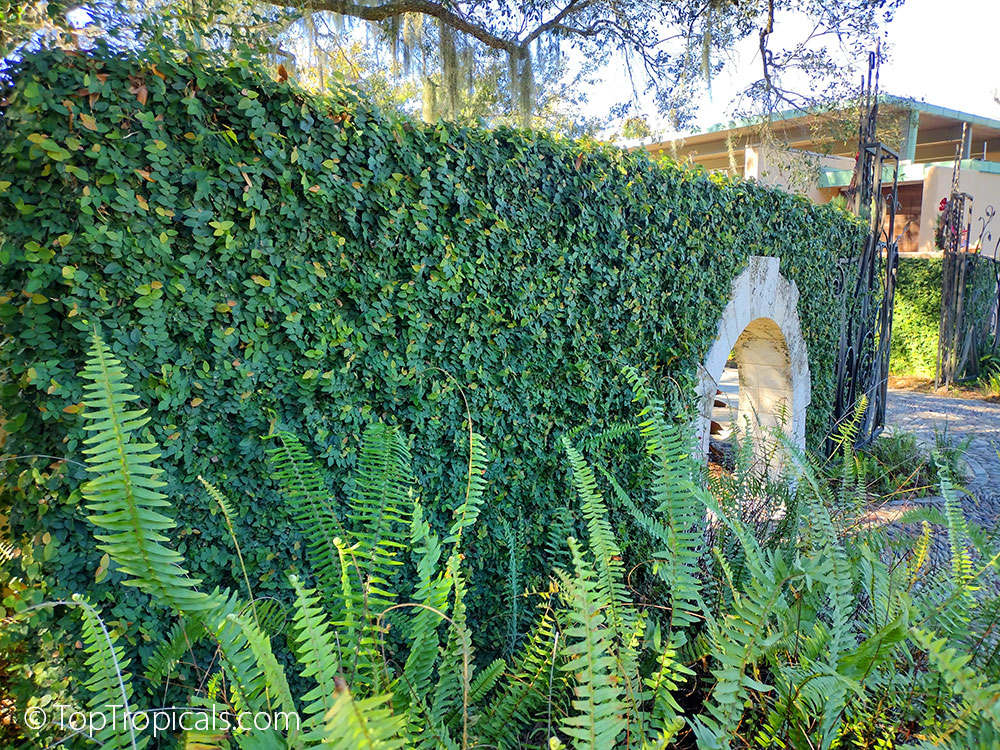
...If you visited tropical and subtropical countries, you probably have seen this curious plant covering fences and walls and even whole
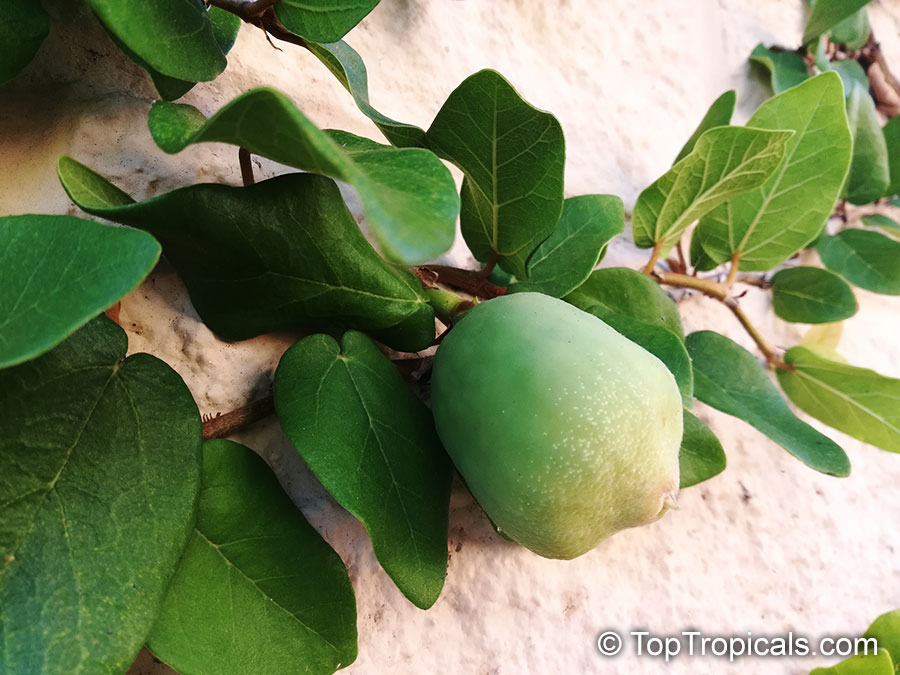
buildings, looking like an ivy... But if you looked closer, you might have noticed something unbelievable about this plant... Do these small tiny leaves, and these large
glossy leaves, and these fig-like fruit too... do they all belong to the same plant?!.. No way!..
Q: My mom had to remove a hedge for some renovations and after
being heartbroken about losing my little bird haven, I've decided to plan on a fruit bearing hedge that offers some privacy and places for the little fledgling to wait for food. Any suggestions? I was thinking blueberries or citrus but open to any ideas.
A: Below are a few suggestions for a fruit bearing hedge planted
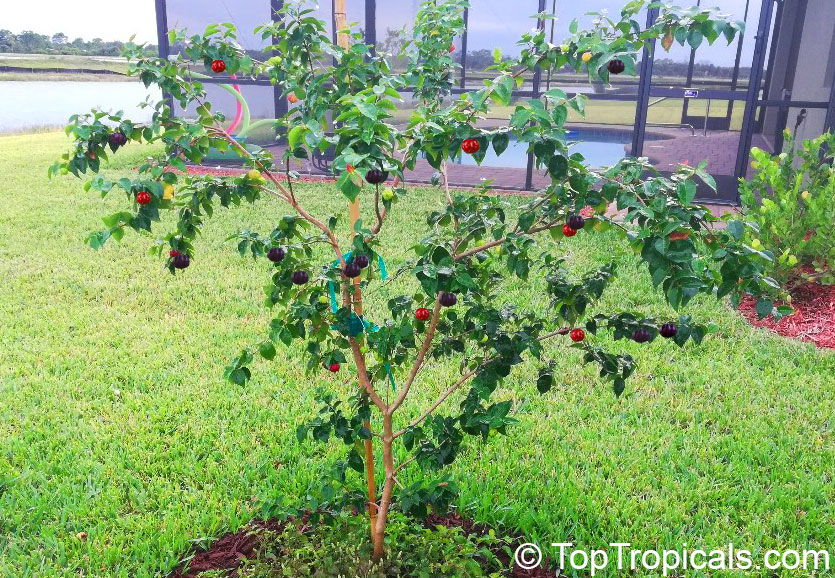
with fast-growing, tropical species. They will contribute to a nice edible
landscape for both your family and the birds - they will be very happy!
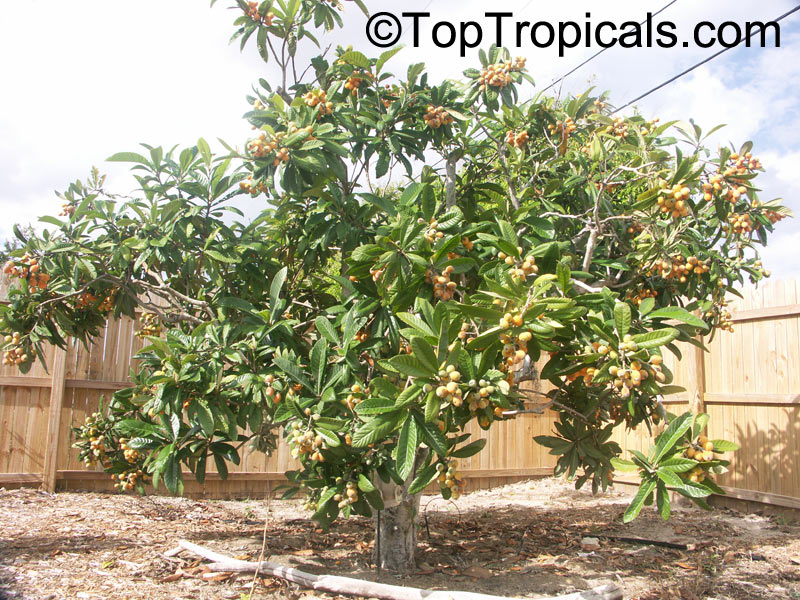
Larger size hedge (small trees), grows full-size within 1
season:
- Loquats
- Dwarf Mulberries (very cold hardy too) such as Dwarf Everbearing
Citrus is probably not a good idea, not bird's favorite, and blueberries require a special acidic soil here in Florida, so they will need extra maintenance, special soil, and heavy mulching.
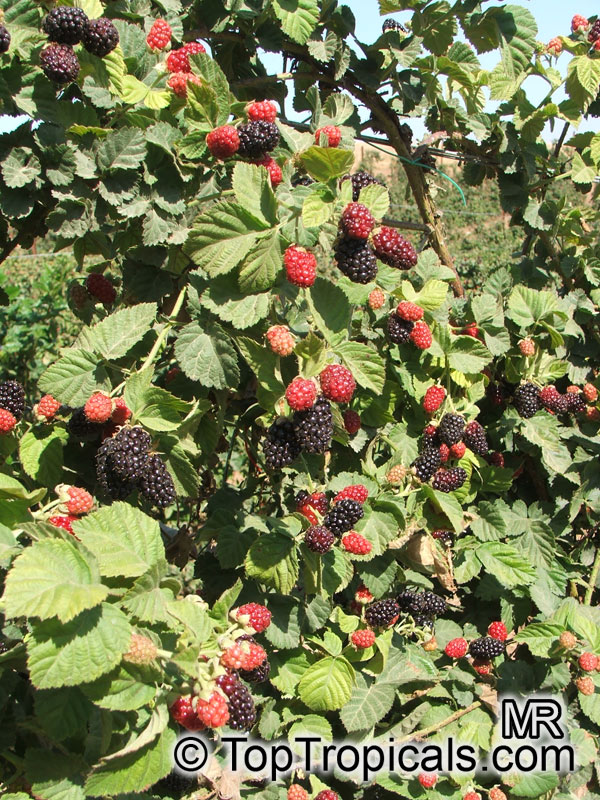
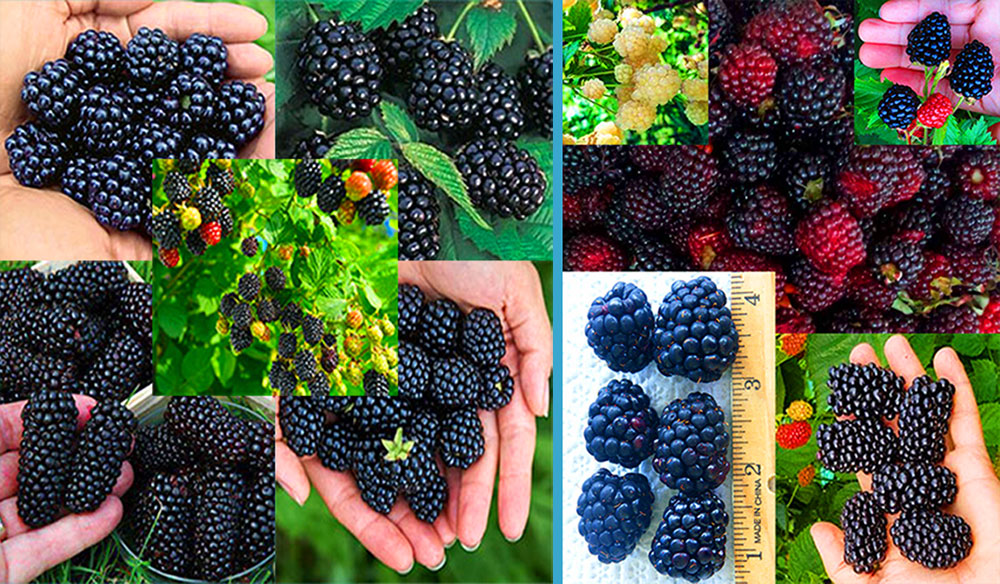
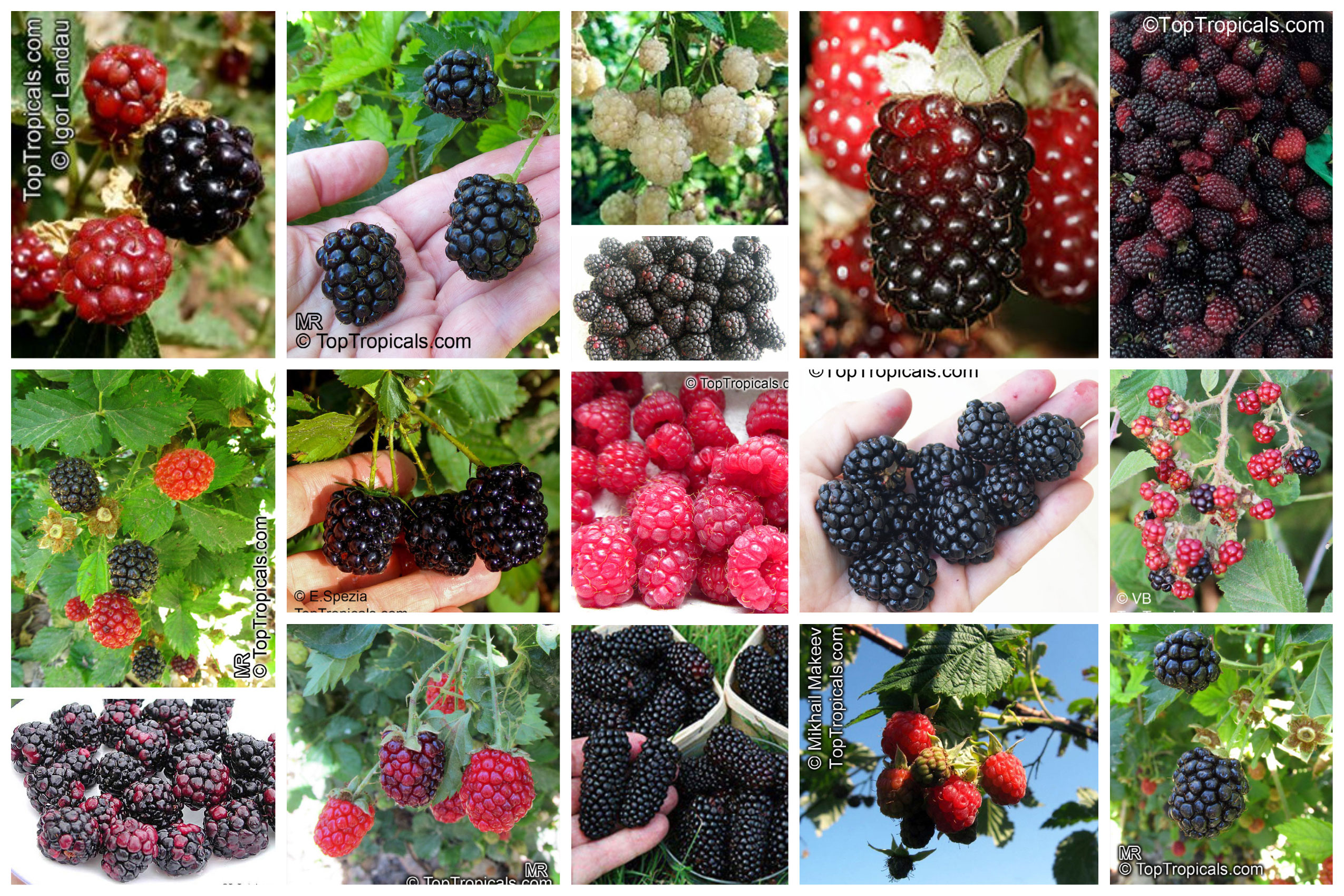
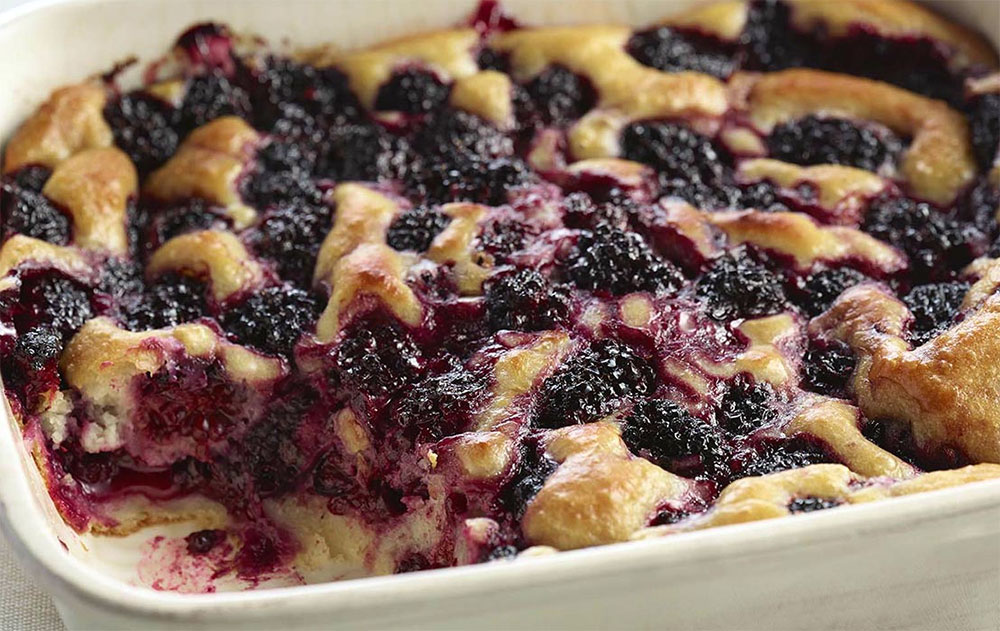
Two Collections of Superior Blackberry Varieties, well adopted to
tropical and subtropical climates. Mouth watering, all time favorite fruit will be
always with you - these plants are so easy to grow!
Preheat oven to 350 degrees F. Melt butter half-way so it's just warm,
not hot. In a mixing bowl, combine all ingredients except for blackberries.
Pour into a 4-5"ramekin sprayed with Pam. Sprinkle blackberries on top of
batter and bake for 15-20 minutes. It's best slightly gooey on the inside (not
completely cooked). Enjoy!
Date: 10 Jun 2021
Growing Champaka in Virginia
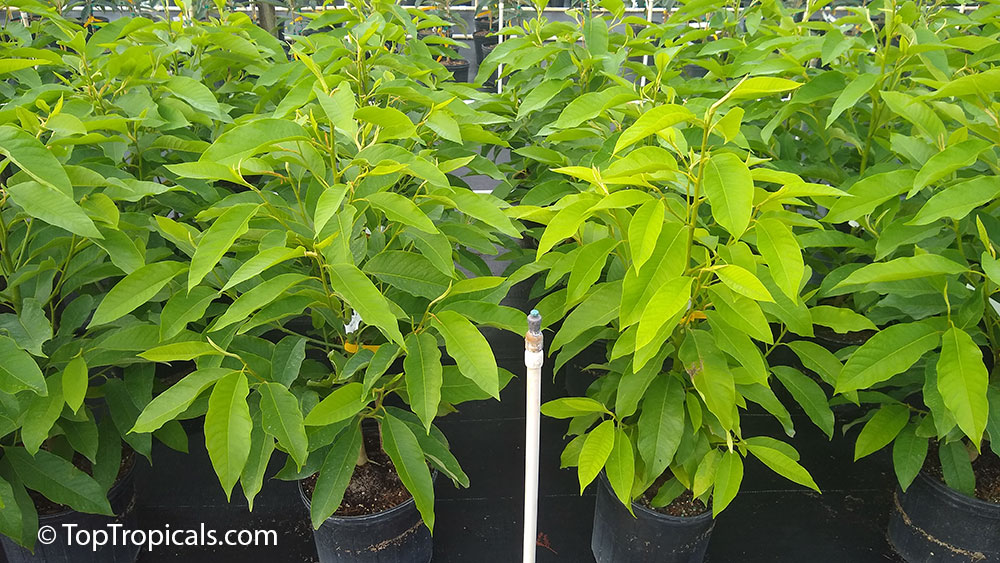
Q: I purchased a Magnolia champaca 1 gallon a few years ago. It is still growing as I
bring it into my greenhouse in the winter. I live in VA. This spring I planted
it in the ground hoping it might bloom which it did not. Will it survive our
fairly mild winters with several freezing days with some special attention?
What would you do?
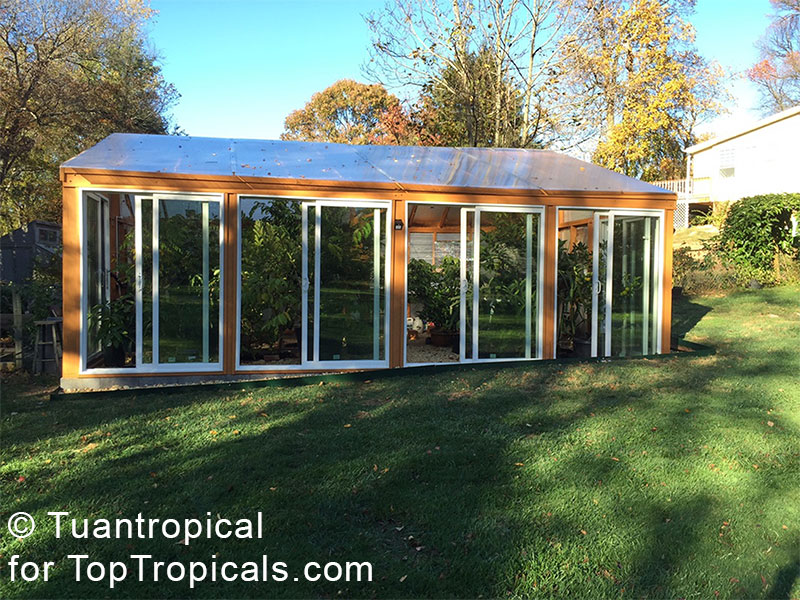
A: Magnolia champaca is a tropical tree and won't survive winter in VA. It can not take hard freeze. Your only option is, to keep it in a pot and bring inside. If the temperature inside your greenhouse is too low, this may affect the plant's ability to flower. For example, if it stays 35-40F for a whole month - although it is not a hard freeze and the plant may survive, but the duration of the cold period is more critical than the low temperature itself. Champaka can survive a few hours even at upper 20's, but not many days with cool temperatures. The temperature in winter should be maintained at least above 55F during day time (the higher the better) and at least above 45F at night.
If the tree has grown too big, you may trim it. If the root ball is too
large, roots can be trimmed too (similar way like they do with bonsai) before
repotting. However, trimming must be done either during warm season and active
growth, or in Spring, when the tree starts waking up and promotes new
growth.
To encourage flowering, start fertilizing your Champaka with a liquid bloom
booster - SUNSHINE Pikake - Fragrant Flower Booster. It can be used year round
including winter months, and it is safe to apply with every watering. This way
you will provide to the tree enough energy for the next flowering season, so
flowers can be expected in late Spring - Summer.
Q: I purchased a heliconia from you a couple months ago. The new
growth seems to be doing fairly well, however some of the larger leaves are
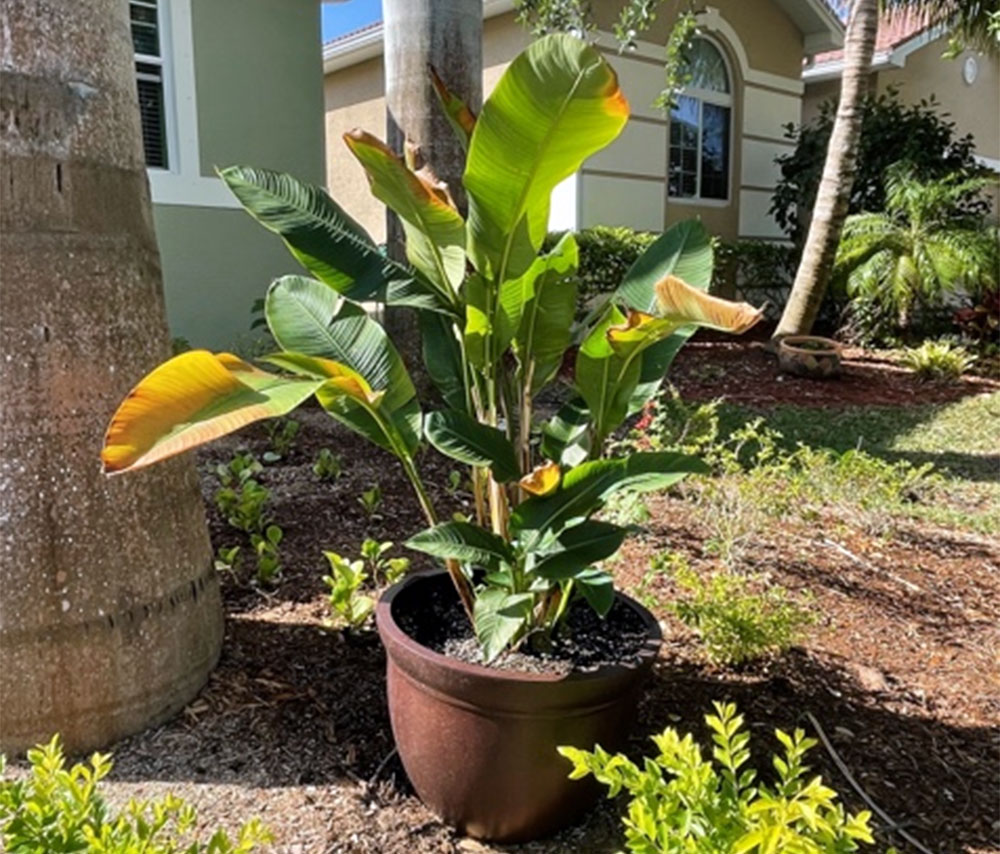
discoloring around the edges then drying up. It's potted in a large pot with potting soil with 3 holes in the bottom to help with drainage in partial sun under a Royal Palm facing northwest. I'm here in Ft Myers. I was previously watering it every other day with your rapid growth fertilizer 1 tbsp per gallon but I have cut that back to once or twice a week. Please let me know your thoughts.
A:Heliconias and Gingers tend to develop dry leaves if grown in pots,
especially ceramic or clay pots, because soil in such pots dries out too fast.
These dry leaves are not caused by fertilizer, and you can see lots of new
healthy green growth. The plant overall seem to be healthy. Continue fertilizing
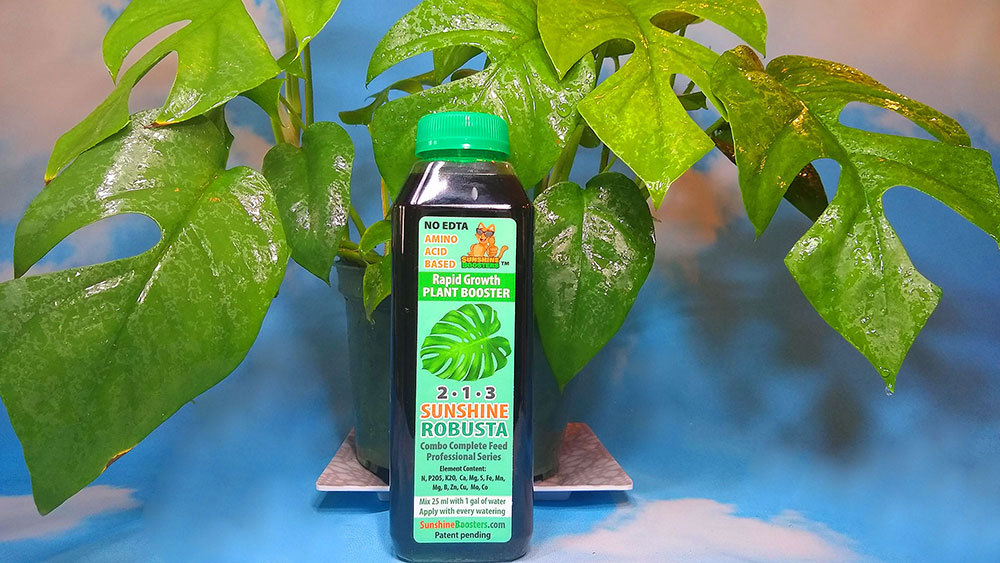
it with liquid Sunshine Robusta that is great for all wide-leaf tropical species,
promotes green, lush foliage, and do not use any additional dry fertilizers!
Another suggestion, try to move the plant in more shady spot. Right now it
sits in pretty bright light, this may be OK for established plants in the
ground, but potted heliconias are very sensitive to hot sun. They get leaf burn
easily.