Garden Blog - Top Tropicals

Date: 8 Oct 2024

Why Should I Use Sunshine Boosters?

Southern Landscape
Southern Landscape

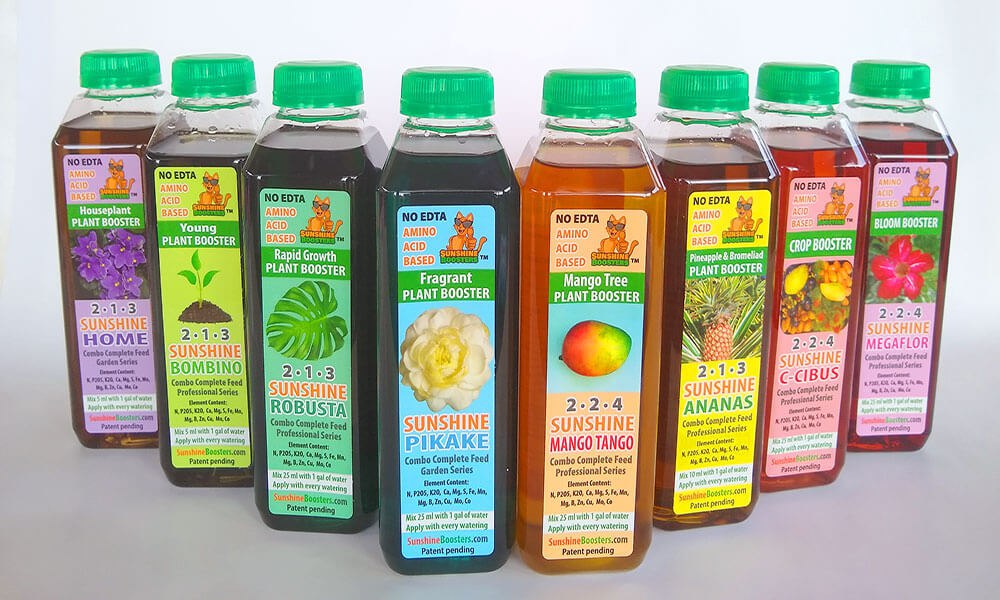
Sunshine Boosters

Sunshine Boosters

😎 Why Should I Use Sunshine Boosters?


⚠️ Plants need nutrients to grow strong and healthy. Nutrients help plants develop roots, leaves, flowers, and fruits. Sunshine Boosters fertilizers provide all key nutrients.

Sunshine Boosters are specially made to give plants everything they need to thrive. They work for both indoor and outdoor plants.

😼 Why Sunshine Boosters are better than other fertilizers?

  • 🟡Easy to use: Just mix with water and feed your plants.
  • 🟡Balanced nutrients: They contain the right mix of essential nutrients like nitrogen, phosphorus, and potassium, as well as trace minerals.
  • 🟡No harmful chemicals: Sunshine Boosters are safe for your plants, pets, and the environment.


😎 Benefits of using Sunshine Boosters:

  • 🟡Plants grow faster and produce more flowers and fruits.
  • 🟡Stronger plants can resist diseases, pests, and tough weather.
  • 🟡Sunshine Boosters help plants recover from stress, like after being moved or pruned.
  • 🟡For all types of plants: whether you have tropical plants, vegetables, fruit trees, or flowers, Sunshine Boosters help them grow better.

Sunshine Boosters make your plants stronger, healthier, and more beautiful. By using Sunshine Boosters, you’re giving your plants everything they need to grow fast, resist stress, and produce lots of flowers or fruits. It’s the best way to keep your plants happy and thriving!

📚 Learn in more details from the article:


Why should you use Sunshine Boosters

🛒 Shop Sunshine Boosters

#Fertilizers

🔴 Join 👉 TopTropicals
Date: 21 Oct 2024

What is camphor made of?

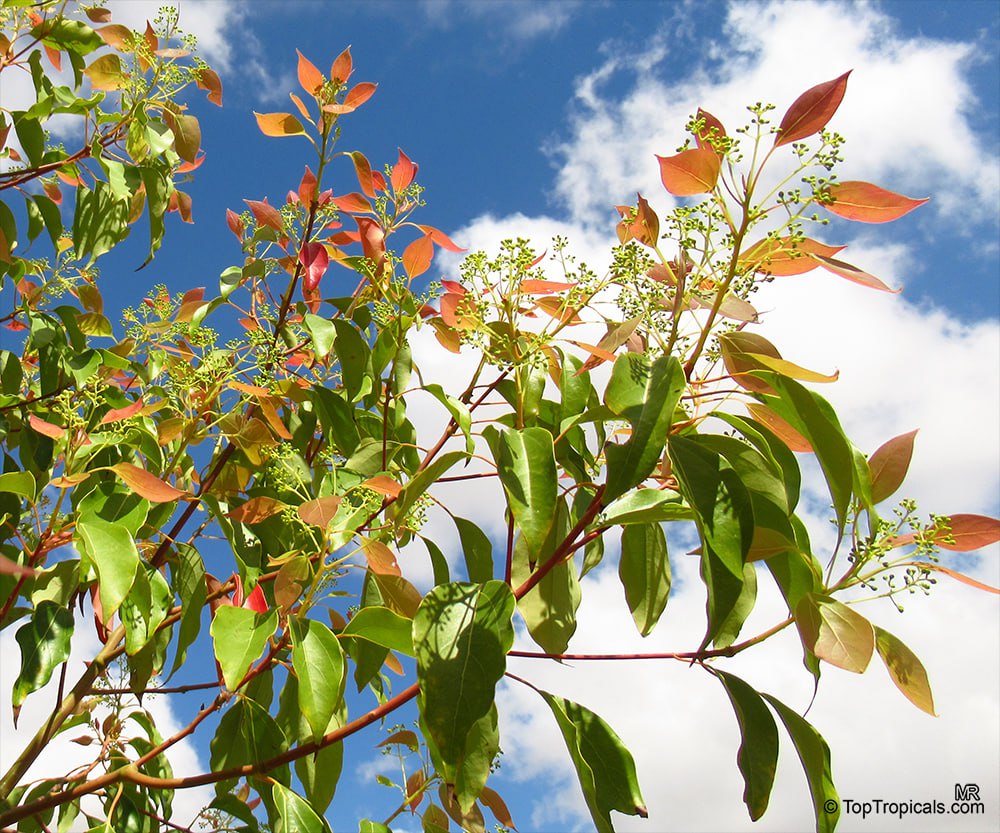
Camphor tree (Cinnamomum camphora)

Camphor tree (Cinnamomum camphora)

🟢 What is camphor made of?

  • 🌱 Camphor tree (Cinnamomum camphora) - is your aromatic ally in the garden!
  • 🌱 This charming relative of the cinnamon tree is known for its glossy oval leaves that can grow up to 5 inches long.
  • 🌱 Not only does it boast a lovely canopy, but it’s also the source of camphor, a fragrant compound used in medicines and mothballs.
  • 🌱 The leaves and branches can be used to create aromatic saunas and medicinal baths, filling your space with a soothing scent.
  • 🌱 This cold-hardy, slow-growing tree is tough enough to withstand various conditions while developing a dense canopy that provides excellent shade.
  • 🌱 Camphor Tree is a delightful addition that brings a touch of nature's fragrance to your home. While it's little known among gardeners, this underappreciated gem deserves a spot in every landscape for its unique qualities and benefits!


🛒 Plant your own Camphor tree

#Nature_Wonders #Perfume_Plants #Trees

🔴 Join 👉 TopTropicals

Date: 19 Oct 2024

What is Cinnamon made of?

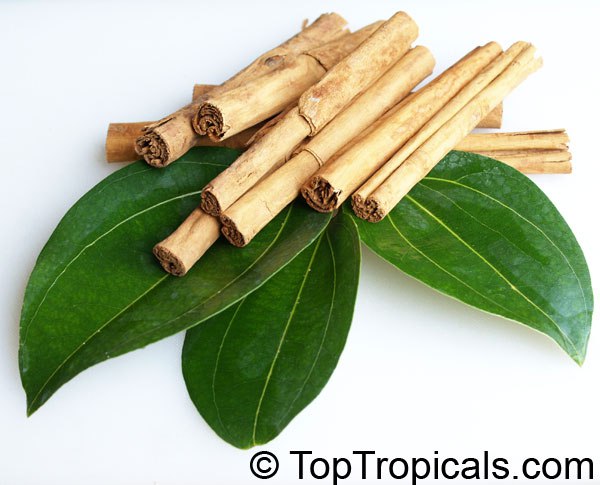
Cinnamon tree, or Cassia Cinnamon, Cinnamomum aromaticum

Cinnamon tree, or Cassia Cinnamon, Cinnamomum aromaticum

Cinnamon tree, or Cassia Cinnamon, Cinnamomum aromaticum

Cinnamon tree, or Cassia Cinnamon, Cinnamomum aromaticum

🍀 What is Cinnamon made of?

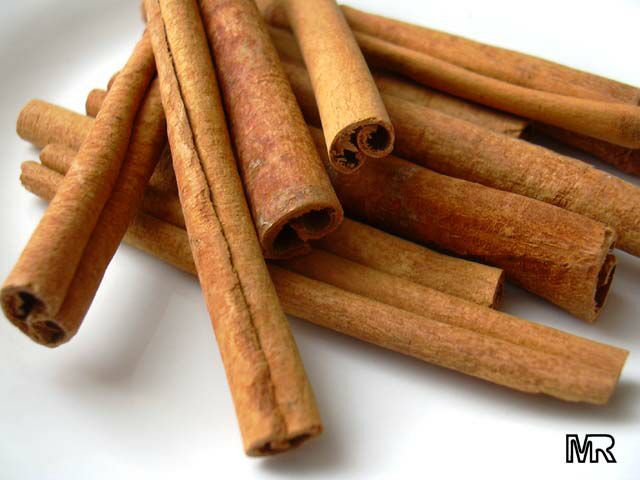
  • Cinnamon tree, or Cassia Cinnamon, Cinnamomum aromaticum - this tree is the source of the famous Cinnamon! Cinnamon is a very popular culinary spice and is also used in candy, gum, incense, toothpaste and perfumes. The oil is used in medicine. Leaves are very fragrant and used as tea.
  • Ancient Origins: Cinnamon has been used for over 4,000 years, with its earliest references found in ancient Egyptian texts, where it was used in embalming practices.
  • Spice of Kings: In ancient Rome, cinnamon was so valuable that it was worth more than gold, and emperors like Nero famously burned large quantities at funerals to showcase their wealth.
  • Medicinal: Cinnamon is known for its health benefits, including its ability to lower blood sugar levels, reduce inflammation, and fight bacteria and fungi.
  • Culinary: This aromatic spice is not just for sweet dishes; it enhances savory dishes, stews, and even some meats, bridging sweet and savory flavors.
  • Two Main Varieties: There are two primary types of cinnamon - Ceylon Cinnamon (true Cinnamon) and Cassia Cinnamon. Ceylon has a sweeter, more delicate flavor, while Cassia is more robust and commonly found in supermarkets.
  • Aroma Activation: The distinct aroma of cinnamon comes from a compound called cinnamaldehyde, which not only provides flavor but also has potential antimicrobial properties.
  • Historical Trade Routes: The demand for cinnamon spurred exploration and trade routes, leading to significant historical events like the Age of Discovery and conflicts over spice control.
  • The Spice of Life: Cinnamon is believed to improve brain function and memory, making it a popular choice for students and those looking to boost cognitive performance.


❗️ And the most importantly - you can grow your own Cinnamon Tree right now!

🛒 Grow your own Cinnamon tree

#Nature_Wonders #Perfume_Plants #Trees

🔴 Join 👉 TopTropicals

Date: 1 Nov 2024

Ponytail Palm - The Quirky Plant with a Big Personality!

Beaucarnea recurvata, Ponytail Palm, Elephant-Foot Tree, or Nolina

Ponytail Palm - The Quirky Plant with a Big Personality!

  • 🌴 Beaucarnea recurvata, also known as the Ponytail Palm, Elephant-Foot Tree, or Nolina, is the ultimate low-maintenance showstopper!
  • 🌴 With its swollen, bottle-like base (for storing water) and long, flowing, ribbon-like leaves, it looks like a palm but behaves like a succulent.
  • 🌴 This adorable plant thrives on neglect, tolerating drought and even a bit of frost - making it a carefree plant.
  • 🌴 Cute or quirky, it can be grown in a pot as a showy bonsai with a large caudex.

Put ❤️ for cute and 🔥 for quirky!

🐴 Share your ponytails in pots👇

🛒 Plant the Ponytail

#Container_Garden #Nature_Wonders #Trees

🔴 Join 👉 TopTropicals

Date: 5 Nov 2024

How much water is too much?

Cat  in  the  pool  with  umbrella

"Always over-water your plants: just improve their soil drainage!" - Murray Corman, horticulturist, rare tropical fruit tree expert.

Q: I always tend to overwater my plants. How often should I water container plants and how to determine if it's too much water?

A: One of the most common challenges in tropical plant care, including houseplants, is overwatering, particularly in container gardening. So, how much water is too much?

The rule of thumb: let the soil dry out a bit before watering again, and never water if the soil feels wet to the touch. For indoor plants with saucers underneath, ensure they don't sit in standing water by removing any excess from the saucer after watering. However, remember that the watering schedule alone isn't the only key to success!

Improve drainage. Surprisingly, water itself isn't harmful to plants, no matter how generous your watering is. The real issue is poor drainage, which leads to stagnation and bacterial buildup, ultimately causing root rot.

In the nature. If you've traveled to places like Hawaii or explored tropical jungles, you might have noticed plants thriving between rocks with minimal soil, receiving a near-constant fine mist of rain. Conversely, swamps support very few trees - only bog or water plants adapted to wet conditions can survive there. The lesson? It's not the water, it's the growing medium!

The Soil Solution: for potted plants, always use a high-quality potting mix with excellent drainage properties. This should include ample "soil conditioners" such as perlite, vermiculite, and pine bark. At our nursery, we use a professional soil mix called Abundance. Learn more about potting soil.

Pot size matters. And the last but not least: if you tend to overwater your potted plants, consider using the smallest container size that comfortably fits the root system. A pot that's too large can mean excess wet soil, increasing the risk of root rot. With proper fertilizer program, container plants don't need to much soil to thrive.

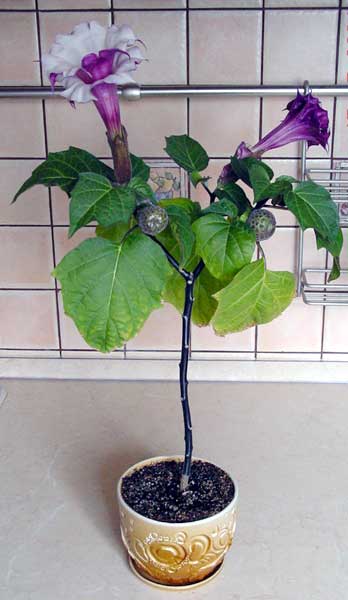
Datura  Metel  -  Horn-of-Plenty

Photo above: Datura Metel