According to our experts: Smokey and Sunshine. When we say experts, we
do not mean consultants or trend writers. We mean two real gardeners.
Smokey watches patterns. Sunshine notices when people rush.
Together, they explain what actually works.
Sunshine: Smokey, thank you for the Christmas present. I am riding
this hobby horse straight into the Year of the Horse! Smokey: I am making the plans for 2026. Planning makes gardening
successful. Sunshine: Coffee and donuts help too, so please include them in your
plan.
Smokey: Hello gardeners. 2026 is the Year of the Horse.
Sunshine: Horses do not garden.
Smokey: Please do not interrupt me. No, they do not. That is just the
calendar. What matters is what gardeners do at the start of every new year.
They often rush and repeat the same mistakes.
Sunshine: The biggest one is rushing the garden before morning
coffee.
Smokey: Correct. Rushing looks like effort, but it is usually just
impatience. Gardens punish impatience very reliably.
Most early-season problems come from doing things too soon:
- watering before roots are active
- fertilizing before growth begins
- planting before conditions settle
- poking plants daily to check how the roots are growing
Sunshine: If you are poking the roots, the plant was fine until you
started poking it.
Smokey: Good gardening is not constant action. It is knowing when to
act and when to stop interfering.
- Plant when the timing is right.
- Let roots work quietly.
- Leave resting plants alone.
Sunshine: Coffee first. Donuts optional, but highly
recommended.
Smokey: One last thing, while you are not rushing.
Our gift cards are still on promotion. They do not need planting, watering,
or timing decisions today.
A gift card is a symbol of patience. Buy it now. Use it when the moment is
right.
Smokey and Sunshine: Our resolution for 2026 is simple: stop
rushing the garden.
Wishing you a calm, steady, coffee-fueled 2026 garden
🐾🌿
Date: 11 Mar 2026
📅 Do Not Miss: March 21
- Spring Equinox Plant Market
🍩 Saturday, March 21, 2026: 9 am - 4 pm
Sunshine: Smokey, look at me! See what I can do on my bike? I'm
practicing to give people what they like: coffee and donuts.
Smokey: You'd be perfect for a Gulf beach cafe. But gardeners don't
come here for donuts.
Sunshine: Really? Then why do they come?
Smokey: Some gardeners lost plants to the freeze. Others want trees
that will handle winter better. Cold-hardy avocados. Macadamia. Grumichama.
And some just come for fun - to see the PeopleCats. Sunshine: And my charm... and my donuts will make it more fun.
🐱King is
back on gate duty - inspecting every vehicle for proper
plant-hauling capacity.
😺Paisley
is rearranging freeze survivors and new arrivals like a design
consultant.
😼Snitch is
supervising recovery efforts from a comfortable chair.
😸Persephone
is checking under tables for "hidden spring energy."
😻Sushi and
Loki are
preparing for guided garden tours - recovery edition.
This is not just a plant market. This is the spring reset.
👍 Why You Should Come
It is finally warm in Florida. After several nights of hard freeze, some
plants survived - and some didn’t. This event is your chance to see
real freeze champions in person.
If you lost plants, you are not alone. If you are ready to plant
smarter, this is your moment.
Walk the gardens.
See proven winter survivors.
Discover cold-hardy fruit trees and resilient ornamentals.
Get practical advice about replanting after freeze. This is rebuilding -
Florida style.
♥️ What Makes This Event Special
We are featuring:
Verified freeze survivors
Cold-hardy fruit trees
Tough flowering trees and shrubs
Replacement plants for damaged landscapes
Smart layering ideas for frost-resilient gardens
You will see which species handled 25F with wind and multiple nights of
freeze - with no protection.
Real-world test. Real results.
Cold hardy fruit favorites include:
Cold-hardy Avocado varieties, including varieties, which are cold hardy
to 15-20°F: Joey, Fantastic, Mexicola, Poncho, Brogdon and more.
Botanical name: Caesalpinia mexicana Also known as: Mexican Bird of Paradise, Dwarf Poinciana
USDA Zone: 9 - 11
Highligths
🎉Event Highlights
30% OFF online prices
FREE plants with purchase
$5-10 specials
Exciting raffle prizes
🌳Don't just mow - grow!
Start your food forest, beat rising prices, and plant a future your
family will thank you for.
🌿 Friendly Reminder
Just a quick reminder before we go: Sunshine Boosters are still
shipping free.
If you were thinking about stocking up for the season, now is a
great time to do it while the offer is still active.
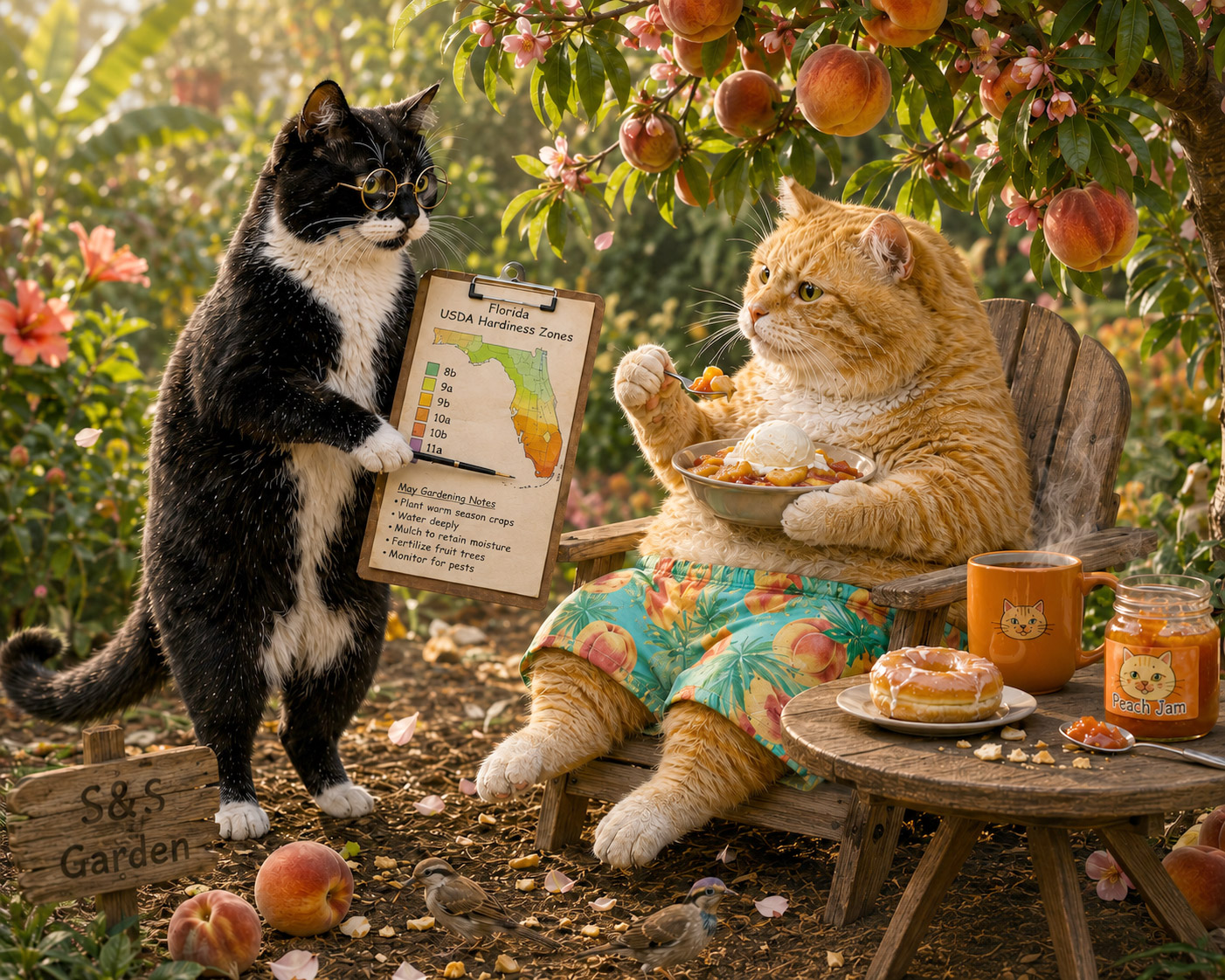
Sunshine: I love peach cobbler. Smokey, why are peaches on
the tree so early? Smokey: Low-chill peach varieties for Florida. They ripen
much sooner. Sunshine: I thought peaches were for Georgia. Smokey: Not if you plant low-chill peaches. And speaking
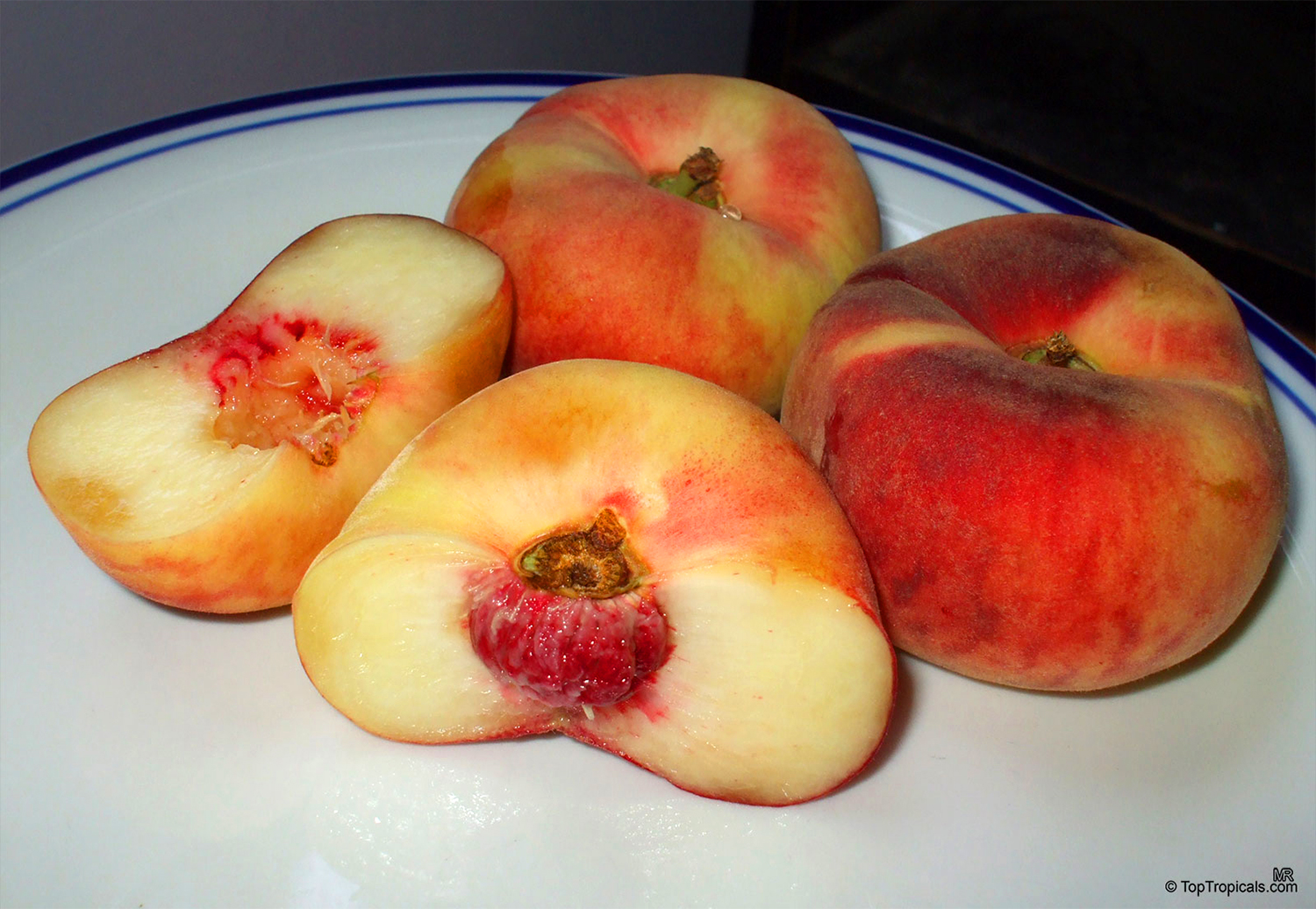
of peaches, do you know about donut peaches? Sunshine: Donut peaches? Finally, horticulture I can
understand.
Some fruits carry memories before you've even tasted them.
There's something about a peach still warm from the tree - the way it
gives a little when you pick it, the smell that hits you before you even
take a
bite. It makes you slow down. It makes summer feel like it actually meant to
show up.
Peach Plant Facts
Botanical name: Prunus persica, Amygdalus persica Also known as: Peach
USDA Zone: 5 - 10
Highligths
For Florida gardeners, that moment used to feel borrowed. Peaches were a
Georgia thing, a Carolina thing. You'd admire someone else's harvest and
quietly file it under not for us.
Low-chill peaches rewrote that story.
Here's the thing about regular peaches - they need cold. Not just a cool
night or two, but a real winter. We're talking 600 to 1,000 hours below 45F.
That's how they know to wake up in spring and actually fruit. South Florida
just doesn't deliver that. The trees will grow fine, look healthy even, and
then give you almost nothing come harvest time. Frustrating doesn't cover
it.
Low-chill varieties are different. They were bred specifically for
places like ours - warm winters, mild springs. Some only need 100 hours of
chill.
A hundred. That's a few cold fronts, not a season. And because they're
working with our climate instead of against it, they fruit reliably. Every
year.
They're not just a Florida trick either. Gardeners in coastal Texas,
southern Louisiana, southern California - anywhere in that Zone 8b to 10
range -
have been growing these successfully. If you've got warm winters and thought
peaches weren't for you, they probably just weren't the right peaches.
Flat peaches - sometimes called DONUT peaches - are
known
for their sweet white flesh, low acidity, and fun squashed shape.
Date: 6 Feb 2026
💘Rooted love lasts longer than flowers
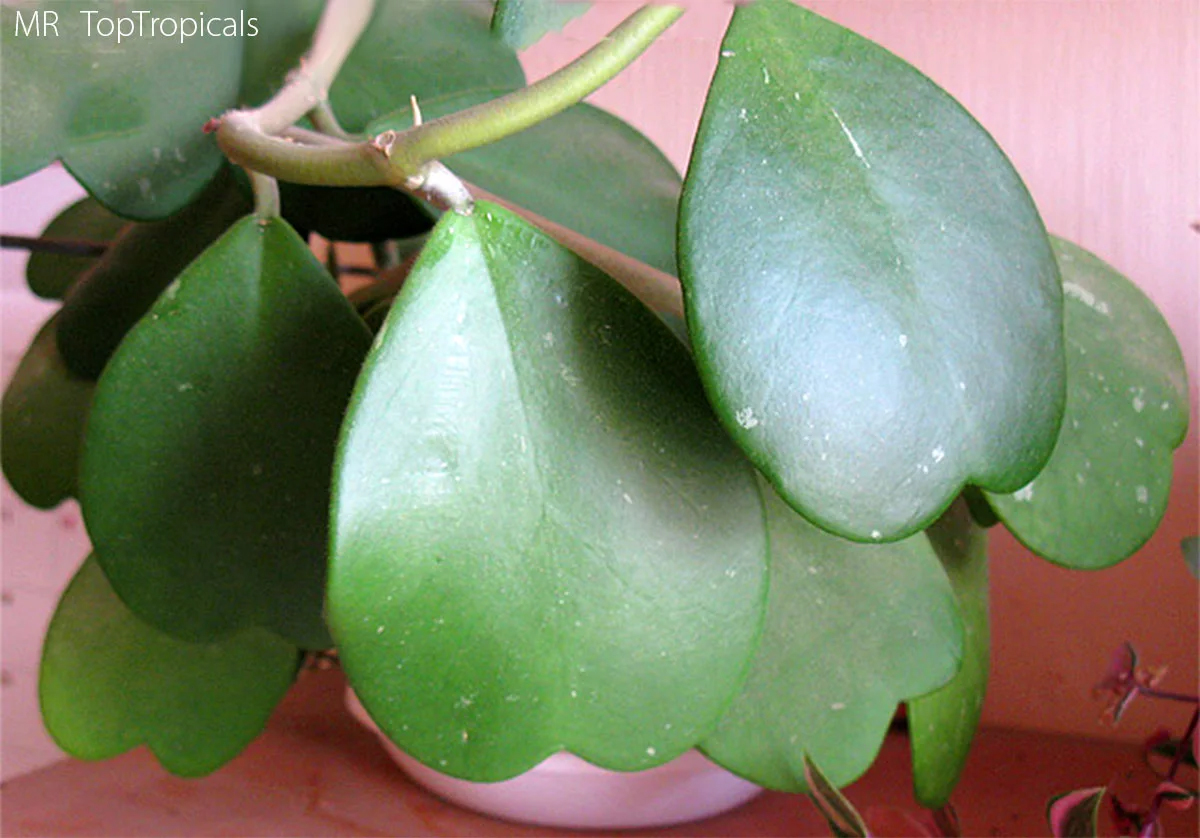
Sunshine: Valentine Day soon. We need flowers. Smokey: Nope. Heart-shaped hoya. Flowers fade. Plants stay. Sunshine: Alright. One for my Valentine. One for me, with coffee.
💖 Sweetheart Hoya: a Valentine gift that lasts
Sweetheart Hoya (Hoya kerrii) has thick, heart-shaped leaves and a
compact form that fits easily on a windowsill, desk, or shelf. It does not
need constant attention, bright sun, or frequent watering. In fact, it
prefers a
lighter touch.
Wax Hearts Plant Facts
Botanical name: Hoya kerrii Also known as: Wax Hearts, Sweetheart Hoya, Valentine Hoya, Heart leaf
USDA Zone: 9 - 11
Highligths
This is a plant that works well indoors, grows slowly, and forgives missed
waterings. It is comfortable in normal home conditions and does not require
special tools or experience. That makes it a good gift not only for plant
lovers, but also for people who have never kept a houseplant before.
Unlike flowers, it does not come with an expiration date. It becomes part
of daily life and stays there quietly, doing its job. Over time, it feels
less
like a purchase and more like something chosen with intention.
For Valentines Day, Sweetheart Hoya is a simple, lasting way to give
something real.
Sweetheart Hoya care: quick how-to
Light: Bright window light is ideal. Avoid harsh, hot direct
sun.
Water: Let the potting mix dry between waterings. When you
water, water thoroughly, then let it drain.
Feeding: Light feeding during active growth helps. A balanced
fertilizer like Sunshine™ Robusta keeps growth steady and leaves healthy.
Pace: Slow-growing and patient. Do not overwater or
overpot.
❓Sweetheart Hoya: quick FAQ
Is it good for beginners? Yes. It is forgiving and does not
need constant attention.
Can it live indoors year-round? Yes, in bright indoor light and
normal home conditions.
Does it need flowers to be special? No. The heart-shaped leaves
are the main feature.
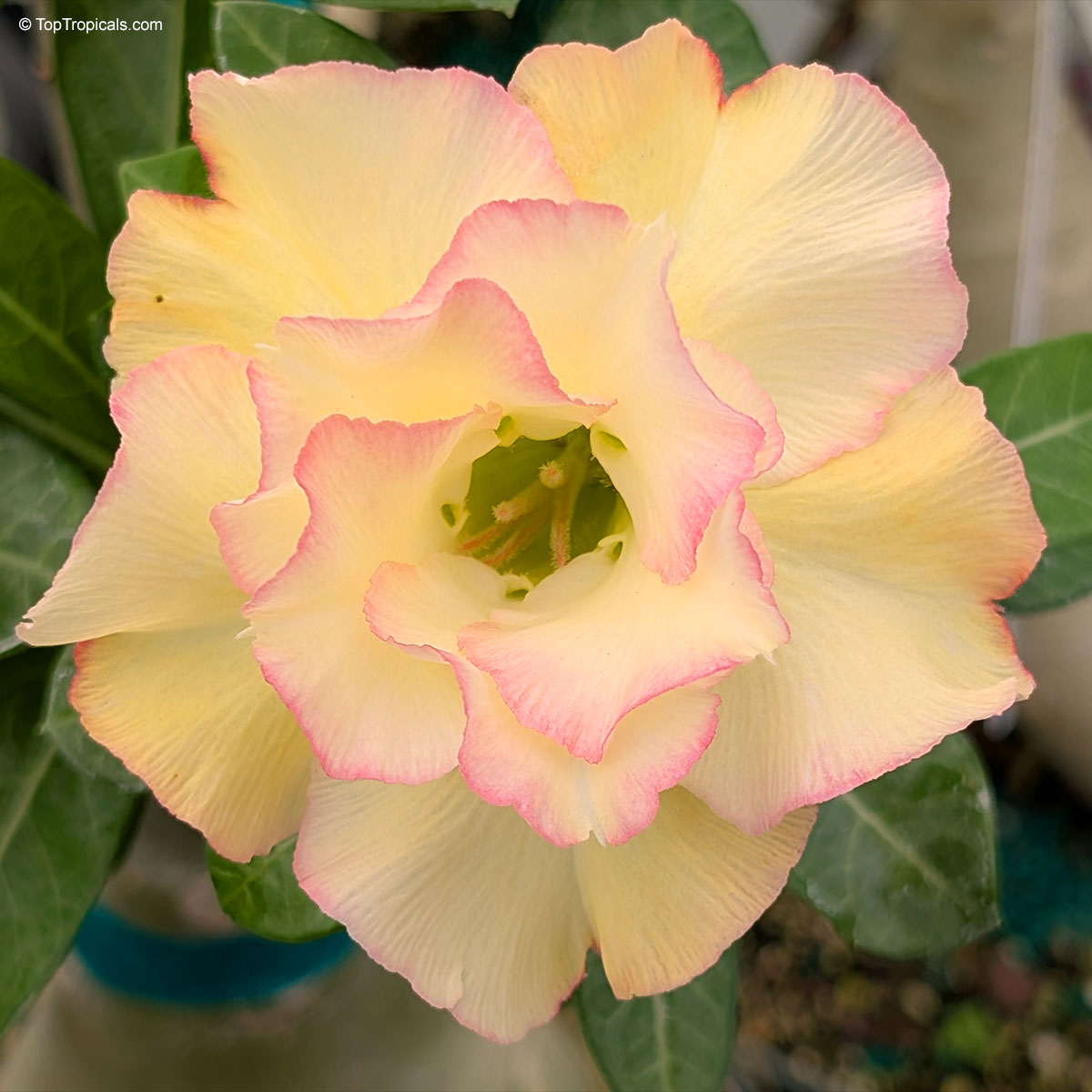
Smokey: Desert rose. One caudex. Multiple grafts. Different flowers. Sunshine: So it is a team plant. Everyone blooms, nobody agrees. Smokey: Yet it grows just fine. Sunshine: That is the secret. Coffee and donuts.
Adenium Plant Facts
Botanical name: Adenium sp. Also known as: Adenium, Desert Rose, Impala Lily
USDA Zone: 9 - 10
Highligths
🌸Featured Adeniums
Recommended by our Horticulturist, Tatiana Anderson
Moung Kusuma
Deep magenta flowers with a velvety look and a darker, almost black edge. A bold, elegant adenium that stands out immediately.
Sunshine
Bright yellow and mauve swirls across layered petals create a warm, cheerful bloom that lives up to its name.
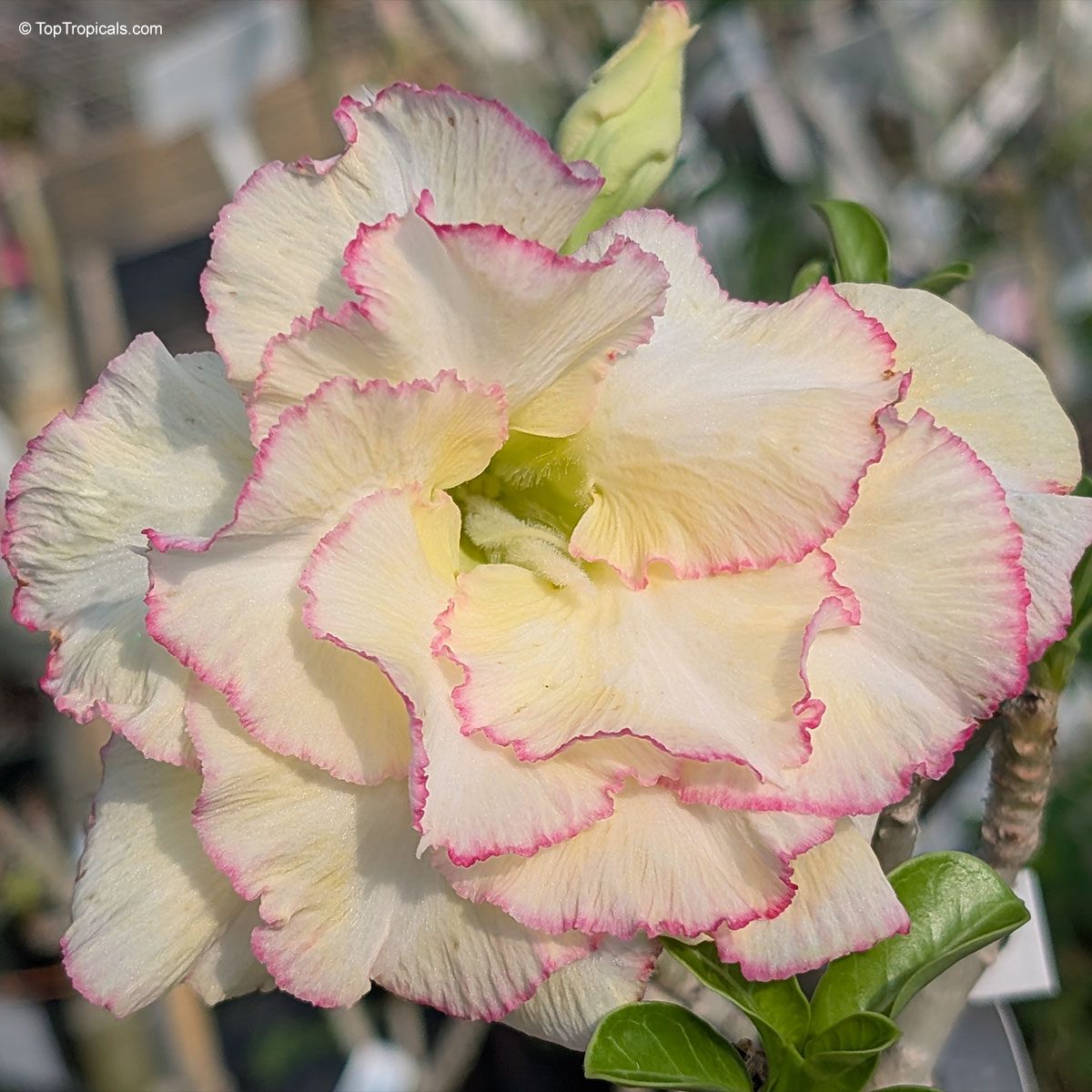
White RabbitClean white petals brushed with playful pink streaks. A reliable bloomer with soft ruffled flowers.
Thong Samsee
Known for its three-color effect, shifting from yellow to pink to nearly white on the same plant.
Candy
Cheerful yellow petals dipped in cherry red with bold ruffled layers. Bright, playful, and impossible to miss.
Black Sheep
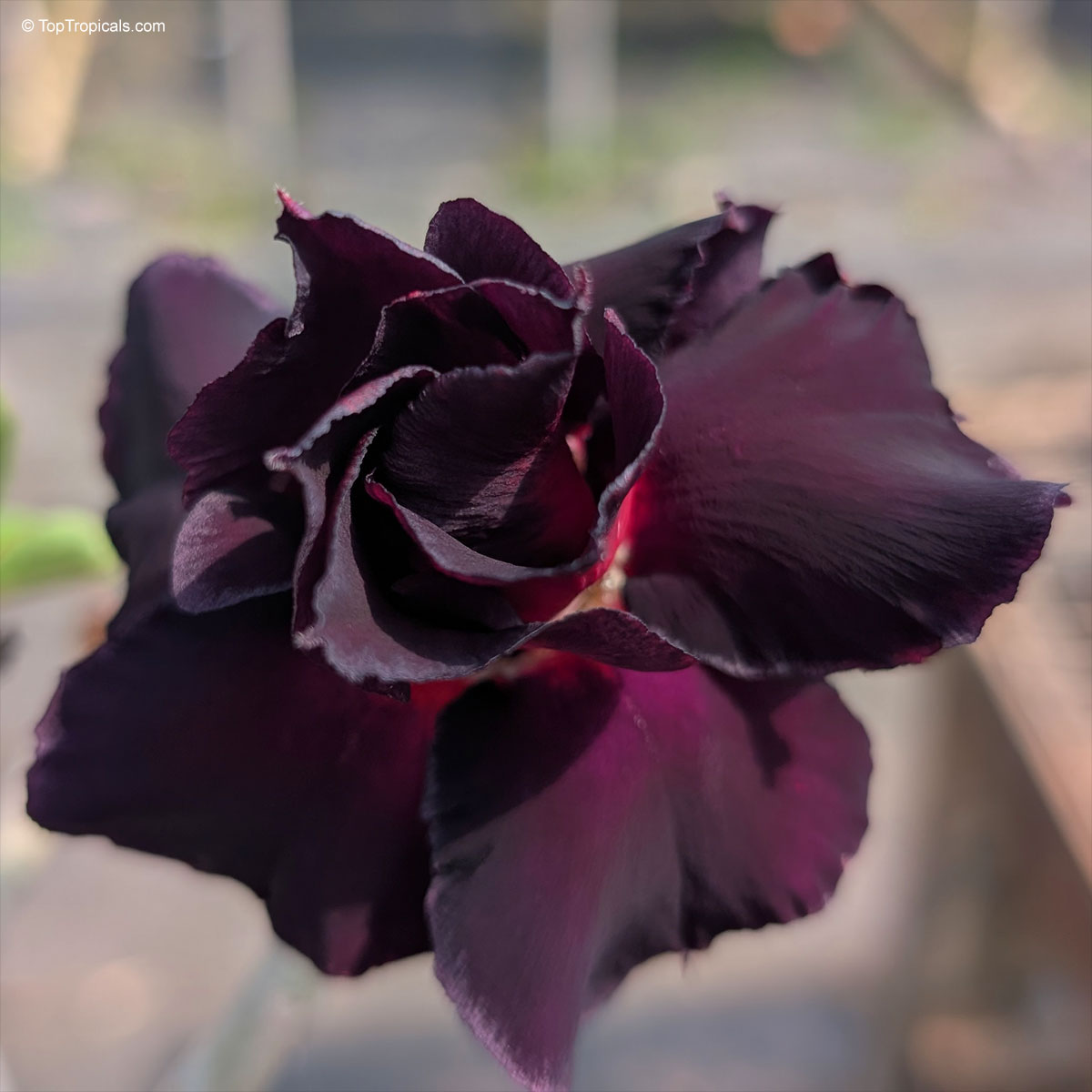
Nearly black petals with a glowing red center. Dark, dramatic, and different.
Free Adenium (Desert Rose) Shipping
Plant now, bloom soon. Get select Adenium (Desert Rose) varieties shipped to you with FREE S&H.
Offer valid through 02/06/2026. Limited quantities. While supplies last.
Free shipping applies to qualifying Adenium items only. Excludes other items and prior orders.