Garden Blog - Top Tropicals

Date: 26 Jan 2022

Don't miss this one:
PodCast Premiere!

Episode 1
How to Protect Tropical plants in Winter: Q & A

Featuring Horticulturist Mark Hooten

...We are introducing our new Series: Top Tropicals Podcast. Growing tropicals and pushing the limits. Watch the first episode:

How to Protect Tropical plants in Winter

...Who doesn't like tropical beauty? Everyone wants tropical plants. But not everyone lives in a warm climate. Is it possible to grow tropicals outside of Tropics?
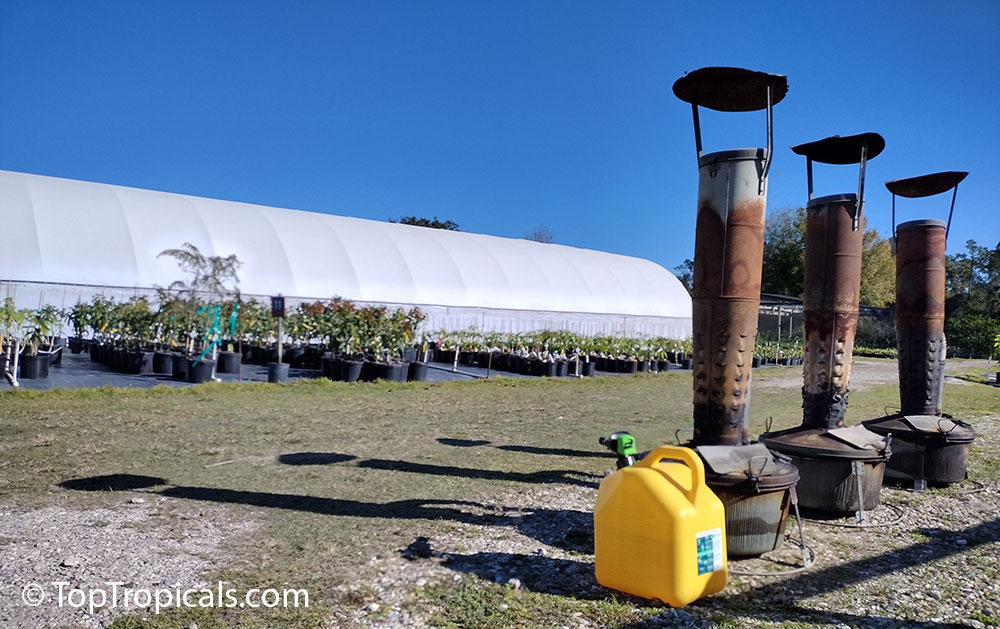
Top Tropicals horticulturist Mark Hooten, who is well known to many gardeners as the Garden Doc with his Saturday Plant Clinic, is answering gardeners' questions about how to prepare and protect tropical plants during winter...

Premiere scheduled:
Thursday, January 27, 8:00 AM

More about cold hardiness and cold protection:

Cold hardy tropical fruit trees
Growing Stephanotis and cold protection
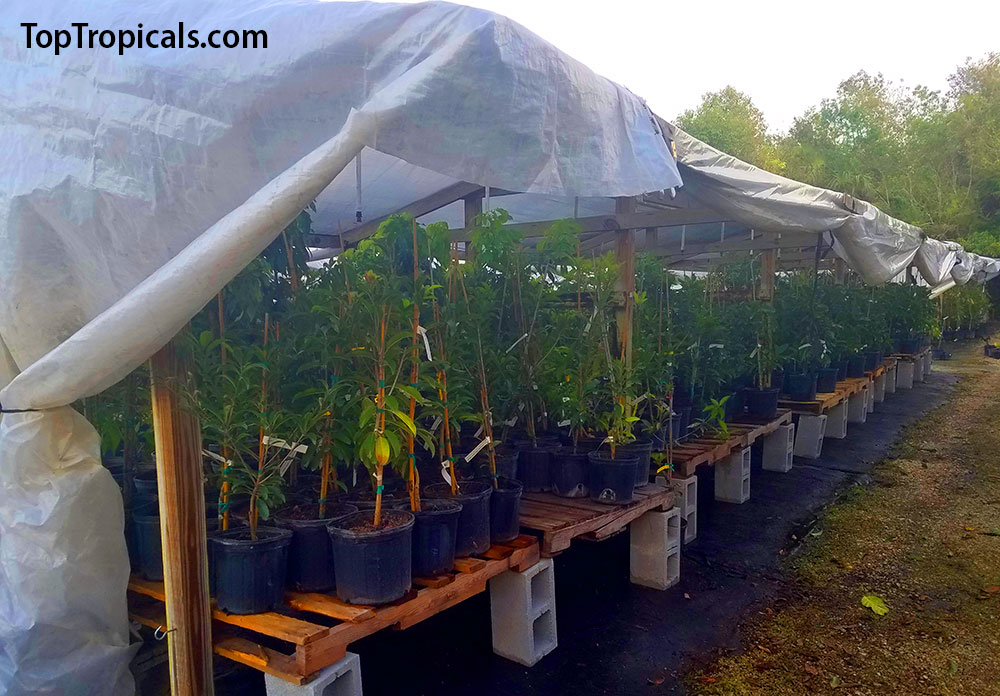
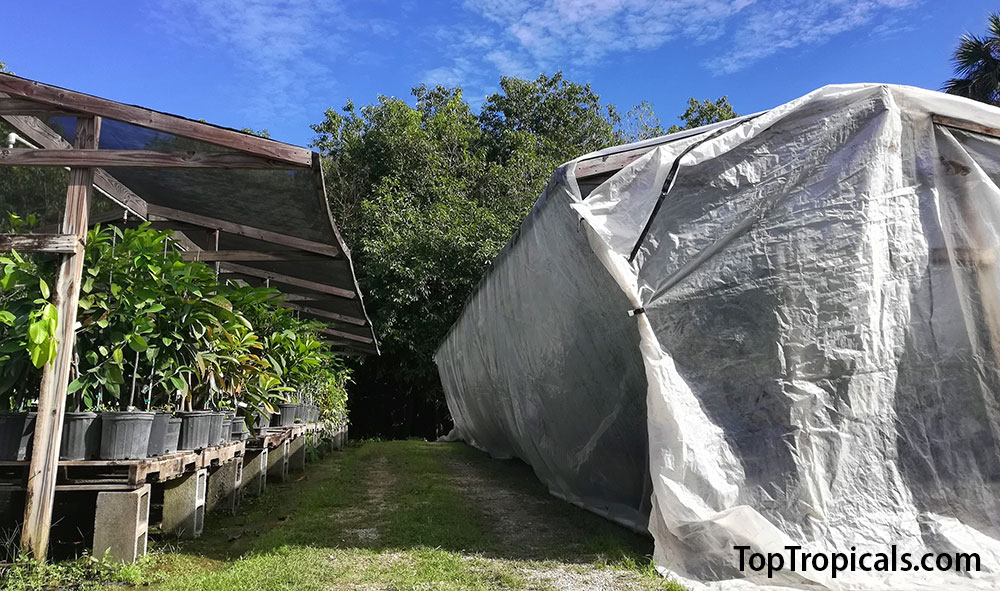
Cold protection of tropical container plants
Plumeria cold protection
Ghost Cold Protection
Seven rules of cold protection for tropicals
Improving cold hardiness before winter: fertilizer and micro-elements
3D garden ideas and winter cold protection
Cold protection - winter action for your plant collection
About Cold Protection
Date: 29 Nov 2020

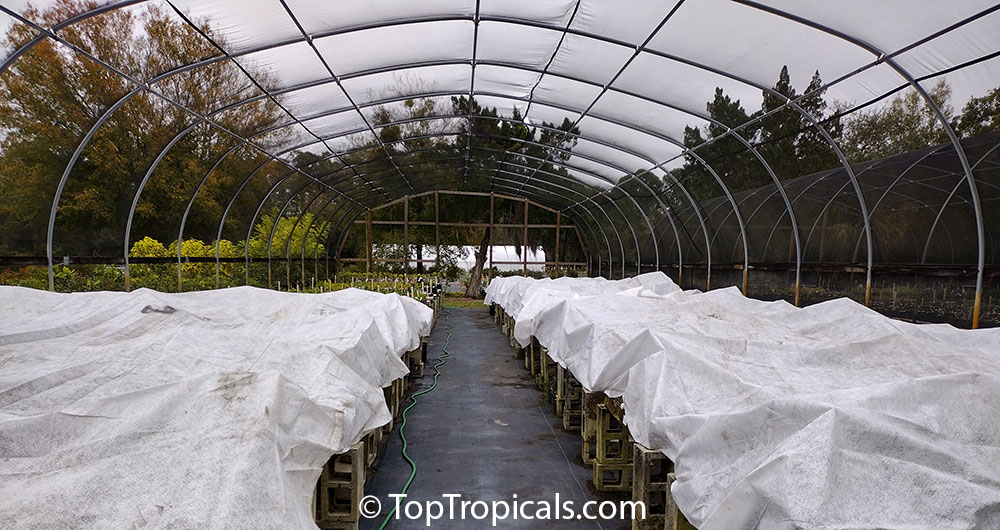
Cold protection of tropical container plants

Q: I am long time customer of yours, I live in San Diego California and while the summer and Fall temperatures are warm to mild, the winter temperatures dip to a point where some tropicals die off. We are experimenting with different variations of way to heat and insulate the pots we have the tropicals planted in as a way to keep them alive during the colder winter months. I was wondering if you knew of the ideal soil temperature for these tropical in order to look their best year round. All of the heaters we have installed have thermostats and temperature adjustments so we can now keep the soil anywhere between a range of between 65-75 degrees. Any advise you can provide would be greatly appreciated.

A: This is a very interesting concept you are working with. Indeed, keeping pots/roots warm, may help a lot! We've been experimenting with cold protection for a long time - for the above-ground plant parts. For sure keeping roots protected (even with a thick layer of mulch) will benefit tropical plants during winter. In case with container plants, this may help dramatically.
The guideline is, tropical plants slow down or stop their metabolism at 65F. As long as you can keep soil above that temperature - this should work great. Of course, the higher the better.
Optimum temperature for growing tropical plants in general - 70-85F. Above 90F, metabolism stops too, unless it's a heat tolerant, desert plant.

More information on winter cold protection of tropical plants and zone pushing:

Greenhouse in Virginia
Plumeria cold protection
Ghost Cold Protection
Seven rules of cold protection for tropicals
About Cold Protection
Cold protection - winter action for your plant collection
Tropical Treasures articles on zone pushing.

Date: 3 Dec 2019

Ghost Cold Protection

Q: Has anyone ever tried using heat packs under frost blankets to protect tropical plants from frost?

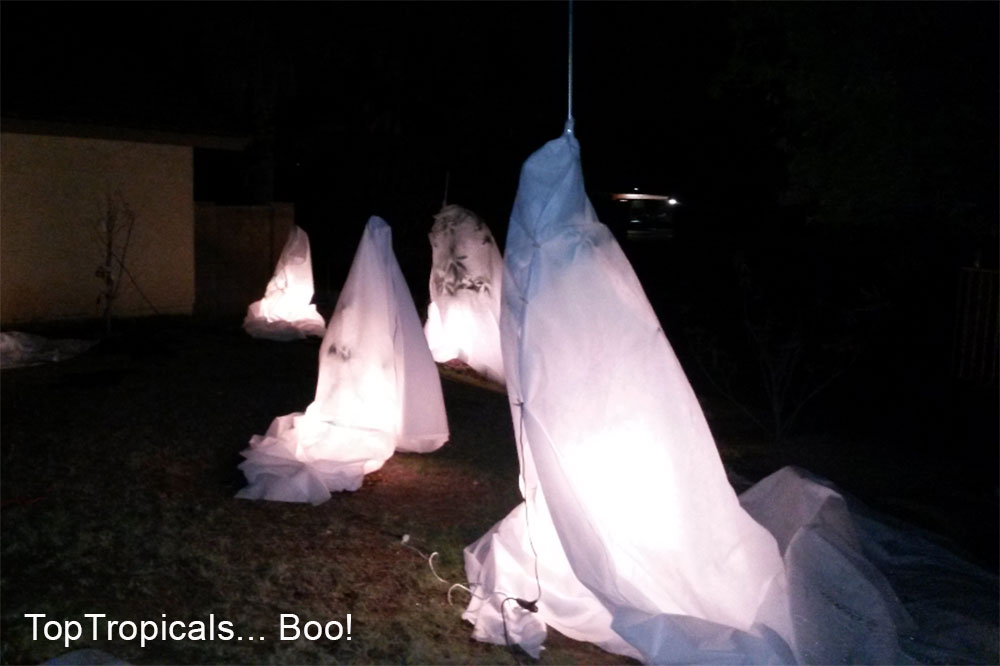
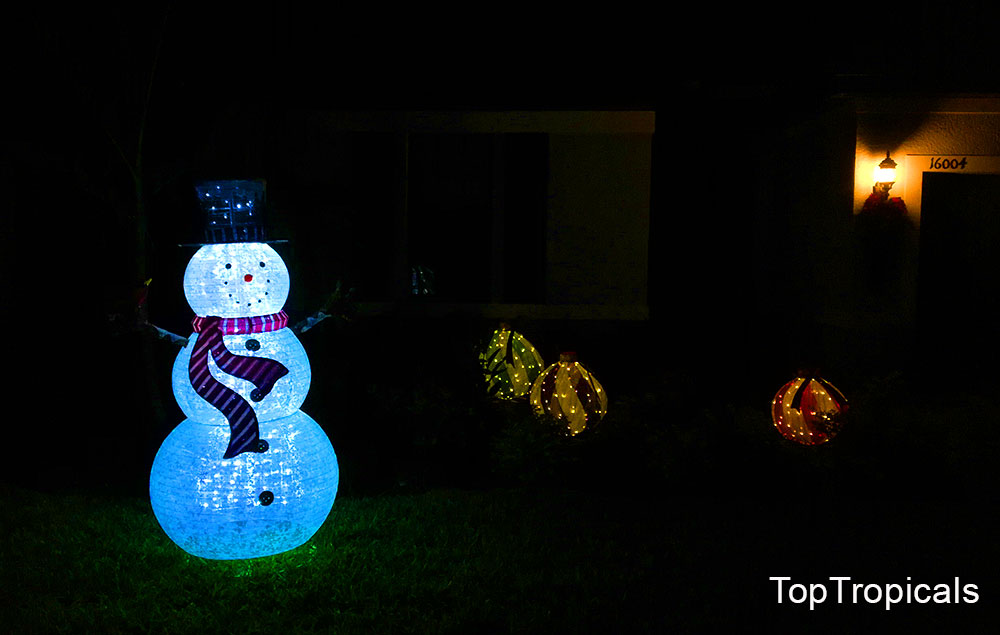
A: The reality is, the heat packs used for shipping do not have enough heat capacity to create efficient warming effect. From our own experience, the best way is to use small 25W incandescent bulbs which produce lots of heat (considering observing all safety precautions and fire safety). Some gardeners use Christmas lights. See picture of our plants in the ground during a cold night. We called them Ghost Cold Protection! ;)

See more columns on cold protection:
Seven rules of cold protection for tropicals
About Cold Protection
Cold protection - winter action for your plant collection
Tropical Treasures articles

Date: 25 Apr 2024

Top Tropicals is now in Telegram!

Cat  texting  telegram

Welcome to our new Telegram Channel!
We finally did it, and excited to connect with all of you on this amazing platform. After using Telegram for a few years for both business and personal communications, we realized it is a winner of the modern Social Media!

In Top Tropicals Telegram Channel you will find much more than on our website or Newsletter: Fun Plant Facts, Nature Wonders, Amazing Plant Videos, Gardening How-to Tips, Exotic Recipes, Contests, Sweepstakes, Give-aways and so much more. Plus, of course, your favorite PeopleCats!

Telegram is a messaging app with a focus on speed and security, it's super-fast, simple and free. You can use Telegram on all your devices at the same time - your messages sync seamlessly across any number of your phones, tablets or computers. It's perfect for sharing your comments, photos, videos, even making calls.

You can watch news, browse your interest, message to friends and colleagues, save your files, create groups, make phone calls, and the most amazing thing - Telegram works where nothing else works, no WiFi or cell service! It proved to be more reliable than any other apps and (surprise!) even works in airplane without wifi connection - proved!

The platform has its own cloud and offers limitless storage. And the last and not least - it's ad-free! Telegram is free and will stay free - no ads, no subscription fees, forever. It's a clean, clear and easy to use for all ages and applications. Try it yourself and discover how easy and pain-free it is!

Telegram is for everyone who wants fast and reliable messaging and calls.
See you in Telegram!

Date: 18 Apr 2024

How to water a new Mango tree?

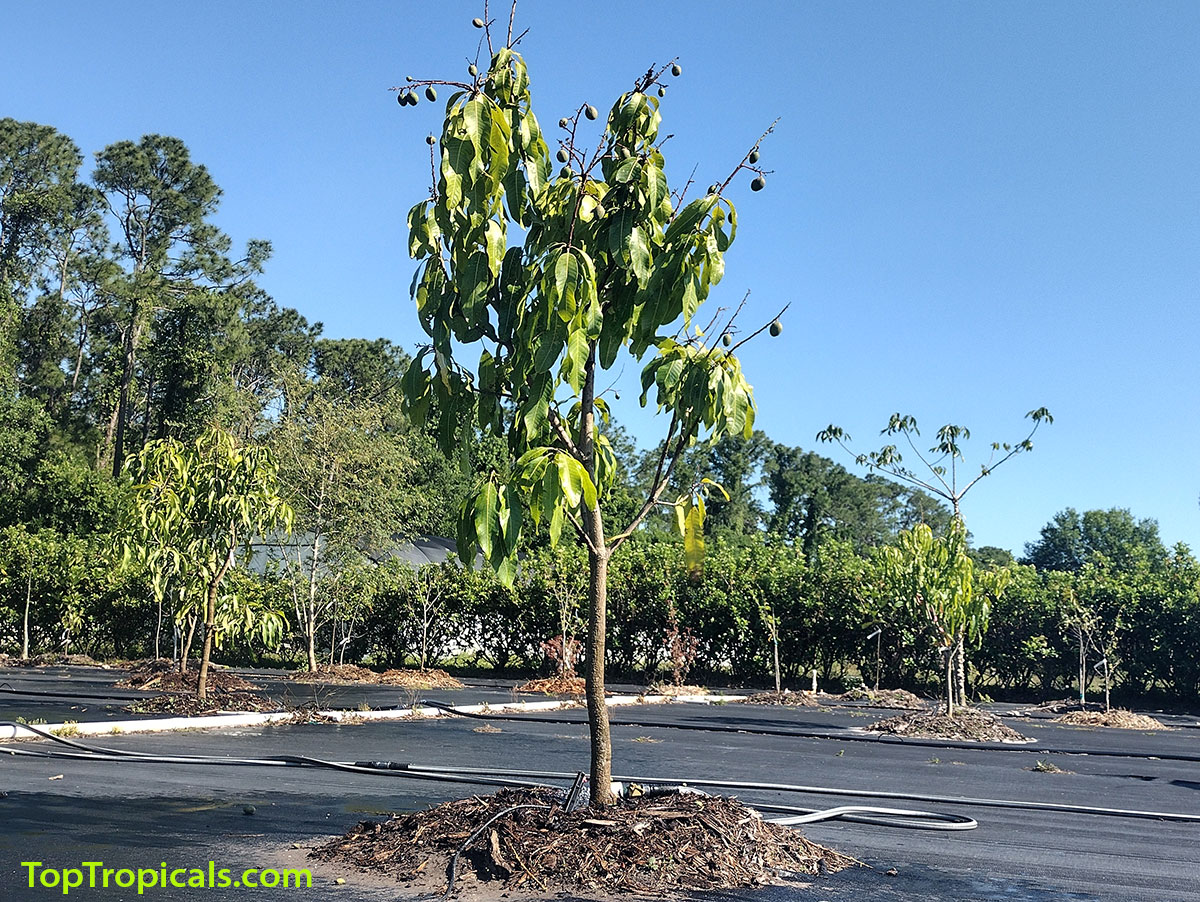
Mango  tree  in  the  ground  with  fruit

Q: I got a large mango tree from your garden center recently, planted in the ground, but noticed the corners of the leaves turning brown. It was full of little fruit when I planted it but now they are falling off... I wonder how much should I water the mango tree? We have lawn sprinkler system that runs daily, is this enough?

A: Generally speaking, never rely solely on your sprinkler system when planting a new tree, especially during the first week or even several weeks if you have no rain. By rain, we mean a nice downpour. Here in Florida, we usually have a hot and dry spring, and while springtime is great for starting new trees, additional hose-watering becomes essential for establishing them during the first months.

Dry leaves are a signal of under-watering. Make sure to hand water your mango tree every day for at least the first week after planting. Even if you have an individual sprinkler for the tree, ensure that the soil around the rootball receives enough water, not only around the trunk. Surprisingly, the bigger the tree, the more it may suffer from a lack of water, and sprinkler watering does not saturate the large root system, sometimes only reaching around the trunk. Big tree means lots of leaves and branches - they all get thirsty!

Mangos are pretty drought-tolerant trees, but only once established. They even benefit from hot, drier air (means less leaf fungus). However, young trees require regular irrigation until they start growing new leaves and branches.

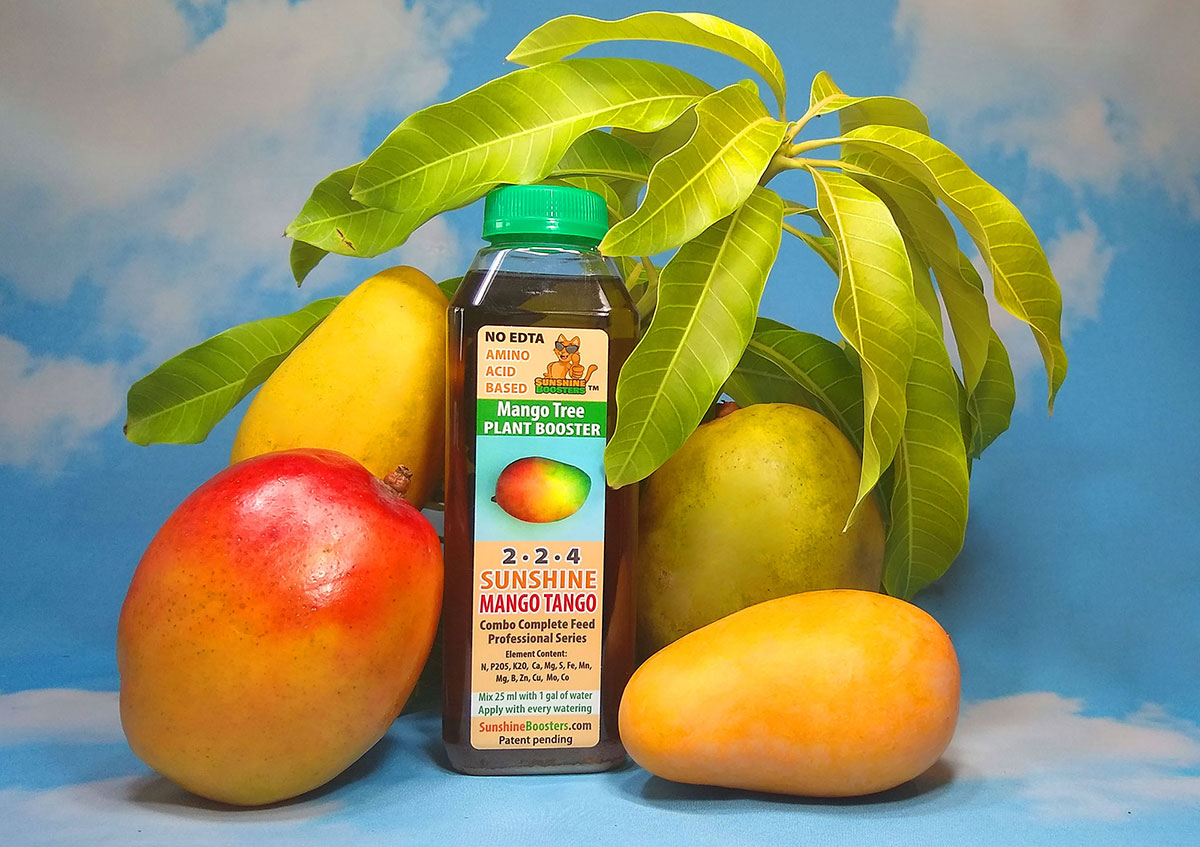
Note that fertilizing your Mango tree is especially important during the spring and summer seasons - the period of active growth. This ensures that the tree takes the best advantage of nutrients with a faster metabolism encouraged by high temperatures. Give your tree a chance to build up lots of energy for the cooler winter as well as for the next flowering and crop season. To ensure a strong tree and reliable crop with no fruit drop, apply Sunshine Mango Tango liquid fertilizer with every watering and watch your mango tree become a Champ!

Sunshine  Mango  Tango  liquid  fertilizer  with  mango  fruit