Garden Blog - Top Tropicals
Date: 23 Sep 2026
This Kitchen Herb Survives Las Vegas - and My Sons Backyard
🌿 This Kitchen Herb Survives Las Vegas - and My Son's Backyard
Every time I visit Las Vegas, there is one plant I always notice.
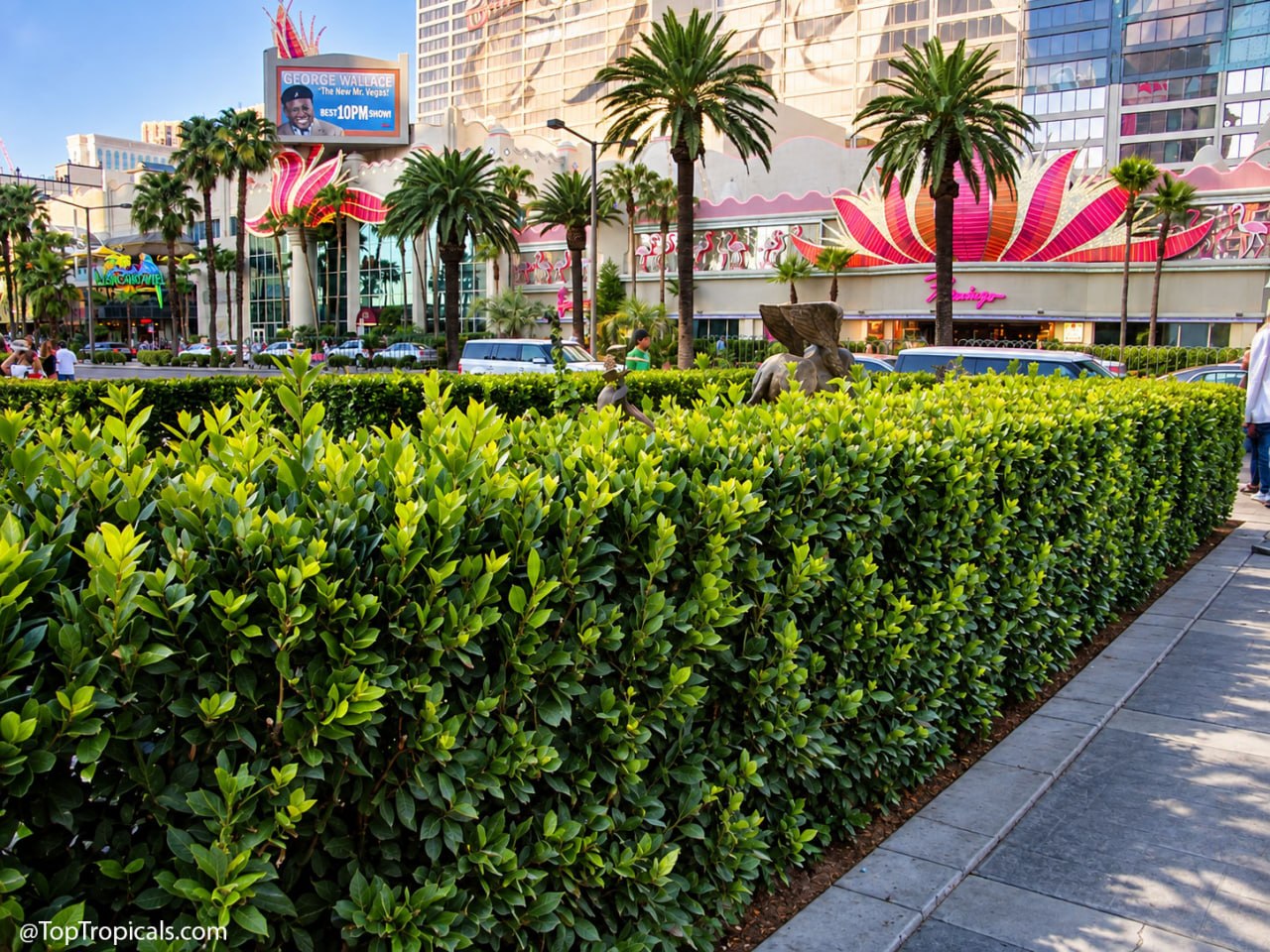
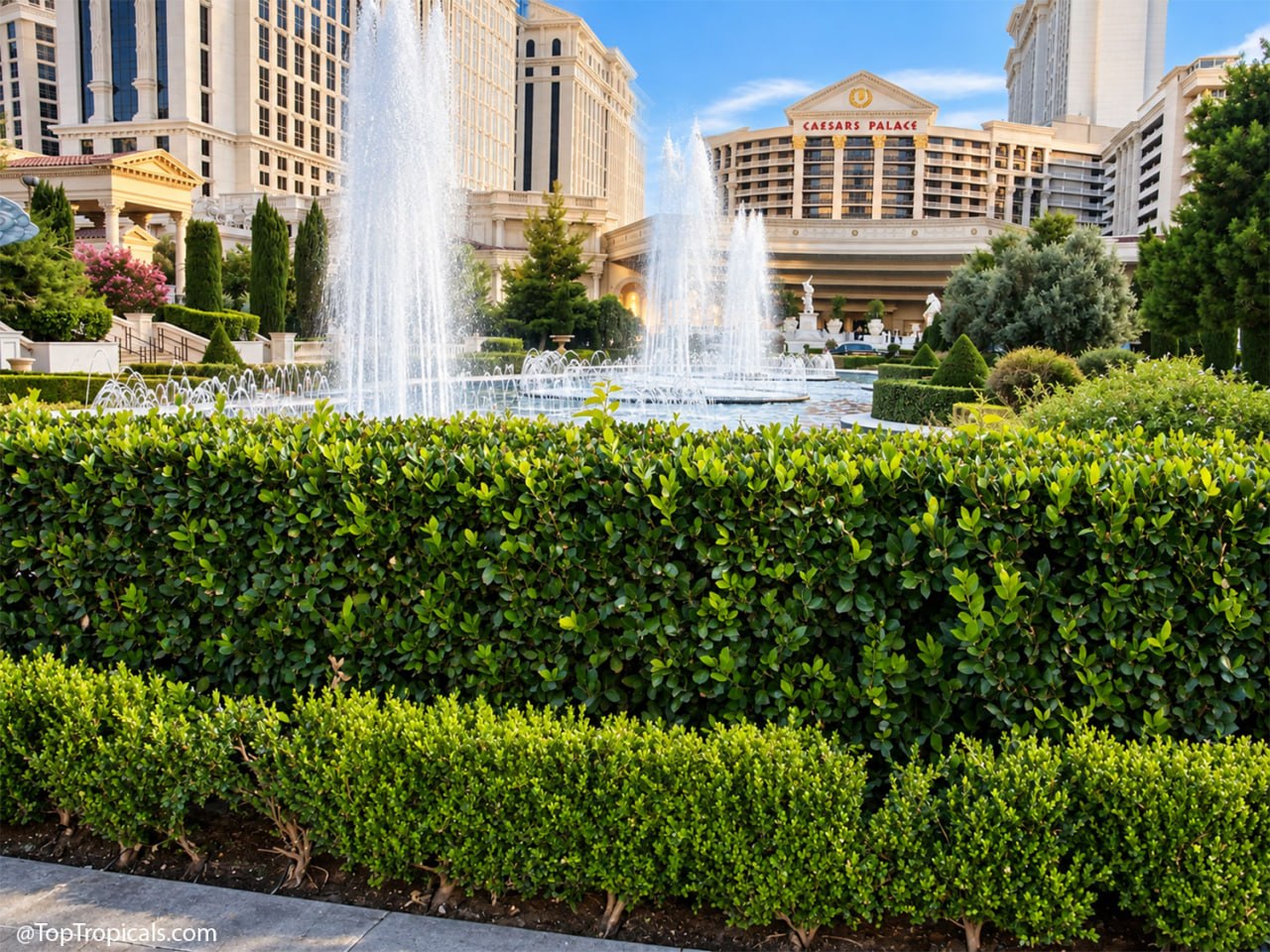
Not in a botanical garden. Not inside a fancy conservatory. Outside the Caesar Palace and the Bellagio.
While everyone is watching the fountains, I'm admiring the Bay Laurel hedge.
And every time I see it, I'm surprised by how good it looks. Dense, green, glossy and perfectly happy.
Las Vegas is not exactly gentle on plants. Summers are brutally hot and dry, while winter nights can dip below freezing.
Yet there it is: Bay Laurel (Laurus nobilis).
🌿 The Herb I Keep Admiring Outside the Bellagio
We usually think of Bay Laurel as a culinary herb - those dried leaves floating around in soup.
But this is actually a tough evergreen Mediterranean shrub or small tree. Its thick, leathery leaves are built to conserve moisture, and established plants tolerate heat and periods of dry weather remarkably well.
Of course, a manicured Las Vegas landscape is irrigated. But seeing Bay Laurel looking so beautiful there year after year says something about just how adaptable this plant can be. And I have an even better experiment much closer to home.
🌿 I Planted One in My Son's Backyard
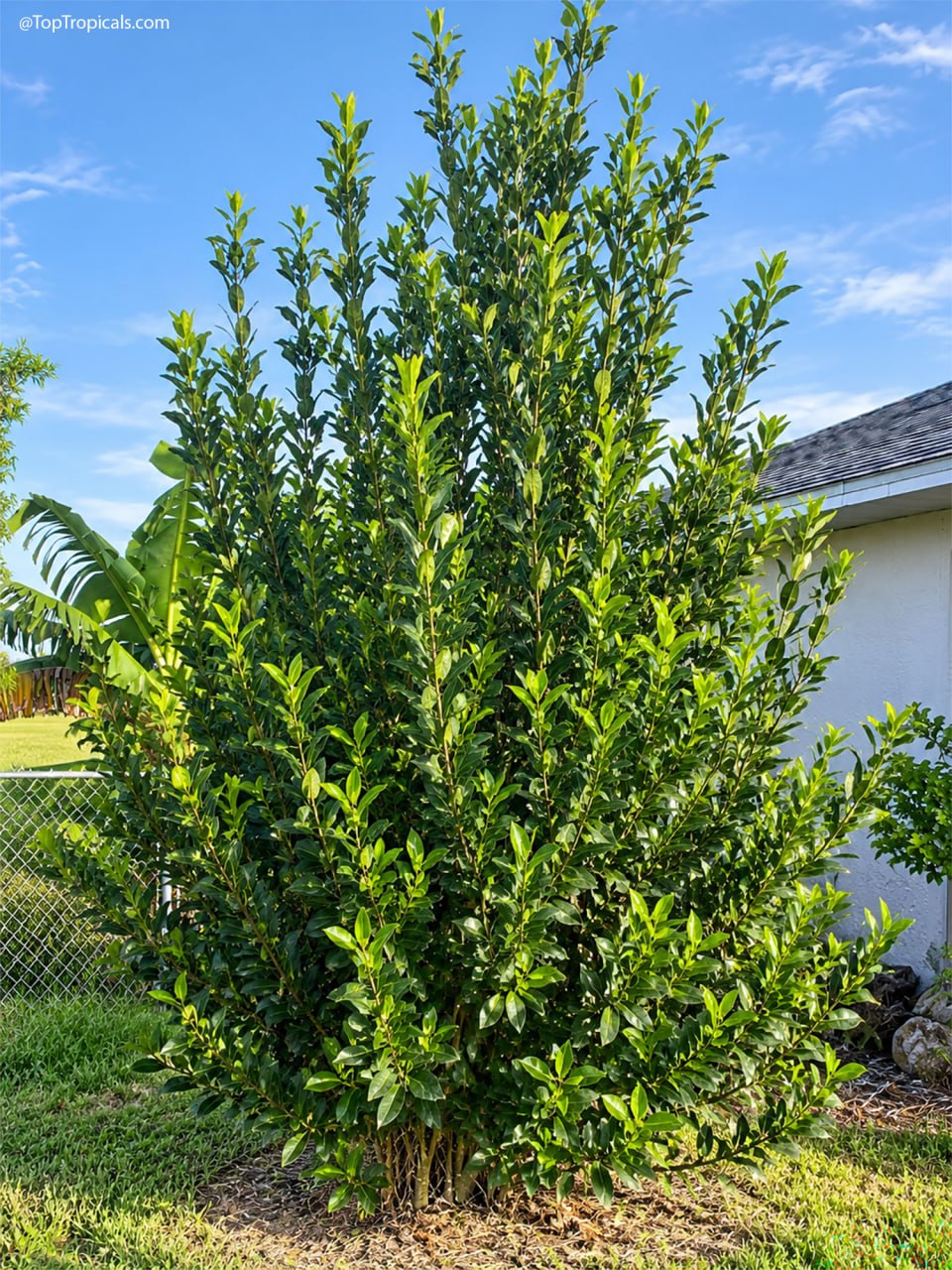
A few years ago, I planted a tiny Bay Laurel at my son Alex's house.
He's not a plant person.
So there was no fertilizing schedule. No hovering with the hose. No pruning and fussing.
Basically, the plant was on its own.
Look at it now.
It has grown into the massive bush. And there's a nice bonus: Alex's wife Heather cooks with it all the time. And they send me the cuttings!
Need a bay leaf? Walk outside and pick one.
That's my kind of edible landscaping.
🌿 The Secret: Don't Love It to Death
Bay Laurel comes from the Mediterranean region, so it appreciates conditions many herbs would complain about.
Give it sun, good drainage and reasonable water while it establishes. Once it has a strong root system, it becomes considerably more forgiving of occasional drought. It also handles pruning beautifully, so that monster can become a hedge, small tree, topiary or compact patio plant.
The big thing it doesn't appreciate is constantly soggy soil. Bay Laurel would rather be a little dry than sit with wet roots.
And despite its elegant appearance, it isn't strictly tropical. Established plants can handle some frost and freezing temperatures, which is one reason Bay Laurel can be grown outdoors well beyond truly tropical climates. Our plants in Sebring, FL survived 2026 Florida record freeze without blinking an eye!
In colder areas, simply keep it in a container and bring it into a protected location for winter.
🌿 Help! My Bay Laurel Became a Monster
That's a pretty good problem to have. Use fresh leaves in soups, tomato sauce, beans, rice, seafood, braised meats, marinades and pickling brines.
Have too many? Dry them - the flavor becomes mellower and develops that familiar warm bay aroma. Just remember to remove whole leaves before serving.
🌿 One Plant May Be All You Need
Bay Laurel isn't an herb you need to replant every season. Give it a permanent spot, and it can keep growing - and feeding your kitchen - for many years.
Mine has convinced me three times: thriving along the Las Vegas Strip, growing into a monster with practically no attention in my son's backyard, and sailing through our 2026 record freeze in Sebring.
If a plant can handle Las Vegas, a plant “dummy”, and a record freeze, I call that one tough herb. 🌿
🛒 Plant Once. Harvest for Years
📚 Learn more:


· Laurus nobilis in Plant Encyclopedia
· Why Ancient Romans Crowned Emperors With the Leaf in Your Spice Rack
· Tropical edibles that reduce your blood pressure
· Tropical plants that survived Florida's historic freeze without protection
#Discover #Remedies #Food_Forest
🟢 Join 👉 TopTropicals