Garden Blog - Top Tropicals
Date: 12 Aug 2026
Garcinia: The Tropical Superfruit Most People Have Never Tasted
🍋 Garcinia: The Tropical Superfruit Most People Have Never Tasted
You probably know mangosteen. You may have heard of Garcinia cambogia. But there is an entire group of edible Garcinia species producing unusual tropical fruits that most people have never seen - much less tasted.
Garcinias combine everything a rare-fruit collector could want: compact growth, beautiful evergreen foliage, unusual fruit, fascinating flavors, and an impressive nutritional profile.
Scientists are increasingly interested in Garcinia fruits for their antioxidants, polyphenols, xanthones, and other natural plant compounds.
It might be time to look beyond mangosteen!
🟡 The "Superfruit" Science Behind Garcinia
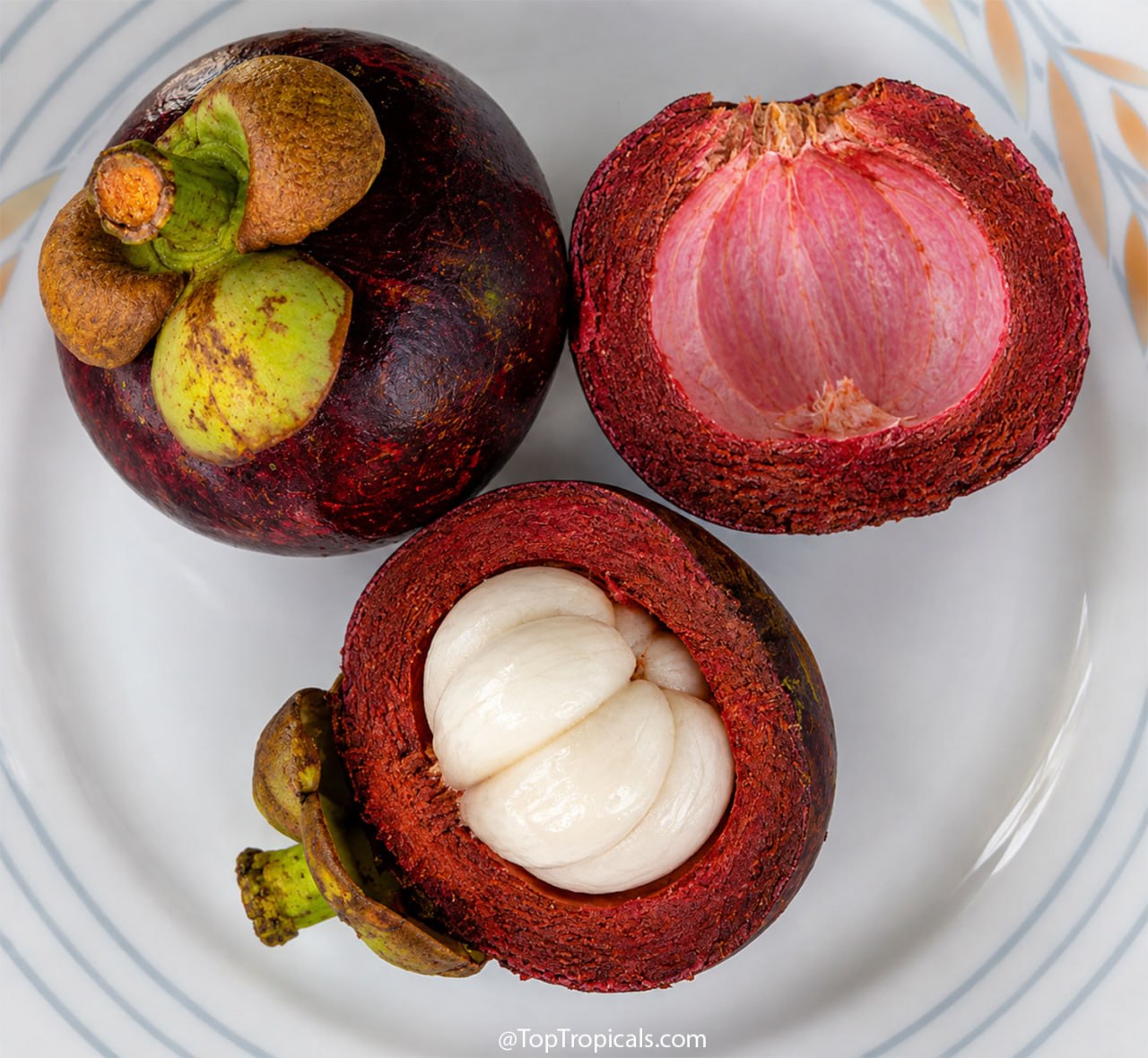
Mangosteen (Garcinia mangostana) is the superstar of the Garcinia genus - and the one scientists have studied the most.
Here's where it gets interesting. Garcinia's thick rind is packed with natural compounds called xanthones, including alpha-mangostin and gamma-mangostin. Studies have found antioxidant and anti-inflammatory activity in these compounds.
The research is still ongoing, so we're not calling fruit medicine. But there's clearly more inside a Garcinia than just a delicious snack!
🟡 Achacha: The Amazonian Jewel Worth Discovering
Mangosteen isn't the only interesting Garcinia.
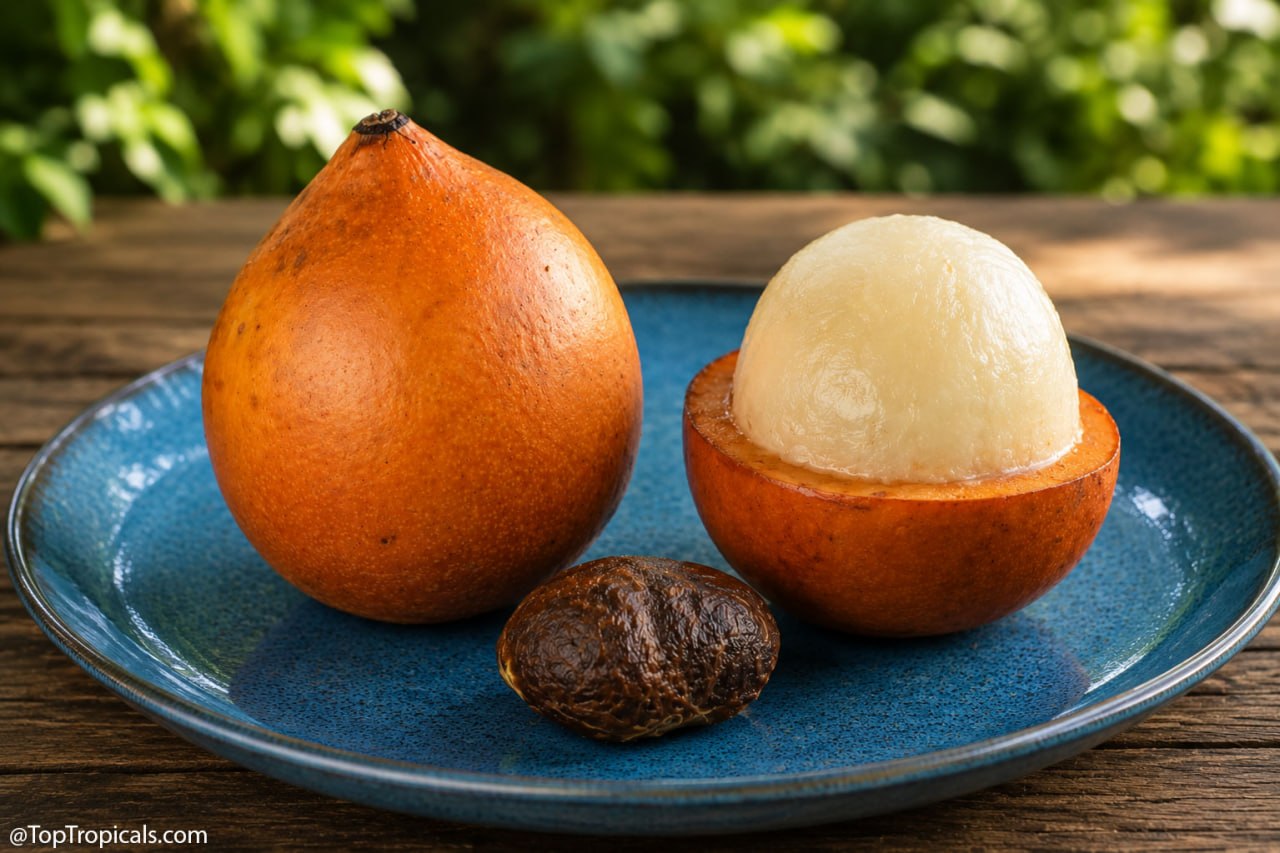
Achacha, or Achachairu (Garcinia humilis), has an impressive nutritional profile of its own.
According to University of Florida IFAS Extension, Achacha is a source of vitamins A, C, B1, and B9, calcium, phosphorus, and antioxidants.
The Flavor: Bright orange skin opens to reveal soft, juicy white pulp. The taste is beautifully balanced - sweet, tropical, and pleasantly tart.
Zero Waste: Enjoy the pulp fresh or use it for jams and ice cream. Even the rind can be blended with water, sugar, and mint, then strained into a refreshing traditional drink.
The Tree: Native to Bolivia, this slow-growing evergreen has dense, glossy foliage and makes an attractive landscape tree.
🟡 Lemon Drop Mangosteen: Little Fruit, Massive Flavor
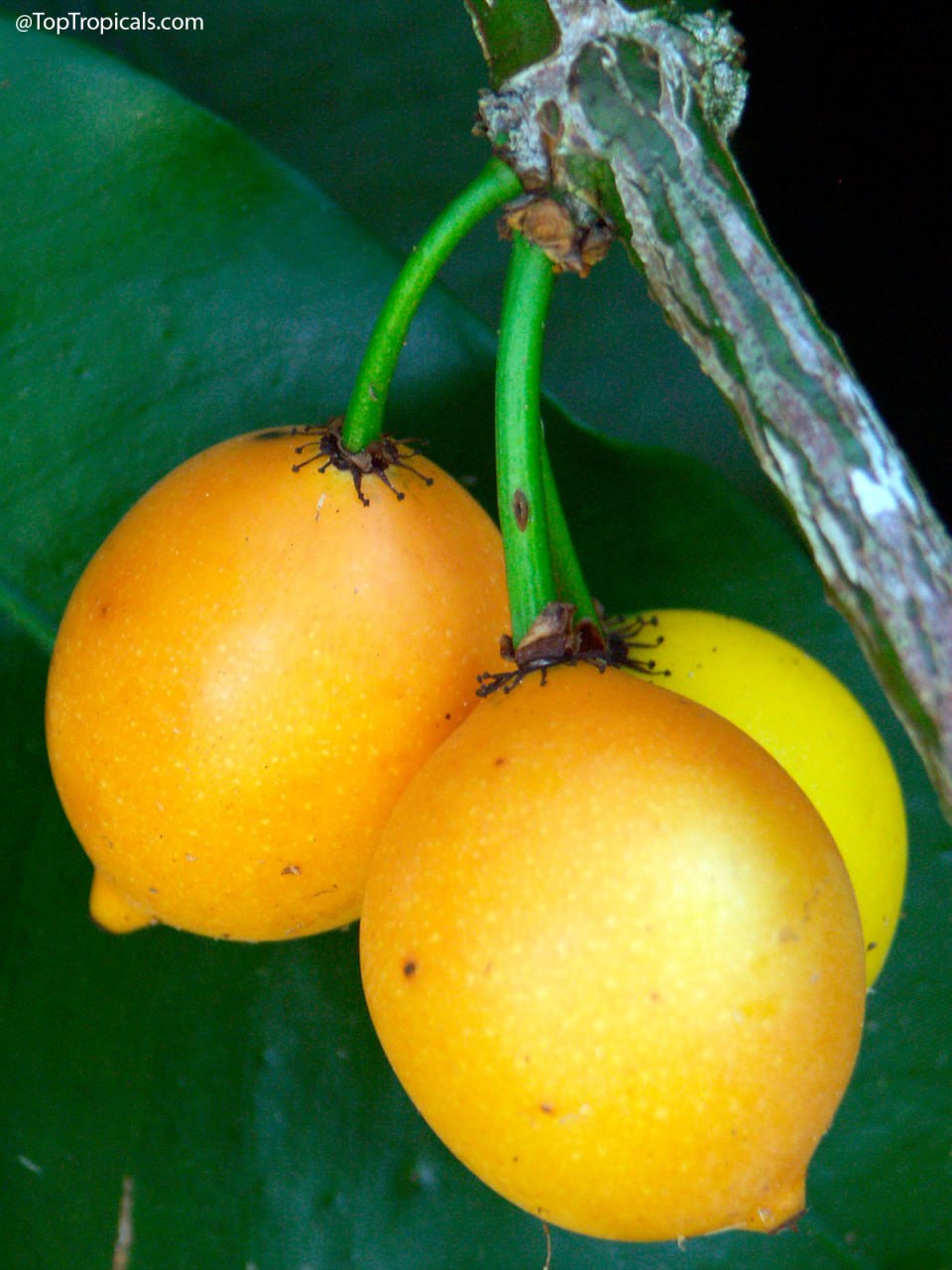
For big personality in a small footprint, try Lemon Drop Mangosteen (Garcinia intermedia, or G. edulis).
Does it actually taste like a lemon drop? Pretty close. The translucent, juicy pulp inside these golf-ball-sized fruits delivers a bright sweet-and-sour punch - think tropical fruit crossed with lemon candy or sherbet.
Ideal for Small Spaces: Lemon Drop Mangosteen stays compact and manageable, unlike many large tropical fruit trees.
Container-Friendly: Its slow growth and small size make it great for patio pots. Give it warm light, regular moisture, and good drainage, and you can grow rare tropical fruit without sacrificing your backyard.
🟡 Why Grow Fruit You Can't Buy?
Mangoes, avocados, and citrus are wonderful, but the world of tropical fruit is much bigger than the supermarket produce aisle.
Garcinias offer home growers a wonderful combination: rare beauty, fascinating nutritional profiles, and flavors you simply won't find at your local grocery store.
Next time someone walks into your garden, points at a strange yellow fruit, and asks, "What does that taste like?" - you don't have to explain it.
Just pick one and say, "Try it."
📊 Scientific References
Achacha: UF/IFAS documents Garcinia humilis as a source of antioxidants, vitamins A, C, B1, B9, calcium, and phosphorus, plus culinary uses for the pulp, rind, and seeds.
Xanthones: Preclinical research documents antioxidant and anti-inflammatory activity of mangosteen pericarp xanthones.
Clinical Research: Small human studies of mangosteen-based beverages have reported changes in antioxidant capacity and inflammatory biomarkers.
🛒 Add Garcinia Superfruit to your Food Forest
📚 Learn more:


• Garcinia edulis in Plant Encyclopedia
• Does it really taste like Lemon drops?
• Little tree that makes lemon candy
🎥
#Food_Forest #Remedies #Discover
🟢 Join 👉 TopTropicals