Garden Blog - Top Tropicals
Date: 21 Jul 2026
Forget Spinach: The Underrated Multivitamin Plant You Can Grow in Your Backyard - Katuk
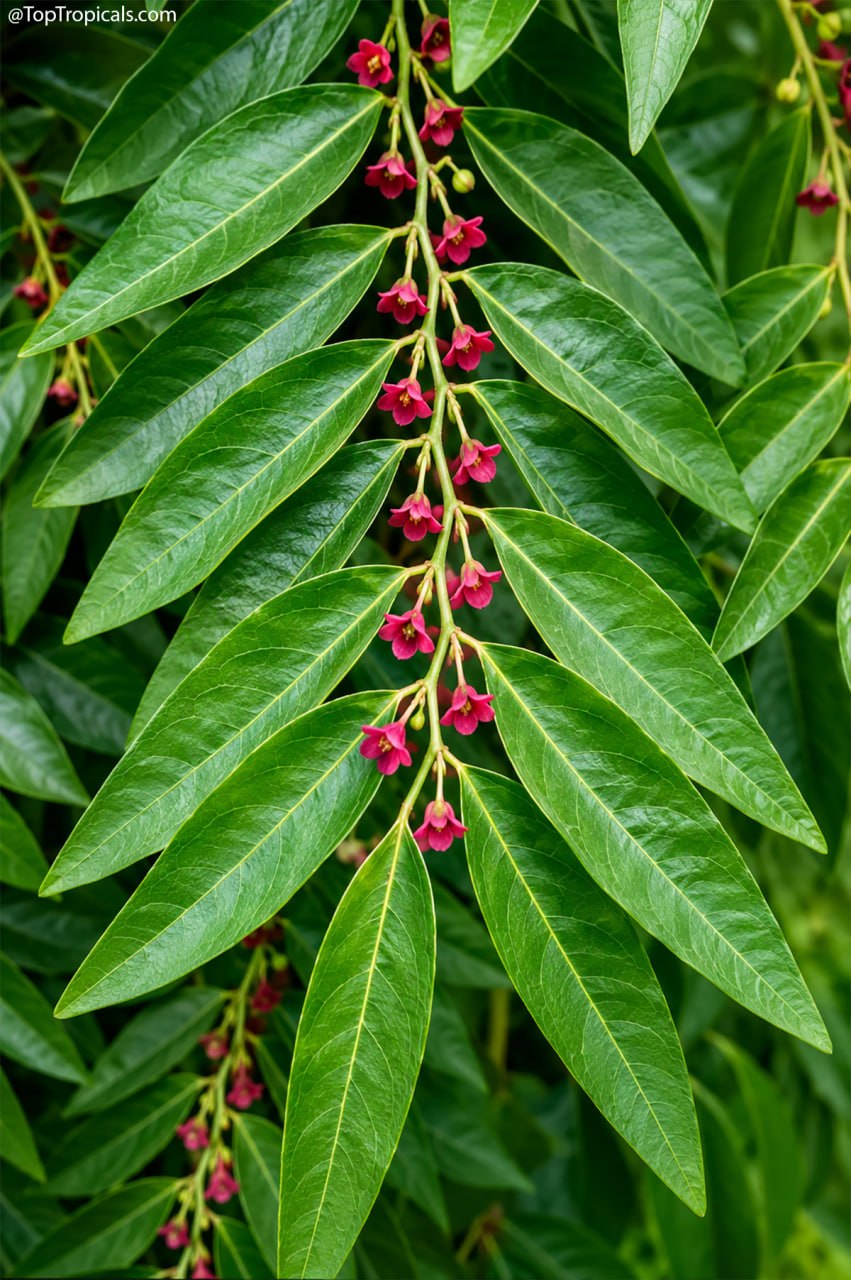
🌿 Forget Spinach: The Underrated Multivitamin Plant You Can Grow in Your Backyard - Katuk
Imagine a fast-growing, lush green shrub in your backyard that looks like an ornamental plant, requires almost zero maintenance, and yields a year-round harvest of delicious greens. Now imagine that those exact greens taste remarkably like fresh, sweet green peas and are packed with rare brain-boosting nutrients.
Katuk (Sauropus androgynus) is often called "Tropical Asparagus" or the "Multivitamin Plant." While it is already a beloved kitchen staple across Southeast Asia, this powerful perennial is quickly becoming the worst-kept secret among western edible landscapers and health enthusiasts alike.
🌿 Why It’s Called the "Multivitamin Plant"
Katuk isn't just a side dish; it’s a nutritional powerhouse. In fact, it packs a much heavier punch than typical grocery store greens like spinach or kale.
The Rare Brain Boost: Katuk is rich in folate, lutein, and vitamin K - a trio of nutrients heavily linked to sharper memory and reduced cognitive aging.
Surprising Plant Protein: For a leafy vegetable, Katuk contains an exceptionally high amount of plant-based protein, making it excellent for plant-forward diets.
Mineral-Rich: It serves as a fantastic source of bone-building calcium, iron, potassium, and magnesium.
Antioxidant Power: The dark leaves are bursting with vitamin A, C, E, protective polyphenols, and vibrant chlorophyll.
🌿 How to Eat Katuk
In countries like Vietnam, Malaysia, and Thailand, Katuk is traditionally tossed into sizzling stir-fries with eggs, simmered with fresh seafood in savory broths, or added to stews. The tender young shoots and leaves offer a mild, nutty flavor with distinct hints of fresh asparagus and sweet peas.
⚠️ The Golden Rule of Katuk: While the young shoots are delicious, Katuk should be eaten cooked or enjoyed fresh in moderation. Stick to normal culinary use and give it a quick saute, steam, or boil to keep things perfectly safe and delicious.
🌿 The Ultimate Lazy Gardener’s Dream
If you live in a warm or tropical climate, Katuk is an absolute joy to grow. It thrives in full sun to partial shade, forming a dense, bushy hedge that provides vibrant, edible greens 12 months a year. Because it is highly resilient and naturally pest-resistant, you can spend less time tending to it and more time enjoying the harvest.
❄️ Live in a cold climate? Don't worry - you don't have to miss out. Katuk adapts beautifully to containers. You can grow it in pots year-round as a low-maintenance, edible houseplant right alongside your favorite herbs on a sunny windowsill or patio, bringing a taste of the tropics indoors when the frost hits.
If you are looking for a plant that effortlessly feeds both your garden's aesthetic and your family's health, Katuk is a clear winner.
👉 Coming up next:
19 delicious authentic Katuk dishes: quick-n-fun exotic recipes
🛒 Claim Your "Multivitamin Plant"
📚 Lean more:
· Sauropus androgynus in Plant Encyclopedia
· The secret Brain Food growing in my backyard
· Tropical Asparagus, Katuk: Grow your own food
· Discover the health benefits of Katuk: a Superfood for your mind and body
· 9 tropical vegetables to grow indoors, or how to have garden-fresh produce all year
· The Secret to a Sharper Mind Might Be Growing in Your Backyard
· Plant Smarter: Grow Your Own Brain Boosters
· 5 most useful edibles for tropical garden
#Food_Forest #Remedies #Discover


