Garden Blog - Top Tropicals
Date: 18 Jul 2026
The Flowering Shrub That Keeps Blooming When Others Stop
🔥 The Flowering Shrub That Keeps Blooming When Others Stop
If you’re looking for a single plant that can steal the show for months on end, you need the Ball of Fire (Combretum constrictum).
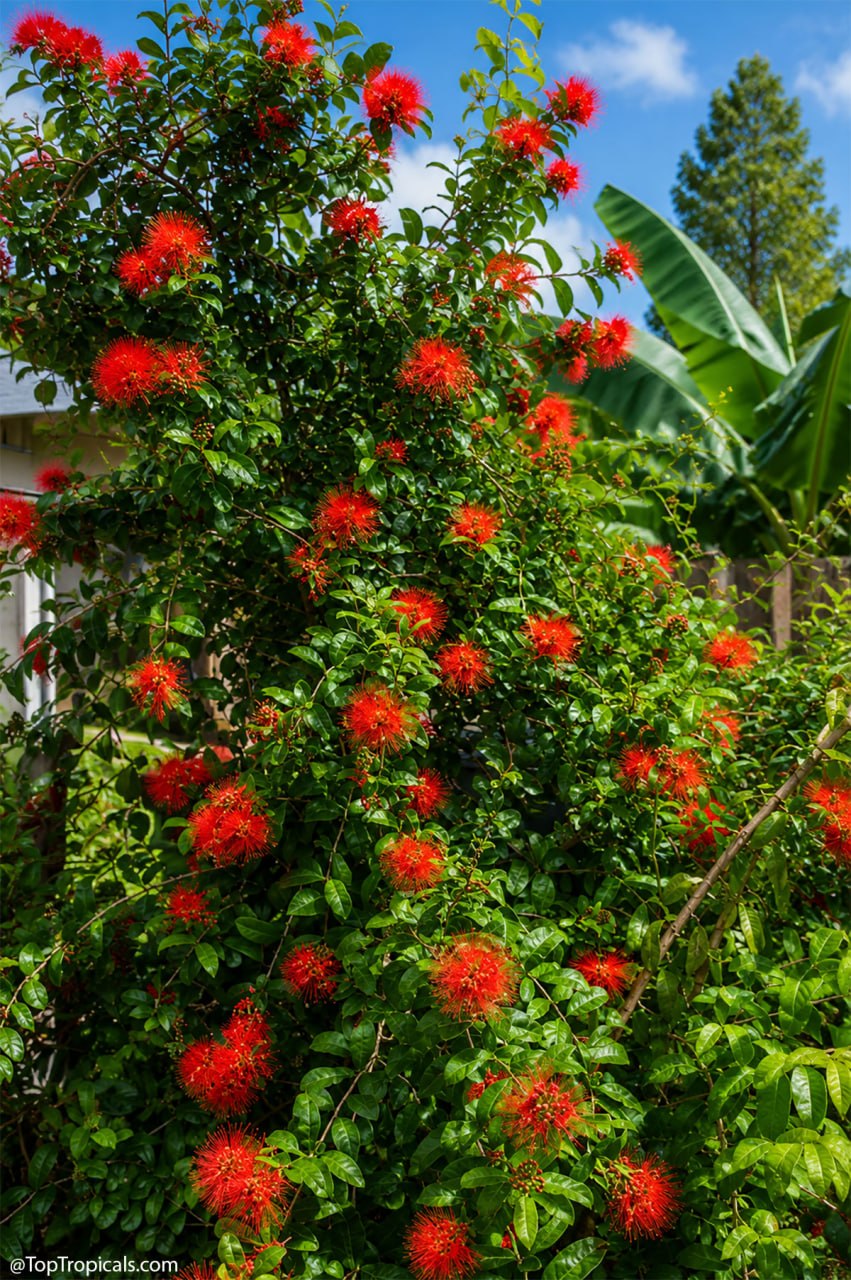
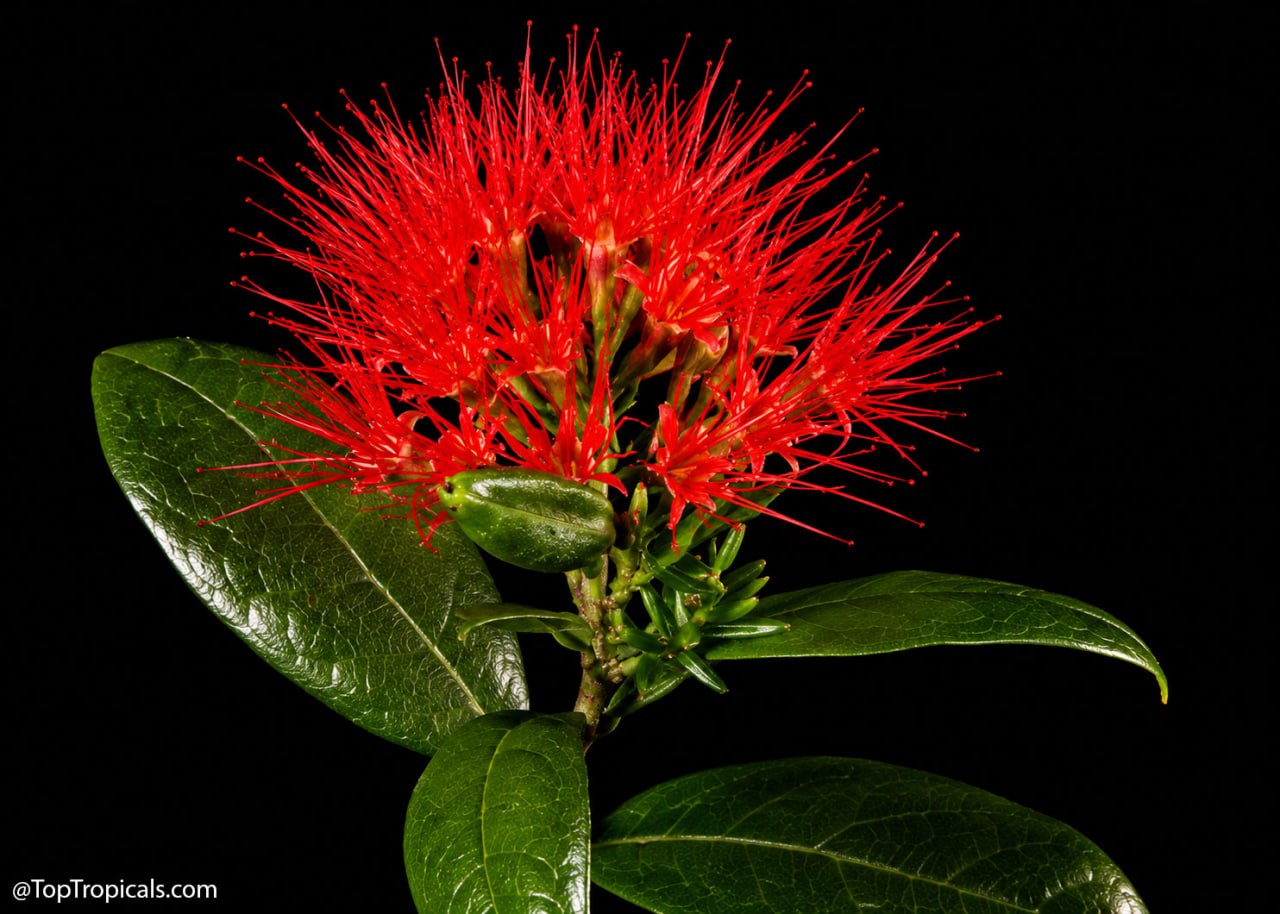
At first glance, the flowers hardly look real. Instead of ordinary petals, each bloom forms a bright scarlet powderpuff made of dozens of long, delicate stamens. When hundreds of these fiery red clusters open at once, the entire shrub seems to glow from within - perfectly earning its dramatic name.
Unlike many tropical shrubs that bloom in short, fleeting bursts, Ball of Fire provides an explosion of color almost year-round in warm climates.
Despite its high-maintenance appearance, Ball of Fire is incredibly resilient. Once established in a sunny spot, it requires very little fuss:
· Drought Tolerant: Handles heatwaves and dry spells with ease.
· Sun-Loving: Thrives in full sun to maximize its bloom potential.
· Highly Adaptable: Can be grown as a sprawling shrub, trained onto a trellis as a climbing vine, or pruned into a compact ornamental tree.
· Surprisingly Cold-Hardy: While technically a tropical plant (best in Zones 9b-11), established plants are remarkably tough. If hit by a hard freeze, they can die back to the ground and bounce back with vigorous new growth in the spring - especially if the root system was protected with a thick layer of mulch.
Pro-Tip: Regular pruning doesn't just control its size (typically 5 to 7 feet); it actually encourages a fuller shape and even more prolific blooming.
Those brilliant red flower clusters aren't just eye candy for humans. The nectar-rich blooms act as a natural feeding station for local wildlife. If you are trying to build a pollinator-friendly backyard, this shrub quickly becomes the busiest, most chaotic hub of hummingbird and butterfly activity in the neighborhood.
Don't have a massive estate? No problem. Because it responds so beautifully to pruning, Ball of Fire adapts exceptionally well to large containers. This makes it an excellent focal point for patios, courtyards, and urban tropical gardens where ground space is at a premium.
📍Appearance: Brilliant crimson "powderpuff" blooms with long, glowing stamens.
📍Bloom Season: Near year-round in frost-free zones.
📍Wildlife Value: High-traffic magnet for hummingbirds and butterflies.
📍Versatility: Can be shaped into a shrub, vine, hedge, or patio tree.
📍Resilience: Loves intense heat, tolerates drought, and can bounce back from deep freezes once established.
When Ball of Fire reaches peak bloom, it’s easy to see why it stops gardeners in their tracks. Few plants produce such an intense, glowing display while asking for so little in return.
🛒 Plant the Shrub Everyone Notices
📚 Learn more:
· Combretum constrictum in Plant Encyclopedia
· Our favorite flowering shrub
· Watch out - Ball of Fire!
#Butterfly_Plants #Hedges_with_benefits #Discover


🟢 Join 👉 TopTropicals
If you’re looking for a single plant that can steal the show for months on end, you need the Ball of Fire (Combretum constrictum).
At first glance, the flowers hardly look real. Instead of ordinary petals, each bloom forms a bright scarlet powderpuff made of dozens of long, delicate stamens. When hundreds of these fiery red clusters open at once, the entire shrub seems to glow from within - perfectly earning its dramatic name.
Unlike many tropical shrubs that bloom in short, fleeting bursts, Ball of Fire provides an explosion of color almost year-round in warm climates.
❤️ A Tropical Showpiece That’s Surprisingly Low-Maintenance
Despite its high-maintenance appearance, Ball of Fire is incredibly resilient. Once established in a sunny spot, it requires very little fuss:
· Drought Tolerant: Handles heatwaves and dry spells with ease.
· Sun-Loving: Thrives in full sun to maximize its bloom potential.
· Highly Adaptable: Can be grown as a sprawling shrub, trained onto a trellis as a climbing vine, or pruned into a compact ornamental tree.
· Surprisingly Cold-Hardy: While technically a tropical plant (best in Zones 9b-11), established plants are remarkably tough. If hit by a hard freeze, they can die back to the ground and bounce back with vigorous new growth in the spring - especially if the root system was protected with a thick layer of mulch.
Pro-Tip: Regular pruning doesn't just control its size (typically 5 to 7 feet); it actually encourages a fuller shape and even more prolific blooming.
❤️ A 24/7 Hummingbird and Butterfly Magnet
Those brilliant red flower clusters aren't just eye candy for humans. The nectar-rich blooms act as a natural feeding station for local wildlife. If you are trying to build a pollinator-friendly backyard, this shrub quickly becomes the busiest, most chaotic hub of hummingbird and butterfly activity in the neighborhood.
❤️ Perfect for Patios and Small Yards
Don't have a massive estate? No problem. Because it responds so beautifully to pruning, Ball of Fire adapts exceptionally well to large containers. This makes it an excellent focal point for patios, courtyards, and urban tropical gardens where ground space is at a premium.
❤️ Fast Facts: Why Gardeners Are Obsessed with Ball of Fire
📍Appearance: Brilliant crimson "powderpuff" blooms with long, glowing stamens.
📍Bloom Season: Near year-round in frost-free zones.
📍Wildlife Value: High-traffic magnet for hummingbirds and butterflies.
📍Versatility: Can be shaped into a shrub, vine, hedge, or patio tree.
📍Resilience: Loves intense heat, tolerates drought, and can bounce back from deep freezes once established.
When Ball of Fire reaches peak bloom, it’s easy to see why it stops gardeners in their tracks. Few plants produce such an intense, glowing display while asking for so little in return.
🛒 Plant the Shrub Everyone Notices
📚 Learn more:
· Combretum constrictum in Plant Encyclopedia
· Our favorite flowering shrub
· Watch out - Ball of Fire!
#Butterfly_Plants #Hedges_with_benefits #Discover