Garden Blog - Top Tropicals

Date: 31 Oct 2025

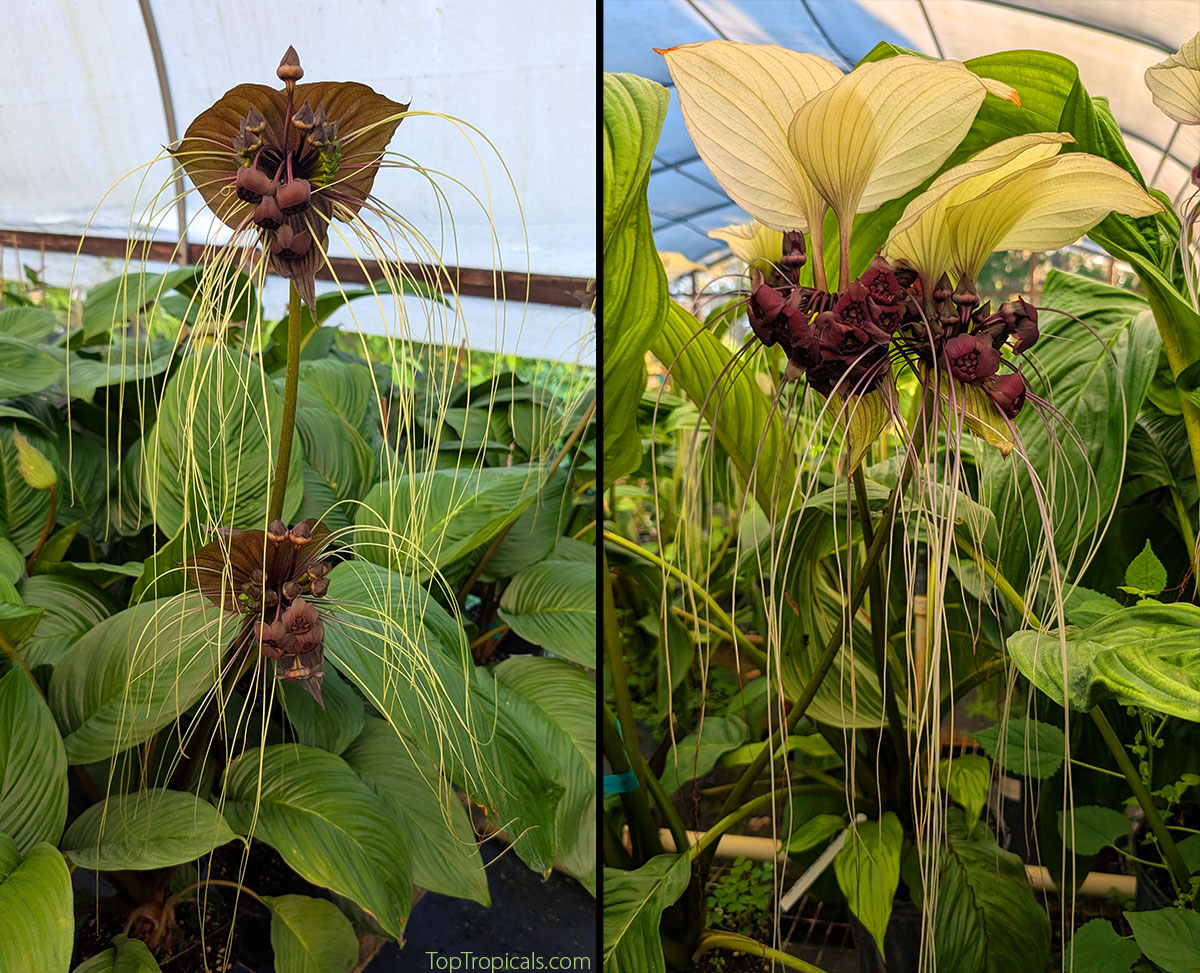
Black  Bat  Lily  and  White  Bat  Lily  plants  blooming  together  in  the  Top 


Tropicals  greenhouse,  showing  contrast  between  dark  maroon  and  ivory  bracts 


with  long  trailing 


whiskers.

Black and White Bat Lilies (Tacca chantrieri and Tacca nivea) side by side in bloom

How to Care for Bat Lilies

by Top Tropicals Plant Expert Tatiana Anderson

🌞 Light

  • Bright, filtered light. Morning sun or dappled shade is perfect.
  • Avoid direct midday sun outdoors — it can scorch the leaves.
  • Indoors, place near a bright window with sheer curtains or use a grow light.

🌡️ Temperature

  • Warm and stable, ideally 70-85 F during the day.
  • Protect from cold drafts or sudden chills.
  • Ideally, do not let temperature drop below 45 F, although Taccas can tolerate short period of upper 30's.

💧 Watering

  • Keep soil evenly moist but not soggy.
  • Water when the top inch feels barely dry.
  • Use lukewarm water.
  • Avoid letting the pot sit in water.

💨 Humidity

  • High humidity (60-80%) is key.
  • Mist leaves often, use a humidity tray, or keep near a humidifier.
  • In greenhouses or bathrooms with a skylight, it thrives naturally.

🌱 Soil

  • Use rich, loose, well-draining mix
  • Combine bark, peat, and perlite for ideal airflow around the roots.
  • Best mix for growing tropical Tacca in pots - soilless potting mix Abundance . It provides perfect drainage and has a texture similar to a jungle rainforest media.

🍽️ Feeding

  • During growth season (Spring through Fall), feed with Green Magic controlled release fertilizer every 6 months. For even better results, you may apply liquid fertilizer Sunshine Boosters Rubusta.
  • Stop feeding dry fertilizer in cooler months when growth slows. Liquid Sunshine Boosters are safe to use with every watering, year around.

🏡 Indoor Growing

  • Great for bright bathrooms, sunrooms, or any warm, humid corner.
  • Rotate pot occasionally for even growth.
  • Keep away from heating vents and AC drafts.

🌴 Outdoor Growing (in warm climates)

  • Partial shade or filtered light under trees.
  • Excellent in large containers that can be brought inside for winter.
  • Shelter from heavy rain and wind.

Sunshine: "So… it’s a diva?"
Smokey: "Exactly. But take care of it - and it rewards you with wings!"
Smokey and Sunshine: "Happy Halloween!"

🎥 Watch Short Videos:

🛒 Grow your own gothic masterpiece:
Shop Bat Head Lily Tacca

Date: 31 Oct 2025

👻 When plants grow wings...

Smokey  the  black-and-white  tuxedo  cat  stands  upright  holding  a  glowing 


jack-o'-lantern  filled  with  tropical  fruit,  while  Sunshine  the  fluffy  ginger
 
 
  tabby 


lounges  in  a  hammock  under  string  lights,  sipping  cocoa.  Around  them  are 


pumpkins,  lanterns,  and  tropical  plants  under  a  warm  twilight  sky.

🌴 Twilight in the garden. Smokey is holding a glowing pumpkin. Sunshine is sipping cocoa.

Sunshine: "Smokey, why does that plant look like it wants to fly away?"
Smokey: "That’s the Bat Lily - Tacca. It’s rare, it’s weird, and it’s in bloom just in time for Halloween."
Sunshine: "Figures. You always find the spooky ones."

Meet the Bat Lily (Tacca)

Tacca is also called the Bat Lily or Devil Flower. This tropical wonder grows bat-shaped wings and foot-long whiskers. The black form (Tacca chantrieri) looks straight out of a gothic dream, while the white one (Tacca nivea) is ghost-like and elegant.

Some of our plants are blooming right now in the nursery — true Halloween magic! Blooms are delicate and may not travel, but the plants are strong and will flower again soon in your care.

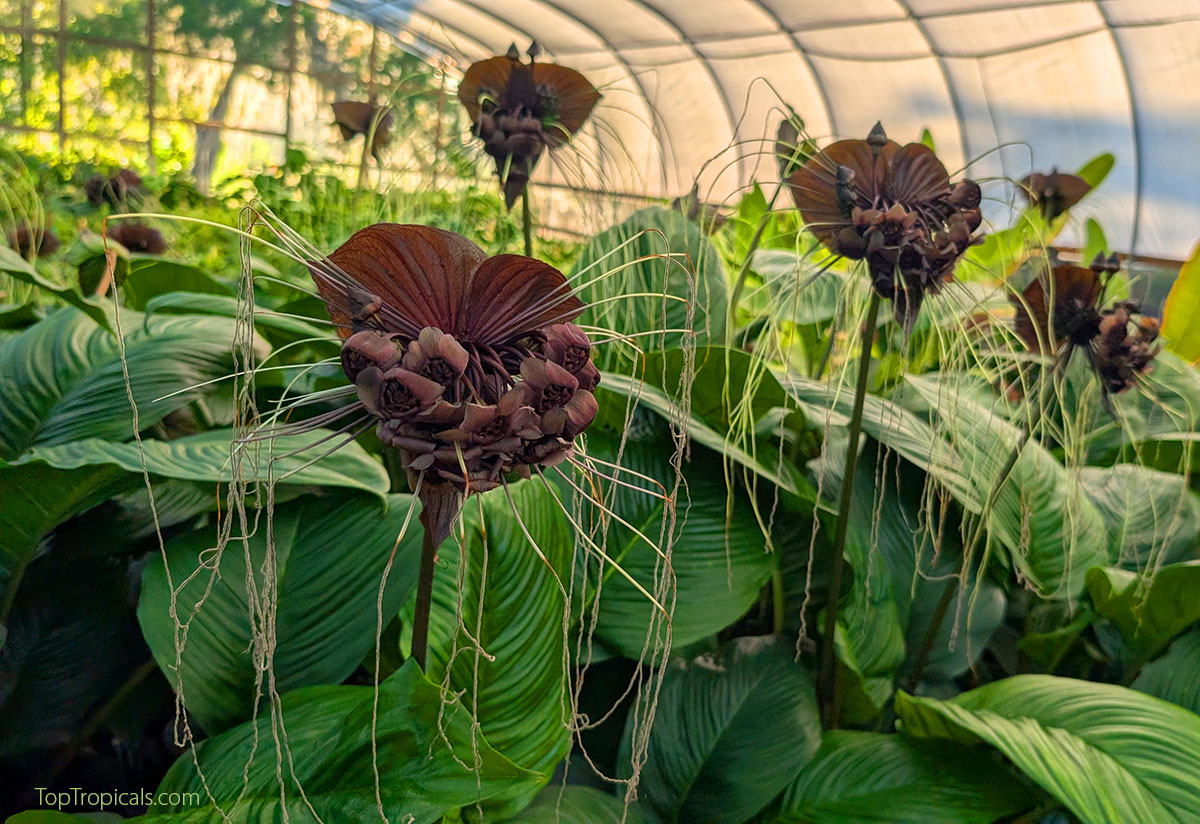
Black  Bat  Lily  (Tacca  chantrieri)  plants  in  bloom  inside  the  Top 


Tropicals  greenhouse,  showing  dark  maroon  bracts  and  long  pale  whiskers 


rising  above  large  green 


leaves.

Black Bat Lily (Tacca chantrieri) with dark maroon wings and long whiskers

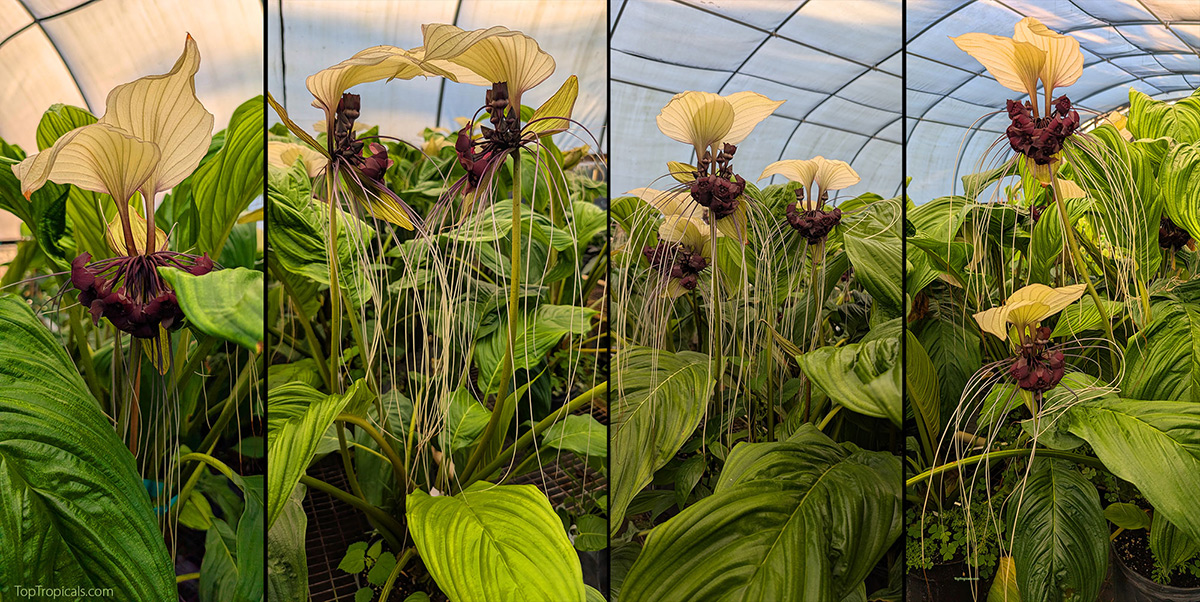
Close-up  of  White  Bat  Lily  (Tacca  nivea)  plants  in  a  greenhouse  at  Top 


Tropicals,  showing  large  white  bracts  and  long  trailing  whiskers  above 


glossy  green 


leaves.

White Bat Lily (Tacca nivea) in bloom with wide ivory wings

"The White Bat Lily (Tacca nivea) is bold and sculptural, with oversized ivory wings that command attention. Its pale bracts stretch wide above clusters of deep maroon flowers, and long, silvery whiskers spill gracefully through the foliage. In filtered light, the plant seems to glow from within — elegant, crisp, and perfectly balanced between the strange and the beautiful. If I could pick, I’d go with the White Tacca. It feels more architectural, more balanced — those oversized wings catch light in a way that shows off every vein and curve. It looks engineered by nature, almost like an alien design prototype that actually works.

The Black Bat Lily (Tacca chantrieri) feels alive with shadow. Its dark maroon wings and wiry whiskers make it look like something that fluttered out of the jungle at dusk. The bloom’s layered structure and near-black sheen give it a quiet power — mysterious, understated, but impossible to ignore. But if I were designing mood lighting for a greenhouse at night, the Black Tacca wins. It’s subtle, mysterious, like a secret only visible up close. Together, they’re perfect opposites — yin and yang of the tropical underworld: white for daylight, black for moonlight." — says Tatiana Anderson, Top Tropicals Plant Expert

Special Offer: Discounts on Rare Tacca Plants

Grow your own Bat Lilies — White or Black — at a special Halloween price!

Get 25% OFF Tacca plants with code

TACCA2025

Min order $25 (excluding S/H), valid online only, cannot be combined with other offers.

Hurry, offer expires November 03, 2025!

🎃 Storewide Halloween Sale – For Everything Beyond Tacca

Not into spooky plants? Enjoy savings on all other tropical plants across the store!

Get 15% OFF tropical plants with code

HALLOWEEN2025

Min order $100 (excluding S/H), valid online only, cannot be combined with other offers.

Hurry, offer expires November 03 2025!

👉 Collect Tacca plants:

Black - Tacca chantrieri

White - Tacca nivea

Green - Tacca leontopetaloides

Date: 30 Oct 2025

Possum Petes night visit

Possum Petes night visit

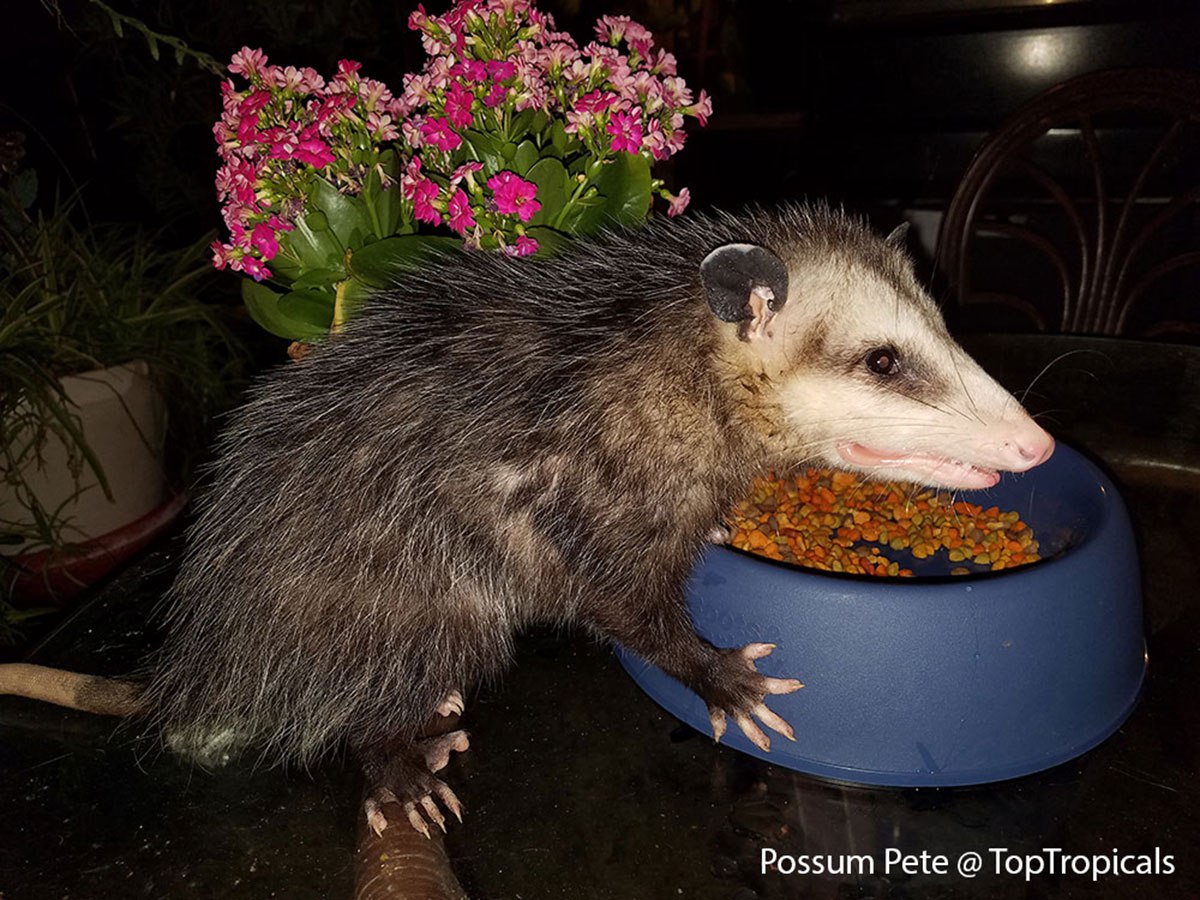
🐭 Possum Pete's night visit


"If it fits in your mouth, it’s yours." - Garfield (Jim Davis)

What do possums eat?
Obviously, cat food!

🐈📸 Possum Pete invited himself for a cat food dinner at TopTropicals PeopleCats.Garden.

#PeopleCats #Quotes

🟢 Join 👉 TopTropicals

Date: 30 Oct 2025

Before you open a bottle of wine,

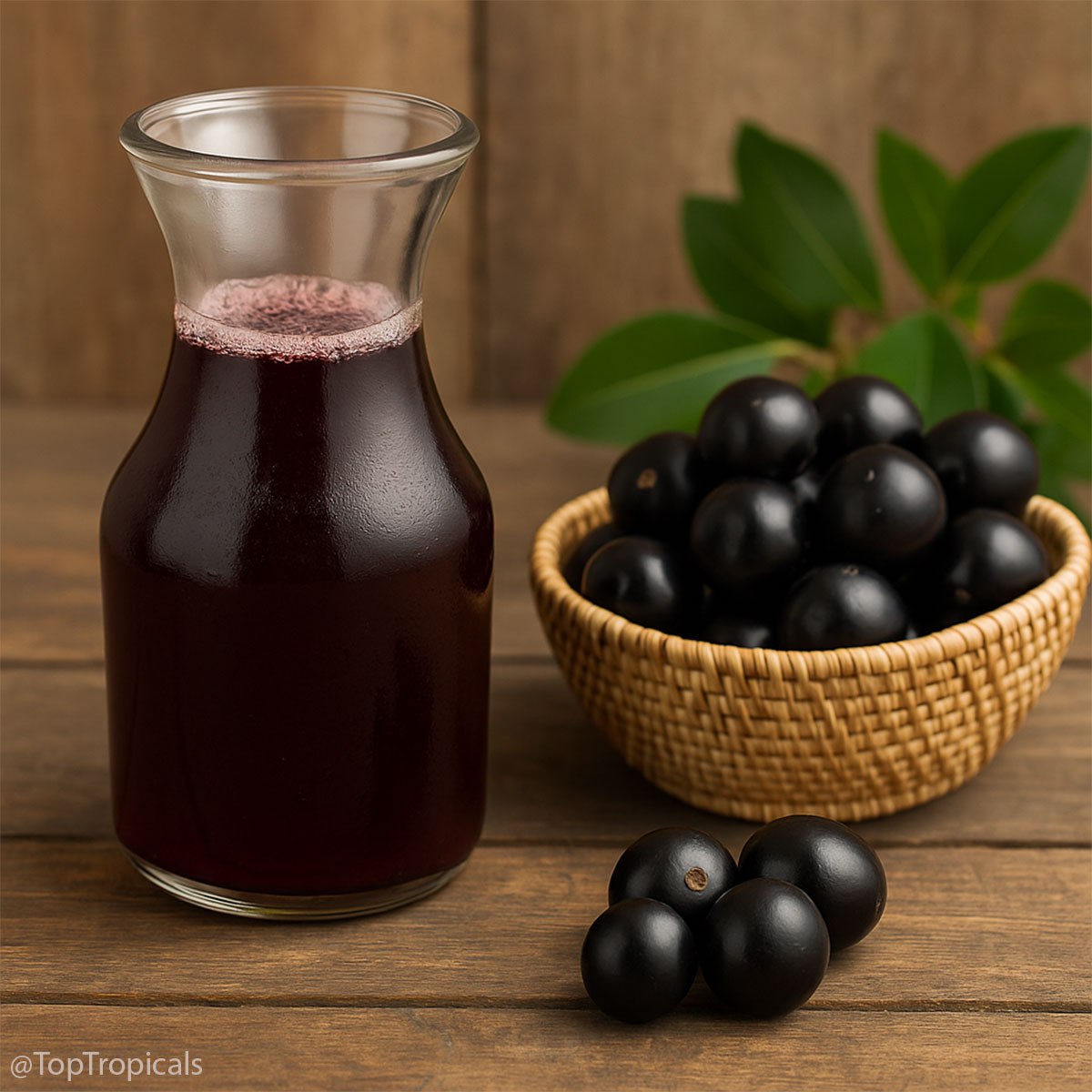
Jaboticaba (Myrciaria cauliflora)

🍷Before you open a bottle of wine, meet the Secret Wine Tree from Brazil
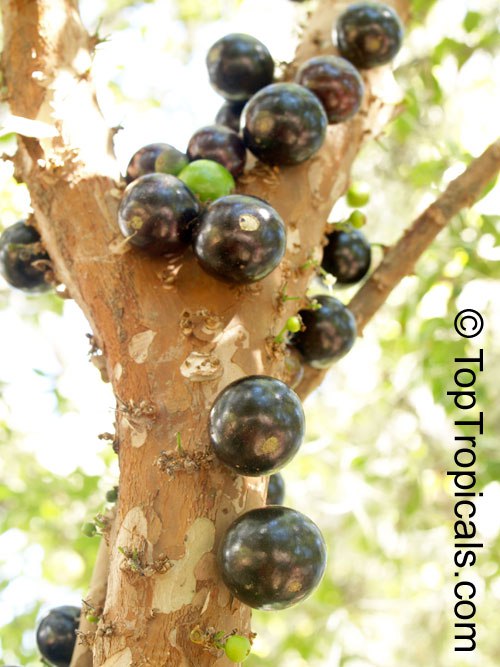
  • 🍷Jaboticaba (Myrciaria cauliflora) grows grapes right on its trunk! It's one of Brazil’s most fascinating and beloved native fruits. Its name alone sounds exotic, but wait until you see it in fruit: shiny, grape-like berries bursting straight from the bark!
  • 🍷 Jaboticaba is the source of the famous Brazilian wine Vinho Tinto de Jabuticaba. The fruits are small, dark purple, with a thick skin and a sweet, melting pulp that tastes a lot like black currant. They can be eaten fresh, made into jams, or fermented into homemade wine with an incredible aroma and rich color.
  • 🍷 Jaboticaba tree is slow-growing and compact, often used as a bonsai because of its small leaves and graceful shape. But patience pays off - mature trees covered in purple fruits are absolutely stunning! The fruiting habit, called cauliflory, means the fruits grow directly from the trunk and main branches, creating a truly one-of-a-kind look.
  • 🍷 Jaboticaba trees can handle some cold (down to mid-20's once mature), don't mind wet rainy seasons and can be grown in containers in cooler areas. They make beautiful landscape trees and conversation starters wherever they’re planted.
  • 🍷 If you've ever dreamed of making your own wine from fruit grown in your backyard, this is the tree for you. Jaboticaba isn’t just a plant - it's an experience, a piece of Brazil's culture, and a living work of art that rewards patience with magic.


🛒 Grow your own wine from Jaboticaba Tree

📚
Learn more:


#Food_Forest #Nature_Wonders #Container_Garden
🟢 Join 👉 TopTropicals

Date: 30 Oct 2025

Jaboticaba wine: quick-n-fun exotic recipes

Jaboticaba (Myrciaria cauliflora)

Jaboticaba (Myrciaria cauliflora)

Jaboticaba wine

Jaboticaba wine

A homemade tropical wine with rich berry flavor and a hint of earthiness. This traditional Brazilian recipe turns fresh Jaboticaba fruit into a deep purple wine with a unique aroma and flavor somewhere between grape and plum. Easy to make, fun to share!

🍴 Jaboticaba wine: quick-n-fun exotic recipe

Ingredients

  • 4 lb fresh ripe Jaboticaba fruits (Myrciaria cauliflora)
  • 2 to 3 cups granulated sugar per gallon of pulp
  • 1 gallon non-chlorinated water
  • 1 tsp wine yeast (optional)
  • 1 cinnamon stick or a few cloves (optional)
  • Clean glass fermenting jar or food-grade bucket with loose cover

Instructions

  1. Wash and lightly crush Jaboticaba fruits. Do not remove skins; they add flavor and color.
  2. Mix crushed fruit with sugar and enough water to make about one gallon of pulp. Stir until sugar dissolves.
  3. Cover loosely and leave in a warm place (70-80F). Stir once or twice daily. Fermentation begins within 1-2 days.
  4. Let ferment 5-10 days, stirring daily. When bubbling slows, strain through cheesecloth into a clean jug.
  5. Seal loosely with an airlock or vented cap. Rest 2-4 weeks in a cool, dark spot (60-70F).
  6. Carefully pour clear wine into bottles, leaving sediment behind. Cork and let age a few more weeks.
  7. Chill before serving. Enjoy responsibly!

Tips

  • Reduce sugar to 1.5 cups per gallon for a drier wine.
  • Add more sugar after first fermentation for a sweeter dessert wine.
  • Add a spoon of honey for a floral note.
  • Save the skins to make Jaboticaba syrup or jam.

Grow your own exotic Jaboticaba fruit

📚
Learn more:
#Food_Forest #Recipes
🟢 Join 👉 TopTropicals