Garden Blog - Top Tropicals

Date: 16 Nov 2025

Updates from Mittens
Updates from Mittens Updates from Mittens Updates from Mittens
🕺 Updates from Mittens
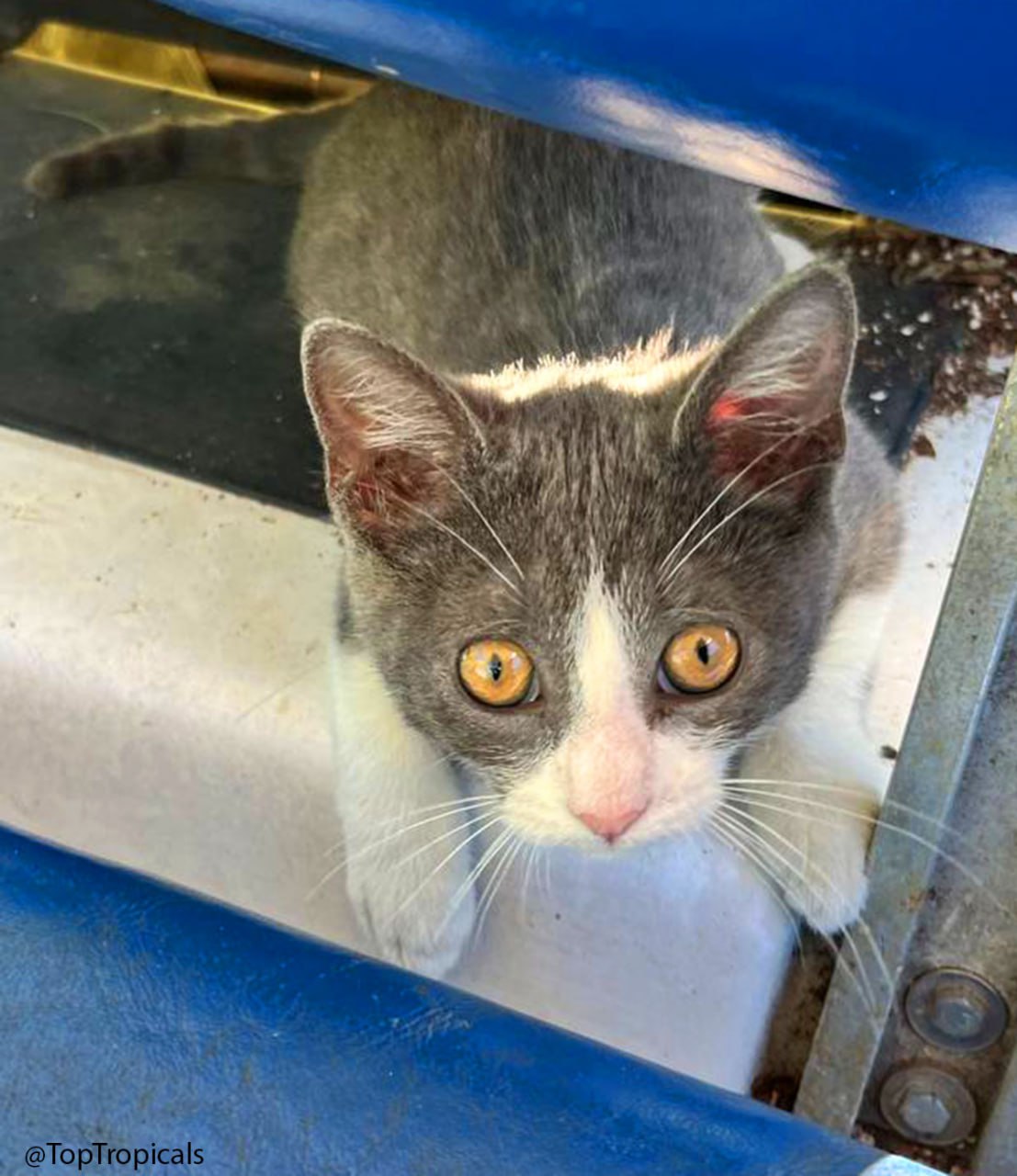
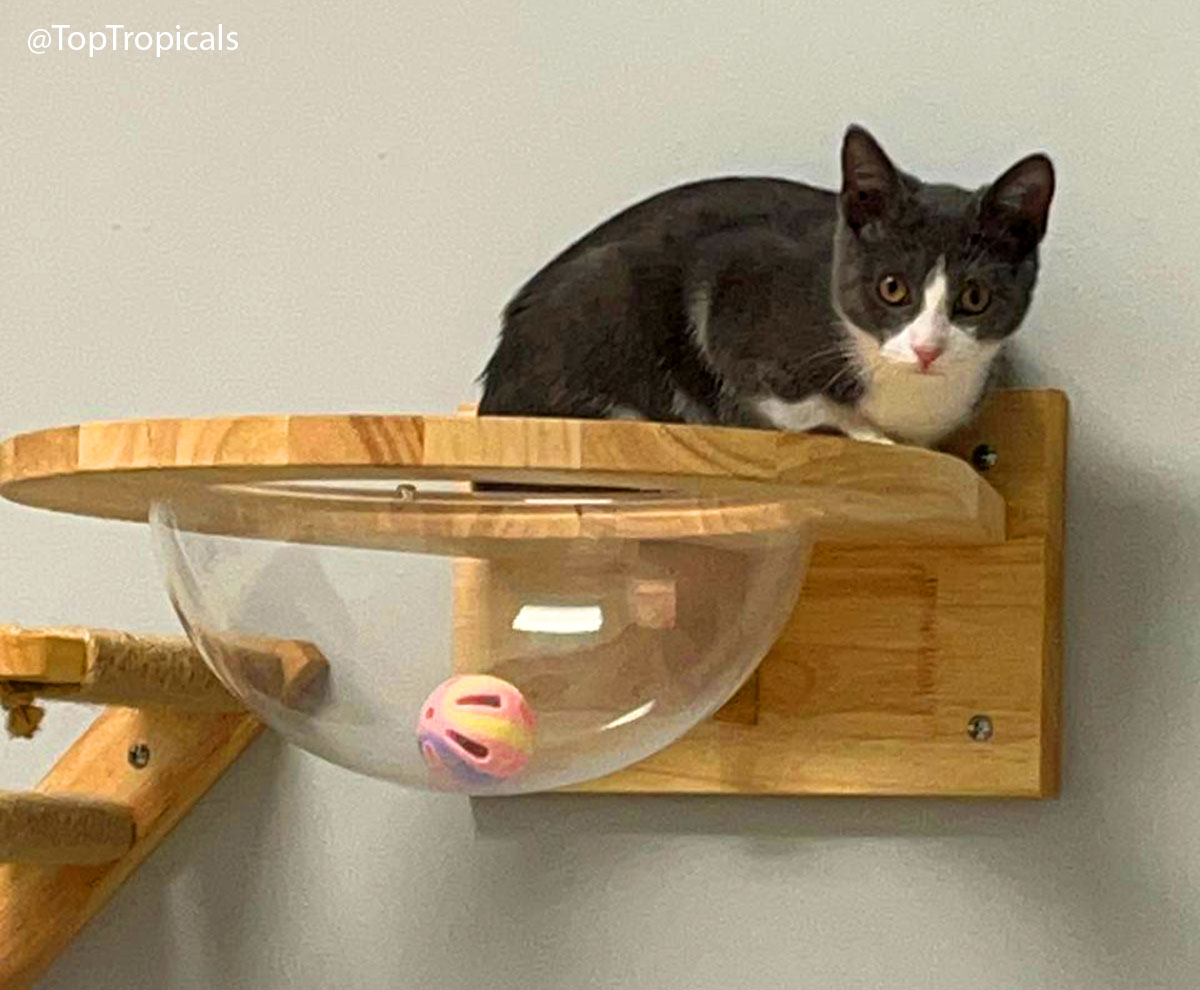
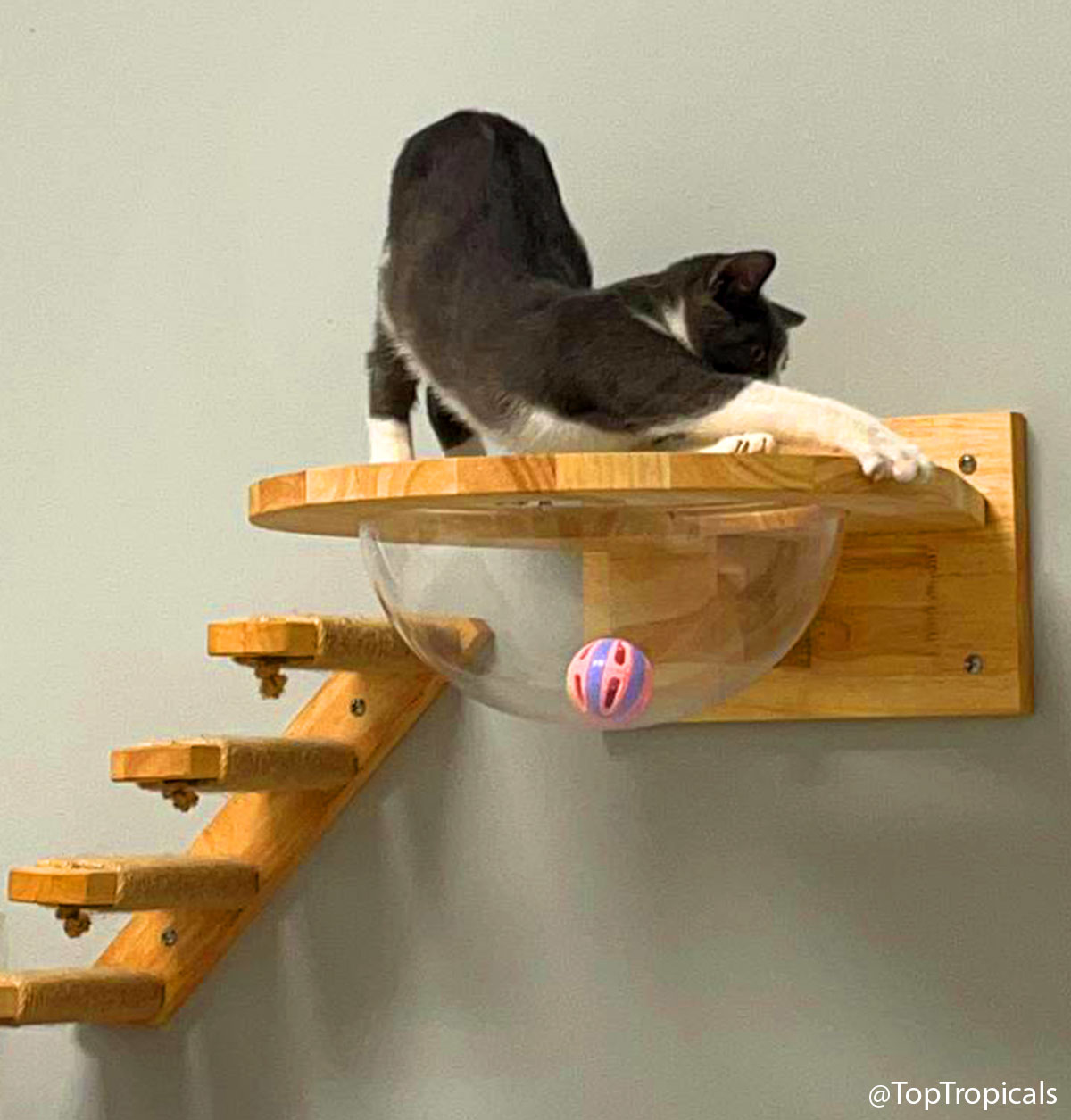
  • 🐾 Mittens is growing up fast and turning into a beautiful young lady! She still follows Chiane to work every single day and hasn’t missed a shift yet. Talk about dedication! Sometimes you just get lucky and find the perfect team member - and we sure did!

  • 🐾 At TopTropicals, we’re truly blessed with a crew of hardworking, happy people and equally devoted #PeopleCats.

  • 🐾 When you visit our Garden Center in Ft Myers, don’t forget to say a few kind words to our team - they work tirelessly to care for the plants and make sure each one is shipped safely to your home.


🐈📸 Mittens the Cat relaxing after hard work at TopTropicals PeopleCats.Garden

#PeopleCats

🟢 Join 👉 TopTropicals
Date: 16 Nov 2025

How to bring butterflies in your garden with Ditchmans Pipe

Aristolochia trilobata - Birthwort Dutchman's Pipe

How to bring butterflies in your garden with Ditchmans Pipe
  • 🐙 Aristolochia trilobata - Birthwort Dutchman's Pipe, is one of the most striking butterfly plants. The brown-and-green, pitcher-shaped flowers with long striped tails look like something from another world, and the glossy lobed leaves give the vine a bold, tropical look.
  • 🐙 What makes this plant truly special is how butterflies respond to it. They are drawn to the scent of the flowers and use the vine as a host plant, laying their eggs on the leaves. If you want butterflies, this is one of the easiest ways to bring them in and support their full life cycle.
  • 🐙 This vine is tough and adaptable. It grows well in subtropical climates, handles low light, and can even be kept indoors. Give it a trellis or a fence and it quickly turns into a showpiece.
  • 🐙 Beautiful, unusual, and a butterfly favorite - Dutchmans Pipe is a natural magnet for life in your garden.


🛒 Bring butterflies to your garden!

📚 Learn more:

#Butterfly_Plants #Hedges_with_benefits #How_to

🟢 Join 👉 TopTropicals

Date: 16 Nov 2025

Tropical almond brittle: quick-n-fun exotic recipes

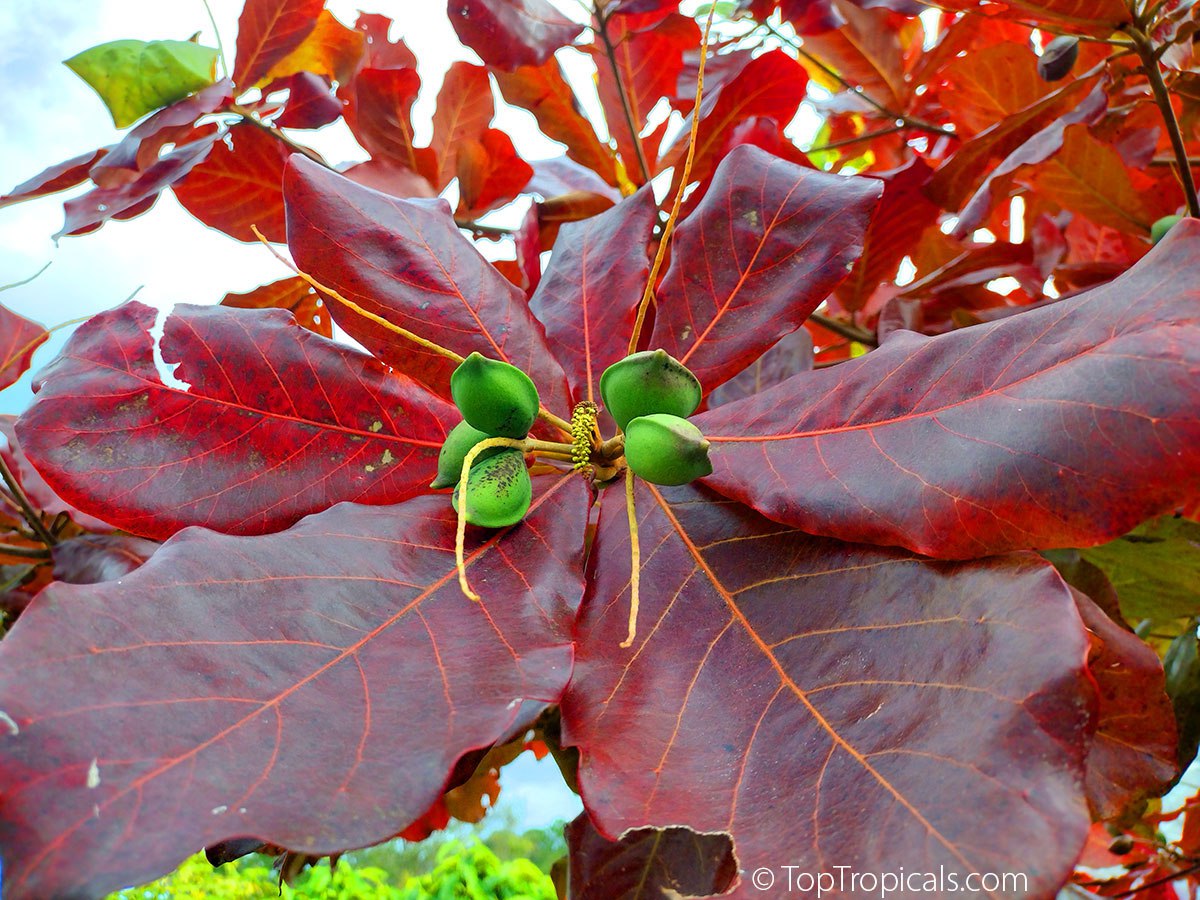
Tropical Almond (Terminalia catappa)

Tropical Almond (Terminalia catappa)

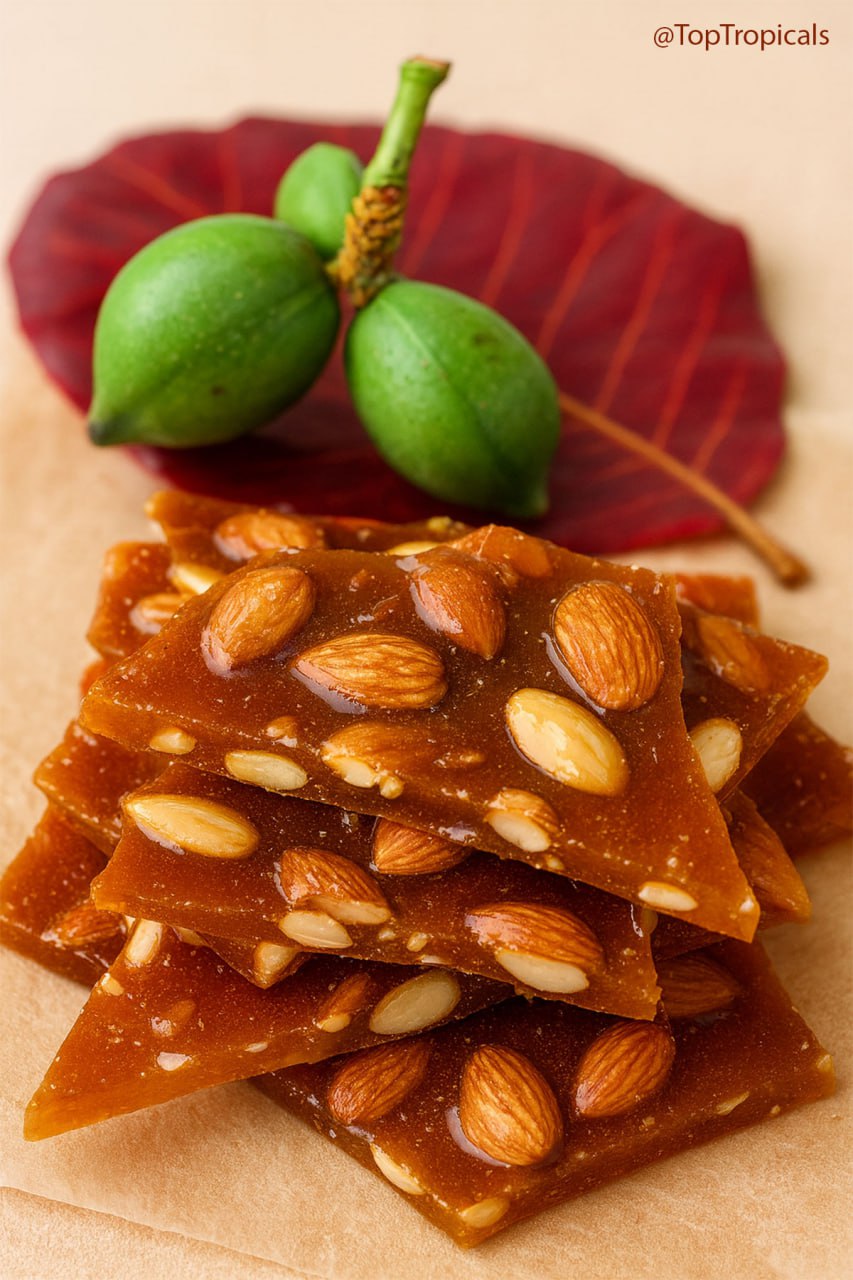
Tropical almond brittle

Tropical almond brittle

🍴 Tropical almond brittle: quick-n-fun exotic recipes
  • 🟢Caramelize sugar, stir in roasted tropical almonds (Terminalia catappa), spread thin.
  • 🟢Let cool, harden, and break into crunchy, nutty shards.

Tropical Almond Brittle

Ingredients

  • 2 cups roasted tropical almonds (Terminalia catappa)
  • 1 1/2 cups sugar
  • 1/2 cup water
  • 1 tbsp butter
  • Pinch of salt

Instructions

  1. Combine sugar, water, and salt in a saucepan.
  2. Cook over medium heat until sugar caramelizes to a golden amber color.
  3. Remove from heat and quickly stir in roasted tropical almonds.
  4. Pour onto parchment paper and spread into a thin layer.
  5. Let cool completely, then break into brittle shards.

🛒 Grow your own almonds

📚 Learn more:
▫️Where do almonds come from?

#Food_Forest #Recipes

🟢 Join 👉 TopTropicals

Date: 15 Nov 2025

Hurricane season is not over! Here is the safest place

Cat Timo

☂️ Hurricane season is not over! Here is the safest place

"Shelter yourself from the storm on the inside. Others can only hold the umbrella." - Mahatma Gandhi

🐈📸 Cat Timo on a rainy day at TopTropicals PeopleCats.Garden

#PeopleCats #Quotes

🟢 Join 👉 TopTropicals

Date: 15 Nov 2025

What to do and not to do before a cold snap?

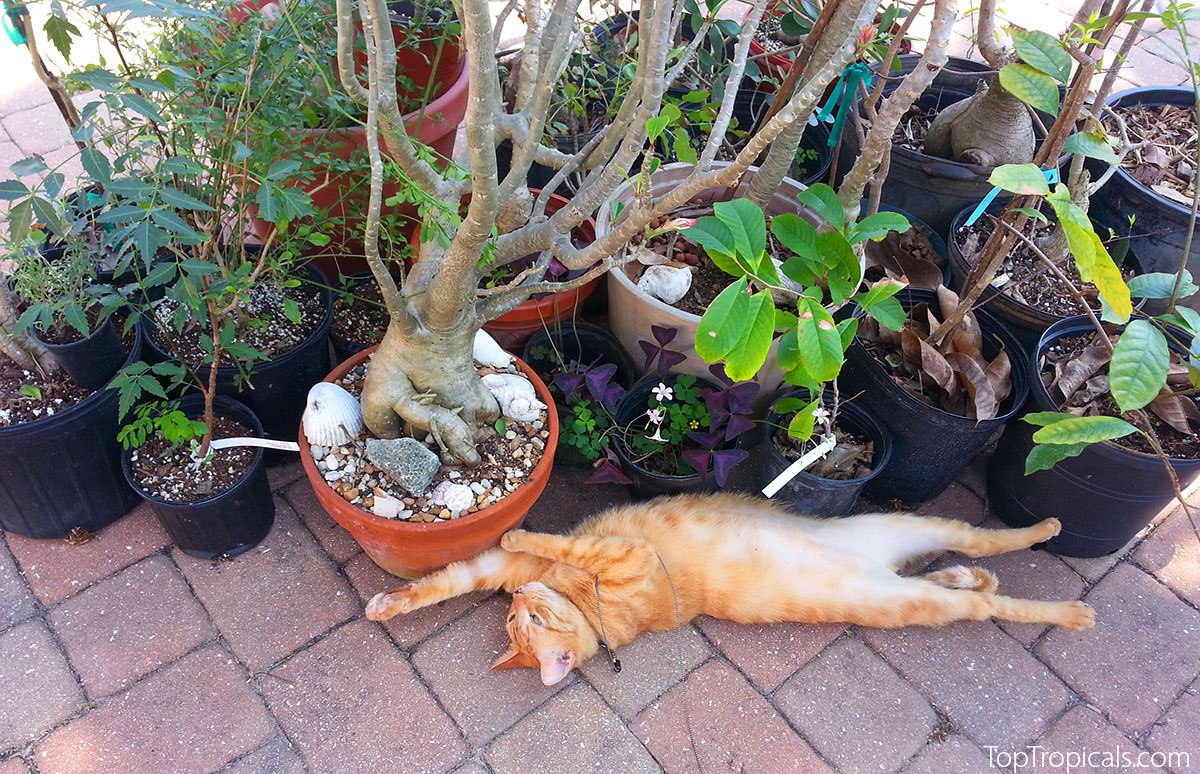
Cat and potted plants

Cat and potted plants

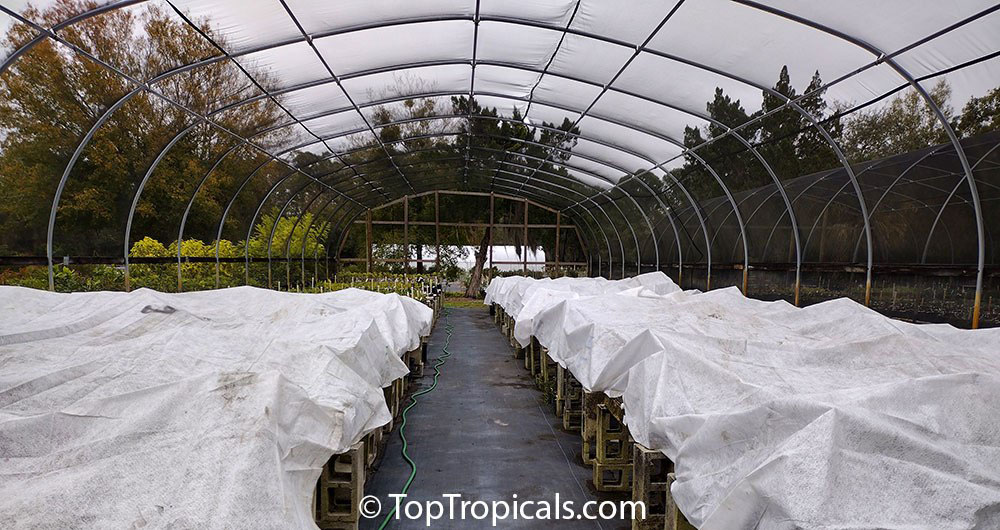
Frost covers

Frost covers

What to do and not to do before a cold snap?

Growing tropical plants outdoors? Here are a few practical notes for your cold protection guide.

⭕️ 5 things to DO to prepare your plants before a cold snap:

1. Water well. A well-hydrated plant is stronger. Juicy stems and leaves handle cold better than dry ones.
2. Add mulch. A thick layer around the base helps insulate the roots and keep them warm.
3. Block the wind. Move pots to a sheltered spot or set up a windbreak.
4. Cover at night, uncover by day. Use frost cloth, blankets, or plastic at night - but remove during the day so plants don’t overheat in the sun and can get as much light as possible.
5. Add gentle heat if needed. Christmas lights or a small heater can help - just use caution and make sure everything is safe.

5 most common mistakes, what NOT to do before or during a cold snap:

1. Don’t prune. Fresh cuts and new growth are tender and will freeze first.

2. Don’t overwater. Cold and soggy roots can rot. Keep soil moist, not soaked. Water just enough to quench the plant’s thirst and fill stems and leaves with moisture. Cold and wet is a dangerous combination.

3. Don’t let plants dry out either. Wilted, thirsty plants are more likely to suffer cold damage. Cold and dry can be just as harmful as cold and wet.

4. Don’t use dry fertilizer. It can burn roots in cold soil. A gentle liquid feed like amino-acid Sunshine Boosters is an exception and safe to use with every watering. Its intake naturally slows down as watering decreases.

5. Don’t just watch the thermometer. Duration and wind chill matter. A long cold night with wind can do more harm than a brief freeze.

✔️ Keep these in mind, and your plants will thank you when the cold passes!

#How_to

🟢 Join 👉 TopTropicals