Garden Blog - Top Tropicals

Date: 26 Jan 2022

Don't miss this one:
PodCast Premiere!

Episode 1
How to Protect Tropical plants in Winter: Q & A

Featuring Horticulturist Mark Hooten

...We are introducing our new Series: Top Tropicals Podcast. Growing tropicals and pushing the limits. Watch the first episode:

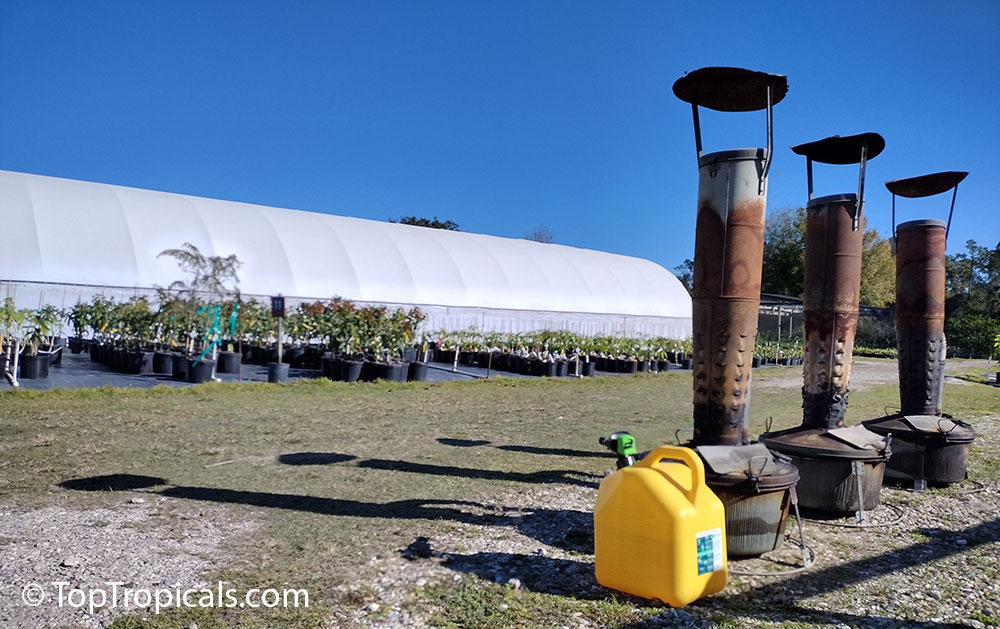
How to Protect Tropical plants in Winter

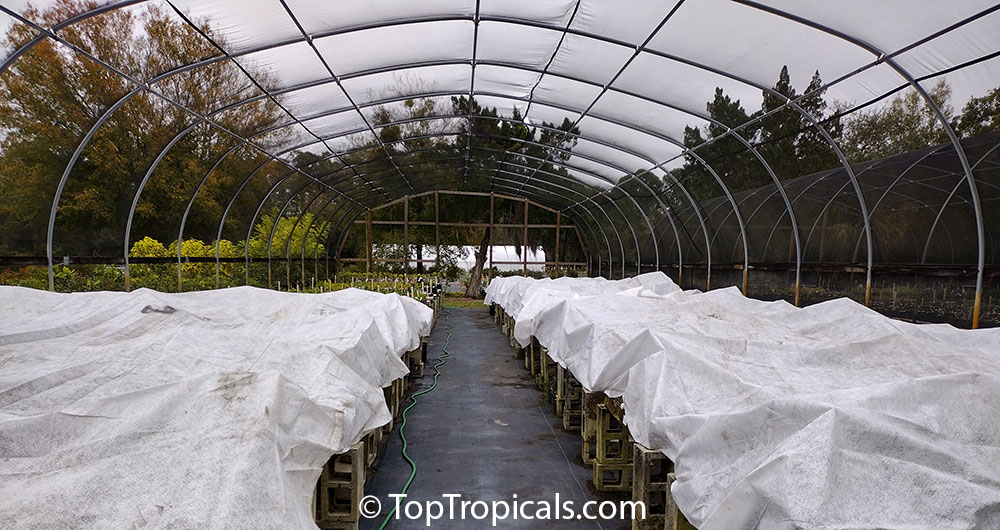
...Who doesn't like tropical beauty? Everyone wants tropical plants. But not everyone lives in a warm climate. Is it possible to grow tropicals outside of Tropics?
Top Tropicals horticulturist Mark Hooten, who is well known to many gardeners as the Garden Doc with his Saturday Plant Clinic, is answering gardeners' questions about how to prepare and protect tropical plants during winter...

Premiere scheduled:
Thursday, January 27, 8:00 AM

More about cold hardiness and cold protection:

Cold hardy tropical fruit trees
Growing Stephanotis and cold protection
Cold protection of tropical container plants
Plumeria cold protection
Ghost Cold Protection
Seven rules of cold protection for tropicals
Improving cold hardiness before winter: fertilizer and micro-elements
3D garden ideas and winter cold protection
Cold protection - winter action for your plant collection
About Cold Protection

Date: 27 Apr 2020

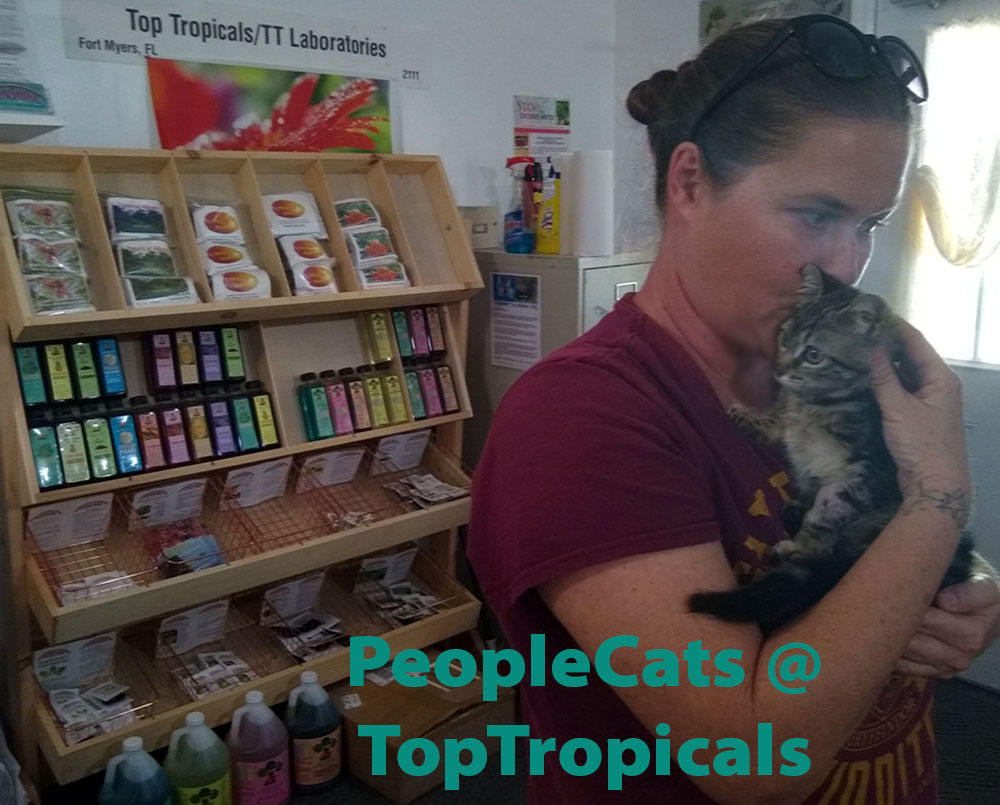
PeopleCats of TopTropicals. Cats of the day: Biggy's Cat Hospital

Biggy checking on patient Abu when he couldn't walk

During these challenging times for the whole planet, we receive kind letters from our customers checking on how our PeopleCats are doing, especially those that previously were ill. And since we promised to follow up on everyone, including heart-breaking story of Raja and Abu, today's report is about everybody's progress!

As we mentioned in our previous newsletter, several cats in TopTropicals Cat Sanctuary had a coronavirus (we call it COVID-Cat-20), or simply a cat respiratory infection. Chiefy, Snitch, Marco and Biggy had it really bad, but some other PeopleCats surprisingly didn't get it! Just like with humans. Lucky King didn't have a single sneeze!
Finally, everybody has recovered by now, but it has been a very stressful couple of weeks for us, considering limited vet availability at this stay-home time. On top of that, Lil S had an abscess and was also contained in a home hospital, away from flu-quarantined PeopleCats. Our homes become real cat hospitals!
We are thankful to our customers support, especially Silvia who made several donations for our PeopleCats, and also recommended antiseptic pads - those worked great for Lil S!
Abu and Raja's adventures were not over... After 2 weeks of seeing a vet treating their infections and injuries, they got worse... Then after a couple of weeks in another hospital (and a couple thousand more in bills) we were suggested to put them down as hopeless since they would never walk again... But Kristi did not want to believe it, she did not give up! The kittens heard her. They won. Today, they are all better, walking, jumping and playing!

Thank you Kristi!
Never give up hope!

Stay safe and healthy with your PeoplePets!

TopTropicals PeopleCat Club

Thank you everybody for supporting us in helping PeopleCat Community!
Make your kind donation today and receive a surprise gift from us. Every little bit helps! Thank you and God bless you and your pets!

Date: 3 Aug 2025

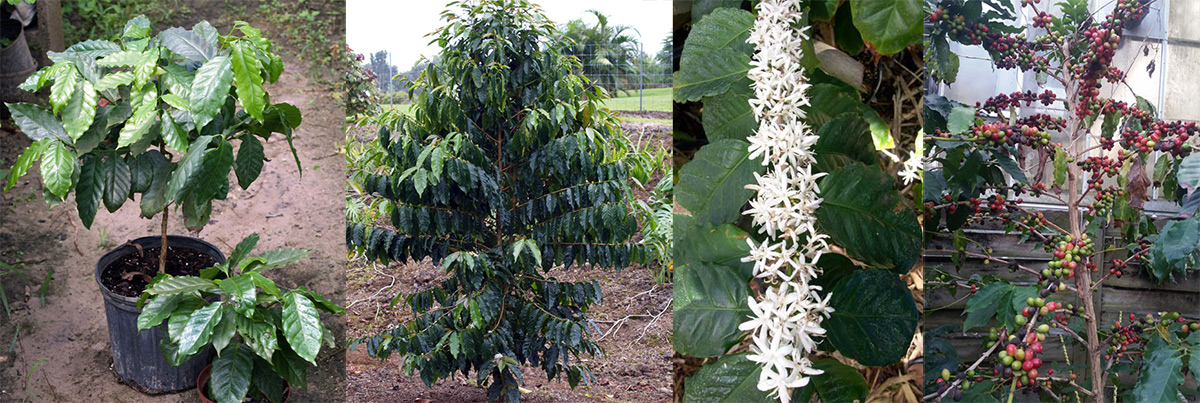
Four stages of Coffee Tree growth: a young potted plant, a mature tree in the ground, white star-shaped blooms, and a branch full of ripening red and green coffee cherries.

What is the most popular and easiest tropical fruit tree to grow indoors?

No doubt about it - it's the Coffee Tree.

  • Coffee is shade-loving and easy to grow with regular water
  • It grows into a dark green shrub or small tree (about 3 to 5 feet tall in a pot)
  • Its fragrant, star-shaped flowers resemble gardenias
  • The whole fruit is edible and turns green to yellow to red
  • The seeds are real "coffee beans" that can be dried, roasted, and ground at home.

Five Reasons to Grow a Coffee Plant

  • Perfect Indoor Fruit Tree: Thrives in filtered light and stays compact
  • Low Maintenance: Forgiving, adaptable, and ideal for new gardeners
  • Aesthetic Appeal: Glossy green leaves and clusters of white blooms
  • Homegrown Coffee: Yes, you can roast your own beans.
  • Year-Round Beauty: Evergreen with seasonal fragrance

Coffee Plant Care Tips

  • Light: Bright, indirect light is best. Avoid harsh afternoon sun.
  • Water: Keep soil lightly moist but not soggy. Let the top inch dry out before watering again.
  • Humidity: Loves higher humidity. Mist regularly or place on a pebble tray.
  • Fertilizer: Use a balanced, gentle fertilizer like Sunshine Boosters C-Cibus every few weeks during growing season.
  • Soil: Loose, rich, and well-drained. High in organic matter and slightly acidic. For potted plants, use a quality indoor tropical mix, such as Top Tropicals Abundance mix
  • Repotting: Refresh soil and size up the pot every 1–2 years to keep roots healthy.
  • Can I grow it outdoors?: Yes - bring it outside in warm months and back indoors before frost. It's best suited for USDA zones 10-11, but container growing gives you flexibility in cooler climates.
  • How long until I get beans?: Expect flowers and fruit within 3 to 4 years from seedling stage - often sooner if you start with a young tree.
  • What does the fruit taste like?: Mild and sweet-tart, like a mix between a cherry and a cranberry. You can eat it fresh.

How to Make Coffee from Your Own Tree

  • Harvest: Pick the ripe red cherries
  • Pop and Soak: Squeeze out the beans and ferment 1-2 days to remove pulp
  • Dry: Spread out to dry for 1-2 weeks until hard and papery
  • Husk: Remove the thin shell to reveal green beans
  • Roast: Use a dry skillet or oven until fragrant
  • Grind and Brew: Cool, grind, and enjoy the freshest coffee you've ever had.
    Learn more: How to make your own coffee from homegrown beans

Coffee Health Benefits

  • Rich in antioxidants - supports heart and brain health
  • Boosts focus and mental alertness
  • Supports metabolism and fat-burning

Why Coffee Makes the Perfect Gift Plant

  • Long-living and beautiful
  • Symbolic, useful, and personal
  • Great for coffee lovers, gardeners, and the "person who has everything"

Read Garden Blog about Coffee

Shop Coffee Plants

Date: 16 Nov 2019

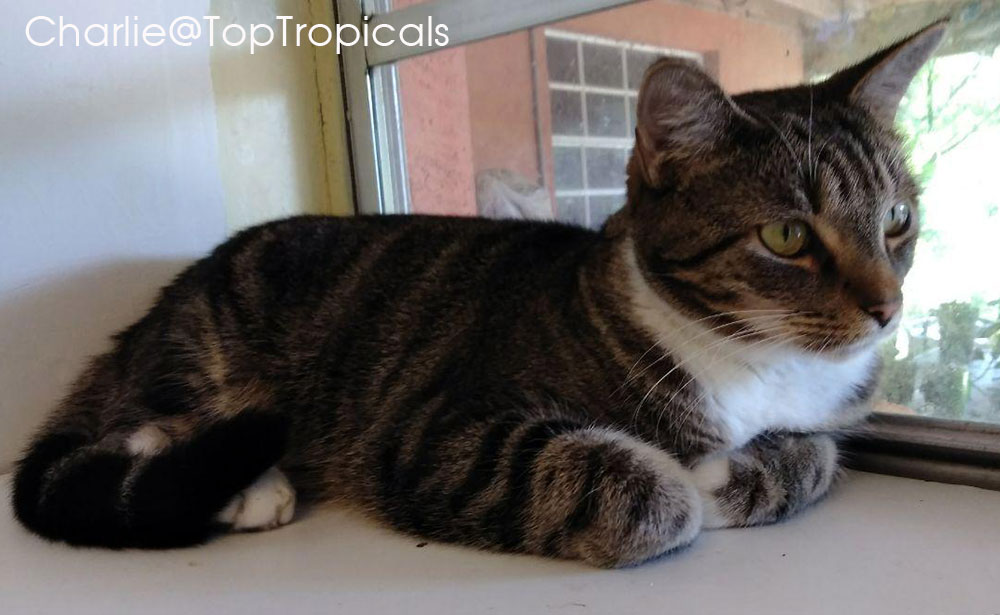
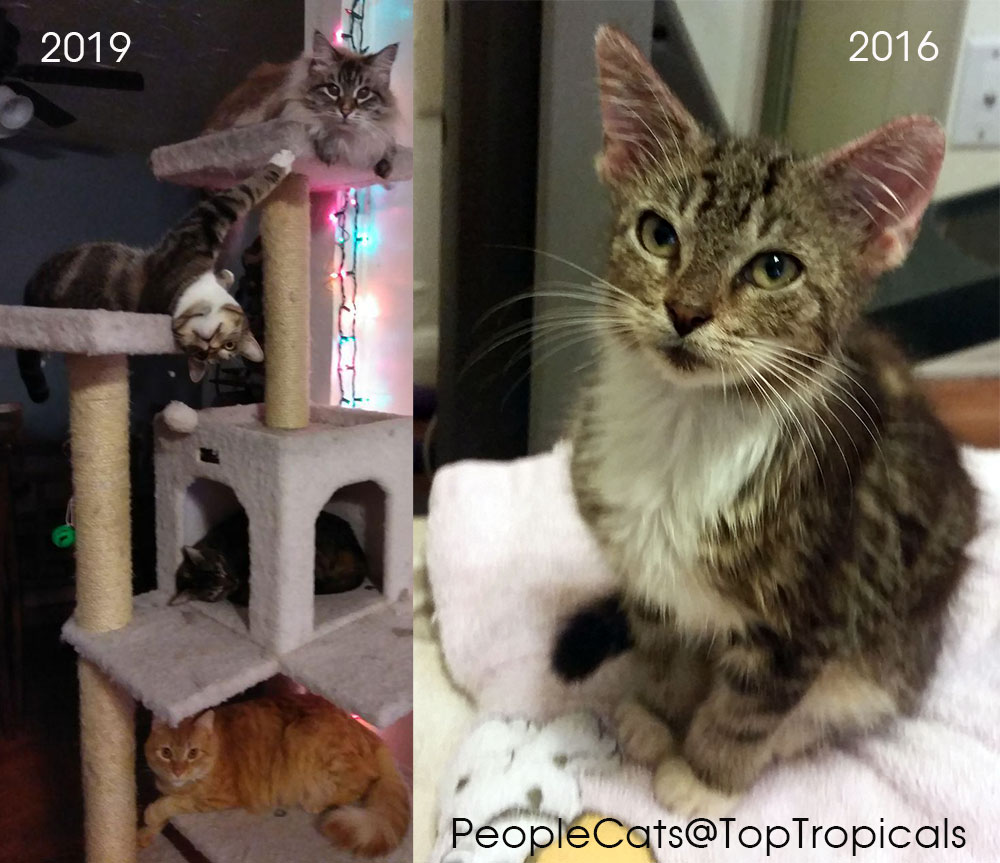
Meet PeopleCats of TopTropicals. Charlie, the Indoor Hunter

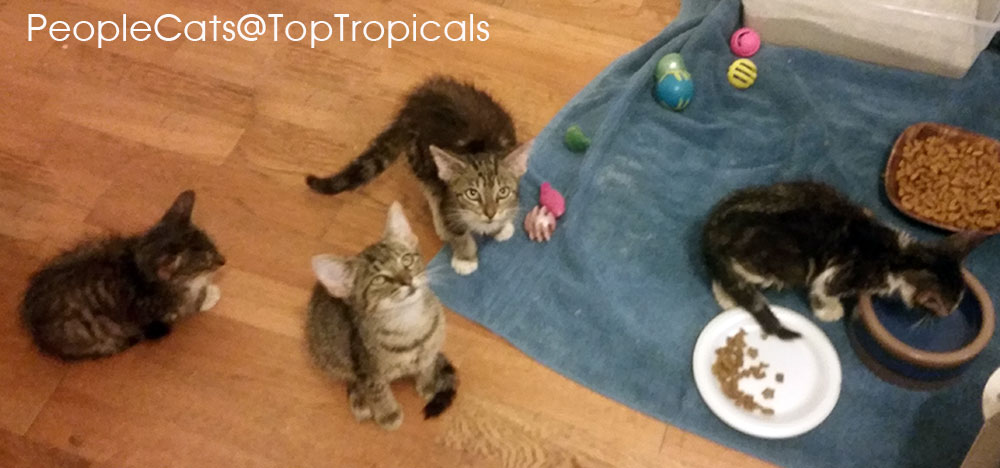
Carlie was a kitty drop off with LadyBug, Rickie, and Purry.
Charlie is Jamie's baby. She has an attitude of a teenager, one minute she loves you and the next - wants nothing to do with you. Carlie stays with the inside PeopleCats, she says it's too big in the outside world for her and she gets scared. Carlie has a fun game (fun to her): she plays around 2:00 am in the morning, she loves to drag random items down the hall (socks, toys, shirts, even blankets) in her mouth MEOOOWWWING as loud as she can. She then sets the items down on her human's bedroom rug and waits for her human to say thank you. We're pretty sure her hunting instinct is off...

Check out and more Cat of the Day stories.

2019, from Top to Bottom: Moe, Charlie, Bagheera, and Snitch. 2016: Charlie

From left to right: Purry, LadyBug, Charlie, and Ricki - 2016

Date: 29 Nov 2020

Cold protection of tropical container plants

Q: I am long time customer of yours, I live in San Diego California and while the summer and Fall temperatures are warm to mild, the winter temperatures dip to a point where some tropicals die off. We are experimenting with different variations of way to heat and insulate the pots we have the tropicals planted in as a way to keep them alive during the colder winter months. I was wondering if you knew of the ideal soil temperature for these tropical in order to look their best year round. All of the heaters we have installed have thermostats and temperature adjustments so we can now keep the soil anywhere between a range of between 65-75 degrees. Any advise you can provide would be greatly appreciated.

A: This is a very interesting concept you are working with. Indeed, keeping pots/roots warm, may help a lot! We've been experimenting with cold protection for a long time - for the above-ground plant parts. For sure keeping roots protected (even with a thick layer of mulch) will benefit tropical plants during winter. In case with container plants, this may help dramatically.
The guideline is, tropical plants slow down or stop their metabolism at 65F. As long as you can keep soil above that temperature - this should work great. Of course, the higher the better.
Optimum temperature for growing tropical plants in general - 70-85F. Above 90F, metabolism stops too, unless it's a heat tolerant, desert plant.

More information on winter cold protection of tropical plants and zone pushing:

Greenhouse in Virginia
Plumeria cold protection
Ghost Cold Protection
Seven rules of cold protection for tropicals
About Cold Protection
Cold protection - winter action for your plant collection
Tropical Treasures articles on zone pushing.