🎨 Did you know that Lipstick plant has pretty flowers?
🌸 Bixa orellana - Lipstick Tree, Annatto, Achiote Bixa flowers are special not just for their beauty but for what comes next - annatto!
🌸 These delicate, pinkish-white blooms with soft petals give way to spiky seed pods filled with bright red seeds, which are the source of the natural dye and spice known as annatto.
🌸 Often called the “lipstick tree,” Bixa is celebrated for these seeds, used to color and flavor foods and even in cosmetics. So, those pretty flowers aren’t just decorative - they are the start of something vibrant and useful!
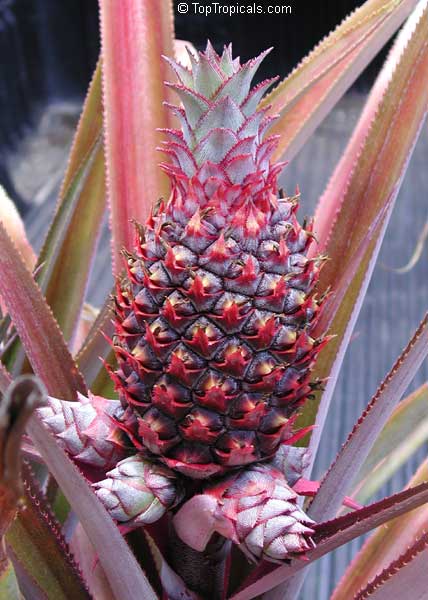
🍍 Bred by the Libby fruit company for Florida's unique climate, the Florida Special Pineapple once thrived across 240 acres in Immokalee before Libby sold to Nestle.
🍍 This variety produces medium to large, golden-yellow fruits with a perfect balance of sweetness and tang. Known for its resilience, it can withstand temperatures down to the mid-30s without internal damage, making it a great choice for subtropical gardeners.
🍍The plant's compact size, reaching 2-3 feet, makes it perfect for containers, patios, or garden beds. Its spiny green leaves form a striking rosette, adding tropical flair to any space. Whether grown for its juicy fruit or ornamental appeal, the Florida Special brings a slice of paradise to your garden!
🍍 Enjoy it fresh, in smoothies, or as a tasty addition to tropical dishes.
📚 Learn more about pineapples from previous posts:
💙 The variety Regina, discovered in Brazil lounging by the ocean, was introduced by plant enthusiast Sid Gardino, who named it after his wife, Regina - talk about romance!
💙 This beauty thrives in shady spots and sandy soil, making it perfect for gardens near the coast, thanks to its salt tolerance.
💙 With its elegant blue-violet blooms and sword-like leaves, Iris Regina adds a splash of tropical charm to your garden, all while asking for very little in return. It's the kind of plant that makes your garden look fabulous without breaking a sweat!
"Always over-water your plants: just improve their
soil drainage!" - Murray Corman, horticulturist, rare tropical fruit tree expert.
Q: I always tend to overwater my plants. How
often should I water container plants and how to determine if it's too much
water?
A: One of the most common challenges in tropical
plant care, including houseplants, is overwatering, particularly in container
gardening. So, how much water is too much?
The rule of thumb: let the soil dry out a bit before watering
again, and never water if the soil feels wet to the touch. For indoor plants
with saucers underneath, ensure they don't sit in standing water by removing any
excess from the saucer after watering. However, remember that the watering
schedule alone isn't the only key to success!
Improve drainage. Surprisingly, water itself isn't harmful to
plants, no matter how generous your watering is. The real issue is poor
drainage, which leads to stagnation and bacterial buildup, ultimately causing root
rot.
In the nature. If you've traveled to places like Hawaii or
explored tropical jungles, you might have noticed plants thriving between rocks
with minimal soil, receiving a near-constant fine mist of rain. Conversely,
swamps support very few trees - only bog or water plants adapted to wet
conditions can survive there. The lesson? It's not the water, it's the growing
medium!
The Soil Solution: for potted plants, always use a high-quality
potting mix with excellent drainage properties. This should include ample
"soil conditioners" such as perlite, vermiculite, and pine bark. At our nursery,
we use a professional soil mix called Abundance. Learn
more about potting soil.
Pot size matters. And the last but not least: if you tend to
overwater your potted plants, consider using the smallest container size that
comfortably fits the root system. A pot that's too large can mean excess wet
soil, increasing the risk of root rot. With proper fertilizer program, container plants don't need to much soil to
thrive.