Garden Blog - Top Tropicals

Date: 9 Aug 2021

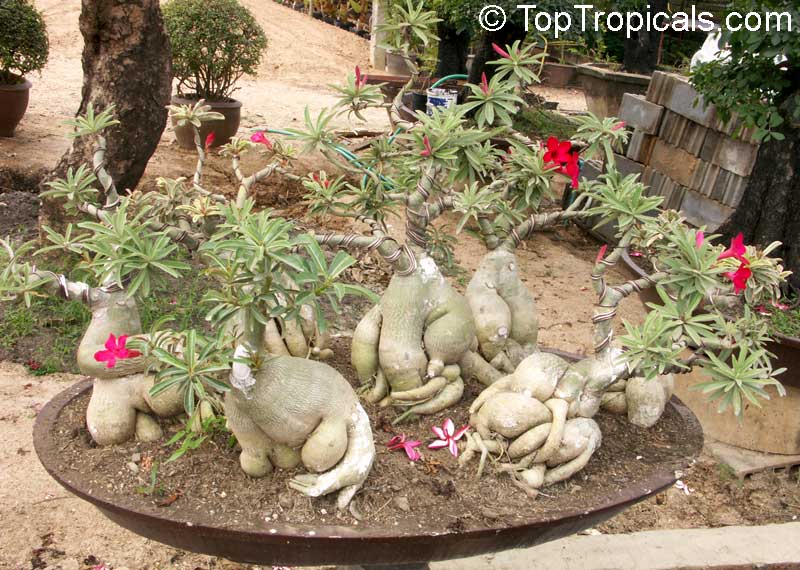
Care of Desert Roses
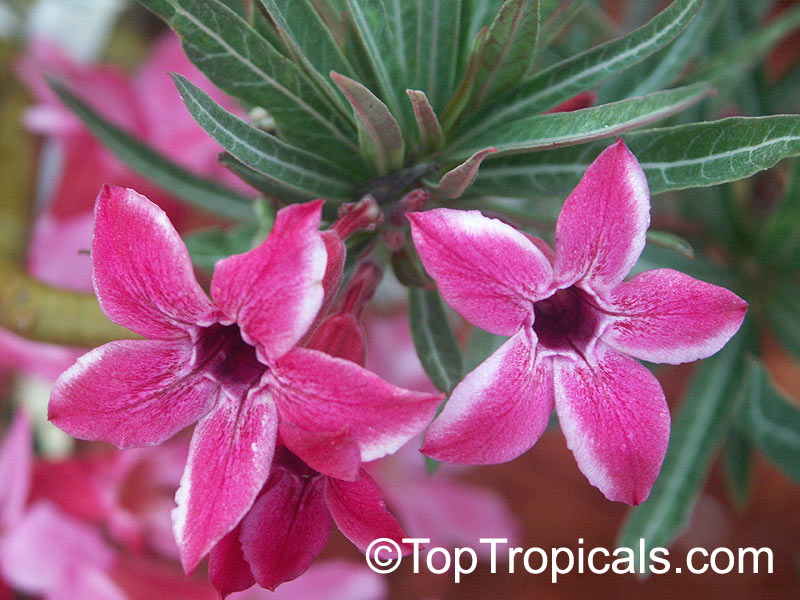
Q: I am looking forward to my three desert roses I just ordered from you and I am wondering how to take care of them, especially during winter time. Should I put the pots in full sun or shade? What kind of soil do they like? How often should I water them? When it gets cooler, should I bring them inside? We do have occasional frost here during winter.

A: Here are a few tips for your desert roses:

1. When received Adenium from mail-order, unpack carefully; branches are fragile. Plant in well-drained potting mix. Cactus mix will do, but we recommend special Adenium mix. If using regular acidic peat-based potting mix, you may add sea-shells on top of soil to neutralize acidity: adeniums prefer alkaline soils. Using clay pots is beneficial. Water once and do not water again until soil gets dry. Place in bright shade until new leaves sprout, then the plant can be moved to full sun.

2. Adenium is a succulent, but not a cactus. It needs watering, however let soil dry before waterings. Reduce watering during cool season and discontinue when plant gets dormant (drops all leaves in winter).

3. Bright light is the best for profuse flowering. However, adeniums look much healthier in slightly filtered light rather than in all-day full sun.

4. Fertilize and spray leaves with liquid fertilizer SUNSHINE Megaflor - Nutrition Bloom Booster. Phosphorous is responsible both for flowering and caudex development. Avoid caudex, spray over foliage only. Dry fertilizer can be used only during hot months.

5. Watch for spider mites during hot and dry season.

6. Give plants a break during winter dormant season. Keep in bright shade and reduce watering to 1-2 per month or stop watering if temperature is below 65F.

More info on growing Desert Roses:
What you need for successful growing Adeniums
Overwintering Adeniums outside of tropics
Growing Exotic Adeniums - Growing Exotic Adeniums

Date: 9 Jul 2019

Growing desert roses

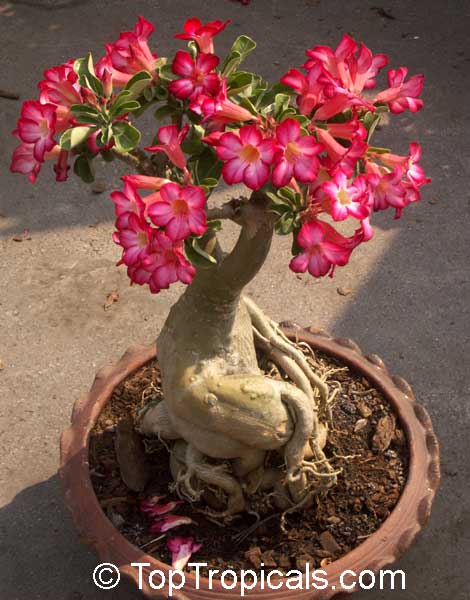
Q: I purchased a Desert Rose and planted it in Adenium mix. I keep it in full sun with once a week watering assuming this is a desert plant that likes lots of sun. Some leaves turned yellow and now I am not sure should I move it into shade or need to water more? Or maybe fertilize with something?

A: Desert Rose - Adenium, unlike cacti and other succulents, prefers filtered light. It can grow in full sun but leaves look healthier in light shade. Watering must be very moderate, however don't let soil harden like a rock: water again right after the soil gets dry. We suggest to use special Adenium Mix. Cactus mix may work well, as well as regular potting mix, in which case it is recommended to add a bit of limestone (we simply put sea shells on top of the pot - it looks very pretty!) - because adeniums prefer slightly alkaline soil (while most of tropical plants like acidic soils). If leaves turn yellow, this may be a sign of underwatering. Use water soluable fertilizer with high phosphate as foliage spray, and only on healthy plants, according to label dosage. It helps both caudex growth and flowering. Make sure to avoid fertilizer contact with a caudex.

RECOMMENDED SUPPLIES:
Adenium Plant Food - Flower and Caudex Booster
SUNSHINE-BC - Caudex booster
Adenium Soilless Mix

Read more about growing Adeniums:
What you need for successful growing Adeniums
Growing Exotic Adeniums

Date: 23 May 2024

The Magic of 3 top tropical trees
from the legends of Caribbean

Yellow Poinciana, Jacaranda, and Royal Poinciana:
Three happy colors of the Tropics

paintings of 3 top tropical trees - Royal Poinciana, Yellow Poinciana, and 
Jacaranda

While traveling through the vibrant and diverse Caribbean, we acquired three exquisite local paintings. Two of these are masterfully rendered on jacaranda wood plates, and the third is beautifully crafted on a calabash. These stunning pieces of art celebrate the three most spectacular and revered flowering trees of the Tropics: Yellow Poinciana, Jacaranda, and Royal Poinciana.

These trees are not only visually stunning but also deeply embedded in Caribbean culture, legends, and folk remedies.

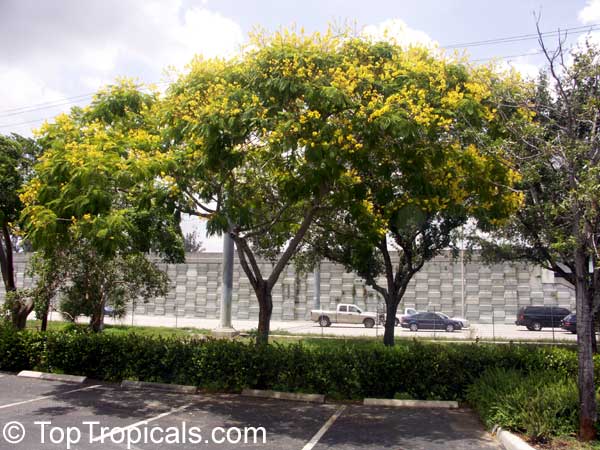
The Yellow Poinciana, with its bright golden blossoms, is often associated with joy and sunlight, symbolizing the warmth of the Caribbean spirit.
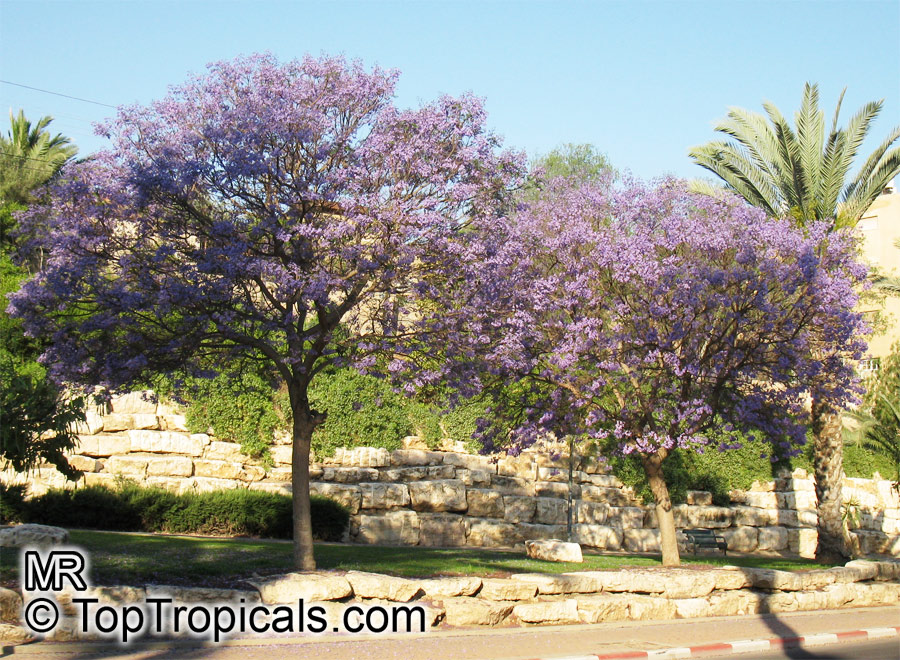
The Jacaranda, known for its striking lavender-blue flowers, is a symbol of wisdom and rebirth, often blooming in a breathtaking display that signals the change of seasons.
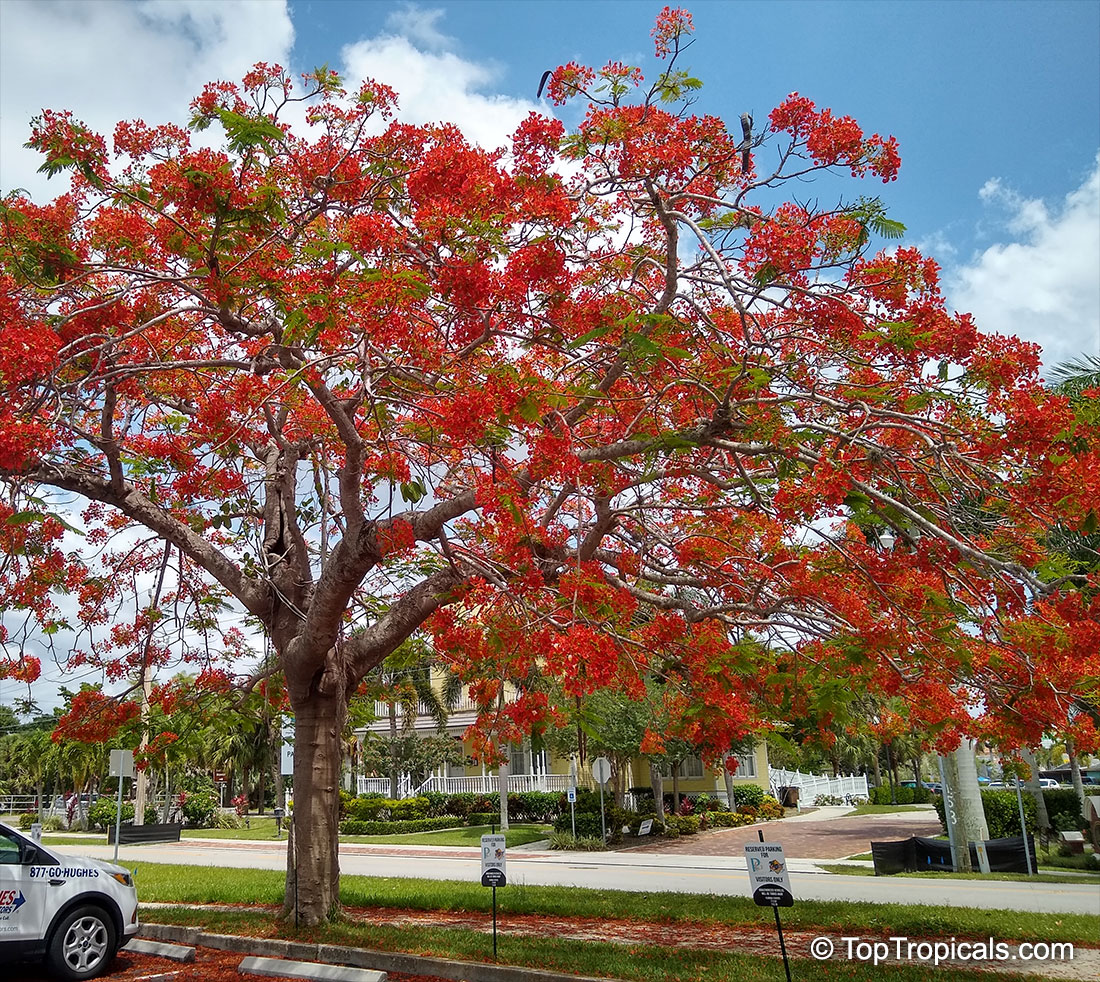
The Royal Poinciana, with its fiery red and orange flowers, is a symbol of passion and energy, often referred to as the "Flamboyant" tree due to its bold and dramatic appearance.

These trees hold a special place in the hearts of the Caribbean people. They are featured in numerous local stories and songs, and their flowers and leaves are used in traditional remedies and rituals. Owning these paintings feels like possessing a piece of the Caribbean's soul and its natural beauty.

Now, we are fortunate to have not only the paintings but also the actual trees. Watching them grow and bloom in our garden brings a piece of the Caribbean to our home, a constant reminder of our travels and the vibrant culture we experienced. These trees and their representations in art are a testament to the region's rich heritage and its enduring connection to nature.

Get them now while we have them. No need to go too far into Caribbean!

Peltophorum africanum - Golden Flamboyant, Yellow Poinciana

Peltophorum africanum - Golden Flamboyant, Yellow Poinciana. An excellent garden shade tree, beautiful in flower. This variety starts flowering at young age, in 3 gal pot.

Jacaranda mimosifolia (acutifolia)

Jacaranda mimosifolia - Hypnotizing bluish-purple, trumpet-like flowers create the magical image of the tree. Incredible, long-lasting purple blooms. When the trumpet-shaped blooms finally fall, they form a lilac carpet beneath the awe-inspiring Jacaranda for luxuriant curb appeal...

Royal poinciana, Flamboyant tree, Delonix regia

Royal poinciana, Flamboyant tree, Delonix regia - "One of the most spectacular flowering trees in the USA, and probably among the top 10 on this planet. In full bloom, it is like a regal elephant caparisoned in red and yellow brilliance." (Larry M. Schokman, The Kampong, National Tropical Botanic Garden)

Date: 29 Apr 2022

What is the easiest, prettiest, and most practical plant?
A plastic one?
Believe it or not, there is a different answer:

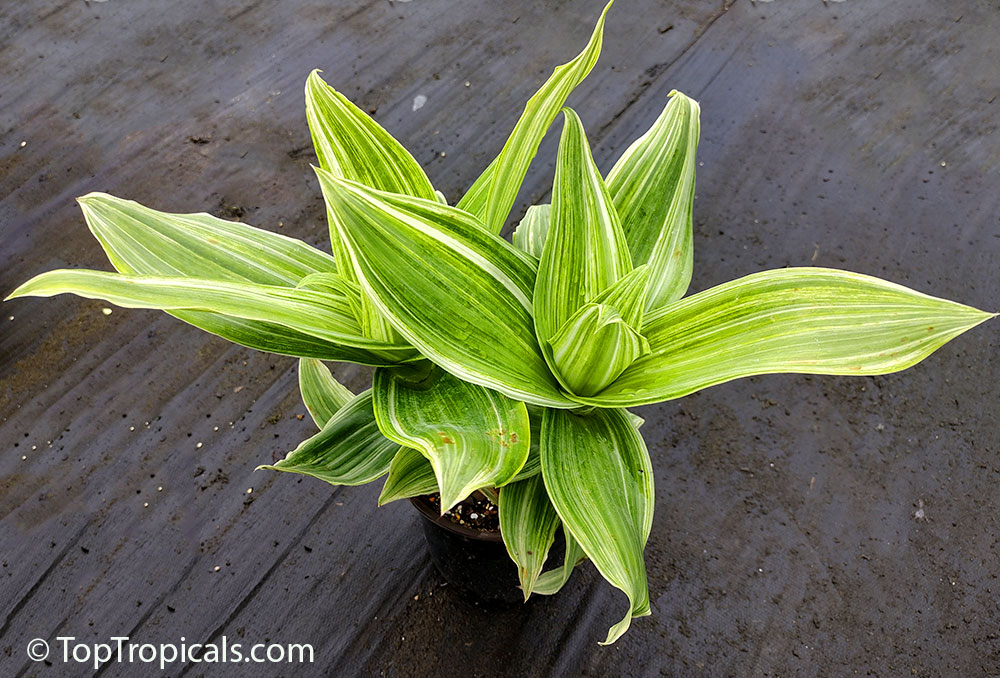
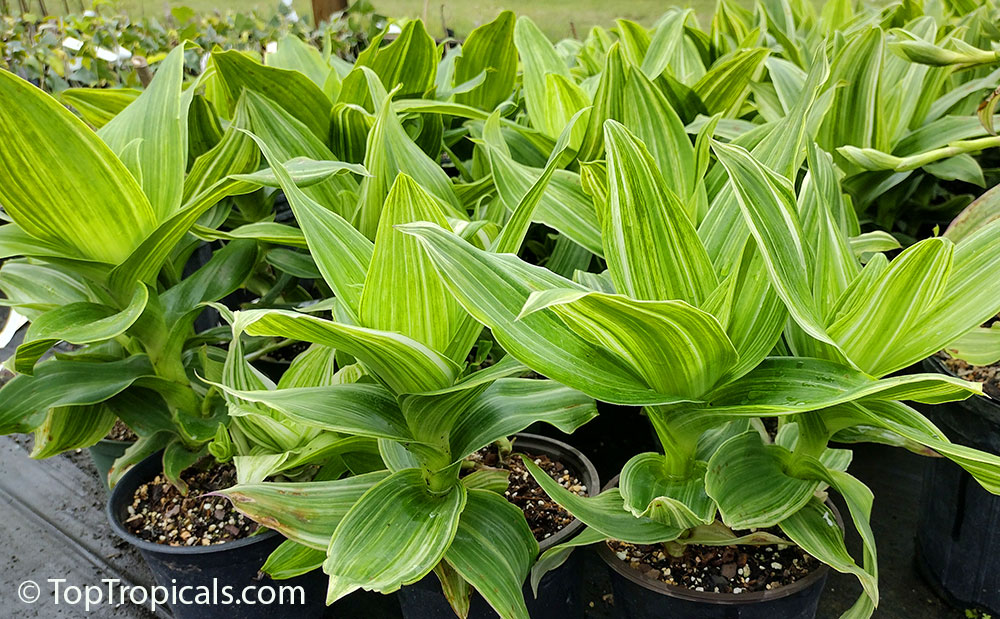
Plant of the month: Callisia Variegated Golden Tendril

Callisia fragrans x soconuscensis Melnikoff - Variegated Golden Tendril

Callisia fragrans x soconuscensis Melnikoff - Variegated Golden Tendril

An ultimate plant:
- perfect low maintenance house plant
- easy to grow
- has multiple holistic medicinal properties
- can grow fast as grownd cover
- needs almost no water
- sun or shade
- no fuss, no kidding!

This is an extremely rare variety of the European Holistic Medicinal Plant - Golden Tendril. It has showy variegated leaves and makes a beautiful houseplant on top of its medicinal value. It tolerates wide range of conditions and requires very little water; takes both bright sun or shade and is very fast growing and easy. The plant has wide medicinal use in Europe, literally every household uses this plant as a home remedies... just like Aloe Vera! According to scientific research, active biological substances from steroid group contained in this plant can struggle with any types of infections, stimulates metabolic processes, strengthens immunity and circulatory system, has a positive influence on growths and much more... some people consider it a virtual panacea. Whether it works for everybody or not, it is definitely fun to own such a legendary plant!

These are pictures of actual plants for sale!

Callisia fragrans x soconuscensis Melnikoff - Variegated Golden Tendril

Date: 25 Jan 2021

Healthy Plants: Q&A from Mr Booster

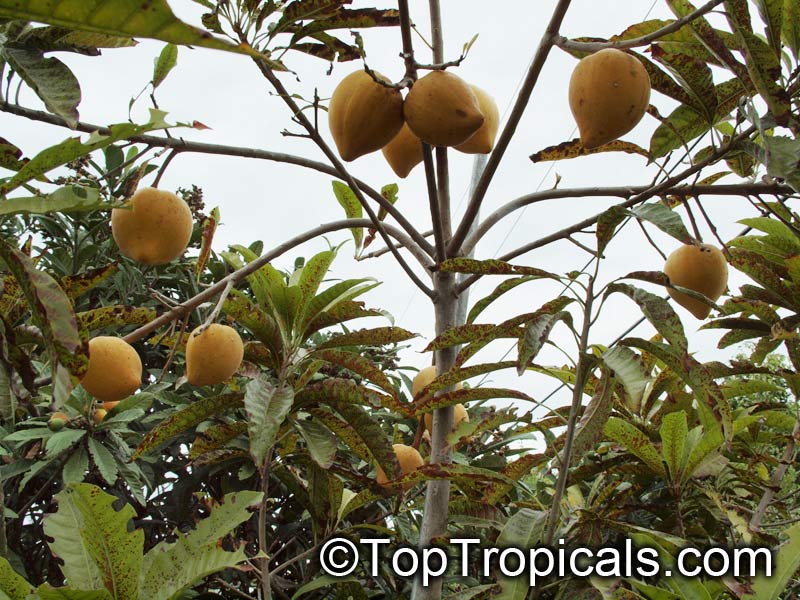
How to get Canistel tree to produce
without dropping flowers and fruit

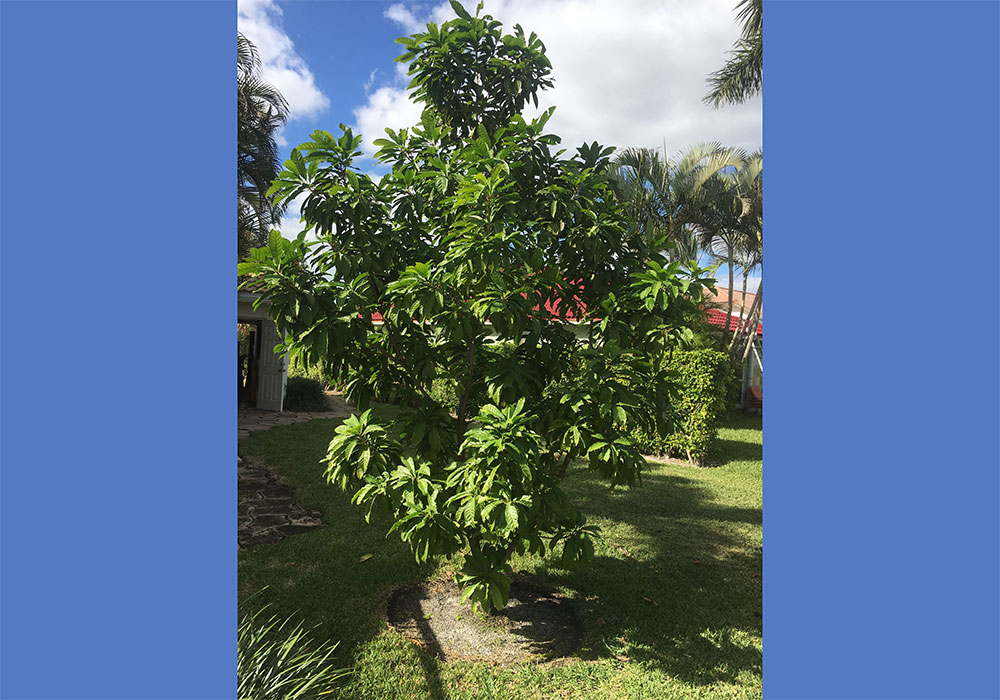
Q: My Canistel tree is 3 1/2 years old and is growing very well, see the picture below. It gets hundreds of pea sized "berries" but then they fall off. No canistel fruit. What's wrong?

A: You have such a nice looking tree, it is a shame you can't get any fruit to ripen.
In our experience, Pouteria trees dropping fruit prematurely is a very common problem. There may be one of the following reasons, or a combination of them:
- Cold winters may affect production, and while Canistel is generally pretty hardy tropical plant that can easily withstand short periods of chill, the fruit may never form properly if it had a cold winter.
- Lack of water. Canistel tree is pretty drought tolerant, but for the proper production cycle it needs regular irrigation. Especially during hot summer.
- The tree may be not strong enough; young trees drop fruit very often when they don't have enough "fruiting energy" built up in their system.
Your tree looks well established and vigorous, however, flower/fruit drop is often a sign of insufficient nutrients of particular kind, usually Boron (B) and/or Molybdenum (Mo): either when a tree is too young and not strong enough, or because of poor soils and lack of necessary elements.

Here is what can be done, considering you live in a warm, frost-free climate.

1. Provide regular fertilizing program. We recommend liquid fertilizers Sunshine Boosters that are safe to use with every watering and year around. It is beneficial to switch plants from traditional "slow-release" fertilizer to the liquid one because it makes a huge difference in plant growth and flower/fruit quality and quantity. See also:
- Why liquid fertilizers are better than dry
- Article about benefits of liquid fertilizers.

Use this plant food for your Canistel tree:
SUNSHINE C-Cibus - Crop Nutrition Booster

2. Apply micro-element remedies that are very effective for improving fruit production, especially when flower or fruit drop occurs:

SUNSHINE Honey - promotes more efficient blossoming and pollination, makes flowers bigger and reduces bud drop.
SUNSHINE SuperFood - improves plant vigor and quality and size of flowers These are all natural, eco-friendly supplements that work great for fruit trees and other edibles.