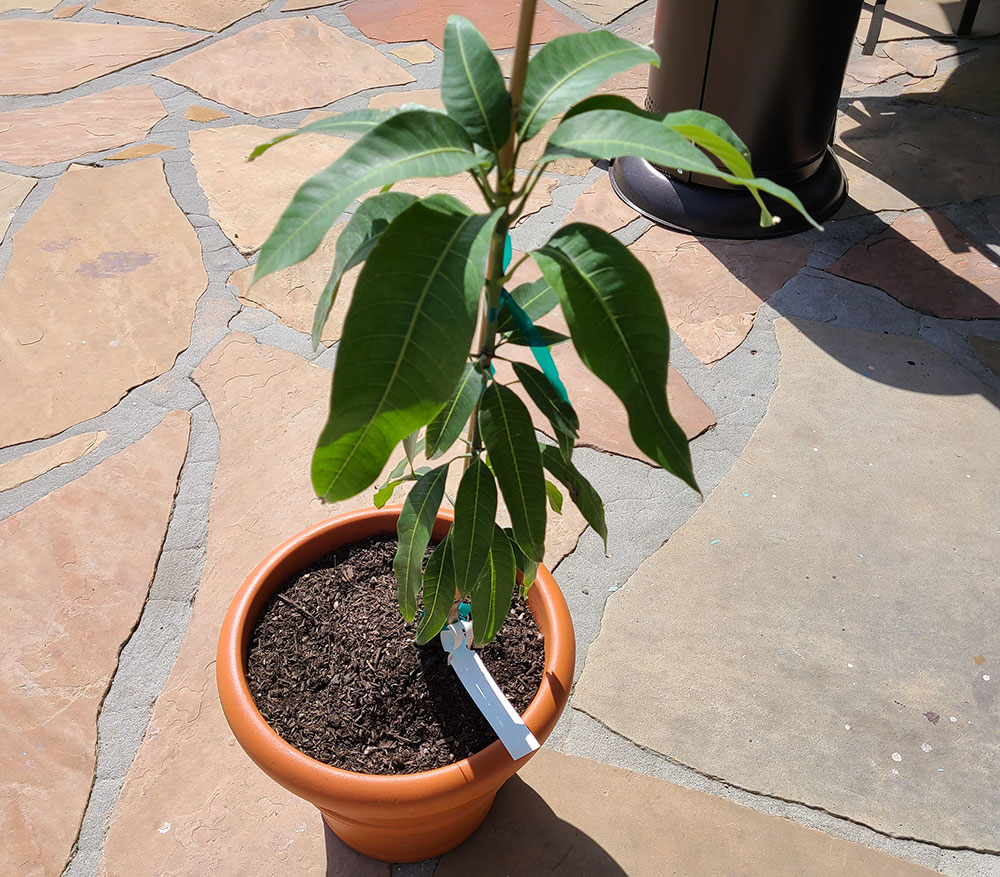
Q: I received a mango tree we ordered last week (I am in
California) and am trying to make sure we take care of it properly. I noticed the
corners of some leaves have began drying out. I wanted to see if there was
anything else we should be doing or if it is something normal. Overall the tree
looks good and the leaves have perked up, but I noticed the dry tips on a
handful of leaves. Any help is appreciated! I have not fertilized in the pot yet
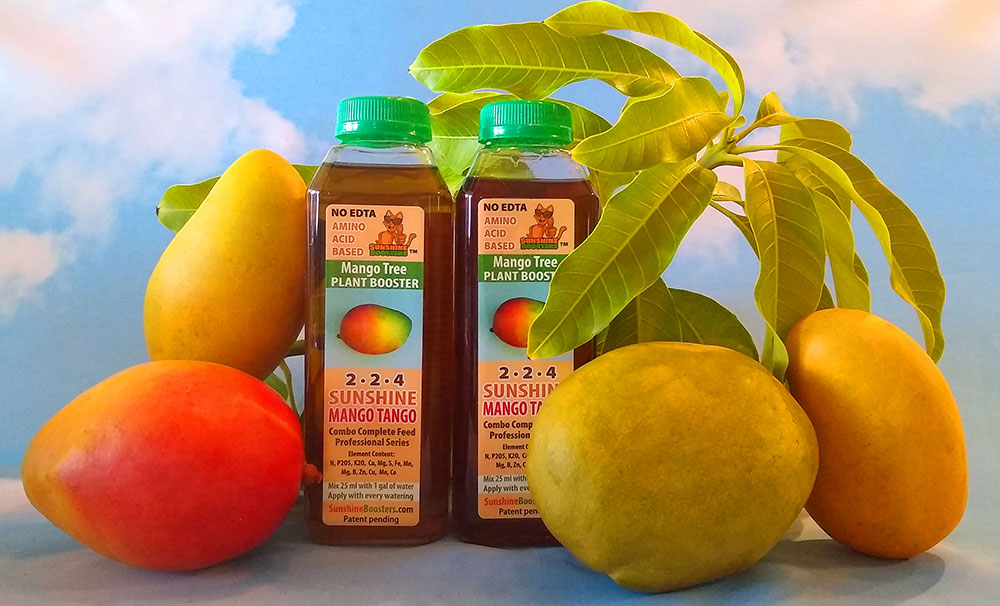
or applied the mango sunshine booster.
A:Your mango tree looks pretty healthy, and these dry leaf tips
may be caused by overall shipping stress. You have dry air in California, and
temperatures may be getting up, this may cause additional drying effect. You
may start fertilizing with a liquid fertilizer, it will help the plant to get stronger and grow
faster - then heat and dry air won't be a problem as soon as the plant becomes
better established and hopefully go into a bigger pot soon, or in the ground.
Make sure to provide regular water if you have hot dry summers.
Date: 21 Apr 2021
Trimming Pomegranate Tree
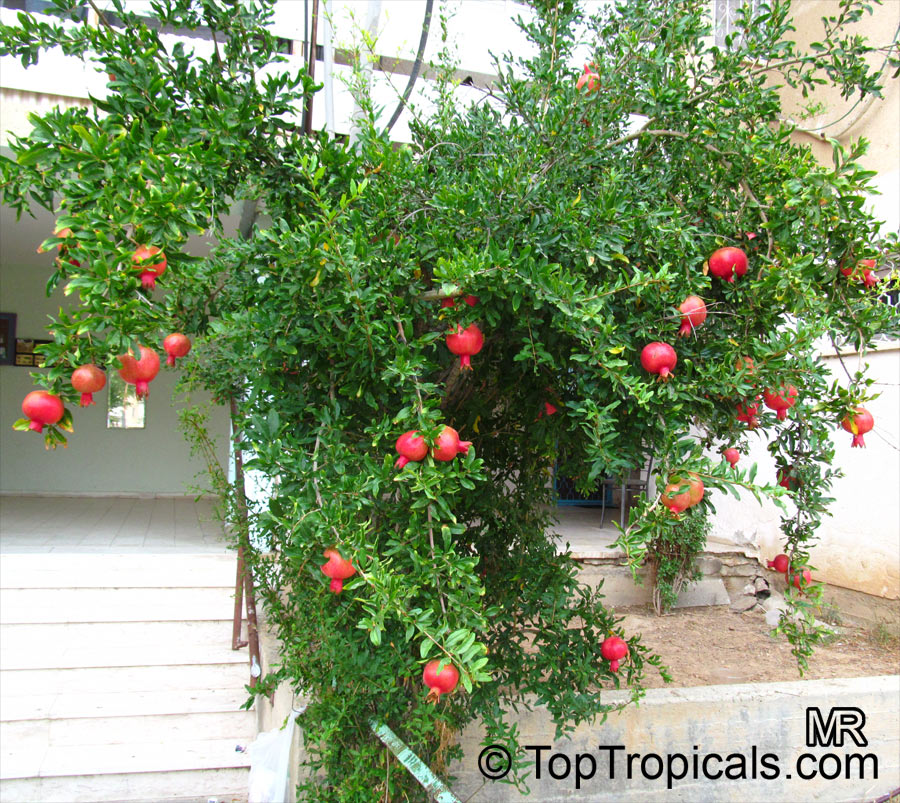
Q: I purchased a Pomegranate var. Vietnam, 3 gal from you in Feb. Your lit says trim for
the first 3 years to encourage new growth. How old is my tree, please? Would
you recommend I trim before leaving for the summer on April 30?
A: The Pomegranate trees we have for sale are grown from cuttings
and are about 2 years old. Once you plant the tree in the ground, it will
start producing new shoots. You don't need to trim it now. The best time will
be end of summer.
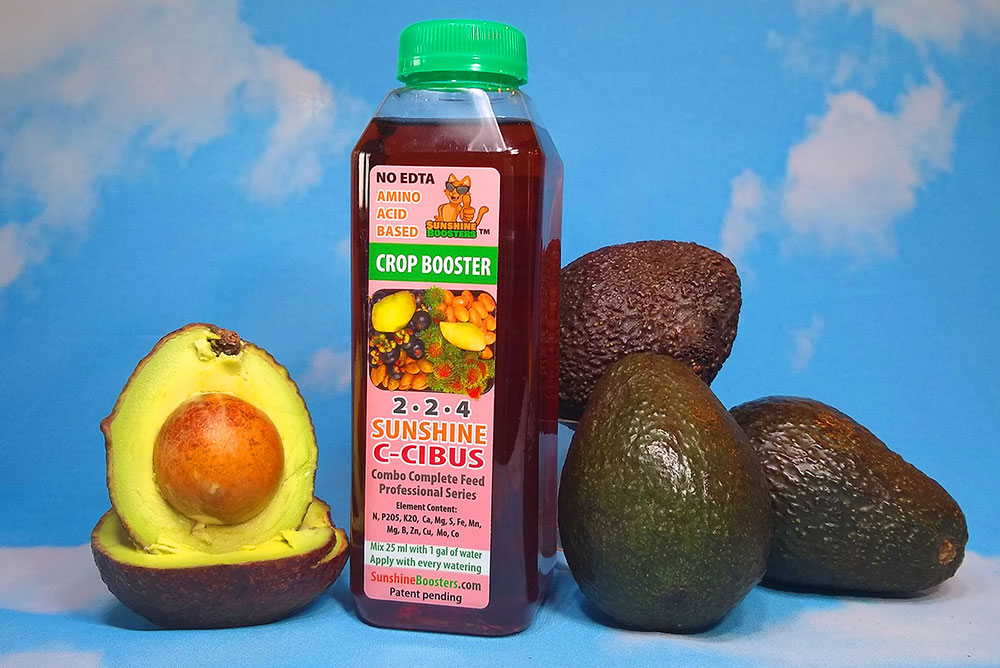
Q: I have 5 avocados. Three of your cold hardy varieties and two
others that have all flowered and set fruit in the past. The last two years
including this year, not a single one of them has put out any flowers. I am
getting lots of new growth like one would expect on a tree too young to flower.
The last two years have been very mild with out any damaging frost where in
previous years they lost all their leaves due to frost yet started putting
out flowers once winter was over. I am confused because they have all flowered
and set fruit previous years. Any ideas would be appreciated.
A: From information you provided, and considering the trees get
lots of full sun and cold was not an issue, the only explanation is - lack of
nutrients. Here is an example.
Very common situation: you get a small 2-3 ft Avocado or Mango tree in 3
gal pot (or even smaller) from a nursery, full of flowers, and sometimes even a
small fruit. You bring it home, plant it in the ground or a bigger pot, it
looks happy and grows like crazy. Then next year - oops, no fruit, sometimes
not even flowers. What happened?
When the tree lived in a nursery, it was provided with all necessary
nutrients through the injector systems (continuous feed); or some nurseries may use
top dress smart release on regular schedule. Regardless of fertilizer type,
professional grower's set up delivers plant food non-stop, on regular basis, with balanced formulas. Plants are not only growing fast but also ready to produce, since nutrients are always available for a full growth cycle.
When you plant a tree in the ground (or larger pot), conditions change.
They may be beneficial for the plant: lots of room for roots to establish, hence
lots of vegetative growth. Even if you planted it using good quality fertile
soil, this soil may contain mostly nutrients responsible for vegetative
growth (branches and leaves). Chances are, your soil may be rich in Nitrogen
(good for green growth), but poor in other elements responsible for flowering and
fruiting (Phosphorous, Potassium, and many important micro-elements such as
Molybdenum, Boron, Iron, etc.). Besides, existing soil gets exhausted
quickly, and within a year a two, if you don't add fertilizer, flowering and fruiting may be reduced or even stopped.
This is why fertilizing program is very important for fruit trees that are expected to bring a crop soon.
Also keep in mind that some fruit trees have a habit of "skipping" a year and may either produce less or not produce at all every other year. In any case, balanced nutrition program can help to fix this "bad habit".
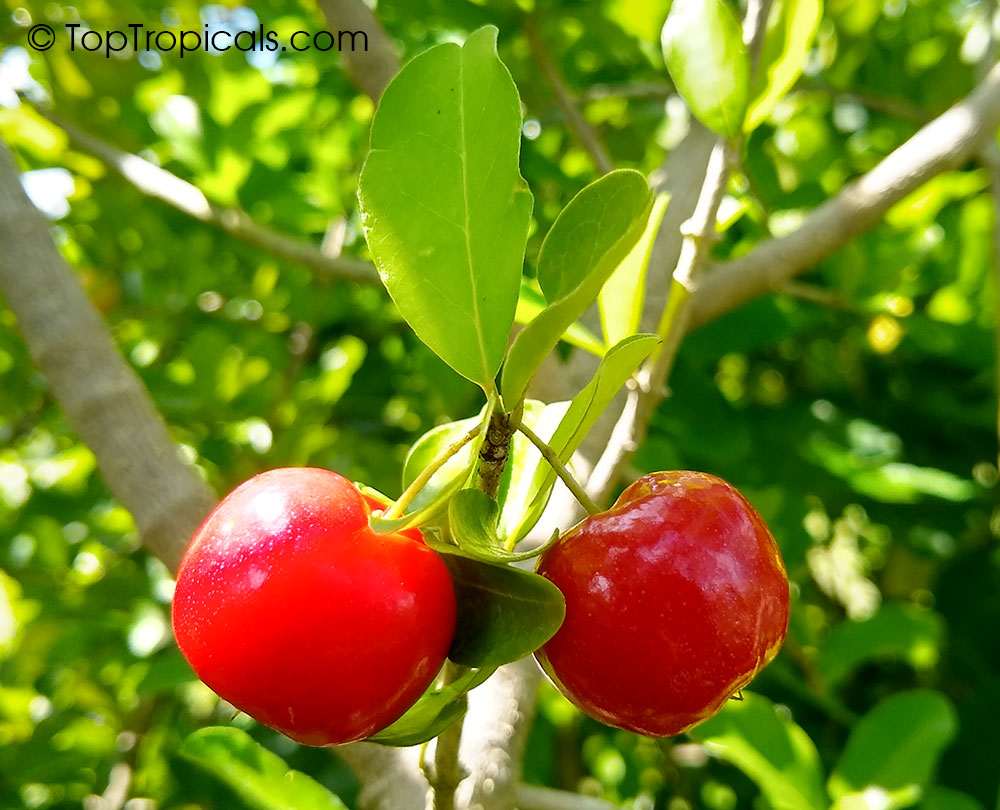
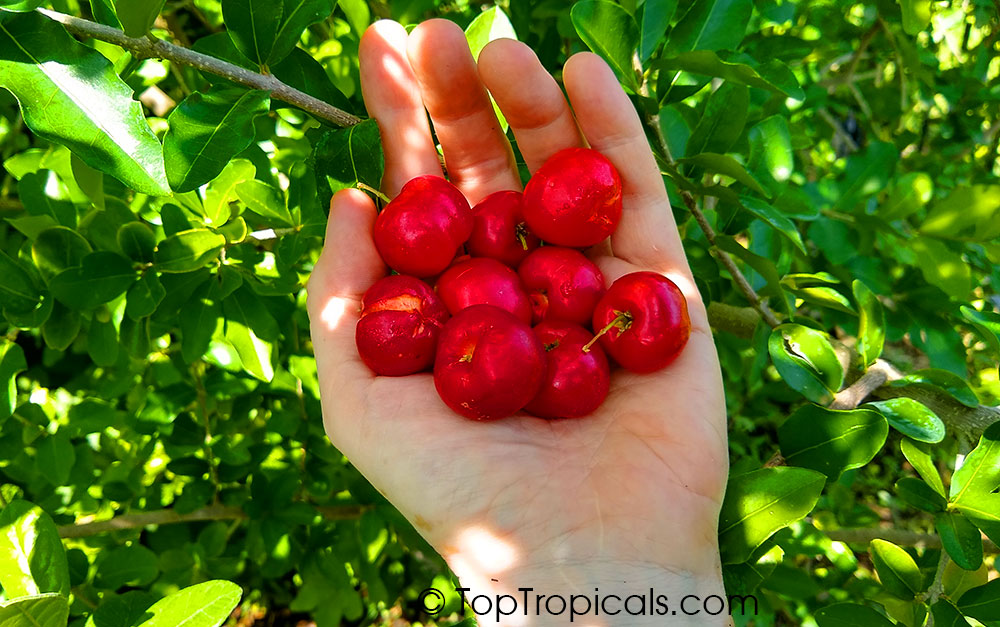
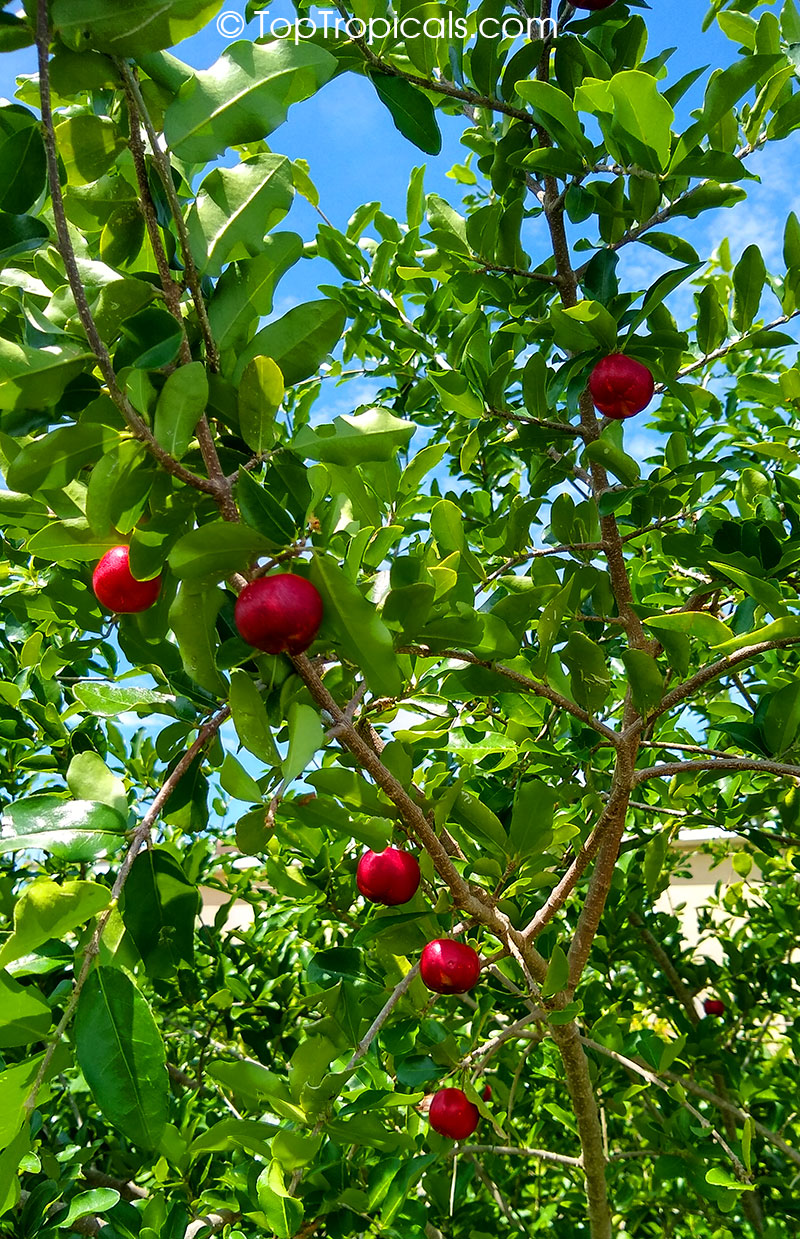
...If you are looing for a low-growing tropical fruit tree that's quite
colorful in fruit and starts fruiting right away - plant Barbados Cherry...
...Small, bright red, berry-sized fruit has a vitamin C content up to 65
times that of an orange! A single fruit contains the minimum daily recommended
vitamin C requirements...
...Barbados Cherry is very easy to grow and is generally free of pests,
diseases, and any problems. It is drought tolerant and requires very little
care. And the best part is, it will fruit for you right away! As small as 2"tiny
plant can bear fruit!..
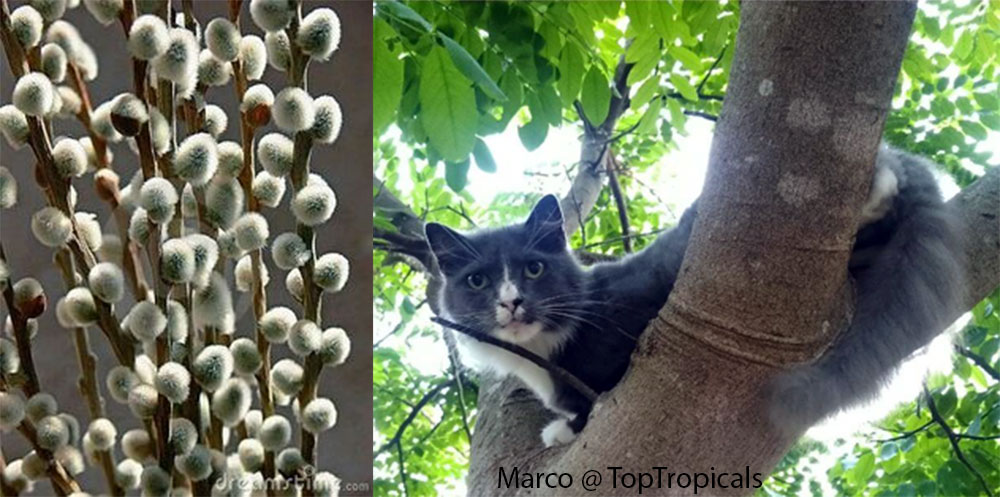
Pussy Willows are the Symbol of Spring and Easter. But why are they called
Pussy Willows?
According to an old Polish legend, many springtimes ago a mother cat was crying at the bank of the river in which her
kittens were drowning. The willows at the river's edge longed to help her, so they swept their long graceful branches into the waters to rescue the tiny kittens who had fallen into the river while chasing butterflies. The kittens gripped on tightly to their branches and were safely brought to shore. Each springtime since, goes the legend, the willow branches sprout tiny fur-like buds at their tips where the tiny kittens once clung!
Ever since then, in Spring, the willow gentle velvet buds feel to the
fingers like the silky coat of a small cat. These buds are known today as catkins and remarkably, in every country, these soft
willow trees are named after cats.
Read more about
the legend.